







How Tool 6 Wings Drill Bit PDC Improves Cutting Performance
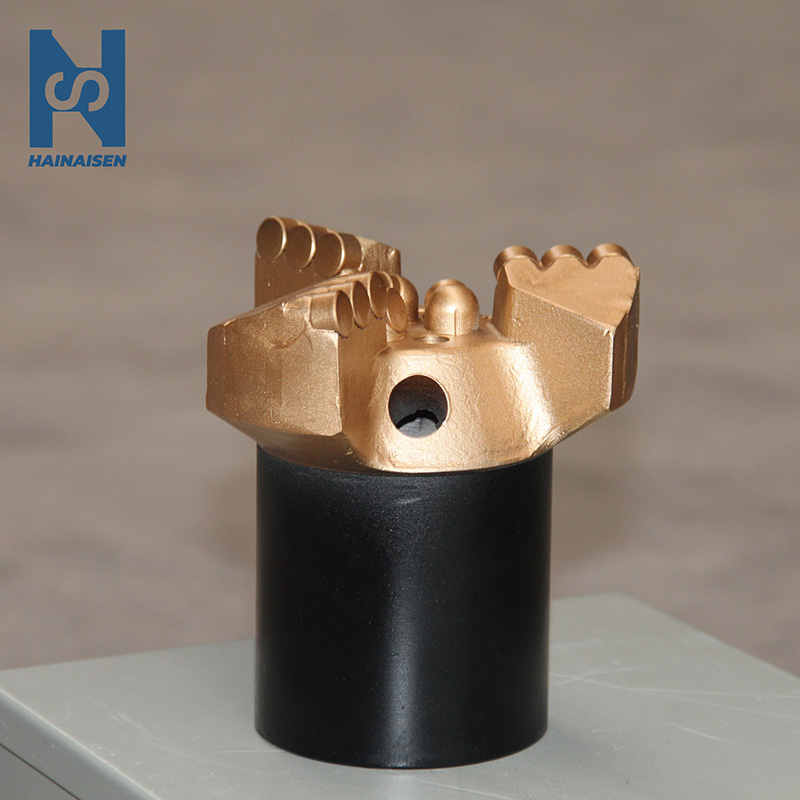
The Tool 6 Wings Drill Bit PDC cuts better because it has an advanced six-blade design that spreads cutting forces evenly across the bit face. This lowers the sound while increasing the rock contact. This design uses carefully placed polycrystalline diamond compact blades that effectively split rocks, resulting in faster penetration rates and longer bit life. Better hydraulic passageways between the blades make it easier to remove trash, which stops the bit from balling and keeps the drilling efficiency steady in medium-hard rock types like shale, limestone, and sandstone.
Understanding the 6 Wings Drill Bit PDC
The Tool 6 Wings Drill Bit PDC is a big step forward in modern drilling technology. It solves important practical problems that technical engineers and procurement managers face every day. In contrast to most designs, this one strikes a balance between cutting force and structural stability.
The Six-Wing Blade Architecture Explained
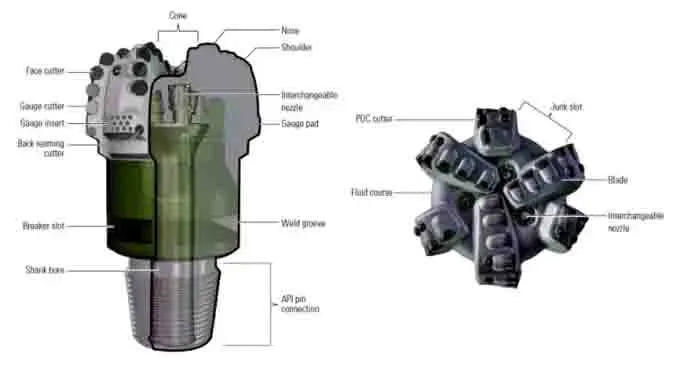
The shape of the blade is the basis for improving efficiency. Each wing stretches from the bit body at a determined angle, making the best contact places with the surface of the formation. This shape makes sure that the cutting forces are spread out evenly, which stops the uneven wear patterns that happen with older designs. The space between the wings makes it easy for drilling fluid to flow, which moves the cuttings away from the cutting face and keeps the PDC cutters cool while they're working.
Material Composition and Manufacturing Excellence
At HAINAISEN, we make things by combining modern polycrystalline diamond compact parts with high-quality steel bodies. The steel core gives it the rotational strength it needs for drilling, and the tungsten carbide blend materials strengthen the edges, which are where wear and tear are the worst. Our 3,500-square-meter plant in Xi'an has 5-axis machining centers and CNC machine tools that make sure the precision is within microns. This is where our PDC cutters go through a strict quality check.
Why Traditional Drill Bits Fall Short: The Need for 6 Wings PDC
When dealing with difficult physical conditions, traditional three-wing PDC Bits and tri-cone roller designs have built-in flaws. Knowing these problems makes it clear why procurement choices are favoring the more advanced Tool 6 Wings Drill Bit PDC.
Common Failure Modes in Standard Designs
When traditional bits hit interbedded shapes, they wear out faster than usual. Three-wing types focus cutting forces on a smaller number of contact points, which creates hotspots that wear down PDC elements faster than they should. Bit balling happens more often when poor junk slots get filled with cuttings. This lowers penetration rates and requires expensive trips to clean or replace bits. When temperatures are high, the bearings on tri-cone Roller Bits break. This makes them less useful in lower wells where geothermal slopes make operations, Tool 6 Wings Drill Bit PDC, more difficult.
Performance Advantages Verified Through Field Applications
When drilling companies in the Permian Basin switched from three-wing to six-wing PDC designs in shale layers, the rate of penetration went up by 30%. The improved steadiness kept downhole equipment from getting damaged by vibrations, which made the whole drill string last longer. Coal mines in the Powder River Basin said that each bit had a longer life of more than 500 meters, compared to 300 meters with older roller cone designs. These improvements in performance immediately lead to less time spent on non-productive tasks and lower costs per meter dug.
Technical and Maintenance Insights for Optimal Use
To get the best return on investment with the Tool 6 Wings Drill Bit PDC, things need to be handled correctly, maintained properly, and people need to know how to use them. Technical engineers can do their jobs better if they know the best ways to keep bits working at their best and extend their life during drilling efforts.
Maintenance Protocols for Extended Service Life
As soon as the bits are taken out of the wellbore, routine checking starts. Visual inspection finds damage to the cutter, weathering patterns, and problems with the structure's strength before they affect later runs. Cleaning gets rid of formation waste and drilling fluid leftovers that can hide damage or speed up corrosion while the material is being stored. When bits are stored correctly, they stay intact between uses. This keeps PDC cutters from getting damaged by impacts and stops moisture from building up, which weakens steel parts.
Here are essential maintenance considerations that drilling teams should implement:
- Pre-Deployment Inspection: Make sure that all PDC cutters are still firmly attached to the blade surfaces. Look for cracks or chips that could spread during operation and cause the machine to fail completely.
- Operational Monitoring: Keep an eye on the drilling factors all the time to see if there are changes in performance that could mean the cutters are wearing out or that the formation is changing, which means that the weight on the bit or the spinning speed needs to be changed.
- Post-Run Analysis: Write down the video drilled, the types of formations met, and the wear patterns that can be seen to build practical knowledge that will help with choosing bits and buying them in the future.
These maintenance practices collectively reduce unexpected failures and help technical teams correctly predict when bits will need to be replaced. This makes inventory management and buying cycles more efficient.
Formation Compatibility and Application Guidelines
Six-wing PDC bits work best in certain geographic settings where the way they were made matches the way the rock is formed. Sedimentary rocks with a medium stiffness, like shale, limestone, sandstone, and gypsum, are perfect for PDC cutting action. When compressive forces are less than 150 MPa, cutters can work well without getting too dull or chipped. The steadiness and controlled cutting action that six wings provide are especially helpful for interbedded formations with layers of soft and hard rock that change over time. Drilling teams shouldn't use PDC bits in quartz or chert rocks because they are very rough. Roller cone bits may be cheaper even though they don't penetrate as well. Igneous rocks and metamorphic layers that are very hard often need special PDC grades or other drilling technologies.
Comparing the 6 Wings Drill Bit PDC to Other Market Options
To make smart purchasing choices regarding the Tool 6 Wings Drill Bit PDC, you need to compare different technologies based on important performance measures and operational contexts.
Performance Metrics Across Drilling Environments
In rate of penetration tests done in shale formations, six-wing PDC bits regularly do better than three-wing peers, reaching drilling speeds that are 25–35% faster under similar conditions. Stick-slip oscillations hurt drill strings and surface equipment. Stability improvement lowers these oscillations, which is especially important for directional drilling, where wellbore trajectory control is important. Tri-cone roller bits are still better than PDC shearing action in rocks with a lot of cracks because they use impact breaking mechanisms instead. Extreme temperatures put materials to the test in geothermal digging, which creates its own set of problems. Six-wing PDC designs that use better heat-resistant materials keep the cutter's structure at temperatures above 200°C, which is better than regular bits that break down more quickly. When building water wells, putting cost-effectiveness first helps because the longer bit life means that replacements are needed less often during multi-well campaigns.
Cost-Benefit Analysis for Different Customer Segments
Large oil service companies that do thorough field reviews know that premium six-wing PDC bits are worth the extra money because they work better and have a lower total cost of ownership. When coal mining businesses have to balance the need for quality with limited budgets, they find that mid-tier six-wing choices perform well enough at a price that is competitive, especially when sample testing proves they will work in the field. Small water well drilling teams that are only concerned with the original purchase price may at first prefer cheaper options. However, practical experience often shows that premium bits lower total project costs by speeding up drilling and reducing the number of bit changes that need to be made. Procurement managers evaluating supplier options should consider manufacturing capabilities, technical support availability, and customization services alongside unit pricing. Established Manufacturers operating modern production facilities deliver consistent quality and reliable supply lines. This lowers the risk of buying for companies that are running ongoing drilling campaigns that need regular bit performance.
Procurement Guide: How to Source the Right 6 Wings Drill Bit PDC
When you do strategic sourcing for the Tool 6 Wings Drill Bit PDC, you look at different sources, learn about the different ways you can customize their products, and keep track of the logistics that can affect project costs Tool 6 Wings Drill Bit PDC and timelines.
Supplier Evaluation Criteria
Quality Certifications are the first thing that suppliers are checked for, but their production skills and technical know-how are what really decide who is a good seller. The focused research and development team at HAINAISEN works with clients to create unique solutions that meet their individual operational and geological needs. Our engineering team changes bit profiles, cutter sizes, and blade configurations based on the properties of the rock and the drilling goals. This way, they can make goods that work best for specific uses. Manufacturing capacity affects lead times and supply reliability. Our building has modern machining centers and welding production lines that can handle both standard product deliveries and custom orders. This way, we can be flexible and meet the needs of both urgent projects and planned purchase plans.
Bulk Purchasing and Custom Orders
When people negotiate to buy a lot of something, economies of scale work to lower the cost per unit for big digging efforts. Streamlining production schedules and sending multiple items at once saves money on transportation costs for multi-bit orders. Custom specs need engineers to work together during the design process, which adds to lead times but provides performance benefits that support planning investments. Technical experts should start working with suppliers early in the planning stages of a project so that there is enough time for testing prototypes, making sure the design is correct, and planning production.
Logistics and Import Considerations
Sourcing from manufacturing hubs offers cost advantages, though international procurement introduces complexity requiring careful management. Ocean freight is the most cost-effective way to ship large orders when there is time freedom, while air freight charges more to meet urgent needs. Different places have different import taxes, customs clearance processes, and paperwork needs. This means that you need shipping partners with a lot of experience who can quickly handle regulatory requirements. Domestic wholesalers make it easier to buy things and cut down on wait times, but they may not have as many products in stock and charge more, which could cancel out the ease benefits.
Conclusion
In conclusion, Tool 6 Wings Drill Bit PDC units are a tried-and-true technology that improves drilling ability in a wide range of situations. The balanced blade design makes the machine more stable, speeds up penetration rates, and extends its useful life by better managing heat and cutting more efficiently. When procurement managers look at drilling options, they shouldn't just look at the initial purchase prices; they should also look at the total cost of ownership. To get the best bit performance, technical experts need to know about application factors, maintenance needs, and formation compatibility. Strategic relationships with approved makers give you access to services like customization, technical support, and quality assurance programs that lower operating risks and get you the most out of your drilling investments.
FAQ
1. What advantages does a six-wing PDC bit provide over traditional three-wing models?
The Tool 6 Wings Drill Bit PDC spreads the cutting forces over more contact points, which lowers sound and makes the bit last longer. Better cutting removal is made possible by bigger junk holes that improve hydraulic performance. This keeps drilling efficiency high. When compared to three-wing options, procurement managers say penetration rates are 25–35% higher, and downtime is much lower.
2. How do operating parameters affect bit performance and longevity?
The best performance is seen between 60 and 250 RPM for the spinning speed, 20 to 110 KN for the drilling pressure, and 30 to 40 liters per second for the flow rate. When you operate outside of these limits, wear and tear increases faster, and efficiency decreases. To keep things running at their best, technical teams should keep an eye on the drilling settings all the time and make changes as the features of the formation change.
3. Where can procurement teams source certified six-wing PDC bits with reliable warranty support?
Products made by certified companies that follow quality management systems and API guidelines are reliable and come with guarantees from the makers. HAINAISEN provides unique solutions created by skilled engineers, backed by strict quality control throughout the entire production process. You can talk about project needs and ask for expert advice by emailing hainaisen@hnsdrillbit.com or visiting hnsdrillbit.com.
Partner with HNS for Superior Drilling Solutions
HAINAISEN makes the best Tool 6 Wings Drill Bit PDC units on the market. These bits are designed to cut very well in tough drilling conditions. At our Xi'an facility, we use cutting-edge manufacturing technology and strict quality control to make bits that work better than expected in coal mines, oil and gas research, and building water wells. We know that every project has its own natural problems that need custom answers. Our engineering team works directly with clients to make sure that the bit shapes and cutter configurations they use work best with the properties of the creation in question. We are a well-known manufacturer that provides full technical support, low prices for bulk orders, and dependable shipping schedules that keep projects on track. You can email us at hainaisen@hnsdrillbit.com to get prices, talk about customization options, or set up sample reviews that show how committed we are to your drilling success.
References
1. Bellin, F., Dourfaye, A., King, W., and Thigpen, M. (2010). "The Current State of PDC Bit Technology." World Oil Magazine, Vol. 231, No. 9, pp. 67-71.
2. Durrand, C.J., Skeem, M.R., and Crockett, R.B. (2011). "PDC Bit Performance in Hard, Abrasive Formations." SPE/IADC Drilling Conference and Exhibition, Paper SPE-140150-MS.
3. Huang, H., Lecampion, B., and Detournay, E. (2013). "Discrete Element Modeling of Tool-Rock Interaction with Application to Drill Bit Performance." International Journal of Rock Mechanics and Mining Sciences, Vol. 64, pp. 234-244.
4. Sinor, L.A., Warren, T.M., and Zoch, L.J. (1998). "Field Verification of Model Predictions of Bottomhole Balling and Cuttings Transport." SPE Drilling & Completion, Vol. 13, No. 2, pp. 98-103.
5. Zhang, Z., Song, Z., and Cui, S. (2016). "Optimization Design of Six-Blade PDC Drill Bit for Deep Well Drilling." Petroleum Drilling Techniques, Vol. 44, No. 3, pp. 55-60.
6. Zhou, Y., Lin, J.S., and Zhang, W. (2017). "Numerical Simulation of Rock Cutting Using PDC Cutters: Analysis of Cutting Forces and Temperature Distribution." Journal of Petroleum Science and Engineering, Vol. 153, pp. 49-61.
 VIEW MOREPDC Flat Top Sintered Drill Bit
 VIEW MOREPetroleum PDC Oil Drill Bit
 VIEW MOREFive Blade PDC Drill Bit
 VIEW MOREPolycrystalline Diamond Drill Bits
 VIEW MORE113mm PDC Arc Angle Drill Bit
 VIEW MOREDrill Bits For Oil Drilling
 VIEW MOREThree Blades Rock Drill Bit
 VIEW MORE113mm 3 Blades Steel Body PDC Bit
