







5 Blades PDC Oil Bit Durability and Service Life Analysis
When you check how long a 5-blade PDC Oil Bit lasts and how durable it is, you're looking at how well the design, the quality of the materials, and the way it's used all work together to give you steady performance in tough drilling conditions. The five-blade design strikes a mix between strong cutting action and structural stability, making a tool that doesn't wear out and can still cut through medium-hardness rocks like shale, limestone, and sandstone. Knowing about these factors that affect longevity helps purchasing managers and technical experts choose bits that have the least amount of downtime and cost the least to drill.
Technical Specifications and Performance Metrics Related to Service Life
The technical specs give you a way to figure out if a 5-blade PDC Oil Bit will meet your needs for longevity. Being aware of these factors lets you compare goods without bias and pick bits that provide quantified value over their lifetime.
Critical Design Parameters
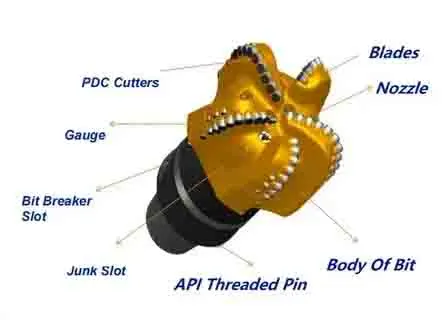
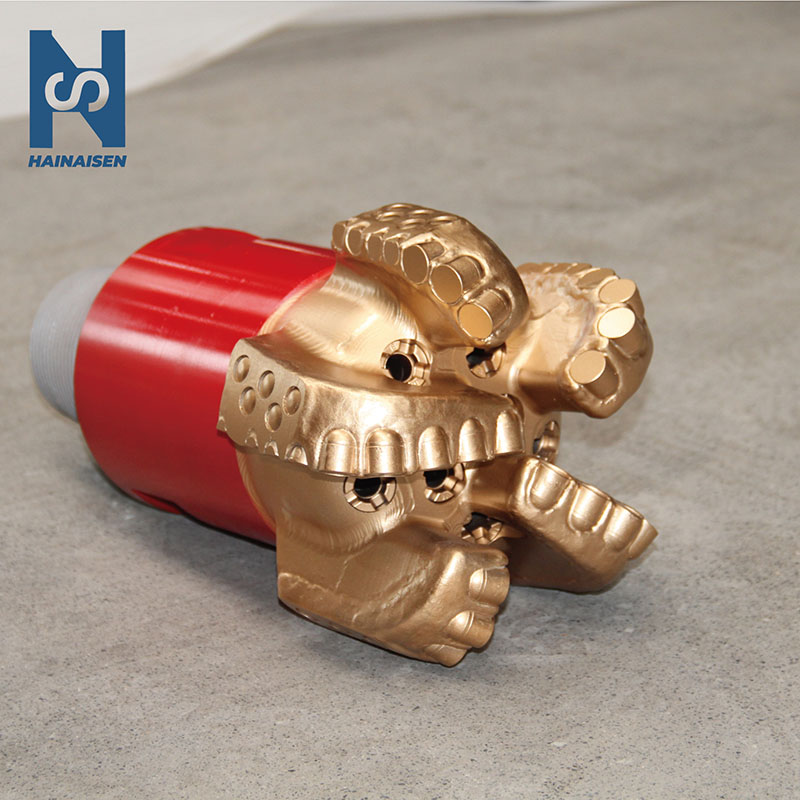
How well a bit cuts through rock and stays sharp depends on its cutter size, density, and placement strategy. Larger cuts, usually 13–19 mm in diameter, last longer in harder rocks because they spread the force of impact over a larger area. Smaller cuts (8–13 mm) are more aggressive in soft rock but wear out faster when big loads are put on them. The number of cuts on each blade is called its "cutter density." Higher density makes entry rates better, but the hydraulic design has to be very careful so that cuttings don't build up. Our bits make sure that the cutter density and junk slot area are balanced so that cleaning is still effective across the suggested flow rate range. Back-up cutters placed slightly behind the main cutters provide redundancy, letting the bit keep cutting well even after the primary cutters have moderately worn down. The cutting intensity and force needed are affected by the blade position and rake angle. Positive rake angles lower the cutting force, but they can also make cutters more likely to chip. Negative rake angles make things last longer, but they also need more power. We find the best rake angles for each target formation. For formations with compression strengths above 50 MPa, we usually use slightly negative angles.
Key Performance Indicators
The main ways to measure how well a PDC bit works are its rate of entry and its run length. ROP tells you how fast the bit moves, which is usually given in meters per hour. Our bits regularly get 15–30% better ROP than three-blade designs in medium-hard rock formations. This is because the cutters are placed more efficiently and the hydraulics work better. Service life is directly related to run length, which is the total distance drilled before replacing. When used in the field on shale and limestone, our five-blade bits can dig an average of 800 to 1,200 meters per run using normal working conditions. This performance shows the long-lasting benefits of using quality materials and blades that are adjusted. Checking the state of the cutter and the bit body for erosion on a regular basis to find out the wear rate gives you early warning of possible breakdowns. Cutter dulling that is slow and even,5 Blades PDC Oil Bit with no big chips or flat spots, is considered acceptable wear. Deep gouges in the bit body, missing cutters, or uneven wear patterns that show vibration problems are all signs of too much wear.
Maintenance Best Practices to Extend the Service Life of 5-Blade PDC Oil Bits
Disciplined maintenance practices can add 20 to 40 percent more life to a 5-blade PDC Oil Bit than businesses that don't do regular maintenance. These actions are simple, but they need to be done consistently to have an impact.
Inspection Protocols
After each run, a visual check shows early signs of damage that need to be fixed before they become failures. Make sure that none of the cutters are broken, chipped, or missing pieces. Minor chipping that affects less than 10% of a cutter's width is fine, but damage that goes beyond this point means the bit is almost done for good. Check the sides of the blade for wear or cracks, especially near the gauge area where there is the most contact stress. Check the gauge's diameter for wear that could affect the quality of the hole. If the gauge wears down more than 3 mm, the bit usually needs to be replaced to keep the wellbore intact. Systematically write down what was found during inspections. This will create a performance history that can be used to guess how much service life is left on future runs.
Cleaning and Storage
As soon as you pull the bit out of the hole, clean up the drilling mud and formation debris. It's hard to get rid of dried mud, and it can hide damage during checks. High-pressure cleaning can break cutter bonds or push debris into important surfaces, so use low-pressure water and soft brushes instead. Keep bits in cases that will protect them from damage during shipping. Place bits crosswise so that weight doesn't build up on the cuts, which can cause tiny cracks in the diamond layers. If bits are going to be kept in a wet place for a long time, protect the steel parts from rusting.
Operational Best Practices
Operating within the limits suggested by the maker is the best way to make something last longer. Instead of putting full pressure on the bit right away, slowly increase the weight on it when starting. This slow loading lets the cuts make a stable touch with the formation without applying shock loads that could break the diamonds. Always keep an eye on the force and sound. Sudden torque jumps are a sign of bit balling or cutting damage that needs to be fixed right away. Too much vibration, especially lateral vibration above 2g, speeds up wear and can lead to a catastrophic failure. Change the bit's rotational speed and weight to decrease shaking as much as possible, even if this means that the initial ROP is slightly lower. The trade-off favors life and stops failures that cost a lot of money downhole. Carefully control the qualities of the drilling fluid. Keep the thickness within the limits given to make sure that the pieces can be moved properly.
Purchasing Considerations for Durable 5-Blade PDC Oil Bits
To choose the best 5 Blades PDC Oil Bit supplier, you need to look at more than just the original buy price. A full evaluation looks at the quality of the product, the name of the provider, the ability to make changes, and the overall cost of ownership.
Evaluating Supplier Credentials
Manufacturers who are certified by ISO 9001 and follow API specifications show that they are dedicated to quality control throughout the entire production process. These licenses aren't just pieces of paper; they're part of a system that 5 Blades PDC Oil Bit cuts down on processing errors and makes sure that all batches of products are the same. Ask possible providers about the tests they do to make sure the quality of their products. These tests should include ultrasonic checking of cutter bonds and pressure testing of hydraulic channels. Reputation in the industry is a good indicator of long-term dependability. Suppliers with a history of success in your field—whether it's oil and gas, coal mining, or water well drilling—bring that knowledge to the creation of your products. They know how to deal with the problems that your forms pose and can suggest setups that have worked in similar situations before.
Total Cost of Ownership Analysis
A bit that costs 20% more than its competitors might last 40% longer, which would make it much cheaper per meter bored. Divide the bit price plus operating costs by the estimated run length to get the cost per meter. Include the cost of the rig's time. At $500 to $2,000 an hour, the time spent moving bits adds a lot to the total cost. Also, think about the price of failing. If a bit breaks too soon, it could cost $50,000 to $200,000 to fix, which is a lot more than the price of the bit itself. This risk is lower when suppliers offer products that have been proven to last, adding value that goes far beyond the purchase price.
Customization and Lead Times
Every group has its own problems. Suppliers who offer customization build bits that are best for your geology and working conditions. Our engineering team looks at formation logs, offset well data, and your practical goals to figure out what cutter sizes, blade shapes, and hydraulic configurations will work best in your situation. When compared to standard goods, customization usually adds 3 to 6 weeks to the lead time. Plan your purchase plans properly, especially for research projects that have set drilling times. Building ties with providers who can speed up important orders gives you options when plans change at the last minute.
Quality Assurance and Support
Suppliers with a good reputation back up their products with expert help for as long as the bit is used. This support includes meetings before the drill to choose the best bits, help on-site during important operations, and research after the run to improve performance in the future. Shaanxi Hainaisen Petroleum Technology Co., Ltd. offers complete technical solutions and has its own research and development department. It also has modern factories with 5-axis machine centers and CNC tools that make sure every piece is made precisely.
Future Trends Impacting the Durability of 5-Blade PDC Oil Bits
New developments in materials science, sensor technology, and design methods keep making a 5-blade PDC Oil Bit last longer. When buying, teams know about these trends; they can plan for improvements that will change business economics over the next ten years.
Advanced Materials and Coatings
The next big step forward in cutting technology is thermally stable polycrystalline 5-blade PDC Oil Bit diamond cutters. These cuts stay hard at temperatures above 1,200°C, which is almost twice as high as the temperature range that regular PDC can handle. Even though they are pricey right now, TSP cutters are starting to make economic sense for tough jobs where normal bits' life is limited by thermal degradation. When diamond coats are put on bit bodies, they stop erosion in very rough forms. Chemical vapor deposition is used to put these layers on surfaces. They make surfaces very hard and resistant to wear without adding a lot of weight. In sandstone layers with quartz amounts above 70%, coated bits have 30–50% longer gauge life.
Smart Bit Technology and Predictive Maintenance
When sensors and real-time tracking tools are combined, they change how we control bit performance. At the bit face, embedded sensors record temperature, vibration, and force. They send this information to systems on the surface via mud pulse telemetry or wired drill pipe. This instant input lets drillers change parameters on the fly, which stops damage before it happens. Predictive programs look at sensor data to guess how long a bit will last. Machine learning models that have been trained on thousands of drilling runs can find patterns of wear that happen before something breaks, so they can suggest when to change the bit. This method gets rid of both replacing bits too soon, which wastes their remaining life, and changing them too late, which increases the chance of expensive failures.
Sustainability and Environmental Adaptation
Environmental factors are becoming more and more important in bit design. Longer bits live immediately, cutting down on waste because fewer bits need to be thrown away. Manufacturers are working on recycling programs that will reuse tungsten carbide and diamond from worn-out bits. This will help the earth and save money on materials. Bits that are designed to work with certain rocks use less drilling fluid and cause less damage to the formation. Designs for hydraulics that work well at lower flow rates use less energy in pumps, which lowers the carbon emissions that come from digging. These environmental benefits are in line with attempts across the industry to be more environmentally friendly without lowering the speed of operations.
Conclusion
To figure out how long and how well PDC drill bits last, you need to know how design, materials, and use affect each other. Because they have five blades, these bits can be used for a wide range of tasks in medium-hardness shapes because they cut well and don't wear down easily. When making purchases, people should think about the total cost of ownership instead of just the purchase price. This means taking into account things like run length, failure risk, and operating downtime. Using disciplined repair routines and following the manufacturer's instructions can greatly increase the life of a bit. Future versions of PDC Bits will be even more durable and valuable as materials science and sensing technology improve.
FAQ
1. What factors most significantly impact PDC bit service life?
The most important factors that affect service life are the quality of the materials and how they are used. High-end PDC cutters can handle heat and mechanical stress a lot better than cheap ones. When you keep your speed, pressure, and flow rate within the acceptable ranges, you avoid shock loading and heat damage that can lead to early failures. The features of the formation are also very important. For example, highly rough rock speeds up wear no matter what kind of bit is used.
2. How does a five-blade design compare to three or six blades for durability?
Five-blade bits work well because they are in the middle of how bold three-blade designs are and how stable six-blade designs are. They cut through material more evenly than three-blade bits because they have more contact points. This means that each blade wears less while still penetrating deeper than six-blade bits. This makes them flexible options for mixed forms where the qualities of the rocks change without warning.
3. What maintenance practices extend PDC bit life most effectively?
Systematic review after every run finds damage early and stops small problems from getting worse. Cleaning right away gets rid of dirt and dust that can hide cracks or chips during checks. Cutting under conditions that limit shaking greatly lowers the stress on the cutters and bit body. Diamond layers are protected from shock damage by gradually adding them during the start-up. All of these things can add 20 to 40 percent to your life span.
Partner with HNS for Superior PDC Bit Solutions
Choosing the right PDC bit provider means finding a partner committed to your operational success. At Shaanxi Hainaisen Petroleum Technology Co., Ltd., we combine over a decade of specialized expertise with state-of-the-art manufacturing capabilities across our 3,500m² facility in Xi'an. Our dedicated R&D team designs custom solutions tailored to your specific formation challenges and drilling objectives, ensuring maximum efficiency and cost-effectiveness. We manufacture our 5 Blades PDC Oil Bit using premium materials—high-quality steel bodies, advanced PDC cutters, and tungsten carbide matrix components—that deliver extended service life across demanding applications. Whether you're drilling for oil and gas, developing coal bed methane resources, or executing horizontal directional projects, our bits provide the durability and performance your operations demand. Contact Us today at hainaisen@hnsdrillbit.com to discuss how we can support your drilling program with reliable, high-performance PDC bit solutions from a trusted manufacturer.
References
1. Bellin, F., Dourfaye, A., King, W., & Thigpen, M. (2010). "The Current State of PDC Bit Technology." World Oil, 231(5), 41-46.
2. Clegg, J. M. (2012). "Petroleum Engineering: Drilling and Well Completions." Society of Petroleum Engineers Textbook Series, Volume 5.
3. Durrand, C. J., Skeem, M. R., & Hall, D. R. (2011). "Thick PDC Cutters for Hard Rock Drilling: A Review of New Cutter Geometries and Applications." SPE/IADC Drilling Conference and Exhibition, Society of Petroleum Engineers.
4. Glowka, D. A. (1989). "Use of Single-Cutter Data in the Analysis of PDC Bit Designs: Part 2—Development and Use of PDCWEAR Computer Code." Journal of Petroleum Technology, 41(8), 850-859.
5. Jaime, M. C., Zhou, Y., Lin, J. S., & Gamwo, I. K. (2015). "Finite Element Modeling of Rock Cutting and Its Fragmentation Process." International Journal of Rock Mechanics and Mining Sciences, 80, 137-146.
6. Sinor, L. A., & Warren, T. M. (1989). "Drag Bit Wear Model." SPE Drilling Engineering, 4(2), 128-136.
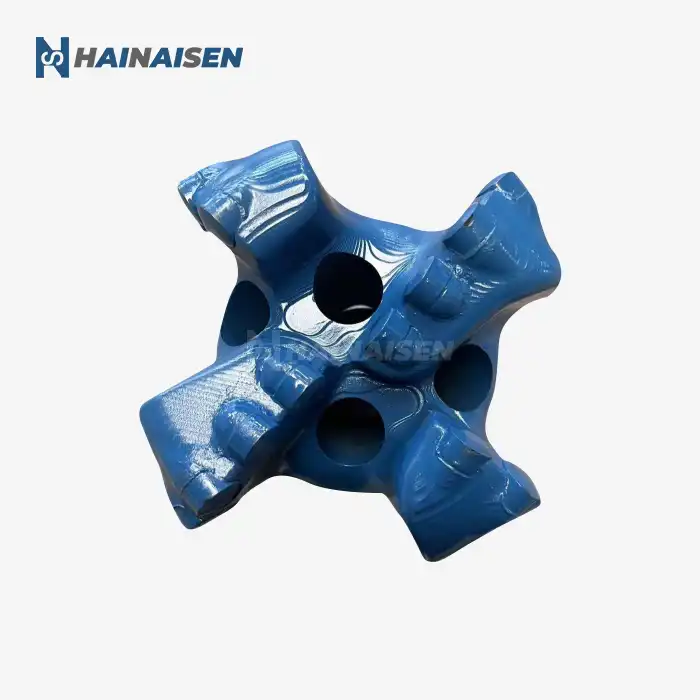 VIEW MOREFour Blade PDC Drill Bit
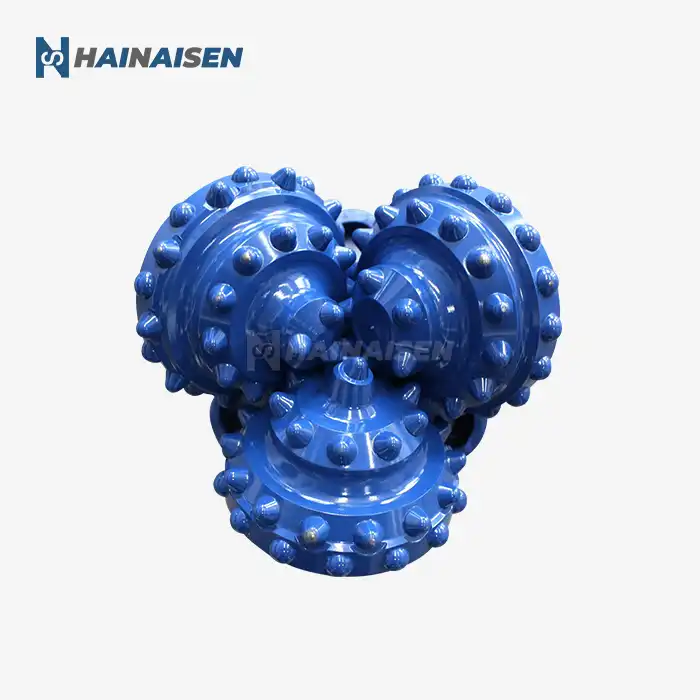 VIEW MORE5 1/2 Inch IADC 537 Tricone Rock Bit for Medium-Hard Formations
logo 1_1768274683075.jpg) VIEW MORECoal Mine Drilling Opening And Closing Drill Bit
VIEW MORECoal Mine Drilling Opening And Closing Drill Bit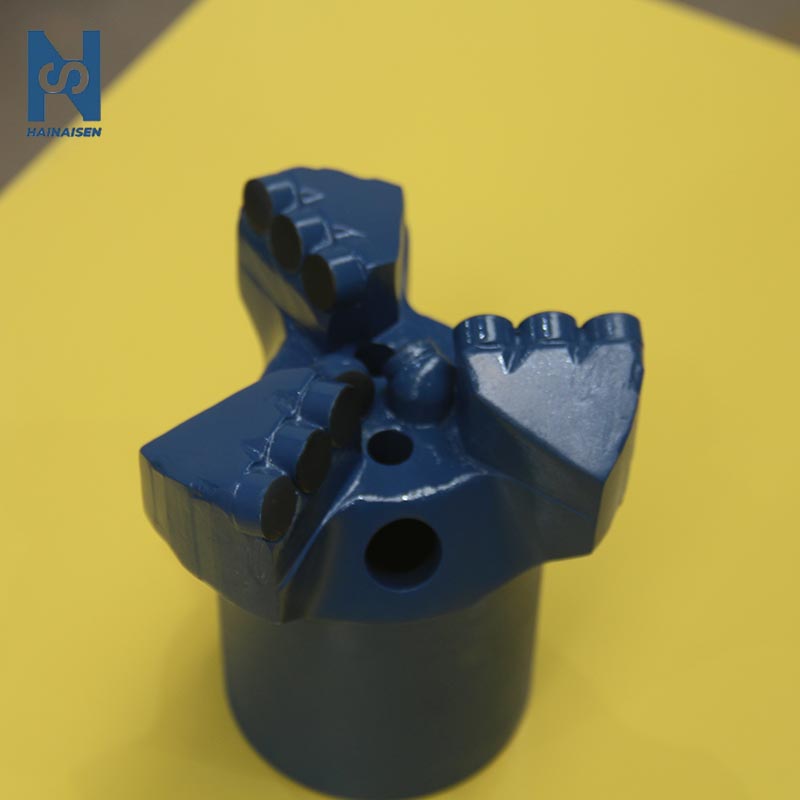 VIEW MOREPolycrystalline Diamond Compact Drill Bits
logo 4_1777360540990.jpg) VIEW MOREDrilling Tool Coal Mining Bit
VIEW MOREDrilling Tool Coal Mining Bit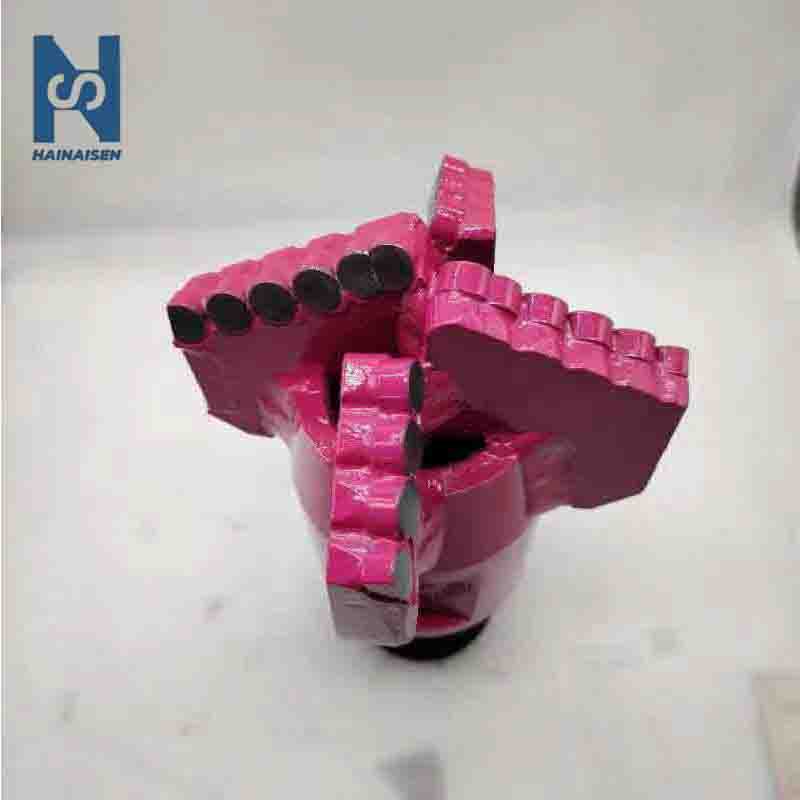 VIEW MOREAlloy Scraper Drill Bit For Water Well
 VIEW MOREPDC Mining Bit
 VIEW MOREDiamond Drill Bits For Oil Rigs
