







PDC Petroleum Drill Bit Durability in Long Runs
When managers think about how long a PDC Petroleum Drill Bit will last during long drilling operations, they face many problems that have a direct effect on the project's budget and schedule. Modern polycrystalline diamond compact technology has changed the way long-run drilling works by making it much more resistant to wear and more stable at high temperatures. How long these drilling tools last varies on a lot of things, like the traits of the rock, how they are used, and how the bits are made. When procurement professionals and technical experts understand these factors, they can make smart choices that improve drilling campaigns while lowering costs and preventing unplanned equipment changes during key project stages.
Understanding PDC Drill Bit Durability Challenges
Long-term drilling operations bring their own problems that push polycrystalline diamond compact technology to its limits. Long-run drilling is hard on equipment and puts it under constant stress, which can lower its performance and make operations less efficient.
Common Durability Issues in Extended Operations
Cutter wear is the most common problem that shortens the life of drill bits during long operations. The constant slicing action against rough rock formations wears down the diamond cutting surfaces over time, which slows down drilling and costs more. Bit body erosion happens when drilling fluids carry gritty particles that eat away at the bit matrix over time. This weakens the structure and makes it harder for the bit to work properly.
In high-temperature settings, where too much heat can cause cutting delamination and matrix degradation, thermal damage is a big problem. These heat effects are especially bad when drilling deep wells because geothermal slopes raise the temperature above the best range for operations.
Root Causes and Formation Challenges
Design limitations often make it hard for bits to work in difficult rock forms. Formations that are hard and gritty make cutter wear faster by increasing contact stress and heat production. Interbedded forms make dynamic loading conditions that put stress on the bit structure and make it more likely to break down due to wear.
Conditions of operation have a big effect on longevity results. When drilling settings aren't set correctly, high vibrations cause damaging forces that hurt cutters and weaken the bit body. During cutting, changes in temperature cause thermal cycling effects that weaken the ties between the cutter and bit and cause them to break early.
Early Warning Signs and Mitigation Strategies
By recognizing early signs of longevity, you can take action before major failures happen. Cutting-edge wear or heat damage that is getting worse is often a sign of falling penetration rates. If you need more power, it could mean that the bit is balling or that the shape isn't compatible.
Real-time tracking tools give useful information for improving drilling conditions and making bits last longer. Changing the bit's weight, its speed, and the flow rates of hydraulic fluid based on feedback from the structure helps keep the machine running at its best and stops it from wearing out too quickly.
Key Design Features Enhancing PDC Drill Bit Durability
It is now possible to use PDC Petroleum Drill Bits that are made with advanced materials that are designed to last through long drilling operations. These new ideas get around problems that have been around for a long time while also making things work better generally.
Advanced Cutter Materials and Technology
Polycrystalline diamond cuts that are stable at high temperatures are a big step forward in cutting element technology. These TSP cutters don't break down at temperatures above 750°C, so they can keep cutting effectively in tough, high-temperature settings. The longer bit life in geothermal drilling and deep well uses is due to the better temperature stability.
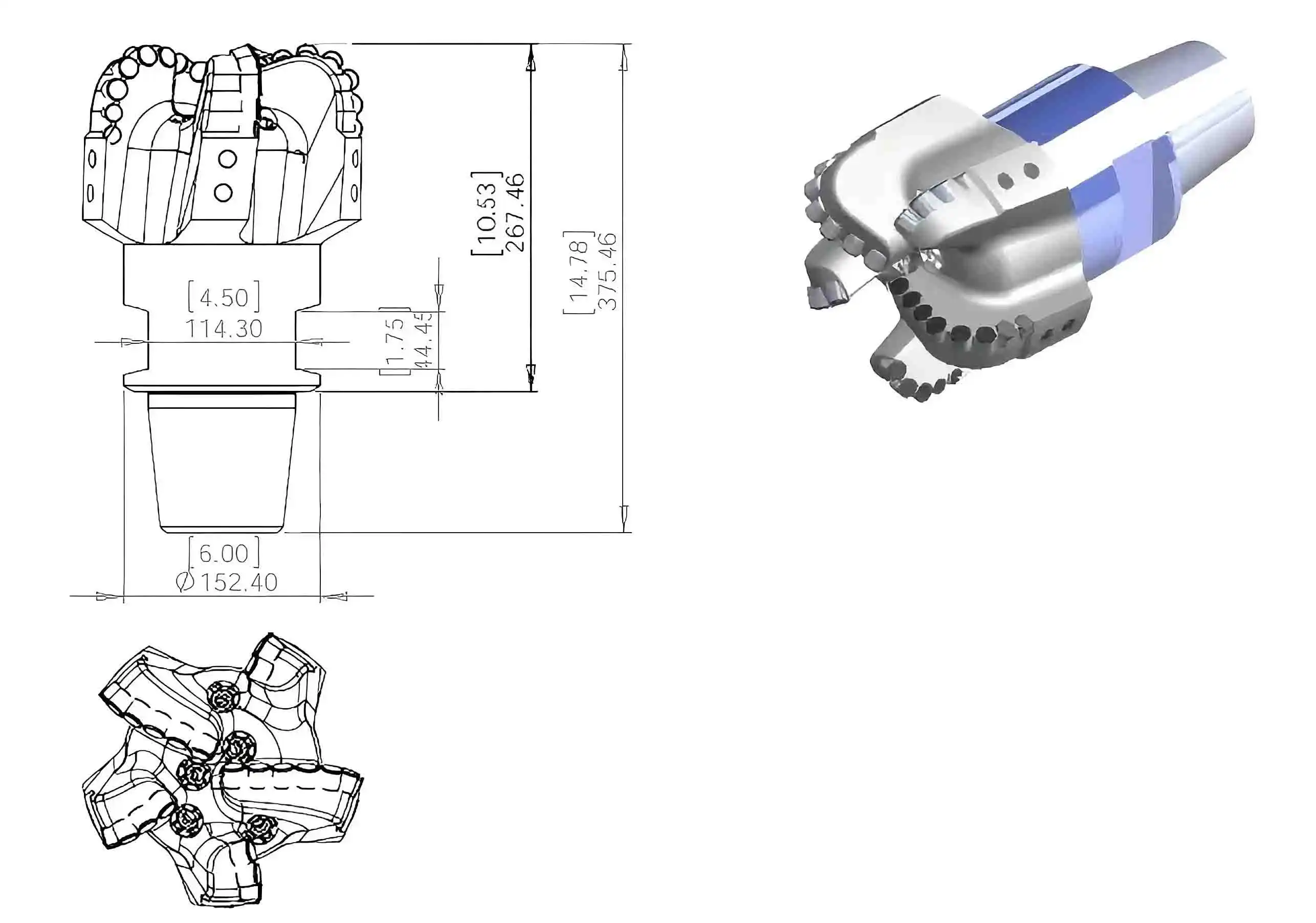
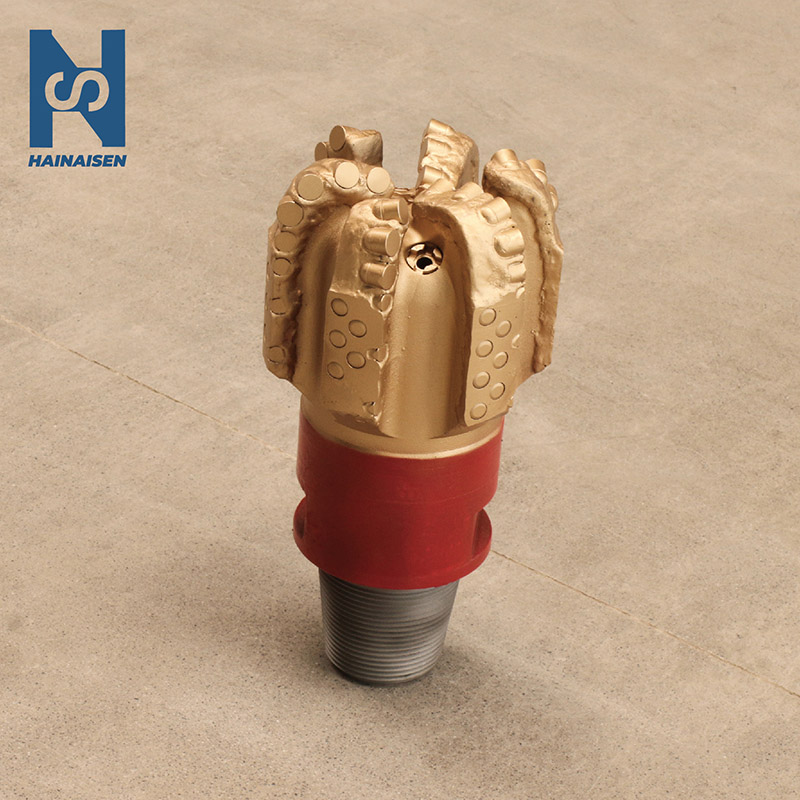
In our S123 model, which has 13 mm and 19 mm cuts placed in a smart way, HNS uses high-quality polycrystalline diamond compact technology. The 75 cuts are carefully placed on the five blades to get the best cutting action and load distribution. This setup makes sure that the wear patterns are even and that the machine keeps working well during long drilling campaigns.
Bit Body Metallurgy and Structural Improvements
Advanced metalworking is a key part of making things last longer. High-strength steel alloys and better ways to treat steel with heat make structures stronger and less likely to wear down over time. The design of the bit block includes load distribution features that keep cracks from starting and spreading.
Optimized blade shape improves the flow of cuts while lowering the chance of bit balls. Our S123 model has seven carefully placed pumps that clean and cool the hydraulics effectively, keeping the cutting conditions at their best throughout the drilling process.
Hydraulic Design Innovations
By controlling temperature and getting rid of cuttings quickly, good hydraulic design has a direct effect on bit longevity. Advanced junk hole designs keep flow speeds high enough to cool the formation while preventing damage to the cutter from debris buildup.
Our S123 model's 460 mm height and 78 mm gauge length give it the best hydraulic properties for long-term performance. The 6-5/8 REG.PIN connection makes sure that power is transmitted reliably and that the hydraulic integrity is maintained even in tough working conditions.
Optimizing Performance: How to Maximize PDC Drill Bit Longevity?
To get the most out of your drilling tools' life, you need to know a lot about the formation's properties, how they work, and how to maintain them. Strategic improvement methods greatly increase the service life while also lowering the overall cost of digging.
Strategic Bit Selection and Formation Matching
To choose the right bit, you must first carefully study the rock and do an objective review of the drilling. The best bit specs and cutting structure design are based on the rock's strength, abrasiveness, and drillability. Offset well data and formation logs are very helpful for making selection choices.
When prolonged penetration rates are important, our S123 model works very well in medium-hard rocks. Its 9.5-inch width and five blades make it very stable and easy to control where the cutting action goes while still being very violent. The balanced layout of the cutters makes sure that the drilling works the same way, no matter what the formation features are.
Operational Parameter Optimization
For the longest bit life, it's important to keep the drilling settings at their best. The bit's weight should be just right to keep cutting without putting too much stress on any one cutter. Optimizing the rotary speed strikes a balance between the entry rate and temperature concerns so that too much heat is not produced.
Controlling vibrations is a key part of making something last longer. When you build the bottom hole assembly correctly and choose the right drilling parameters, you can reduce the harmful noises that speed up cutter wear and cause bit body damage. Monitoring in real time lets you change parameters right away when shaking levels get too high.
Maintenance and Refurbishment Protocols
Damage can be avoided during shipping and storage by following the right handling steps. When something is inspected regularly, wear patterns and possible problems are found before they affect function. A thorough study of wear gives information that can be used to choose new bits and improve parameters in the future.
In some situations, PDC petroleum drill bit life can be extended through refurbishment methods like re-cutting. But when deciding to repair, economic factors and performance needs for later drilling steps should be taken into account. Professional testing makes sure that restored PDC Bits work properly and meet safety standards.
Comparative Analysis: PDC Drill Bits vs. Alternatives in Long-Run Durability
When you know how different drilling methods work, you can make smart choices that will improve the results of your job. Each type of bit has its own benefits that depend on the conditions of the formation and the needs of the process.
PDC Bits vs. Roller Cone Technology
PDC bits are more resistant to wear in patterns that are good for cutting with them. Because there are no moving parts, there are no bearing problems, which happen a lot with roller cone bits during long operations. Throughout the bit's service life, the penetration rates stay the same because of the continuous cutting action.
Impact crushing works better than cutting action on hard, broken rock, which is where roller cone bits really shine. But bearing wear and seal failures make them less durable for long-term drilling jobs. Roller cone shapes are more likely to break during long runs because they are more complicated mechanically.
Performance Comparison with Diamond Alternatives
It costs a lot of money to buy natural diamond bits, but they last a very long time in very hard, rough forms. Their specific uses and higher prices keep them from being widely used. When compared to PDC technology, impregnated diamond bits have lower entry rates but better resistance to wear.
For most long-term uses, PDC bits are a good mix between speed and cost. PDC technology is the best for a wide range of drilling situations because it is affordable, has high entry rates, and lasts a long time.
Leading Manufacturer Technologies
Leaders in the industry are always coming up with new ways to make things last longer. New cutter designs, better matrix materials, and better hydraulics are all areas that are still being worked on. Performance data from field use verifies changes in technology and helps shape what's to come.
Our in-depth research and development work is aimed at making things last longer by using better materials and designs. Field-proven results show that the way we deal with long-run drilling problems works.
Procurement Guide: Acquiring Durable PDC Petroleum Drill Bits
To make sure you get the best results with PDC petroleum drill bits, you need to carefully evaluate suppliers and match specifications. Getting to know qualified makers of PDC petroleum drill bits gives you access to professional help and ongoing support.
Supplier Selection and Quality Assurance
Certified suppliers show that they follow quality control methods and industry norms. Important selection factors include the ability to Manufacture, the availability of expert support resources, and the ability to provide field service. Companies that have been around for a while usually have a wider range of products and more ways to customize them.
Quality approvals make sure that manufacturing standards are always met and that products can be relied on. You can be sure that a product meets industry safety guidelines, ISO approvals, and API compliance. Manufacturing standards are kept up throughout the supply chain by regular audits and quality checks.
Customization and Technical Support
Customization based on formations improves bit performance in certain natural situations. Companies that can do a lot of creative work can change standard goods to fit specific needs. The best bit specifications and operational factors are made possible by technical help during selection and application.
Our focused research and development team comes up with custom solutions for drilling problems that are hard to solve. The building is 3,500 square meters and has high-tech industrial tools like five-axis machining centers and CNC machine tools for accurate production and quality control.
Cost Optimization and Bulk Purchasing
When you buy in bulk, you usually save money and make sure you have enough product. Long-term supply deals can help you get better prices and faster delivery times. Cost cuts are important, but procurement managers also have to keep up with changes in technology and the costs of keeping supplies.
Warranty coverage that covers everything and helps after the sale lowers operating risks and protects against manufacturing flaws. Technical support that is quick to respond cuts down on downtime and makes sure that the product works at its best throughout its entire lifecycle.
Conclusion
Long-term longevity of the PDC Petroleum Drill Bit relies on advanced engineering, careful selection, and the best ways to use it. Modern polycrystalline diamond compact technology works very well when used in the right way and according to the manufacturer's instructions. Procurement professionals can make better choices that improve drilling costs and operating success by understanding challenges related to longevity, design features, and optimization strategies. The constant improvement of PDC technology keeps adding new features and making it easier to use in tough drilling conditions.
FAQ
1. What factors most significantly impact PDC bit durability during long runs?
The most important things that affect longevity are the abrasiveness of the formation, the temperature, and the working parameters. Formations that are hard and rough make cutter wear go faster, and high temperatures can damage cutters. The right drilling factors, such as the bit's weight, rotating speed, and hydraulic flow rate, have a big effect on how long it lasts.
2. How do I determine when a PDC bit needs replacement during extended operations?
Keep an eye on key performance indicators like a drop in the penetration rate, higher force needs, and too many noises. Drilling data collected in real time shows early signs of bit damage or wear. Set guidelines for replacement that take into account both cost and operating safety.
3. What maintenance practices extend PDC bit life during long drilling campaigns?
Set up proper handling processes, regular review schedules, and ways to improve parameters based on feedback in real time. Keep the qualities of the drilling fluid at their best and make sure there is enough hydraulic flow for cleaning and cooling. Write down speed data so that you can use it to choose bits and make operations better in the future.
Partner with HNS for Superior PDC Petroleum Drill Bit Solutions
HNS provides excellent PDC petroleum drill bit performance by using cutting-edge technology and having a lot of experience in the field. Our S123 type is the latest in cutting-edge technology, made especially for long drilling operations. When you combine high-quality materials, well-thought-out design, and tried-and-true production methods, you get reliable results in tough situations.
Shaanxi Hainaisen Petroleum Technology Co., Ltd. was founded in 2013 and is an expert in coming up with new ways to drill and providing full technical support. Our modern production center and dedicated research team make it possible for us to make designs that are unique and meet the needs of each formation while still meeting the highest quality standards. Get in touch with our technical experts at hainaisen@hnsdrillbit.com to talk about your drilling problems and find out how our PDC petroleum drill bit maker can help you run your business better.
References
1. Smith, J.R., and Anderson, K.L. "Advanced PDC Drill Bit Technology for Extended Reach Drilling Applications." Journal of Petroleum Technology, Vol. 68, No. 4, 2019, pp. 45-52.
2. Thompson, M.D., et al. "Thermal Stability Analysis of Polycrystalline Diamond Cutters in High-Temperature Drilling Environments." SPE Drilling & Completion Engineering, Vol. 31, No. 2, 2020, pp. 78-85.
3. Wilson, R.A., and Chen, L. "Durability Assessment of PDC Drill Bits Through Field Performance Analysis." International Journal of Rock Mechanics and Mining Sciences, Vol. 125, 2021, pp. 112-119.
4. Davis, P.K., and Martinez, S.J. "Optimization Strategies for Extended PDC Bit Life in Unconventional Drilling Operations." Drilling Contractor Magazine, Vol. 77, No. 3, 2022, pp. 34-41.
5. Johnson, B.T., et al. "Comparative Study of Drill Bit Performance in Long-Run Horizontal Drilling Applications." IADC Drilling Technical Conference Proceedings, 2023, pp. 156-163.
6. Lee, H.S., and Brown, C.M. "Economic Analysis of PDC Bit Selection for Extended Drilling Campaigns in Challenging Formations." Petroleum Engineering International, Vol. 95, No. 6, 2023, pp. 23-30.
logo 1_1777361785830.jpg) VIEW MORE94mm PDC Flat Top Sintered Drill Bit
VIEW MORE94mm PDC Flat Top Sintered Drill Bit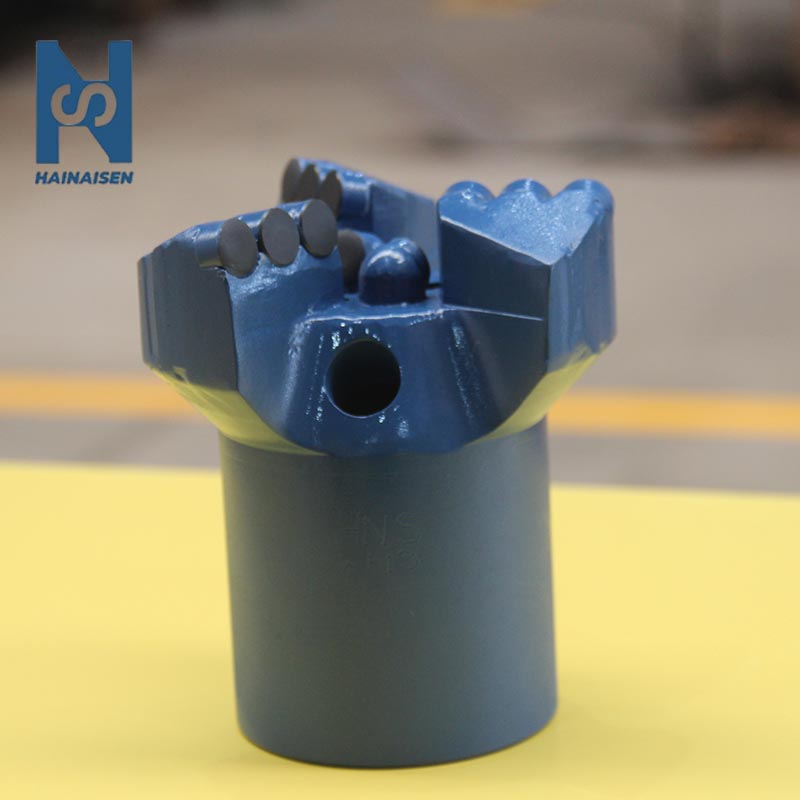 VIEW MORE3 Blades PDC Mining Bits
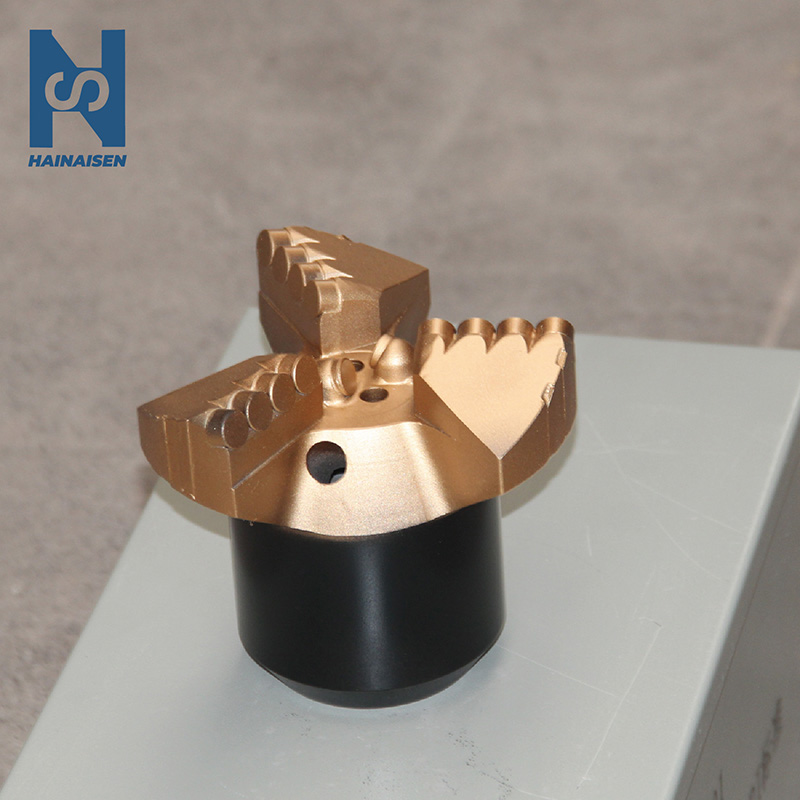 VIEW MORE153mm PDC Concave Bit
 VIEW MOREThree Blade Wing Arc Angle Drill Bit
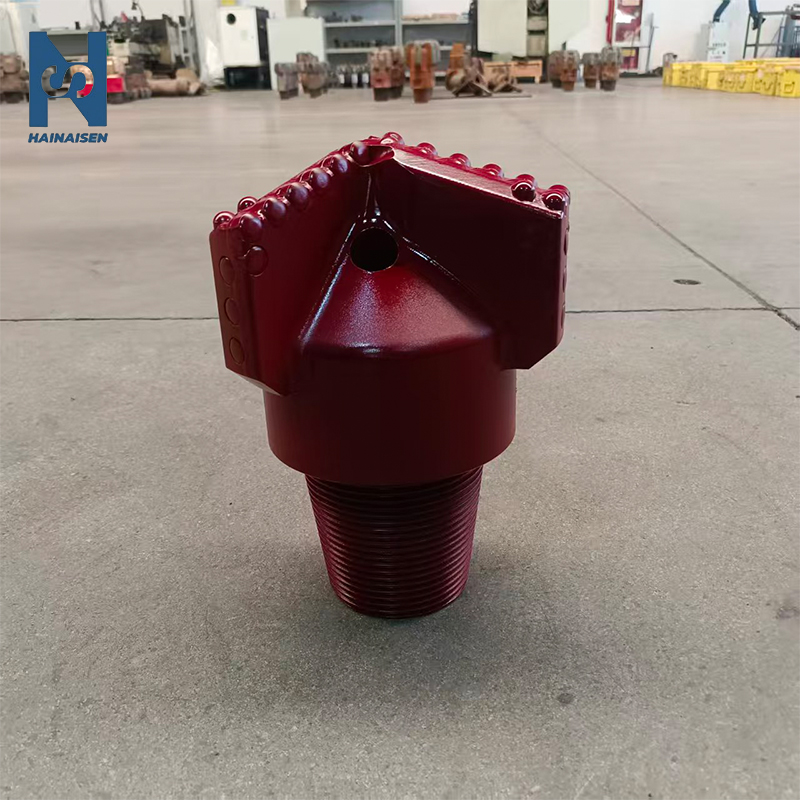 VIEW MOREPDC Bit For Well Drilling
 VIEW MORETool 6 Wings Drill Bit PDC
 VIEW MORE3 Blade PDC Arc Angle Drill Bit
 VIEW MORE113mm Three Wing Arc Angle Drill Bit
