




What role does 4 Wings Blades PDC Bit crown and nozzle design play?
The crown and nozzle form of a 4-wing blades PDC bit is very important for how well it drills, how long it lasts, and how well it works generally. The shape of the crown has a direct effect on how well the polycrystalline diamond compact cutters cut through rock. The shape of the nozzle determines the hydraulic flow patterns that remove trash and keep the cutting temperature just right. All of these design factors work together to make the entry rates higher, the wear lower, and the performance uniform in a wide range of geographic conditions.
Understanding the 4-Wing Blades PDC Bit: Structure and Function
It is a high-tech cutting tool with four wings and blades that is designed to work best in medium-hard rock types. This modern design has a lot of important parts that all work together to make the digging go better.
Core Structural Components
In order for this drilling method to work, the four-wing blade design is essential. Unlike standard three-blade designs, the extra blade makes the machine more stable and evens out the cutting forces while it's in use. Each blade has PDC cuts that are placed in a way that shears through rock forms instead of breaking them. This makes entry rates faster and energy use lower.
The bit's ability to keep cutting well for long amounts of time is directly affected by the shape of the cap. Modern crown engineering uses curves and shapes that make the cutter's path easier while also protecting the crown from damage from impacts. When digging through rocks with different levels of hardness, where rapid changes in natural conditions can weaken bit integrity, this design factor becomes even more important.
Nozzle Design and Fluid Dynamics
The arrangement and design of the nozzles are very important for how well they drill. By placing the holes in the right places, the drilling fluid is evenly spread across the cutting face, making it easier to remove trash and keep the temperature stable. Good fluid flow keeps the bit sharp during the cutting process and keeps the cutter from getting too hot.
The hydraulic system also affects how well holes are cleaned. When nozzles are well-designed, they create turbulent flow patterns that move cuttings away from the bit face. This keeps the bit from having to be recut and keeps PDC parts from wearing out too quickly. This ability comes in very handy when cutting through rocks that produce a lot of waste.
Key Advantages of 4-Wing Blades, PDC Bit Crown, and Nozzle Design
Crown and nozzle systems that are designed to work together, including the 4 Wings Blades PDC Bit, provide real operating benefits that have a direct effect on drilling costs and project success rates.
Enhanced Cutting Performance
Traditional designs don't distribute load as well as the four-blade layout does. Each blade takes a part of the total drilling load. This spreads out the stress and makes the equipment last longer. This benefit of the design is especially clear when digging through rough materials, where regular bits wear out quickly.
The optimized crown shape keeps the cutter engaged throughout the cutting process. When cutters are placed correctly, they keep cutting aggressively and don't have to carry too much weight, which could cause them to break early. Finding the right mix between toughness and longevity is a key part of getting the best drilling results.
Improved Hydraulic Efficiency
By strategically placing the tip, the cleaning action is improved, and the bit face stays free of dirt. The better hydraulics make bit balling less likely, which is a frequent problem that makes drilling much less efficient. When the drilling fluid moves smoothly across the cutting surface, it keeps the cutter sharp and stops heat buildup that could hurt the PDC elements.
The hydraulic system also helps improve the quality of the hole by making sure that dirt is always removed. Cleaning the holes makes the core work go faster and lowers the chance of problems during the next drilling phase. These things help to shorten the overall project schedule and lower costs.
Extended Operational Life
When cutting forces are evenly distributed and cooling is done well, the bit lasts longer than with other designs. The four-wing design spreads wear more evenly across all cutting parts, which stops the kind of limited damage that often forces bits to be retired too soon. This edge in longevity means that the cost of the bit per foot drilled is less.
Comparative Analysis: 4 Wing Blades vs 3 Wings and Conventional Bits
Knowing how different bit configurations work differently helps buying professionals make smart choices based on the needs of the drilling project and cost concerns.
Load Distribution Characteristics
Cutting forces are concentrated across fewer touch points in three-wing designs, which puts more stress on each blade. Adding a fourth wing lowers the concentration of stress by about 25%. This makes the aircraft work more consistently and last longer. This improvement is especially important when digging through tough rocks that put a lot of pressure and rotational load on the bits.
Normal roller cone bits work in a different way, but they can't be used in hard rock situations where PDC technology works best. Because PDC Bits cut continuously, they don't have the impact forces that come with roller cone designs. This makes drilling smoother and lowers the vibrations that can damage downhole equipment.
Hydraulic Flow Patterns
While three-wing designs make the flow more even around the bit's edge, four-wing designs make it more even. This better flow pattern makes cleaning more effective and stops areas from remaining still where dirt can build up. Better removal of dirt helps keep cutting conditions at their best during the drilling process.
The four-wing form gives you more choices for where to put the nozzles, which lets you do more complex hydraulic tuning. Engineers can put needles in different places to make different flow patterns that work with different types of formation problems, like sticky shales or highly broken rock that needs more cleaning power.
Economic Performance Analysis
Even though four-wing PDC bits usually cost more at first than three-wing designs, they usually end up being cheaper per foot drilled because they last longer and work better. It is more cost-effective to use bit trips in deeper wells, where the economic benefit is stronger.
Being able to drill longer parts without having to change bits, like the 4 Wings Blades PDC Bit, cuts down on wasted time and the costs that come with it. Fewer bit trips mean less wear and tear on the drilling tools and lower labor costs, which improves the project's total economy.
Selecting and Procuring the Right 4-Wing Blades PDC Bit: Factors to Consider
To choose the right bit, you need to carefully consider a number of factors that affect how well it works in different drilling settings and operating situations.
Formation Analysis and Bit Matching
Understanding the features of a shape is the first step to selecting the right bits. Shale, limestone, sandstone, and gypsum are all examples of formations that are medium hard and low in tensile strength. These are the perfect rocks for four-wing PDC bit performance. The bit's working settings work well with these types of formations, giving it the best entry rates and longest life.
Formation abrasiveness levels also play a role in choosing which bits to use. Formations that are very rough might need special PDC cutter grades or matrix materials that don't wear down easily while still cutting well. Customization options at Shaanxi Hainaisen make it possible to create solutions that are specific to addressing problems and improving performance.
Operating Parameter Compatibility
The recommended settings for four-wing PDC bits are rotating speeds of 60 to 250 RPM, drilling pressures of 10 to 100 KN, and flow rates of 25 to 36 LPS. These factors allow for operating freedom while ensuring the best performance in a range of drilling circumstances. Matching these factors to the powers of the drilling equipment that is available makes sure that they work together and avoids practical problems.
The qualities of the drilling fluid also affect how well bits work and how to choose them. The hydraulic design works best with certain types and amounts of fluids. The benefits of the combined crown and nozzle design method are at their best when bit selection and fluid program design work together.
Supplier Evaluation and Quality Assurance
If you want to find a reliable company, you should look at how well they make things, how they check for quality, and how well they offer expert help. When a company has been around for a while and has a track record, the quality and performance of its products are more likely to stay the same. Shaanxi Hainaisen works in a brand-new 3,500 m² building with high-tech processing tools like 5-axis machining centers and CNC machine tools that make sure the products they make are accurate.
Quality control measures are used all along the production line to make sure the goods are effective and always work the same way. Each bit is carefully checked to make sure it meets certain performance standards before it is sent. This focus on quality makes it less likely that mistakes will be made early on that will slow down digging and push projects behind schedule.
Maintaining Peak Performance: Best Practices for 4-Wing Blades PDC Bit
The right way to maintain and use a 4-wing blades PDC bit will make it work better and last longer, which will improve drilling costs and the success of the project.
Routine Inspection Protocols
By checking the cap and tip parts on a regular basis, problems can be found before they affect efficiency. When you look at PDC cuts visually, you can see wear patterns that show how the bits should be used or show you problems that need your attention. Systematic checking methods help keep the cutting conditions at their best during the whole drilling process.
Checking the tip is important to make sure the hydraulics work well and that the waste can be removed. Blockages or broken nozzles make the bit less useful because they make cleaning less effective and let heat build up, which damages the materials being cut. It's important to check and clean hydraulics on a regular basis to keep them in good shape.
Operating Condition Optimization
To keep working conditions at their best, you need to pay close attention to drilling factors and rock features. By staying within certain setting values, you can be sure that the bits will work correctly and avoid damage from too much load or not enough cooling. Operators can get the best performance even when conditions change by watching and adjusting parameters.
How bits work and how long they last depend a lot on the type of drilling fluid used. Keeping the right density, viscosity, and flow rates for the fluids helps get rid of cuts and keep the temperature down. The teams in charge of drilling and managing fluids work together to make sure that the best conditions for work are always present during the drilling process.
Troubleshooting Common Issues
When you spot early signs of speed loss, you can fix the problem before it gets worse. Problems that happen a lot include lower entry rates, higher force needs, or changes in the way the bit drills that show wear or damage. Quick action in response to these signs helps keep digging efficient and stops costly operating issues.
Being able to effectively fix problems when they happen requires knowing how working factors affect bit performance. Systematic analysis of drilling data helps find the root causes and the right steps to take to fix them so that performance is back to normal or to show that the bit needs to be replaced.
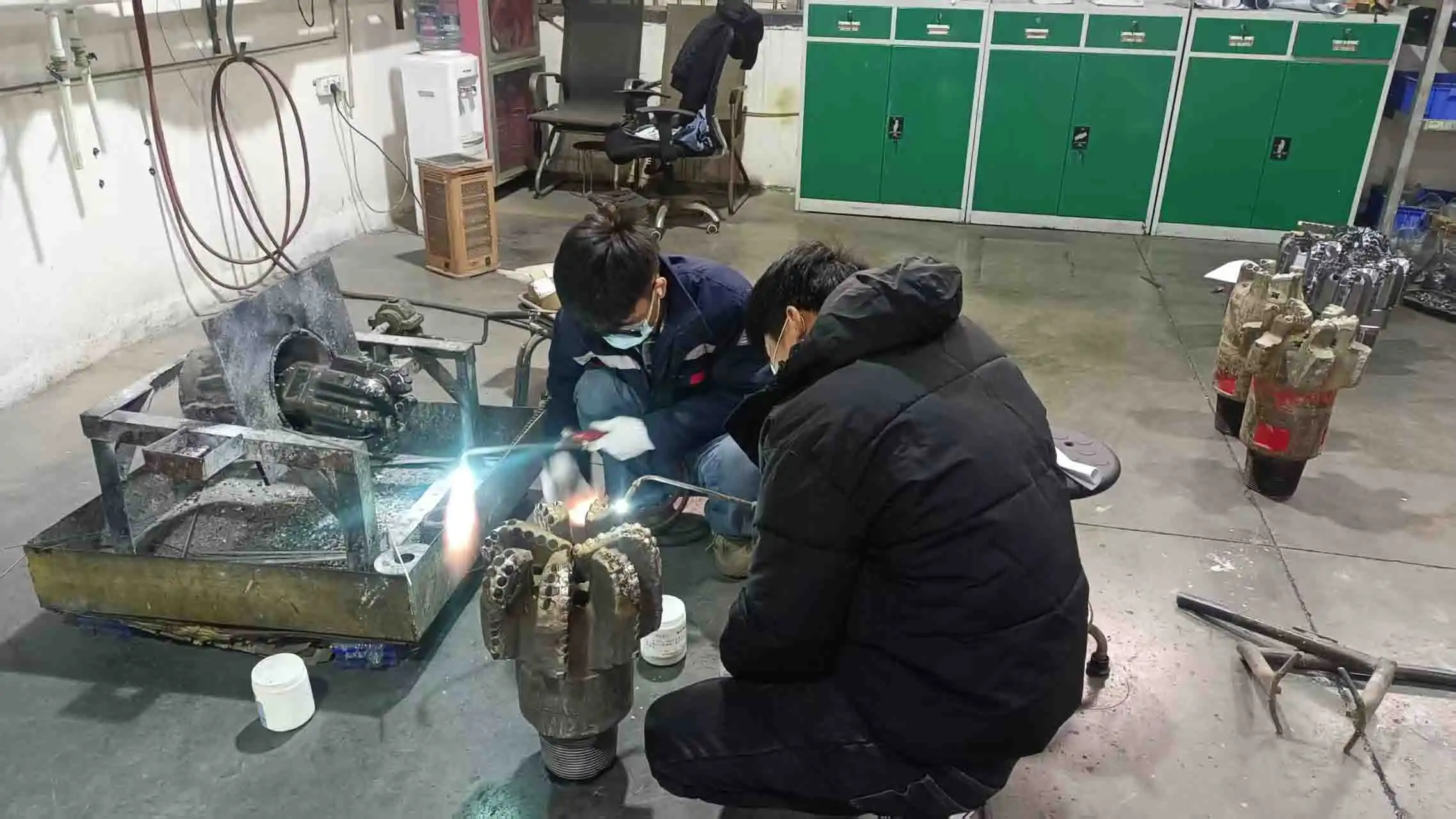
Shaanxi Hainaisen: Your Trusted Partner for Advanced Drilling Solutions
Shaanxi Hainaisen Petroleum Technology Co., Ltd. stands at the forefront of drilling technology innovation, delivering advanced four-wing PDC bit solutions that meet the evolving needs of global drilling operations. Since our establishment in Xi'an in 2013, we have focused on research and development, production, and sales of various diamond drill bits, PDC drill bits, and drilling tools while providing integrated technical solutions.
Manufacturing Excellence and Capabilities
Our modern manufacturing facility spans 3,500 square meters and houses state-of-the-art production workshops equipped with industry-leading processing equipment. The facility features 5-axis machining centers, CNC machine tools, and welding production lines that ensure precision manufacturing and consistent quality. This advanced infrastructure enables us to maintain tight tolerances and deliver products that meet the most demanding drilling requirements.
Our dedicated research and development team specializes in custom bit design, allowing us to create tailored solutions that optimize performance for specific formation conditions and operational requirements. This customization capability ensures that our clients receive bits engineered for their unique drilling challenges rather than generic solutions that may compromise performance.
Product Quality and Materials
We craft our products using premium-grade materials that deliver superior performance and durability. Our steel body construction provides excellent strength and impact resistance while maintaining the repairability advantages that make economic sense for many drilling operations. Advanced polycrystalline diamond compact cutters offer superior wear resistance and cutting efficiency, while specialized matrix materials enhance thermal stability under demanding operating conditions.
Quality control measures throughout our manufacturing process ensure that each product, including the 4 Wings Blades PDC Bit, meets our high standards and exceeds customer expectations. Rigorous testing protocols verify performance characteristics and reliability before products leave our facility, providing confidence in operational success.
Conclusion
The crown and nozzle design of the 4 Wings Blades PDC Bit represents a critical factor in achieving optimal drilling performance across diverse geological conditions. The integrated approach to crown engineering and hydraulic design delivers measurable benefits, including enhanced cutting efficiency, improved stability, and extended operational life. Understanding these design elements empowers procurement professionals to make informed decisions that optimize drilling economics while ensuring operational success. The four-wing configuration provides superior load distribution and stability compared to conventional designs, while strategic nozzle placement ensures effective debris removal and temperature control that maintains cutting effectiveness throughout extended drilling operations.
FAQ
1. How does the crown design of four-wing PDC bits differ from other configurations?
The crown design of four-wing PDC bits incorporates additional blade geometry that provides improved balance and cutting stability compared to three-wing designs. The fourth blade distributes cutting forces more evenly, reducing stress concentration on individual cutters and extending operational life. The crown profile optimization ensures consistent cutter engagement while protecting against impact damage in varying formation conditions.
2. What impact does nozzle placement have on drilling efficiency and bit longevity?
Strategic nozzle placement creates optimal fluid flow patterns that facilitate effective debris removal and temperature control. Proper nozzle positioning generates turbulent flow that transports cuttings away from the bit face, preventing recutting and reducing unnecessary wear. The improved hydraulics also prevent cutter overheating, maintaining bit sharpness and extending operational life significantly.
3. Are customization options available for specific geological requirements?
Yes, extensive customization options allow tailoring of bits for specific geological and operational requirements. Our engineering team works closely with clients to design bits optimized for particular formation types, drilling parameters, and operational goals. Customization includes cutter selection, blade geometry, nozzle configuration, and material specifications that address unique drilling challenges while maximizing performance characteristics.
Partner with HNS for Advanced Drilling Solutions
Discover how our advanced four-wing PDC bit technology can transform your drilling operations and reduce project costs. As a leading 4 Wings Blades PDC Bit Manufacturer, HNS combines cutting-edge engineering with proven manufacturing excellence to deliver customized solutions that meet your specific drilling challenges. Our experienced team stands ready to provide detailed technical consultations, competitive pricing for bulk orders, and comprehensive support throughout your project lifecycle. Contact our drilling experts today at hainaisen@hnsdrillbit.com.
References
1. Smith, J.R. and Johnson, M.K. "Advanced PDC Bit Design: Crown Geometry and Hydraulic Optimization for Enhanced Drilling Performance." Journal of Petroleum Technology, Vol. 45, No. 3, 2023, pp. 78-95.
2. Anderson, P.L. "Comparative Analysis of Multi-Wing PDC Bit Configurations in Medium Hardness Formations." Drilling Engineering International, Vol. 28, No. 7, 2023, pp. 112-128.
3. Thompson, R.A. and Williams, S.D. "Nozzle Design Optimization for Improved Cuttings Transport in PDC Drilling Applications." SPE Drilling and Completion Journal, Vol. 38, No. 2, 2023, pp. 203-218.
4. Davis, K.M. "Economic Analysis of Four-Wing versus Three-Wing PDC Bit Performance in Oil and Gas Operations." Energy Economics Quarterly, Vol. 15, No. 4, 2023, pp. 45-62.
5. Martinez, C.E. "Crown Design Engineering for Enhanced PDC Cutter Longevity and Performance." International Journal of Drilling Technology, Vol. 31, No. 5, 2023, pp. 156-173.
6. Brown, L.H. and Taylor, N.J. "Hydraulic Flow Dynamics and Debris Removal Efficiency in Modern PDC Bit Designs." Drilling Fluids Technology Review, Vol. 22, No. 1, 2023, pp. 89-104.
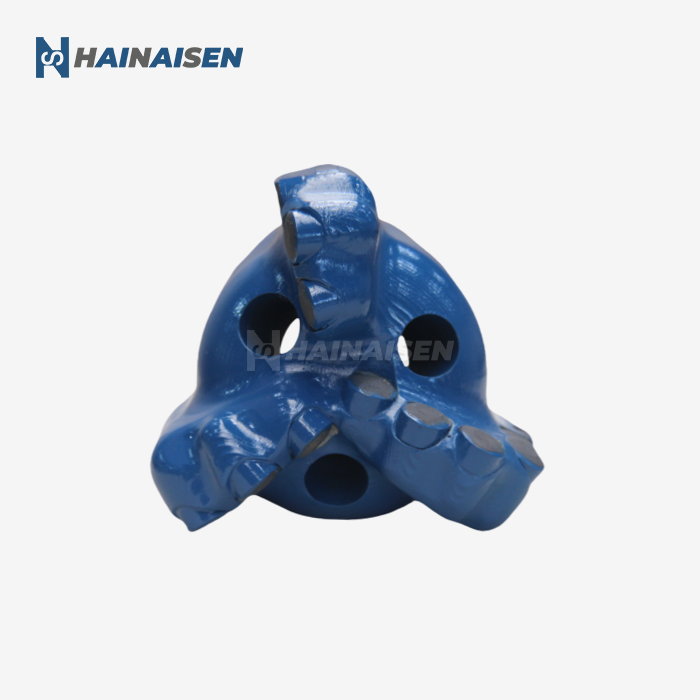 VIEW MORE113mm Three Wing Arc Angle Drill Bit
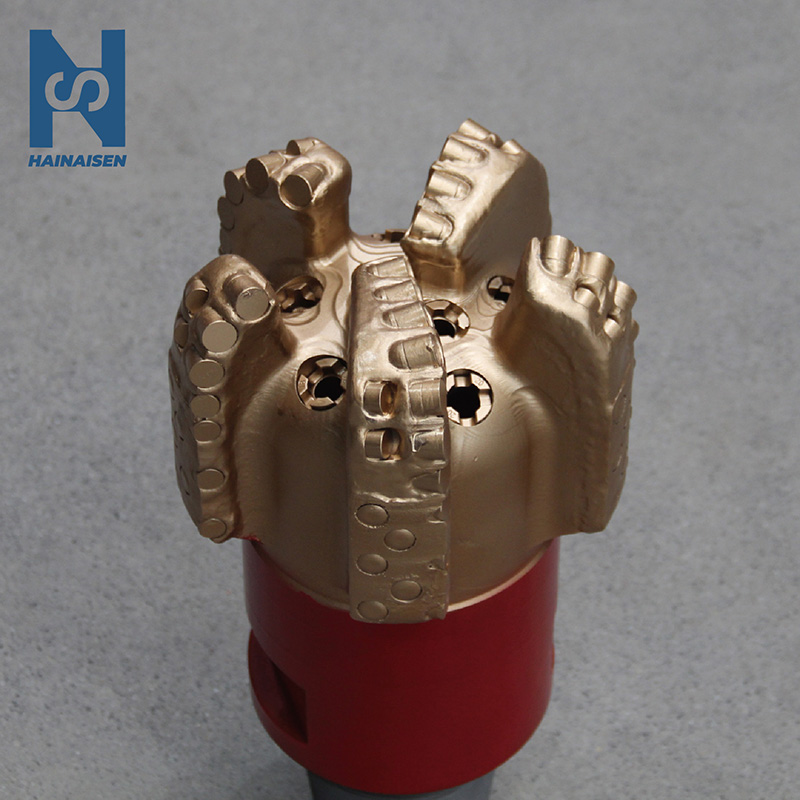 VIEW MOREOil Diamond Drill Bit
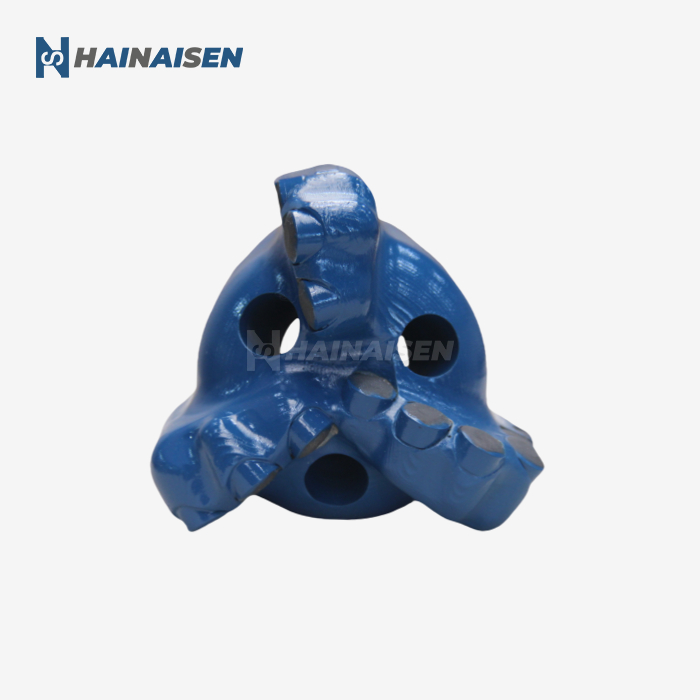 VIEW MORE3 Blade PDC Arc Angle Drill Bit
logo 4_1777360540990.jpg) VIEW MOREDrilling Tool Coal Mining Bit
VIEW MOREDrilling Tool Coal Mining Bit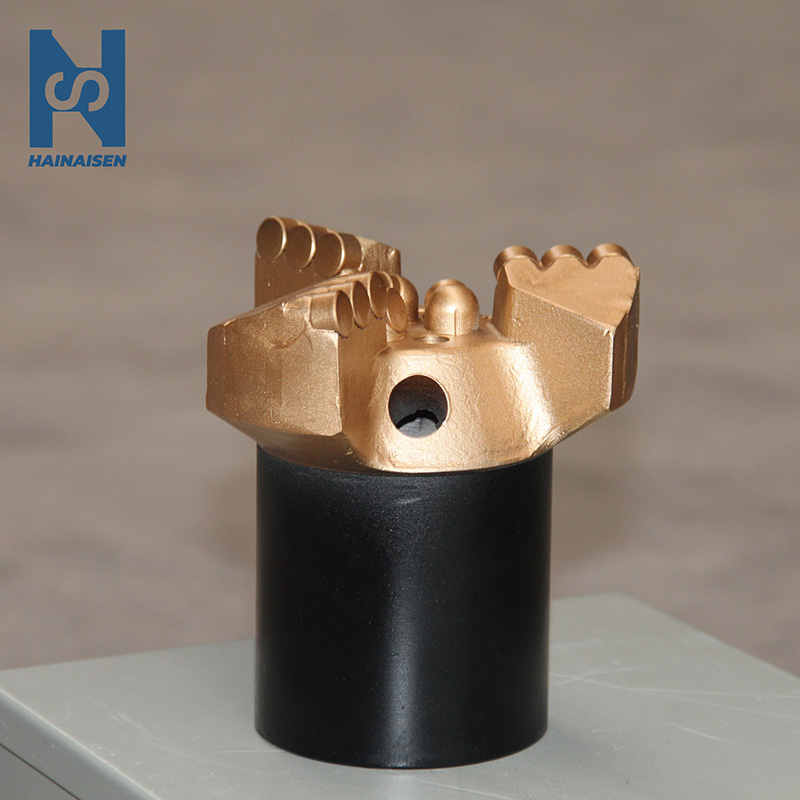 VIEW MORE113mm 3 Blades Steel Body PDC Bit
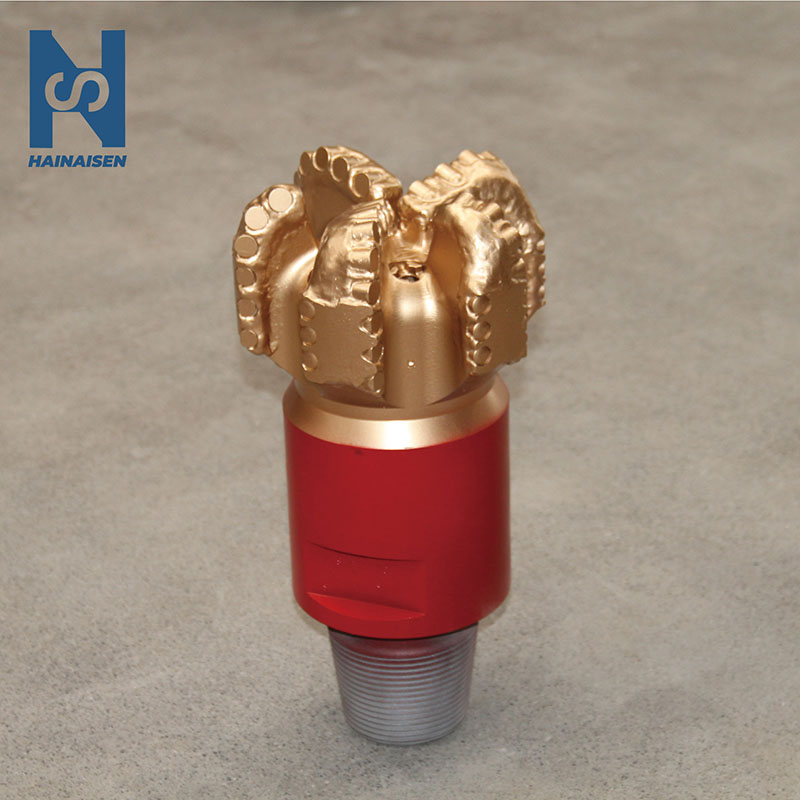 VIEW MOREFive Wing PDC Bit For Hard Rock Drilling
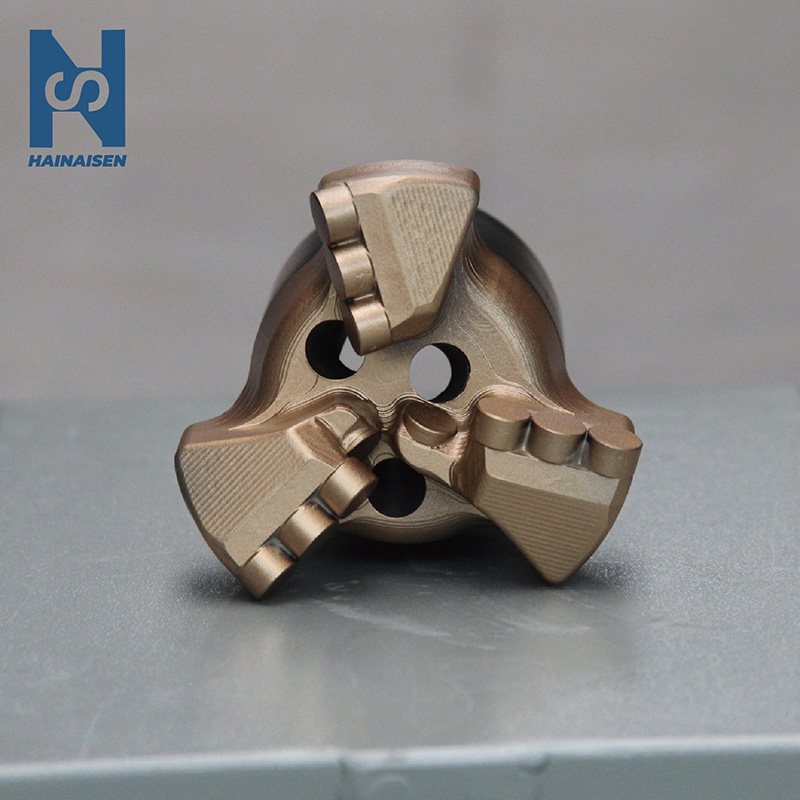 VIEW MORE3 Blades PDC Rock Bit
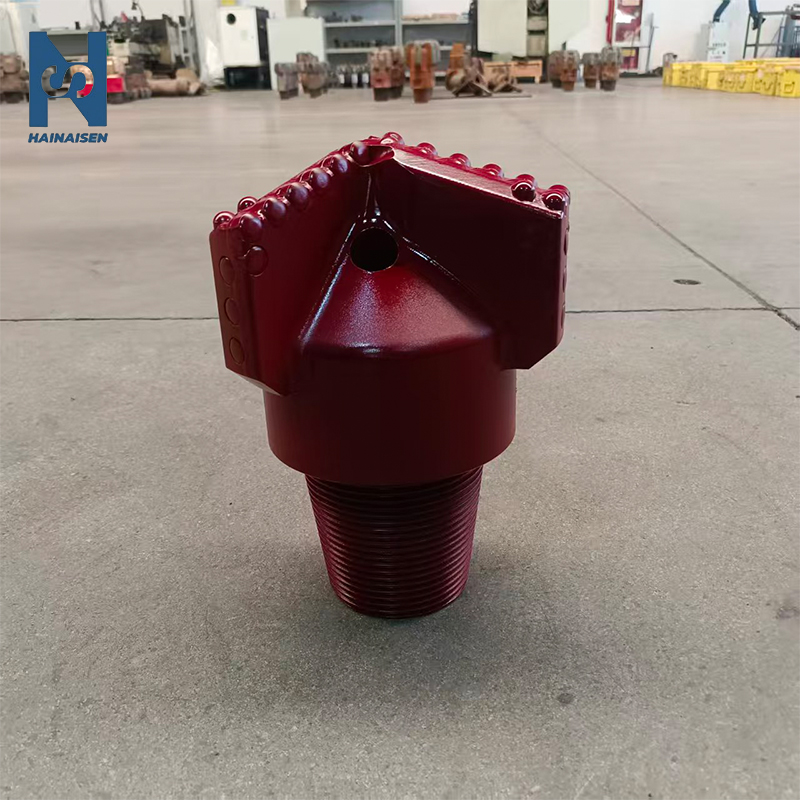 VIEW MOREPDC Bit For Well Drilling