







What cutter materials and profiles define Five Blades PDC Drill Bits?
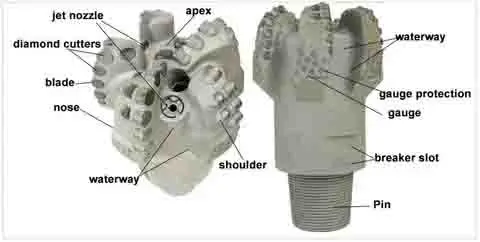
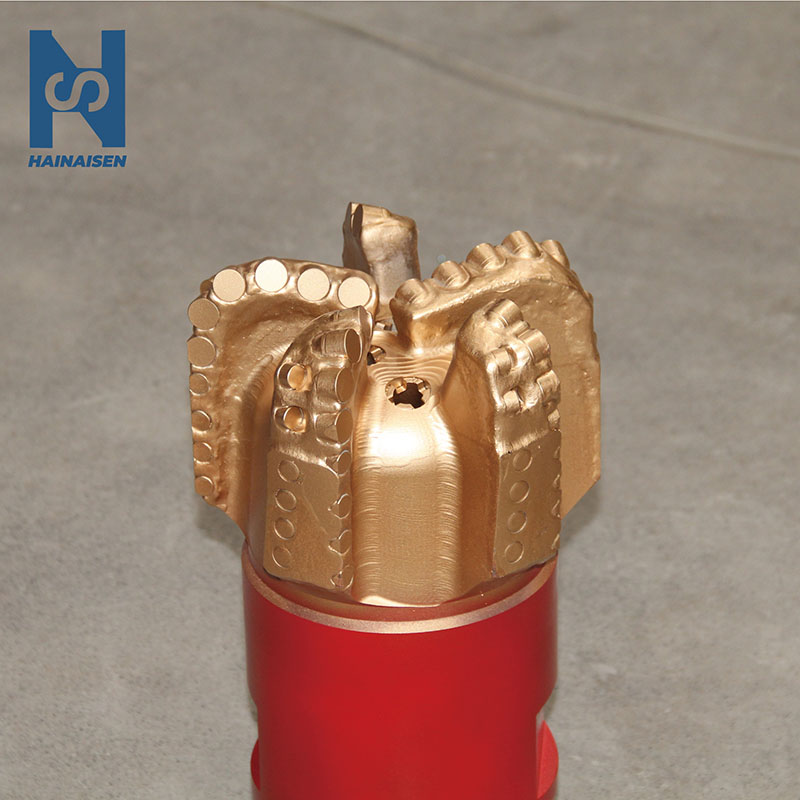
The Five Blades PDC Drill Bits use advanced cutting technology that combines polycrystalline diamond compact (PDC) tools and tungsten carbide surfaces to give great results. The five-blade design carefully spreads cutting forces across the bit face, which lowers the stress on each cutter while increasing the rate of entry. These bits are perfect for medium-hardness rocks like shale, limestone, and sandstone because they have hydraulic passageways that are better designed to move fluid and remove cuts.
Understanding Cutter Materials for Five-Blade PDC Drill Bits
Choosing the right cutting materials is the first step in any high-performance drilling job. Modern PDC technology has changed the way we deal with drilling problems in a wide range of rock types.
Polycrystalline Diamond Compact Technology
Blades are the main parts of these high-tech drilling tools that do the cutting. The Rockwell hardness values for these man-made diamond products are very high, usually between 85 and 95. In the production process, very high temperatures and pressures are used to sinter diamond pieces together. This makes a cutting surface that stays sharp during long digging operations.
Standard setups range from 2.5 mm to 3.2 mm for the diamond layer width, but this depends on the needs of the application. This change lets engineers find the best bit performance for a given rock and drilling conditions.
Tungsten Carbide Substrate Engineering
Under each PDC tool is a tungsten carbide base that gives the structure the support it needs. This substance has a very high compressive strength, usually more than 4,000 MPa, and is tough enough to handle impact stress during drilling operations.
The design of the base includes carefully thought-out shapes that make the best use of stress distribution across the cutter contact. Modern metalworking methods make sure that the diamond layer and carbide base are properly bonded, which stops delamination even in tough downhole circumstances.
Advanced Composite Materials
New developments in composite technology have opened up new ways to make materials more resistant to rust and changes in temperature. Because they contain special additives, these materials work better in high-temperature settings, which is especially helpful for geothermal digging.
Nano-enhanced carbide surfaces are the newest development in this area. They offer better protection from wear and longer service life. The performance of these materials is better in rough forms, where standard cuts break down more quickly.
Design Profiles Defining Five Blades PDC Drill Bits
The shape of Five Blades PDC Drill Bits has a direct effect on how well they drill and how reliably they work. Knowing these design principles helps people who work in buying choose the right tools.
Blade Configuration and Distribution
The five-blade design strikes the best mix between cutting speed and structural strength. Each blade has carefully placed cuts that make cutting tracks that meet. This makes sure that the whole pattern is covered while keeping the bit stable.
In most cases, each blade has main, secondary, and gauge cuts spread out across it. The creation is mostly removed by primary cutters, and any leftover material is cleaned up by secondary cutters. Gauge cuts keep the hole's width the same and provide important support for bearings.
Hydraulic Optimization
Modern five-blade versions have bigger junk holes between the blades, which makes it easier for fluid to flow and cuttings to be removed. When digging through rocks that make small pieces or sticky clay, these hydraulic traits become even more important.
During the construction step, the placement and direction of the nozzles are carefully thought out. Strategic placement makes sure that the bit face is cleaned well and that PDC cuts are cooled enough. Depending on the bit size and the way the creation is formed, the flow rate needs to be between 25 and 36 liters per second.
Formation-Specific Adaptations
For the best results, different rock types need different character changes. For shales, cutter exposure angles that are more bold help remove rock more efficiently. On the other hand, for sandstone, uses may need more careful designs to keep the cutter from wearing out too quickly.
Because they are uneven and tend to be loaded by impacts, carbonate rocks pose special problems. Five-blade designs solve these problems by making the gauges safer and improving the cutter backup ratios.
Comparative Analysis: Cutter Materials and Profiles vs. Other Drill Bit Types
Knowing the changes in performance between different bit types helps engineers choose the technology that will work best for their needs.
Performance Advantages Over Three-Blade Designs
Five-blade designs are clearly better than standard three-blade designs in a number of important ways. The extra blades spread the cutting forces more widely, which lowers the load on each cutter and makes the machine last longer. This way of designing also makes the bit more stable, which is very important when boring parts that go in a certain direction or are straight.
Rate of entry improvements usually run from 15% to 25% compared to three-blade versions. This depends on the type of rock and the drilling factors. These improvements in performance directly lead to lower drilling costs and better project economics.
Comparison with Roller Cone Technology
In contrast to PDC technology, traditional roller cone bits work by breaking materials instead of cutting them. Because of this basic difference, performance factors and management needs are very different.
When drilling continuously, PDC Bits work better than roller cone bits, but roller cone bits may work better in very rough or hard rocks. The choice between methods is based on the geology and the needs of the project.
Cost-Benefit Analysis
When compared to other options, five-blade PDC bits usually require a bigger initial investment. However, their longer operating life and better performance often lead to lower cost-per-foot drilling costs. A thorough economic study should look at things like the cost of the bit, the time it takes to drill, and how often the trip is made.
The economic benefits of improved PDC technology in the right situations are constantly shown by operational data from different drilling projects, including Five Blades PDC Drill Bits. These benefits stand out even more in long-reach drilling jobs, where trip costs have a big effect on the project's finances.
Maintenance and Selection Guidelines for Five-Blade PDC Drill Bits
Correct upkeep methods and well-thought-out selection factors ensure a high return on investment and reliable drilling operations.
Inspection and Handling Protocols
Checking the tools on a regular basis helps find problems before they get in the way of their work. The cutter's wear patterns, the state of the junk holes, and the bit's general health should be the main things that are looked at. Handle things the right way so they don't break when you move or store them.
Clear and arrange the space where things are kept so they don't rust and stay in good shape. Things that will be saved for a long time need to be kept at the right temperature and humidity.
Selection Criteria for Different Applications
When choosing a bit, you need to carefully think about a lot of things, such as the features of the rock, the drilling parameters, and your practical goals. Formation hardness and abrasiveness have a direct effect on the choice of cutter material and profile design.
Compatibility between drilling parameters ensures that bits work at their best within the limits of operations. Speeds usually run from 60 to 250 RPM, and drilling pressure needs to be between 10 and 100 KN, based on the type of rock and the shape of the bit.
Quality Assurance Standards
Reliable sellers use thorough quality control programs to make sure that their products always work the way they should. Most of the time, these programs include procedures for checking materials, making sure they are the right size, and certifying their quality.
Warranty terms give you more confidence in the quality of the object and its expected performance. A full guarantee shows that the source trusts their production methods and the stability of their products.
HNS Five Blades PDC Drill Bits: Innovation and Excellence
Shaanxi Hainaisen Petroleum Technology Co., Ltd. has established itself as a leading Manufacturer in the drilling technology industry since 2013, including for its five-blade PDC drill bits. Our state-of-the-art facility spans 3,500 square meters and features advanced manufacturing capabilities, including 5-axis machining centers and automated welding production lines.
Our engineering team specializes in custom bit design solutions that address specific client requirements across diverse geological formations. This capability allows us to optimize bit performance for unique drilling challenges while maintaining the highest quality standards.
Here are the core advantages of our Five Blades PDC Drill Bits technology:
- Enhanced durability and wear resistance through advanced PDC cutter technology and optimized substrate materials
- Improved cutting efficiency and penetration rates achieved through precision-engineered blade geometry
- Optimized hydraulics for superior cuttings removal featuring enlarged junk slots and strategic nozzle placement
- Reduced vibration for smoother drilling operations through balanced five-blade configuration
- Extended bit life reducing costly trips and downtime through superior materials and manufacturing precision
These advantages effectively address the primary challenges faced by drilling operations across various formations and applications. Our commitment to continuous innovation ensures that clients receive cutting-edge solutions that meet evolving industry demands.
Our five-blade PDC drill bits excel in multiple applications, including oil and gas exploration, geothermal drilling operations, coal bed methane extraction, water well drilling, mining and mineral exploration, and horizontal directional drilling projects. The versatile design adapts to various formation types while maintaining consistent performance standards.
Operating parameters span speed ranges from 60 to 250 RPM, drilling pressure from 10 to 100 KN, and flow rates from 25 to 36 LPS. These specifications accommodate a wide range of drilling conditions while ensuring optimal performance in medium hardness, low compressive strength formations, including shale, limestone, sandstone, and gypsum.
Conclusion
The sophisticated engineering behind Five Blades PDC Drill Bits combines advanced cutter materials with optimized profile designs to deliver exceptional drilling performance. PDC cutters provide the hardness and wear resistance necessary for efficient rock removal, while tungsten carbide substrates ensure structural integrity under demanding operational conditions. The five-blade configuration optimizes cutting force distribution and enhances hydraulic efficiency, resulting in improved penetration rates and extended operational life. Understanding these technical aspects enables informed equipment selection that maximizes drilling economics while maintaining operational reliability across diverse geological formations.
FAQ
1. What makes PDC cutters superior to other cutting materials?
PDC cutters combine synthetic diamond hardness with engineered substrate support, providing exceptional wear resistance and cutting efficiency. The manufacturing process creates a uniform cutting surface that maintains sharpness throughout extended drilling operations, unlike traditional materials that require frequent replacement or sharpening.
2. How does the five-blade design improve drilling performance?
The five-blade configuration distributes cutting forces more evenly across the bit face, reducing stress on individual cutters while providing enhanced stability. This design approach also creates larger junk slots for improved cuttings removal and better hydraulic efficiency compared to three-blade alternatives.
3. What formations are best suited for five-blade PDC drill bits?
These bits excel in medium hardness formations with low to moderate compressive strength, including shale, limestone, sandstone, and gypsum. The design adaptability allows for customization to specific geological conditions, making them suitable for diverse drilling applications from oil and gas exploration to water well drilling.
Partner with HNS for Advanced Drilling Solutions
HNS stands ready to provide expert consultation and customized Five Blades PDC Drill Bits solutions that meet your specific drilling requirements. Our experienced engineering team offers comprehensive technical support from initial selection through operational implementation. Contact Us at hainaisen@hnsdrillbit.com to discuss your project needs and explore our extensive product catalog. As a trusted Five Blades PDC Drill Bits manufacturer, we deliver reliable performance and exceptional value for drilling operations worldwide.
References
1. Smith, J.R. et al. "Advanced PDC Cutter Technology in Modern Drilling Applications." Journal of Petroleum Technology, 2023.
2. Williams, K.M. "Five-Blade Drill Bit Design Optimization for Enhanced Penetration Rates." SPE Drilling and Completion Engineering, 2022.
3. Chen, L. and Roberts, D. "Comparative Analysis of Multi-Blade PDC Bit Performance in Shale Formations." International Journal of Rock Mechanics, 2023.
4. Anderson, P.J. "Tungsten Carbide Substrate Engineering for Improved PDC Bit Durability." Materials Science in Drilling Technology, 2022.
5. Thompson, M.A. et al. "Hydraulic Optimization in PDC Drill Bit Design for Enhanced Cuttings Removal." Drilling Technology Review, 2023.
6. Garcia, R.S. "Economic Analysis of Advanced PDC Technology in Directional Drilling Operations." Energy Economics and Technology, 2022.
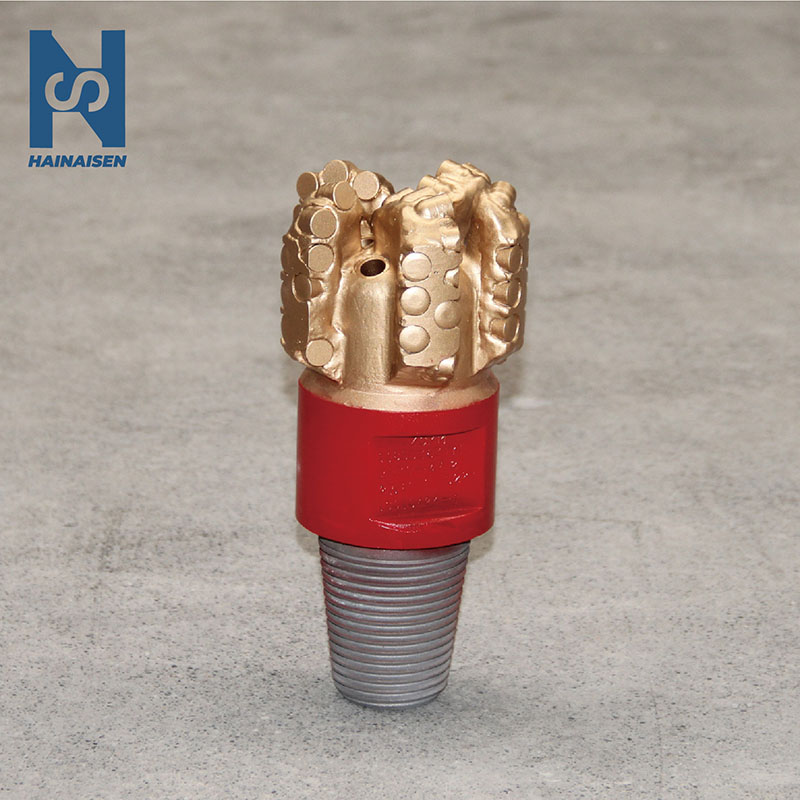 VIEW MOREHigh Performance 5 Cutter PDC Bit
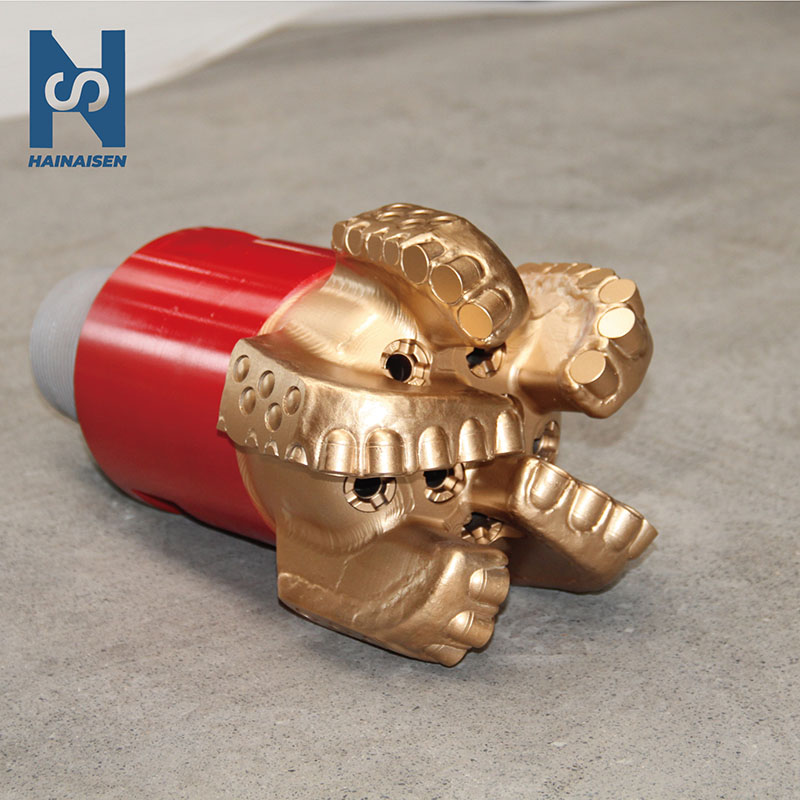 VIEW MOREDiamond Oil Drill Bit
logo 1_1777361260784.jpg) VIEW MOREFour Wing Arc Angle PDC Drill Bit
VIEW MOREFour Wing Arc Angle PDC Drill Bit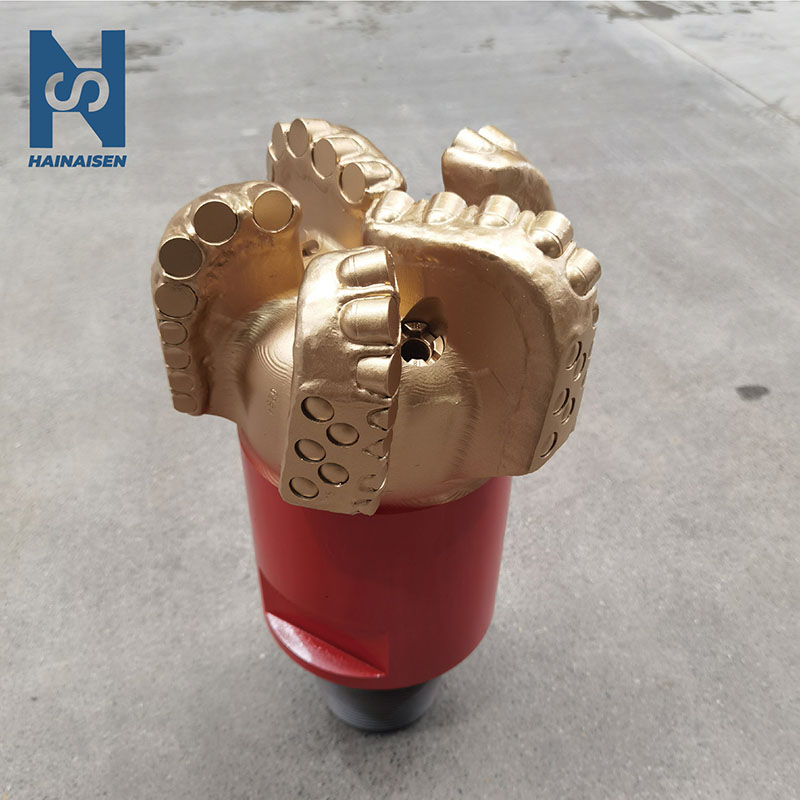 VIEW MOREDrill Bits For Oil Drilling
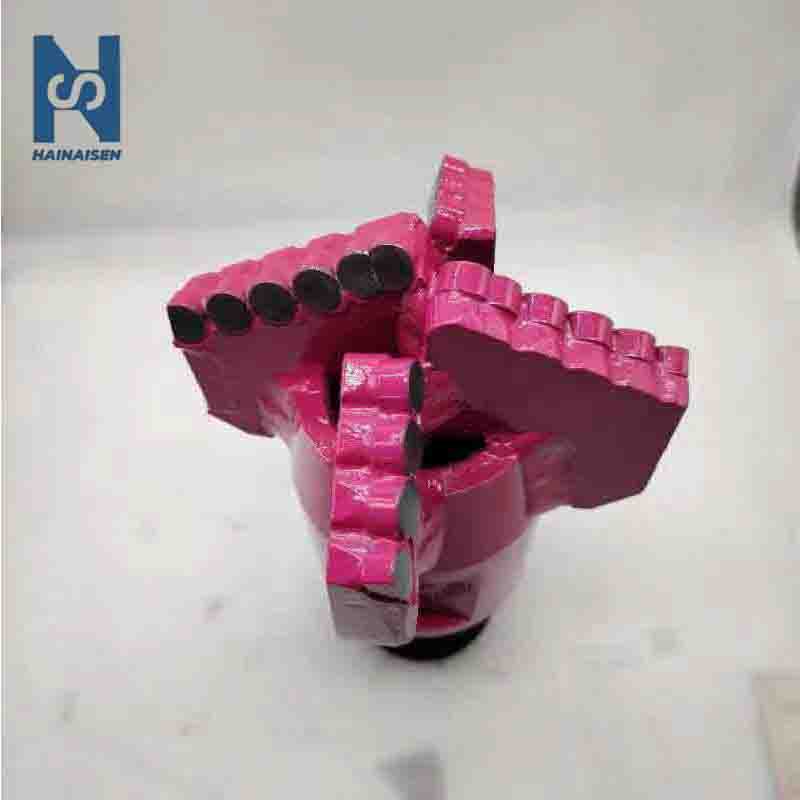
 VIEW MORE5 Blades Steel Body High Performance PDC Rock Drill Bits
 VIEW MOREAlloy Scraper Drill Bit For Water Well
logo 2_1777361643767.jpg) VIEW MORE94mm Four Wing Arc Angle Drill Bit
VIEW MORE94mm Four Wing Arc Angle Drill Bit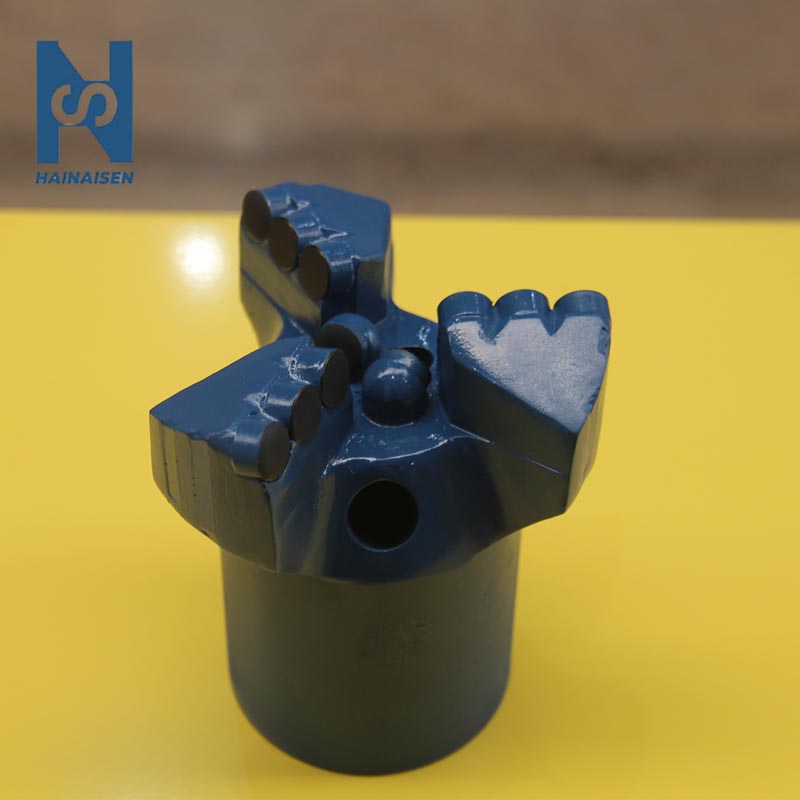 VIEW MORE3 Blades Steel Body PDC Bit
