







Development trends and innovations in Polycrystalline Diamond Compact Drill Bits
There have been huge changes in the drilling business in the last few decades. Polycrystalline Diamond Compact Drill Bits are one example of a new technology that has completely changed how we do work underground. These high-tech drilling tools use fake diamond technology and cutting-edge engineering to give you performance that has never been seen before in a wide range of rock types. Modern PDC technology is a big step forward from older drilling methods. It offers better cutting efficiency, longer operating life, and higher cost-effectiveness that meet the needs of today's mining, oil and gas, and geological research industries.
Evolution of Polycrystalline Diamond Compact Drill Bits Technology
The journey toward modern PDC technology began with recognizing the fundamental limitations of conventional drilling solutions. Traditional tungsten carbide bits, while reliable, struggled with wear resistance in abrasive formations and often required frequent replacements that increased operational costs. Natural diamond bits, though harder, presented challenges in thermal stability and consistent performance under varying drilling conditions.
From Traditional Methods to PDC Innovation
The big step forward came when synthetic diamond technology was created so that it could be exactly designed for drilling uses. Polycrystalline Diamond Compact technology, which combines many layers of man-made diamond crystals with tungsten carbide bases, became a game-changing answer. By using this new method, cutting elements were made that had the sharpness benefits of diamond while also being tough enough for tough drilling jobs.
Advanced Material Engineering
New developments in materials have made PDC work better than ever before. Manufacturers can now use more advanced diamond bonding methods to make the connections between diamond layers and carbide bases last longer. Better coats that don't wear off protect important cutting areas, and better heat stability lets them be used in hotter conditions that are common in deep drilling jobs.
Performance Benefits and Case Studies
Industry data constantly shows that current PDC technology has real benefits. When improved PDC Bits are used in drilling, the entry rate is 30–50% higher than when standard bits are used. Because bits last longer and trip less often, operational costs often drop by more than 25%. Because they work better, PDC drill bits are now required by buying workers who want to get the best drilling value while keeping operations running smoothly.
Key Development Trends Shaping the Future of PDC Drill Bits
The PDC drill bit business is still changing very quickly, thanks to shifting market needs and new technology. When buying teams understand these growth trends in polycrystalline diamond compact drill bits, they can make choices that are in line with their long-term business plans.
Smart Technology Integration
These days, PDC bits have more and more smart features that make them more accurate. Embedded sensors keep an eye on the drilling factors in real time, giving useful information about the temperature, weight-on-bit, and power. With this information, workers can keep improving the drilling settings so that the bit works better and doesn't wear out too quickly. Data analytics systems use this data to figure out when the best time is to replace something and suggest changes to parameters.
Customization and Modular Design
Customized solutions are becoming more popular in the business because of the different problems that come up in different digging sites. Manufacturers can make bits that are especially shaped for different types of rock, drilling goals, and operating limitations using modular PDC designs. Because of this, buying teams can find bits that work best for their unique needs instead of having to settle for general solutions that might not work as well.
Sustainability and Environmental Compliance
Environmental factors are becoming more and more important in the development and purchase of PDC bits. To meet tighter environmental rules while still meeting performance standards, manufacturers use products and methods that are better for the environment. Longer bit life means less waste, and better efficiency means less energy used total during boring activities. These benefits of sustainability often add extra value for businesses that want to be more environmentally responsible.
Comparative Insights: PDC Drill Bits Versus Alternative Technologies
To make the best buying choices, procurement professionals need to know a lot about how PDC technology rates to other drilling options.
Performance Metrics Analysis
In most types of rock formations, especially when the rock is soft to medium-hard, PDC bits allow for faster digging. Even though tungsten carbide bits might be cheaper at first, PDC technology usually offers better value in the long run because it lasts longer and penetrates deeper. Impregnated diamond bits work well in very rough conditions, but they aren't as flexible as PDC options when it comes to different types of rock.
Cost-Benefit Evaluation
When you look at the overall cost of ownership, PDC drill bits are often the most cost-effective, even though they cost more at first. Longer bit life means fewer replacements, and faster drilling speeds mean lower rig time costs. When these things come together, the cost of drilling one foot is usually less than with other methods.
Application Suitability Guidelines
To choose the best Polycrystalline Diamond Compact Drill Bits, you need to carefully think about the features of the rock, the cutting depth, and the working factors. Aggressive cutting designs that increase entry rates work best in soft forms. For medium-hard forms, you need well-balanced patterns that make cutting as efficient as possible while still being durable. For use in hard rock, specific Polycrystalline Diamond Compact Drill Bits designs are needed that are more resistant to impact and stable at high temperatures.
Procurement Strategies and Best Practices for B2B Clients
Getting PDC bits the right way needs a planned method that takes into account more than just the original price.
Supplier Evaluation Criteria
To find trusted makers, you need to look at a few important things. In the drilling business, a brand's image shows how reliable and consistent its performance will be over time. Product approvals make sure that the product meets industry standards, and guarantee policies keep the product from breaking down too soon. When dealing with difficult cutting problems or improving bit performance, being able to provide technical help becomes very important.
Bulk Purchasing and Custom Solutions
By taking advantage of bulk rates and custom price plans, large-scale buying can save you a lot of money. First-Class Equipment Having a relationship with a manufacturer can give you access to custom designs that are made to fit your needs. Custom bit designs solve specific geology problems and improve drilling performance in certain situations.
Supply Chain Management
Logistics management that works well keeps operations running smoothly and makes sure that bits are always available. Shipping plans that can be relied on avoid delays that could affect digging schedules. Having access to replacement parts is important for keeping operations going, especially in remote digging sites where supply delays can cost a lot.
Maintenance Tips and Performance Optimization for PDC Drill Bits
Maximizing Polycrystalline Diamond Compact Drill Bits' performance requires a systematic approach to maintenance and operational optimization.
Understanding Wear Patterns
Common wear mechanisms include cutter chipping, thermal degradation, and abrasive wear. Mechanical stress from improper drilling parameters accelerates wear and reduces bit life. Understanding these failure modes enables operators to implement preventive measures that extend operational life and maintain performance standards.
Maintenance Protocols
Systematic maintenance practices significantly impact bit longevity and performance. Regular cleaning removes formation debris that can cause accelerated wear. Inspection routines identify potential issues before they cause failures. Proper storage prevents damage during transportation and handling, ensuring bits arrive at drilling locations in optimal condition.
Parameter Optimization
Modern PDC designs enable optimization of drilling parameters for maximum efficiency. Weight-on-bit settings must balance penetration rate with cutter preservation. Rotation speed affects both drilling speed and thermal conditions at the cutting interface. Hydraulic parameters influence cuttings removal and cooling effectiveness, directly impacting bit performance and longevity.
HNS: Your Trusted Partner for Advanced PDC Drill Bit Solutions
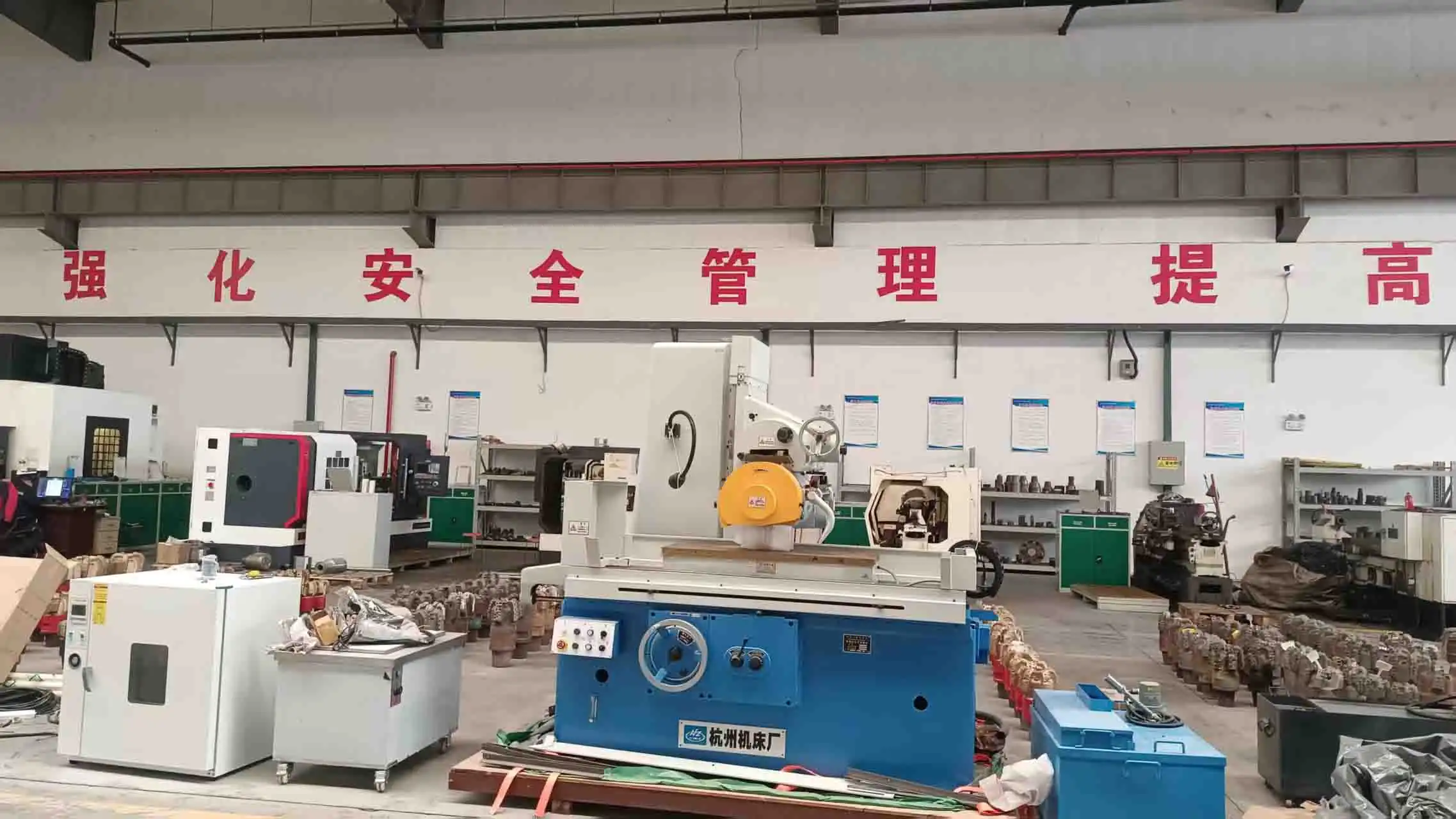
Shaanxi Hainaisen Petroleum Technology Co., Ltd. stands as a leading manufacturer in the PDC drill bit industry, combining over a decade of experience with cutting-edge technology to deliver superior drilling solutions. Established in Xi'an in 2013, we specialize in research, development, production, and sales of various diamond drill bits, PDC drill bits, and drilling tools.
Why Choose Our Polycrystalline Diamond Compact Drill Bits?
Our advanced PDC technology delivers enhanced cutting efficiency that exceeds industry standards. The durable construction ensures extended bit life, reducing replacement frequency and operational costs. We offer customizable designs that meet specific drilling requirements, ensuring optimal performance across diverse geological formations. Our experienced R&D team and rigorous quality control processes back every product we manufacture.
Comprehensive Application Range
Our Polycrystalline Diamond Compact Drill Bits serve versatile applications across multiple industries. These tools excel in oil and gas exploration and production, coal bed methane drilling, geothermal well construction, water well development, mining and mineral exploration, horizontal directional drilling, and hard rock drilling operations. The unique design allows faster penetration rates and improved overall drilling efficiency across formations ranging from soft to medium-hard rocks.
Manufacturing Excellence and Quality Assurance
Our 3,500 m² facility features modern production workshops equipped with advanced processing equipment, including 5-axis machining centers, CNC machine tools, and welding production lines. We maintain strict quality control measures throughout manufacturing, including raw material inspection, precision machining and assembly, rigorous performance testing, and final quality checks before shipment. This comprehensive approach ensures consistent product quality for Polycrystalline Diamond Compact Drill Bits that meets the demanding requirements of our B2B clients.
Conclusion
The evolution of polycrystalline diamond compact drill bits represents a fundamental advancement in drilling technology that continues reshaping industry standards. Modern PDC solutions offer an unprecedented combination of performance, durability, and cost-effectiveness that addresses the complex challenges facing today's drilling operations. As technology continues advancing through smart integration, customization capabilities, and sustainable practices, PDC drill bits will remain essential tools for successful drilling operations across diverse industrial applications.
FAQ
1. What factors determine PDC drill bit lifespan?
PDC bit lifespan depends on several critical factors, including formation hardness, drilling parameters, and operational practices. Softer formations typically allow longer bit life, while abrasive conditions accelerate wear. Proper weight-on-bit and rotation speed settings optimize performance while preventing premature failure. Regular maintenance and appropriate handling also significantly impact operational longevity.
2. How do PDC bits compare to tungsten carbide alternatives in cost and performance?
PDC bits generally offer superior value despite higher initial costs. While tungsten carbide bits may cost less upfront, PDC technology typically provides 2-3 times longer operational life and 30-50% higher penetration rates. Total drilling costs per foot often favor PDC solutions due to reduced trip frequency and faster drilling speeds.
3. What criteria should guide supplier selection for PDC drill bits?
Supplier evaluation should consider manufacturing capabilities, quality Certifications, technical support availability, and industry reputation. Look for manufacturers with modern production facilities, experienced R&D teams, and comprehensive quality control systems. Customization capabilities and responsive customer service become particularly important for specialized drilling applications.
Contact HNS for Your PDC Drill Bit Requirements
Ready to experience the performance advantages of advanced Polycrystalline Diamond Compact Drill Bits? HNS offers comprehensive consultation services to help you select optimal drilling solutions for your specific applications. Our experienced team works closely with clients to design customized bits that maximize efficiency while reducing operational costs. Contact Us today at hainaisen@hnsdrillbit.com to discuss your requirements and receive a personalized quote from a trusted Polycrystalline Diamond Compact Drill Bits manufacturer.
References
1. Johnson, R.M., et al. "Advanced Materials in Polycrystalline Diamond Compact Drill Bit Technology." Journal of Petroleum Engineering Technology, 2023.
2. Martinez, A.C., and Thompson, K.L. "Comparative Performance Analysis of Modern Drilling Technologies." International Drilling Conference Proceedings, 2023.
3. Chen, W., et al. "Smart Technology Integration in PDC Drill Bit Design and Operations." Drilling Technology Review, 2024.
4. Anderson, P.J. "Cost-Benefit Analysis of PDC Versus Traditional Drill Bits in Oil and Gas Operations." Energy Industry Economic Report, 2023.
5. Williams, S.K., and Davis, M.R. "Sustainable Manufacturing Practices in Diamond Drill Bit Production." Environmental Engineering in Mining and Drilling, 2024.
6. Rodriguez, L.A., et al. "Optimization Strategies for PDC Drill Bit Performance in Diverse Geological Formations." Geological Engineering Quarterly, 2023.
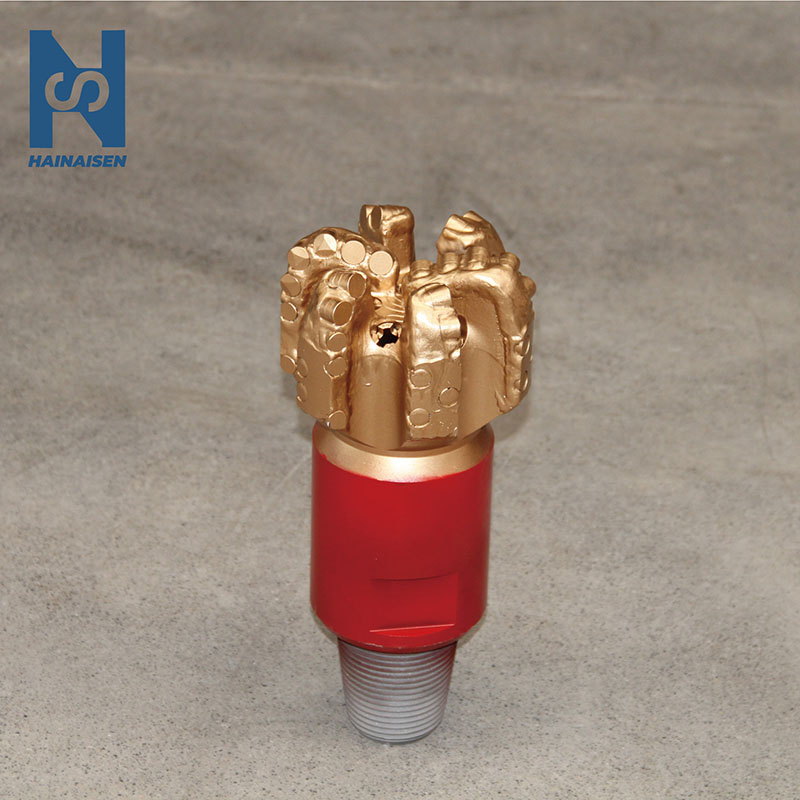 VIEW MORESix Blade Wing Petroleum Drill Bit
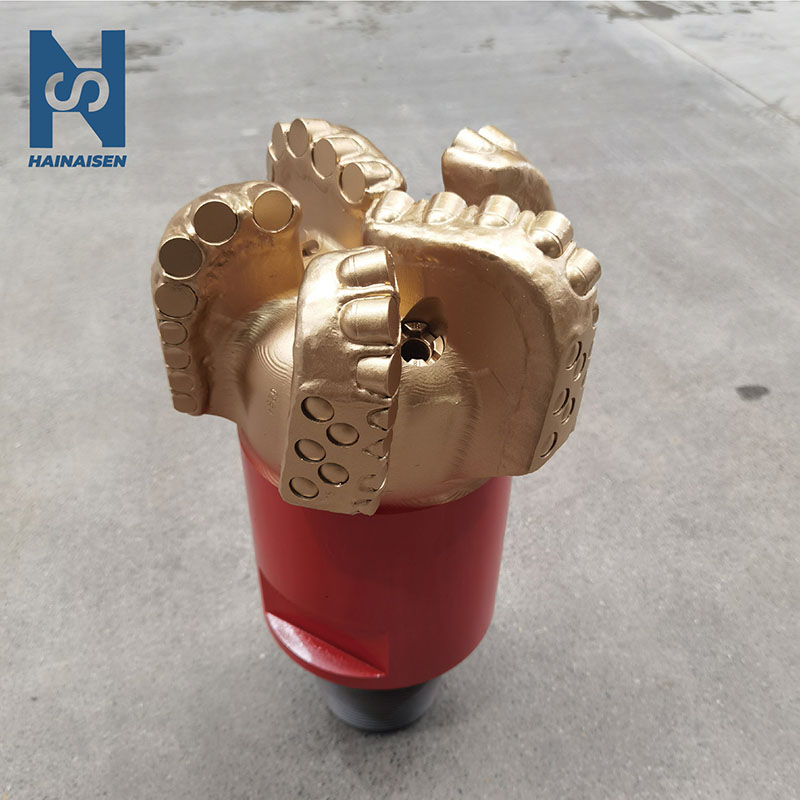 VIEW MOREDrill Bits For Oil Drilling
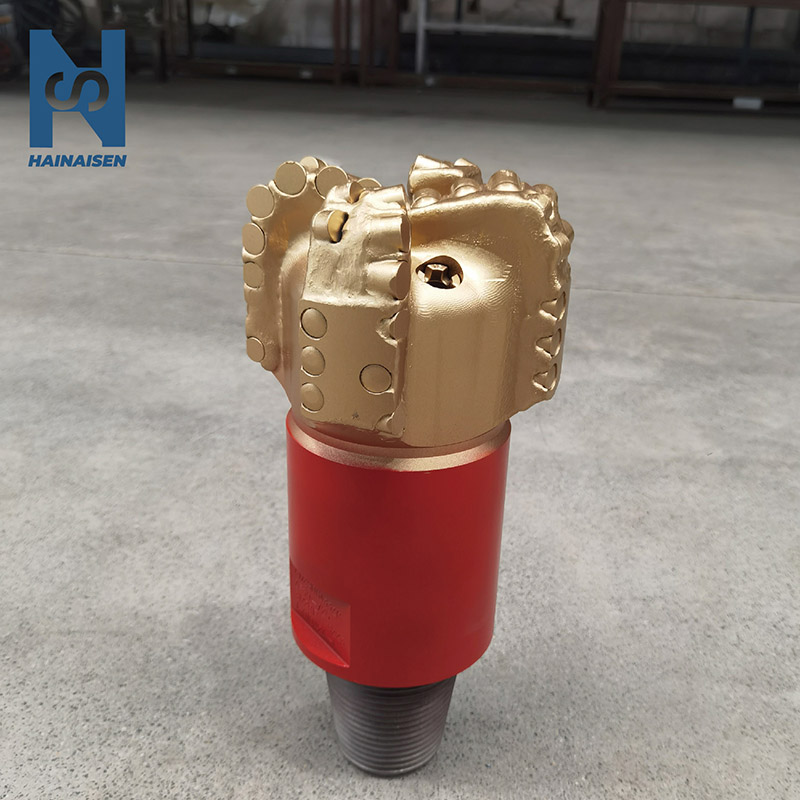 VIEW MOREPetroleum Drilling Equipment PDC
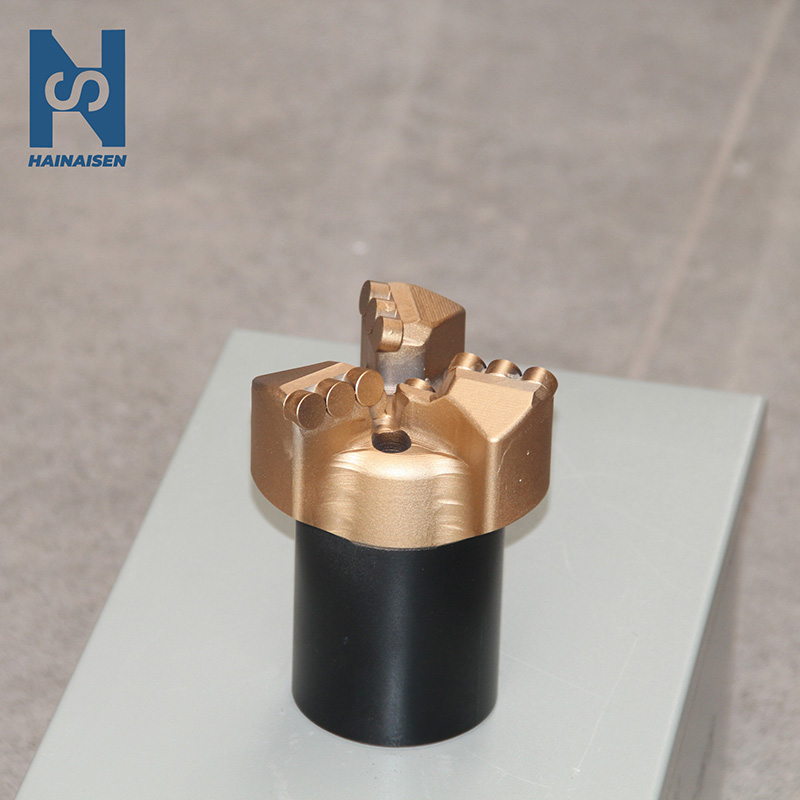 VIEW MOREThree Blades Steel Body PDC Bit
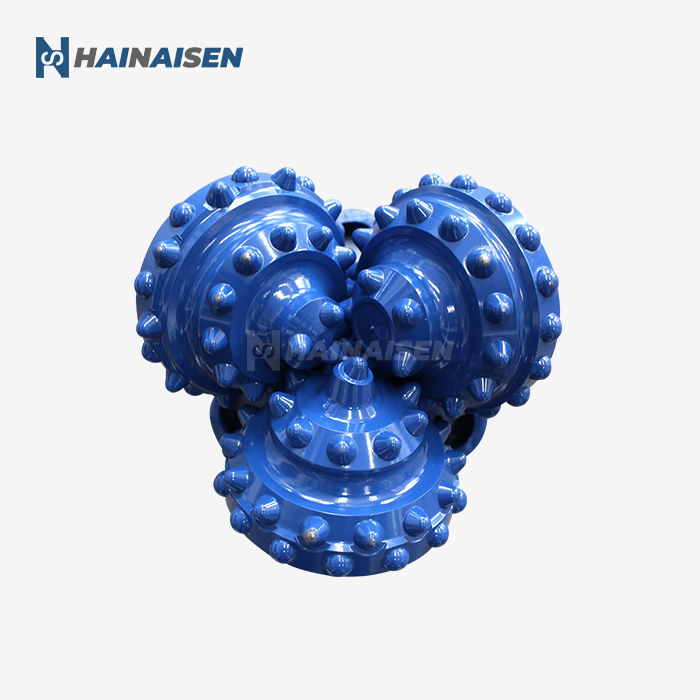 VIEW MORESteel Tooth Bit
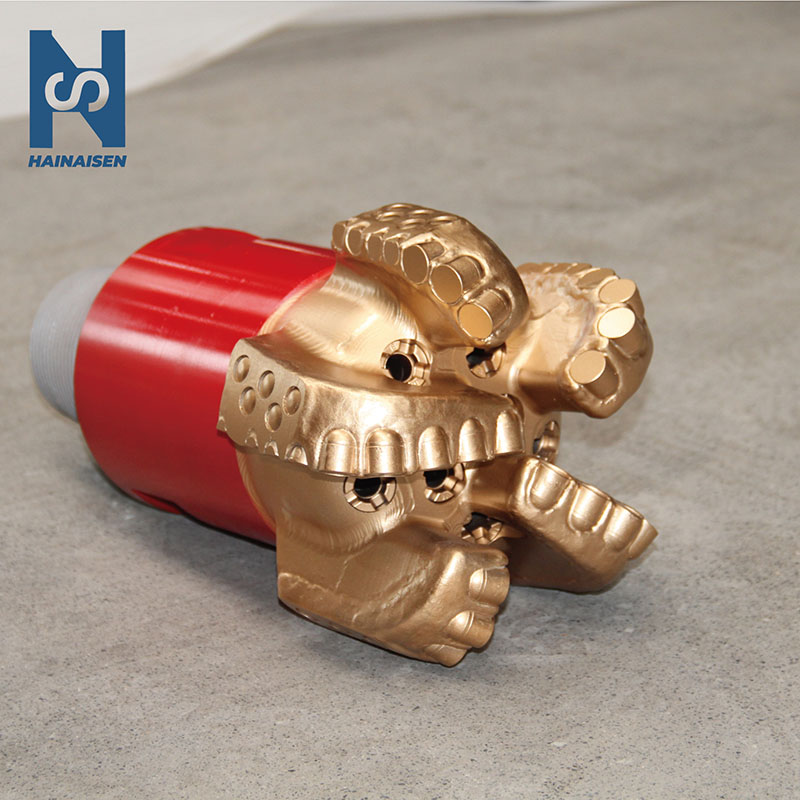 VIEW MOREDiamond Drill Bits For Oil Rigs
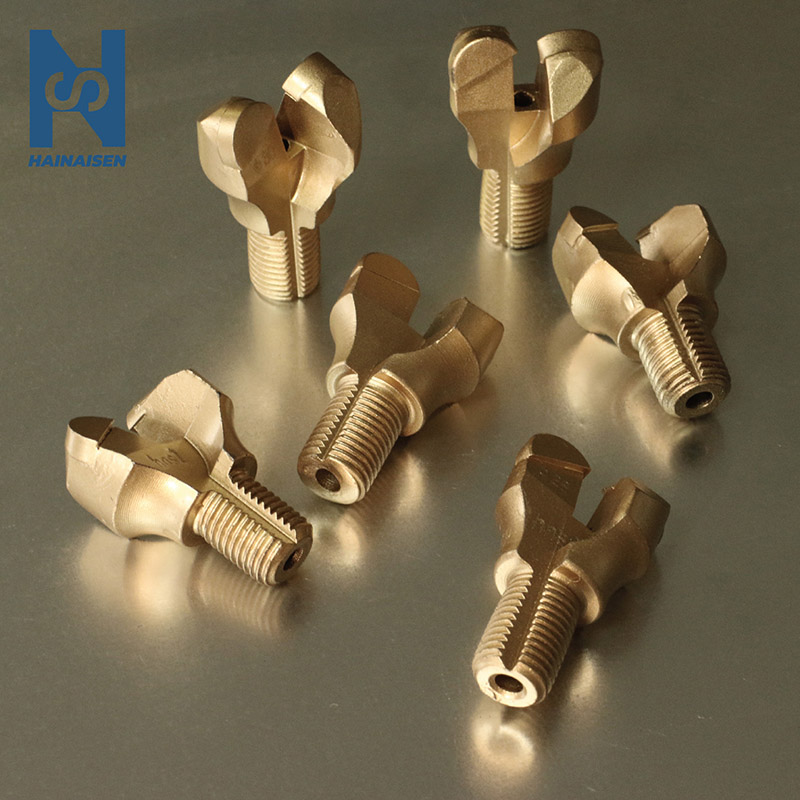 VIEW MORECoal Mining Tools PDC Anchor Drill Bit 28mm
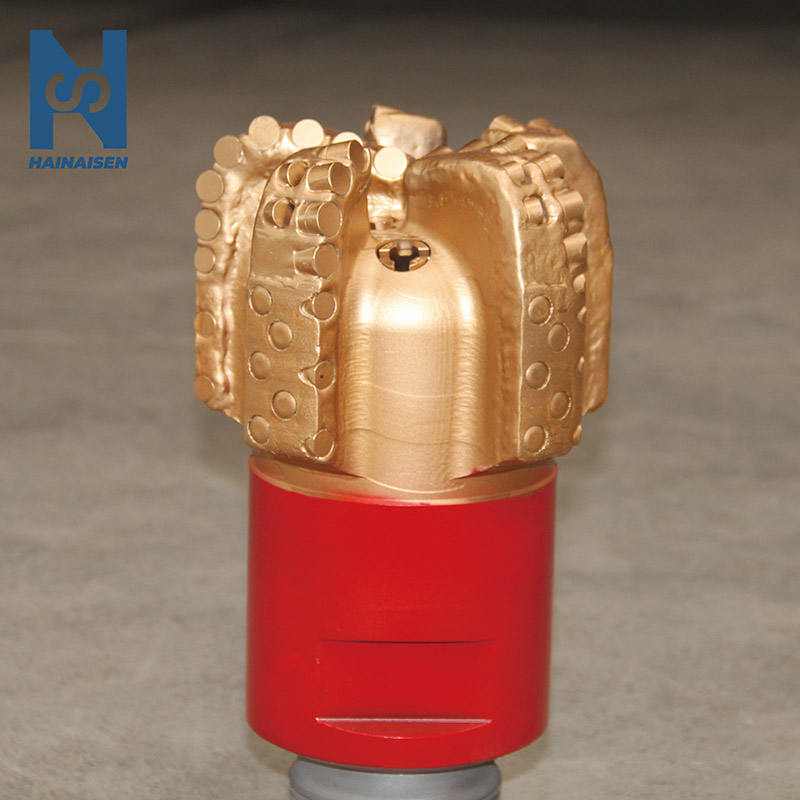 VIEW MOREFive Blades PDC Drill Bits
