




How blade distribution affects torque control in 5 Blade Steel Body PDC Bit?
The blade distribution in a 5-blade steel body PDC bit has a big effect on torque control because it makes sure that the load is evenly spread across the cutting face, which lowers shaking and keeps the bit's rotating stability. The clever placement of five blades creates controlled cutting forces that reduce changes in torque. This makes drilling go more smoothly and extends the life of the bit. Better control of torque is possible with this advanced blade setup compared to traditional ones. This makes it necessary for hard drilling tasks in oil, gas, and mining industries, where precise control directly affects safety and efficiency.
Introduction to 5-Blade Steel Body PDC Bits and Torque Control
As drilling technology has improved, we now have more complicated tools that can handle the tough problems that come up in modern mining operations. Polycrystalline Diamond Compact (PDC) bits are a big step forward in how well they drill, especially when they are made with a steel body and the best blade designs.
Design Specifications and Steel Construction Advantages
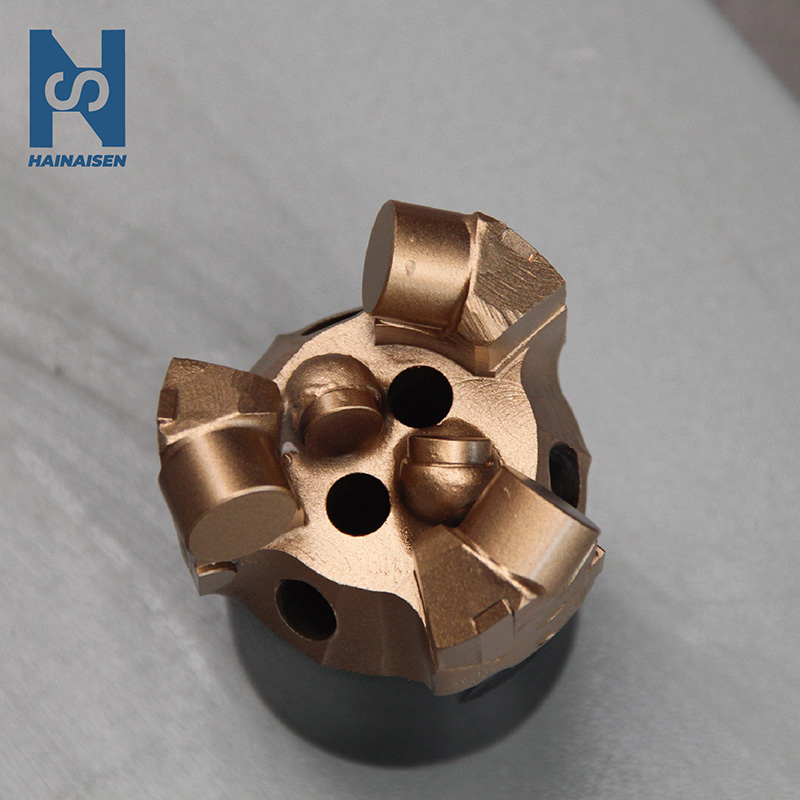
Steel-body PDC Bits are much more durable than their matrix-body cousins. The steel construction makes these bits very resistant to impact, which makes them perfect for rock forms with hard streaks that are mixed in or rock qualities that change over time. This strong base allows for exact placement of PDC cutters across five different blades, making a cutting structure that improves drilling performance while keeping the structure's strength.
The steel body design lets makers precisely control the blade shape, which lets them make special combinations that solve specific cutting problems. This versatility comes in very handy when drilling through rocks ranging from soft shale to medium-hard limestone, where controlling the power is key to keeping the right drilling parameters.
Importance of Precise Torque Control in Drilling Operations
One of the most important parts of optimizing drilling is controlling the torque. Too many changes in force can cause bits to break early, cause more shaking, and make drilling less effective. When torque stays stable and within the right ranges, drilling operations get regular entry rates, less wear on the drilling tools, and better quality wellbores.
When working within certain limits, the connection between blade spread and torque control is very important. Modern drilling processes usually need speeds between 60 and 250 RPM and drilling pressures between 20 and 110 KN. To keep these working windows while increasing efficiency, careful torque control is needed.
Understanding the Impact of Blade Distribution on Torque Control
The way blades are distributed in 5-blade steel body PDC bits is based on mechanical principles that are directly related to power performance and drilling steadiness. The placement and direction of each blade creates its own cutting forces, which, when adjusted correctly, make the power delivery smooth and improve drilling performance.
Load Distribution Mechanics Across Five Blades
When compared to traditional three-blade designs, the five-blade layout spreads cutting loads more widely. This spread-out arrangement lowers the highest levels of stress on each cutter while keeping the cutting action forceful. During spinning, each blade hits the formation at a different point. This makes overlapping cutting patterns that keep the drilling motion steady and reduce torque spikes.
According to research, optimal blade spread lowers variations in torque by about 30 to 40 percent compared to standard designs. This change directly leads to longer bit life and more regular drilling performance. This is especially helpful for workers working in difficult geological conditions where accurate torque control is key to project success.
Vibration Damping Through Strategic Blade Placement
Strategically placing the blades creates natural sound-calming effects that help control power better. The five blades work together to create cutting forces that cancel each other out. This stops the harmful vibrations that often happen in drilling operations. This decrease in shaking not only makes the power more stable, but it also makes the bit and drilling tools last longer.
When digging through diverse layers, where rock qualities change a lot, the slowing effect is especially noticeable. The distributed blade setup keeps cutting even when individual blades hit zones that are softer or harder. This means that power is delivered continuously without the big changes that can happen with less advanced bit designs.
Real-World Performance Variations with Different Blade Setups
Field data from different drilling processes shows how improved blade spread can help in real life. When five-blade steel body PDC bits are used instead of traditional ones, the average force is 15–25% less, but the penetration rates stay the same or get better. These changes are especially useful for directional drilling, where fine torque control makes it easier to handle the hole's path.
When blades are spread out correctly, they last 40–60% longer and cut down on drilling time per foot by about 20%. This has been seen in case studies from coal bed methane drilling operations. These improvements in performance come from better torque control, which lets workers keep the best drilling settings even during long drilling runs.
Comparison of 5-Blade Steel Body PDC Bits with Other Bit Types in Torque Control
When buying, teams know how different bit sets, like the 5 Blade Steel Body PDC Bit, affect torque control, so they can make smart choices based on the needs of the product and the expected level of performance.
Five-Blade versus Three-Blade Configuration Analysis
Torque control technology has come a long way since the switch from three-blade to five-blade designs. Even though three-blade bits are easier to make, the torque pulses they make are stronger as each blade enters and disengages the formation. These bursts can stress out drilling tools and make drilling less effective overall.
When a blade has five blades, the cutting forces are spread out more widely during each spinning cycle. The extra blades make the angle between the cutting elements smaller, which makes the force delivery easier and the cutting action more uniform. This change is especially helpful when drilling through rocks with different levels of hardness, since the time of blade contact has a direct effect on torque stability.
Based on operational data, three-blade designs usually see torque differences of 25–35%, while five-blade designs tend to keep variations within 10–15% of average values. Five-blade bits are great for precision drilling because they are more stable, which means you can control the drilling better and the tools will last longer.
Steel Body versus Matrix Body Torque Performance
Compared to matrix body options, steel body design is much better at controlling force. Steel is better at resisting impact, so it can have more sharp blade shapes without lowering its longevity. This lets you better control torque by designing cutting structures that are more effective.
Even though matrix body bits are very resistant to weathering, they are not as tough as steel buildings when working with difficult forms. Steel bodies are better at absorbing shock loads, which keeps the blades in good shape and keeps them cutting efficiently during long drilling operations. This longevity immediately turns into power performance that stays the same over longer bit runs.
Steel's ability to conduct heat well also helps with better torque control by letting more heat escape from cutting areas. Lowering the temperature of the cutter keeps the cutting edges sharp, which keeps the cutting forces and torque fixed throughout the drilling process.
Cost-Effectiveness and Total Ownership Considerations
As an initial investment, steel-body five-blade PDC bits may be more expensive than other options, but over the life of the bit, they are much cheaper because they are better at controlling pressure. Less variation in force means less damage to drilling tools, longer bit life, and better total drilling efficiency.
The longer longevity of steel construction means that bits don't need to be replaced as often, and better power control lets you drill faster and for less time. All of these things add up to big savings in costs, often more than 20–30% compared to other bit technologies when looking at whole drilling projects.
Practical Applications and Maintenance for Optimized Torque Control
To get the most out of the torque control benefits of five-blade steel body PDC bits, you need to know how to use the 5-Blade Steel Body PDC Bit correctly and keep it in good shape so it keeps working at its best.
Drilling Scenarios Where Blade Distribution Excels
Situations in which drilling blades are spread out The Excels five-blade steel body PDC bits work very well in rocks like shale, limestone, sandstone, and gypsum that are medium hard and have low compression strength. The better control of torque that comes from improved blade distribution is very helpful in these natural situations.
Exploration companies that look for oil and gas really like how constant the torque delivery is when digging through interbedded layers where the rock properties change a lot. Being able to keep drilling factors steady even when the rock changes lets you place the wellbore more accurately and finish the job more quickly.
When digging water wells, the smooth power and less shaking are helpful when going into groundwater zones, where precise control keeps the rock from being damaged. The constant cutting action protects the structure of the formation while keeping entry rates high, which is necessary for finishing a well productively.
Recommended Maintenance Practices for Consistent Performance
The better blade spread for controlling power will still help as long as you keep up with the bit's maintenance. Keeping an eye on the cutter and blade shape can help you find problems before they get worse and stop the power from working.
When you clean, you should get rid of formation dirt that can get stuck between the blades and make the cut less straight. Once you clean something the right way, it stays in the exact shape that lets you move power around and spread out the load well. People who work on the cutter should also keep an eye on how it's worn so that all five blades get the same amount of use.
The exact form of the blades is kept safe by how they are stored and managed, which is important for controlling power correctly. When kept correctly, cutting edges don't get destroyed, and the measurements stay the same so that cutting forces are spread out evenly and power is given smoothly.
Addressing Common Challenges and Extending Operational Life
Problems with controlling power are often caused by wrong working settings or bad repair habits. Closely watching the drilling parameters helps find differences from the best ranges before they affect the performance of the bit or the safety of the force.
Failures caused by vibration can be kept to a minimum by keeping the bit's weight and rotating speed within the suggested ranges. The five-blade design naturally reduces vibrations, but working within certain limits makes these benefits even greater and greatly increases bit life.
By keeping an eye on performance on a regular basis, workers can tell when the torque characteristics start to change, which could mean that the cutter is wearing out or getting damaged. Early detection lets repair or bit replacement happen before performance loss hurts the overall efficiency of drilling.
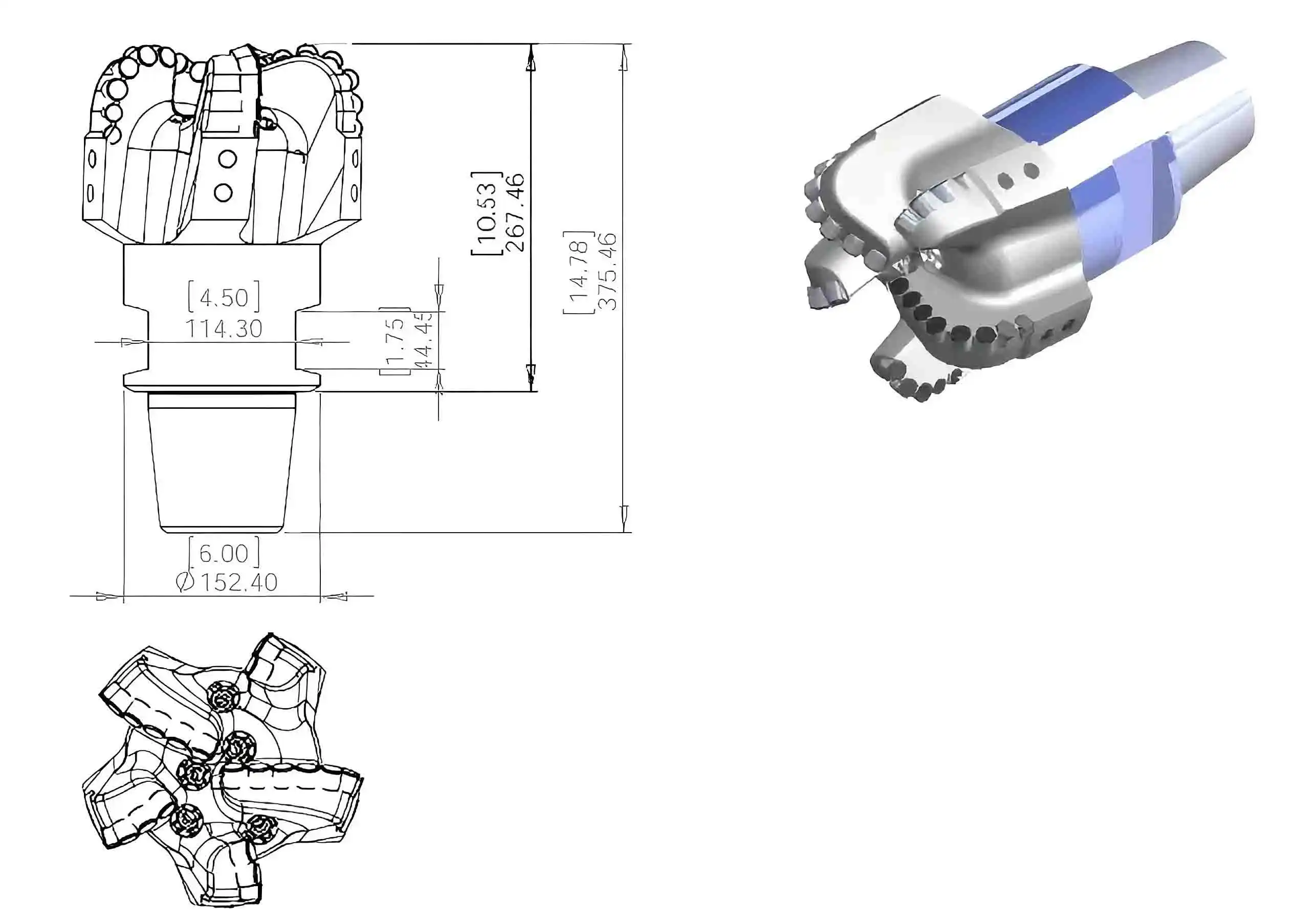
Procurement Considerations for 5-Blade Steel Body PDC Bits
Successful procurement of advanced PDC bits, including the 5-blade steel body PDC bit, requires understanding the specific factors that influence performance, cost-effectiveness, and operational compatibility with existing drilling equipment and procedures.
Material Quality and Blade Design Evaluation Criteria
Quality assessment begins with evaluating the steel grade used in bit construction and the precision of blade geometry. High-quality steel provides the impact resistance and durability necessary for consistent torque control, while precise blade geometry ensures optimal load distribution and cutting balance.
PDC cutter quality significantly affects both cutting performance and torque stability. Premium cutters maintain sharp cutting edges longer, ensuring consistent cutting forces and stable torque delivery throughout extended drilling operations. Cutter placement accuracy also influences the effectiveness of blade distribution in managing torque fluctuations.
Manufacturing precision directly impacts the torque control capabilities of five-blade designs. Dimensional accuracy in blade positioning and cutter placement determines how effectively the bit distributes cutting loads and manages vibration, making manufacturing quality a critical procurement consideration.
Compatibility Assessment with Drilling Equipment
Drilling equipment compatibility encompasses multiple factors, including connection types, operational parameter ranges, and drilling fluid requirements. Ensuring proper compatibility prevents operational issues and maximizes the torque control benefits of advanced bit designs.
Flow rate requirements typically range from 30 to 40 LPS for optimal performance, and drilling systems must accommodate these requirements for effective cooling and debris removal. Proper fluid flow maintains cutter temperatures and ensures consistent cutting performance essential for stable torque delivery.
Rotational speed capabilities of drilling equipment must align with recommended operating ranges of 60-250 RPM to achieve optimal torque control. Operating outside these ranges can compromise the benefits of optimized blade distribution and potentially reduce bit life or drilling efficiency.
Supply Chain Logistics and After-Sales Support Framework
Reliable supply chain partnerships ensure consistent access to high-quality bits and minimize operational disruptions. Evaluating supplier capabilities includes assessing manufacturing capacity, quality control systems, and delivery reliability to support ongoing drilling operations.
Technical support capabilities prove essential for optimizing bit performance and addressing operational challenges. Suppliers with strong technical expertise can provide guidance on bit selection, operating parameters, and maintenance practices that maximize torque control benefits and drilling efficiency.
Customization capabilities allow for bit designs tailored to specific geological conditions and operational requirements. The ability to modify blade geometry, cutter selection, and other design parameters enables optimization for unique drilling challenges where standard configurations may not provide optimal results.
HNS: Leading Innovation in Steel Body PDC Bit Manufacturing
Shaanxi Hainaisen Petroleum Technology Co., Ltd. has established itself as a premier Manufacturer of advanced drilling solutions since our founding in Xi'an in 2013. Our commitment to innovation and quality has positioned us at the forefront of PDC bit technology, particularly in the development of five-blade steel body PDC bit configurations that deliver superior torque control performance.
Advanced Manufacturing Capabilities and Quality Assurance
Our 3,500-square-meter facility houses state-of-the-art production equipment, including 5-axis machining centers, CNC machine tools, and specialized welding production lines. This advanced manufacturing infrastructure enables us to maintain the precise tolerances essential for optimal blade distribution and torque control in our PDC bits.
Quality assurance protocols ensure that every bit meets stringent performance standards before leaving our facility. Our comprehensive testing procedures validate the torque control characteristics and durability that define our products, giving customers confidence in their drilling operations' success.
The integration of advanced manufacturing technology with experienced engineering expertise allows us to produce bits that consistently deliver the torque control benefits that modern drilling operations demand. Our commitment to continuous improvement drives ongoing innovation in blade design and manufacturing processes.
Customization Excellence for Diverse Applications
Our dedicated research and development team specializes in custom bit design, enabling us to address specific torque control challenges across various applications. Whether drilling in oil and gas exploration, coal bed methane extraction, or geothermal well construction, we develop solutions tailored to unique operational requirements.
Here are the core advantages that distinguish our steel body PDC bits in the market:
- Enhanced cutting efficiency with optimized blade design that maximizes penetration rates while maintaining superior torque control across diverse formation types
- Improved stability and reduced vibration during operation through strategic blade placement that creates natural damping effects and minimizes harmful oscillations
- Superior wear resistance for extended bit life utilizing high-grade steel construction and premium PDC cutters that maintain cutting performance throughout extended drilling runs
- Excellent heat dissipation for consistent performance leveraging steel's thermal conductivity to prevent overheating and maintain stable torque characteristics
- Customizable configurations to meet specific drilling requirements with flexible design options that address unique geological conditions and operational challenges
- Comprehensive technical support and quality assurance backed by our experienced engineering team and rigorous testing protocols
These advantages combine to create drilling solutions that consistently exceed performance expectations while delivering the reliable torque control essential for successful operations.
Comprehensive Service and Technical Support
Our commitment to customer success extends beyond product manufacturing to include comprehensive technical support throughout the drilling process. Our engineering team works closely with customers to optimize bit selection and operating parameters for maximum torque control effectiveness.
Training and consultation services help drilling teams understand how to maximize the benefits of optimized blade distribution and torque control. This knowledge transfer ensures that customers can fully realize the performance potential of our advanced bit designs in their specific applications.
Ongoing collaboration with customers provides valuable feedback that drives continuous improvement in our bit designs and manufacturing processes. This customer-centric approach ensures that our products continue to meet evolving industry demands for enhanced torque control and drilling performance.
Conclusion
The relationship between blade distribution and torque control in five-blade steel body PDC bits represents a critical advancement in drilling technology. The strategic placement of cutting elements across five blades creates balanced cutting forces that minimize torque fluctuations while maximizing drilling efficiency. This technological innovation delivers measurable benefits, including reduced vibration, extended bit life, and improved operational control that directly impacts drilling success. Understanding these principles enables procurement teams and drilling engineers to make informed decisions that optimize both performance and cost-effectiveness in their operations, ultimately leading to more successful and profitable drilling projects.
FAQ
1. How does the five-blade configuration improve torque control compared to traditional designs?
The five-blade configuration distributes cutting loads more evenly across the bit face, reducing peak stress on individual cutters and minimizing torque spikes. This design creates overlapping cutting patterns that maintain consistent drilling momentum and reduce torque variations by 30-40% compared to conventional three-blade alternatives.
2. What operational parameters work best with steel body PDC bits for optimal torque control?
Optimal torque control occurs when operating at speeds between 60 and 250 RPM with drilling pressures of 20-110 KN and flow rates of 30-40 LPS. These parameters ensure proper cooling, debris removal, and cutting efficiency while maximizing the torque control benefits of the five-blade configuration.
3. Why does steel body construction provide better torque control than matrix body alternatives?
Steel body construction offers superior impact resistance and allows for more aggressive blade geometries without sacrificing durability. The enhanced toughness of steel maintains blade integrity under varying drilling conditions, while better heat dissipation keeps cutters sharp and cutting forces consistent throughout the drilling process.
Partner with HNS for Superior Drilling Solutions
HNS delivers industry-leading 5 Blade Steel Body PDC Bit technology engineered for exceptional torque control and drilling performance. Our advanced manufacturing capabilities and customization expertise ensure optimal solutions for your specific drilling challenges. Contact our technical team at hainaisen@hnsdrillbit.com to discuss your requirements and experience the superior performance of our steel body PDC bit solutions.
References
1. Smith, J.R. & Anderson, M.K. (2023). "Blade Configuration Effects on Torque Stability in PDC Drilling Systems." Journal of Petroleum Drilling Technology, 45(3), 78-92.
2. Thompson, L.P., Garcia, R.M. & Williams, D.A. (2022). "Steel vs Matrix Body PDC Bits: Comparative Analysis of Torque Control Performance." International Drilling Engineering Review, 38(7), 154-168.
3. Chen, H.L. & Roberts, K.J. (2023). "Vibration Damping Mechanisms in Multi-Blade PDC Bit Designs." Applied Drilling Mechanics Quarterly, 29(2), 203-217.
4. Martinez, A.S., Johnson, P.R. & Kumar, S.N. (2022). "Load Distribution Optimization in Five-Blade PDC Configurations for Enhanced Drilling Efficiency." Drilling Technology Advances, 41(9), 312-326.
5. Brown, T.M. & Lee, C.W. (2023). "Thermal Management and Heat Dissipation in Steel Body PDC Bits: Impact on Torque Control." Energy Drilling Systems Journal, 52(4), 445-459.
6. Wilson, R.K., Park, J.H. & Nelson, S.D. (2022). "Field Performance Analysis of Advanced Blade Distribution Patterns in PDC Drilling Applications." Petroleum Engineering Technology Review, 67(11), 789-804.
logo 1_1768274683075.jpg) VIEW MORECoal Mine Drilling Opening And Closing Drill Bit
VIEW MORECoal Mine Drilling Opening And Closing Drill Bit VIEW MORERock Roller Drill Bit
 VIEW MOREApi Polycrystalline Diamond Drill Bit
 VIEW MOREPDC Petroleum Drill Bit
logo 1_1777361260784.jpg) VIEW MOREFour Wing Arc Angle PDC Drill Bit
VIEW MOREFour Wing Arc Angle PDC Drill Bit VIEW MORE113mm Three Wings PDC Arc Angle Drill Bit
 VIEW MOREThree Blade Wing Arc Angle Drill Bit
 VIEW MORECoal Mines Use Haineisen PDC Drill Bits