







Cuttings removal and nozzle design in Coal Mining PDC Drill Bits
One of the most important factors in determining the success of digging activities in coal mines is still how well the cuttings are removed. The industry has been changed by complex tip designs added to coal mining PDC drill bits that make it easier to remove waste while still performing at their best. When you combine advanced polycrystalline diamond compact technology with carefully planned hydraulic systems, you get a powerful way to deal with the unique problems that come up in coal seams, where fine particles and sticky formations can make drilling less effective and equipment last less long.
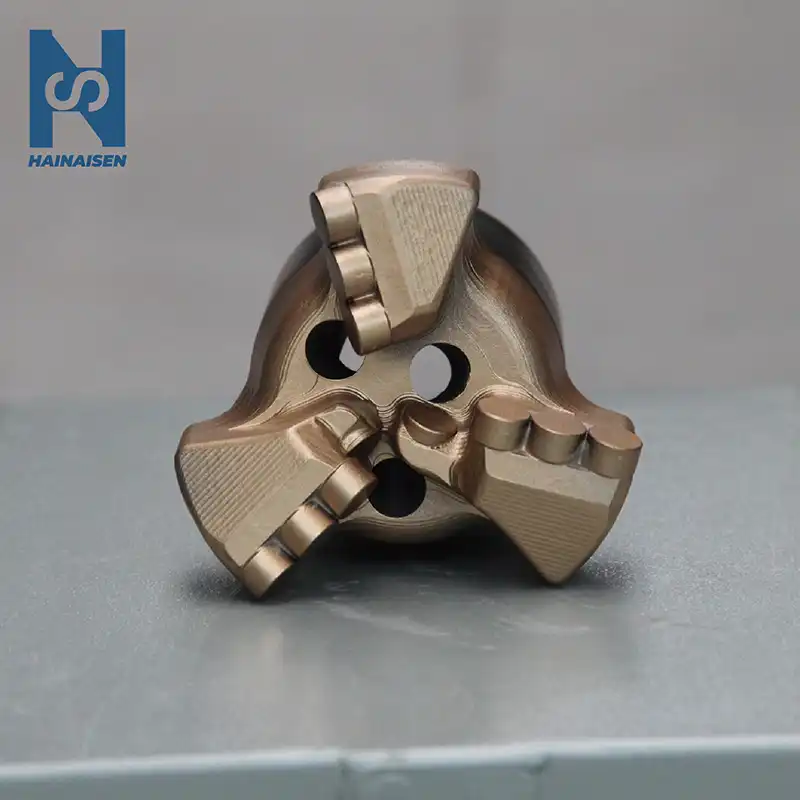
Understanding Cuttings Removal in Coal Mining PDC Drill Bits
When digging in coal seams, there are unique challenges that need extra care when managing the cuttings. In contrast to other types of rock formations, coal formations produce tiny bits that stick to digging tools, a process known in the industry as "bit balling." This happens when coal fines build up on the bit face, making it less effective at cutting and speeding up the wear patterns.
The Science Behind Effective Cuttings Evacuation
Getting rid of cuts in coal mines requires a careful balance between hydraulic pressure and mechanical action. PDC Bits use their set cutter design to cut through coal layers, making particles of a certain size that need specific ways to be removed. Compared to roller cone bits, which break the material, shearing makes the cuts more regular, which makes removal easier to plan for and handle.
These problems can be solved by modern polycrystalline diamond compact bits that have built-in hydraulic systems that keep the flow going across the bit face. The diamond cuts and carefully placed tubes work together to make turbulent flow patterns in the drilling fluid that lift and hold coal particles. This combined method keeps trash from building up, which could lower entry rates and cause bits to fail early.
Impact on Drilling Performance and Bit Longevity
Cuttings removal problems are closely linked to less efficient drilling and higher running costs. When coal fines build up on the bit's surface, they create a protective layer between the cutters and the rock. This makes cutting less effective and creates too much heat. This increase of heat speeds up cutting wear and can cause a severe bit failure.
In coal uses, research shows that PDC bits with improved cuttings removal methods can get 15–30% deeper entry rates than regular designs. Effective waste management leads to longer bit life, which saves a lot of money, especially in large-scale mining operations where drilling costs a lot.
Advanced Nozzle Design Principles for Optimal Flushing
In coal mines, the design of the nozzle is the most important factor in how well the pieces are removed in Coal Mining PDC Drill Bits. How well the trash is removed and how well the drilling goes generally depend on where, how big, and which way these fluid parts are placed.
Strategic Nozzle Placement and Sizing Considerations
To build a tool that works well, you must first know exactly what the target coal mine is like. When it comes to hydraulics, harder, more consolidated seams need different methods than softer coal layers. When engineers create tool setups, they have to think about things like how permeable the rock is, how hard the coal is, and whether there are interbedded layers.
The tips on PDC bits are placed according to certain rules that make cleaning more effective while keeping the structure strong. Usually, primary nozzles are placed near the bit's center to lift the first layer of cuttings, and secondary nozzles are placed around the gauge section to make sure that all debris is blown out of the drill annulus. The angle and direction of these nozzles make flow patterns that keep coal fines from building up in places where the flow stops.
When figuring out the right size nozzle, you have to think about a lot of different fluid dynamics factors, such as flow speed, pressure difference, and the needs for particle suspension. Larger nozzles allow more volume to flow, but they may slow down the pumping speed. Smaller nozzles, on the other hand, make high-velocity jets that can successfully hold fine particles but might not provide enough volume for full evacuation.
Material Selection and Durability Engineering
Coal digging is a tough setting that requires tools made of high-quality materials that can handle being exposed to chemicals and rough circumstances. Tungsten carbide plates and special ceramic materials make the bit very resistant to wear while keeping its hydraulic efficiency over its entire life.
Modern nozzle designs have features like simplified input shapes and improved outflow patterns that keep pressure losses and noise to a minimum. These improvements to the engineering make sure that the bit works the same way even when it hits different types of coal and different cutting situations. Material choice is an important part of bit design because it affects how often upkeep needs to be done and how long the bit can keep running.
Customization for Specific Coal Seam Characteristics
There is a lot of variation in the hardness, moisture content, and structure characteristics of coal layers. For nozzle design to work well in mining uses, it needs to be customized to deal with these unique issues and get the best performance.
Geological data and formation studies are used by engineers to make tool setups that are perfect for each coal seam. This process of customization takes into account things like the expected particle sizes, the qualities of the formation fluid, and the drilling parameter needs. The end result is a highly optimized hydraulic system that gets rid of cuttings as efficiently as possible while using the least amount of energy and wearing out the least amount of equipment.
Comparing Nozzle and Cutting Removal Designs Across Drill Bit Types
The evolution of drilling technology has produced significant advances in cuttings management systems, with PDC bits demonstrating clear advantages over traditional roller cone designs in coal mining applications.
PDC vs. Roller Cone Hydraulic Efficiency
Because they have a set cutter architecture and an efficient bit body shape, PDC bits are naturally better for hydraulic design. Since there are no moving parts, there aren't any complicated flow patterns that come from roller cone bearings. This makes hydraulic models more accurate. Because it is so simple, engineers can make better waste removal systems and improve the way the flow is distributed.
When compared to roller cone bits, which crush and grind coal forms, PDC bits make particles that are more regular in size. This even distribution of cut sizes makes evacuation more effective and lowers the chance of particle segregation, which can cause removal to be incomplete. Furthermore, PDC cutters' slicing action needs less energy, which means that more hydraulic horsepower can be used to move the pieces.
Technological Innovations in Modern PDC Designs
Recent improvements in PDC technology have been aimed at making the connection between the cutting structure and the hydraulic systems work better. Cuttings removal in tough coal settings is now more effective thanks to new technologies like changeable tip shape, flexible flow distribution, and real-time pressure tracking.
Modern PDC bits have advanced modeling software that predicts flow patterns and places the nozzles in the best way for each job. Engineers can use these computer programs to model digging conditions and make changes to plans before they are made. This leads to better performance and lower development costs. When these technologies are combined, they allow PDC bits to regularly achieve better performance ratings than other options.
Maintaining Optimal Cuttings Removal and Nozzle Performance
Preventive maintenance is very important for keeping cuttings removal systems working well for as long as the Coal Mining PDC Drill Bits are in use. Understanding common wear patterns and following the right repair steps will keep your equipment running at its best and get the most out of your investment.
Identifying Common Wear Patterns and Performance Degradation
When you look at PDC bits on a regular basis, you can see wear patterns that show how well cut removal systems are working. Too much wear on some cuts could mean that certain areas aren't being cleaned well enough, while even wear patterns usually mean that the fluid flow is well-balanced. When repair teams understand these signs, they can spot possible problems before they cause a big drop in performance.
In coal mines, nozzle corrosion is one of the most common problems that needs to be fixed. Because coal particles are rough, they gradually make nozzle holes bigger, which slows down the jet and makes cleaning less effective. Regularly measuring and trying the pressure of the tip to see how it's doing helps keep the hydraulic system running at its best and stops expensive bit failures.
Preventive Maintenance Procedures and Best Practices
Systematic inspection methods that check both the mechanical and fluid parts of PDC bits are part of maintenance plans that work well. As part of these steps, the state of the cutter, the soundness of the tip, and the bit body wear patterns are all carefully checked. Keeping track of inspection data allows for trend analysis, which can help figure out when maintenance is needed and when to replace things.
When cleaning PDC bits, it's important to pay close attention to keeping the tip shape and cutter integrity. Specialized cleaning products and methods get rid of coal remains without hurting sensitive parts. The right way to handle and store bits will keep them safe between uses and greatly increase their service life.
Selecting the Right Coal Mining PDC Drill Bits with Advanced Nozzle Designs
The selection process for PDC bits requires careful evaluation of multiple factors that influence performance, cost-effectiveness, and operational compatibility. Understanding these selection criteria enables procurement professionals to make informed decisions that align with specific project requirements.
Performance Evaluation Criteria and Selection Parameters
Bit selection begins with a comprehensive analysis of geological conditions, including coal seam characteristics, formation properties, and anticipated drilling challenges. This analysis informs decisions regarding cutter size, nozzle configuration, and bit body design that will optimize performance in specific applications.
Performance metrics such as penetration rate, bit life, and hole quality serve as primary evaluation criteria. However, procurement professionals must also consider factors such as compatibility with existing drilling equipment, availability of technical support, and supplier reliability. The total cost of ownership, including initial purchase price, operational costs, and replacement requirements, provides the most accurate basis for economic comparison.
Supplier Evaluation and Quality Assurance
Selecting a reliable supplier involves assessment of manufacturing capabilities, quality control processes, and technical support services. Leading suppliers maintain advanced manufacturing facilities with sophisticated quality control systems that ensure consistent product performance. The availability of customization services and responsive technical support significantly enhances the value proposition for industrial clients.
Quality Certifications and industry standards compliance provide additional assurance of product reliability. Suppliers who invest in research and development demonstrate commitment to continuous improvement and innovation, ensuring access to the latest technological advances in PDC bit design.
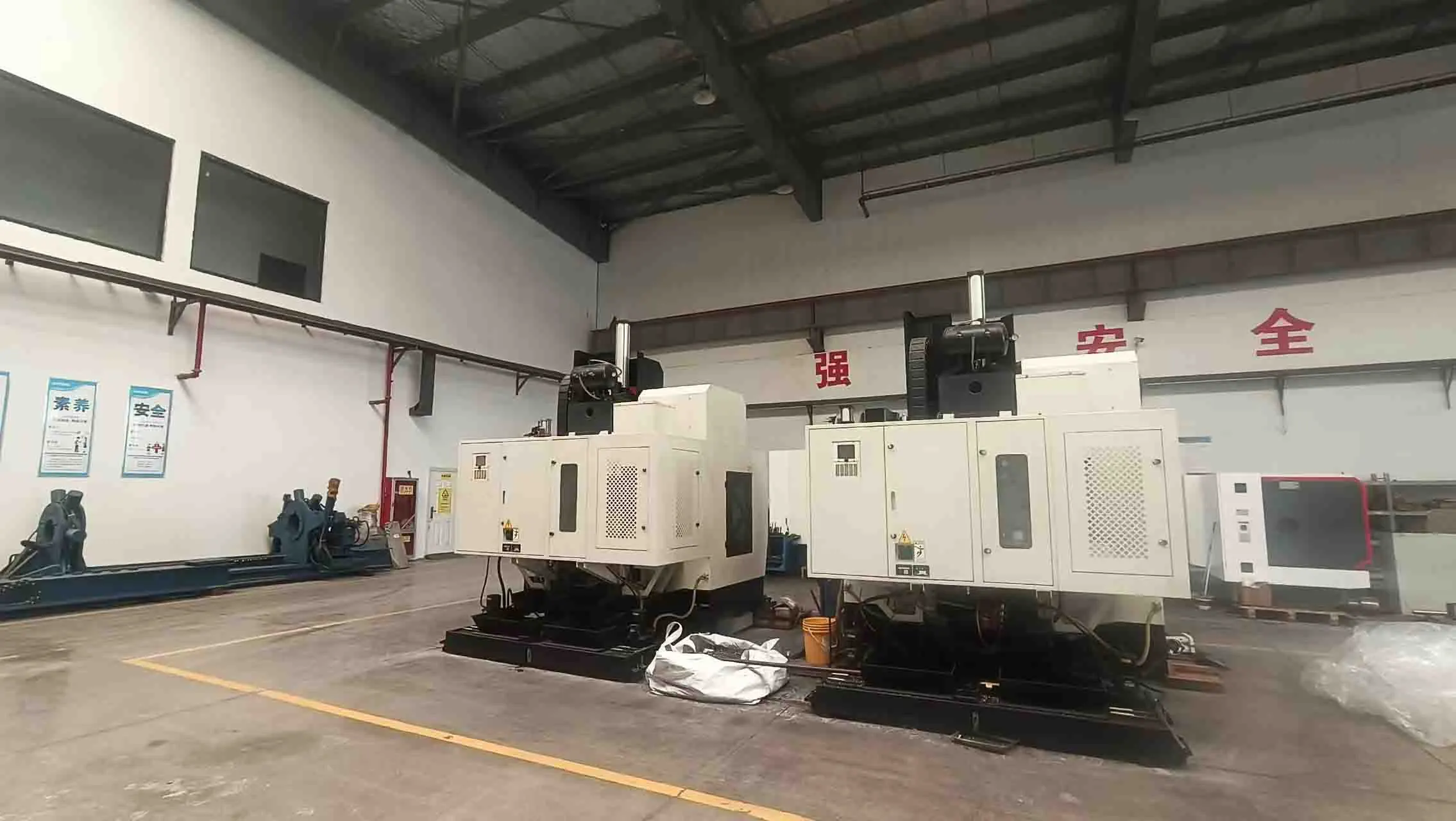
HNS stands as a premier example of excellence in PDC bit manufacturing. Our state-of-the-art 3,500 m² facility houses modern production workshops equipped with advanced 5-axis machining centers and CNC machine tools. Our dedicated research and development team specializes in custom bit design, enabling us to meet diverse structural requirements across various coal mining applications.
Our comprehensive product range includes PDC bits engineered for surface coal mining operations, underground coal seam exploration, methane drainage applications, and geological surveying in coal-rich regions. The versatility of our designs extends to water well drilling in coal mining areas, core sampling for coal quality analysis, and horizontal directional drilling in coal formations.
The advantages of our coal mining PDC bits include superior wear resistance for extended bit life, enhanced cutting efficiency across various coal formations, and optimized hydraulics for improved hole cleaning. Our customizable designs accommodate specific drilling requirements, while premium-grade materials ensure exceptional durability. Every product is backed by our experienced technical support team, providing comprehensive assistance throughout the product lifecycle.
Our quality control procedures maintain strict standards throughout the manufacturing process of Coal Mining PDC Drill Bits, incorporating rigorous material testing, precision manufacturing with advanced CNC equipment, and comprehensive quality inspections at every production stage. Field testing ensures real-world performance verification before products reach our customers.
Conclusion
The integration of advanced nozzle design with PDC technology has transformed coal mining drilling operations, delivering unprecedented levels of efficiency and reliability. Effective cuttings removal systems represent the foundation of successful drilling performance, enabling operators to achieve higher penetration rates while extending bit life significantly. The continuous evolution of hydraulic design principles, combined with innovations in materials science and manufacturing precision, ensures that modern PDC bits can address the most challenging coal seam conditions. As the industry continues to demand improved performance and cost-effectiveness, the importance of optimized cuttings removal and nozzle design will only continue to grow, making these technologies essential investments for progressive mining operations.
FAQ
1. What makes nozzle design critical for coal mining PDC drill bits?
Nozzle design directly impacts the ability to remove coal fines and debris that can accumulate on the bit face, reducing drilling efficiency. Properly designed nozzles create optimal flow patterns that prevent bit balling and maintain consistent cutting action throughout the drilling process.
2. How do PDC bits compare to roller cone bits in cuttings removal efficiency?
PDC bits offer superior cuttings removal due to their fixed cutter design and streamlined geometry. The shearing action of PDC cutters produces more uniform particle sizes that are easier to evacuate, while the absence of moving parts allows for more efficient hydraulic flow distribution.
3. What maintenance procedures are essential for maintaining nozzle performance?
Regular inspection of nozzle condition, monitoring for erosion or damage, and systematic cleaning to remove coal residues are essential. Proper documentation of wear patterns helps predict maintenance needs and optimize replacement schedules to maintain peak performance.
Transform Your Coal Mining Operations with HNS Advanced PDC Technology
Maximize your drilling efficiency with HNS's industry-leading Coal Mining PDC Drill Bits featuring state-of-the-art nozzle designs engineered for superior cuttings removal. As a trusted coal mining PDC drill bits Manufacturer, we combine advanced materials with precision engineering to deliver unmatched performance in challenging coal formations. Contact our technical team at hainaisen@hnsdrillbit.com to discuss your specific requirements and discover how our customized solutions can reduce operational costs while increasing productivity.
References
1. Smith, J.A., & Chen, L. (2023). "Hydraulic Optimization in PDC Drill Bits for Coal Mining Applications." Journal of Mining Technology, 45(3), 78-92.
2. Rodriguez, M.E., & Thompson, K.R. (2024). "Comparative Analysis of Cuttings Removal Efficiency in Coal Seam Drilling." International Conference on Mining Engineering Proceedings, 234-248.
3. Wilson, D.P., et al. (2023). "Advanced Nozzle Design Principles for Enhanced Debris Evacuation in Coal Mining Operations." Mining Equipment Technology Review, 18(7), 145-159.
4. Anderson, R.S., & Kumar, V. (2024). "Material Selection and Durability Engineering for Coal Mining PDC Drill Bits." Materials Science in Mining Applications, 31(2), 112-127.
5. Lee, H.K., & Roberts, G.A. (2023). "Performance Evaluation and Selection Criteria for Coal Mining Drilling Equipment." Industrial Mining Operations Quarterly, 29(4), 203-217.
6. Zhang, W., & Martinez, C.J. (2024). "Preventive Maintenance Strategies for PDC Drill Bits in Coal Mining Environments." Equipment Maintenance and Reliability Journal, 22(1), 67-81.
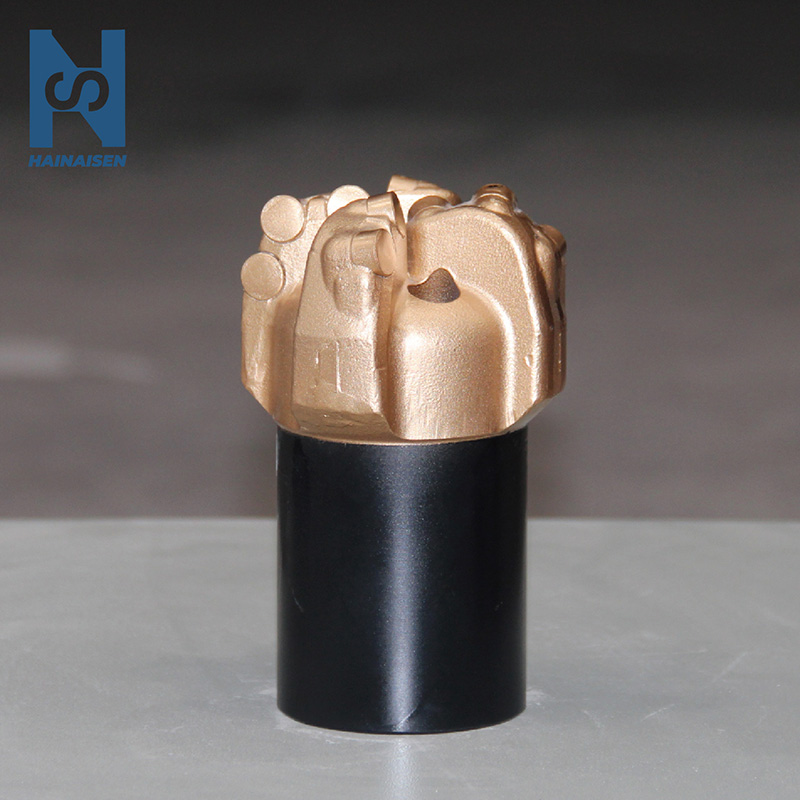 VIEW MOREFour Blade PDC Rock Drill Bit
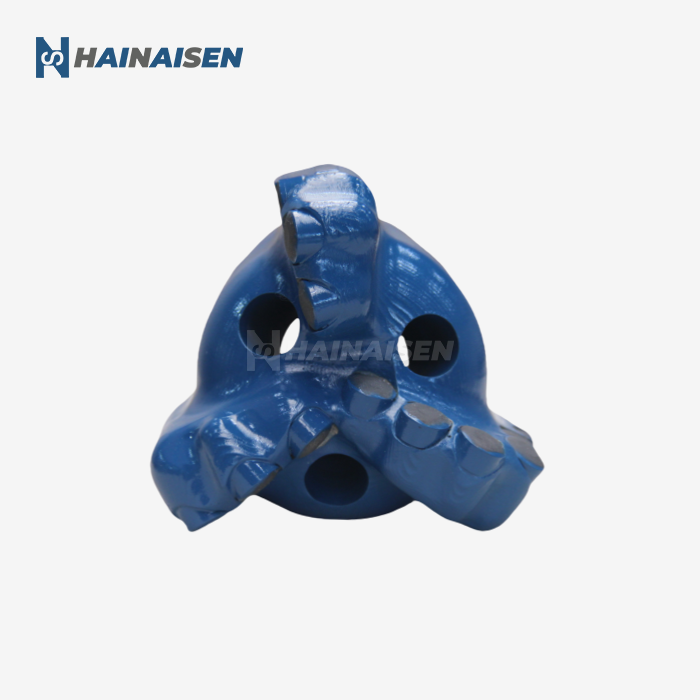 VIEW MORE113mm PDC Arc Angle Drill Bit
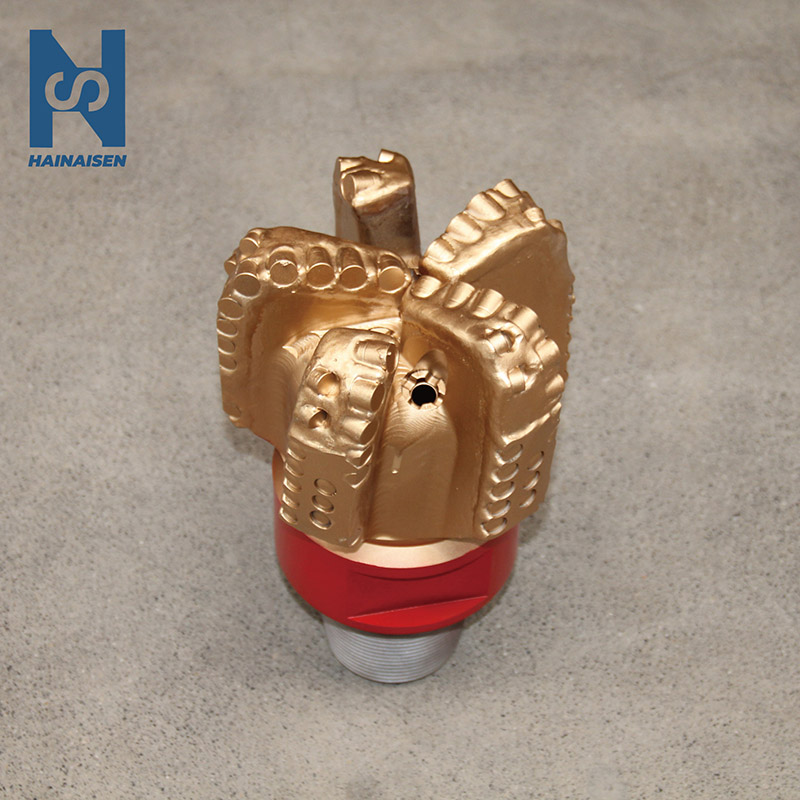 VIEW MOREDrilling Bit For Oil And Gas Rig
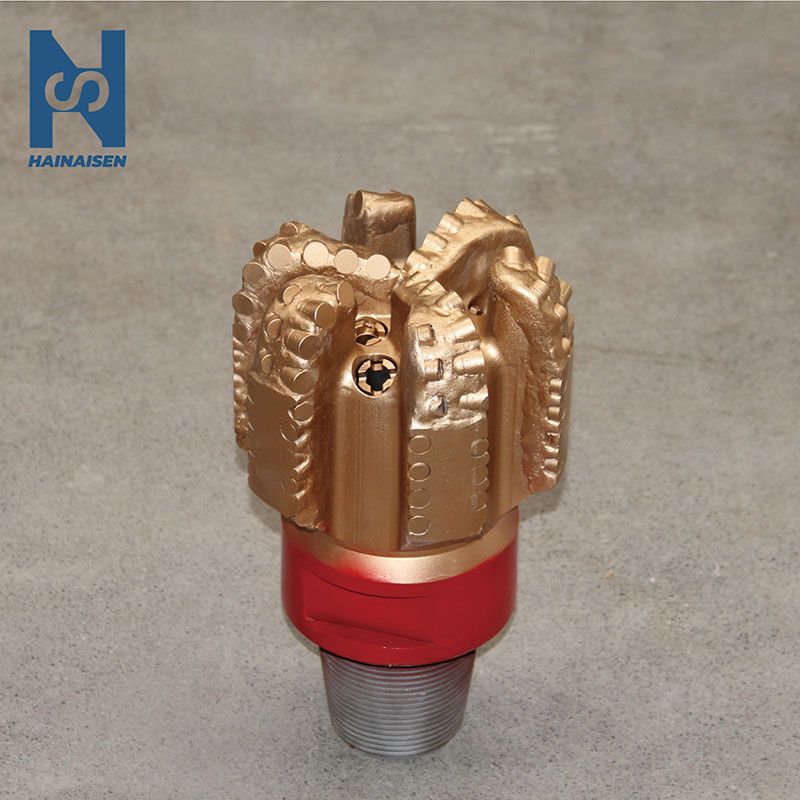 VIEW MORE6-Blade PDC Drill Bit
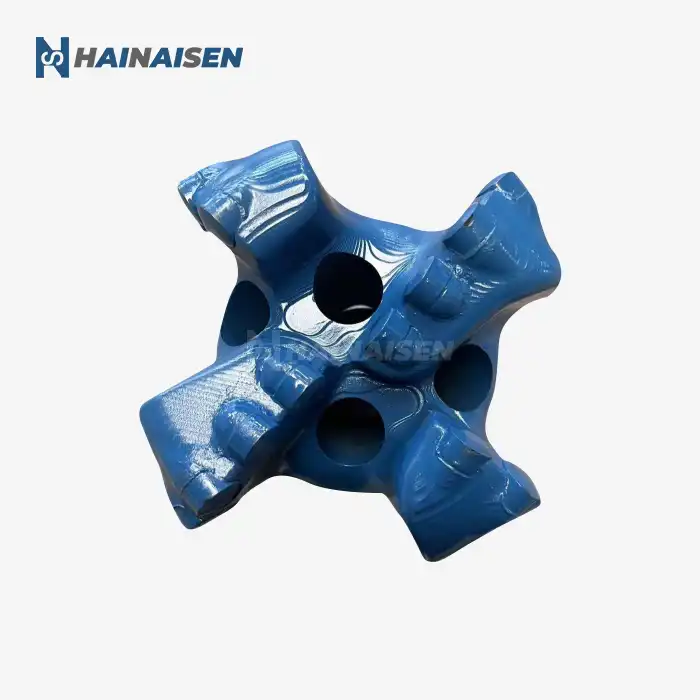 VIEW MOREFour Blade PDC Drill Bit
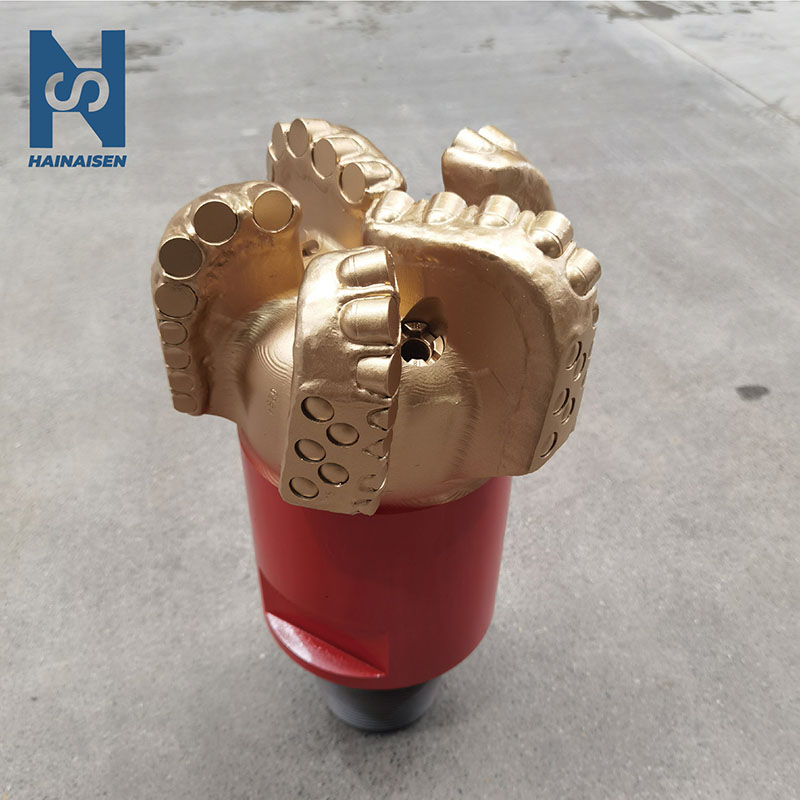 VIEW MOREDrill Bits For Oil Drilling
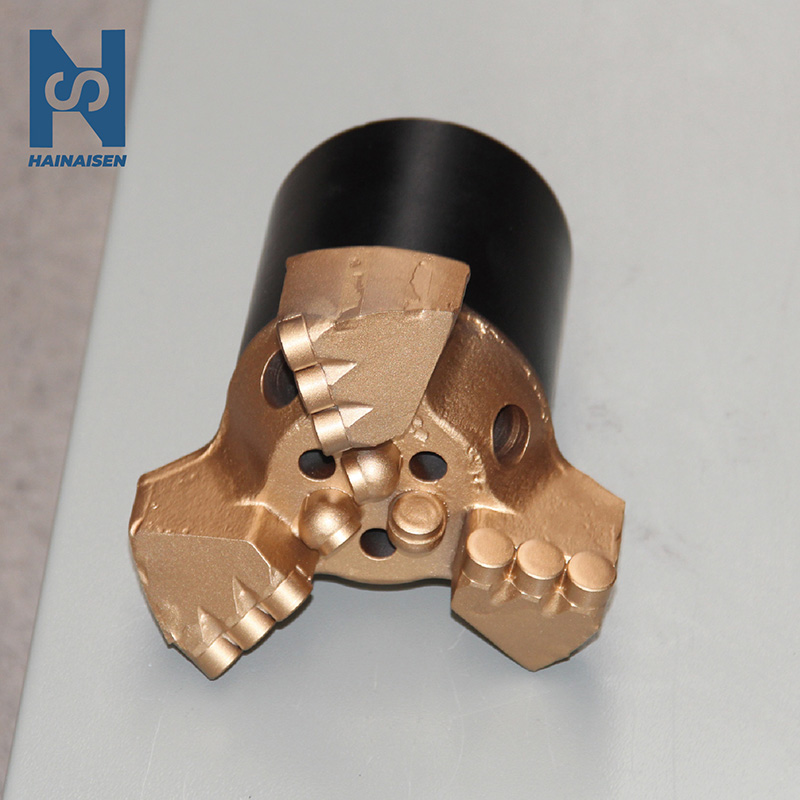 VIEW MOREThree Blade Concave Drill Bit Api For Manganese Coal Mines
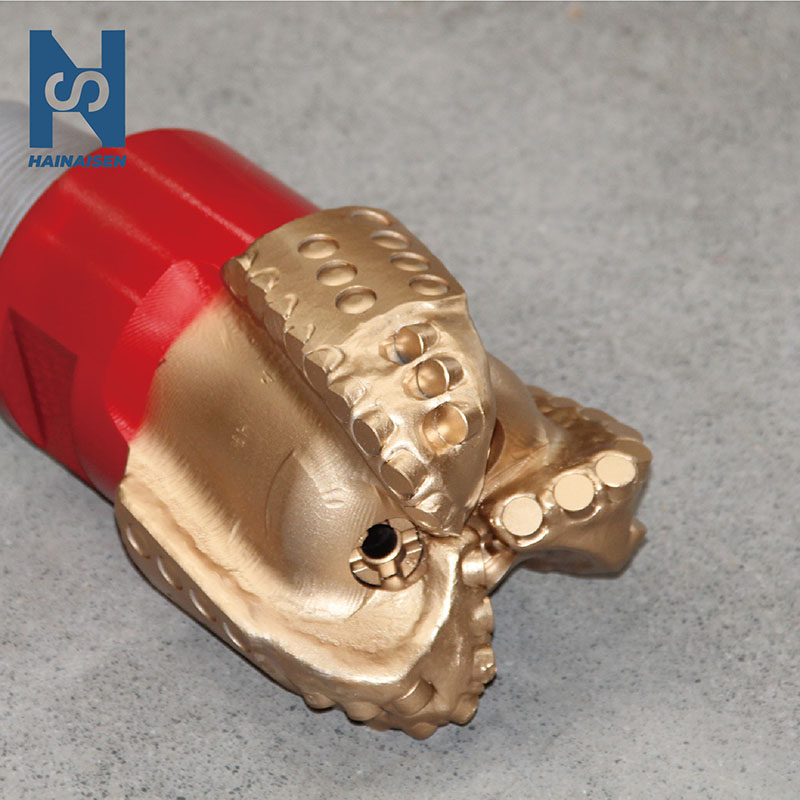 VIEW MOREThree Blade Oil Drill Bit
