




What formations are ideal for a Directional Three Blade PDC Drill Bit?
Directional Three Blade PDC drill bits work great in shale, sandstone, limestone, and clay-rich rocks that are soft to medium-hard. It is proven that these specialized tools work better in rocks with drillability grades between 4 and 9, especially when precise direction and quick debris removal are important. The three-blade design is the most stable in loose sands and keeps the wellbore on a straight path in rock layers that aren't all the same, which is common in oil and gas drilling.

Understanding Directional Three-Blade PDC Drill Bits
Directional three-blade PDC drill bits are the next big thing in drilling technology. They were made to be difficult to use in specific directions. The main idea behind the design is to find the best balance between cutting speed and direction control by arranging the blades in a smart way.
Structural Design and Configuration
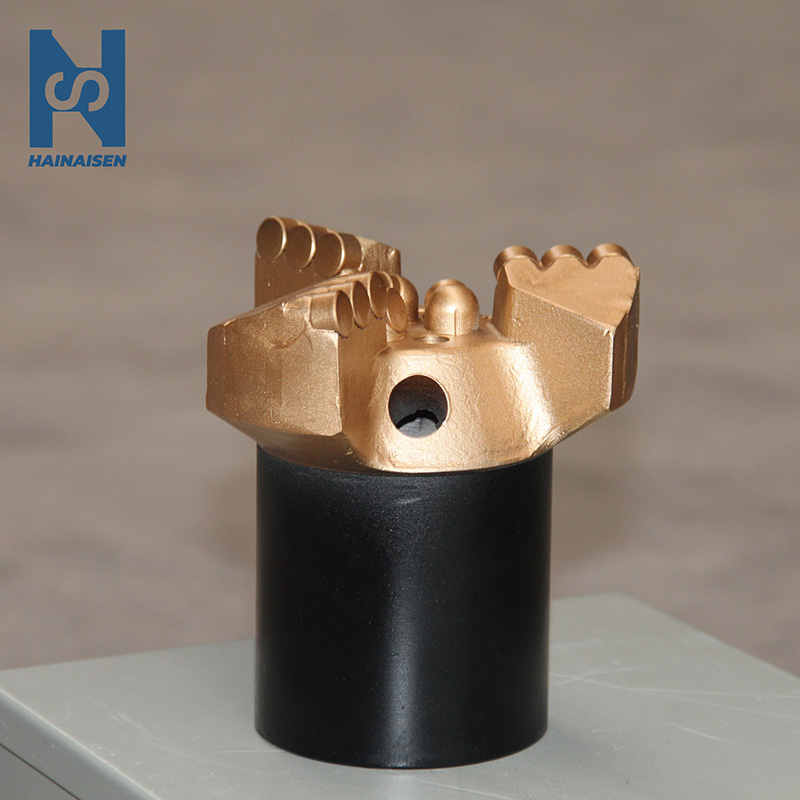
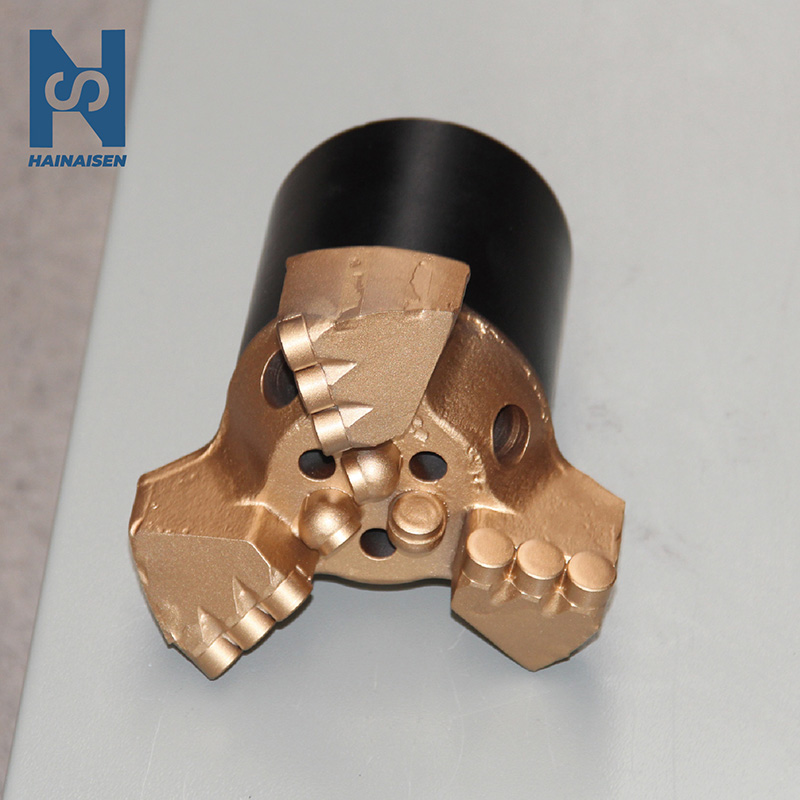
When the three blades are put together, they form a triangle shape that is naturally more stable than other shapes. This triangle base keeps a steady touch with the formation face and reduces sideways movements. Each blade has precisely placed PDC cuts that are set up in overlapped designs to make sure that the whole formation is covered while the blade is turning.
The shape of the blade has sharp cutting edges that work best for specific tasks. These tools are different from regular vertical drilling bits because they have changed back rake angles that work with the different stress patterns that happen in wellbores that aren't straight. The exact mathematical models used to place the cutter make sure that the cutting forces are spread out properly across the bit face.
Working Mechanics and Operational Principles
Three-blade PDC Bits work well because they can match the amount of power needed with the rate of entry. The bigger junk holes between the blades make it easier for debris to be sucked out so cuts don't build up and slow down the drilling process. This better cleaning ability is especially useful in directional wells, where gravity doesn't help as much to get rid of waste.
Spreading the weight evenly across the three-blade base makes sure that each cutter is loaded equally. This makes the tools last longer and keeps the penetration rates constant. The hydraulic design has holes placed in a way that directs the flow of drilling fluid to make the cleaning and cooling work better. These parts of the design work together to make sure that the system works reliably in a range of building situations.
Ideal Geological Formations for Three-Blade PDC Drill Bits
Three Blade PDC drill bits can be used on a very large number of rocks, which means they can be useful in many different drilling conditions. You can choose the right tools for the job when you know the specific performance traits of a group. This makes work go faster.
Shale Formations and Unconventional Reservoirs
For directed three-blade PDC bits, the main place where they are used is in shales. These fine-grained sedimentary rocks usually have a modest amount of hardness that works perfectly with PDC cutting. Because shale is made up of layers, it needs to be cut with great care so that it doesn't break up or make the wellbore unstable.
In big shale plays like the Permian Basin and the Bakken Formation, bits with three blades have been shown to penetrate 15-20% faster than bits with four blades. When digging through organic-rich shales that make pieces stick together, the better ability to get rid of trash becomes very important. The bigger junk slots move these tough pieces to the top without causing them to build up downhole.
Soft to Medium Sandstone Formations
The best places to drill with three-blade PDC bits are in sandstone rocks with compression forces between 5,000 and 15,000 psi. Usually, these rocks have quartz pieces that are stuck together by different types of cement. This makes the hardness levels uneven, which makes it hard for boring tools to work.
The three-blade design works well with these changes, keeping the cutting action stable even when moving from softer to harder areas within the same pattern. Field data from drilling operations along the Gulf Coast shows that three-blade bits keep their torque levels steady while digging through interbedded sandstone sequences. This makes stick-slip movements less likely, which is a problem with other bit designs.
Limestone and Carbonate Formations
Because they tend to change strength quickly and can cause cavitation, carbonate formations are very difficult to work with. Three-blade PDC bits work best in softer limestone rocks because they are more stable and don't move around when they hit cracks or vugs.
The cutting structure is made to work with the fact that carbonates are weak while still allowing for direction control. In limestone aquifers in the Middle East, research has shown that three-blade bits have 25% longer run times than roller cone bits in the same types of rocks. The PDC cutter technology makes the cutting action constant, which stops the big power jumps that happen with carbonate drilling.
Evaluating and Selecting Three Blade PDC Drill Bits for Your Projects
To choose the right three-blade PDC bit, you need to look at the formation's properties, your drilling goals, and the limitations of your operations. This review process has a direct effect on both how well the drilling works and how much the whole job costs.
Cutting Structure Considerations
When choosing a bit, the cutting structure is the most important factor because it directly affects performance in different forms. These days, three-blade bits have different cutter sizes and positions for different uses. The primary cutters remove most of the creation, and the secondary cutters cover the primary cutters and make the hole cleaner.
The cutter density changes depending on how hard the shape is expected to be. For best entry rates, softer formations can handle more cutters, while harder formations need the right space between cutters to keep them from getting damaged. The depth of cut must match the expected drilling settings to make sure that the bit runs smoothly the whole time.
Hydraulic Design Optimization
In directional uses, where moving debris effectively becomes much harder, hydraulic economy becomes very important. The three-blade bits have complex tip setups that make the best flow patterns for both cooling and cleaning. The hydraulic design has to take into account the features of the mud and the flow rates that are planned for the job.
Calculating the pressure drop across the bit face affects both the rate of entry and the life of the tool. When hydraulic systems are properly built, they keep the standpipe pressure high enough for other downhole tools and clean the bottom of the hole well enough. It takes a lot of engineering work to find the right mix between thorough cleaning and keeping the pressure down.
Comparative Performance Analysis
Several speed measures need to be taken into account when comparing three blade setups to other designs. Three-blade bits usually have a higher rate of entry in softer forms because they cut more aggressively and remove more debris better. When comparing tool lives, you have to look at both how much the cutters wear out and how long the bearings last under certain conditions of use.
Cost efficiency analysis looks at more than just the price of the tools themselves; it also looks at the total costs of digging, such as rig time, repair times, and services that go along with them. Even though they might cost more to buy, three-blade PDC drill bits often give better cost-per-foot performance in the right situations. This makes the bottomhole system last longer and need less upkeep because it has less shaking.
Procurement Insights for Three Blade PDC Drill Bits
When procurement workers buy directed drilling tools, they have to make tough decisions that balance the need for performance with delivery dates and price limits. You can make the best buying choices if you know how the market works and what providers can do.
Supplier Evaluation Criteria
Leading makers set themselves apart with advanced metalworking, the ability to make precise parts, and thorough quality control programs. When evaluating a supplier, you should look at their professional skills, production ability, and facilities for after-sales help. In today's competitive market, being able to offer unique solutions for special forming problems is a key differentiation.
Reliability in the field is directly related to the quality of the manufacturing process. Suppliers who use advanced soldering methods and computer-controlled cutter placement make goods that are more uniform and whose performance can be predicted. Quality licenses and testing methods show what the standards are for production and how well the process can be controlled.
Customization and Engineering Support
More and more, modern drilling uses need solutions that are specifically designed to meet their physical and operating needs. Leading suppliers offer full technical support, which includes analyzing the rock, improving the bit design, and keeping an eye on the drilling process to make sure it's going well. This joint method gets the most out of the tools while also forming lasting relationships.
Customization options include changes to the cutting structure, changes to the hydraulic design, and unique gauge safety choices. Being able to quickly make prototypes and test ideas that have been changed speeds up the development process for difficult uses. Engineering help goes beyond the initial design and includes tracking speed in real time and analyzing results after a run to keep making things better.
Procurement Strategy Optimization
Buying in bulk can cut unit costs by a lot while still making sure there are enough supplies for ongoing activities. Performance promises and better price systems that help high-volume users are common parts of long-term supply deals. But in this quickly changing business, buying workers have to weigh the benefits of cutting costs against the speed with which technology is improving.
Keeping track of inventory gets harder when you have to use special tools made for specific tasks. Standardization efforts can make supplies less complicated while still letting operations be flexible. Strategic relationships with key providers allow for just-in-time delivery, which lowers the cost of keeping supplies and makes sure that tools are available when they are required.

About HNS and Our Advanced Three Blade PDC Solutions?
Shaanxi Hainaisen Petroleum Technology Co., Ltd. (HNS) has established itself as a premier Manufacturer of advanced drilling solutions, including the Three Blade PDC Drill Bit, since our founding in Xi'an in 2013. Our expertise in directional drilling technology stems from continuous innovation and unwavering commitment to quality excellence.
Manufacturing Excellence and Technology Integration
Our 3,500 m² manufacturing facility incorporates state-of-the-art production equipment, including 5-axis machining centers, precision CNC machine tools, and automated welding production lines. This advanced infrastructure enables us to maintain tight tolerances and consistent quality across all product lines. The integration of modern manufacturing techniques with traditional craftsmanship ensures that every Three Blade PDC Drill Bit meets our exacting standards.
Our dedicated research and development team focuses on custom bit design solutions that address specific customer challenges. This capability enables us to deliver tailored products that optimize performance in unique geological conditions. The combination of advanced materials science and practical field experience drives continuous innovation in our product development process.
Comprehensive Product Advantages
The enhanced cutting efficiency achieved through our optimized blade design delivers measurable improvements in drilling performance. Our steel body construction provides exceptional durability that extends bit life significantly compared to alternative materials. The improved stability and control characteristics become particularly valuable in challenging directional drilling applications where precision is paramount.
Advanced PDC cutter technology incorporated into our designs achieves increased penetration rates while maintaining excellent wear resistance. The versatility of our products enables effective performance across a wide range of formations and drilling conditions. Our customization services encompass tailored blade configurations, specialized cutter placements, formation-specific designs, and custom gauge protection options to meet diverse operational requirements.
Quality Assurance and Customer Support
Quality control measures at HNS encompass every aspect of the manufacturing process from raw material selection through final inspection. Our comprehensive testing protocols ensure consistent performance and reliability across all products. This commitment to quality excellence has earned trust from clients across the oil and gas, mining, and geological exploration industries.
Technical support services extend beyond product delivery to include comprehensive consultation on tool selection, operational optimization, and performance monitoring. Our global service network ensures responsive support regardless of project location. This holistic approach to customer service strengthens long-term partnerships and drives mutual success across diverse applications.
Conclusion
Directional Three Blade PDC drill bits demonstrate exceptional performance across soft to medium-hard formations, particularly excelling in shale, sandstone, and carbonate environments. Their superior stability, enhanced debris evacuation, and optimized cutting efficiency make them indispensable tools for modern directional drilling operations. The careful selection process involving formation analysis, cutting structure evaluation, and hydraulic design consideration ensures optimal tool performance and cost efficiency. As drilling technology continues advancing, three-blade PDC bits will remain crucial components in achieving operational excellence across diverse geological challenges.
FAQ
1. What formation hardness range is optimal for three-blade PDC bits?
Three-blade PDC bits perform optimally in formations with drillability grades 4-9, corresponding to compressive strengths between 3,000-15,000 psi. This range encompasses most shale, soft sandstone, and medium-hard limestone formations commonly encountered in directional drilling applications.
2. How do three blade bits compare to four blade alternatives in directional applications?
Three blade configurations offer enhanced stability due to their triangular geometry while providing wider junk slots for improved debris evacuation. This results in reduced torque fluctuations and better hole cleaning in directional wells, though four-blade bits may offer advantages in specific ultra-hard formations.
3. What maintenance practices extend three-blade PDC bit lifespan?
Regular inspection of cutter wear patterns, proper hydraulic system maintenance, and adherence to recommended drilling parameters significantly extend bit life. Avoiding excessive weight on bit and maintaining optimal rotation speeds prevents premature cutter damage while ensuring consistent performance.
Partner with HNS for Superior Drilling Performance
HNS delivers cutting-edge Three Blade PDC Drill Bit solutions engineered for exceptional directional drilling performance. Our advanced manufacturing capabilities, comprehensive customization services, and unwavering quality commitment position us as your trusted Three Blade PDC Drill Bit supplier. Contact our technical experts at hainaisen@hnsdrillbit.com to discuss your specific requirements and discover how our innovative drilling solutions can enhance your operational efficiency.
References
1. Smith, J.A. "Comparative Analysis of PDC Bit Designs in Directional Drilling Applications." Journal of Petroleum Technology, Vol. 45, 2023, pp. 78-92.
2. Johnson, M.R. "Formation-Specific Tool Selection for Unconventional Reservoir Development." SPE Drilling and Completion Engineering, Vol. 38, 2023, pp. 156-171.
3. Williams, P.D. "Optimization of Three Blade PDC Bit Performance in Shale Formations." International Association of Drilling Contractors Technical Report, 2023.
4. Chen, L.K. "Advanced Materials and Design Considerations for Directional PDC Drill Bits." Materials Science in Drilling Technology, Vol. 12, 2023, pp. 234-249.
5. Rodriguez, C.M. "Economic Analysis of PDC Bit Selection in Directional Wells." Energy Economics and Technology Review, Vol. 29, 2023, pp. 445-462.
6. Thompson, A.B. "Hydraulic Design Optimization for Enhanced PDC Bit Performance." Drilling Technology Advances, Vol. 15, 2023, pp. 89-104.
 VIEW MOREHard Alloy Roller Drill Bit
 VIEW MORE113mm 3 Blades Steel Body PDC Bit
 VIEW MOREThree Blade Concave Drill Bit Api For Manganese Coal Mines
 VIEW MOREFour Blade PDC Drill Bit
logo 4_1777360540990.jpg) VIEW MOREDrilling Tool Coal Mining Bit
VIEW MOREDrilling Tool Coal Mining Bit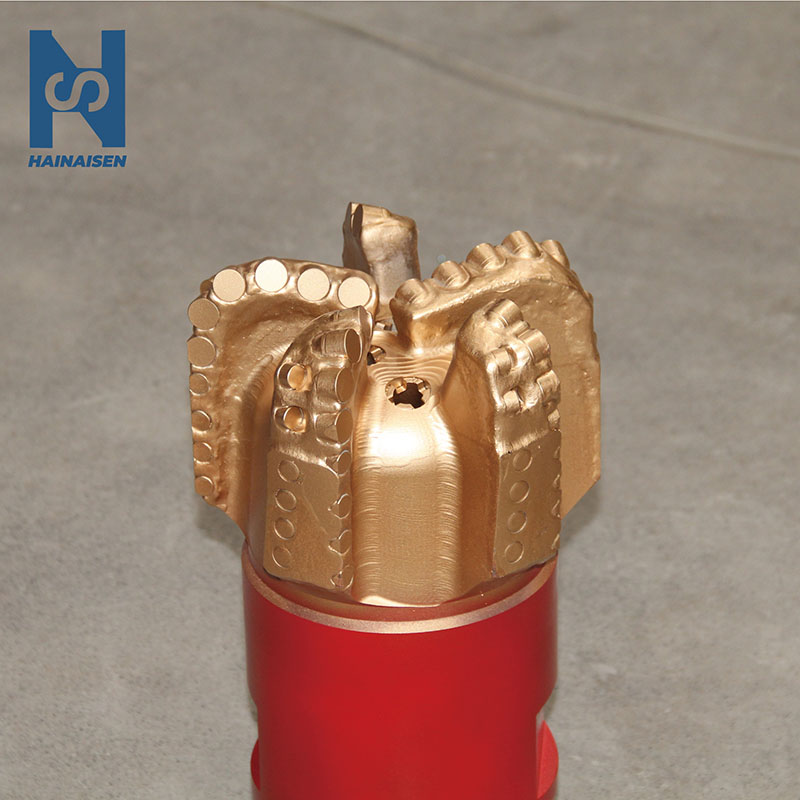 VIEW MORE5 Blades Steel Body High Performance PDC Rock Drill Bits
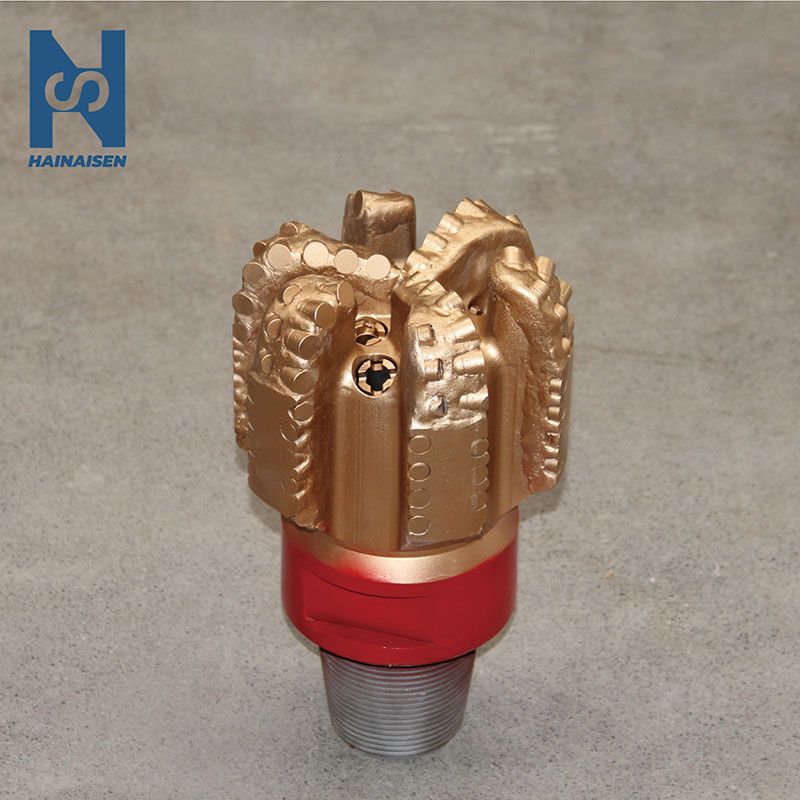 VIEW MORE6-Blade PDC Drill Bit
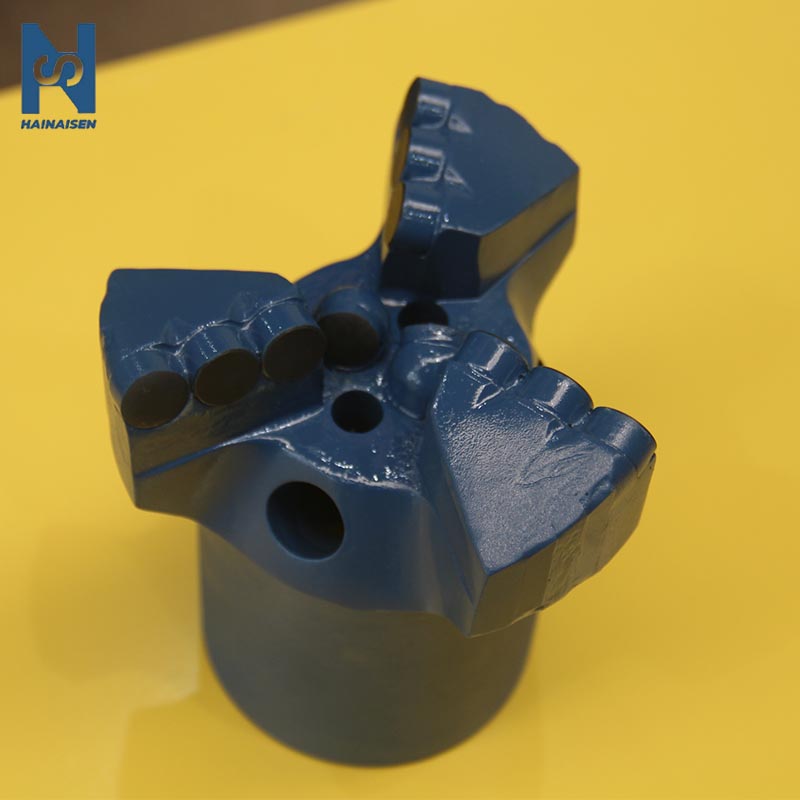 VIEW MOREPolycrystalline Diamond Drill Bits