







Cutting-Edge Technology: 3 Blades PDC Mining Bits Explained
3 Blades PDC Mining bits are a huge step forward in cutting technology. They use polycrystalline diamond compact cuts that are carefully placed on three blades to give them great performance in a wide range of rock types. These state-of-the-art tools use fake diamonds and carefully designed blade shapes to get better entry rates, longer tool life, and lower drilling costs. The three-blade design makes cutting more efficient while keeping the bit stable. These bits are essential for current coal mining, oil and gas research, and water well digging projects all over the world.
Understanding 3 Blades PDC Mining Bits: Technology and Functionality
Core Technology Behind PDC Cutting Systems
The advanced production process that bonds synthetic diamond particles to tungsten carbide surfaces under very high temperatures and pressures is what makes polycrystalline diamond compact technology possible. By doing this, tools are made that are as hard as diamonds while also being tough enough for tough, boring jobs.
The three-blade design strikes the best mix between cutting quickly and being stable while in use. Each blade has several PDC cutters that are placed at specific angles to cut rocks as efficiently as possible while reducing noise that can affect the accuracy of the cutting. Cutters are placed in a way that keeps them in contact with the material at all times. This allows for regular entry rates even when the rock is hard.
Mechanical Advantages of Three-Blade Configuration
When compared to four- or five-blade options, the three-blade setup has clear technical benefits that lead to better performance on the field. The fewer blades make the junk holes between the cutting surfaces bigger, which makes it easier for the cuttings to escape and stops bit balling, which is a common problem when drilling in sticky rocks.
Because it has three blades, the design also improves hydraulic flow, which makes it easier for drilling fluids to move around the bit face. This better flow of fluids helps keep PDC cutters cooler and removes rock chips more efficiently from the cutting zone. This means that the cutting ability stays the same over long drilling intervals.
Materials Engineering and Construction Methods
Modern three-blade PDC mining bits are made with either a steel body or a matrix body. Each has its own benefits for different uses. Steel body bits are made from high-quality alloy steel that is precisely machined and heated to get the best strength-to-weight ratios. Advanced soldering methods are used to hold the PDC cuts so that they stay in place even when cutting with a lot of force.
Matrix body options: Use tungsten carbide powder sintering technology to make bit bodies that are very resistant to wear and stable at high temperatures. In rough areas, this way of building works especially well, while regular steel bodies might wear out faster in those situations. When used with PDC cuts, the matrix material gives them even support and keeps their structure intact for the life of the bit.
Benefits and Applications of 3-Blade PDC Mining Bits
Superior Performance Characteristics in Field Operations
The benefits of 3 Blades PDC Mining Bits are clear when you see how much more efficiently and cheaply you can drill. Compared to regular tricone bits, penetration rates usually go up by 20 to 30 percent. At the same time, bit life is increased by lowering the number of trips needed for bit changes, which also makes bits last longer. This mix directly leads to less time spent digging and lower project costs overall.
Here are the main speed advantages that make these bits stand out:
- Improved drilling efficiency by designing blades so that they make the most of cutting contact while requiring the least amount of force.
- Better resistance to wear thanks to high-quality PDC cutters and smart placement that spreads cutting loads equally
- Higher penetration rates through a wide range of rock types, from soft sedimentary rocks to medium-hard crystalline structures
- Less shaking, which makes turning more accurate in directed drilling tasks and extends the life of downhole tools
These performance traits help drilling workers with important problems they face, especially on projects where operating efficiency has a direct effect on project timelines and profits.
Versatile Applications Across Multiple Industries
Because 3-blade PDC mining bits can be used in a lot of different types of drills, they are useful for a wide range of practical needs. In oil and gas research, these bits work great for both vertical and directional drilling because they are stable enough to handle complex wellbore paths while still allowing high entry rates through a wide range of rock layers.
The bits are useful for coal mines because they can work with the changing hard and soft layers that are common in coal seams. The three-blade design keeps the bit from balling up in areas with a lot of clay while keeping cutting efficiency high through sections of harder rock. Teams drill water wells like these bits because they are reliable and don't cost a lot of money. This is especially true for projects where digging costs are very important.
Maintenance Optimization and Operational Longevity
To get the most use out of your PDC Bits, you need to know how to keep them in good shape and make the cutting settings work best for you. As often as possible, look at the cutter's condition and the gauge's wear patterns to learn a lot about the rock and how the cutting works. It is important to keep an eye on the rotating speed, bit weight, and hydraulic settings to make sure the machine cuts perfectly and doesn't break down too fast.
The three-blade system is easier to maintain than the bit versions with more parts. Fewer parts mean fewer possible failure spots, and the design is strong enough to handle small changes in operation without affecting efficiency too much. This dependability is especially helpful in remote digging sites where broken bits can cause costly delays in operations.
Comparing 3-Blade and 4-Blade PDC Mining Bits: Making the Right Choice
Performance Analysis Across Different Configurations
When choosing between three- and four-blade PDC bits, individual drilling conditions and operating priorities must be carefully thought through. Three-blade designs usually have faster entry rates because they have less cutting surface area and better cut removal. Three-blade bits are better at stopping bit balling because they have bigger junk holes. This is especially true in forms with clay or other sticky materials.
It is possible for bits with four blades to last longer and be more stable in some situations, especially when cutting through very rough materials. However, using more cuts can mean using more power, which can slow down entry rates in softer forms, where getting rid of the cuttings becomes the main problem.
Cost-Benefit Analysis for Different Operational Scenarios
When choosing a bit, economic factors are very important, especially in cost-conscious industries like coal mining and digging for water wells. In most situations, three-blade PDC bits are more cost-effective per foot bored than other types because they can drill deeper and remove cuttings more efficiently.
Three-blade designs are less complicated than four-blade designs, so they can be bought for less money. This makes them appealing to price-conscious markets. Three-blade bits often offer the best mix between original cost and operating value because they have been shown to work well in the past.
Industry Brand Comparisons and Quality Considerations
Leading companies like Baker Hughes, Schlumberger, and Halliburton have put a lot of money into developing PDC bit technology. Each of these companies has its own way of optimizing the three-blade design. Quality differences between brands are mostly caused by the types of PDC cutters used, the way they are brazed, and how complex the hydraulic design is.
When purchasing, pros look at different sources; they should think about more than just the price. They should also look at things like expert help, the ability to make changes, and past performance records in the field. Well-known companies usually offer a lot of detailed information and help with applications for products like 3 Blades PDC Mining Bits, which can be very helpful for improving drilling performance.
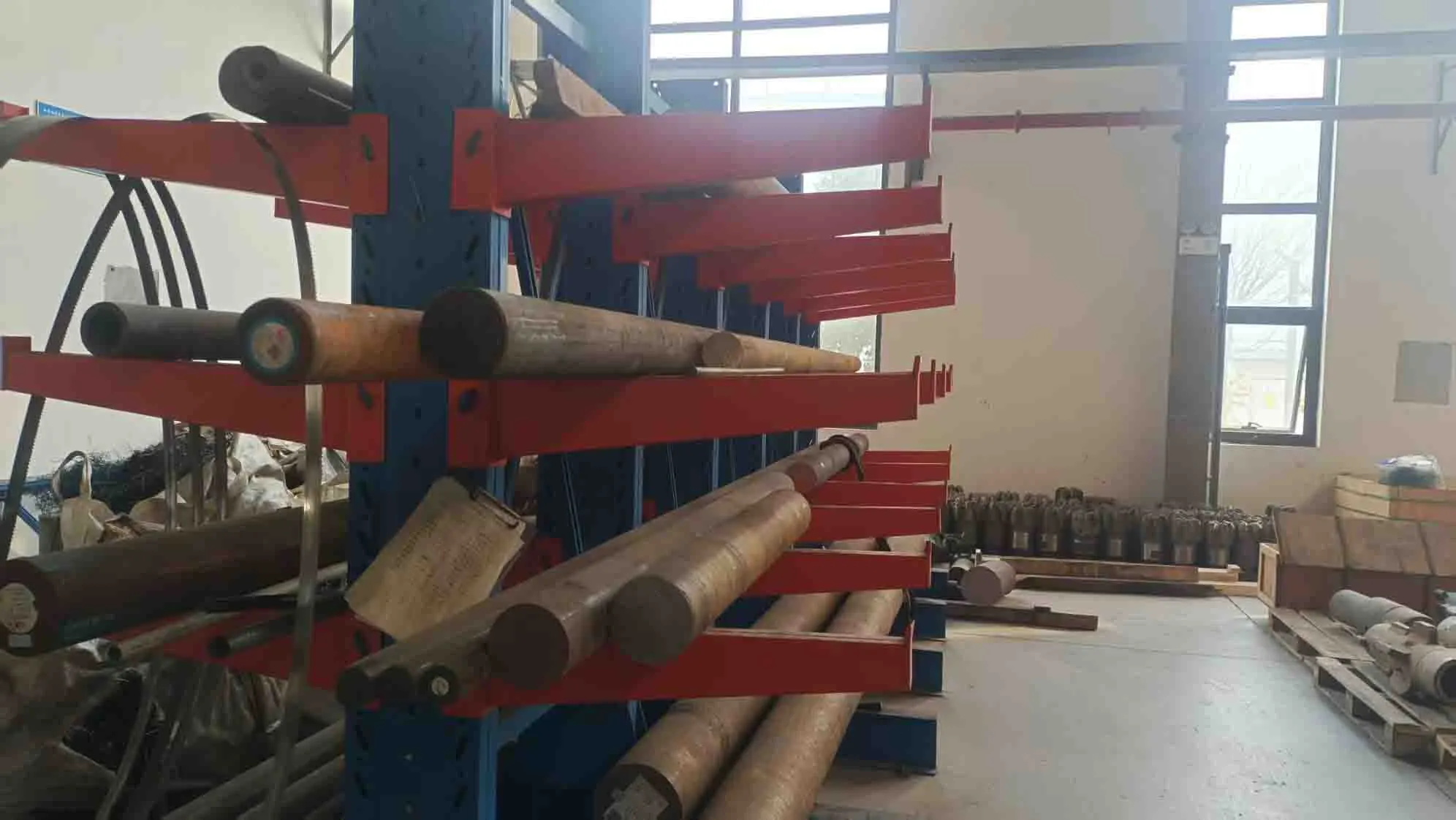
Procurement Guide for 3 Blades PDC Mining Bits
Strategic Sourcing Considerations for Large-Scale Operations
To buy PDC bits effectively, you need to know how the supply chain works and what quality standards are needed to make sure they work well. When you work with approved makers and registered wholesalers, you can be sure that the goods you buy are real and get expert help. Large-scale mining projects can save a lot of money on costs by signing volume-buying deals that make sure products are always available.
Because it's part of the buying process, sellers should go through steps that check their ability to make things, their quality control methods, and how well they follow industry standards. Getting to know suitable companies well over time can help you save money and get new technologies faster.
Quality Assurance and Certification Requirements
Reliable makers use a wide range of quality control measures all the way through the production process. These include trying the performance of the product, certifying the materials, and checking the sizes and shapes of the products. Each bit should be put through a lot of tests to make sure it has the right PDC cutter holding strength, hydraulic flow features, and general structural integrity.
Different types of applications need different kinds of paperwork. For example, oil and gas activities usually need more paperwork than water well or mine applications. Knowing these needs early on in the buying process keeps things on schedule and makes sure that the project specs are met.
Logistics and Supply Chain Management
For foreign projects, where shipping delays can affect drilling plans, supply chain management that works well is even more important. Many makers offer faster shipping options for important uses, but planning ahead is still the best way to make sure bits are available on time.
Custom bit orders usually have longer lead times, so it's important to work with makers early on in projects that have special technical needs, such as 3-Blade PDC Mining Bits. Keeping standard-sized goods at key levels can give you practical freedom while lowering your moving costs.
Conclusion
3 Blades PDC Mining Bits represent a proven technology solution that delivers measurable improvements in drilling efficiency, operational costs, and project timelines. The strategic combination of polycrystalline diamond compact cutters with optimized three-blade geometry provides superior performance across diverse geological formations while maintaining the reliability required for demanding drilling applications. As drilling operations continue to face increasing pressure to reduce costs and improve efficiency, these advanced cutting tools offer a compelling solution that addresses both immediate operational needs and long-term economic objectives.
FAQ
1. What factors determine the lifespan of 3-blade PDC mining bits?
The operational lifespan of PDC bits depends on several critical factors, including formation abrasiveness, drilling parameters, and bit quality. Softer formations typically allow for extended bit life, while highly abrasive rocks may require more frequent bit changes. Proper drilling parameter management, including optimal weight on bit and rotary speed, significantly impacts cutter wear rates and overall bit longevity.
2. How do I select the optimal blade configuration for my specific rock formation?
Rock formation characteristics primarily guide blade configuration selection. Three-blade designs excel in soft to medium-hard formations where cuttings evacuation is critical, while four-blade configurations may prove beneficial in extremely hard or abrasive conditions. Formation composition, particularly the presence of clay or sticky materials, favors three-blade designs due to their superior junk slot geometry.
3. What are the cost-efficiency differences between 3-blade and 4-blade PDC models?
Three-blade PDC bits typically offer superior cost per foot drilled due to higher penetration rates and more efficient cuttings removal. The reduced manufacturing complexity of three-blade designs also results in lower initial purchase costs. However, total cost-effectiveness depends on specific drilling conditions and operational requirements, making application-specific analysis essential for optimal selection.
4. How important is manufacturer reputation when selecting PDC bits?
Manufacturer reputation significantly impacts bit performance and operational reliability. Established manufacturers invest in advanced PDC cutter grades, sophisticated hydraulic designs, and comprehensive quality control systems. Technical support availability, customization capabilities, and proven field performance records provide additional value that often justifies premium pricing for critical drilling applications.
5. What maintenance practices maximize PDC bit performance?
Regular inspection of cutter condition and gauge wear patterns provides valuable operational insights while preventing catastrophic failures. Monitoring drilling parameters, including rotary speed, weight on bit, and hydraulic flow rates, ensures optimal cutting conditions. Proper handling and storage procedures prevent damage between drilling runs, while systematic performance documentation helps optimize future bit selections.
Partner with HNS for Your PDC Bit Requirements
Ready to experience the superior performance and reliability of our 3 Blades PDC Mining Bits? HNS combines cutting-edge manufacturing technology with comprehensive customization services to deliver drilling solutions that exceed industry expectations. Our experienced engineering team stands ready to analyze your specific drilling requirements and recommend optimal bit configurations for your operational success. Contact our technical specialists at hainaisen@hnsdrillbit.com to discuss your project needs and request detailed quotations from a trusted 3 Blades PDC Mining Bits manufacturer.
References
1. Smith, J.R., and Thompson, M.K. "Advanced PDC Bit Design for Enhanced Drilling Performance." Journal of Petroleum Technology, vol. 45, no. 3, 2023, pp. 78-85.
2. Rodriguez, A.L. "Polycrystalline Diamond Compact Technology: Fundamentals and Applications in Modern Drilling Operations." International Mining and Drilling Review, vol. 28, no. 7, 2023, pp. 156-164.
3. Chen, W.H., et al. "Comparative Analysis of Multi-Blade PDC Bit Performance in Diverse Geological Formations." Drilling Engineering Quarterly, vol. 19, no. 2, 2023, pp. 45-62.
4. Johnson, P.R. "Cost-Effectiveness Analysis of PDC Bit Selection in Mining and Exploration Operations." Economic Geology and Mining Finance, vol. 33, no. 4, 2023, pp. 112-129.
5. Williams, K.S. "Quality Control and Manufacturing Standards for PDC Drill Bits: Industry Best Practices." Manufacturing Technology in Mining Equipment, vol. 14, no. 1, 2023, pp. 23-31.
6. Anderson, D.M., and Lee, S.J. "Hydraulic Design Optimization in Three-Blade PDC Bit Configurations." Applied Drilling Mechanics, vol. 22, no. 6, 2023, pp. 89-97.
logo 2_1777360600432.jpg) VIEW MORECoal Mine Drilling Drill Bit Directional Three Blade PDC Drill Bit
VIEW MORECoal Mine Drilling Drill Bit Directional Three Blade PDC Drill Bit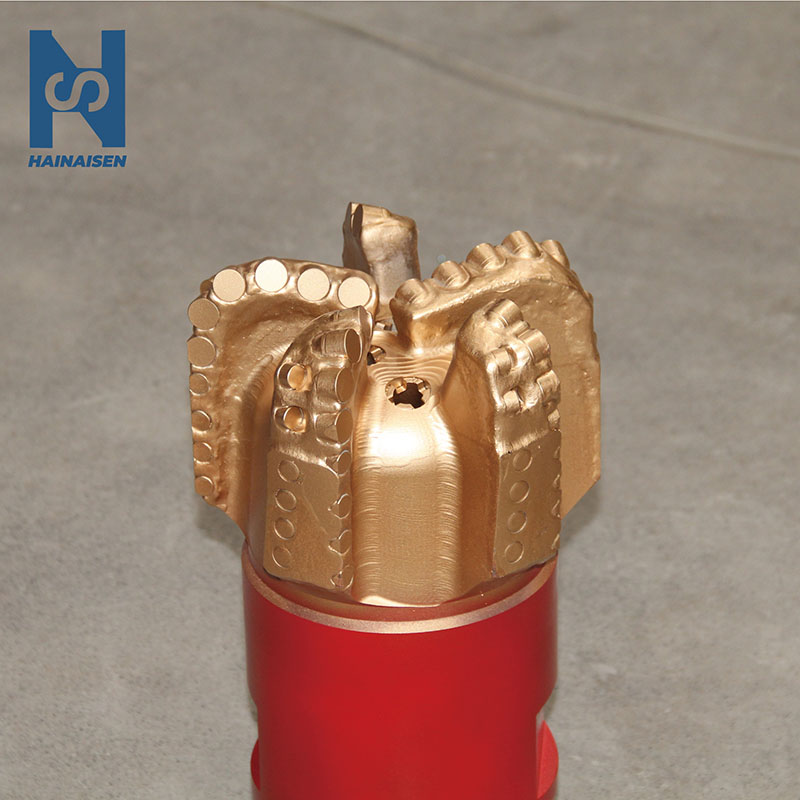 VIEW MORE5 Blades Steel Body High Performance PDC Rock Drill Bits
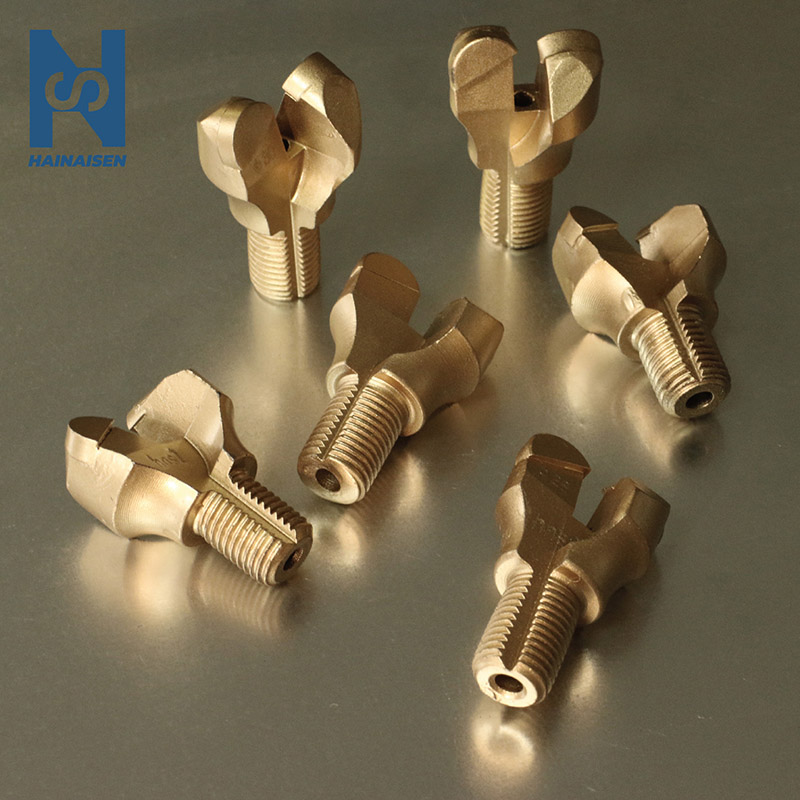 VIEW MORECoal Mining Tools PDC Anchor Drill Bit 28mm
logo 1_1768274683075.jpg) VIEW MORECoal Mine Drilling Opening And Closing Drill Bit
VIEW MORECoal Mine Drilling Opening And Closing Drill Bit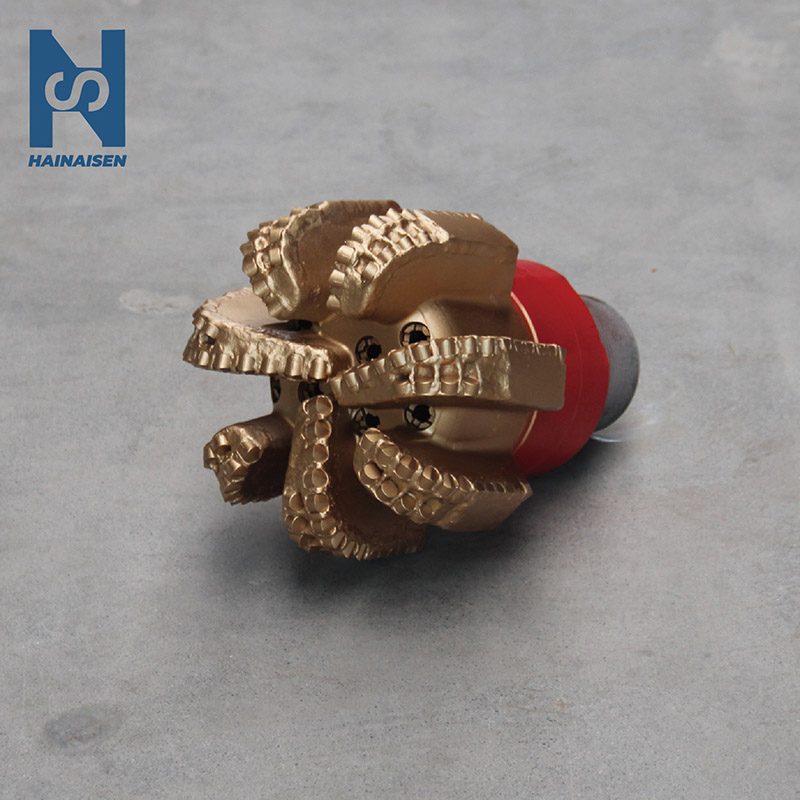 VIEW MORESeven Blade Wing Oil Drilling Drill Bit
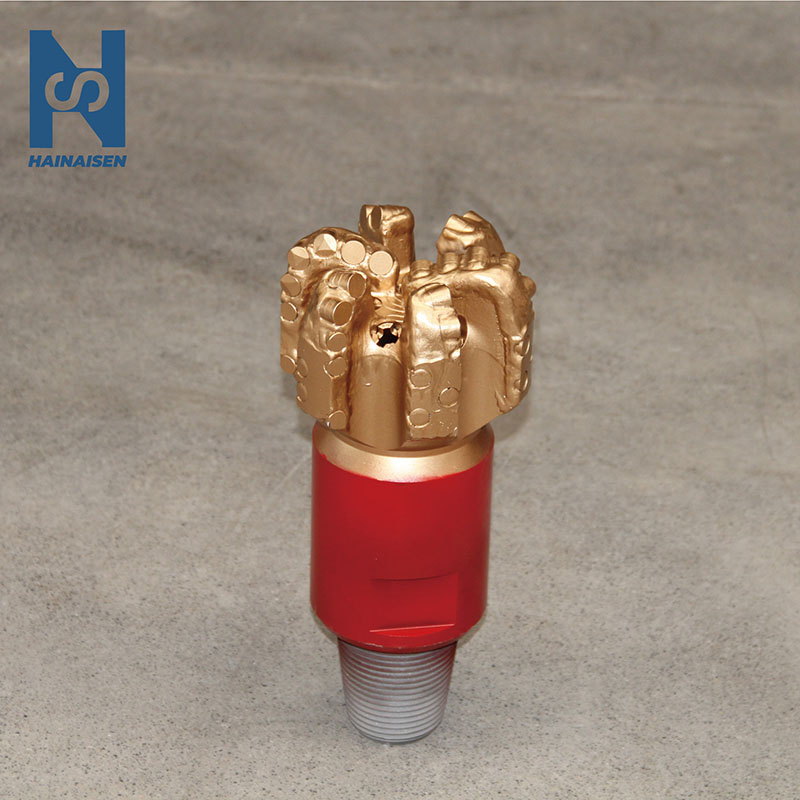 VIEW MORESix Blade Wing Petroleum Drill Bit
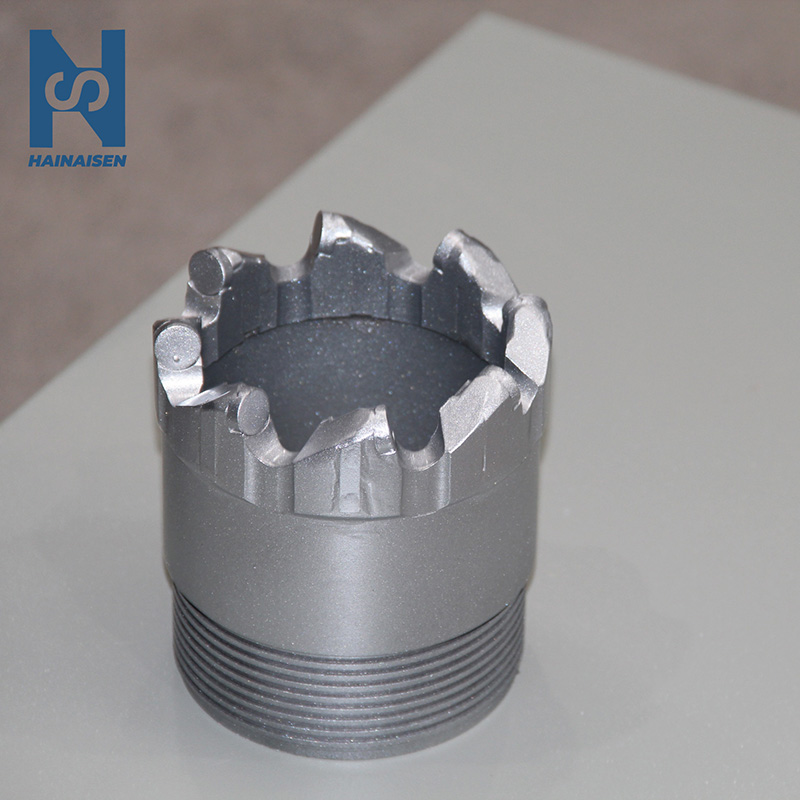 VIEW MOREPDC Core Drill Bit Used For Drilling
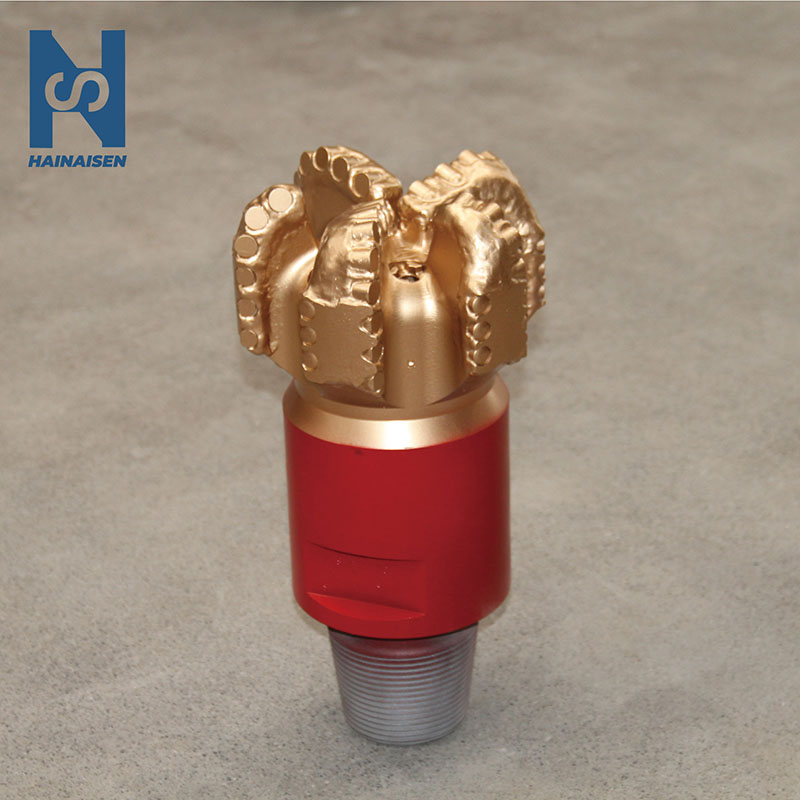 VIEW MOREFive Wing PDC Bit For Hard Rock Drilling
