







What Are the Maintenance Requirements for Drilling Bits in Oil and Gas Rigs?
To get the most out of a drilling bit for an oil and gas rig and make it last longer, you need to check, clean, and keep track of its performance in a certain way. Pre-drilling checks, real-time tracking during operations, post-drilling checks, and smart storage methods are all parts of proper maintenance that work together to cut down on costly downtime and improve drilling performance. Users can get the most out of their money and make sure that drilling results are the same in a lot of different rock types and working conditions if they know these specific maintenance needs.
Understanding Drilling Bit Performance and Maintenance Challenges
Cutting tools used in modern drills have to work very well, but the hard conditions of oil and gas extraction make upkeep a lot of work that directly affects the success of operations. Material wear is one of the most important factors that affects how long a bit lasts. Cutting surfaces that are constantly in touch with rough materials wear down over time, making drilling less efficient.
Material Wear and Environmental Impact
During operations, drilling bits are put under a lot of stress. They spin at speeds between 80 and 300 RPM and are pressed down by 10 to 100 KN, which causes a lot of friction and heat. These conditions speed up the breakdown of materials, especially in rocks that have silica, quartzite, or other minerals that are very rough and act like grit on cutting tools.
These problems are made worse by corrosive surroundings, especially in marine uses, where saltwater and hydrogen sulfide cause harsh chemical conditions. Changes in temperature between the storage area on the surface and the environment deep underground can lead to thermal stress, which breaks the bonds between materials and makes tiny cracks in cutting elements.
Common Failure Modes and Wear Patterns
If you know the most common ways things go wrong, you can plan preventative maintenance that keeps a lot of data from being lost. When too much heat is generated, polycrystalline diamond compact (PDC) blades or tungsten carbide inserts become dull. This makes cutting less effective and means the blades need to be changed too soon.
Different types of mechanical wear can show up in different ways, such as wear that is even across the cutting faces, chipping of the cutting elements in some places, and loss of bit body materials. Operators need to quickly notice these patterns so they can fix the issue before the bit breaks completely. If they don't, fishing trips could become more expensive, and downtime could last longer.
Essential Maintenance Practices for Drilling Bits in Oil and Gas Rigs
Using thorough repair procedures greatly increases the life of the drilling bit for oil and gas rigs and makes digging more effective in a wide range of rock types. These practices include organized ways to check, the right way to clean, and the right way to store things so that the integrity of the drilling bit for oil and gas rigs stays intact during working processes.
Pre-Drilling Inspection and Preparation
Good repair programs start with a full check before drilling. This finds issues before they get in the way of digging. Take a close look at the cutting part to see if it has any cracks, chips, or too much wear that could make it less effective. As long as you measure the sizes, you can be sure that the bit's specs are within the ranges that will work for the cut.
The drilling fluid needs to move in a certain way to cool things down and get rid of waste, which can be done by checking the hydraulic flow line. It's possible for the fans to damage or break parts more quickly and make them last less long if they are stopped or broken.
Cleaning and Reconditioning Procedures
When you clean something well, you get rid of formation waste and drilling fluid leftovers that can hide damage or create storage conditions that are bad for metal. Cleaning products that are compatible with the bit's materials must be chosen so that chemicals don't damage the cutting elements or bit body parts.
Most drilling waste can be removed with high-pressure water cleaning. For tough drilling fluid leftovers or formation materials, however, you may need to use special chemicals. Ultrasonic cleaning gets rid of all the dirt and debris in complicated shapes and small places inside bit patterns.
Professional resharpening services or controlled material removal methods can be used to recover cutting efficiency during reconditioning processes. To keep the right cutting angles and bit shape standards during these processes, you need special tools and knowledge.
Storage and Handling Best Practices
When drilling isn't happening, the right storage conditions keep the equipment from rusting and breaking down. Temperature and humidity changes that can damage cutting elements or speed up the rusting of metal parts are kept to a minimum in climate-controlled settings.
Bits are kept safe from damage during shipping and storage by protective packing, and the right direction keeps stress from building up on cutting elements. Documentation systems keep track of the past of bits, maintenance activities, and performance data to help people make better choices about when to change parts and do maintenance in the future.
How to Choose the Right Maintenance Approach for Different Drilling Bits?
Different bit technologies need different kinds of upkeep methods that are specific to how they were built and how they work. PDC Bits need to pay close attention to the soundness of the diamond cutter, while roller cone bits need to have their bearing systems maintained and the state of their teeth checked regularly.
PDC Bit Maintenance Considerations
PDC bits have fake diamond cuts that are very resistant to wear, but need to be maintained in a certain way to keep working well. The main goal of a cutter check is to find heat damage, mechanical breaking, or matrix loss that makes cutting less effective.
When cleaning, formation materials that are stuck on cutting surfaces must be removed without using rough methods that could damage diamond layers. Professional refurbishing services can fix the shape of the cutter and get rid of any ruined material to make the bit last longer in some situations.
Roller Cone Bit Maintenance Requirements
The cutting structures and support systems in roller cone designs are very complicated and need a lot of upkeep. Bearing failure is the most common reason why roller cone bits need to be retired, so greasing and sealing systems need to be checked regularly to make sure they are working properly.
Milled steel teeth and tungsten carbide inserts have different cutting tooth conditions and need different ways to be inspected and maintained. Milled teeth can sometimes be polished again, but tungsten carbide tips usually need to be replaced when they get damaged.
Technology Integration and Monitoring Systems
Predictive maintenance strategies that improve bit performance and stop sudden breakdowns are made possible by advanced tracking technologies. When sensors are integrated, they give real-time information about drilling parameters, shaking levels, and performance trends that show what repairs need to be done before they become major problems.
Digital oilfield management systems collect performance data from many wells, drilling bits for oil and gas rigs, and bit types, which lets repair choices and inventory planning be based on data.
Procurement Considerations for Drilling Bit Maintenance Solutions
How well repair programs work and how much drilling costs generally depend a lot on the purchases that are made. When picking a provider, you should think about how good their customer service is, how often they offer repair services, and how thorough their guarantees are. This will help you steer clear of business danger.
Supplier Evaluation and Partnership Development
A full review of a seller looks at their technical knowledge, service network reach, and ability to respond quickly to emergencies. Suppliers with a lot of knowledge in the field and tech support can help you figure out how to improve repair processes and fix complicated problems.
Partnerships that match the needs of the seller with the performance goals of the user lead to working together to make things better all the time. Performance-based contracts are often a part of these partnerships. They give providers a reason to provide better goods and support services.
Maintenance Kit Specifications and Inventory Management
Standardized maintenance kits make work easier in the field and make sure that the level of upkeep is the same in all places and with all teams. The right cleaning supplies, checking tools, and record-keeping methods should be included in the kit specs to support full upkeep procedures.
Strategies for managing inventory take into account wait times for specialty parts and changes in seasonal demand, as well as the need to balance supply needs with handling costs. Strategically placing repair supplies cuts down on reaction times and keeps operations running as smoothly as possible when maintenance is needed.
Our advanced drilling bit for oil and gas rigs has better resistance to wear and better temperature stability. It was designed to work best in shale, limestone, sandstone, and gypsum rocks, among others. If you compare these features to traditional options, they mean that they need less upkeep and last longer.
The new design has flexible settings that can be changed to fit the needs of each project. It works well at speeds between 80 and 300 RPM and drilling pressures between 10 and 100 KN. Because of this, workers can make repair plans that work best for their specific needs instead of following general guidelines.

Best Practices and Case Studies: Enhancing Drilling Bit Maintenance Efficiency
Real-world applications of the drilling bit for oil and gas rigs demonstrate the tangible benefits of systematic maintenance programs implemented across various drilling environments. These case studies provide actionable insights that procurement managers and technical engineers can adapt to their specific operational requirements.
Offshore Maintenance Success Story
A major offshore operator implemented comprehensive maintenance protocols for their PDC bit inventory, achieving a 40% improvement in average bit life across their drilling program. The program included rigorous pre-drilling inspection procedures, enhanced cleaning protocols using ultrasonic equipment, and strategic inventory positioning to minimize logistics delays.
Key success factors included standardized inspection criteria applied consistently across all drilling crews, comprehensive documentation systems that tracked bit performance history, and regular training programs that maintained crew competency in maintenance procedures.
Onshore Shale Development Optimization
Shale gas operations in the Permian Basin demonstrated significant cost savings through predictive maintenance implementation using downhole sensors and surface monitoring systems. Real-time performance data enabled operators to optimize drilling parameters and identify maintenance needs before bit retirement became necessary.
The program reduced average drilling costs by 25% while improving rate of penetration performance across multiple well types. Success metrics included reduced bit inventory requirements, fewer unplanned trips for bit changes, and improved overall drilling efficiency.
Maintenance Checklist Development
Developing standardized maintenance checklists ensures consistent application of best practices across different crews and locations. Effective checklists incorporate visual inspection criteria, dimensional measurement requirements, and documentation procedures that create comprehensive maintenance records.
Regular checklist updates reflect lessons learned from field experience and incorporate new technologies or procedures that improve maintenance effectiveness. These updates maintain alignment between maintenance practices and evolving operational requirements.
HNS Manufacturing Excellence and Technical Solutions
Shaanxi Hainaisen Petroleum Technology Co., Ltd. leverages over a decade of specialized expertise in drilling bit design and manufacturing to deliver comprehensive solutions for the oil and gas industry. Our 3,500 m² facility incorporates advanced 5-axis machining centers and CNC machine tools that ensure precision manufacturing and quality consistency.
Our dedicated research and development team creates customized designs that address specific geological challenges and operational requirements encountered in modern drilling applications. This engineering capability enables rapid response to emerging market needs and continuous improvement of existing product lines.
The company's integrated approach combines high-performance drilling bits with comprehensive technical support services, including maintenance consultation, performance optimization, and field engineering assistance. Our products excel in offshore and onshore oil exploration, natural gas extraction projects, geothermal energy development, and horizontal drilling applications.
Quality assurance protocols ensure consistent performance characteristics across our complete drilling bit for the oil and gas rig product portfolio, while comprehensive warranty coverage provides additional confidence for critical drilling operations. Our commitment to operational excellence aligns with the demanding requirements of global oil and gas operators.
Conclusion
Effective maintenance programs for drilling bits in oil and gas operations require systematic approaches that encompass inspection, cleaning, storage, and performance monitoring activities tailored to specific bit technologies and operational environments. Understanding the relationship between maintenance practices and drilling performance enables operators to optimize costs while achieving superior operational results. The integration of advanced monitoring technologies and strategic supplier partnerships creates opportunities for continuous improvement and predictive maintenance strategies that prevent costly failures. Implementing comprehensive maintenance protocols, supported by appropriate procurement strategies and standardized procedures, delivers measurable improvements in drilling efficiency and economic performance across diverse applications and geological formations.
FAQ
1. How often should drilling bits be inspected during operations?
Drilling bits require inspection before each trip downhole, during connections every 30 feet of drilling progress, and immediately upon retrieval from the wellbore. Real-time monitoring systems provide continuous performance assessment, while visual inspection during connections enables early identification of damage or excessive wear patterns.
2. What are the key indicators for bit replacement in oil and gas wells?
Primary replacement indicators include reduced rate of penetration below economic thresholds, excessive torque or vibration levels, visible damage to cutting elements, and changes in drilling fluid returns that suggest bit deterioration. Advanced monitoring systems can identify subtle performance trends before critical failure occurs.
3. Do maintenance practices differ between oil and gas drilling applications?
Maintenance practices remain fundamentally similar between oil and gas applications, though gas wells may require enhanced attention to static electricity prevention and specialized cleaning procedures for gas-contaminated drilling fluids. Formation-specific considerations often have a greater impact on maintenance requirements than the target hydrocarbon type.
Partner with HNS for Superior Drilling Performance Solutions
HNS delivers industry-leading drilling bit technology backed by comprehensive maintenance support and technical expertise that maximizes your operational success. Our advanced manufacturing capabilities and dedicated engineering team provide customized solutions for the most challenging drilling environments, while our responsive supply chain ensures rapid delivery and emergency support when needed. As a trusted drilling bit for oil and gas rig Manufacturers, we combine superior product quality with exceptional service capabilities that reduce your operational risks and improve drilling economics. Contact our technical specialists at hainaisen@hnsdrillbit.com to discuss your specific requirements and discover how our proven solutions can enhance your drilling operations.
References
1. Smith, R.J. "Drilling Bit Maintenance Protocols in Modern Oil and Gas Operations." Journal of Petroleum Technology, Vol. 75, No. 8, 2023, pp. 45-62.
2. Johnson, M.K., and Anderson, L.P. "Predictive Maintenance Strategies for PDC Drilling Bits in Unconventional Formations." SPE Drilling & Completion Engineering, Vol. 38, No. 3, 2023, pp. 287-304.
3. Williams, T.D. "Economic Analysis of Drilling Bit Maintenance Programs in Offshore Operations." Offshore Technology Conference Proceedings, 2023, pp. 156-174.
4. Chen, H., and Rodriguez, A. "Advanced Materials and Maintenance Requirements for High-Temperature Drilling Applications." International Journal of Drilling Engineering, Vol. 29, No. 4, 2023, pp. 78-95.
5. Thompson, K.R. "Comparative Analysis of Roller Cone and PDC Bit Maintenance Strategies." World Oil Magazine, Vol. 244, No. 7, 2023, pp. 34-41.
6. Davis, S.L., et al. "Digital Monitoring Technologies for Real-Time Drilling Bit Performance Assessment." Journal of Energy Resources Technology, Vol. 145, No. 6, 2023, pp. 112-128.
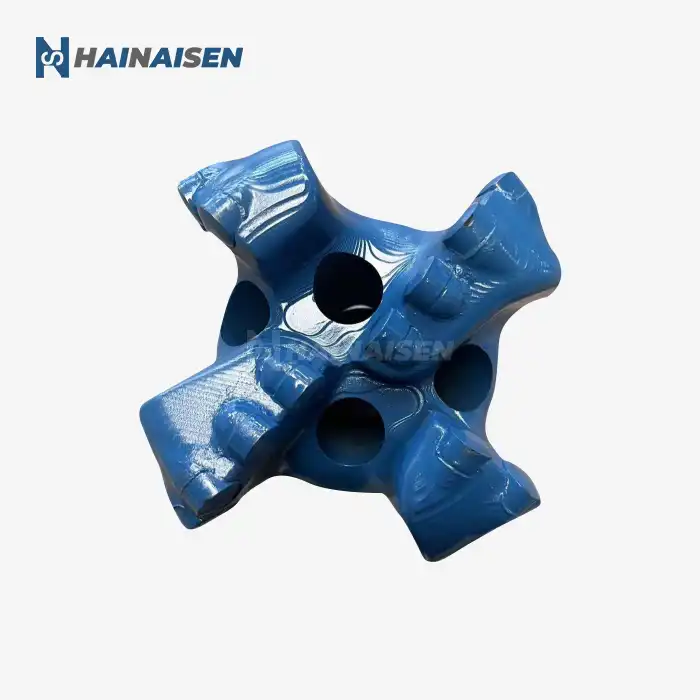 VIEW MORE4 Blade PDC Bit
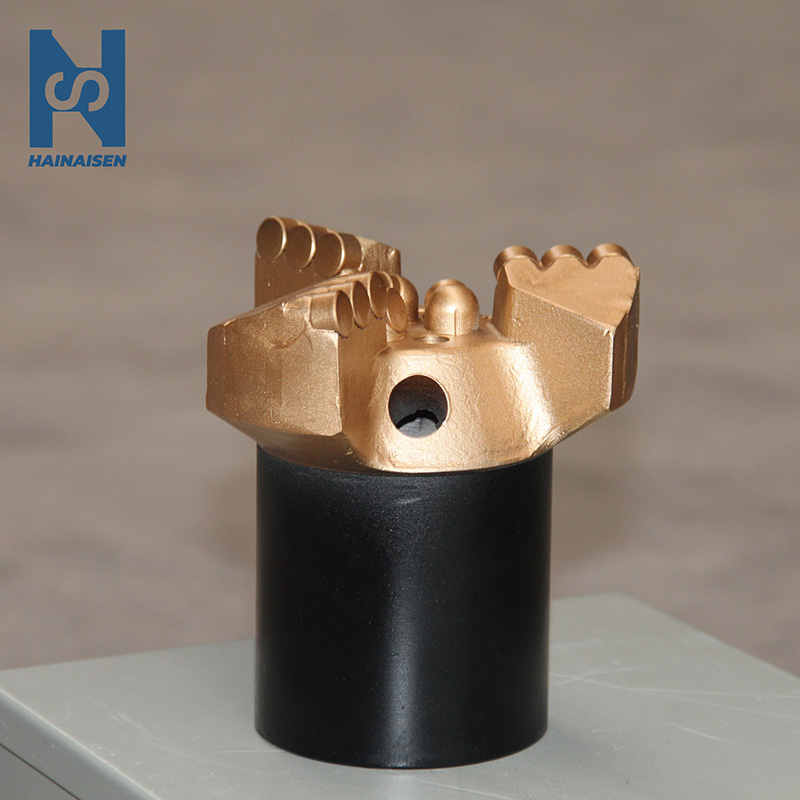 VIEW MORE113mm 3 Blades Steel Body PDC Bit
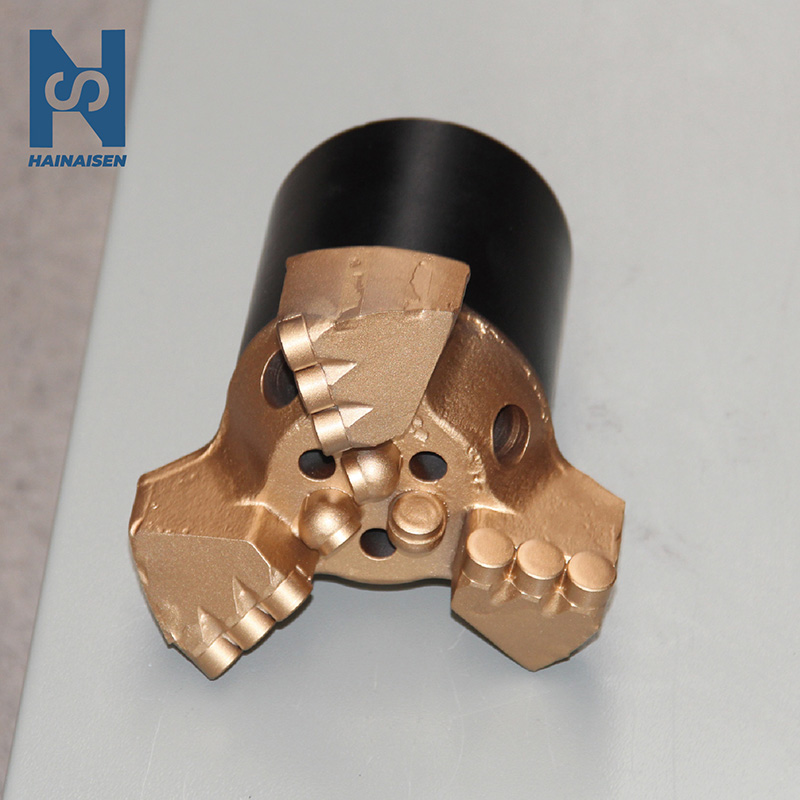 VIEW MOREThree Blade Concave Drill Bit Api For Manganese Coal Mines
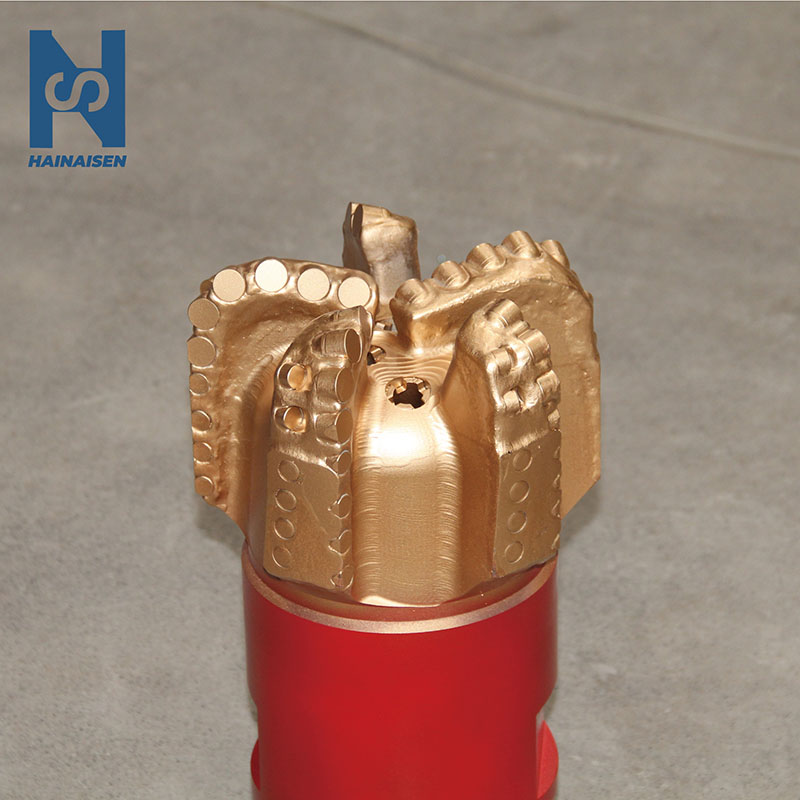 VIEW MORE5 Blades Steel Body High Performance PDC Rock Drill Bits
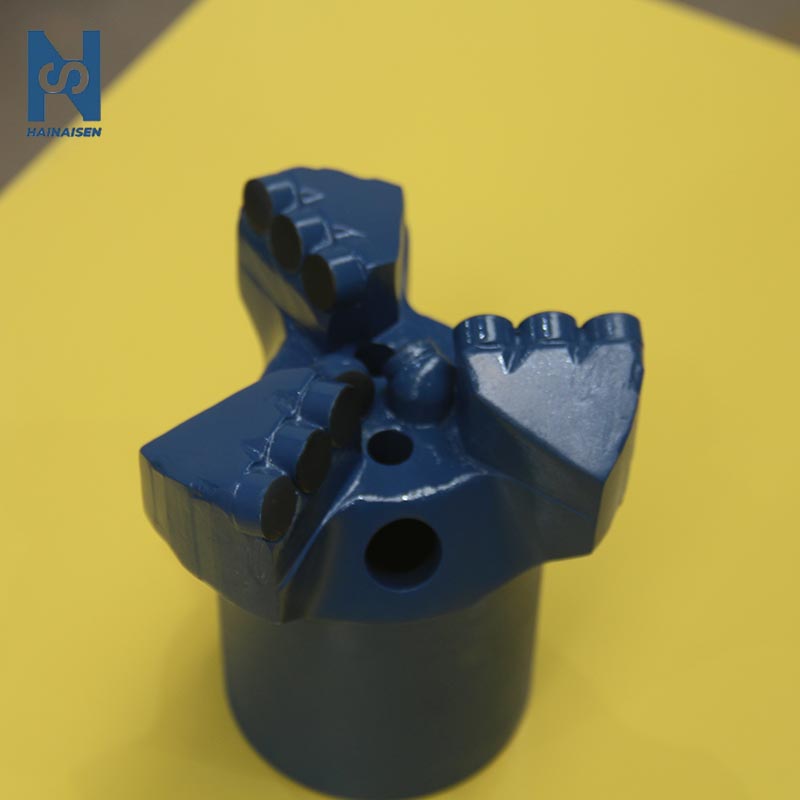 VIEW MOREPolycrystalline Diamond Compact Drill Bits
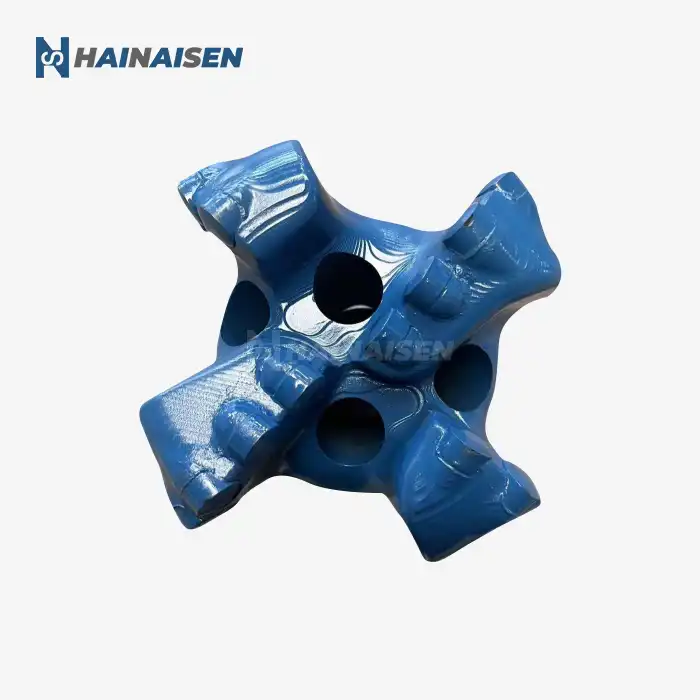 VIEW MORESteel Body PDC Bit 4 Blades
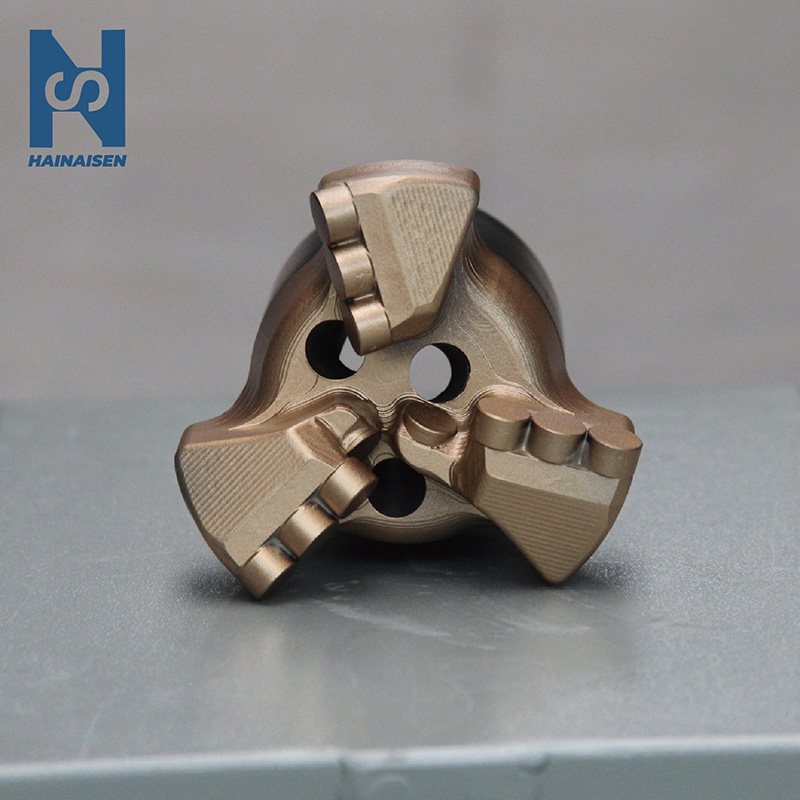 VIEW MORE3 Blades PDC Rock Bit
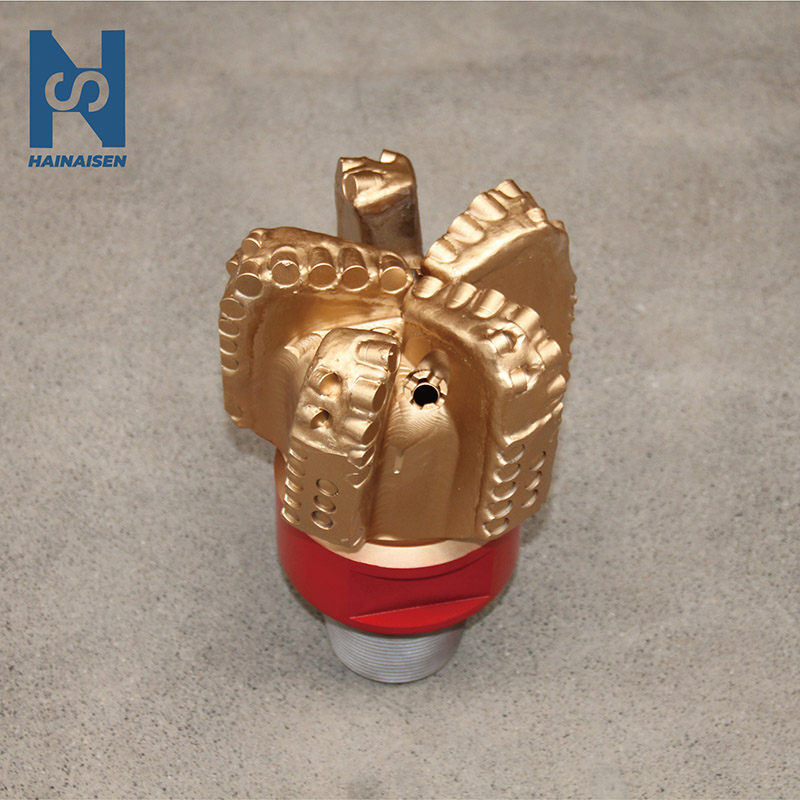 VIEW MOREPDC Rock Drill Bit
