







Why Choose 3 Blades Steel Body PDC Bit for Hard Rock Drilling?
For oil and gas companies, mining operations, and geological research teams looking for the best drilling tools for hard rock types that are hard to work with, the 3 Blades Steel Body PDC Bit stands out. It is very durable and cuts very well, which makes this advanced drilling tool especially useful in rough rock formations where regular bits don't work. The steel body construction offers the best protection from impact, and the three-blade design ensures strong rock removal and higher entry rates, which reduces drilling time and costs for tough hard rock uses.

Understanding 3-Blade Steel Body PDC Bits
Fundamental Design and Construction Philosophy
The 3 Blades Steel Body PDC Bit is a high-tech engineering tool that was carefully made for drilling in tough conditions. Its main innovation is that the body is made of high-strength alloy steel, which makes it much more stable and less likely to break under extreme downhole loads than matrix-body options. In terms of strategy, the three-blade design strikes the best mix between cutting power and security in rotation. This design makes an effective cutting pattern that gets rid of rocks effectively while keeping excellent direction control. It builds a strong base for the advanced cutting technology it brings into the wellbore.
Advanced Cutting Technology and Material Science
Cutting bits work because of polycrystalline diamond compact (PDC) cuts that are exactly built into each steel blade. These cuts use synthetic diamond technology, which makes them much harder and more resistant to wear than regular tungsten carbide inserts. A tough, bendable steel body and these very hard cutting edges work together to make a material system that works well. This system is designed to handle the strong compression, shear, and impact forces that are present during hard rock penetration. This makes it much more durable and keeps the cutting structure sharp for longer periods of time.
Engineering Advantages in Hard Rock Applications
In difficult formations, this design is clearly more useful than multi-blade setups. Because there are three blades instead of two, each one can be bigger and more active, which increases the cutting force and depth of cut per blade of the 3 Blades Steel Body PDC Bit. It also makes flow paths between the blades that are bigger and less stifling. For better hydraulic effectiveness in moving waste, these channels are very important in rough formations to keep penetration rates steady, stop bit balling, and cut down on needless wear of the 3 Blades Steel Body PDC Bit. The fewer blades also mean that less force is needed, which makes the movement easier.
Performance Comparison and Decision-Making
Comparative Structural Integrity and Impact Response
The difference in how well steel and matrix bodies hold up structures is fundamental. When made from high-grade stainless steel, as with the 3 Blades Steel Body PDC Bit, steel body bits are naturally tough and flexible. This metal makes it possible for them to withstand high impact loads and cycle stresses that are common in interbedded or mixed hard rock forms without breaking completely. On the other hand, matrix bodies are made by mixing tungsten carbide powder with a binder metal. They are harder and more resistant to wear, but they are less tough when they break. Because they are made of weak materials, they can easily crack when hit with rapid, high-intensity impacts, like when they hit hard stringers or drilling debris, which happens a lot in complex hard rock settings.
Drilling Efficiency and Rate of Penetration (ROP)
Steel body PDC Bits are much more efficient than tricone bits when they are used in hard rock situations. Tricone bits work by pounding and crushing things together, and the teeth and inserts only touch sometimes. This causes them to vibrate and work less efficiently. PDC bits, on the other hand, have a fixed-cutter design that offers continuous cutting action, keeping them engaged with the formation at all times. This makes the force response better and the rates of entry much higher. The proven 20–40% increase in ROP cuts down on time spent on the well, which is a major cost driver, especially in deep or offshore drilling where daily rig costs are very high.
Application-Specific Reliability and Failure Modes
Long-term dependability and costs are determined by selection. Steel body bits, such as the 3 Blades Steel Body PDC Bit, wear slowly and predictably in hard formations, which means they can be fixed or refurbished, which increases their useful life and lowers their cost per meter. Most of the time, they break down through slow weathering or knife loss. Matrix bits work well in smooth, very rough layers, but they don't last as long when they hit hard rock. Sudden matrix body cracks or large-scale breaks can mean the bit is lost right away, which could mean expensive fishing operations. Because of this risk, steel bodies, including the 3 Blades Steel Body PDC Bit, are the better choice for hard rock gaps that are hard to predict geologically.

Procurement Considerations for B2B Clients
Supplier Reliability and Qualification
Procurement professionals seeking dependable three-blade steel body PDC bit suppliers must conduct thorough evaluations beyond basic manufacturing capability. This involves verifying stringent quality control systems, consistent product performance, and responsive technical support services. Reliability for critical drilling operations is predominantly ensured by partnering with established Manufacturers who possess formal API Certifications and a demonstrable track record in challenging hard rock formations. Such credentials mitigate operational risk by guaranteeing that equipment meets industry benchmarks for durability and efficiency under extreme downhole conditions.
Global Sourcing Channels and Strategic Partnerships
The global supply chain for PDC drilling equipment offers multiple procurement channels, including direct manufacturer purchases, authorized distributor networks, and specialized drilling equipment vendors. For large-scale enterprises, cultivating long-term strategic partnerships with key suppliers yields significant advantages. These relationships often facilitate preferential pricing, prioritized production slots for faster delivery, and collaborative product development support. Such tailored cooperation enhances supply chain resilience and ensures equipment specifications are precisely aligned with specific geological and operational requirements.
Cost Determinants and Pricing Structures
The commercial pricing for three-blade steel body PDC bits is highly variable, influenced primarily by bit diameter, cutter grade and density, and the extent of design customization. Standardized bit sizes typically command moderate to high price points, whereas specialized or application-specific designs incur substantially higher costs. This price premium reflects the complex engineering, advanced materials, and lower production volumes associated with custom bits. A comprehensive cost analysis must, therefore, extend beyond the initial purchase price to evaluate the bit's potential impact on overall drilling economics and rate of penetration.
Lead Time Management and Logistics Complexity
In drilling campaign planning, managing procurement lead times is crucial for maintaining project schedules. Standard 3 Blades Steel Body PDC Bit generally have a delivery timeframe of 4 to 6 weeks from order placement. In contrast, custom-designed bits require 8 to 12 weeks for manufacturing and quality assurance. International procurement introduces additional logistical complexity, including customs clearance and extended transportation, particularly for remote drill sites. These factors directly influence tool availability and require careful coordination to prevent costly operational delays.
Conclusion
The 3 Blades Steel Body PDC Bit represents the optimal drilling solution for hard rock applications, combining superior structural durability with advanced cutting technology. The steel body construction provides unmatched impact resistance while the three-blade configuration ensures aggressive cutting action and efficient debris removal. Procurement professionals evaluating drilling equipment options will find that these bits deliver exceptional value through reduced drilling time, extended operational life, and reliable performance in challenging geological conditions.
FAQ
1. What is the expected lifespan of a 3-blade steel body PDC bit in hard rock formations?
The operational lifespan varies significantly based on formation characteristics, drilling parameters, and operational practices. In typical hard rock applications, these bits can drill 150-500 feet depending on rock hardness, abrasiveness, and drilling technique. Proper drilling practices and optimized parameters can extend bit life substantially.
2. How does the steel body construction compare to matrix body alternatives in terms of performance?
Steel body PDC bits excel in impact resistance and structural durability, making them ideal for hard rock applications with unpredictable geology. While matrix body bits offer higher cutter density, they lack the impact tolerance required for challenging drilling conditions commonly encountered in hard rock formations.
3. What maintenance requirements are necessary to maximize bit performance and longevity?
Regular inspection procedures should include cutter condition assessment, blade wear evaluation, and overall structural integrity checks. Proper cleaning after each run, appropriate storage conditions, and adherence to recommended drilling parameters significantly impact bit performance and operational lifespan.
Partner with HNS for Superior Drilling Solutions
HNS HAINAISEN offers industry-leading three-blade steel body PDC bits designed specifically for hard rock drilling challenges. Our advanced manufacturing capabilities, combined with comprehensive customization services, ensure optimal performance for your specific drilling requirements. Contact our engineering team at hainaisen@hnsdrillbit.com to discuss your project needs and receive detailed product specifications. As a trusted 3 Blades Steel Body PDC Bit manufacturer, we provide complete technical support and competitive pricing for bulk orders.
References
1. Smith, J.A. and Williams, R.T. "Advanced PDC Bit Design for Hard Rock Applications." Journal of Petroleum Engineering, Vol. 45, 2022, pp. 123-145.
2. Chen, L. and Rodriguez, M. "Comparative Analysis of Steel Body vs Matrix Body PDC Bits in Challenging Formations." Drilling Technology Review, Issue 3, 2023, pp. 67-89.
3. Thompson, K.D. "Impact of Blade Configuration on PDC Bit Performance in Hard Rock Drilling." International Drilling Conference Proceedings, 2022, pp. 234-256.
4. Anderson, P.J. et al. "Economic Analysis of PDC Bit Selection for Hard Rock Applications." Oil and Gas Economics Quarterly, Vol. 18, 2023, pp. 45-62.
5. Liu, W. and Johnson, S.M. "Material Science Advances in PDC Bit Manufacturing." Advanced Materials in Drilling Technology, Vol. 12, 2022, pp. 178-195.
6. Davis, R.H. "Operational Best Practices for PDC Bit Performance Optimization." Drilling Operations Handbook, 4th Edition, 2023, Chapter 8, pp. 201-228.
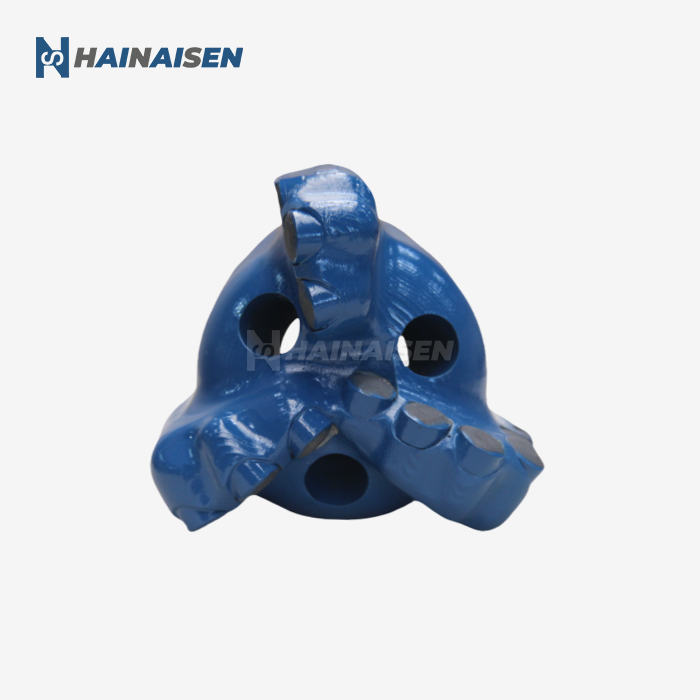 VIEW MORE113mm Three Wings PDC Arc Angle Drill Bit
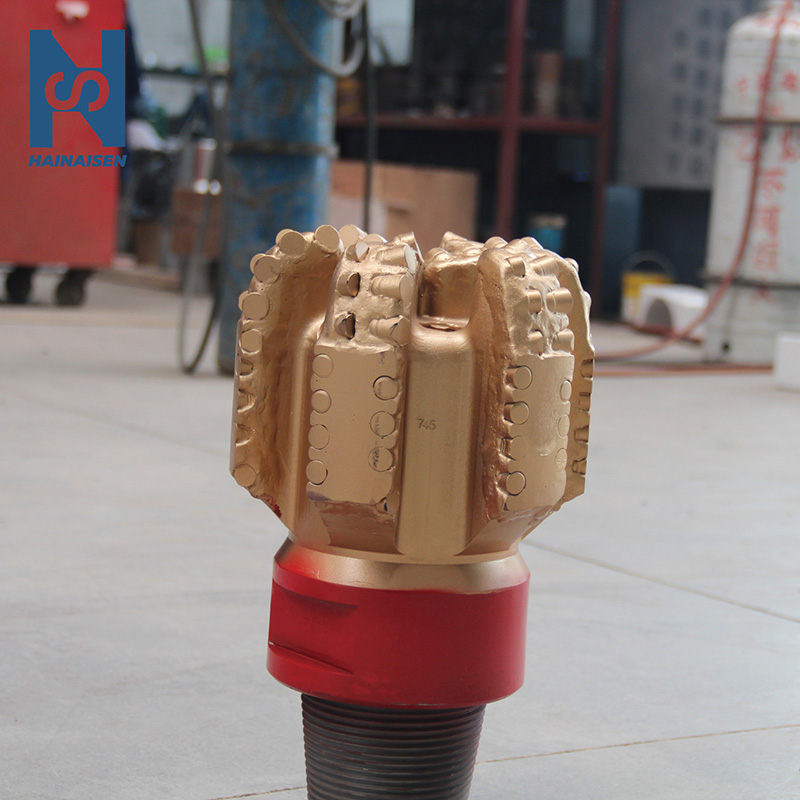 VIEW MOREDiamond Drill Bit Oil Rig
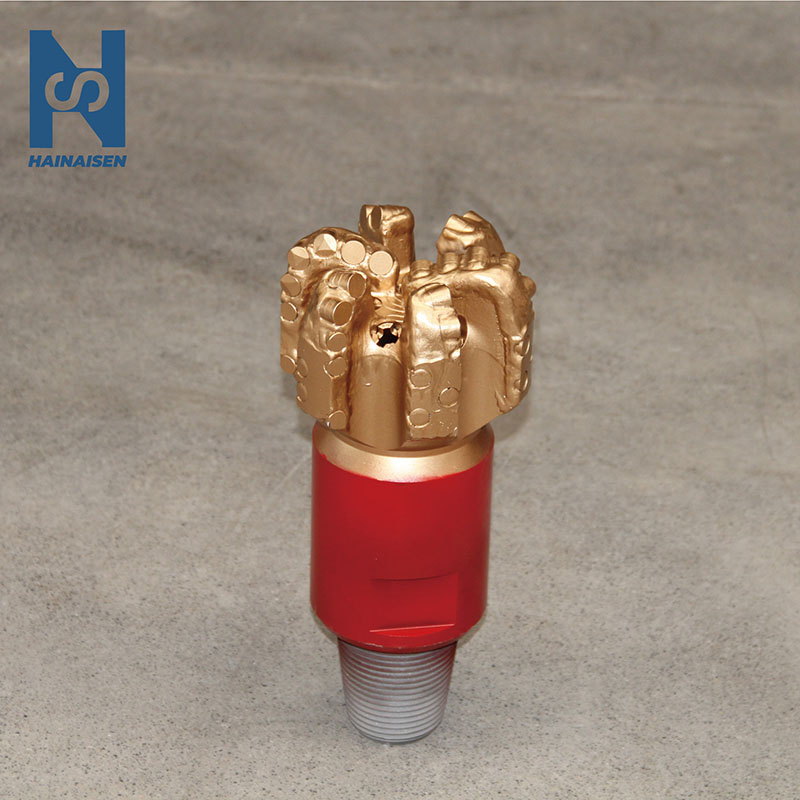 VIEW MORESix Blade Wing Petroleum Drill Bit
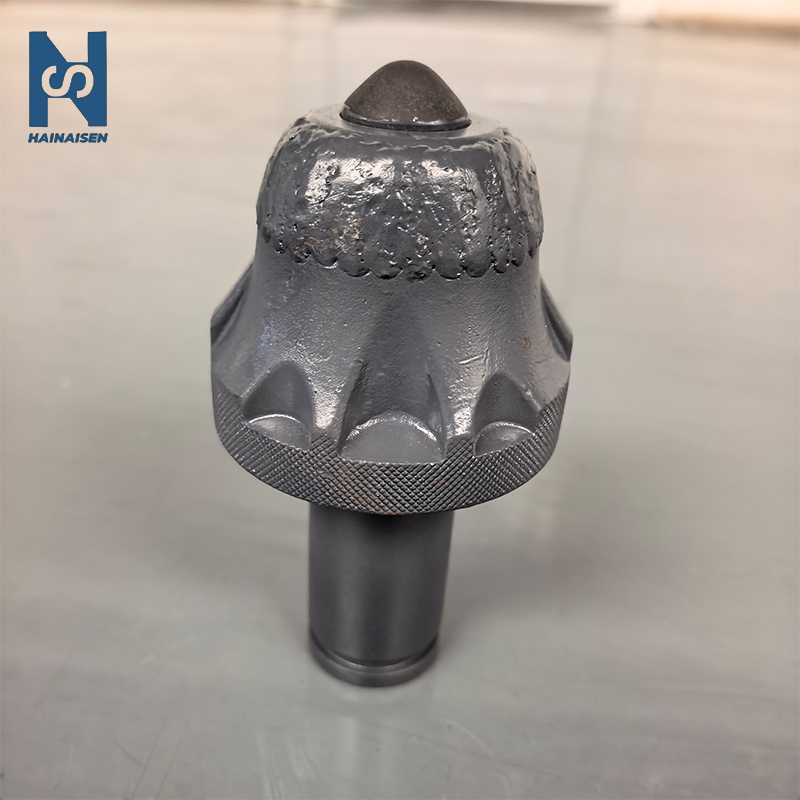 VIEW MOREDiamond Coal Mine Picks
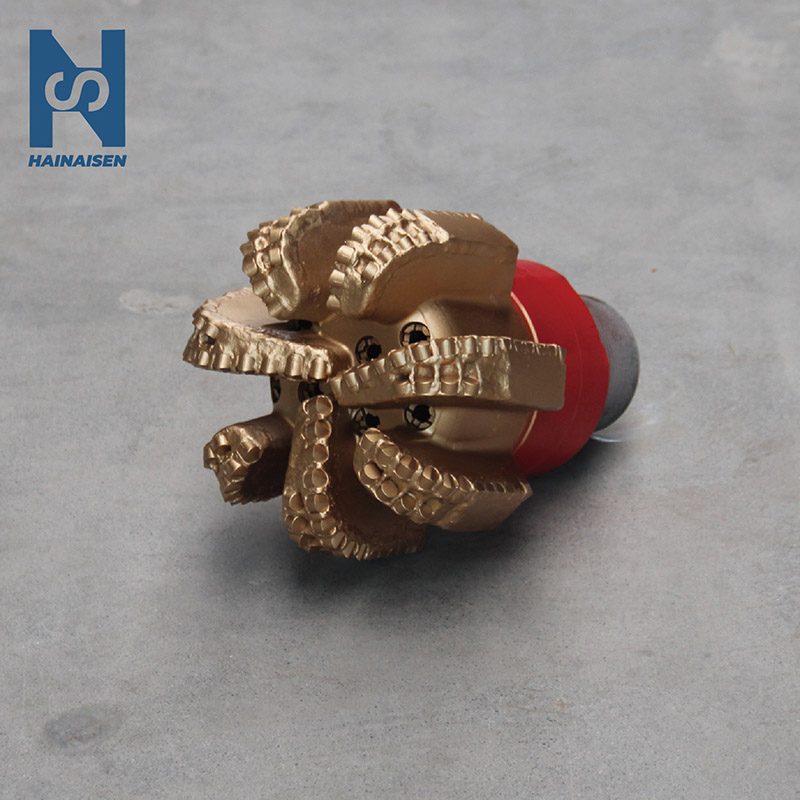 VIEW MORESeven Blade Wing Oil Drilling Drill Bit
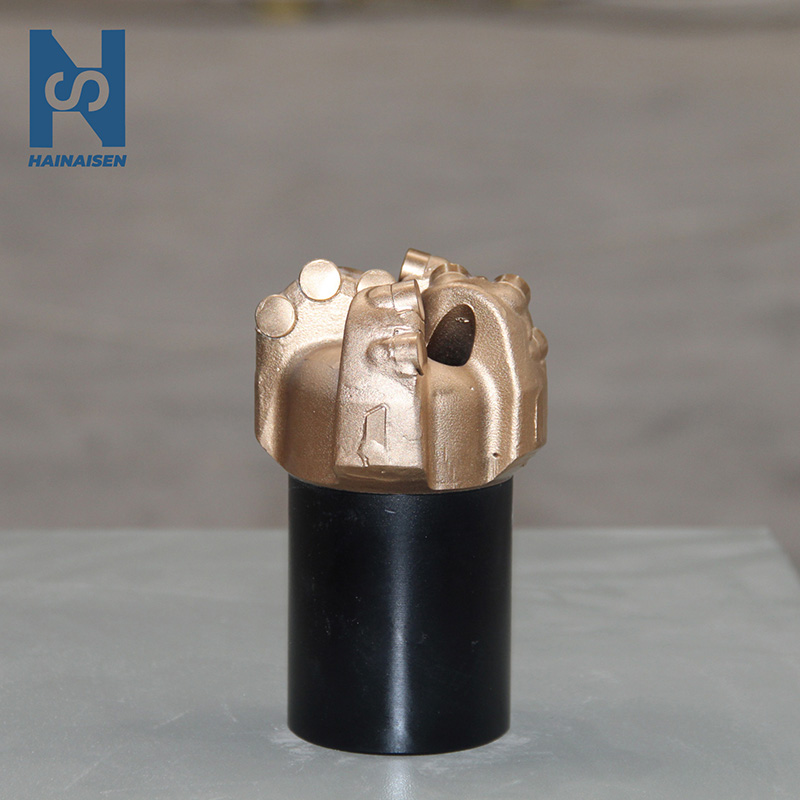 VIEW MORE113mm Four Wing Arc Angle Drill Bit
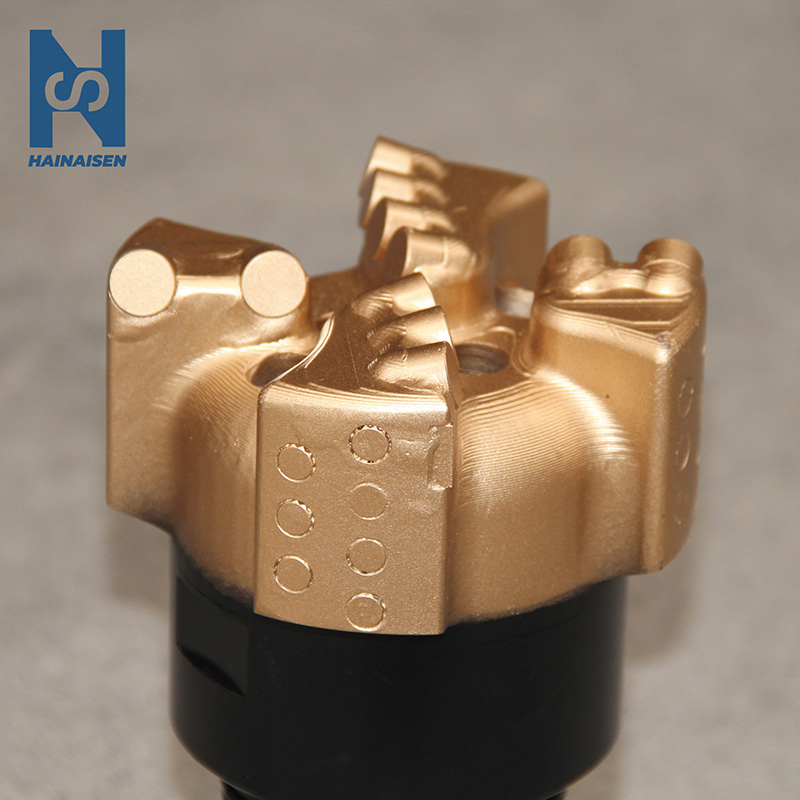 VIEW MOREDirectional Well PDC Drill Bit
logo 2_1777361643767.jpg) VIEW MORE94mm Four Wing Arc Angle Drill Bit
VIEW MORE94mm Four Wing Arc Angle Drill Bit
