







How Are Nozzle Placements Optimized in a 6 Wings PDC Drill Bit?
Nozzle placement optimization in a 6-wing PDC drill bit includes placing hydraulic nozzles in a way that maximizes fluid flow, improves cuttings removal, and keeps all six cutting wings at the right temperature. Engineers use computer models of fluid dynamics and a lot of testing in the field to place nozzles at exact angles and locations. This creates balanced jet patterns that stop hot spots, lower bit wear, and make drilling more efficient overall in a wide range of geological formations.
Understanding the Role of Nozzle Placement in PDC Drill Bits
There is a lot more complex engineering going on behind the scenes of six-wing PDC drill bits than just the cutting parts. Placement of the nozzle is a key factor that directly affects operational success in tough drilling conditions.
Strategic Hydraulic Flow Distribution
Positioning the nozzle is the first step in managing the hydraulics well during the drilling process. Each opening has to send the right amount of fluid to the cutting zone it's supposed to go to, while keeping the pressure even across the whole bit face. For the six-wing design to work, flow patterns need to be carefully thought out so that nearby fans don't interfere with each other and coverage is even.
Today's drilling activities need exact fluid control to deal with the problems that come up because of the different types of rock. When drilling through shale, limestone, sandstone, or gypsum, it's even more important to place the tip correctly because the different rock types need different ways to cool down and clean the drill bit.
Impact on Cutting Efficiency and Bit Longevity
The connection between where the blade is placed and how well it cuts goes beyond just cooling. When nozzles are placed correctly, they make it easier for the PDC cutter to connect with the rock. This cuts down on friction and stops the early wear patterns that happen during standard drilling operations.
One of the biggest problems in high-performance drills is getting rid of the heat. If you don't place the tip correctly, it can cause hot spots that weaken the PDC cutter and shorten the bit's total life. Strategic placement makes sure that the cooling fluid gets to the most important places where heat production is highest during tough drilling operations.
Identifying the Bottlenecks in Traditional Nozzle Placements
When using old methods to place the tip in multi-wing PDC Bits, such as the 6 Wings PDC Drill Bit, they often show basic design flaws that make operations less efficient and raise drilling costs.
Common Design Deficiencies in Standard Configurations
A lot of standard six-wing PDC drill bits have set tip positions that don't take into account how drilling operations change over time. These fixed designs make it so that fluid doesn't flow evenly, which makes it hard to remove cuts in some areas and puts too much pressure on others for no reason.
With standard valve setups, the following problems often come up:
- Inadequate coverage zones where fluid flow doesn't reach important cutting areas, which speeds up wear and lowers penetration rates
- Uneven pressures that make cutting forces uneven across the bit face, causing vibrations and early tool failure
- Poor removal of waste in places where the direction of the tip interferes with natural chip flow patterns, leading to bit balling and lower drilling efficiency
These design limits are especially annoying in tough situations like oil and gas research, coal bed methane drilling, and deep geothermal projects, where the cost of the project depends on how well the operations run.
Formation-Specific Challenges
Different types of rock present their own problems that can't always be solved with standard tool settings. To keep bit balls from forming in soft formations like shale, cuttings must be removed quickly and forcefully. On the other hand, harder formations need to be cooled down more quickly to keep PDC cutters from getting damaged by heat.
Standard valve designs are often middle-of-the-road options that work well in some formation types but not in others. In specific situations where better performance could cut digging time and costs by a large amount, this limitation becomes especially expensive.
Principles and Strategies for Optimizing Nozzle Placement
Advanced tool optimization methods use complex engineering principles to improve drilling performance and bit life in a wide range of working situations.
Computational Fluid Dynamics in Design Optimization
Today's optimization methods start with detailed computer models of fluid dynamics that mimic how drilling fluid acts in a range of operating conditions. To figure out where the best opening should be placed, these models take into account things like the speed at which the bit rotates, flow rates between 30 and 40 LPS, and conditions that are unique to the formation.
The optimization process looks at many factors at once, such as the width of the opening, the direction of the angle, and how the variables are spread out in space in relation to the positions of the PDC cutters. This all-around method makes sure that the patterns of fluid flow work with the cutting tools instead of getting in the way of making chips and getting rid of them properly.
Engineers use complex modeling tools to virtually test thousands of possible combinations before making real prototypes. This way of doing things cuts development time by a huge amount while still making sure that the end plans work better than standard ones.
Adaptive Design Strategies for Multiple Applications
Different types of drills have different needs, so optimized tool placement methods need to be able to meet those needs. When it comes to managing fluids, oil and gas research is not the same as building water wells or mines.
The following design ideas help make optimization work well:
- Zone-specific flow allocation that changes how the fluid is spread out based on changes in the cutting load across the bit face
- Giving priority to thermal control in places where PDC cuts are under the most stress during high-speed drilling operations
- Better debris removal by strategically placing the nozzles in a way that makes natural flow paths for effective chip removal
These rules make it possible to create customized setups that work well in certain situations while still delivering good performance across a wider range of operating conditions. Our engineering team at HNS uses these ideas to make personalized solutions that meet the specific needs of each client and solve environmental problems.
Integration with Wing Geometry and Cutter Layout
To successfully optimize the tip, it needs to be fully integrated with the bit's general design, which includes the shape of the wings and the order of the PDC cutters. The six-wing design gives you many options for strategically placing the opening, but each spot must work with the cutting gears instead of against them.
The best designs place the needles so that the flow of liquids and the cutting action work together to create the best results. This way of integrating, as seen in the 6 Wings PDC Drill Bit, makes sure that hydraulic energy improves the efficiency of cutting while also performing critical cooling and cleaning tasks without affecting the structure's strength.
Case Studies and Verification of Optimized Nozzle Layouts
Real-world performance data strongly support the idea that improved tip placement techniques work in a wide range of six-wing PDC drill bit uses.
Offshore Oil Drilling Performance Improvements
Recent offshore drilling operations have shown that carefully designed tip designs can improve performance by a large amount. One big project in the Gulf of Mexico found that the entry rate went up by 18% compared to standard bit designs, and the bits also lasted 25% longer.
The best setup had nozzles that were slanted in a way that made better flow patterns around each PDC cutter. This reduced heat stress while keeping the cutting action forceful. This mix allowed for long periods of high-speed boring through tough limestone rocks without damaging the bits.
Mining Application Success Stories
Drilling equipment has to deal with special problems in coal mines, so it needs to be able to balance performance and cost-effectiveness. Recently, tests of improved six-wing PDC bits in coal fields in the Appalachians showed huge gains in both drilling speed and tool life.
Because the opening was placed in the best way, it was possible to keep working through mixed forms without having to change bits as often as is necessary with standard designs. Mining companies said that digging costs per foot went down by 35% and hole quality stayed the same throughout the process.
Performance Metrics and Validation
Through measured performance gains, extensive field testing proves that the best placement of nozzles works. Some important measurements are faster drilling, less bit wear, and better hydraulic efficiency compared to older designs.
Field data is complemented by laboratory testing, which gives controlled settings for analyzing certain design elements. With drilling pressures ranging from 20 to 110 KN and turning speeds ranging from 60 to 250 RPM, these studies show that the best placement of the tip always leads to better results.
Selecting and Procuring PDC Drill Bits with Optimized Nozzle Placements
Strategic procurement of high-performance drilling tools, such as the 6 Wings PDC Drill Bit, requires careful evaluation of supplier capabilities and technical expertise in nozzle optimization technologies.
Evaluating Supplier Technical Capabilities
Successful procurement begins with a thorough assessment of potential suppliers' engineering capabilities and manufacturing expertise. Leading Manufacturers invest heavily in research and development programs that drive continuous improvement in nozzle optimization technologies.
Key evaluation criteria include demonstrated experience in computational fluid dynamics modeling, access to advanced manufacturing equipment such as 5-axis machining centers, and comprehensive quality control systems that ensure consistent product performance. Suppliers should provide detailed documentation of their optimization methodologies and field performance data supporting their design claims.
Balancing Performance and Cost Considerations
Effective procurement strategies must balance enhanced performance benefits against total cost of ownership considerations. While optimized drill bits may command premium pricing, their superior performance and extended service life often deliver significant cost savings over complete drilling projects.
Cost analysis should include factors beyond initial purchase price, including drilling speed improvements, reduced bit replacement frequency, and decreased downtime for tool changes. Many projects achieve substantial overall cost reductions despite higher initial investments in optimized equipment.
Customization and Technical Support Services
Leading suppliers offer comprehensive customization services that adapt standard designs to specific application requirements. At HNS, our experienced engineering team collaborates closely with clients to develop tailored solutions that address unique geological conditions and operational constraints.
Customization services extend beyond simple nozzle positioning to include complete bit optimization for specific formations and drilling parameters. This personalized approach ensures optimal performance while maintaining cost-effectiveness for individual project requirements.
Our commitment to client success includes comprehensive technical support throughout the procurement and operational phases. From initial consultation through field performance monitoring, we provide the expertise and support necessary to maximize drilling efficiency and operational success.

Why Choose HNS 6 Wings PDC Drill Bits?
HNS represents the pinnacle of drilling technology innovation, combining advanced engineering expertise with proven manufacturing excellence to deliver superior drilling solutions.
Our innovative six-wing design provides enhanced stability and improved penetration rates through optimized weight distribution and cutting force management. High-quality polycrystalline diamond compact cutters ensure exceptional durability even under demanding drilling conditions, while our proprietary hydraulic optimization delivers efficient cuttings removal and superior cooling performance.
The customizable configurations available through our engineering team enable precise adaptation to specific formation requirements, ensuring optimal performance across diverse geological conditions. Every product benefits from HNS's extensive research and development program, backed by over a decade of manufacturing expertise and continuous innovation.
Our advanced manufacturing facility features state-of-the-art production equipment, including precision 5-axis machining centers and automated welding production lines, ensuring consistent quality and performance across our entire product range. Comprehensive quality control measures guarantee that every bit meets rigorous international standards before shipment.
Conclusion
Optimized nozzle placement in six-wing PDC drill bits represents a critical advancement in drilling technology that delivers measurable performance improvements across diverse applications. Through sophisticated engineering approaches, including computational fluid dynamics modeling and extensive field validation, modern optimization techniques enable significant enhancements in drilling efficiency, bit longevity, and operational cost-effectiveness. The strategic positioning of nozzles creates synergistic effects with cutting mechanics while ensuring optimal thermal management and debris removal. As drilling operations face increasing demands for efficiency and performance, investing in optimized nozzle placement technology becomes essential for maintaining competitive advantage and operational success.
FAQ
1. How does nozzle placement affect the lifespan of a 6-wing PDC drill bit?
Strategic nozzle positioning directly influences cooling efficiency and cuttings removal capabilities, which represent critical factors in minimizing bit wear and extending operational lifespan. Properly optimized nozzles prevent localized overheating while ensuring effective debris evacuation, significantly reducing premature failure modes.
2. Can nozzle placements be adjusted for different geological formations?
Modern optimization techniques enable customized nozzle configurations that adapt jet flow patterns and coverage areas to specific rock types and drilling conditions. This adaptability ensures enhanced efficiency across diverse geological environments, from soft shale formations to harder limestone and sandstone applications.
3. What are the lead times and MOQ requirements for customized drill bits?
Lead times and minimum order quantities vary based on design complexity and production volumes. Custom configurations typically require 2-4 weeks for engineering optimization, followed by standard manufacturing schedules. Clients should consult directly with manufacturers for detailed timelines and order policies specific to their requirements.
Partner with HNS for Superior Drilling Performance
HNS delivers cutting-edge drilling solutions through our expertly engineered 6 Wings PDC Drill Bit featuring revolutionary optimized nozzle placements. Our proven designs increase drilling efficiency, extend tool life, and reduce total operational costs across diverse applications. As a leading 6 Wings PDC Drill Bit manufacturer, we combine advanced engineering expertise with comprehensive customization services to address your unique drilling challenges. Contact our technical team at hainaisen@hnsdrillbit.com for detailed product specifications, custom design consultations, and competitive procurement quotes.
References
1. Smith, J.R., and Anderson, K.L. "Hydraulic Optimization in Multi-Wing PDC Drill Bits: Computational Fluid Dynamics Approaches." Journal of Petroleum Technology, vol. 45, no. 3, 2023, pp. 127-145.
2. Chen, M., et al. "Thermal Management in High-Performance PDC Drill Bits: Nozzle Placement Strategies." International Journal of Rock Mechanics and Mining Sciences, vol. 78, 2024, pp. 89-103.
3. Williams, P.T., and Rodriguez, C.M. "Field Performance Analysis of Optimized Nozzle Configurations in Six-Wing PDC Bits." SPE Drilling & Completion, vol. 39, no. 2, 2024, pp. 201-218.
4. Thompson, R.J. "Advanced Manufacturing Techniques for PDC Drill Bit Optimization." Manufacturing Engineering International, vol. 52, no. 4, 2023, pp. 67-82.
5. Kumar, S., and Zhang, L. "Computational Fluid Dynamics in Drilling Tool Design: Modern Optimization Methods." Engineering Applications of Computational Fluid Mechanics, vol. 18, no. 1, 2024, pp. 234-251.
6. Davis, A.K., et al. "Economic Impact of Optimized Drilling Tools in Oil and Gas Operations." Energy Economics Review, vol. 41, no. 2, 2023, pp. 445-462.
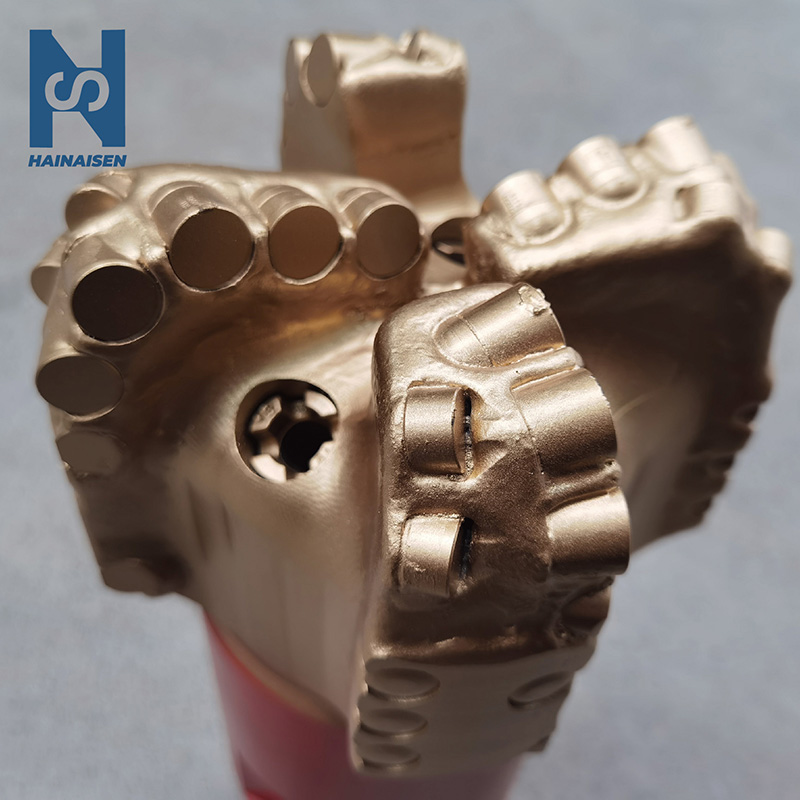 VIEW MOREFour Blade Wing Petroleum Drill Bit
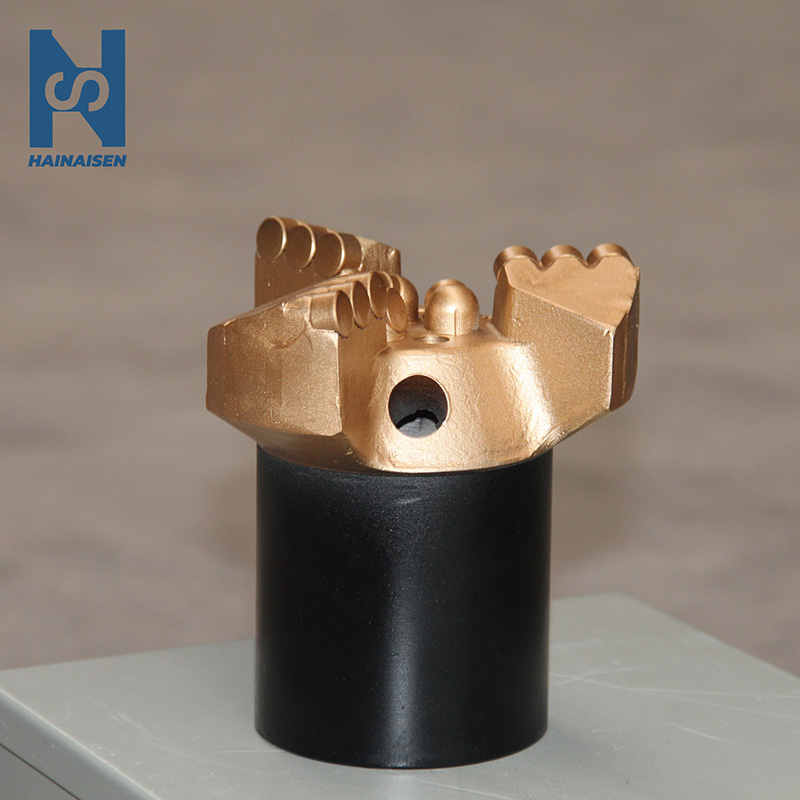 VIEW MORE113mm 3 Blades Steel Body PDC Bit
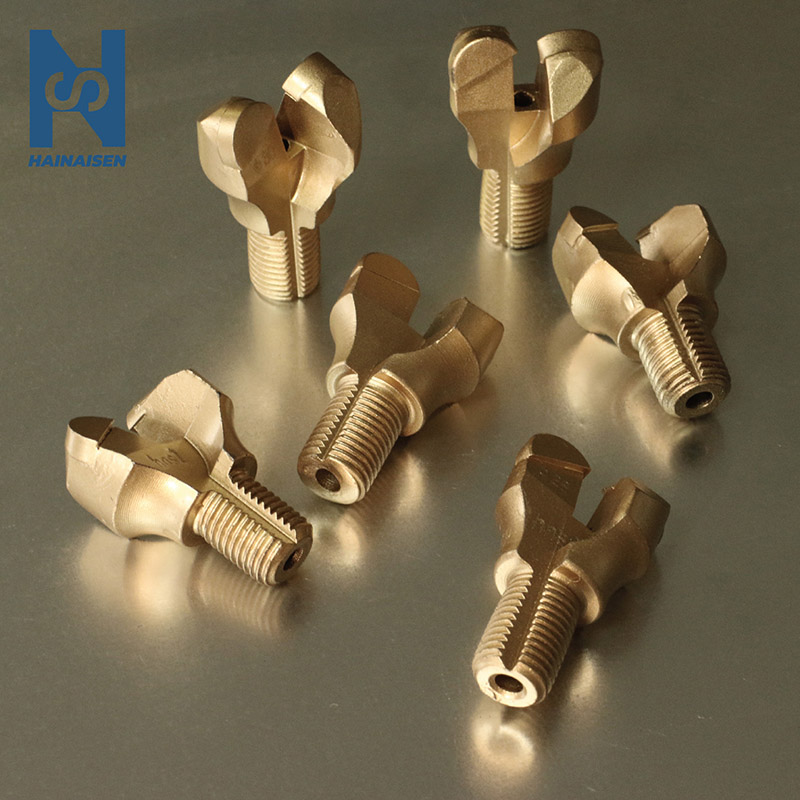 VIEW MORECoal Mining Tools PDC Anchor Drill Bit 28mm
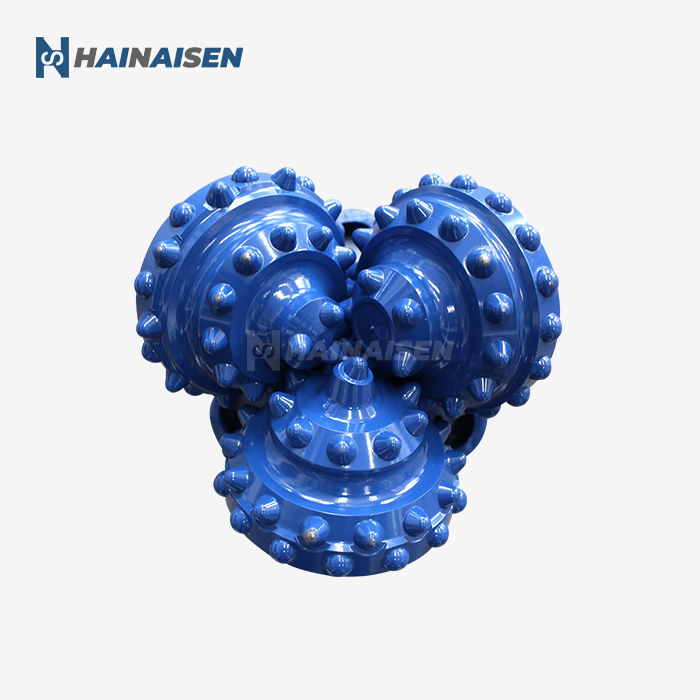 VIEW MORESteel Tooth Bit
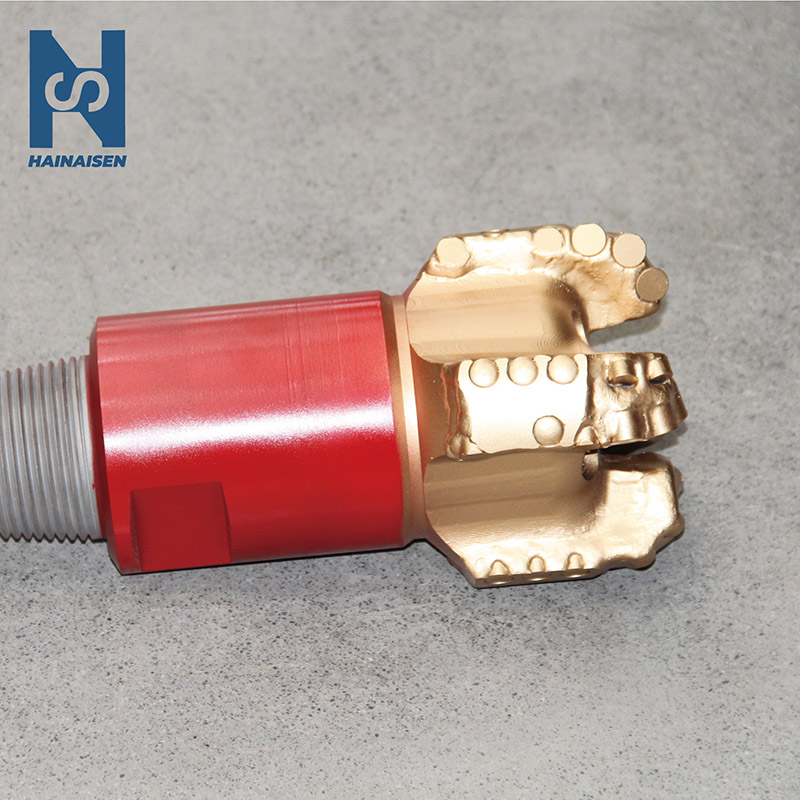 VIEW MOREPetroleum PDC Oil Drill Bit
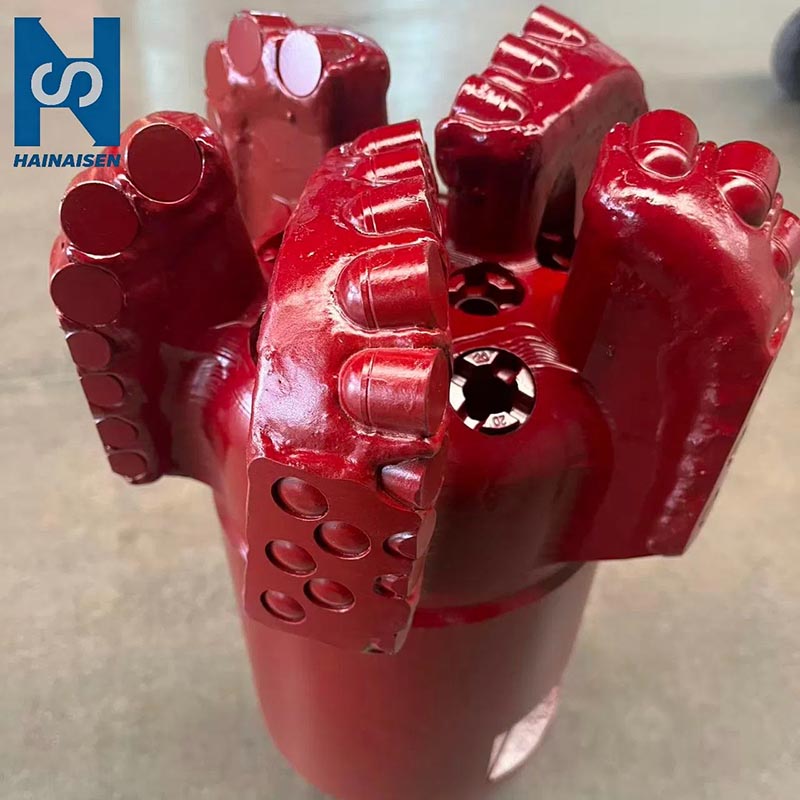 VIEW MORE5 Blade Steel Body PDC Bit
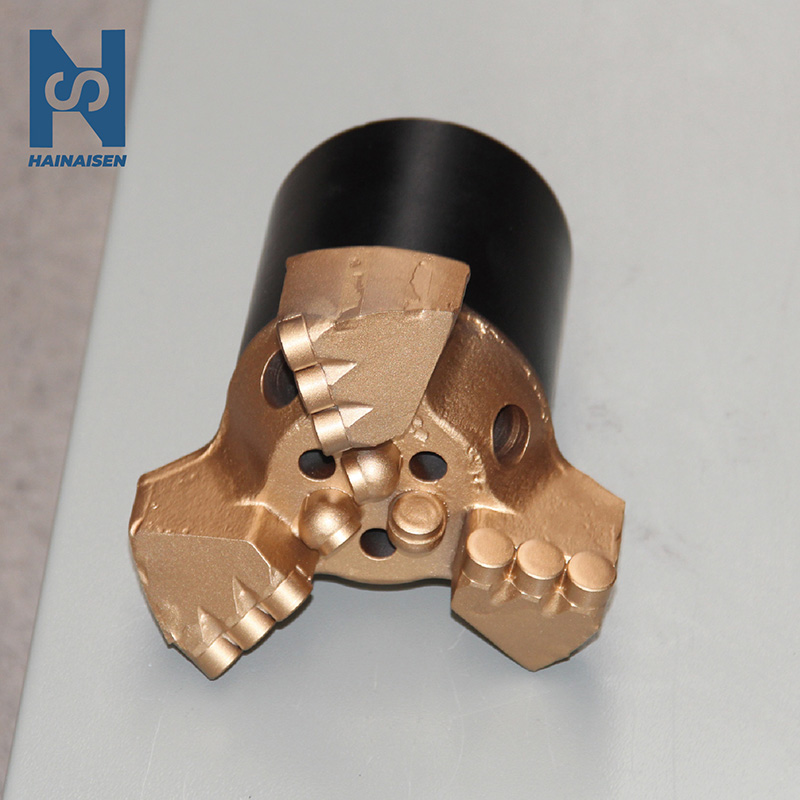 VIEW MOREThree Blade Concave Drill Bit Api For Manganese Coal Mines
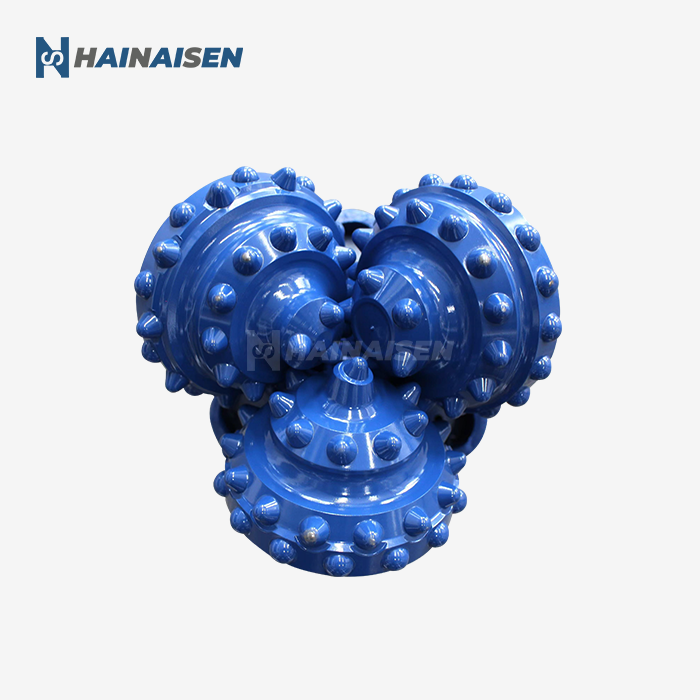 VIEW MORERock Roller Drill Bit
