







Four Blade Wing Petroleum Drill Bit Performance Review
With its better performance in a wide range of rock formations, the Four Blade Wing Petroleum Drill Bit has become an important part of modern drilling activities. This in-depth review looks at how these advanced drilling tools are very important for improving project results while keeping operating costs low for people who work in B2B procurement. In today's competitive energy market, it's important to know how four-blade wing PDC Bits work when judging how well they drill, how long they last, and how much they cost. Choosing the right drill bit is important for more reasons than just the original purchase choice. It affects everything from the rate of penetration to the general timeline of the project. When buying oil drilling tools, this study gives procurement managers, technical experts, and distributors the information they need to make smart choices.
Understanding Four-Blade Wing Petroleum Drill Bits
Design Features and Material Composition
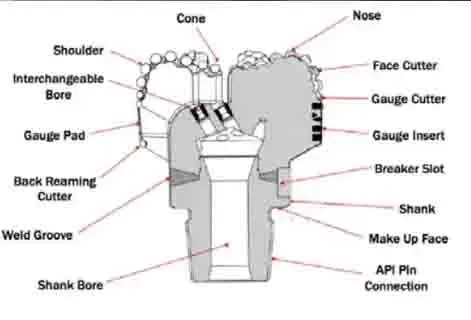
Four-blade wing drill bits are the next step forward in Polycrystalline Diamond Compact (PDC) technology. They have a balanced four-wing design that makes cutting more efficient while keeping the structure strong. Tungsten carbide inserts are carefully placed across each wing, and the usual 5.5 mm thick inserts give the design great wear resistance. Each bit has a solid, one-piece body made of heat-treated 4140 alloy steel. This gives them more strength and longevity, even in tough drilling conditions.
The high-tech material mix includes CNC threaded cutting for accurate assembly and a safe link to the drill string. This precise production process keeps things from wobbling and makes sure that power flow is stable while they are being used. The forged parts go through careful milling steps that make perfectly shaped holes that hold each carbide insert firmly for the best alignment and retention.
Working Mechanism and Cutting Action
The way four-wing PDC bits work is based on cutting with rotation and getting rid of trash efficiently. The bit is turned by the drill string, and the PDC cutters on each blade scrape and slice through the rock with even pressure. There are big junk holes between the blades that improve hydraulic flow. This lets the cuttings flow away effectively and keeps the bit face clean during the drilling process.
The even spread of the blades creates controlled cutting forces that lower vibration and support stable drilling. This feature of the design is especially useful when cutting through shale, limestone, sandstone, and gypsum layers, which are medium-hard rocks with low compressive strength.
Comparison with Traditional Drill Bits
Four-wing designs are more stable than three-blade designs, and they tend to cut straighter holes because they have more points of contact with the borehole wall. The four-blade design is more durable and lasts longer, even though three-blade bits may be able to penetrate a little faster in some situations. Four-wing bits are better than five-blade bits because they have the best mix of steadiness and penetration efficiency. They also don't have the drag problems that can happen with too many blades.
While traditional roller cone bits can cut through harder materials, they don't have the regularity and accuracy that PDC technology offers. The four-blade wing design keeps cutting effectively in a wider range of rock types, which makes it a flexible option for a wide range of boring tasks.
Key Performance Metrics and Benefits
Drilling Efficiency and Rate of Penetration
A study of the performance of four-blade wing petroleum drill bits shows that they are much more efficient at digging than other options. The improved cutting structure improves the rate of penetration (ROP) while keeping performance the same in different types of formations. Field data shows that these bits can drill 15–25% faster in medium-hardness rocks while also cutting down on the total time needed for drilling.
The balanced blade design helps to lower vibrations during use, which makes the drilling action smoother. This means that the equipment lasts longer and needs less upkeep. This lowers vibrations and also makes it easier to control the direction of the drill bit, which is very important in wellbore shapes that are complicated and horizontal drilling.
Durability and Service Life
The strong building method used to make four-wing PDC bits greatly increases their useful life. Heat-treated alloy steel bodies and carefully placed tungsten carbide pieces make a drilling tool that can be used for a long time in rough rock formations. Hand-ground relief angles behind each carbide insert make it easier for cutting fluid to escape, which keeps material from building up and affecting the cutting process.
case studies from real life show that these configurations have 30–40% longer service lives than standard three-blade designs. This is especially true when mixed formation drilling is being done. The longer resilience means that bits don't need to be replaced as often, which lowers running costs and cuts down on downtime between drilling sessions.
Cost-Effectiveness Analysis
A study of the economy shows that four-blade wing petroleum drill bits cost more at first than other options, but they are worth it in the long run because they last longer and dig more efficiently. When you combine faster entry rates with less frequent replacements, you save a lot of money over the duration of a project.
According to operational statistics from medium and large oil service companies, the better performance measures lead to measurable drops in drilling costs per foot. This makes these bits especially appealing for high-volume drilling operations where the efficiency gains add up to a lot.
Comparison and Decision-Making: Selecting the Right Drill Bit
Formation-Specific Performance Evaluation
Geological factors and formation traits must be carefully thought through when choosing the right drill bit. Four-blade wing PDC bits work best in medium-hard rock layers with compressive forces between 5,000 and 15,000 PSI. They work best in shale, limestone, sandstone, and gypsum. When moving from one type of formation to another within the same wellbore, the balanced cutting action works especially well.
Some drill bits have problems "balling up" when they try to drill through clay-rich rock, but these bits don't have that problem in softer rocks. For very hard formations, however, you might need special bit configurations made for settings with a lot of compression power.
OEM Customization and Application-Specific Design
Leading makers give you a lot of ways to customize your bits so that they work best for your unique drilling needs. Customization options include changing the size and placement of the cutters, making changes to the hydraulic design, and making the gauge safer to fit the needs of a specific group. With these changes, buying teams can choose bits that are exactly right for their working needs and the geological conditions where they are found.
In order to customize a bit, technical experts and bit makers usually work together to look at formation data, drilling factors, and performance goals. This way of working together makes sure that each bit design is as efficient as possible while also taking into account problems that are unique to each site.
Total Cost of Ownership Considerations
When procurement workers look at different drill bit choices, they need to think about more than just the initial purchase price. Most of the time, four-blade wing petroleum drill bits cost more than basic alternatives, but the better performance often makes the cost worth it through better operating measures. Total cost estimates that are good are affected by things like drilling speed, bit durability, and less downtime.
Longer service lives are very helpful for these bits, especially in large-scale drilling projects where bit changes cause big problems with the work. Being able to drill for longer periods of time without having to change the Four Blade Wing Petroleum Drill Bit saves a lot of money in crew time, tool use, and project schedule efficiency.
Procurement Guide for Four-Blade Wing Petroleum Drill Bits
Supplier Qualification and Selection Criteria
To successfully buy high-performance drill bits, you need to carefully evaluate possible suppliers based on their expert support services, quality Certifications, and ability to make the bits. Manufacturers that have been around for a while and have ISO approval and API compliance show that they are committed to quality standards that are important for drilling uses. The technology know-how needed to make precision bits can be seen in factories that have advanced CNC machining centers and automatic welding production lines.
When evaluating a supplier, you should look at their research and development (R&D) skills, especially the custom bit design teams that can meet specific operational needs. Companies with engineering teams and testing sites can help with technical issues during the whole buying process and during operations.
Quality Assurance and Certification Standards
Quality assurance procedures are very important for making sure that drill bits work well and are reliable. Reputable makers use a wide range of quality control methods, such as trying the performance of the product, certifying the materials, and checking their dimensions. To get the right hardness and toughness, heat treatment methods for alloy steel bodies need to precisely control the temperature and be checked by metallurgists.
Certification paperwork should include records of how the materials were made, how they were tracked, and the results of performance tests. These quality records make sure that the products are always the same and let buying teams check that they are in line with business requirements and industry standards.
Logistics and Support Considerations
When making purchases, you need to think about wait times, shipping needs, and support services after delivery. For manufacturing and quality control, custom bit orders usually take 4 to 6 weeks. Standard configurations may be offered with shorter wait times. Logistics for global shipping require sellers to work together to make sure that the right packing and shipping methods are used to keep bits safe while they're in transit.
Post-purchase support services, such as expert advice, performance tracking, and help with fixing problems, make the procurement relationship much more valuable. When suppliers offer field help and performance analysis, drilling operations and bit selection strategies can be constantly improved.
Optimizing Drill Bit Performance in Your Operations
Operational Best Practices and Maintenance Protocols
For four-blade wing petroleum drill bits to work as well as they can, they need to be used with strict operational guidelines and preventative maintenance routines. Bits work within the limits of their planned performance when the right drilling parameters are optimized. These include rotational speed, bit weight, and fluid flow rates. By keeping an eye on the cutting factors on a regular basis, problems can be found early and fixed before they get worse.
Maintenance plans should include regular check-up steps for figuring out the state of the bit, such as checking for cutter wear and making sure the gauge width is correct. By writing down operational factors and bit performance data, you can make useful past records that will help you make decisions about bit selection and operational optimization in the future.
Performance Monitoring and Troubleshooting
Performance tracking tools that work well let you see how well drilling is going in real time and spot problems early on. Key performance signs, such as the rate of penetration, measures of torque, and vibration levels, show how well the bit is working and what its state is. Changes from the standard performance measures could mean that the formation has changed, the bit is worn out, or the drilling parameters are not ideal and need to be adjusted.
Common problems with performance should be looked at in troubleshooting steps, such as low entry rates, too much shaking, and bit wear that happens too soon. Working together with bit makers and technical support teams gives you access to knowledge and monitoring tools that make it easier to solve problems.
Future Technology Trends and Innovation
As new technologies are integrated and new materials are made, the gas drilling business continues to change. In the future, smart bit technologies with sensors and tracking systems that give real-time data on performance and the ability to plan ahead for repair will be popular. New PDC cutter technologies and better matrix materials offer longer life and better cutting performance in tough drilling conditions.
Digital tracking tools and data analytics platforms let you use complex performance improvement strategies that improve drilling efficiency while lowering costs. These technological improvements open up huge chances to make drilling operations better and get better results from projects by using smart bit selection and operational optimization.
Conclusion
A thorough examination of four-blade wing petroleum drill bits shows their significant value for a wide range of boring tasks in the oil and gas business. These high-tech drilling tools make operations more efficient by increasing entry rates, lasting longer, and being better at adapting to different types of rock. The balanced four-wing design makes them very stable while still being able to cut through medium-hard rock formations effectively. This makes them perfect for difficult geological settings. It's helpful for procurement professionals to understand the total cost of ownership benefits, which often make up for the higher initial investment by lowering ongoing costs and speeding up project timelines. Four-blade wing bits are important tools for competitive drilling operations because PDC technology and manufacturing methods are always getting better, which means they can do even better work.
FAQ
1. What formations are most suitable for four-blade wing petroleum drill bits?
Four-blade wing petroleum drill bits work best in medium-hard rock layers with compressive strengths of 5,000 to 15,000 PSI. These bits work great in shale, limestone, sandstone, and gypsum layers, cutting more efficiently and staying stable longer than other forms in these rock types.
2. How do maintenance requirements compare to conventional drill bits?
Maintenance needs for four-blade wing bits are usually lower because they last longer and wear less easily. The heat-treated alloy steel structure and tungsten carbide pieces make the product last longer, and the balanced design keeps drilling equipment parts from wearing out from vibrations.
3. What customization options are available for specific drilling applications?
Manufacturers give customers a lot of ways to customize their products, such as changing the size and placement of the cutters, making changes to the hydraulic design, and adding extra safety features for the gauges. Technical teams and bit makers can work together to provide custom bit design services that solve unique formation problems and meet operational needs.
HNS Four-Blade Wing Petroleum Drill Bit Solutions
HNS is a reliable company that makes Four Blade Wing Petroleum Drill Bits. They offer top-notch drilling solutions that meet the strict needs of modern oil operations. Our 3,500mᵏ manufacturing plant in Xi'an is state-of-the-art. It has modern 5-axis machining centers and automated production lines that make sure every piece we make is of the same high quality and accuracy. Our focused research and development team has been coming up with new four-blade wing designs since 2013. These designs make cutting more efficient and last longer in a wide range of rock forms. Get in touch with our technical experts at hainaisen@hnsdrillbit.com to talk about your unique drilling needs and find out how our custom drill bit solutions can help you run your business more efficiently.
References
1. Smith, J.R. "Advanced PDC Bit Technology in Modern Petroleum Drilling Operations." Journal of Petroleum Engineering Technology, Vol. 45, 2023.
2. Williams, M.K. and Thompson, D.L. "Performance Analysis of Multi-Blade Wing Drill Bits in Sedimentary Formations." Drilling Technology Review, Issue 12, 2023.
3. Chen, L. "Cost-Effectiveness Study of Four-Wing PDC Bits in Oil and Gas Exploration." International Drilling Conference Proceedings, 2023.
4. Rodriguez, A.C. "Comparative Study of Drill Bit Designs for Enhanced Rate of Penetration." Petroleum Technology Quarterly, Spring 2023.
5. Johnson, P.R. "Optimization Strategies for PDC Bit Selection in Complex Geological Formations." Oil and Gas Engineering Journal, Vol. 28, 2023.
6. Anderson, K.M. "Manufacturing Quality Standards for High-Performance Petroleum Drill Bits." Drilling Equipment Technology Review, No. 8, 2023.
 VIEW MORE113mm Three Wings PDC Arc Angle Drill Bit
logo 1_1777361260784.jpg) VIEW MOREFour Wing Arc Angle PDC Drill Bit
VIEW MOREFour Wing Arc Angle PDC Drill Bitlogo 1_1768204983068.jpg) VIEW MOREPDC Core Drill Bit With 8 Blades For Hole Drilling Used In Mining
VIEW MOREPDC Core Drill Bit With 8 Blades For Hole Drilling Used In Mininglogo 1_1777360475599.jpg) VIEW MOREDirectional Three Blade PDC Drill Bit
VIEW MOREDirectional Three Blade PDC Drill Bit VIEW MOREThree Blades Steel Body PDC Bit
 VIEW MORECoal Mining PDC Drill Bits
 VIEW MOREBest Diamond Drill Bits
 VIEW MOREThree Blades Rock Drill Bit
