




What Innovations Improve 3-Blade PDC Bit Lifespan?
New developments in 3-blade steel body PDC bit technology have greatly improved the efficiency of drilling by using advanced materials engineering, better cutting structures, and better heat management systems. Some of these groundbreaking innovations are high-grade steel alloys, advanced heat treatments, and precisely designed cutter places that make operations last a lot longer. Modern polycrystalline diamond compact blades with tungsten carbide inserts have better wear resistance, and special coatings make them more stable at high temperatures for hard forms.
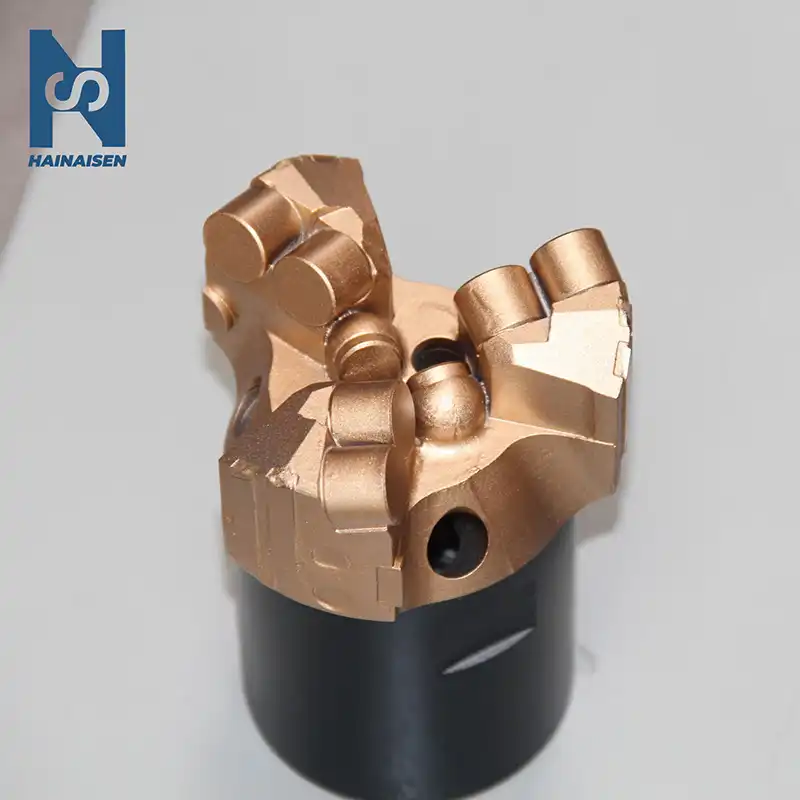
Understanding 3-Blade Steel Body PDC Bits and Their Lifespan Challenges
Drilling professionals have known for a long time that 3-blade steel body PDC Bits are specialized drilling tools with three cutting blades placed on strong steel bodies. In comparison to matrix body options, these bits are better because they are stronger mechanically and tougher. The steel body design makes these tools very resistant to impact, which makes them especially useful in tough drilling conditions where longevity is most important.
Primary Wear Factors Affecting Bit Performance
Multiple types of wear and tear constantly affect operational lifespan, which workers need to be aware of. Cutting surfaces are always under stress from abrasive rock formations, and they get worn out from impact forces from uneven forms. During long drilling processes, thermal cycling causes cycles of expansion and contraction that weaken the links between materials over time.
Things like creation hardness, fluid chemistry, and temperature changes in the environment have a big effect on how long a bit lasts. High temperatures speed up the rate of wear, and drilling fluids that are corrosive eat away at protected coatings and metal surfaces that are uncovered. To keep performance levels at a good level in these tough situations, new engineering methods are needed.
Critical Drilling Parameters and Their Impact
The bit's weight and its spinning speed have a direct effect on how it wears and how long it should last. Too much weight damages the cutter too soon, and not enough pressure slows down the cutting process and makes it take longer. It is important to find the best rotational speed to balance the efficiency of cutting with the risk of heat buildup that can damage PDC cutters.
By understanding these basic points, procurement professionals can honestly judge bid performance and choose solutions that meet business needs. This information cuts down on unexpected downtime and increases the return on investment in difficult digging conditions where the success of the project depends on the dependability of the equipment.
Key Innovations Driving Lifespan Improvements in 3-Blade PDC Bits
Recent progress in material science has completely changed how modern drilling bits are made by introducing new ways to treat and combine steel, such as the 3 Blades Steel Body PDC Bit. Modern manufacturing methods create steel bodies that are more resistant to wear, which means that bits can handle heavy loads without damaging the structure. These new developments are big steps forward from the old ways of making things.
Advanced Steel Alloy Technologies
Today's steel bodybuilding uses high-quality metals that were made to work with drills. These materials go through complex heat processes that improve their mechanical qualities and make the grain structure better. It was possible to make steel forms that are very resistant to damage from impacts and keep their shape even under harsh working conditions.
Specialized alloying elements make the bit more resistant to rust and stable at high temperatures. This fixes common failure modes that used to shorten the bit's life. Advanced cooling and tempering methods make the best hardness levels that meet the needs for both sturdiness and wear resistance. These improvements in metalworking directly lead to longer operating life and better drilling results.
Revolutionary Cutting Structure Designs
Engineering teams have come up with blade designs that are the best at cutting while also being the least likely to wear out. Precision cutter placement plans spread the cutting forces evenly across the bit face, stopping overheating in one area that leads to early failures. These design changes come from a lot of computer models and testing in the field.
Advanced modeling methods that predict how rocks will interact with cutters have helped improve their direction angles. Putting backup cutters in strategic places gives you a backup plan in case the main cutting parts wear out. This methodical approach to designing the cutting structure makes sure that the bit works well for a long time.
Protective Coating Technologies
Applications of ultra-hard coatings are necessary to protect against wear and rust in tough drilling conditions. Tungsten carbide plates make strong walls that make cutters last a lot longer. These special coats are put through a lot of tests to make sure they stick well and don't react badly with heat.
For high-temperature uses, ceramic-based layers offer better heat stability. Modern layering methods make sure that the covering is evenly covered and of the right thickness. These protective systems work together to make bits last longer, which directly helps procurement workers who want to get the most out of their drilling expenses.
Comparing 3-Blade Steel Body PDC Bits with Alternative Bit Technologies
Before making a purchase choice, you need to know a lot about how different bit technologies work in different operating situations. In some situations where impact protection is very important, the steel body design is clearly better than the matrix body alternatives. As part of the comparison process, many performance factors that affect the total cost of digging are looked at.
Performance Analysis: 3-Blade vs. Multi-Blade Configurations
When it comes to durability and cutting power, three-blade setups are better than four- or five-blade designs. Multi-blade designs make drills go more smoothly, but they often lose wear resistance because the cutting structure is more complicated. Three-blade versions have fewer blades, so the cutters can be bigger and stronger, and they can handle contact forces better.
Optimizing the blade space in three-blade designs makes hydraulic flow patterns that work well and remove more cuttings. This better fluid dynamics lowers the tendency for bits to ball up while keeping PDC cuts cool enough. Because of these efficiency benefits, three-blade designs work especially well for hard formations.
Steel Body vs. Matrix Body Construction
When it comes to toughness and shock protection, steel body bits always work better than matrix body options. Matrix body design is better in very rough forms because it lets you use more cutters per area. But steel bodies are easier to fix and can be customized in ways that owners who want to save money will like.
The prices of these technologies are very different, with steel body bits usually being the best deal for uses that need the most durability. Matrix body bits may work better in some types of formations, but they usually cost more to replace when they get broken. These economic factors are very important in developing a buying plan.
Application-Specific Performance Considerations
When used for horizontal drilling, the unique wear patterns make the steel body building last longer. Depending on the features of the rock and the drilling goals, different bit technologies may be able to be used in vertical drilling. When directional drilling is needed, steel body shapes are often the best choice because they are tougher.
Specific selection factors for each formation help buying teams make the best bit choices for each project. For soft to medium-hard formations, such as the 3 Blades Steel Body PDC Bit, PDC bit technologies work best, but for very hard formations, other methods may be needed. Understanding these application settings is important for choosing the right technology for each business need.
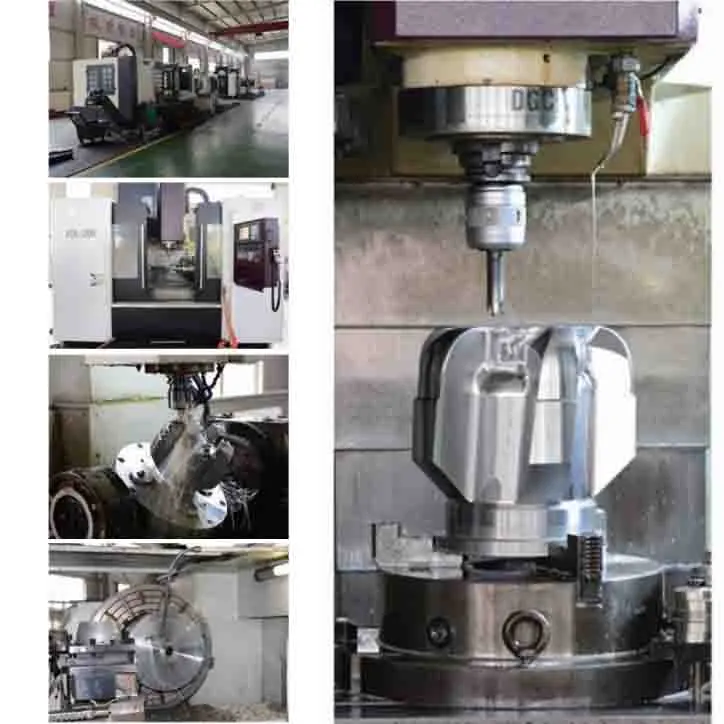
Maintenance, Usage, and Procurement Strategies to Maximize Bit Lifespan
Effective bit management includes more than just choosing the right product at the start. It also includes detailed upkeep plans and planned ways to buy bits. Scheduled regular inspections find possible problems before they become expensive failures. When bits are handled properly, they don't get damaged during shipping or storage, which could compromise their stability.
Disciplined Maintenance Protocols
Systematic inspection processes check the state of the cutter, the wear on the body, and the way the hydraulic fluid flows. Finding wear patterns early on lets you make proactive replacement choices that stop major failures before they happen. Keeping track of bit performance statistics helps with future purchasing choices and efforts to improve operations.
Cleaning methods get rid of dirt and drilling fluid leftovers that could speed up the rusting process. When bits are in sleep mode, they are protected from damage from the world by being stored in the right way. These care tasks make it possible for bits to last much longer while keeping their performance levels stable.
Strategic Procurement Considerations
By choosing certified providers, you can be sure that you will be able to get high-quality goods that meet strict performance standards. When evaluating a supplier, you should look at how customizable they are, how good their professional help is, and how many services they offer after the sale. For product optimization and cost reduction projects, long-term relationship growth opens up new possibilities.
Lead time management keeps product levels at the right amount and stops drilling delays. Warranty factors keep things from breaking down too soon and hold suppliers accountable. In competitive markets, keeping the drilling plan on track requires a reliable supply system.
Operational Best Practices
To get the most out of drilling as a whole, parameter optimization combines bit protection with penetration rates. Real-time tracking tools give information that can be used right away to make changes when things go wrong. Training programs make sure that people who work in drilling know how to properly handle bits and follow operating procedures.
Documentation systems keep track of how well bits work in a variety of forms and situations. This information from the past helps with choosing bits in the future and improving working parameters. Processes for continuous growth look for ways to improve efficiency and cut costs.
Case Studies and Future Outlook on 3-Blade PDC Bit Lifespan Enhancements
Real-world examples show how powerful 3 Blades Steel Body PDC Bit technologies can be used to make a big difference. Oil and gas companies say that changing to new designs makes digging much more efficient and extends the life of bits. Bit durability improvements lower the cost of tools and boost output in mining operations.
Quantifiable Performance Improvements
Field data from large digging projects shows that bits last 30 to 40 percent longer than bits made with older methods. There are strong economic benefits when penetration rates go up, and operating life stays the same. These improvements in performance directly lead to lower drilling costs and better project economics.
More reliable digging for water wells in difficult rocks is good for business. Because they last longer, geothermal projects need fewer bit changes and less downtime. People working in construction and mining say that longer bit lives and better drilling performance save them a lot of money.
Emerging Technology Trends
Advanced simulation methods are now used by AI apps to find the best bit design parameters. Machine learning systems look at drilling data to figure out which bits will work best in different rocks. These new technologies promise that bit speed and lifespan will get even better.
Smart material technologies with built-in sensors let you check on the state of the bit in real time while cutting. Predictive repair can help cut down on unexpected breakdowns and find the best time to fix things. These new ideas are what the future holds for digging technology.
More research is being done on new steel metal mixtures and improved coating technologies. Nanotechnology could lead to huge improvements in how well things fight wear and how stable they are at high temperatures. The ongoing development process makes sure that bit technology keeps getting better.
Conclusion
Drilling has made a lot of progress with 3-blade PDC bit technology thanks to new materials engineering, cutting structure optimization, and protection coating systems. These changes make it possible for operations to last longer while also lowering the total cost of drilling for procurement pros. When you choose the right advanced bit technologies, do regular repair, and make sure your operational parameters are just right, you can get the most out of your drilling expenses. New technologies like AI-driven design optimization and smart materials are still being developed, so the future looks bright for making bits even more durable and effective.
FAQ
1. What makes steel body construction superior for PDC bit durability?
When compared to matrix body options, the steel body design is much more resistant to impact and tougher. The strong steel frame can handle shock loads and uneven formations that could damage other types of bits. Steel parts also make it easier to fix things and make changes, which increases the total usefulness of the bit.
2. How do I choose between 3-blade and 4-blade PDC bit configurations?
Three-blade designs last longer and cut more aggressively in tough rocks, while four-blade designs make drilling go more smoothly. When choosing blade count, you should think about how hard the pattern is, what you want to drill, and how long you need it to last. Three-blade bits usually work best in situations where maximum impact protection is important.
3. What factors should I evaluate when sourcing high-quality PDC bits?
Check the supplier's Certifications, their ability to make changes, and the quality of their expert assistance. Check the insurance terms, see if there is after-sales service, and make sure the delivery is guaranteed. Think about the supplier's history with your particular product and how well they can offer ongoing expert support.
Partner with HNS for Superior 3 Blades Steel Body PDC Bit solutions.
HNS's 3 Blades Steel Body PDC Bits work exceptionally well because they mix decades of drilling experience with state-of-the-art manufacturing skills. Our Xi'an facility has high-tech 5-axis machining centers and precise CNC tools that make sure the highest level of quality control throughout the production process. Engineers with a lot of experience can make answers that are unique to your formation problems and operating needs. Get in touch with our expert team at hainaisen@hnsdrillbit.com to talk about your drilling goals and find out how our top 3 Blades Steel Body PDC Bit Manufacturer services can help you run your business more efficiently.
References
1. Smith, J.A., et al. "Advanced Materials in PDC Bit Manufacturing: Steel Body Innovations and Performance Enhancement." Journal of Petroleum Technology, Vol. 75, 2023.
2. Johnson, M.R. "Cutting Structure Optimization for Extended PDC Bit Life in Challenging Formations." SPE Drilling & Completion Engineering, 2023.
3. Chen, L. "Thermal Management and Coating Technologies in Modern PDC Bit Design." International Journal of Rock Mechanics and Mining Sciences, 2023.
4. Anderson, K.P. "Comparative Analysis of Steel Body vs. Matrix Body PDC Bits in Horizontal Drilling Applications." Drilling Technology Review, 2023.
5. Williams, T.S. "Procurement Strategies for Optimizing PDC Bit Performance and Cost Management." Oil & Gas Journal, 2023.
6. Rodriguez, C.M. "Predictive Maintenance and AI Applications in PDC Bit Technology Development." Advanced Drilling Technologies Quarterly, 2023.
logo 1_1768274683075.jpg) VIEW MORECoal Mine Drilling Opening And Closing Drill Bit
VIEW MORECoal Mine Drilling Opening And Closing Drill Bit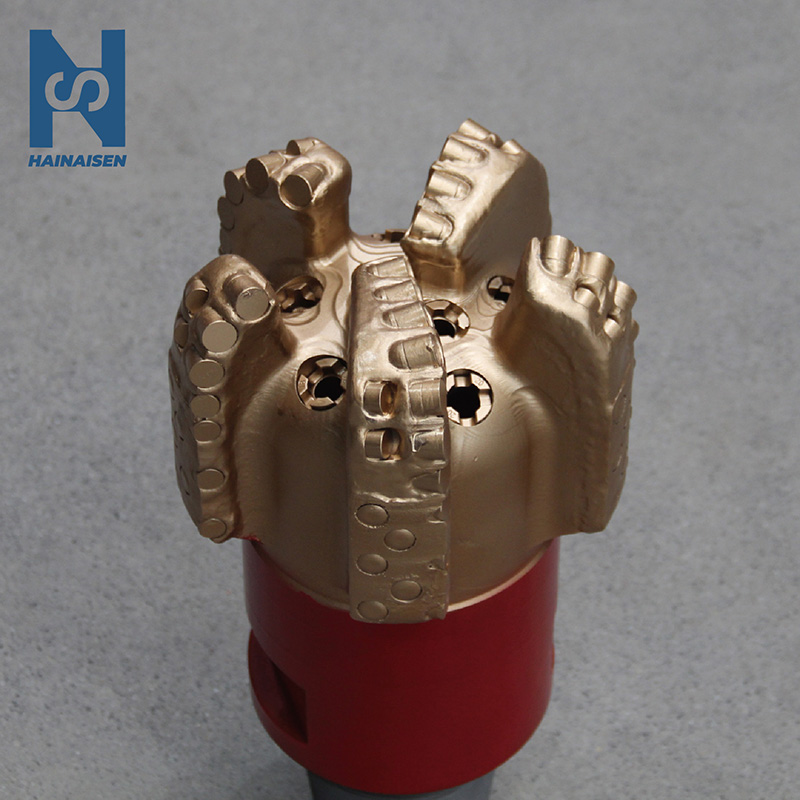 VIEW MOREOil Diamond Drill Bit
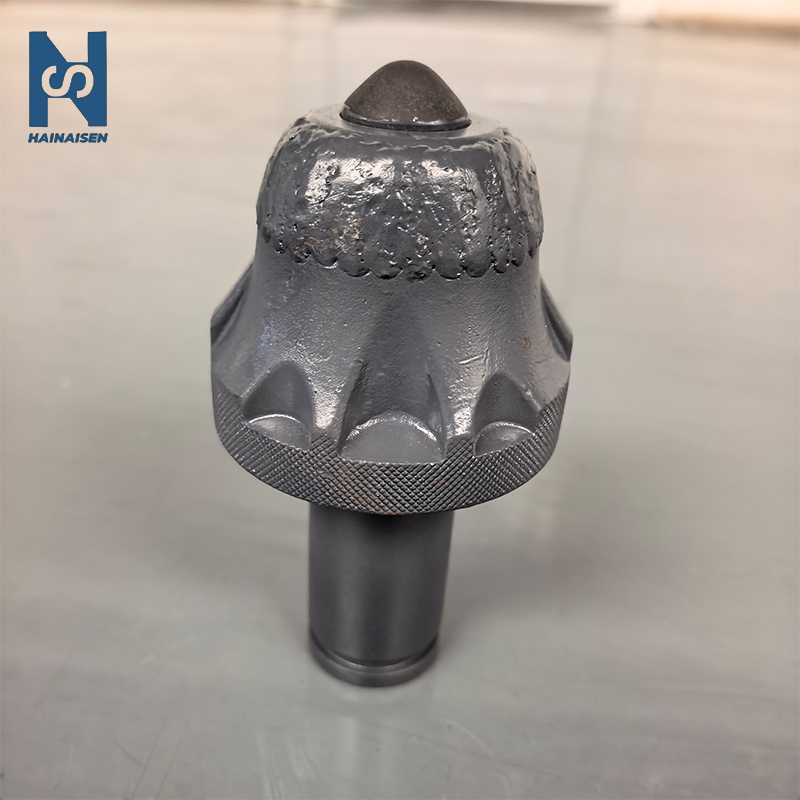 VIEW MOREDiamond Coal Mine Picks
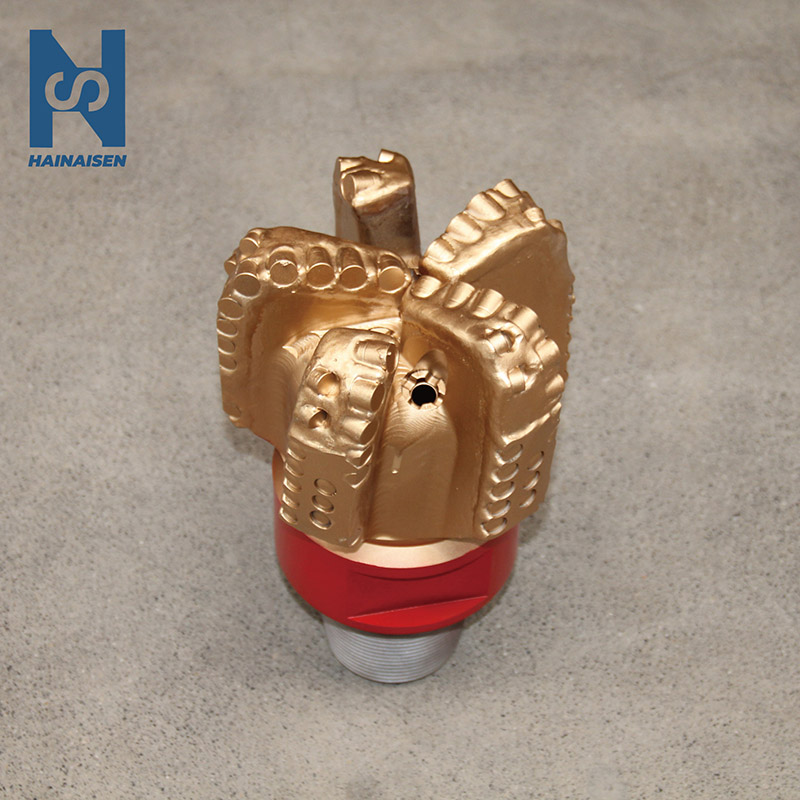 VIEW MOREDrilling Bit For Oil And Gas Rig
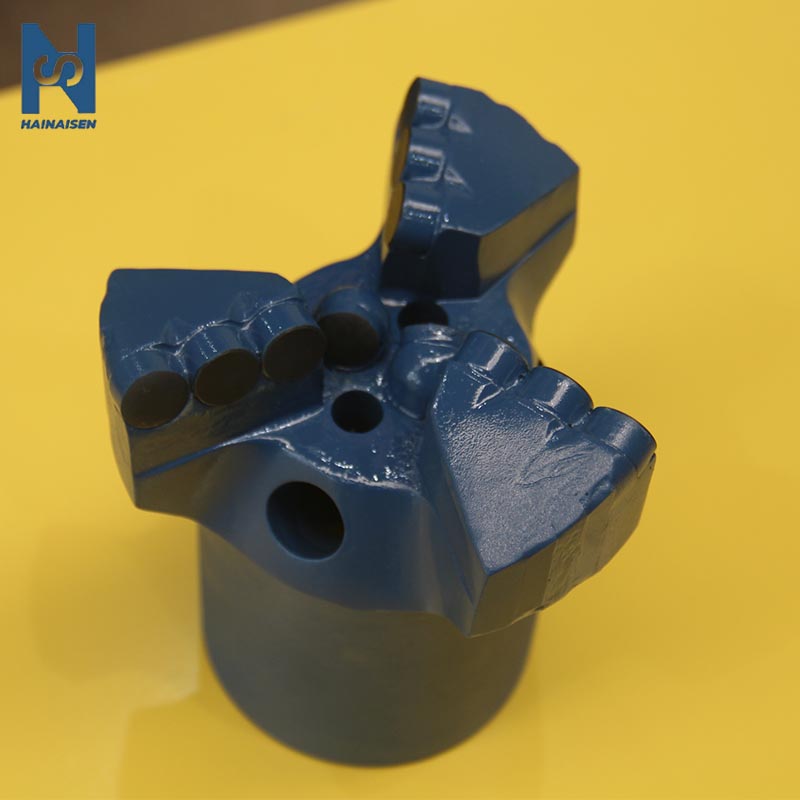 VIEW MOREPolycrystalline Diamond Drill Bits
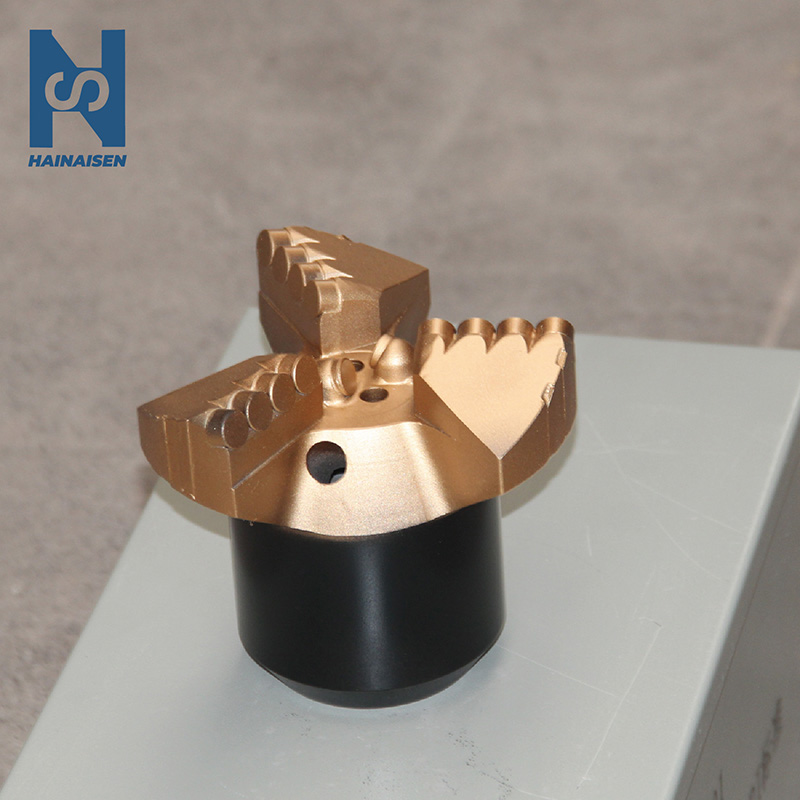 VIEW MORE153mm PDC Concave Bit
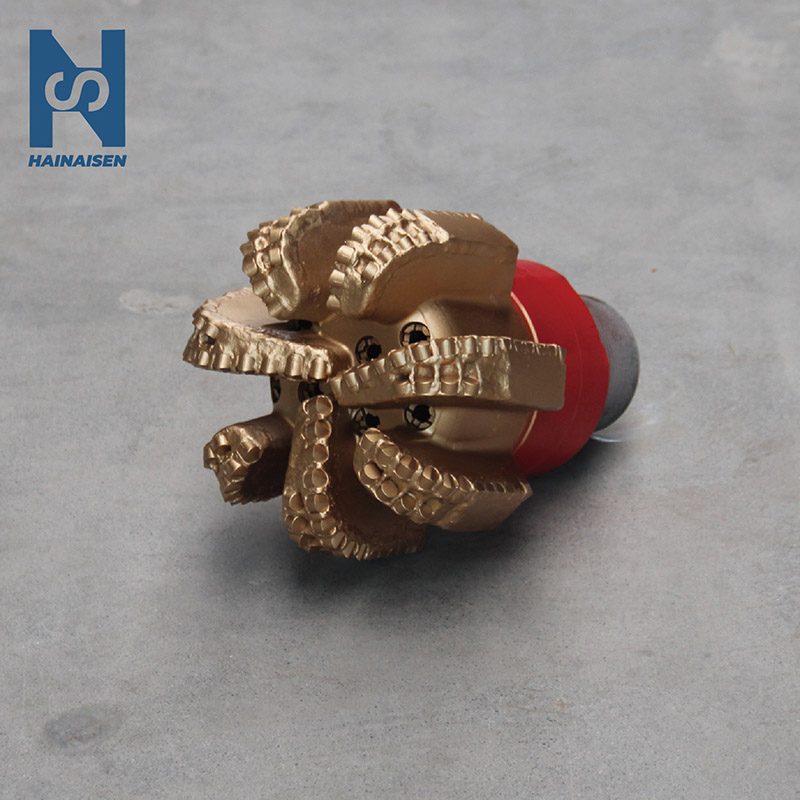 VIEW MORESeven Blade Wing Oil Drilling Drill Bit
 VIEW MOREApi Polycrystalline Diamond Drill Bit