5 Blade Steel Body PDC Bit for High-Speed Drilling Efficiency
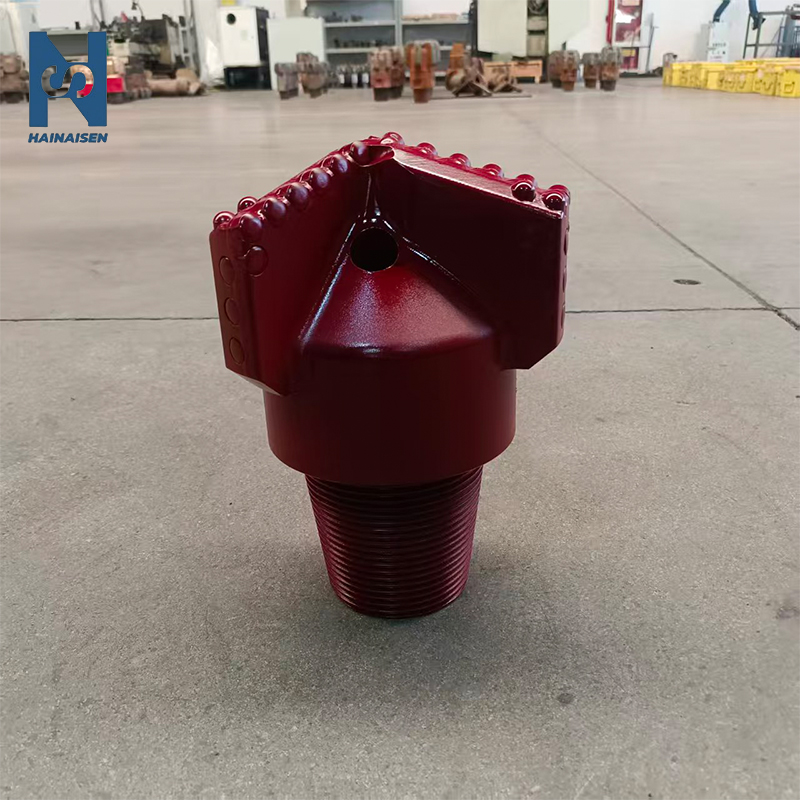
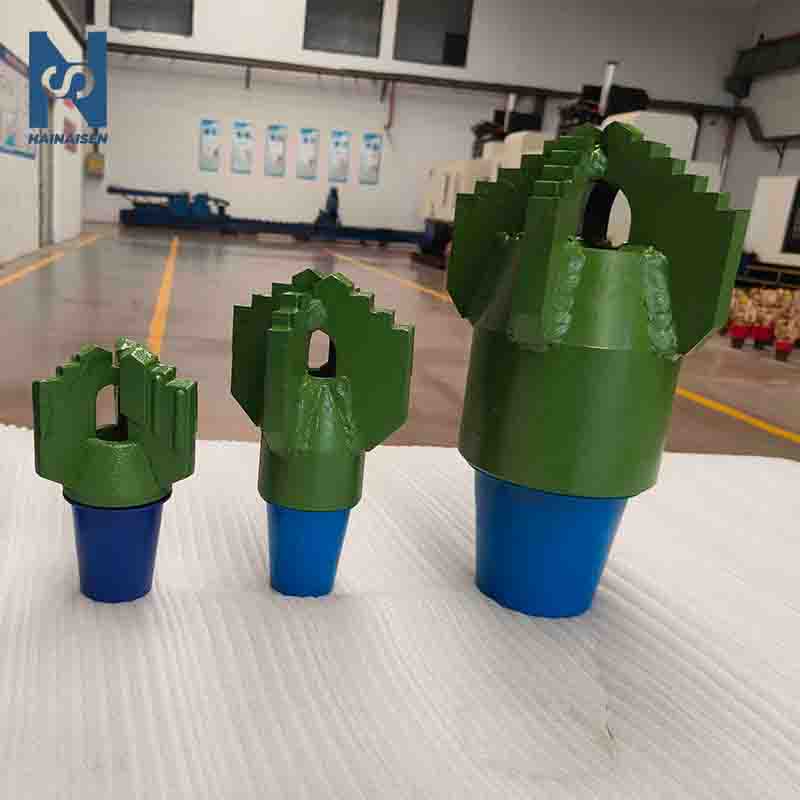
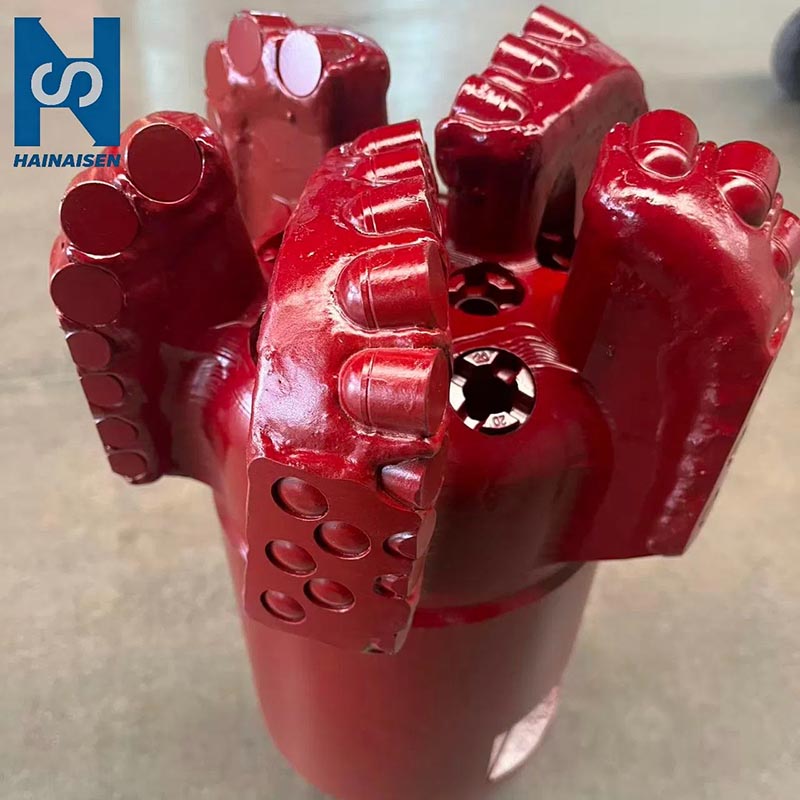
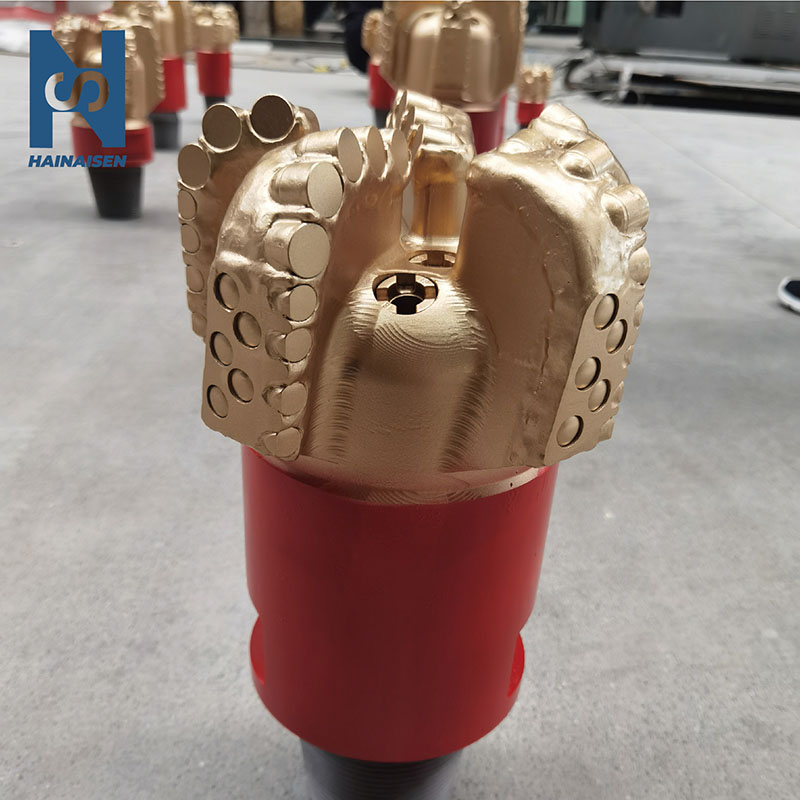
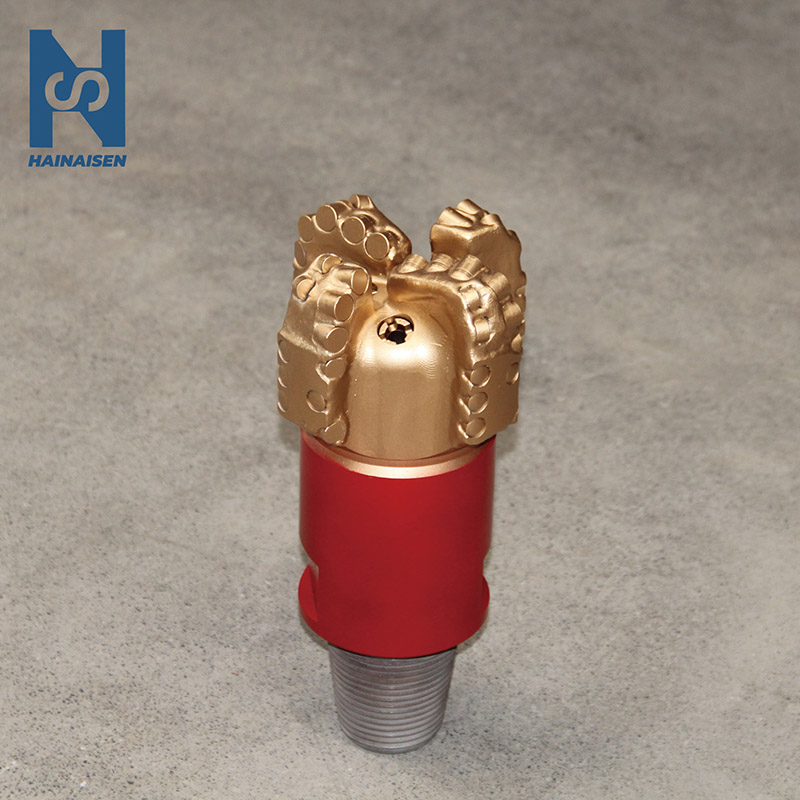
The 5 Blade Steel Body PDC Bit is an important tool for oil and gas extraction, coal mining, and building water wells because it makes digging more efficient, which in turn makes the project more profitable. Combining polycrystalline diamond compact cutters with a strong steel chassis that has five optimised blades, this specialised drilling tool works very well in medium-hardness rocks like shale, limestone, and sandstone. Compared to matrix-body options, the steel construction is more resistant to impact and still has an aggressive cutting action that increases penetration rates and decreases costly downtime.
Understanding the 5 Blade Steel Body PDC Bit
Core Structure and Engineering Principles
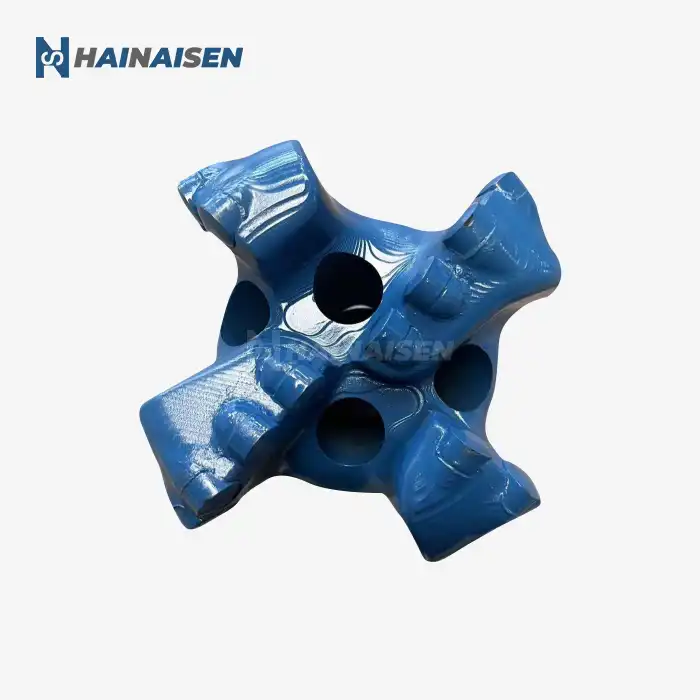
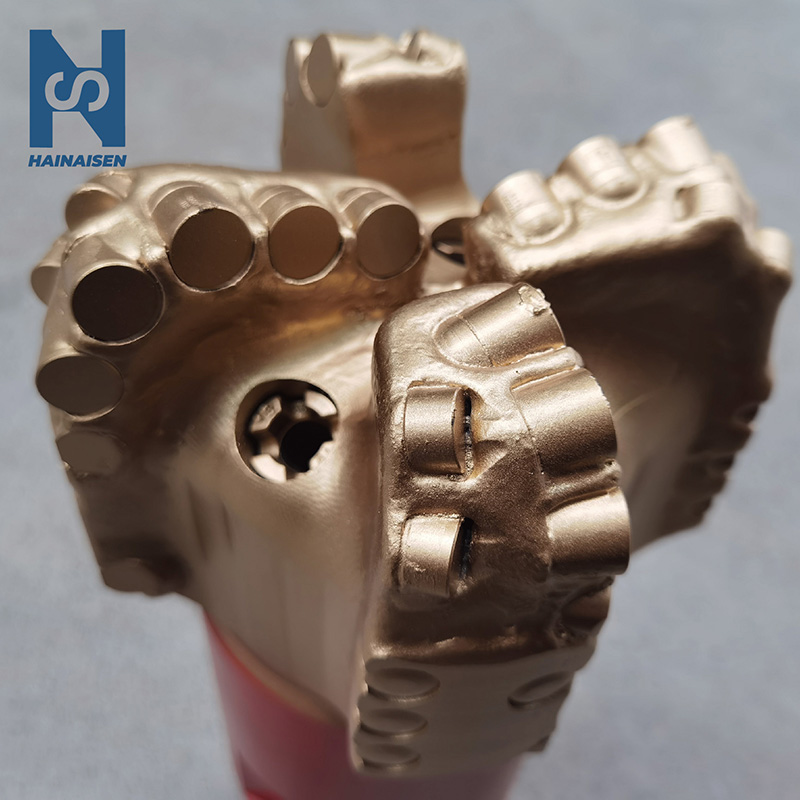
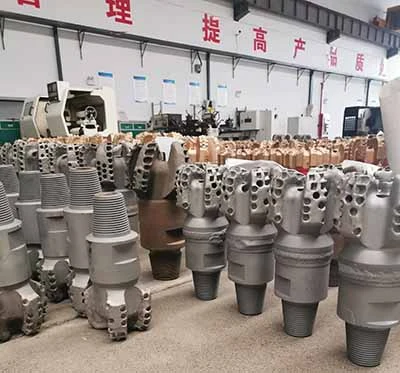
The steel body PDC bit is a big step forward in the technology used for drilling. This design, which is made from high-strength AISI 4145H alloy steel, gets around some of the main problems with standard matrix-body bits, like how brittle the material is and how few junk slots they can hold. The five-blade design lets engineers make thinner, more complicated geometries that make bigger paths for debris removal, stopping bits from balling up in sticky formations and keeping the structure strong in tough conditions. Each blade has several PDC cutters placed in a way that shears through rock formations instead of crushing them. Compared to roller cone options, this cutting action produces less heat and needs less weight on the bit. This directly leads to faster drilling speeds and less equipment wear. Five-blade designs often have a parabolic crown profile that combines cutting aggressively with lateral stability. This makes these bits especially useful when controlling direction is important.
Blade Configuration Advantages Over Alternative Designs
Three-blade bits offer excellent hydraulic efficiency and work well in softer, uniform formations, but they sacrifice stability when encountering interbedded layers. Six-blade configurations provide maximum durability in highly abrasive environments, yet often drill more slowly due to increased cutter interference. The five-blade design strikes an optimal balance, offering enhanced stability compared to three-blade variants while maintaining higher penetration rates than six-blade models. This middle-ground approach proves especially valuable in variable geology where formation characteristics change unpredictably. The blade spacing allows sufficient cutter exposure for aggressive cutting while providing enough structural support to absorb shock loads when hitting hard streaks. Drilling contractors report that five-blade steel body bits consistently deliver predictable performance across broader formation ranges than their three or six-blade counterparts.
Material Properties That Drive Performance
The steel body construction fundamentally changes how bits respond to operational stresses. Steel's ductility allows it to absorb impact energy without catastrophic failure, a critical advantage when drilling through formations with hard limestone stringers embedded in softer shale. The material's superior thermal conductivity efficiently dissipates heat away from cutting surfaces, preserving cutter sharpness and extending operational life between trips. Modern heat treatment processes further enhance these natural advantages. Controlled quenching and tempering create optimal hardness gradients throughout the bit body, maximizing surface wear resistance while maintaining core toughness. Surface treatments and specialized coatings add additional erosion protection in highly abrasive formations, effectively addressing the one area where traditional matrix bodies historically drill bits oilfield held an advantage.
Performance Analysis and Comparison for High-Speed Drilling
Operational Efficiency in Challenging Formations
Real-world drilling data demonstrates the performance capabilities of five-blade steel body PDC Bits across diverse geological settings. In West Texas shale plays, operators report average rate-of-penetration increases of 30-45% compared to previous-generation matrix bits when drilling through interbedded sequences. The combination of aggressive blade geometry and efficient debris evacuation allows sustained drilling speeds even as formation characteristics vary. The deep blade design serves dual functions that directly impact operational efficiency. When drilling medium-hard formations, the aggressive profile maintains high penetration rates by presenting fresh cutting surfaces to the formation continuously. When encountering harder, more abrasive zones, the same design channels drill fluid effectively across cutter faces, providing enhanced cooling that prevents thermal damage and maintains cutting efficiency throughout extended drilling intervals.
Blade Count Impact on Drilling Dynamics
Comparative field trials across blade configurations provide valuable performance insights. Three-blade bits achieve excellent hydraulic horsepower delivery to individual cutters, enabling impressive penetration rates in homogeneous soft formations. However, their limited blade contact area creates stability challenges in directional drilling, often requiring reduced drilling parameters that negate their theoretical efficiency advantages. Six-blade configurations maximize formation contact area, creating exceptionally stable drilling platforms that excel in maintaining directional targets through challenging formations. This stability comes at the cost of reduced ROP, as the increased number of cutters creates more friction and requires higher rotary torque. The additional blades also reduce available junk slot area, increasing bit balling risk in gummy shales. Five-blade designs optimize this trade-off for the broadest range of applications. The configuration provides sufficient blade contact for predictable directional behavior while maintaining aggressive cutting action. Drilling engineers particularly value this balance in coal mining applications where maintaining accurate bore paths matters as much as drilling speed, and in water well construction where contractors need reliable performance without extensive operational adjustments.
Practical Maintenance and Usage Tips to Maximize Bit Longevity
Recommended Operating Parameters for Optimal Performance
Achieving maximum efficiency and bit life requires matching operating parameters to formation characteristics and bit capabilities. Our steel body PDC bits perform optimally within specific parameter ranges that balance penetration rate against wear rate. Rotary speeds between 60-250 RPM suit most applications, with lower speeds appropriate for harder formations and higher speeds reserved for softer, non-abrasive intervals. Weight-on-bit requirements typically range from 20-110 kN, depending on formation strength and bit diameter. Starting drilling intervals with moderate WOB allows operators to gauge formation response before optimizing parameters upward. Excessive weight generates unnecessary heat and accelerates wear without proportional ROP gains. Flow rates between 30-40 liters per second ensure adequate cutter cooling and efficient cuttings removal, though specific requirements vary with bit size and hydraulic design. Formation-specific parameter optimization yields measurable performance improvements. When drilling limestone with moderate compressive strength, maintaining 120-180 RPM with 45-70 kN WOB typically maximizes efficiency. Softer shale intervals often respond well to increased rotary speed (180-220 RPM) with reduced weight (30-50 kN), allowing the cutters to shear cleanly through the formation without generating excessive heat or loading.
Troubleshooting Common Operational Issues
Recognizing and addressing problems promptly prevents minor drill bit oilfield issues from causing major failures. Sudden ROP decreases often indicate bit balling, where formation materials pack into junk slots and prevent effective cutting. Reducing the weight-on-bit while maintaining rotary speed and increasing the flow rate usually clears packed material. If balling persists, tripping out for a bit to clean may prove more economical than continued inefficient drilling. Increased vibration during drilling signals potential problems requiring immediate attention. Downhole vibration can indicate worn or damaged cutters creating unbalanced cutting forces. Reducing rotary speed and weight-on-bit often stabilizes drilling, though persistent vibration typically necessitates bit replacement. Ignoring vibration risks damaging not just the bit but also expensive downhole motors and measurement-while-drilling equipment. Premature cutter wear concentrated on specific blades suggests operational or design issues. Uneven wear often results from motor-bent housing that creates unbalanced loading across the bit face. Documenting wear patterns and sharing this information with suppliers enables collaborative problem-solving that improves performance on subsequent runs. Advanced Manufacturers offer custom blade and cutter configurations addressing application-specific wear patterns.
Procurement Insights: Choosing and Buying the Right 5 Blade Steel Body PDC Bit
Critical Selection Criteria for Purchasing Decisions
Successful bit procurement begins with accurate formation characterization. Geological data defining rock type, compressive strength, and abrasiveness directly inform appropriate bit selection. Medium-hardness formations with compressive strengths below 150 MPa represent ideal applications for five-blade steel body PDC bits, though specific designs handle somewhat harder formations effectively. Understanding formation variability helps procurement teams specify bits capable of handling geological uncertainty. Project objectives significantly influence optimal bit selection. Operations prioritizing maximum ROP may accept shorter bit life as an acceptable trade-off, suggesting aggressive blade profiles and cutter configurations. Projects where minimizing trips matters more than instantaneous drilling speed benefit from more conservative designs emphasizing durability. Water well drilling teams often prioritize cost-per-foot over absolute performance, making value-oriented bit selections more appropriate than premium options. Budget considerations extend beyond initial purchase price to encompass total cost-of-ownership. A premium bit costing 40% more that drills 80% farther delivers superior economic value compared to cheaper alternatives requiring more frequent replacement. Procurement managers serving large oil service companies recognize this distinction readily, though smaller water well drilling operations often focus necessarily on minimizing upfront investment. Understanding customer priorities allows suppliers to recommend solutions matching actual decision criteria.
Strategic Purchasing Approaches and Customization Options
Volume purchasing arrangements offer significant economic advantages for operations with predictable, ongoing drilling requirements. Committing to quarterly or annual bit purchases enables negotiated pricing that reduces per-unit costs by 15-30% compared to spot buying. Large oil service companies routinely establish such arrangements, though mid-sized coal mining operations and water well contractors can achieve similar benefits through buying cooperatives or consortia. Customization capabilities distinguish sophisticated manufacturers from basic suppliers. Operations encountering unique formation challenges benefit from tailored blade profiles, specialized cutter configurations, and application-specific hydraulic designs. The engineering collaboration required for effective customization creates additional value beyond the physical product, as manufacturers contribute technical expertise to solving operational challenges. Procurement teams should evaluate customization responsiveness and technical support capabilities alongside product specifications. Payment terms and delivery reliability matter as much as product quality in operational contexts where drilling schedules drive revenue. Suppliers maintaining adequate inventory deliver bits quickly when needed, preventing costly rig downtime. Flexible payment arrangements ease cash flow management, particularly for smaller contractors facing timing gaps between project payments and bit purchases. Establishing relationships with reliable suppliers creates operational stability that contributes materially to project success.
Case Studies & Future Outlook for 5 Blade Steel Body PDC Bit Usage
Documented Performance in Real-World Applications
A regional water well drilling contractor in Colorado 5 Blade Steel Body PDC Bit achieved remarkable results after transitioning to five-blade steel body PDC bits for their sandstone and limestone projects. Previously averaging 18-22 meters daily with tricone bits, their drilling performance improved to 35-42 meters daily while reducing bit costs per meter by 34%. The steel body construction proved particularly valuable when drilling through unpredictable formations where sudden hard streaks previously damaged matrix body bits regularly. Coal-bed methane operators in Wyoming documented similar advantages when adopting these bits for their specific challenges. Drilling through coal seams interspersed with sandstone and shale previously required frequent bit changes as matrix bodies failed when transitioning between soft coal and harder rock layers. Five-blade steel body bits drilled complete intervals without failure, reducing trips by 60% and cutting overall drilling time by 25%. These improvements translated directly into reduced contractor costs and accelerated production timelines. Geothermal well construction presents particularly demanding conditions where bit performance directly impacts project economics. A Nevada geothermal developer reported that steel body PDC bits maintained effective cutting action 40% longer than matrix alternatives when drilling through abrasive volcanic formations at elevated temperatures. The superior heat dissipation inherent in steel construction prevented thermal damage that degraded matrix bits prematurely, enabling extended runs that significantly reduced overall project drilling costs.
Market Trends and Environmental Considerations
Steel body PDC technology is being used more and more in North American drilling areas. More and more, operators are realising that total drilling performance and cost-per-foot metrics are more important than differences in the original cost of bits. This new way of thinking is especially good for steel body designs because they are flexible, which means they don't need as much inventory, and they can be rebuilt, which means they can last longer between service intervals for matrix bits. Environmental concerns are becoming more important in drilling practices and equipment choices. Steel body bits make less trash than matrix alternatives because they can be rebuilt, which greatly increases their useful life. When bits reach the end of their useful lives, steel parts can be recycled more easily than tungsten carbide matrix materials, which need to be processed in a special way. These benefits for the environment are in line with larger industry efforts to be more sustainable, and they also help the economy by lowering the cost of removal. Regulatory trends that want to have less of an impact on the environment create more benefits for technologies that allow for faster drilling with fewer trips. Each round trip of pulling and running the drill string uses fuel, releases pollution, and puts the environment at risk by requiring care. Bits that drill farther between trips directly lessen these effects and lower the costs of running the business. However, the performance of five-blade steel body PDC bits makes them a good choice as environmental concerns become more important in operational planning and buying tools.
Conclusion
The 5 Blade Steel Body PDC Bit delivers measurable advantages for drilling operations across diverse applications, from large-scale oil and gas projects to local water well construction. The balanced design optimizes penetration rate, directional stability, and operational lifespan, while the steel construction provides impact resistance and thermal management superior to matrix alternatives. Proper parameter selection and maintenance practices maximize these inherent advantages, delivering excellent cost-per-foot performance that benefits operations of every scale. As manufacturing technologies advance and environmental considerations gain importance, steel body PDC bits are positioned to become even more dominant across drilling applications demanding reliability, efficiency, and value.
FAQ
1. What formations work best with five-blade steel body PDC bits?
These bits excel in medium-hardness formations with compressive strengths typically below 150 MPa, including shale, limestone, sandstone, and gypsum. The steel body construction handles interbedded formations particularly well, where alternating hard and soft layers would damage more brittle matrix body designs. Coal-bed methane drilling represents an ideal application, as does water well construction in sedimentary formations. While they perform adequately in harder rock, extremely hard or highly abrasive formations may benefit from specialized designs with enhanced wear protection or alternative bit types.
2. How do operating costs compare between steel and matrix body bits?
Steel body PDC bits typically cost 15-25% less initially than comparable matrix designs, creating immediate budget advantages. Their real economic value emerges through extended service life and rebuild potential, as steel bodies accept cutter replacement more readily than matrix alternatives. Operators report 30-50% lower cost-per-foot in appropriate formations when accounting for total bit expenditure across complete drilling intervals. The precise economic advantage depends on specific formation characteristics and operational practices, though steel bodies generally deliver superior value in variable geology where versatility matters most.
3. What maintenance practices most effectively extend bit life?
Immediate cleaning after each run prevents formation debris from hardening and damaging cutting surfaces. Systematic inspection identifying wear patterns enables operational adjustments that optimize subsequent performance. Proper storage with corrosion protection preserves bits between uses, particularly important in humid environments. Operating within recommended parameter ranges prevents excessive wear and thermal damage. Maintaining detailed service records tracks performance trends that inform replacement decisions and help identify which bit designs deliver the best results in specific applications. Partnering with manufacturers offering technical support ensures you benefit from their application experience.
Partner With HNS for Your Steel Body PDC Bit Requirements
Shaanxi Hainaisen Petroleum Technology Co., Ltd. brings over a decade of specialized expertise in PDC bit manufacturing to support your drilling operations. Our 3,500-square-meter facility features advanced five-axis machining centers and CNC equipment that produce five-blade steel body PDC bits meeting the strictest quality standards demanded by major oil service companies, 5 Blade Steel Body PDC Bit, while offering the competitive pricing smaller operations require. As a dedicated 5 Blade Steel Body PDC Bit manufacturer, we provide complete customization capabilities through our in-house engineering team, designing optimized solutions for your specific formation challenges. Whether you operate large-scale oil exploration projects, coal mining operations, or water well drilling services, our technical support team collaborates with you to specify bits delivering maximum efficiency and value. Contact Us at hainaisen@hnsdrillbit.com to discuss your application requirements and experience the performance advantages that have made HNS a trusted supplier across the American drilling industry.
References
1. Bateman, R.M. (2018). Advanced PDC Bit Technology for Modern Drilling Operations. Houston: Petroleum Engineering Publications.
2. Chen, X., and Li, Y. (2020). "Thermal Analysis of Steel Body PDC Bits in High-Speed Drilling Applications." Journal of Petroleum Technology, 72(8), 45-53.
3. Hareland, G., and Rampersad, P.R. (2019). Drill Bit Selection and Optimization for Cost-Effective Drilling. London: Springer Publishing.
4. National Petroleum Council (2021). Drilling Efficiency and Technology Assessment Report. Washington, D.C.: U.S. Department of Energy.
5. Smith, J.D., Warren, T.M., and Winters, W.J. (2017). "Comparative Performance Analysis of Steel Body versus Matrix Body PDC Bits." SPE Drilling & Completion, 32(4), 289-301.
6. Turner, S., and Harrison, M. (2022). Modern Drilling Tools: Engineering, Performance, and Economic Analysis. Austin: Oil Field Engineering Press.