







How Does a 5 Blades PDC Oil Bit Reduce Bit Wear in Wells?
Reducing bit wear in oil and gas wells depends heavily on advanced drill bit design. The 5 Blades PDC Oil Bit achieves this through optimized blade geometry that distributes cutting forces evenly across the bit face, preventing localized stress concentrations that accelerate wear. Its polycrystalline diamond compact cutters deliver exceptional abrasion resistance, while strategic cutter placement and enhanced hydraulic channels efficiently evacuate cuttings and dissipate heat. These combined features minimize mechanical damage, thermal degradation, 5 Blades PDC Oil Bit and premature failure, extending operational life significantly compared to conventional bits.
Introduction
Drilling operations in the oil and gas sector face constant pressure to reduce costs while maintaining safety and efficiency. PDC drill bits have revolutionized the industry by offering superior penetration rates and extended service intervals. Among various configurations, the five-blade design represents a significant advancement in wear mitigation technology. We understand the challenges procurement managers and technical engineers encounter daily. Bit failures disrupt project timelines, inflate budgets, and pose safety hazards. During our decade of manufacturing experience at Shaanxi Hainaisen Petroleum Technology Co., Ltd., we've observed how inadequate bit selection directly impacts drilling economics. This guide examines how the five-blade polycrystalline diamond compact bit addresses these concerns through intelligent engineering and material science. Reducing wear matters because every hour of unplanned downtime costs thousands in rig fees, labor, and delayed production. The innovative geometry and cutter arrangement in modern PDC Bits extend operational life while maintaining aggressive penetration rates. For medium to large oil service companies requiring strict quality standards, understanding these wear reduction mechanisms informs smarter purchasing decisions and establishes foundations for long-term supplier relationships.
Understanding Bit Wear in Oil Well Drilling
Drilling through geological formations subjects bits to extreme conditions. Abrasive rock layers, particularly those containing quartz or other hard minerals, constantly grind against cutters. Rotational speeds ranging from 60 to 250 RPM generate significant friction, while drilling pressures between 30 and 180 KN create enormous compressive forces. These mechanical stresses combine with temperatures exceeding 150°C to create a punishing environment.
Primary Wear Mechanisms
Three dominant factors drive bit degradation. Abrasion occurs when hard formation particles scrape across cutter surfaces, gradually eroding the diamond layer. Impact damage happens during vibration or bit bounce, causing microfractures in cutters. Thermal wear develops when inadequate cooling allows excessive heat buildup, degrading the bond between diamond and carbide substrate. Each mechanism accelerates the others, creating a deterioration cycle that shortens the bit life.
Financial Impact on Operations
Analyzing the total cost of ownership reveals the true expense pdc drill bit of bit wear. A bit costing 20% less but lasting half as long ultimately costs 60% more per meter drilled when factoring replacement cycles and rig time. Technical engineers evaluating supplier options must calculate these lifecycle costs rather than focusing solely on purchase price. This analysis particularly benefits water well drilling teams operating on tight margins, where the right bit selection transforms project profitability.
Design Features of the 5-Blade PDC Oil Bit That Minimize Wear
Modern five-blade configurations incorporate multiple innovations that collectively extend operational life. The blade count strikes an optimal balance—fewer blades lack sufficient cutter coverage, while more blades restrict hydraulic flow. This design philosophy guides every aspect of our engineering at HNS.
Optimized Blade Geometry
Blade geometry determines how cutting forces distribute across the bit face. Our five-blade arrangement ensures adequate spacing between blades, allowing sufficient room for PDC cutters while maintaining structural integrity. Blade profiles can be straight, spiral, or hybrid configurations depending on formation characteristics. The blade angle, technically called rake angle, influences cutting aggressiveness and force requirements. We optimize these parameters through finite element analysis and field testing to minimize stress concentrations that cause premature wear. Each blade length provides surface area for strategic cutter placement while preserving junk slot volume for cutting evacuation. Longer blades accommodate more cutters for aggressive rock removal, but must balance against hydraulic performance requirements. Our engineering team analyzes specific formation data to determine ideal blade dimensions that maximize wear resistance without compromising drilling efficiency.
Enhanced Hydraulic Design
Fluid dynamics within the bit critically affect wear rates. Optimized hydraulic channels efficiently transport drilling fluid to the bit face, performing two essential functions. Cooling prevents thermal damage by dissipating frictional heat generated during rock cutting. Cutting removal eliminates abrasive rock particles from the bit face before they grind against cutters, substantially reducing abrasive wear. Our designs incorporate carefully sized junk slots—the spaces between blades—that balance structural strength against flow capacity. Flow rates between 45 and 80 liters per second provide adequate cooling and cleaning without creating excessive pressure drops. Nozzle placement directs high-velocity fluid jets precisely where needed, maximizing cooling effectiveness while minimizing erosion of bit body materials. These integrated design features work synergistically to minimize wear. The geometry distributes forces, cutters resist abrasion, strategic placement ensures even wear distribution, and hydraulics prevent thermal damage and particle accumulation. Together, they deliver measurably extended bit life in demanding applications.
How the 5 Blades PDC Oil Bit Works to Enhance Drilling Performance and Longevity
Understanding the operational mechanics reveals why five-blade configurations outperform alternatives in wear resistance. The interaction between bit design and formation creates drilling dynamics that either accelerate or mitigate wear.
Balanced Cutting Action
The five-blade configuration creates inherent balance during rotation. As the bit turns, cutting forces apply evenly around the circumference, minimizing lateral vibration that causes impact damage. This balance reduces PDC drill bit bounce—the tendency for bits to momentarily lose formation contact—which generates destructive shock loads when contact resumes. Smooth rotation enables consistent weight-on-bit application, allowing cutters to shear rock efficiently rather than crushing it through excessive force. Shearing requires less energy and generates less heat than crushing, directly reducing thermal wear. The balanced geometry maintains the hole trajectory more effectively, preventing the side loading that occurs when bits drift off course and grind against wellbore walls.
Real-World Performance Data
Field applications demonstrate measurable advantages. In a recent horizontal drilling project through interbedded shale and limestone formations, our five-blade PDC bit drilled 1,847 meters in a single run—64% farther than the previous three-blade bit used in offset wells. Post-run inspection revealed even wear patterns across all cutters with minimal thermal damage, validating the design's wear resistance. Another case involved coal-bed methane extraction wells in medium-hardness formations. Operators reported average penetration rates increased by 23% while bit life extended by 41% compared to their previous supplier. These improvements reduced overall drilling costs by 28% per well, creating substantial savings across their drilling program. For oil service companies with high-volume requirements, such performance gains translate directly to competitive advantages and improved project economics.
Comparing 5 Blades PDC Oil Bit with Other Bit Types for Wear Resistance
Selecting the optimal bit requires understanding how different designs perform under similar conditions. Each configuration offers distinct advantages depending on formation characteristics and drilling parameters.
Five-Blade vs. Three-Blade PDC Bits
Three-blade bits dominated early PDC designs, offering simplicity and large junk slots for cuttings evacuation. However, the geometry creates significant limitations. With only three contact points, cutting forces concentrate on fewer cutters, accelerating localized wear. The longer distance between blades increases vibration tendency, particularly in heterogeneous formations where hardness varies. Five-blade configurations distribute cutting forces across more contact points, reducing individual cutter loading by approximately 40%. This load distribution directly translates to slower wear rates. The additional blades provide more surface area for cutter placement, enabling designs that maintain aggressive penetration rates while extending service life. Enhanced stability from more contact points reduces vibration-induced impact damage, a common failure mode in three-blade bits operating in variable lithology.
Cost-Benefit Analysis
Total cost of ownership analysis reveals the economic advantages of five-blade PDC technology. Consider a typical horizontal drilling application requiring 2,500 meters of hole. A quality five-blade bit might cost $12,000 and drill the entire interval in one run. Three-blade alternatives costing $9,000 but requiring two bits to complete the section actually cost $18,000 in materials alone. Adding rig time for the bit change—typically 4-6 hours at $800 per hour—increases true costs to $21,200 or more. The five-blade bit saves $9,200 per well while reducing non-productive time. For large oil service companies evaluating long-term supplier relationships, these economics justify the detailed qualification process and support ongoing partnerships. The extended life and superior performance align with operational goals of minimizing downtime and controlling costs. Even for price-sensitive applications like water well drilling, the reduced trip frequency and faster penetration rates offset higher initial investment within a few projects.
Best Practices for Optimizing Usage and Maintenance of 5-Blade PDC Oil Bits
Maximizing bit performance requires proper application within the recommended 5 Blades PDC Oil Bit operating parameters. Even the best-designed bit fails prematurely when operated outside its intended envelope.
Operating Parameter Selection
Matching bit specifications to well conditions establishes the foundation for success. Our five-blade bits operate optimally at rotational speeds between 60-250 RPM, with specific recommendations varying by formation hardness. Softer formations like shale or gypsum permit higher RPMs for maximum penetration rates, while harder sandstone or limestone requires slower rotation to prevent cutter damage. Drilling pressure application between 30-180 KN must align with formation characteristics. Insufficient weight-on-bit reduces penetration efficiency and can cause bit whirl—erratic rotation that accelerates wear. Excessive pressure overloads cutters, causing chipping or fractures. Technical engineers should consult formation logs and offset well data to establish appropriate parameters before drilling begins. Fluid flow rates between 45 and 80 liters per second provide adequate hydraulics for cooling and cleaning. Lower flow rates risk thermal damage and cuttings accumulation, while excessive rates cause unnecessary pressure losses and potential formation damage. Maintaining proper mud properties—particularly density, viscosity, and solids content—ensures effective cuttings transport and cooling performance.
Preventive Maintenance Protocols
Regular inspection identifies developing problems before they cause catastrophic failures. Operators should monitor drilling parameters continuously, watching for sudden changes in torque, weight-on-bit, or penetration rate that indicate bit condition changes. Unexpected increases in vibration suggest damaged cutters or uneven wear requiring bit retrieval and inspection. When pulling bits for maintenance intervals or well section completion, thorough inspection documents wear patterns and informs future bit selection. Evaluate cutter wear distribution across the bit face—uneven patterns indicate parameter optimization opportunities. Examine junk slots for erosion or packing with formation materials. Check the bit body for cracks or erosion that might compromise structural integrity. Detailed records of bit performance—including footage drilled, formations encountered, operating parameters, and wear observations—build institutional knowledge that improves subsequent bit selections. This documentation proves particularly valuable for procurement managers negotiating with suppliers or evaluating competitive offerings.
Supplier Selection Considerations
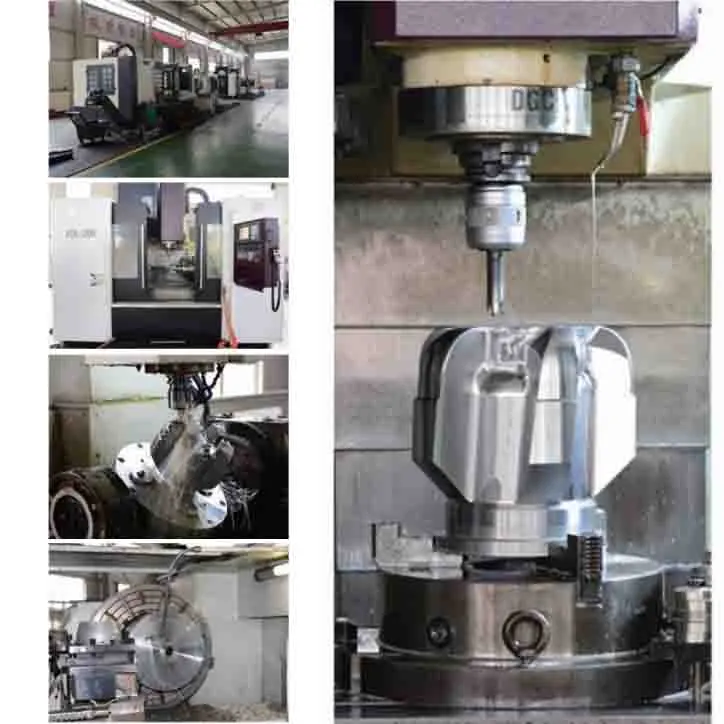
Sourcing bits from qualified Manufacturers ensures consistent performance and reliable supply chains. Established companies like HNS maintain rigorous quality control throughout manufacturing, from raw material selection through final inspection. Our 3,500 square meter facility employs 5-axis machining centers and CNC machine tools that deliver precise tolerances essential for optimal bit performance. Procurement specialists should evaluate suppliers on multiple criteria beyond price. Manufacturing capabilities indicate quality potential—advanced equipment and processes correlate with superior products. Technical support availability helps optimize bit selection and application, particularly for challenging wells. Customization services address unique formation requirements that standard designs cannot accommodate effectively. Lead times and inventory management affect project scheduling. Reliable suppliers maintain an adequate stock of common configurations while offering reasonable delivery timelines for custom designs. After-sales support, including performance analysis and troubleshooting assistance, adds value beyond the physical product. For medium and large-sized oil service companies operating multiple rigs simultaneously, establishing relationships with dependable suppliers minimizes supply chain disruptions that halt operations.
Conclusion
The five-blade PDC drill bit represents a significant advancement in wear reduction technology for oil and gas drilling applications. Through optimized blade geometry, advanced diamond cutter materials, strategic cutter placement, and enhanced hydraulic design, these bits deliver measurably extended service life compared to alternative configurations. The balanced cutting action minimizes destructive vibration while superior heat dissipation preserves cutter integrity during extended runs. Cost-benefit analyses consistently demonstrate that higher initial investment in quality five-blade bits reduces total drilling costs through fewer bit changes, decreased non-productive time, and improved penetration rates. Proper selection of operating parameters combined with preventive maintenance protocols maximizes performance and return on investment across diverse applications from offshore oil production to coal-bed methane extraction.
FAQ
1. What is the typical lifespan of a 5-blade PDC Oil Bit in challenging formations?
Bit lifespan varies significantly based on formation abrasiveness, drilling parameters, and bit quality. In medium-hardness formations like shale, limestone, or sandstone, quality five-blade bits typically drill 1,200-2,500 meters per run. Highly abrasive formations containing significant quartz content may reduce this to 600-1,000 meters, while softer strata sometimes permit 3,000+ meters. Proper parameter selection and adherence to recommended operating envelopes substantially influence longevity.
2. Can 5 Blades PDC Oil Bits be customized for specific well conditions?
Comprehensive customization addresses unique drilling challenges. Blade profile, cutter size and density, hydraulic configuration, and body materials can be tailored to specific formation characteristics and drilling objectives. Our engineering team analyzes geological data, offset well performance, and operational parameters to design optimized bits. Customization typically requires 4-6 weeks for design validation and manufacturing, with costs varying based on specification complexity.
3. What indicators suggest a 5-blade PDC Oil Bit should be replaced?
Several signs indicate a diminished bit condition requiring replacement. Sudden penetration rate decreases suggest significant cutter wear or damage. Increased torque or weight-on-bit requirements to maintain penetration indicate dull cutters. Elevated vibration levels signal uneven wear or damaged cutters. Drilling parameter instability—fluctuating torque or RPM—suggests bit imbalance from lost cutters. Preventive replacement before catastrophic failure prevents costly downhole complications and optimizes overall drilling economics.
Partner with HNS for Superior 5 Blades PDC Oil Bit Solutions
At Shaanxi Hainaisen Petroleum Technology Co., Ltd., we manufacture premium five-blade polycrystalline diamond compact bits engineered specifically for challenging oil and gas drilling environments. Our innovative designs deliver enhanced cutting efficiency, superior wear resistance, and optimized hydraulics that extend bit life while increasing penetration rates. Whether you require standard configurations for common formations or custom solutions tailored to unique geological conditions, our experienced engineering team collaborates closely with your technical staff to specify 5 Blades PDC Oil Bit optimal bit designs. As a trusted 5 Blades PDC Oil Bit manufacturer, we support procurement managers and drilling engineers with comprehensive technical consultation, competitive bulk pricing, and reliable delivery schedules. Contact our team at hainaisen@hnsdrillbit.com to discuss your specific requirements and discover how HNS technology reduces your drilling costs while improving operational reliability.
References
1. Bellin, F. and Roberts, T. (2018). "PDC Bit Technology Advances and Performance Optimization in Directional Drilling Applications." SPE Drilling & Completion Engineering Journal, Vol. 33, No. 2, pp. 147-162.
2. Chen, S. and Warren, T. (2019). "Wear Mechanisms and Life Prediction of Polycrystalline Diamond Compact Cutters in Oil Well Drilling." Journal of Petroleum Science and Engineering, Vol. 175, pp. 519-531.
3. Dupriest, F. E. and Koederitz, W. L. (2020). "Maximizing Drill Bit Performance Through Advanced Design Optimization and Real-Time Parameter Control." International Association of Drilling Contractors Technical Paper Series, Houston, Texas.
4. Hareland, G. and Rampersad, P. R. (2017). "Drill Bit Selection and Optimization Based on Formation Characteristics and Drilling Performance Analysis." Journal of Canadian Petroleum Technology, Vol. 56, No. 4, pp. 245-258.
5. Pryhorovska, T. O. and Chaplinskiy, S. S. (2021). "Finite Element Modeling of PDC Drill Bit Thermal Behavior and Wear Prediction Under Downhole Conditions." Engineering Failure Analysis, Vol. 122, Article 105246.
6. Yahiaoui, M. and Feustel, A. J. (2019). "PDC Bit Performance Optimization Through Hydraulic Design Enhancement and Cuttings Transport Analysis." Rock Mechanics and Rock Engineering, Vol. 52, No. 8, pp. 2847-2865.
 VIEW MOREPDC Diamond Bit
 VIEW MOREForging Deep Rock Well Drilling Bits PDC Mining Bit
 VIEW MORE4 1/2" IADC 537 Tricone Rock Bit
 VIEW MOREThree Blade Wing Arc Angle Drill Bit
logo 1_1777361785830.jpg) VIEW MORE94mm PDC Flat Top Sintered Drill Bit
VIEW MORE94mm PDC Flat Top Sintered Drill Bit VIEW MOREApi Polycrystalline Diamond Drill Bit
 VIEW MOREDirectional Well PDC Drill Bit
 VIEW MOREPDC Mining Bit
