







6 Wings PDC Drill Bit for High Stability in Directional Wells
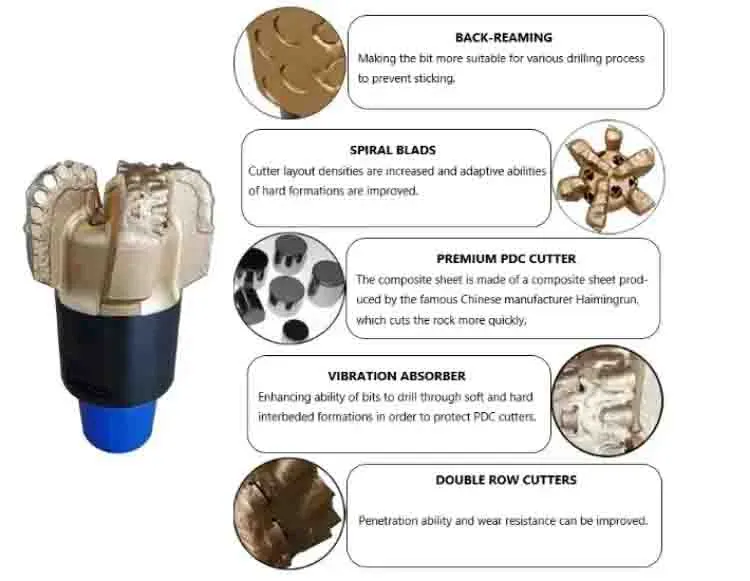
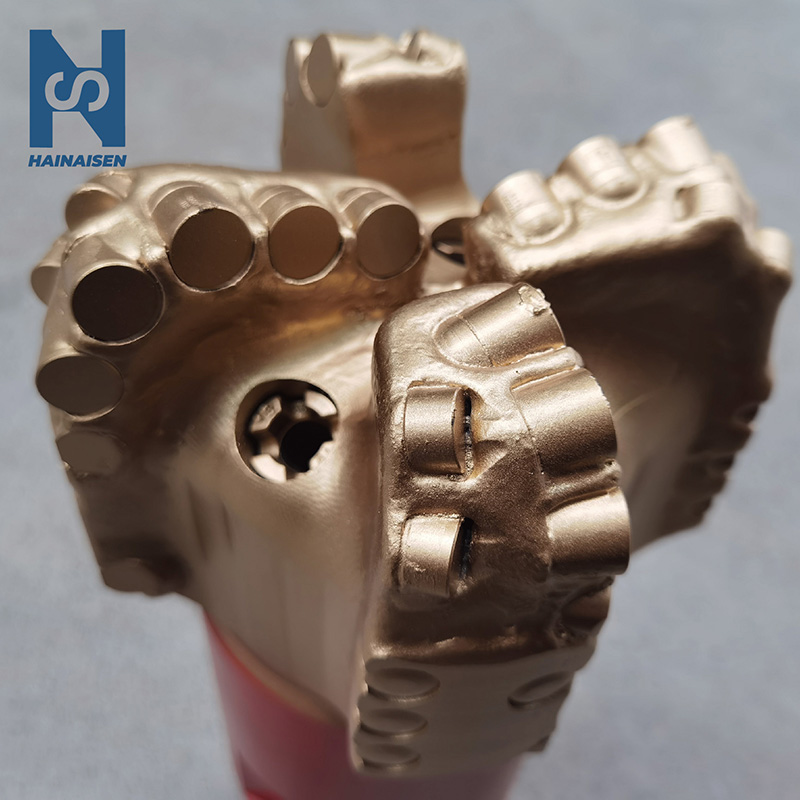
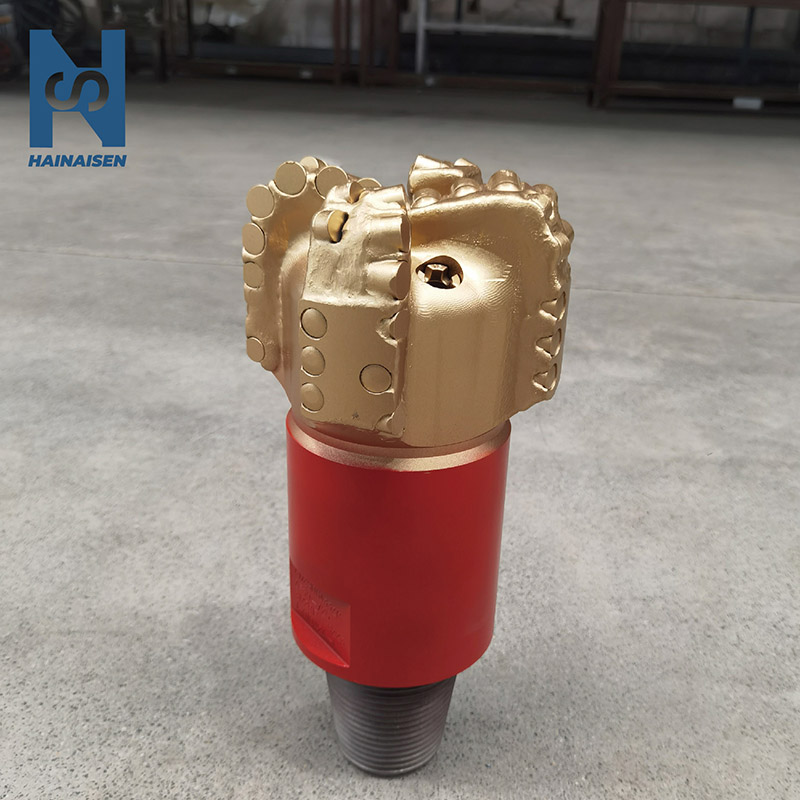
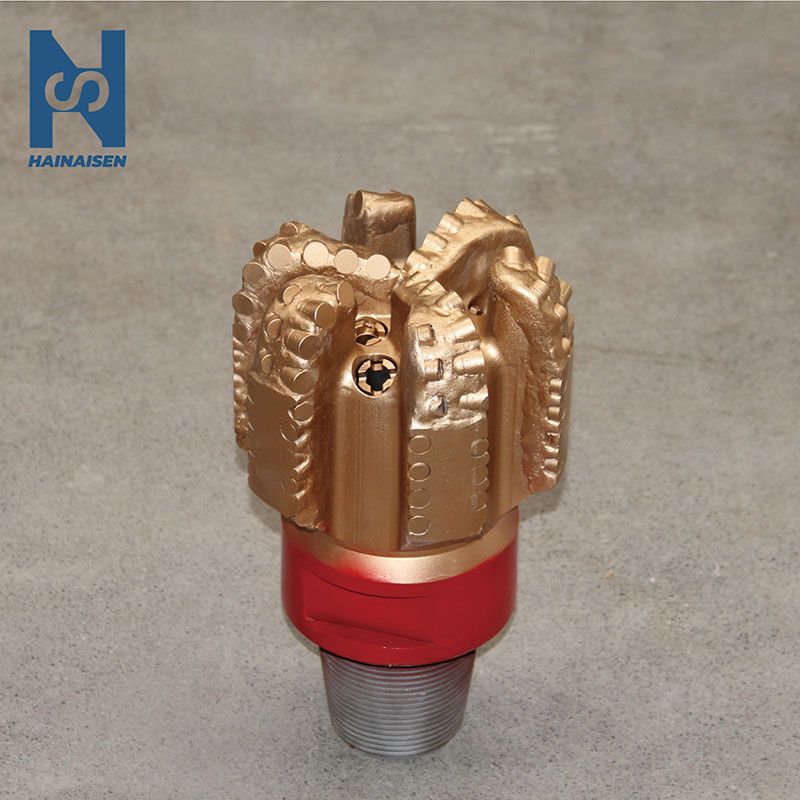
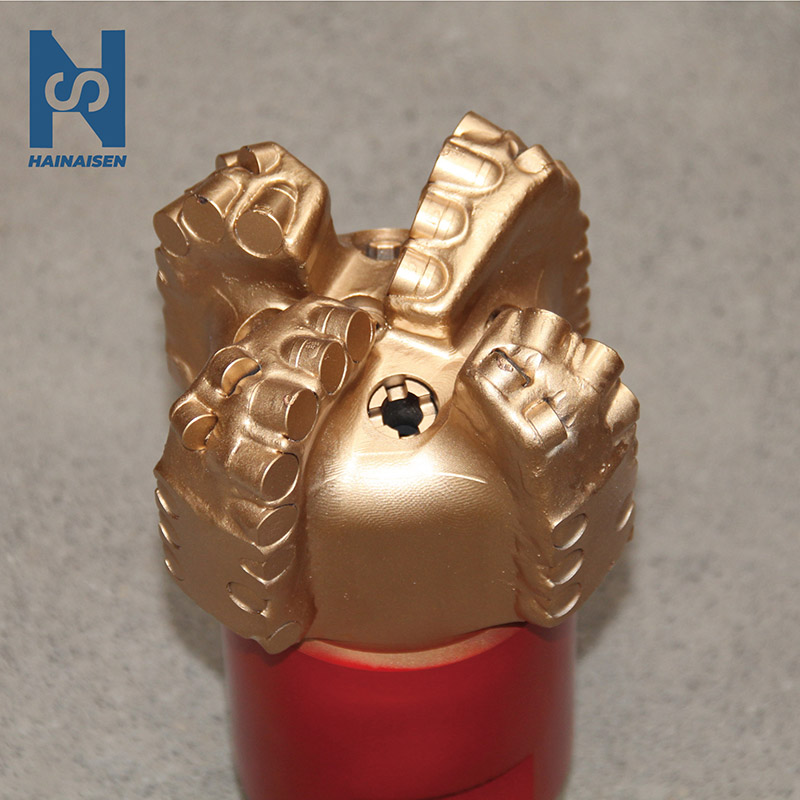
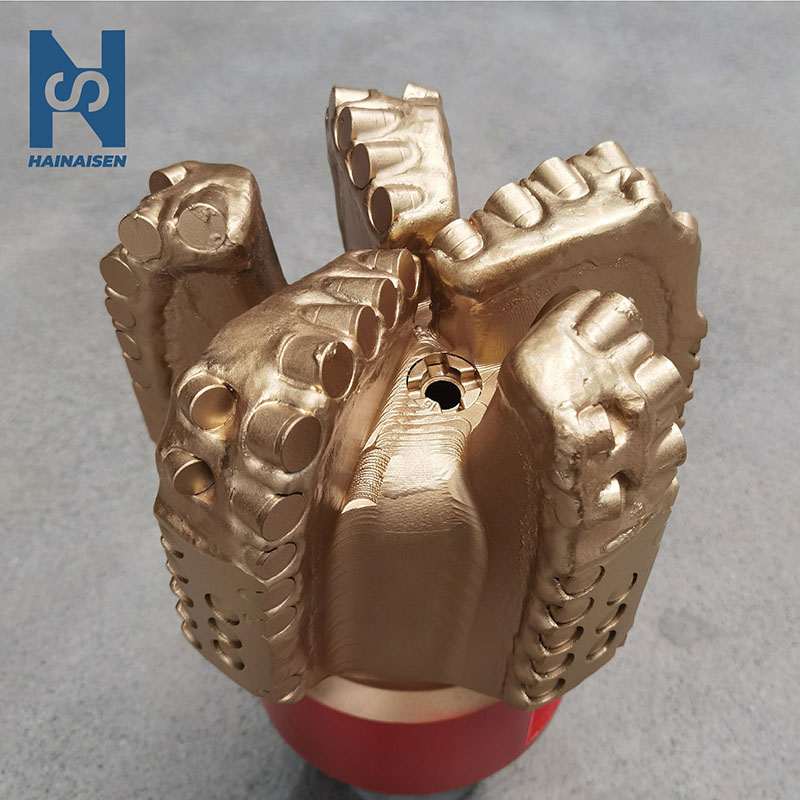
The 6 Wings PDC Drill Bit is a well-thought-out answer to important operational problems when directional drilling needs to be precise and reliable. This special tool has six radial blades with polycrystalline diamond compact cutters spread out across them. This gives the tool better stability and less shaking when it's moving along complex well paths. The six-wing architecture spreads cutting forces more widely than traditional three- or four-wing designs. This reduces bit whirl while keeping aggressive penetration rates in medium-hardness formations like shale, limestone, and sandstone.
Understanding the 6 Wings PDC Drill Bit
Engineering Behind the Six-Wing Design
The change from standard bit designs to six-wing systems is the result of decades of studying how well drills work. Each wing is a structural frame that holds up several PDC cutters that are set up at specific back-rake and side-rake angles. The higher wing count and this arrangement make shearing more efficient. Contact is better spread across the borehole face. Our way of making things uses high-quality alloy steel bodies and tungsten carbide matrix supports to make strong parts that can withstand the erosive forces that are found in directional wells.
Material Composition and Structural Integrity
In tough drilling environments, efficiency and durability are defined by high-quality materials. The steel body gives it basic strength, and thermal stability engineering in the modern PDC cutters lets them work in temperatures above 700°C. When tungsten carbide is added to key wear areas, the operational life is greatly increased compared to standard tool steel options. These choices of materials are in line with API standards for protecting gauges and making threaded connections. They keep diameter errors within 0.02mm over long drilling intervals.
Hydraulic Optimization for Cuttings Management
Effective debris removal proves essential for maintaining penetration rates and preventing premature bit failure. The six-wing configuration creates optimized junk slots between blades, facilitating efficient cuttings evacuation even in sticky formations. Internal nozzle positioning channels drill fluid to strategic zones, providing simultaneous cooling and cleaning functions. Our flow rate specifications of 30-40 liters per second ensure adequate hydraulic energy reaches the cutting face while maintaining pressure balance drill bit oil rig throughout the drilling system.
Benefits and Applications of 6-Wing PDC Drill Bits in Directional Wells
Enhanced Penetration and Operational Efficiency
The rate of penetration improvements directly impacts project economics and timeline adherence. The six-wing design achieves these gains through balanced cutter loading and reduced frictional resistance. Operators across the oil and gas sectors report 15-25% ROP increases compared to four-wing equivalents in similar geological conditions. This performance advantage stems from the bit's ability to maintain stable cutting action despite directional steering adjustments that typically compromise conventional bit effectiveness. Vibration reduction represents another measurable benefit. Excessive lateral movement accelerates wear patterns and can damage downhole instruments critical to directional control. Our six-wing geometry dampens these oscillations through improved weight distribution, extending both bit life and the operational integrity of surrounding drilling assemblies.
Versatile Application Across Multiple Sectors
Different industries leverage this technology for specific operational needs:
- Oil and Gas Operations: Directional wells reaching hydrocarbon reservoirs require precise steering through varied geological layers. The stability offered by six-wing bits enables consistent trajectory control, reducing correction runs and associated costs.
- Coal Bed Methane Extraction: These projects often navigate softer formations where bit balling poses challenges. The enhanced junk slot clearance prevents cutting accumulation that would otherwise impair cutting efficiency.
- Geothermal and Water Well Drilling: Temperature extremes and abrasive minerals test material durability. The thermal stability of our PDC cutters maintains cutting-edge integrity where conventional materials fail.
- Mining and Mineral Exploration: When advancing through mixed hardness formations, the balanced cutter distribution prevents premature wear on individual cutting elements, extending intervals between bit changes.
Maintenance practices amplify these benefits. Routine inspections identifying heat checking or micro-cracks enable timely interventions before catastrophic failures occur. Proper storage protocols, preventing cutter damage during transport, further protect your equipment investment.
Comparison: 6 Wings PDC Drill Bits vs Other Drill Bit Types
Performance Against Four-Wing PDC Configurations
The incremental advantage of adding two wings manifests in measurable ways. Four-wing designs concentrate cutting forces across fewer contact points, increasing individual cutter loading and accelerating wear rates. The six-wing alternative distributes identical weight-on-bit across additional cutters, reducing per-element stress by approximately 30%. This translates to extended operational intervals before gauge wear necessitates bit retirement. Directional stability improvements prove equally significant—the additional wings provide greater resistance to side loading during steering maneuvers, maintaining the intended trajectory with fewer corrective adjustments.
Tricone Bits and Their Operational Context
Tricone roller cone bits dominated drilling drill bit oil rig operations for decades through reliable performance across variable formations. However, their mechanical complexity introduces maintenance requirements and operational limitations. The rotating cone assemblies contain bearings susceptible to seal failures in high-temperature environments, whereas PDC Bits feature no moving parts beyond the drill string rotation itself. Energy efficiency comparisons favor PDC technology—the shearing action requires less torque than the crushing mechanism of tricone designs, reducing fuel consumption and equipment strain during extended drilling campaigns.
Eight-Wing Configurations and Diminishing Returns
While additional wings theoretically enhance stability, practical limitations emerge. Eight-wing designs reduce junk slot dimensions, restricting the evacuation capacity. The compromised hydraulics can lead to bit balling in certain formations, negating stability advantages. Manufacturing complexity increases costs without proportional performance gains for most directional drilling scenarios, making six-wing configurations the optimal balance between stability, hydraulics, and economic viability.
Procurement Guide: Buying 6 Wings PDC Drill Bits for Your Projects
Evaluating Manufacturer Credentials and Capabilities
Selecting a reliable supplier requires examining multiple qualification factors beyond initial pricing. Manufacturing facility specifications indicate production capacity and quality control infrastructure. Advanced machining equipment, like five-axis CNC centers, ensures precise cutter placement and body geometry tolerances critical to performance consistency. Our Xi'an facility's 3,500 square meters houses dedicated production lines where each bit undergoes comprehensive inspection protocols before shipment. Certification compliance demonstrates adherence to industry standards that protect your operational integrity. Verify that prospective suppliers maintain quality management systems aligned with international benchmarks. Our rigorous material testing and stage-gate production reviews ensure every delivered bit meets specified performance criteria.
Customization Options for Formation-Specific Requirements
Geological variability demands adaptable tooling solutions. Standard catalog offerings rarely match the precise conditions of specialized projects. Our engineering team collaborates with clients to analyze formation characteristics, drilling parameters, and directional objectives before recommending cutter configurations, hydraulic designs, and body materials. This consultative approach transforms bits from commodity purchases into engineered solutions addressing your unique operational challenges. Customization extends beyond initial design. Iteration capabilities allow refinement based on field performance data, creating continuous improvement cycles that optimize subsequent bit generations for your specific 6 Wings PDC Drill Bit applications.
Pricing Structures and Total Cost Considerations
Procurement decisions balancing initial investment against lifecycle value yield superior outcomes compared to lowest-bid approaches. Bulk order arrangements provide economies of scale, particularly valuable for large drilling programs requiring multiple bits. Warranty coverage protecting against premature failures and manufacturing defects adds risk mitigation worth evaluating during vendor comparisons. Delivery logistics impact project timelines significantly. Domestic suppliers within North American markets offer shorter lead times and simplified logistics compared to international sourcing, reducing inventory holding costs and schedule risks. Our strategic partnerships enable responsive fulfillment supporting just-in-time procurement strategies.
Future Trends and Innovations in 6 Wings PDC Drill Bit Technology
Advanced Material Science Developments
Ongoing research into cutter substrate materials promises enhanced performance characteristics. Emerging composite formulations exhibit improved thermal conductivity, enabling more efficient heat dissipation during high-speed drilling. These innovations extend cutter life in abrasive formations while maintaining edge sharpness across longer intervals. Lightweight alloy development reduces overall bit weight without compromising structural integrity, benefiting directional drilling assemblies where weight management affects steering responsiveness.
Digital Integration and Performance Monitoring
The convergence of drilling tools with sensor technology creates opportunities for real-time performance optimization. Embedded monitoring systems tracking temperature, vibration, and torque patterns enable predictive maintenance strategies, alerting operators to developing issues before failures occur. Data analytics applied to drilling parameters and geological conditions inform bit selection algorithms, improving first-run success rates and reducing non-productive time.
Market Evolution and Operational Complexity
Growing demand for unconventional resources pushes drilling into increasingly challenging environments. Deeper wells, higher temperatures, and more aggressive directional profiles require continuous tool evolution. The six-wing PDC configuration provides a proven platform for incorporating these advanced features, positioning it as a foundational technology adapting to industry needs rather than a temporary solution requiring replacement.
Conclusion
The 6 Wings PDC Drill Bit addresses fundamental directional drilling challenges through engineered design, premium materials, and optimized hydraulics. Its balanced wing geometry delivers stability improvements and penetration efficiency across diverse geological conditions, supporting applications from oil and gas extraction to water well construction. Procurement success depends on evaluating Manufacturer capabilities, customization options, and total lifecycle costs rather than initial pricing alone. As drilling operations advance toward greater complexity and environmental accountability, this technology platform continues evolving through material science innovations and digital integration, ensuring relevance for future operational demands.
FAQ
1. What lifespan can operators expect from six-wing bits in directional drilling?
Bit longevity varies with geological conditions and operating parameters. In medium-hardness formations matching our recommended specifications—shale, limestone, and sandstone with compressive strengths below 100 MPa—properly maintained bits typically deliver 300-500 meters of directional drilling. Harder formations reduce these intervals, while optimal parameter control and hydraulics management extend performance. Inspection protocols identifying early wear patterns enable proactive retirement before catastrophic failures compromise hole quality.
2. Can six-wing PDC bits accommodate different rock formation requirements?
Customization capabilities address formation variability effectively. Our engineering team modifies cutter density, positioning, and body profiles to match specific geological characteristics. Projects encountering interbedded formations benefit from hybrid designs balancing aggressive cutting in softer zones with durability in harder layers. Consultation during procurement identifies these requirements, ensuring delivered tools match operational realities rather than generic specifications.
3. What maintenance practices maximize bit performance and longevity?
Preventive care begins with proper handling during transport and storage, protecting cutters from impact damage. Pre-run inspections verify thread integrity and identify shipping damage before deployment. Post-run cleaning removes formation debris that can mask developing wear patterns. Systematic documentation tracking footage, parameters, and observed wear creates performance databases informing future bit selections and operational adjustments that optimize drilling efficiency.
Partner with HNS for Superior Directional Drilling Solutions
Our extensive experience since 2013 positions us as a trusted 6 Wings PDC Drill Bit manufacturer capable of supporting your most demanding projects. At Shaanxi Hainaisen Petroleum Technology Co., Ltd., we combine advanced manufacturing infrastructure with dedicated R&D expertise, delivering customized solutions tailored to your specific geological and operational requirements. Whether your focus involves oil and gas exploration, coal bed methane extraction, or water well construction, our engineering team provides consultation ensuring optimal bit selection and configuration. Contact Us at hainaisen@hnsdrillbit.com to discuss how our directional drilling tools can enhance your operational efficiency, reduce non-productive time, and improve project economics through proven performance and responsive technical support.
References
1. Smith, J.R. & Thompson, K.L. (2021). "Advanced PDC Bit Design for Directional Drilling Applications," Journal of Petroleum Technology, Vol. 73, No. 4, pp. 45-62.
2. Chen, W. & Rodriguez, M. (2020). "Comparative Analysis of Multi-Wing PDC Bit Performance in Sedimentary Formations," SPE Drilling & Completion Journal, Vol. 35, No. 2, pp. 178-194.
3. Anderson, P.T. (2022). "Material Science Innovations in Polycrystalline Diamond Compact Cutters," International Journal of Rock Mechanics and Mining Sciences, Vol. 149, pp. 104-118.
4. Baker, R.L. & Williams, S.D. (2019). "Hydraulic Optimization Strategies for PDC Bits in Horizontal Wells," Drilling Engineering Handbook, 3rd Edition, Chapter 8, pp. 267-289.
5. Martinez, C.F. (2023). "Economic Analysis of Drill Bit Selection in Unconventional Resource Development," Energy Economics Review, Vol. 58, pp. 321-338.
6. Zhou, H. & Kumar, A. (2021). "Vibration Mitigation Through Wing Geometry Optimization in PDC Drill Bits," Journal of Engineering Mechanics, Vol. 147, No. 6, pp. 89-103.
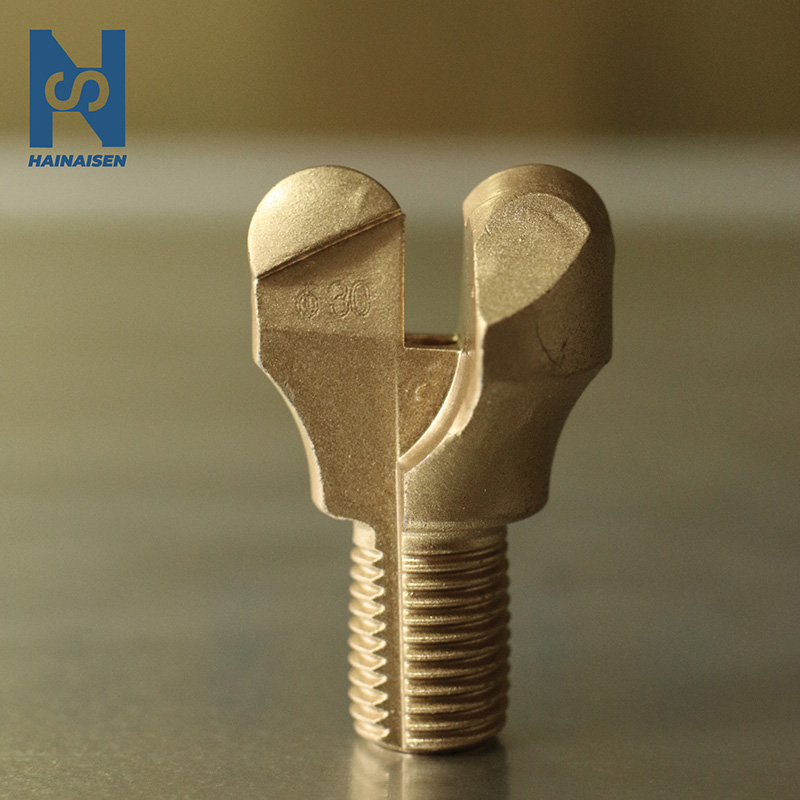 VIEW MORE34 And A Half Whole Coal Mine Mining Anchor Drill Bits
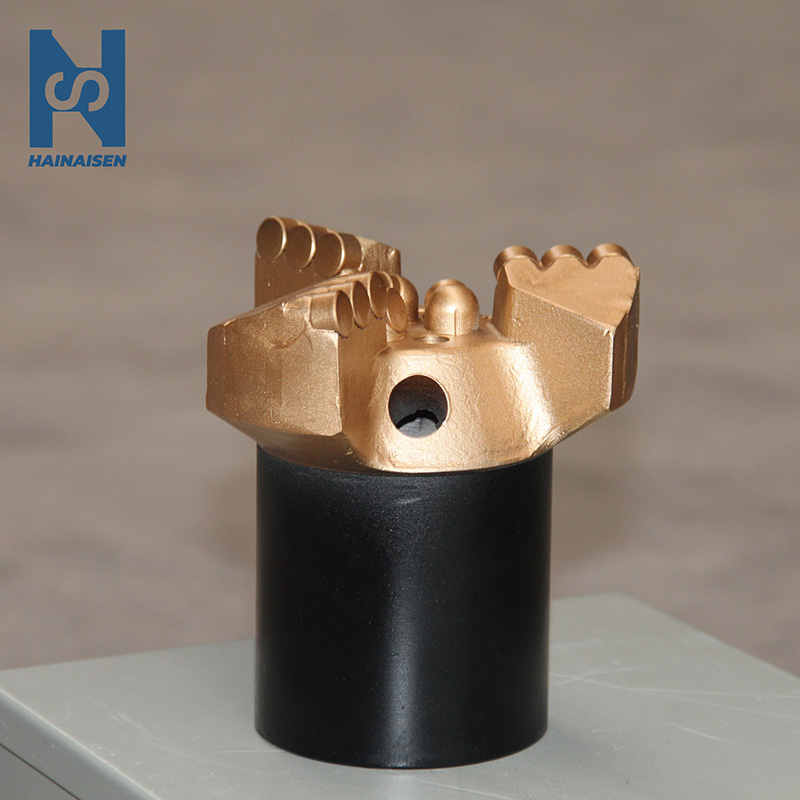 VIEW MORE113mm 3 Blades Steel Body PDC Bit
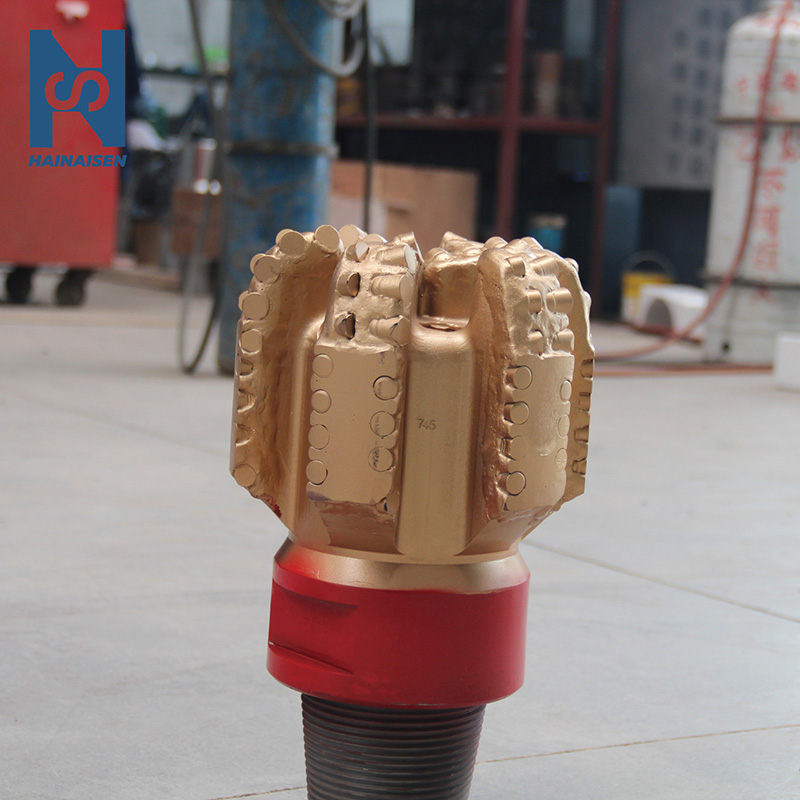 VIEW MOREDiamond Drill Bit Oil Rig
 VIEW MOREFour Blade Wing Petroleum Drill Bit
 VIEW MOREPetroleum Drilling Equipment PDC
 VIEW MORE6-Blade PDC Drill Bit
 VIEW MOREFour Blade Wing High Performance Petroleum Drill Bit
 VIEW MOREPDC Diamond Bit
