







Best Applications for 4 Wings Blades PDC Bit in HDD Projects
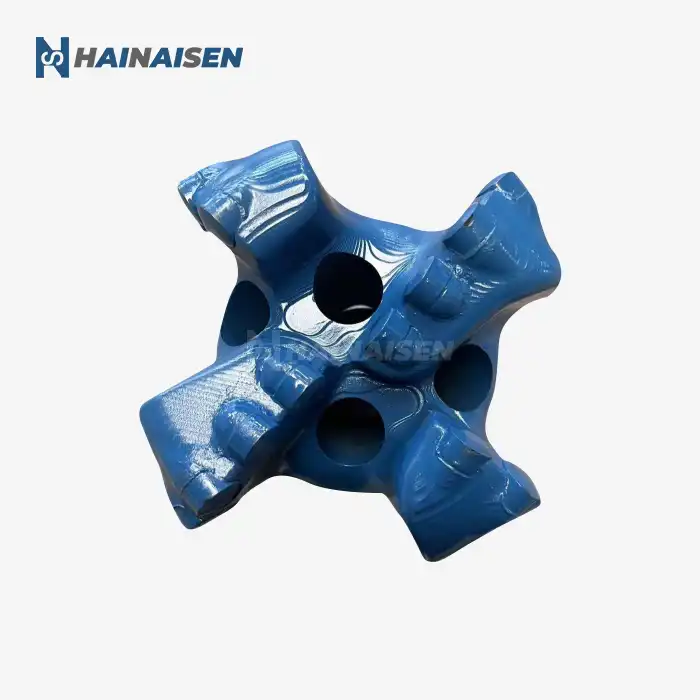
The 4 Wings Blades PDC Bit is the best drilling tool for horizontal directional drilling. Its unique four-blade design strikes a good mix between cutting power and directional stability, which makes it especially useful in soft to medium-hard formations like shale, limestone, and sandstone. This special bit works great for installing utilities, drilling for geothermal energy, and building water wells, all of which need steady penetration rates and little vibration to be successful and keep costs down.
Introduction
Horizontal Directional Drilling projects need careful tool choices that affect both how well the drilling works and how much it costs. Drill bits are the main part of machinery that touch rock formations, so choosing the right ones is very important for meeting project goals. The specialised 4-wing blades PDC bit has been shown to be a reliable option that works best for HDD tasks and gives better results in a range of soil and rock situations. The four-blade architecture and polycrystalline diamond compact technology work together to make a tool that can help procurement managers and technical experts with the problems they face. This detailed guide gives people in charge of buying decisions in oil service companies, coal mines, and water well drilling teams useful information about this advanced bit design. This helps them make purchases that meet both quality standards and budget limits.
Understanding 4-Wing Blades PDC Bit in HDD Projects
Design, Architecture, and Cutting Mechanism
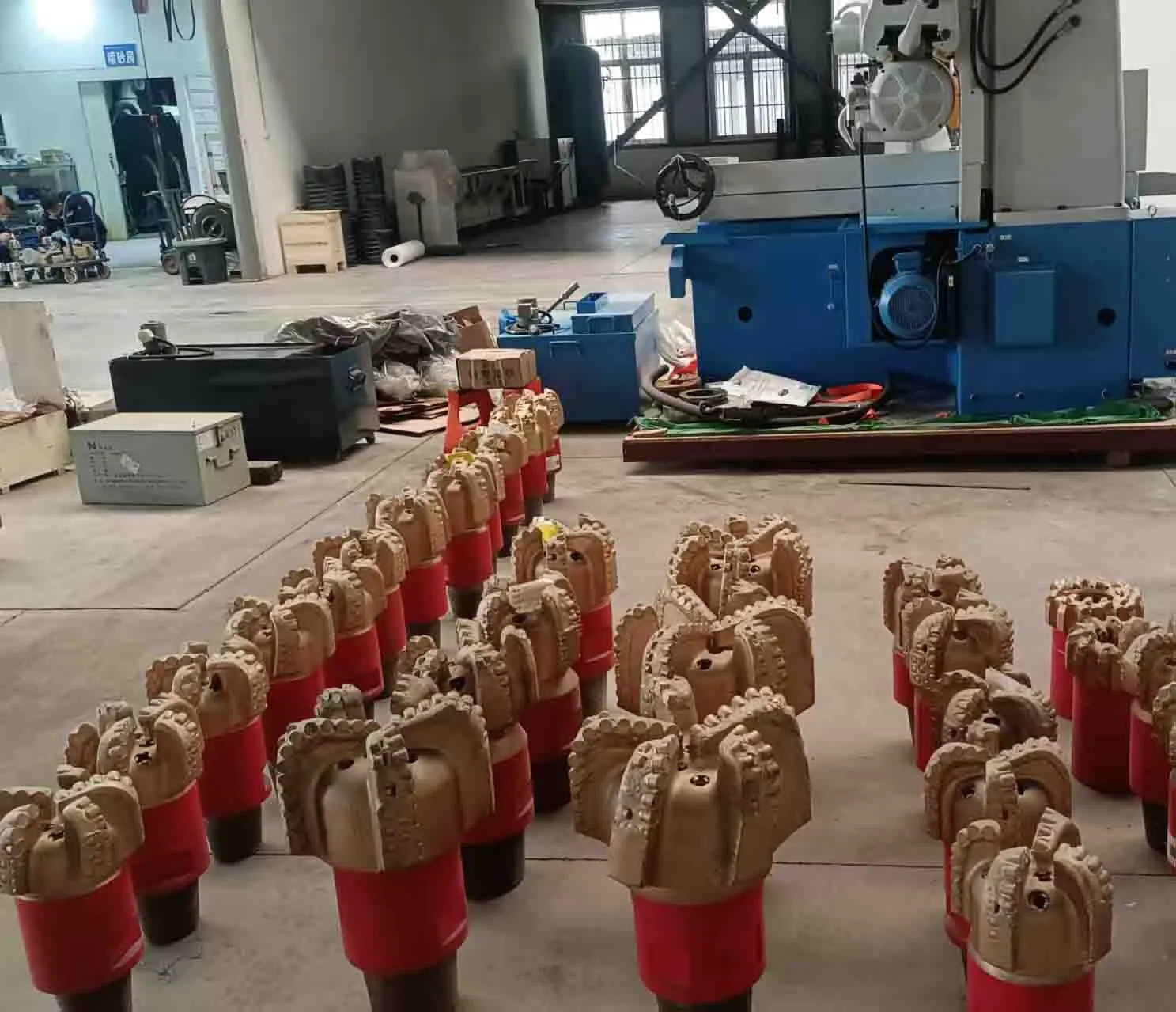
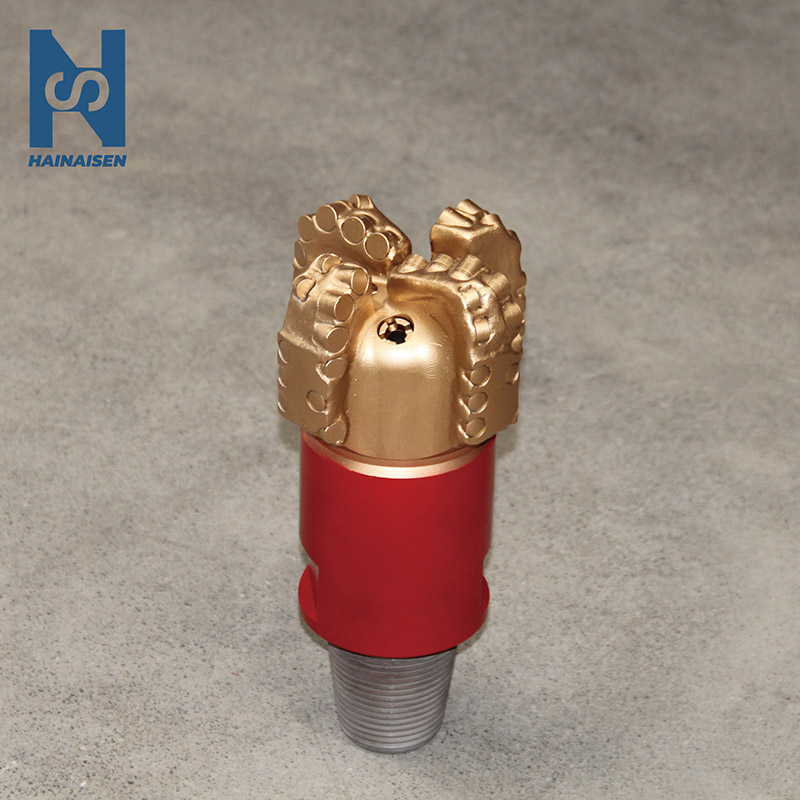
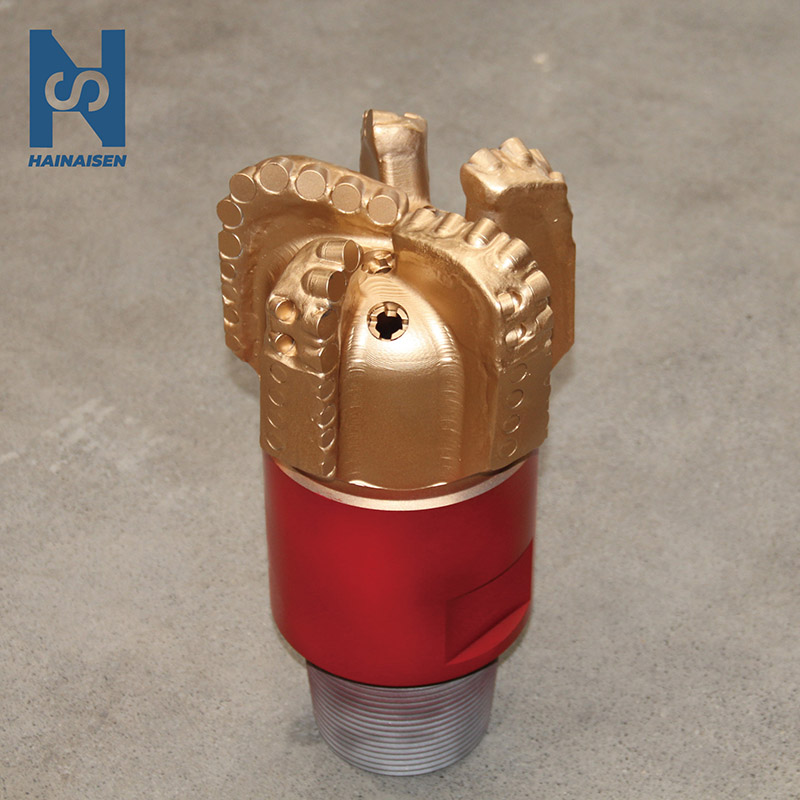
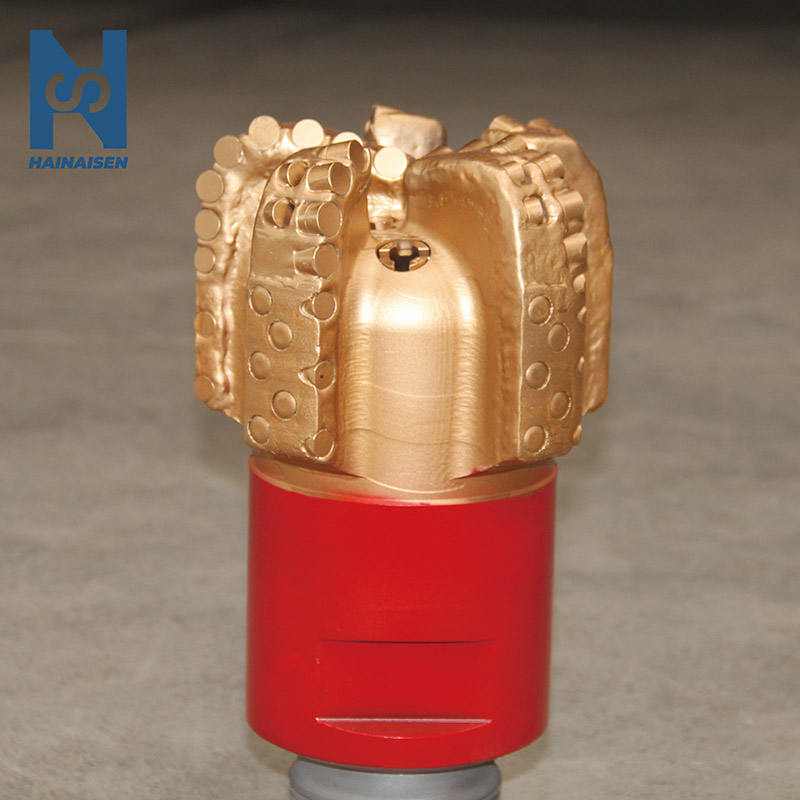
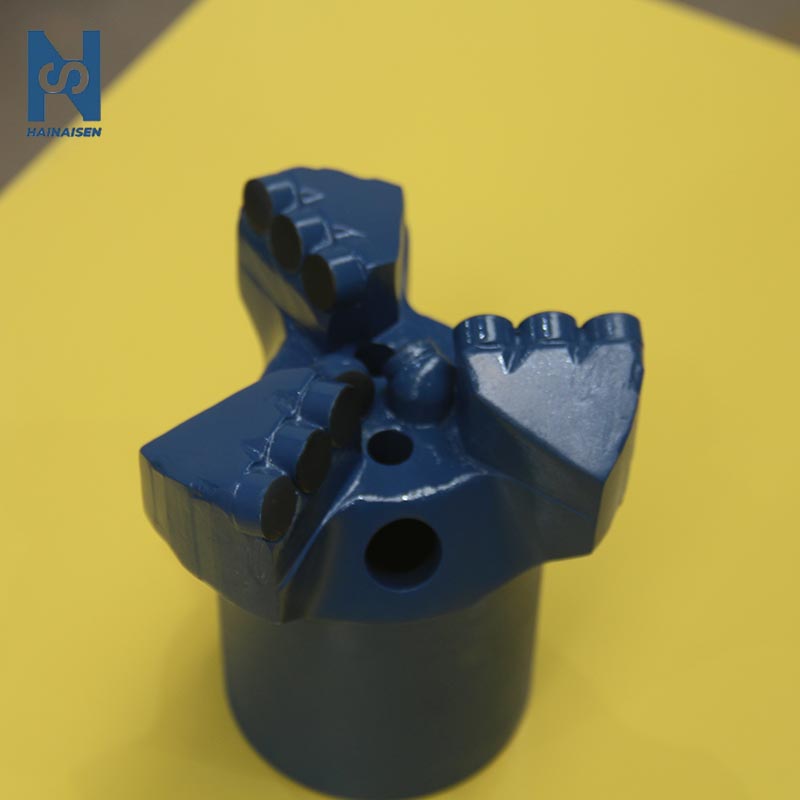
The four-wing shape is the result of careful engineering to find a balance between cutting power and operating stability. Each blade has high-density 1308 or 1608 PDC cutters that are placed in a way that makes them shear through forms instead of crushing them as roller cone bits do. This shearing action speeds up the rate of penetration and makes cuts that are smaller, easier to handle, and more easily flushed out through the bit's hydraulic ports. The diamond-filled cutters keep their cutting edge by self-sharpening through microscopic chipping that reveals new diamond material all the time.
Hydraulic Flow Optimization
Water ports placed strategically throughout the bit body do two things: they keep the PDC cutters cool while they're working, and they make it easy for drill cuttings to quickly leave the cutting face. The right hydraulic flow keeps the bit from balling up in sticky clay forms and keeps the cutting temperatures at the right level to protect the cutter's integrity. Because it has four blades, the design naturally makes pathways for fluid to flow, which cools each cutter and keeps debris from getting into the drilling process.
Best Applications of 4-Wing Blades PDC Bit in HDD Projects
Utility Installation and Infrastructure Development
Installing utilities underground is one of the main uses for these bits, that really drill bit for an oil rig shows how useful they are. Drilling in cities is hard because the soil is often mixed, and there are times when rocks come through. It's also very important to have exact control over the direction of the drill. The four-blade design gives the security in direction needed for accurate pilot hole boring while still having enough cutting force to move through different types of rock. The consistent hole quality these bits make makes them especially useful for installing water and sewer lines because they cut down on the need for multiple reaming processes.
Geothermal and Water Well Drilling Applications
In soft-to-medium sedimentary rocks like limestone and shale, the flat-top profile prevents over-engagement that could compromise wellbore integrity in sensitive aquifers. Water well drilling teams appreciate the bit's ability to maintain consistent penetration rates without excessive downhole vibration that might destabilize unconsolidated formations. The balanced cutting action preserves formation structure around the borehole, which proves essential for maintaining aquifer productivity in completed wells.
Geological Formation Compatibility
The following formations demonstrate optimal compatibility with four-wing PDC bit technology:
- Soft Formations: Clay, unconsolidated sands, and soft shales respond well to the bit's cutting action, with penetration rates often exceeding those of tri-cone alternatives by 30-50%. The shearing mechanism prevents formation smearing that can impede drilling progress in plastic clays.
- Medium-Hardness Formations: Limestone, sandstone, and gypsum layers with compressive strengths below 100 MPa represent the sweet spot for these bits. The diamond cutters maintain their effectiveness across extended footage, while the four-blade design prevents lateral wobble that could enlarge the borehole beyond specifications.
- Interbedded Formations: Real-world HDD projects rarely encounter uniform geology. The bit's balanced design handles transitions between soft and medium-hard layers without requiring bit changes, maintaining directional control through formation interfaces where traditional bits often struggle.
Performance and Design Advantages of 4-Wing Blades PDC Bit
Structural Configuration Benefits
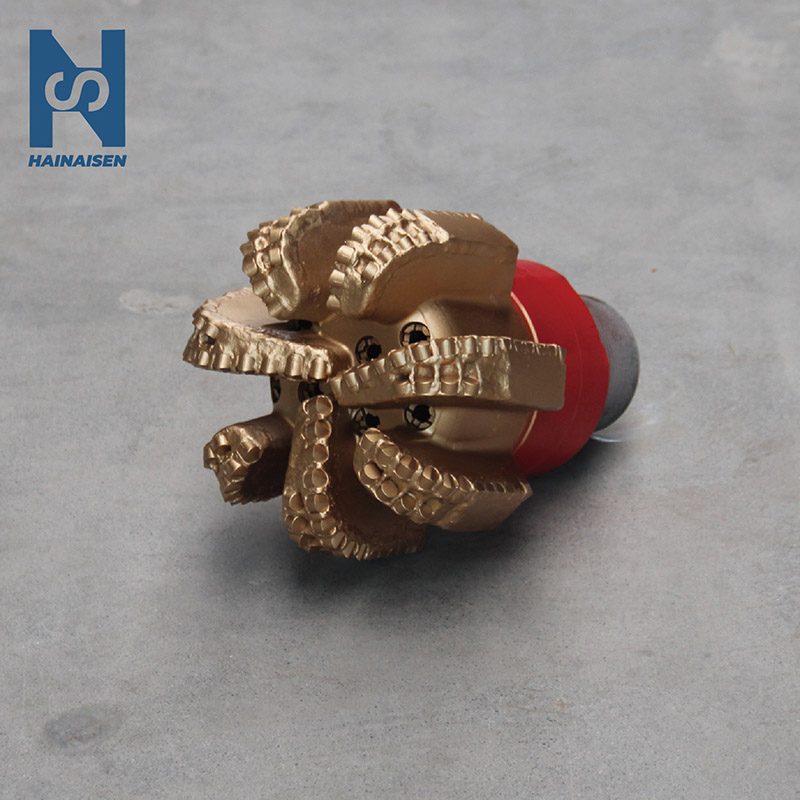
The four-blade architecture occupies a strategic middle ground between three-blade and five-blade designs. Compared to three-wing variants, it distributes cutting forces more evenly around the bit circumference, reducing vibration amplitudes that cause premature bearing wear in directional drilling motors. Against five-wing designs, it offers larger junk slots between blades that prevent bit balling in sticky formations while maintaining adequate structural support for the PDC cutters. Before examining the specific advantages of our engineered solution, understanding how blade count affects performance helps clarify why the four-wing configuration delivers optimal results across diverse HDD applications. Here are the core advantages that set this design apart:
- Enhanced Cutting Efficiency: The four-wing design creates an optimal balance between cutting surface area and hydraulic flow. Each blade carries multiple PDC cutters positioned at calculated angles that maximize rock removal per revolution while minimizing required torque. This efficiency translates directly to reduced fuel consumption and faster project completion.
- Superior Wear Resistance: Premium polycrystalline diamond compact drill bits for oil rig cutters demonstrate wear rates significantly lower than tungsten carbide alternatives. Under optimal conditions, a quality PDC bit delivers three to five times the footage of traditional roller cone bits, substantially reducing tripping time and associated labor costs.
- Vibration Reduction: The symmetrical four-blade configuration naturally dampens torsional and lateral vibrations that plague asymmetrical designs. Reduced vibration extends the service life of downhole motors, steering systems, and surface equipment while improving directional accuracy.
- Optimized Hydraulics: Strategically sized and positioned water ports ensure adequate flow rates between 25-36 liters per second, maintaining cutter temperatures within acceptable ranges while efficiently transporting cuttings to the surface. This hydraulic optimization prevents the accumulation of debris at the bit face that would otherwise impede cutting action.
These advantages work synergistically to address common production challenges faced by drilling contractors, particularly the balance between penetration speed and bit longevity that determines overall project economics.
Operational Parameter Flexibility
The bit performs reliably across a broad operational window: rotational speeds from 60-250 RPM accommodate both conventional rotary drilling and high-speed downhole motor applications. Drilling pressure ranges between 10-100 kN, allowing operators to adjust weight-on-bit based on formation response, maximizing penetration rates without risking cutter damage. This parameter flexibility enables a single-bit design to handle varied formations encountered within a single HDD project, eliminating the need for multiple specialized bits.
Procurement Considerations for 4 Wings Blades PDC Bit
Supplier Evaluation Criteria
Sourcing quality PDC drill bits requires scrutinizing Manufacturers beyond simple price comparisons. Manufacturing credentials indicate production capabilities—facilities equipped with five-axis machining centers and CNC machine tools demonstrate the precision necessary for consistent bit geometry. Production capacity matters particularly for medium and large-sized oil service companies establishing long-term supply relationships where demand volumes require reliable delivery schedules. Certifications provide objective verification of quality management systems. Manufacturers adhering to API Spec 7-1 standards ensure thread compatibility with international drilling rig configurations, preventing costly incompatibility issues. Quality control protocols should include rigorous testing of each bit before shipment, verifying cutter attachment integrity and hydraulic port specifications.
Customization Capabilities
Every drilling project presents unique geological challenges. Manufacturers offering tailored solutions enable purchasers to optimize bit design for specific applications. Customization options typically include cutter size and quantity adjustments, blade profile modifications, and hydraulic port configurations tuned to expected formation characteristics. Companies with dedicated research and development teams can collaborate with technical engineers to design bits that maximize performance in target formations, delivering measurable improvements in penetration rates and bit life.
Commercial Terms and Supply Chain Reliability
Understanding minimum order quantities helps planning, particularly for smaller water well drilling teams operating with limited capital. Lead times impact project scheduling—typical manufacturing periods range from two to six weeks, depending on customization requirements and production queue status. Transparent warranty terms protect buyers against manufacturing defects, with reputable suppliers offering comprehensive coverage that addresses premature cutter loss or body failures. Pricing structures vary based on order volume, customization complexity, and delivery requirements. Large oil service companies negotiating framework agreements benefit from volume discounts that smaller purchasers cannot access, though the price differential often reflects the extensive qualification processes and documentation requirements these relationships entail.
Maintenance and Troubleshooting for 4-Wing Blades PDC Bit in HDD
Preventive Maintenance Protocols
Extending bit lifespan begins with proper handling before 4 Wings Blades PDC Bit the bit ever enters the borehole. Inspecting threads for damage and verifying cutter integrity prevents preventable failures. During drilling operations, monitoring operating parameters ensures the bit operates within design specifications—excessive drilling pressure accelerates cutter wear while insufficient rotational speed reduces cutting efficiency. Regular inspections during bit trips allow early detection of developing issues. Examining cutters under magnification reveals wear patterns that indicate whether operating parameters require adjustment. Minor cutter damage identified early sometimes allows continued use with modified parameters, extracting additional footage before bit retirement becomes necessary.
Common Issues and Resolution Strategies
Blade wear patterns provide diagnostic information about drilling conditions and parameter optimization. Uneven wear across blades suggests drilling motor imbalance or formation inconsistencies requiring operational adjustments. Thermal cracks in the bit body indicate inadequate hydraulic flow or excessive drilling pressure generating heat beyond material tolerances. Bit balling in clay-rich formations responds to increased flow rates and periodic bit rotation reversals that dislodge accumulated material. In extreme cases, formulation additives that alter drilling fluid properties prevent clay adhesion to bit surfaces. Cutter breakage typically results from excessive impact loading when encountering unexpected hard stringers. Reducing penetration rates when drilling through known transition zones protects cutters from shock loading.
Operator Training and Best Practices
Field operators trained in PDC bit characteristics maximize tool performance. Understanding how these bits differ from familiar roller cone technology prevents operational mistakes that compromise bit life. Training programs should emphasize proper parameter selection based on formation feedback, recognizing early warning signs of bit distress, and documentation practices that enable post-run analysis for continuous improvement. Optimizing HDD workflows around PDC bit capabilities delivers measurable productivity gains. Planning a few changes during natural operational pauses rather than emergency responses maintains project momentum. Maintaining detailed records of footage, formation types, and operating parameters builds an institutional knowledge base that informs future bit selections and operational strategies.
Conclusion
The 4 Wings Blades PDC Bit gives measurable performance benefits in all horizontal directional drilling tasks, from installing utilities to mining. Its balanced four-blade design gives it the stability and cutting power that different geological conditions need. Its longevity makes it worth the money for projects ranging from developing a single water well to a large oil field. Procurement managers and technical experts feel more confident when they know how the bit works, how often it needs to be maintained, and how it can be customised. Choosing the right bit design for the challenges of a certain formation has a direct effect on the project's economics through higher penetration rates and longer bit life. This is why making smart buying decisions is so important for operational success.
FAQ
1. What formation types are optimal for four-wing PDC bits?
These bits excel in soft-to-medium hardness formations with compressive strengths below 100 MPa, including shale, limestone, sandstone, and gypsum. Clay-rich soils and unconsolidated sediments also respond well to the shearing action of PDC cutters, delivering faster penetration than crushing-type bits.
2. How does performance compare to tri-cone bits in HDD applications?
PDC Bits typically achieve 40-60% higher penetration rates in appropriate formations while lasting three to five times longer than roller cone alternatives. The absence of moving parts eliminates bearing failures common to tri-cone designs, reducing unplanned bit changes that disrupt project schedules.
3. Can manufacturers customize bits for specific geological conditions?
Reputable manufacturers offer extensive customization, including cutter size selection, blade profile modifications, and hydraulic port configurations. Collaborative design processes incorporate formation analysis and drilling parameter planning to optimize bit specifications for target applications.
4. What lead times and warranty terms should buyers expect?
Standard bit manufacturing typically requires two to four weeks, with customized designs extending to six weeks, depending on complexity. Comprehensive warranties cover manufacturing defects and premature failures not attributable to operational misuse, with specific terms varying by manufacturer and application.
Partner with HNS for Superior 4 Wings Blades PDC Bit Solutions
Procurement managers and engineers seeking a reliable 4 Wings Blades PDC Bit supplier will find comprehensive solutions at Shaanxi Hainaisen Petroleum Technology Co., Ltd. (HNS). Our 3,500-square-meter manufacturing facility in Xi'an houses advanced five-axis machining centers and CNC equipment that ensure precise bit geometry and consistent quality. Since 2013, we've specialized in PDC bit design and production, accumulating extensive expertise in optimizing bits for challenging HDD applications. Our dedicated engineering team collaborates closely with clients to develop customized solutions matched to specific formation requirements. Reach out to our technical sales team at hainaisen@hnsdrillbit.com to discuss your project needs and receive expert guidance on bit selection that maximizes drilling efficiency while controlling costs.
References
1. Mitchell, R.F. and Miska, S.Z. (2011). "Fundamentals of Drilling Engineering." Society of Petroleum Engineers, Richardson, Texas.
2. Bourgoyne, A.T., Millheim, K.K., Chenevert, M.E., and Young, F.S. (1991). "Applied Drilling Engineering." Society of Petroleum Engineers Textbook Series, Volume 2.
3. Bellin, F., Dourfaye, A., King, W., and Thigpen, M. (2010). "The Current State of PDC Bit Technology." World Oil Magazine, Vol. 231, No. 10.
4. American Petroleum Institute (2006). "API Specification 7-1: Specification for Rotary Drill Stem Elements." 16th Edition, Washington, DC.
5. Raymond, D.W. and Morr, E.J. (2008). "Horizontal Directional Drilling: Utility and Pipeline Applications." American Society of Civil Engineers Press, Reston, Virginia.
6. Warren, T.M. and Armagost, W.K. (1988). "Laboratory Drilling Performance of PDC Bits." SPE Drilling Engineering Journal, Vol. 3, No. 2, pp. 125-135.
 VIEW MOREPolycrystalline Diamond Drill Bits
 VIEW MOREHigh Quality PDC Drill Bits
 VIEW MOREPDC Core Drill Bit Used For Drilling
 VIEW MOREFour Blade PDC Drill Bit
 VIEW MOREFive Blades Oil Well Drill Head
 VIEW MOREFive Blades PDC Drill Bits
 VIEW MORESeven Blade Wing Oil Drilling Drill Bit
 VIEW MOREPolycrystalline Diamond Compact Drill Bits
