How Does a Drilling Rig Drill Bit Work in the Oil/Gas Industry?
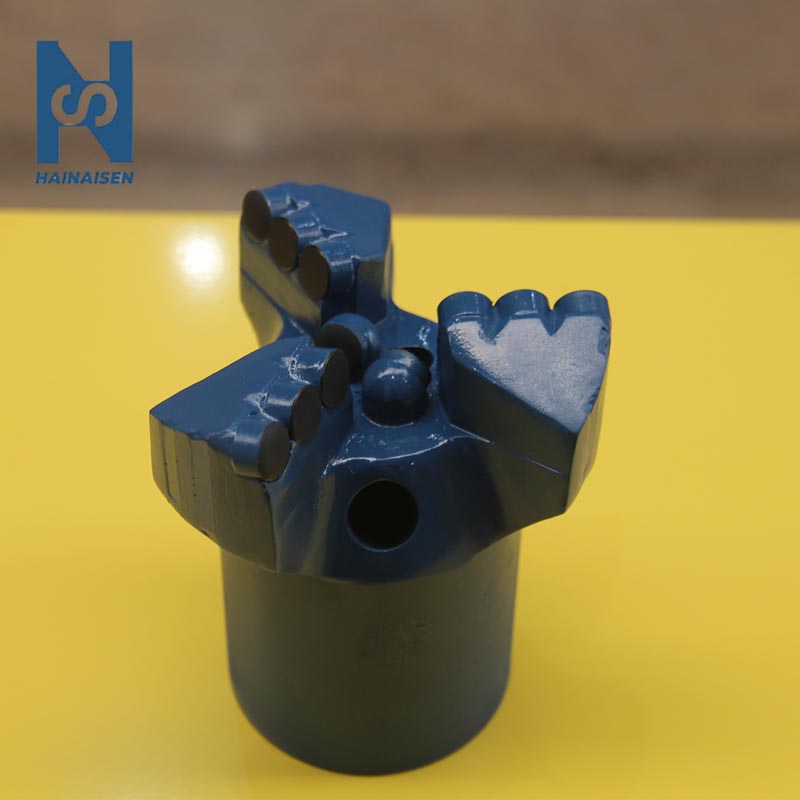
Drilling rig drill bits are the cutting edge between mechanical power and rock forms. They turn spinning energy into downhole penetration. Bits like the Seven Blade Wing Oil Drilling Drill Bit use special blade shapes and polycrystalline diamond compact (PDC) cutters to efficiently split rock layers in oil and gas activities. These bits spin under weight-on-bit pressure while drilling fluid flows through internal valves to cool the cutters and bring rock chips to the surface. This lets the driller keep going through different underground environments.
Understanding the Functionality of Seven-Blade Wing Oil Drilling Drill Bits
Core Mechanical Principles Behind Seven-Blade Design
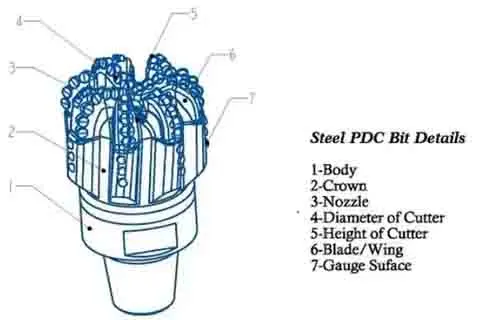
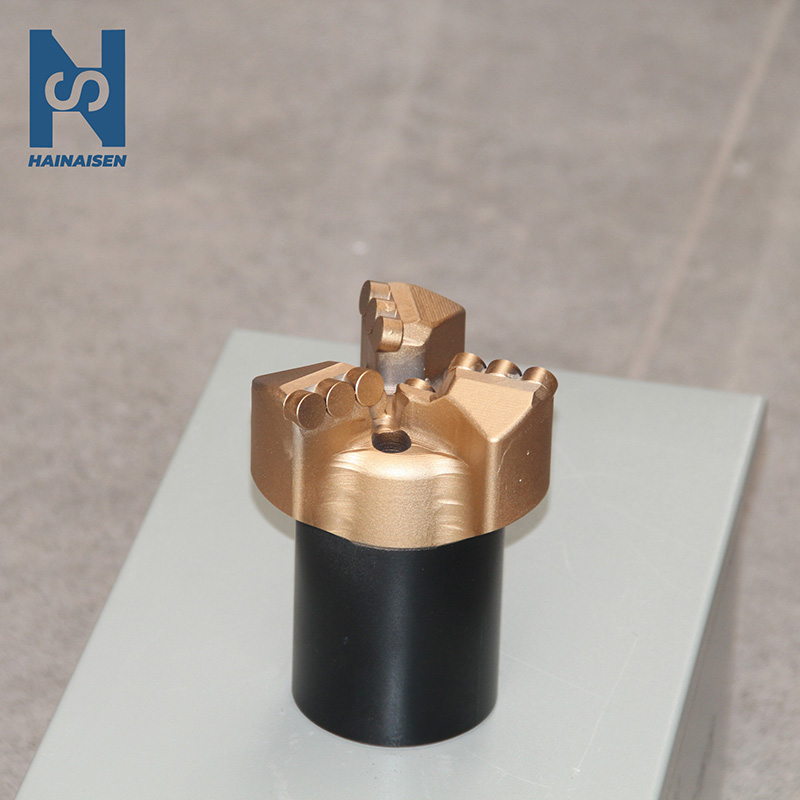
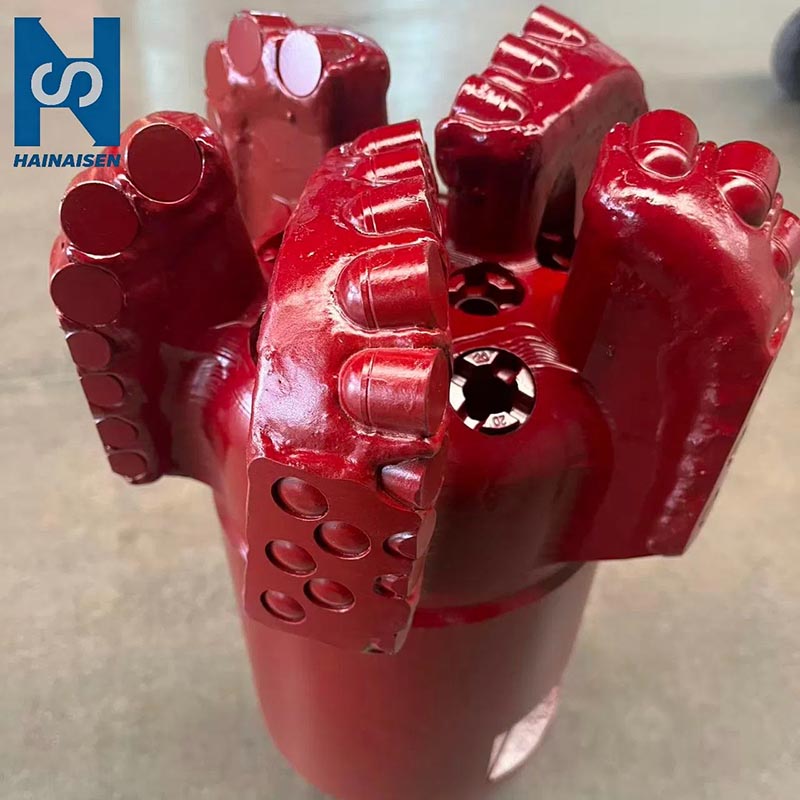
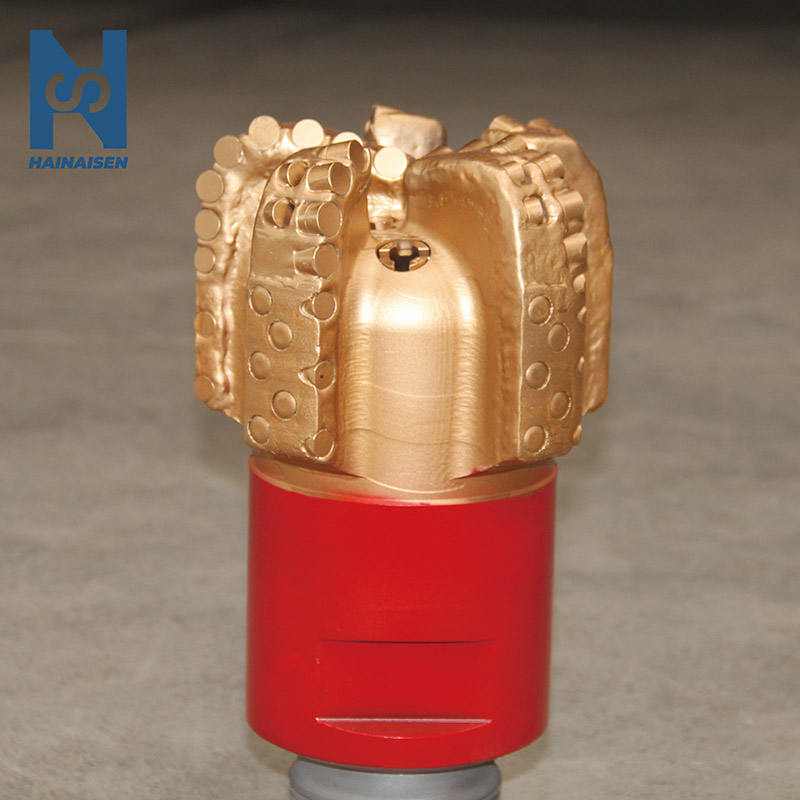
The practical benefit of Seven Blade Wing Oil Drilling Drill Bit designs comes from the fact that the load is spread out more evenly across the bit face. Each blade touches the pattern on its own, making many shearing spots that speed up the entry rate. When a 3-1/2 REG.PIN connection is made to a drill string, rotary action sends force through the bit body to 86 precisely placed PDC cutters. These 13mm diamond-enhanced cuts remove layers of rock at a time. The shape of the blades guides broken rock toward openings for drainage.
The clever placement of seven blades creates a mix between strong structure and aggressive cutting. This design spreads working forces more widely than three-blade versions, which put more stress on a smaller number of contact spots. Field data from several drilling operations shows that bits with more blades stay stable in intermediate rocks where hardness changes in ways that aren't expected. The 6-inch (152.4 mm) diameter proportions keep the bit's gauge diameter the same, and the 53 mm gauge length keeps the walls strong during directed drilling.
Advanced Material Engineering for Extreme Conditions
Thanks to advances in material science, modern PDC drill bits are very durable. The bit body is made of high-strength steel alloys that are designed to keep their shape under very high temperatures downhole while also withstanding rotational stress. PDC cuts use controlled pressure and temperature to bond synthetic diamond particles to cobalt bases. This makes cutting surfaces that last much longer than regular tungsten carbide inserts.
The 210 mm bit height can fit eight spray holes that are placed in a way that makes the hydraulic system work more efficiently. Drilling fluid is sprayed through these tubes at controlled speeds, creating turbulent flow patterns that remove cuts from the bit face and stop bit balling, a situation in which debris builds up and makes cutting less effective. This hydraulic design works with the larger junk slots between the blades to help move waste quickly, even in shale rocks that are sticky.
Technical Specifications Impact on Performance Metrics
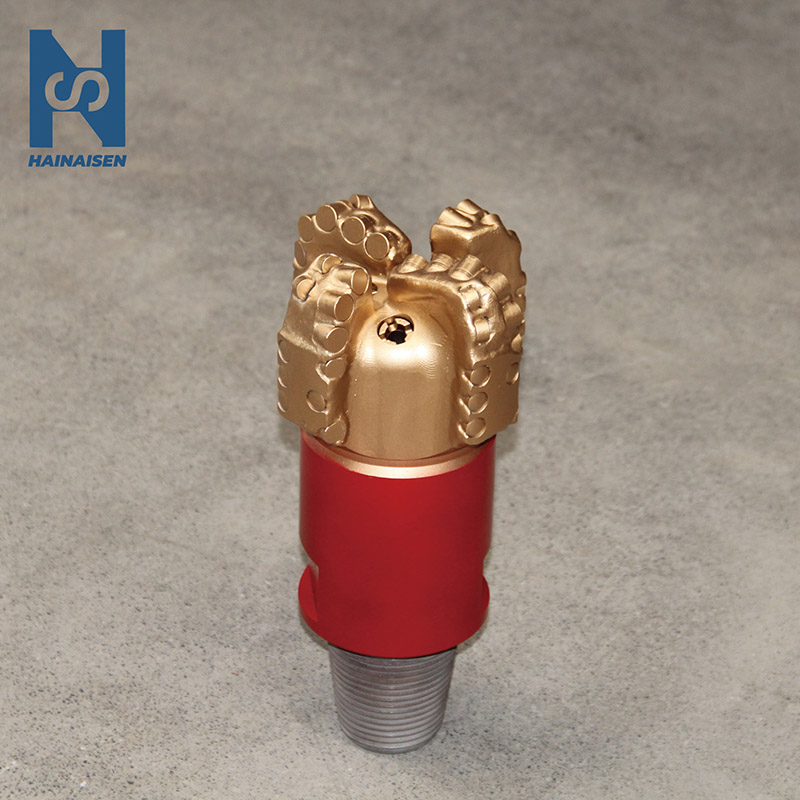
When purchasing drill bit oil and gas, teams look at drilling tools; teams need to know how the specs translate to how well it works in the field. Our seven-blade bit weighs 24 kg, which is a good amount of mass for weight-on-bit applications without putting too much strain on smaller rig lifting systems. The IADC number S433 means that it can be used in soft to medium formations with mild abrasiveness, which is typical of many oil and gas reservoirs that are profitable.
The speed used for rotation depends on the type of group. In sedimentary layers that are lighter, the best penetration rates are between 60 and 120 RPM. In harder rocks, speeds may need to be slowed down to keep cutters from wearing out too quickly. The large number of nozzles makes it possible to make exact changes to the hydraulic program. This lets drillers change the flow distribution as the ground conditions change. When planning wells that go through different types of rock, engineering teams like how flexible this feature is.
Comparing Seven Blade Wing Drill Bits with Other Drill Bit Types
Performance Analysis Across Different Blade Configurations
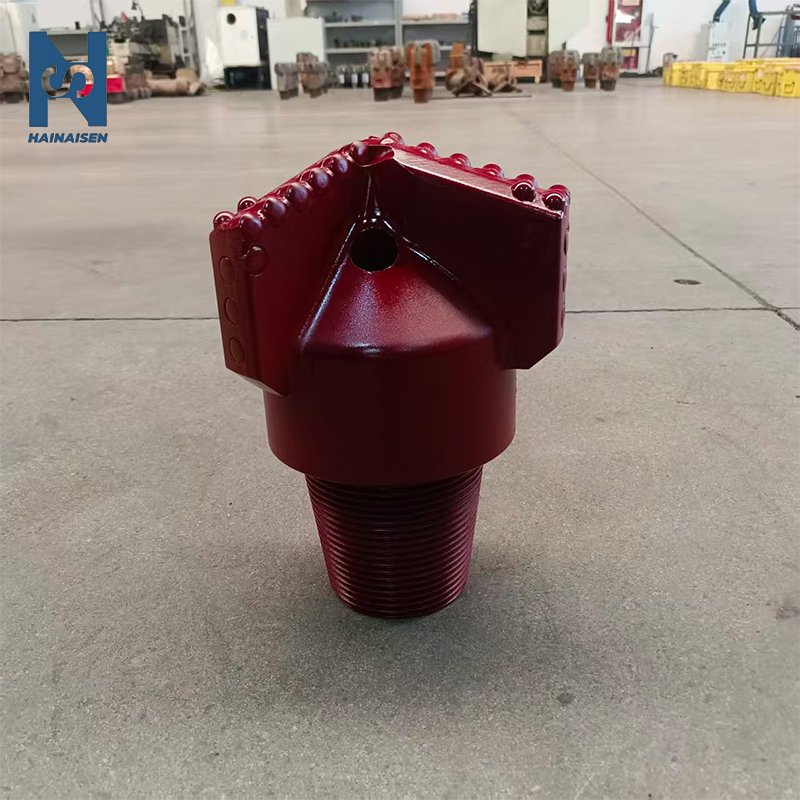
The number of blades directly affects how well and how long a drill bit lasts. Three-blade PDC Bits work best in very soft formations where cutting quickly and aggressively is more important than steadiness. These styles usually cost less at first, but they might not last as long in conditions that change. Five-blade configurations are a good compromise because they are more stable than three-blade configurations while still having high impact rates. Through our experience digging water wells, we know that five-blade bits work well in uniformly compacted dirt with few geological shocks.
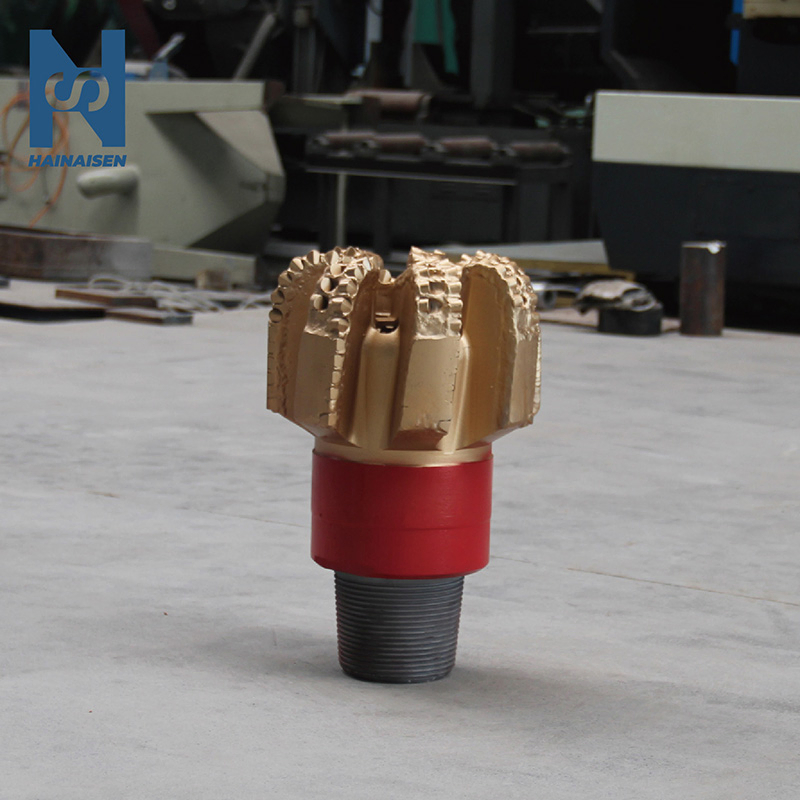
Seven Blade Wing Oil Drilling Drill Bit units work better in fairly rough conditions where precision in the formation is not always possible. There is redundancy with the extra blades; if one cutter wears out too quickly, the other cutting structure can still do its job. This dependability is especially helpful for coal mining because coal seams often have random rock intrusions that make drilling tools work harder. The extra 86 cutters spread wear across more cutting elements, so you don't have to change the bits as often, and the rig is less likely to be idle.
PDC Versus Roller Cone Technology
To break up rock, traditional roller cone bits use steel cones that spin and have tungsten carbide teeth on them. These bits work reliably in hard, good rock, but they need more weight on the bit and make more sound than PDC options. Because roller cone bearings are so complicated mechanically, they need more care and have more places where they could fail. Because they have a set cutter, PDC bits don't have these problems, but they used to have trouble in very hard or interbedded rocks.
Recent improvements in materials have made this efficiency gap much smaller. Modern PDC cuts can handle impact loads that would have broken older models. This means they can work in rocks where roller cone technology used to be the only option. A study of costs shows that while PDC bits usually cost more to buy at first, their longer drilling intervals and lower need for tripping mean that overall costs are lower per foot for whole well projects. When procurement managers look at the total cost of ownership, they like PDC technology for basic drilling more and more.
Application-Specific Selection Criteria
Geothermal drilling has its own problems that show off the benefits of Seven Blade Wing Oil Drilling Drill Bit designs. Higher temperatures at the bottom of the hole speed up cutter wear through thermal degradation. Having more than one blade is helpful for keeping entry efficiency high during long bit runs. The extra hydraulic power of eight nozzles is very important for managing heat, since faster fluid flow helps keep cutting temperatures down and diamond structure intact.
Water well digging teams that are on a tight budget like seven-blade designs because they offer a good mix between performance and investment. These bits cost more than basic three-blade choices, but they last longer, so you don't have to buy them as often. This is good for smaller drilling businesses that need to watch their cash flow. Because they can work with a wide range of earth types, from clay to broken limestone, they are useful for workers who work in many different areas.
Drilling Efficiency and Maintenance Tips to Maximise ROI
Optimising Rate of Penetration Through Proper Operation
The rate of penetration is affected by how the weight on the bit, the speed of spinning, and the hydraulic factors work together. Drillers with a lot of experience intuitively understand how these factors affect each other, so they can change their operations on the fly as the properties of the formation change. When you start a new bit run with careful settings, the cutters can get used to the initial wear patterns before they are fully optimised. This method increases bit life by stopping early-stage cutting damage that can lead to bit retirement too soon.
Monitoring the factors of the drilling gives you early information about possible problems. Changes in force or rate of entry that happen quickly are often a sign of changing formations or Seven Blade Wing Oil Drilling Drill Bit problems that are starting to happen. Modern drilling rigs with real-time data systems let workers see these problems right away and make the necessary changes before small problems turn into expensive failures. Keeping the weight on the bit consistent with what the maker recommends stops both poor entry from not loading it enough and faster wear from applying too much force.
Common Wear Mechanisms and Prevention Strategies
Bit balling happens when sticky things stick to the bit face and stop the holes, making it less effective at cutting. This problem is usually fixed by increasing the flow rate of the fluid or changing the chemistry of the drilling fluid with lubricants or detergents. If you catch bit balling early, you can avoid the lost rig time that comes with drilling that doesn't work. Drillers should be aware of certain signs, such as torque that changes quickly, less depth even though the bit is properly loaded, and higher pump pressure due to limited fluid flow.
As rough forms wear down diamond surfaces, cutters become less sharp over time. Regular bit inspections during links help crews see how much wear is happening and plan bit changes ahead of time, so they don't have to drill until something terrible fails. Drilling engineers can choose the best bit designs for each geographic setting by keeping track of wear trends over multiple bit runs. Taking pictures of pulled bits is a good way to make training materials and proof for warranty claims.
Inspection and Storage Best Practices
When you pull a bit out of the hole, you need to clean the cutting areas right away so that formation materials don't harden. It is possible to see all the sides of the cutters and blades clearly because high-pressure water jets effectively remove drilling fluid leftovers and cuttings. By checking for missing or open cuts, broken equipment is kept from being sent back downhole, where it could cause more problems or hurt the drilling process.
Drill bits stay safe between uses when they are stored correctly. Bits should sit on stands that protect them from hard surfaces so that cutters don't damage them by accident and need to be reconditioned, which can be expensive. Putting corrosion agents on metal surfaces keeps them from rusting during long holding times. Keeping your stocking systems in order makes sure that bits are used at the right times. This way, newer equipment doesn't sit around unused while earlier bits get worn out too quickly.
Procurement Guide for Seven-Blade Wing Oil Drilling Drill Bits
Critical Selection Factors for Procurement Professionals
To choose the right drill bits, you need to make sure that the equipment's capabilities meet the needs of the job. The diameter of the bit must match the planned wellbore size. A 6-inch bit is commonly used for casing projects in water wells and mining research. It is important that the connection type works with current drill string parts. The 3-1/2 REG.PIN connection works with standard drill pipe used across the industry, so it can be easily added to a variety of rigs.
Formation review helps decide how many blades to use and how the cutter should be set up. Geological studies and data from offset wells help drillers figure out what kinds of rocks they will be working with and how hard they are. Seven Blade Wing Oil Drilling Drill Bit shapes work best in IADC code S433 soft to medium formations, which include a lot of oil and gas sources that are profitable. When engineering teams look over formation evaluation reports, they should pay close attention to any particularly difficult sections that could use custom bit designs or plans for backup equipment.
Evaluating Suppliers and Technical Support
The choice of tools has a bigger effect on long-term business success than the choice of supplier. Companies that have ISO 9001 certification show that they are dedicated to quality control systems that make sure products always work well. Before being shipped, every bit at Shaanxi Hainaisen Petroleum Technology Co., Ltd. goes through a series of strict tests that check the cutter's soundness, the accuracy of the dimensions, and the hydraulic flow traits. These quality controls keep field breakdowns to a minimum, which keeps drilling plans on track and keeps project costs down.
The ability to provide technical help sets special sellers apart from commodity vendors for drill bit oil and gas. Operations teams can fix performance problems and find the best drilling settings for each situation when they have access to expert drilling engineers. Our dedicated custom bit design department works with clients to come up with custom solutions for difficult natural conditions or unusual boring tasks. With this consultative method, relationships with suppliers are turned into strategic partnerships that drive ongoing growth.
Conclusion
Knowing how a drill bit works lets you make smart decisions about tools that affect the cost of drilling and the success of the job. Seven Blade Wing Oil Drilling Drill Bit designs offer flexible performance in a wide range of situations. They balance cutting efficiency with sturdiness by using advanced PDC cutter technology and smart blade placement. When you carefully choose bits that are matched with the properties of the formation, use them correctly, and keep them in good shape, you can get the most out of your drilling equipment purchases. As drilling technologies get smarter and more environmentally friendly, performance will continue to get better.
FAQ
Q1: What performance advantages do seven-blade configurations offer compared to fewer-blade designs?
Seven Blade Wing Oil Drilling Drill Bit units spread the cutting forces over more contact points, making them more stable in different types of rock and increasing their useful life by putting cutters in different places at different times. The extra blades make the junk holes bigger, which makes it easier for the cuts to escape. This stops the bit from balling up and keeps the penetration rates steady. This design strikes a good balance between cutting aggressively and structural longevity. This makes it especially useful in fairly abrasive settings where the consistency of the formation changes quickly.
Q2: How frequently should seven-blade PDC bits undergo maintenance inspection?
How often you inspect relies on how hard the operations are and how rough the shape is. When bits are pulled out of the hole during regular tripping operations, they should at least be carefully looked at visually. Keeping track of how the cutter wears over multiple runs helps make repair plans that are more accurate and fit the cutting environment. Proactive inspection stops major failures and extends the life of useful bits by refurbishing or retiring them at the right time.
Q3: Can seven-blade wing bits be customised for specific geological formations?
Reliable makers offer a wide range of customisation options to meet the specific needs of drilling projects. Changes can be made to the cutter size, placement, and diamond grade to get the best results in different types of rock. Different cooling and cleaning needs can be met by hydraulic systems. By working with companies that have their own engineering teams, you can be sure that you will have access to the technical know-how that can turn physical data into useful changes to bit designs.
Partner With HNS for Your Seven-Blade Wing Oil Drilling Drill Bit Needs
Picking the right Seven Blade Wing Oil Drilling Drill Bit provider has a direct effect on the success of your drilling program and the amount of money you make from operations. HNS (Shaanxi Hainaisen Petroleum Technology Co., Ltd.) combines high-quality manufacturing with quick expert support to provide equipment that meets strict quality standards and gives you the freedom to make changes that your specific uses need. Our ISO 9001-certified building has cutting-edge 5-axis machining tools and tech teams that are ready to work together to find the best drilling solutions. For inquiries, please Contact Us at hainaisen@hnsdrillbit.com. We can help you reach your goals because we have worked with oil service companies, mining operations, and drilling contractors before and can make standard setups or special bits for difficult formations.
References
1. Bourgoyne, A.T., Millheim, K.K., Chenevert, M.E., and Young, F.S. (1991). Applied Drilling Engineering. Society of Petroleum Engineers Textbook Series, Volume 2.
2. Mitchell, R.F. and Miska, S.Z. (2011). Fundamentals of Drilling Engineering. Society of Petroleum Engineers, Richardson, Texas.
3. Bellin, F., Dourfaye, A., King, W., and Thigpen, M. (2010). "The Current State of PDC Bit Technology." World Oil, Volume 231, Number 6.
4. Hareland, G. and Rampersad, P.R. (1994). "Drag-Bit Model Including Wear." SPE Latin America/Caribbean Petroleum Engineering Conference, Buenos Aires, Argentina.
5. Warren, T.M. and Armagost, W.K. (1988). "Laboratory Drilling Performance of PDC Bits." SPE Drilling Engineering, Volume 3, Number 2, pages 125-135.
6. Zhao, Y., Zhang, C., Zhang, Z., Gao, K., and Li, Q. (2016). "PDC Bit Stability and Failure Analysis in Hard and Abrasive Rock Formations." International Journal of Rock Mechanics and Mining Sciences, Volume 89, pages 43-51.

logo 2_1777361643767.jpg)