




How to Extend the Service Life of Roller Cone Bits by 30%
Extending the service life of roller cone bits by 30% is achievable through proper material selection, optimized operational parameters, and disciplined maintenance routines. Hard Alloy Roller Drill Bit technology, featuring tungsten carbide inserts pressed into high-strength steel cones, provides superior wear resistance compared to traditional steel-tooth designs. By matching bit specifications to formation characteristics, controlling weight-on-bit and rotational speed within recommended ranges, and implementing systematic inspection protocols, drilling operations can significantly reduce premature bit failures. The combination of advanced bearing seals, appropriate drilling fluid chemistry, and timely reconditioning transforms bit performance from a consumable expense into a strategic asset that lowers cost-per-foot while improving project timelines.
Understanding the Challenges that Limit Roller Cone Bit Longevity
Roller cone bits have to work in harsh conditions that are always putting their structural stability and cutting power at risk. Purchasing managers and technical experts can protect their drilling expenses by coming up with plans that take these problems into account.
Abrasion and Wear in Demanding Formations
Rock layers that are abrasive and contain silica, quartz, or other hard minerals wear away, cutting structures over time by coming into constant touch with them. When Roller Bits crush rock surfaces over and over, the tungsten carbide pieces get chipped and flattened on a microscopic level. The cutting surface gets dull over time, so more weight has to be put on the bit to keep the entry rates the same. Even high-quality bits can lose 15 to 20 percent of their cutting power in the first few meters of drilling in very rough materials like cracked granite or quartzite. To control this natural wear process, it's important to choose the right bit by matching the insert shape to the formation hardness.
Impact Damage from Formation Irregularities
When suddenly broken zones, hard stringers, or interbedded layers come into contact with each other, they cause impact loads that are higher than what was intended. Shock forces like these can knock carbide inserts out of their slots, break cone shells, or hurt bearing systems. Impact damage usually shows up all of a sudden instead of over time, turning a useful part into junk in minutes. It is very dangerous to drill through coal seams that contain pyrite clusters or limestone layers that contain chert. To find changes in the formation before a catastrophic bit failure happens, operators must keep an eye on changes in torque and sound patterns.
Bearing Failure from Contamination
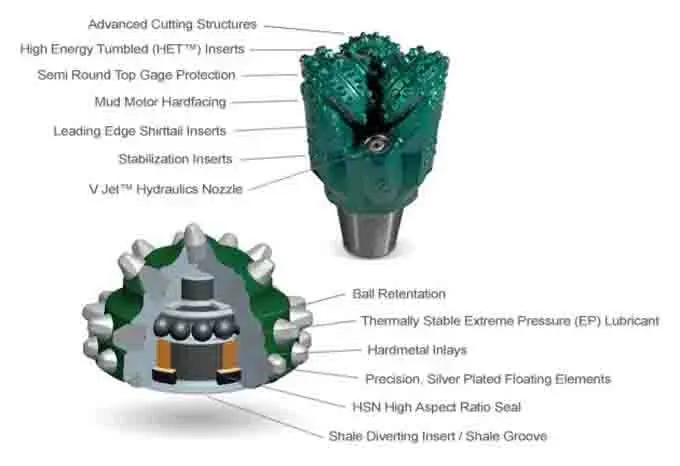
The most fragile part of the roller cone bit design is the protected bearing system. Through changes in pressure and temperature, drilling fluids with small cuttings, formation clays, or chemical toxins slowly make their way through bearing seals. When gritty bits get to the bearing surfaces, they speed up the wear on the thrust and journal surfaces. As lubrication wears off, bearing temps rise, setting off a chain reaction that leads to a full seizure. Oil service companies that do deep well drilling say that bearing failure is the main reason why about 40% of early bit retirements happen. This makes seal integrity a very important issue.
Material Fatigue Under Cyclic Loading
As the rock roller drill bit turns, the parts are put under repetitive stress as the weight moves from one cone to the next. This repeated loading and lifting makes tiny cracks appear in the steel and the weld joints. Fatigue failures usually show up after a lot of hours of drilling and look like cone separations, leg cracks, or joint failures. The problem gets worse in hard rock situations, where more weight on the bit speeds up the wear process. If you want your bits to last longer in tough situations, you need to choose materials that are made of metal steels that are more resistant to wear.
Core Principles to Extend the Service Life of Hard Alloy Roller Cone Bits
Bits that last a very long time are built on strategic methods that combine material science, application engineering, and preventative maintenance. These rules can be used in a wide range of digging situations, from looking for oil to building water wells.
Material Selection and Hardness Optimization
The strength, toughness, and thermal stability of different types of tungsten carbide are very different. Initial wear resistance is based on choosing the right carbide makeup based on how the material is expected to form. Harder carbide types with higher tungsten percentages work best in rough sandstone and limestone because they don't wear down or flatten. On the other hand, tougher types that have a cobalt binder added to them better absorb impact energy in fractured or interbedded rocks. The alloy makeup affects both fatigue strength and temperature stability, while the type of steel used affects how long the body lasts. Before putting the parts together, high-end makers like HNS test the tungsten carbide inserts and high-strength steel bodies thoroughly to make sure they meet certain technical requirements.
Formation-Specific Bit Application
When specs and the environment are not matched, the bit wears out faster than it should. This can be avoided by matching bit design factors to geological circumstances. Standard hardness scales say that a 140mm roller bit with three blades and tungsten carbide tips works best in rocks that are rated between Level 1 and Level 12. When this bit is used in very hard forms above its grade, the insert breaks quickly, and the bit's life is cut short. On the other hand, using a bit that is too specific in soft shapes loses the best features and makes penetration less effective. Technical engineers should look at geological studies and offset well data to choose bits that fit the expected lithology. This will cut down on the amount of trial-and-error that wastes inventory too quickly.
Implementing Preventive Maintenance Protocols
Systematic repair processes protect investments in bits for as long as they are used. No matter how deep or how long the drilling took, every time the bit comes back to the surface, the crew should do structured checks that look at the state of the insert, the temperature of the bearings, and the integrity of the seals. When you use high-pressure water to clean something, you can get rid of caked-on cuts that hide damage, and look at the weld joints and cone surfaces. By measuring insert extension at several different locations, you can figure out how much wear has happened and make decisions about whether to continue deployment. By looking for odd heat retention or lubricant leaks in bearings, early-stage failures can be found before they become catastrophic. Keeping records of what was found during inspections creates historical data that can be used to improve working factors for future runs.
Performance Optimization Techniques to Achieve 30% Longer Bit Life
New technologies and changes to how things are done work together to make bit speed go beyond what is normally expected. Data from several different industries shows that focused optimization does lead to measured gains in life.
Advanced Design Features and Cone Geometry
Improved roller bits distribute cutting forces more equally throughout insert arrays. Optimized cone shapes position inserts at angles to crush rocks efficiently while minimizing scraping wear. Three cones in standard roller bits meet to cut without ridges. Bearing systems with stronger seals protect internal parts from contamination longer. Some Manufacturers allow you to adjust the nozzle arrangement, like our 140mm three-nozzle design. This directs drilling fluid to the cooling and cuttings removal areas. Over longer drilling intervals, these technical advantages add up to 10-15% of the 30% life extension objective.
Operational Parameter Control
Optimal bit weight and spinning speed greatly affect bit lifespan. Too-high weight-on-bit pressures cause bits to move deeper into formations. Increased impact loads accelerate material wear. Insufficient weight lowers entry rates and allows inserts to glide on rock surfaces instead of crushing them. Precision is needed while calibrating rotational speed. Over RPM heats bearing lubricant and softens carbide, while under RPM doesn't switch on the cutting structure. Drill clay-rich rocks at 60–80 RPM for optimal results. Drill tougher limestone at 80–100 RPM for optimal results. By monitoring drilling parameters in real time and making modifications within permissible ranges, severe operations that destroy bits are avoided.
Drilling Fluid Optimization and Compatibility
The drilling fluid chemistry impacts how successfully the rock roller drill bit cools, moves cuttings, and preserves the seal. The right fluid viscosity keeps circular velocity high enough to remove cuttings off the bit face and stop regrinding, speeding wear. Chemical additives and fluid pH affect seal materials. Fluids that are overly acidic or alkaline break down elastomers too rapidly, reducing bearing protection. Cooling capacity is crucial while digging through hard rock because friction heats the cutting surfaces. Teams that drill water wells routinely mistreat fluids, so use pieces with sturdy seals. Deep well oil service firms have sophisticated fluid plans, but they must make sure their fluids are compatible with their bit seal materials.
Evidence from Field Applications
Weight-on-bit control, bearing checks, and formation-appropriate bit selection were implemented at a Wyoming medium-sized coal mine. The average bit life increased from 420 to 562 meters across 18 months and 47 boreholes. A 34% improvement. The operation attributed this increase to weight-on-bit remaining below 18,000 pounds in rough sandstone areas and 150-meter inspections. A Nevada geological exploration contractor who worked with numerous clients reduced bit consumption by 28% after instituting tight maintenance records and refusing bits with insert wear beyond 20% of the original protrusion. These real-life examples illustrate that structured tactics meet or exceed 30% growth.
Procurement and Supplier Strategies for Maximizing Bit Value
Choosing the right source relationship is what determines whether procurement adds real value or just handles transactions. When you use strategic sourcing, you think about things like product quality, expert help, and the dependability of the supply chain.
Evaluating Manufacturer Credentials and Certifications
Manufacturers with a good reputation have quality management systems that are written down and checked by ISO Certifications and industry standards. The Shaanxi Hainaisen Petroleum Technology Co., Ltd. was founded in 2013 in Xi'an. It has a 3,500-square-meter building with 5-axis machining centers, CNC machine tools, and automatic welding production lines. This system makes it possible to make things with the high accuracy needed for bits to work reliably. Quality control measures, such as thorough testing of materials, confirmation of precise cutting, and full performance testing before shipping, make sure that product standards are always met. When evaluating new sources, procurement teams should ask for proof of certification, building audit reports, and records of how materials were sourced. Companies that are open about their quality processes and ready to provide supporting paperwork show that they are reliable enough to form long-term relationships with.
Customization Capabilities and Technical Support
In drilling activities, there are often special needs that can't be met by standard catalog goods. Custom bit design services from manufacturers give businesses a strategic edge by making specifications fit specific uses. The normal configuration is a 140mm roller bit with a 3-1/2 REG PIN connection. However, customization choices allow for different thread forms, unique nozzle arrangements, or changed insert patterns to fit unique formation characteristics. HNS has a specialized research and development team that can come up with unique answers for clients who are having trouble. In addition to customizing products, the availability of technical support also affects operating success. Suppliers who offer application engineering help, fixing advice, and failure analysis help drilling teams continuously improve performance instead of just responding to problems.
Volume Purchasing and Supply Chain Efficiency
Setting up bulk buying deals with qualified suppliers can save you money and make sure you have enough inventory during key project stages. Standard Hard Alloy Roller Drill Bits have a minimum order number of 10 pieces, which works for both exploration companies working on a variety of projects and production drilling operations that need to use more bits. Negotiable price systems show that manufacturers really do benefit from economies of scale and reward loyal customers. Delivery times are also very important. Lead times of 5 to 7 business days allow for quick restocking without keeping too much product on hand. Terms of payment like T/T and L/C give businesses the freedom to use their own financial methods. Coal mining businesses that have to balance quality needs with price concerns can benefit from open pricing talks that cover promises to volume and delivery dates. Building cooperative relationships with suppliers based on a shared understanding of operating needs and supply capabilities provides security that supports the success of a project over the long term.
Customer Testimonials and Performance Validation
When potential clients look at new sources, they naturally want to see proof that they have worked well in similar situations before. Customer reviews from businesses like theirs give them confidence that their goods will work as promised in the right situations. A business that does geological research might want to hear what other survey contractors have to say, while an oil service company wants to hear from operations that are drilling deep wells. Manufacturers should give prospects examples from a variety of their customers so that prospects can do their research by talking to other customers. Performance data that shows real bit life, penetration rates, and failure modes in certain patterns is an objective way to back up comments. This openness builds trust, which is necessary to turn initial inquiries into long-term relationships that help both parties by working together and getting better over time.
Conclusion
To add 30% more service life to roller cone bits, you need to combine material science, practical discipline, and a relationship with a supplier into a single plan. While traditional steel teeth are more durable, Hard Alloy Roller Drill Bit designs with tungsten carbide tips last longer, especially in rough and changing formations. Controlling operational factors, following regular maintenance routines, and choosing bit specs that are right for the formation all help to avoid premature failures and increase drilling efficiency. Teams in charge of buying things should judge sellers based on their ability to make things, their quality certifications, the customization options they offer, and how well they've done in similar situations in the past. These two methods work together to change bit management from reactive replacement to strategic optimization. This lowers project costs and speeds up finishing times in mining, oil research, geological surveying, and water well drilling.
FAQ
Q1: How much weight-on-bit should I apply to maximize roller cone bit life?
The best weight-on-bit depends on the strength of the rock and the diameter of the bit, but as a general rule, you should start at around 4,000 to 5,000 pounds per inch of bit diameter. Keep an eye on the penetration rate and make small changes as needed. The right amount of weight will ensure steady drilling progress without too much shaking, while too little weight will cause the bit to bounce and the insert to wear out faster through impact rather than crushing.
Q2: Can I recondition worn roller bits to extend their economic life?
Professional repair services can fix bits that are only slightly worn by replacing broken parts, cleaning bearings, and resealing bearing assemblies. Bits that have even wear on the inserts but no damage to the structure are often good options for cleaning because it saves money. But bits with cracked cone bodies, damaged bearing journals, or a lot of lost inserts usually can't be fixed for less money than buying a new one.
Q3: What inspection interval provides the best balance between safety and operational efficiency?
How often should inspections be done to get the best mix of safety and efficiency? Setting up required inspection points every 200 meters or 40 digging hours, whichever comes first, finds problems early on, before they become catastrophic, and keeps tripping times from being too long. High-risk formations that are known to be rough or have a high impact potential should be inspected more often, every 150 meters. On the other hand, uniformly soft formations may need to be inspected every 250 meters, based on past performance data.
Partner with HNS as Your Trusted Hard Alloy Roller Drill Bit Manufacturer
Over ten years of specialized knowledge have helped HNS make high-quality drilling options designed for tough industrial uses. Our 140mm three-cone roller bits with tungsten carbide inserts, connections that can be changed, and advanced bearing seals give procurement managers and technical experts the longevity and performance they need. Through our state-of-the-art center in Xi'an, we have full control over the quality of the products we make, making sure that every piece meets strict requirements before it is shipped. Our expert team can help you with application engineering and find the best bit selection and operational factors to save you the most money. We can create solutions for you and deliver them within 5 to 7 business days, no matter what industry you work in (oil exploration, coal mining, geological surveys, or water well digging). Email hainaisen@hnsdrillbit.com to talk about your specific needs and find out how our Hard Alloy Roller Drill Bit options can help you save money on drilling costs and get your projects done faster.
References
1. Mitchell, R.F. and Miska, S.Z. (2011). Fundamentals of Drilling Engineering. Society of Petroleum Engineers, Richardson, Texas.
2. Bourgoyne, A.T., Millheim, K.K., Chenevert, M.E., and Young, F.S. (1991). Applied Drilling Engineering. Society of Petroleum Engineers, Richardson, Texas.
3. Dupriest, F.E. and Koederitz, W.L. (2005). "Maximizing Drill Rates with Real-Time Surveillance of Mechanical Specific Energy." SPE/IADC Drilling Conference, Society of Petroleum Engineers.
4. Pessier, R.C. and Fear, M.J. (1992). "Quantifying Common Drilling Problems with Mechanical Specific Energy and a Bit-Specific Coefficient of Sliding Friction." SPE Annual Technical Conference, Society of Petroleum Engineers.
5. Warren, T.M. (1987). "Penetration Rate Performance of Roller Cone Bits." SPE Drilling Engineering, Volume 2, Issue 1, pp. 9-18.
6. Maurer, W.C. (1962). "The Perfect-Cleaning Theory of Rotary Drilling." Journal of Petroleum Technology, Volume 14, Issue 11, pp. 1270-1274.
logo 1_1768274683075.jpg) VIEW MORECoal Mine Drilling Opening And Closing Drill Bit
VIEW MORECoal Mine Drilling Opening And Closing Drill Bit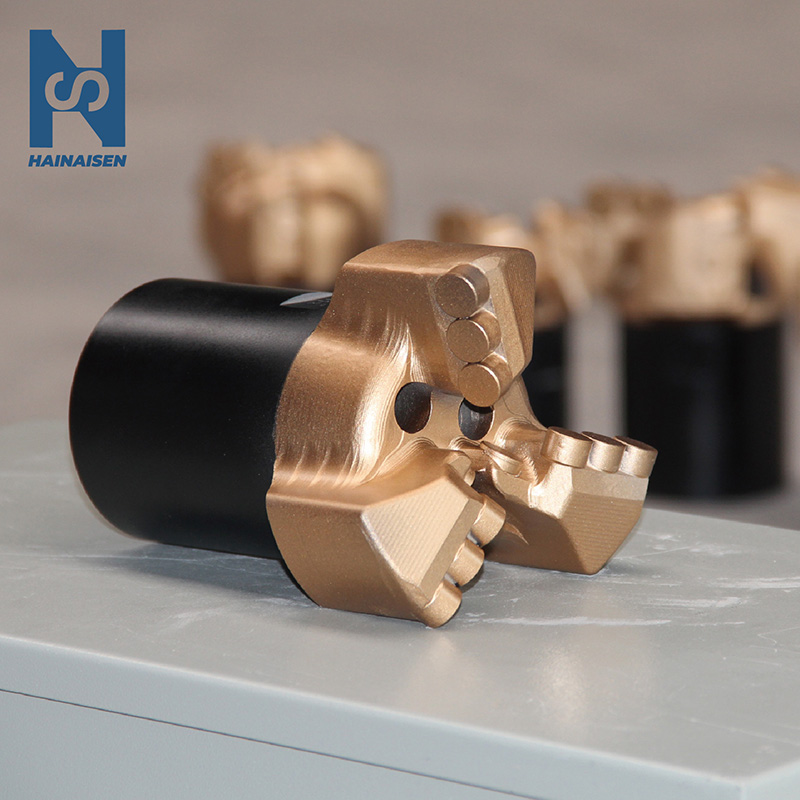 VIEW MORESteel Body PDC Drill Bit
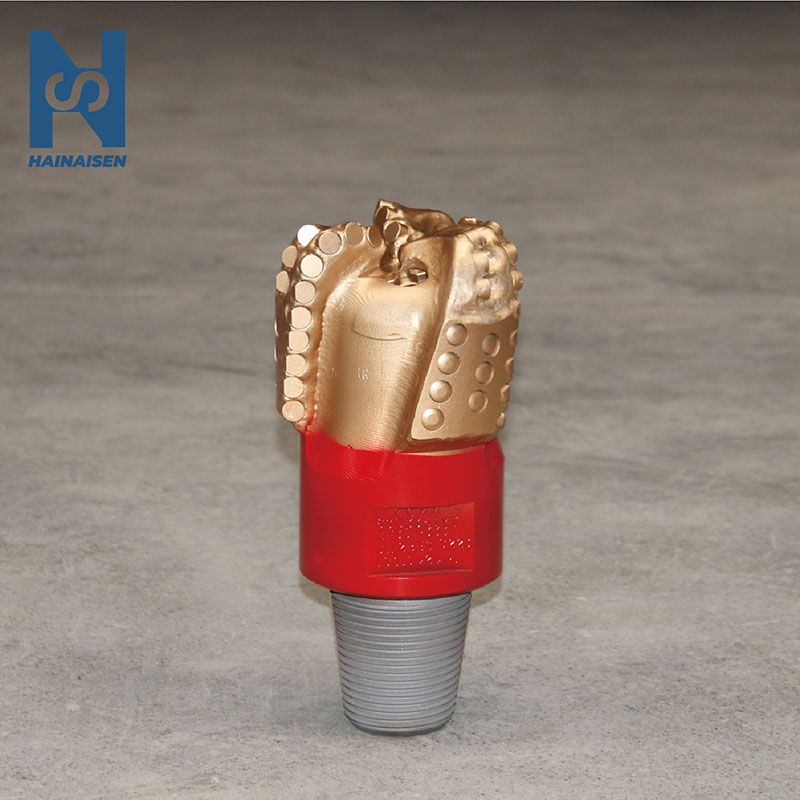 VIEW MOREThree Blade PDC Tricone Drill Bit
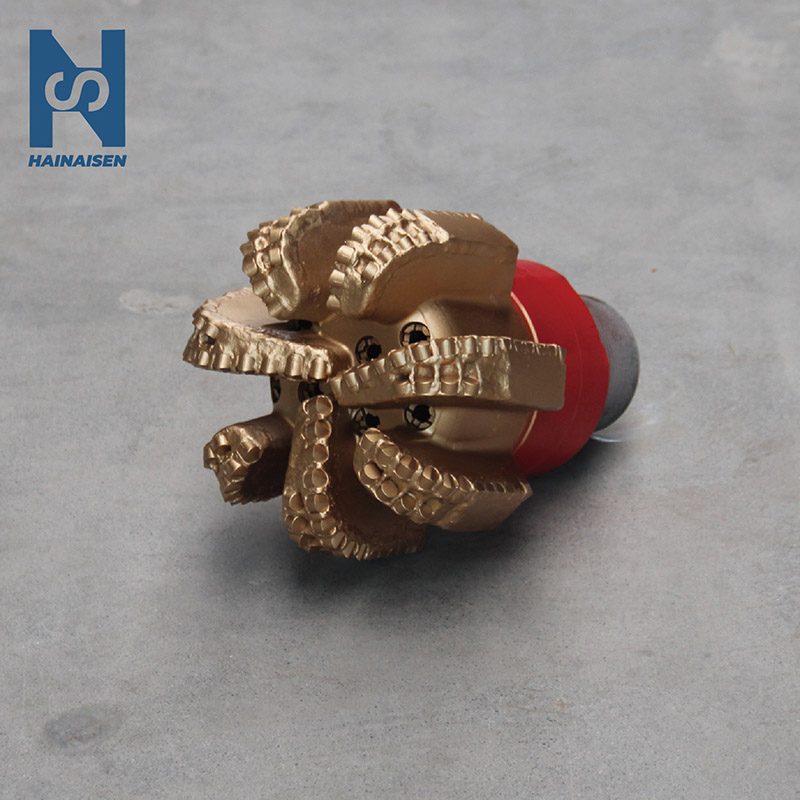 VIEW MORESeven Blade Wing Oil Drilling Drill Bit
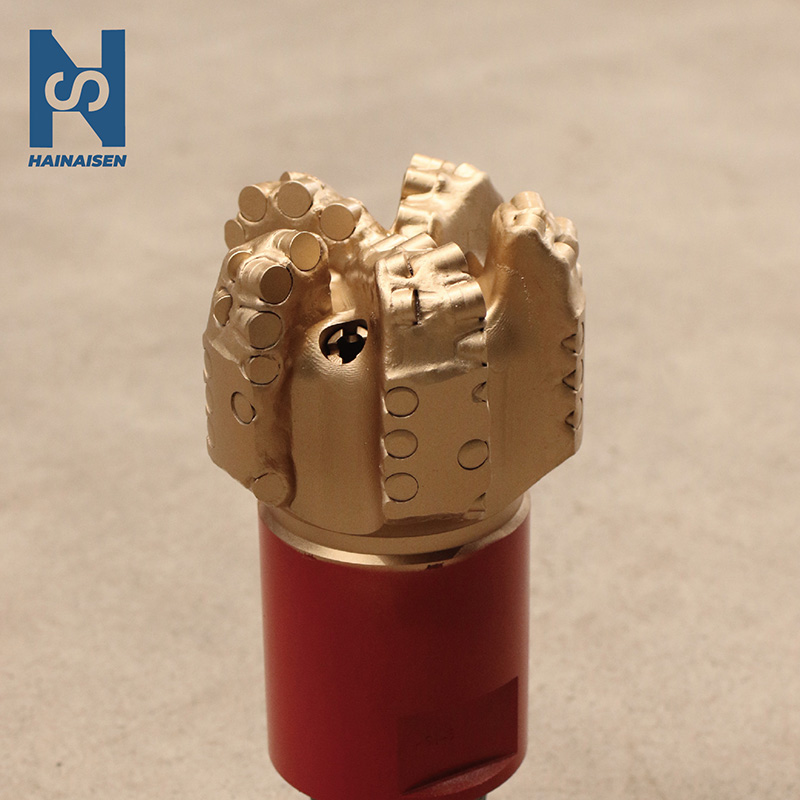 VIEW MOREPDC Petroleum Drill Bit
logo 1_1777360475599.jpg) VIEW MOREDirectional Three Blade PDC Drill Bit
VIEW MOREDirectional Three Blade PDC Drill Bit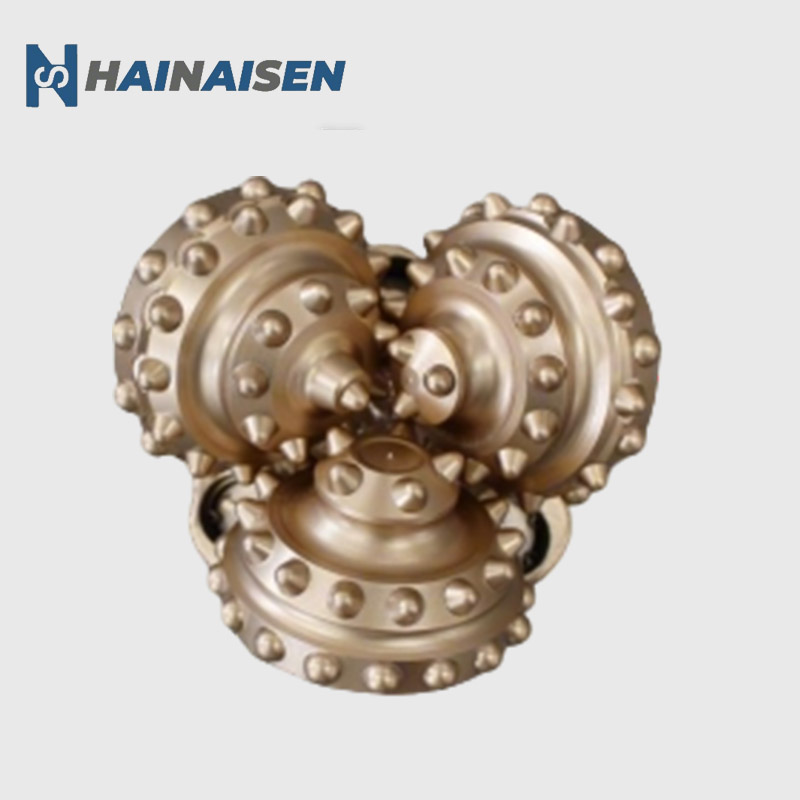 VIEW MORE4 1/2" IADC 637 TCI Tricone Bit
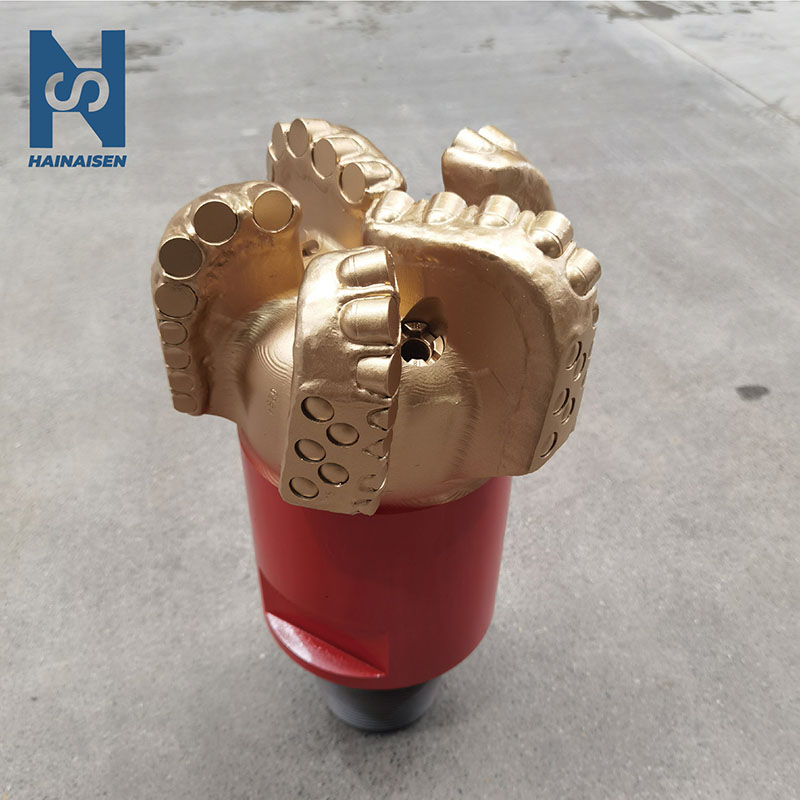 VIEW MOREDrill Bits For Oil Drilling