







How to Choose the Best PDC Bit for Hard Carbonate Formations
To choose the correct drill bit for hard carbonate formations, you need to know about the qualities of the formation, the features of the bit itself, and how it needs to be used. When drilling through thick, abrasive carbonates, a three-blade PDC Tricone Drill Bit is often the best combination of speed, longevity, and value for money. The three-blade design has bigger channels that make it easier for debris to flow away, lower torque needs, and better weight distribution compared to other PDC cuts. This design keeps bits from getting too hot and makes them last longer, which makes it especially useful for oil and gas companies, geological research teams, and water well drilling companies that have to work in tough conditions downhole.
Understanding Hard Carbonate Formation Drilling Challenges
Drilling is very hard to do in areas with hard carbonate materials like limestone, dolomite, and cemented rock layers. The compression forces of these rock formations are higher than 20,000 psi, and they are also very rough, which speeds up bit wear. The solid structure of carbonates makes it hard to predict how they will break, which can lead to bit chatter, shaking, and cutting elements breaking down too soon.
Why Conventional Bits Struggle in Dense Carbonates
Because the bearings wear out and the plugs get crushed, traditional roller cone bits don't work well in hard carbonates for long. The repeated impact forces needed to break through thick rock create too much heat, which causes the bearing to fail before it should. Standard PDC Bits, on the other hand, quickly become dull when their cuts hit hard, harsh carbonate surfaces at the wrong angles. These mistakes directly lead to higher operating costs because the bit trips more often, drilling takes longer, and the project as a whole is less efficient.
The Financial Impact of Inadequate Bit Selection
When digging hard carbonate, picking the wrong bit type can lead to a lot of running costs. A medium-sized oil service business that works in carbonate formations in West Texas said that its cost-per-foot dropped by 38% when it switched from using regular tricone bits to properly designed PDC solutions. In their old method, bits would run for an average of 12 hours before they needed to be replaced. With improved PDC bits, cutting could continue for 40 to 60 hours. This change had a direct effect on project timelines, which let the company finish well ahead of plan and move resources to other projects.
The Three-Blade PDC Tricone Drill Bit: Design and Functional Overview
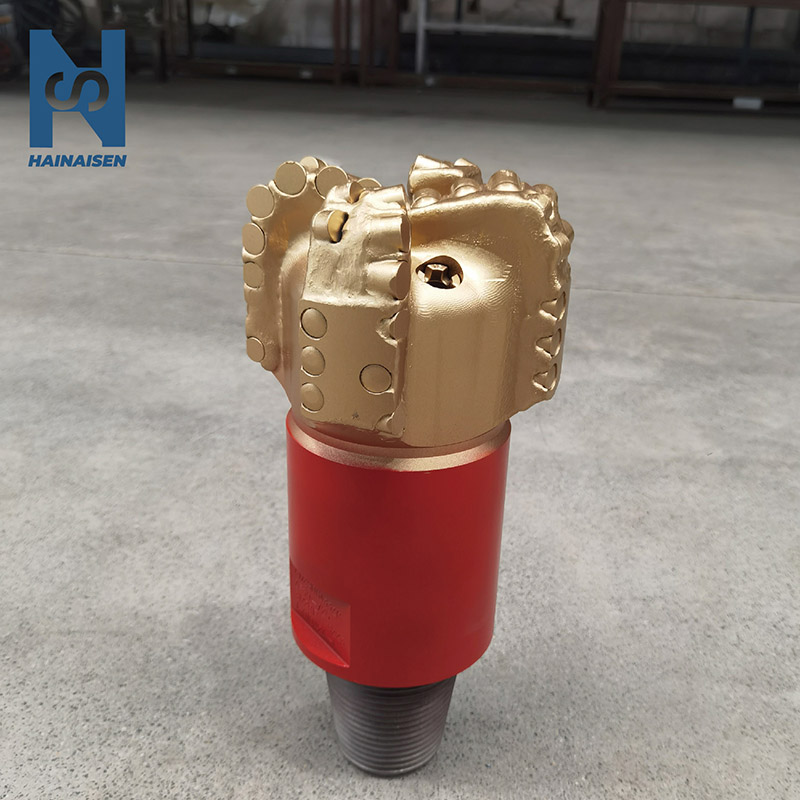
Three-blade PDC Tricone Drill Bits are designed to deal with problems that come up when drilling in hard limestone. In contrast to four- or five-blade designs, the three-blade layout makes each blade stronger while also making the junk slots between the blades bigger. This shape makes it easier to get rid of cuttings, which is very important when drilling through gritty carbonates that produce large amounts of waste.
Core Engineering Principles
The practical benefit of the Three Blade PDC Tricone Drill Bit comes from the way things work in the real world. When the bit's weight is spread out over three blades instead of four or five, each blade gets a relatively greater amount of force, which drives cuts deeper into the formation with each turn. This focused force works especially well on hard, competent carbonates, where a shallow cutter contact makes polishing happen instead of cutting. The blade angle and cutter back rake work together to create a slicing action that breaks up carbonate crystals instead of trying to crush them. This is a much more energy-efficient way to cut.
HNS makes Three Blade PDC Tricone Drill Bits with bodies made of high-strength steel and modern synthetic PDC blades. The IADC S433 6-inch type from the company has 61 13mm PDC cutters placed carefully across three blades. Its 65mm gauge length makes it very stable in all directions. The 22 kg weight makes it easy to handle while changing bits, and the 3-1/2 REG PIN link makes sure it works with normal drill strings. This setup is designed to work with medium-to-hard carbonate formations, where the success of a project depends on how well it penetrates and how long the bits last.
Cutter Placement and Hydraulic Design
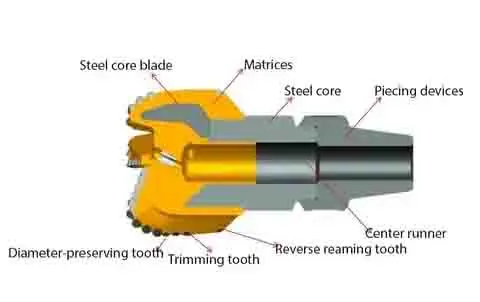
The difference between great bits and average ones is how the cutters are set up. The cutter shape on good three-blade bits places the cutters so that they don't cut the same rock twice. Instead, each cutter cuts a new formation instead of re-cutting rock that has already been split. The nose cutters handle the first rock failure, the shoulder cutters make the hole as big as the gauge diameter, and the gauge cutters keep the hole stable and stop the diameter from getting smaller.
Three tubes placed between the blades send drilling fluid straight to the cutting areas that are actively working. This hydraulic system does two things: it cools PDC cutters to keep them from breaking down due to heat, and it gets rid of rock chips before they can grind again under the bit. In hard carbonate drilling, friction creates a lot of heat. Proper tip placement extends the life of the cutter by stopping the buildup of heat that causes PDC delamination.
Procurement Considerations for Three-Blade PDC Tricone Drill Bits
Buying drill bits isn't just about how much each one costs. A full procurement study looks at the total cost of ownership, the skills of the provider, and how well the strategy goals match up with the operational goals.
Evaluating Supplier Credentials and Manufacturing Quality
Manufacturers of reliable PDC bits have quality management systems that are written down and often approved to ISO 9001 or similar standards. These certificates show that the production process is consistent, which means that the performance of the bits can be predicted. When looking at possible suppliers, you should ask for proof of the steel's composition, the PDC cutter's specs, and the quality control processes. Computerized machining centers, like the 5-axis machines and CNC equipment used in HNS's 3,500-square-meter production plant in Xi'an, are used by high-end makers to make sure that exact tolerances are met, which affects bit balance and performance directly.
Customization choices are also limited by what can be made for 3 blades pdc drill bit. Companies that drill in carbonate profiles that aren't common profit from providers that offer custom bit design services. HNS has a research and development team that only works on custom bit designs. This lets clients choose the cutter sizes, blade shapes, and hydraulic features that work best with the rock they are drilling.
Balancing Price and Value Across Company Sizes
Before agreeing to supply bits, medium and large oil service companies usually do thorough bit reviews that include sample testing and long field trials. Long-term dependability and technical help are important to these companies, and they're willing to pay more up front in exchange for proven success and quick responses from suppliers. At this level, procurement managers should work out volume pricing structures and set up expert contact arrangements to make sure they can get help quickly when conditions in the hole make it hard for bits to work properly.
Companies that mine coal often stress having reasonable prices while still meeting quality standards. Sample testing lets these buyers make sure that the bits work before they place orders for mass production. To figure out the real cost-per-foot, procurement strategies should ask for trial amounts at lower prices and keep track of penetration rates, length drilled, and bit state at retirement.
Smaller contractors and teams that drill water wells care mostly about the provided cost and quick availability. Even though these buyers might be okay with bit designs that are a bit simpler, choosing reputable makers keeps them from saving money by failing too soon. Buyers who are only concerned with price should still ask for references and make sure that the bits they are buying meet basic IADC requirements for target shapes.
Logistics and After-Sales Support
When you buy something internationally, you have to think about more than just the product specs. Lead times, shipping ways, and customs procedures all have an effect on how long projects take and how much operating capital is needed. When buying from companies like HNS, make sure you know their shipping policies, how long their normal production times are, and if they offer fast choices for urgent needs. Set up clear ways to communicate, like an email address like hainaisen@hnsdrillbit.com, and make sure that providers offer English-language technical help that works with different time zones.
Buyers are protected against flaws in the making process by warranty terms and repair methods. Most standard guarantees cover flaws in the material or the work that was done, but not regular wear and tear or damage from improper use. Carefully read over the guarantee terms to make sure you understand what paperwork is needed for claims and how long it usually takes to get them resolved.
Maintenance, Common Issues, and Lifespan Optimization
Maximizing the performance of a three-blade PDC tricone drill bit requires organized repair procedures and smart operating choices. Taking good care of a bit will make it last longer and keep its cutting efficiency throughout its useful life.
Pre-Drilling Inspection and Preparation
Before using any PDC bit, make sure you look at all of its cutting edges very carefully. Check each PDC cutter for damage from shipping and make sure they fit snugly in their pockets without any gaps or tilting. Check the leading edges of the blades for dents or deformations that could cause stress to build up during drilling. Make sure that the tip holes stay clean and are the right size.
Pay close attention to the bit's link threads. As directed by the maker, clean the threads with a wire brush and take off any protective coatings. Use the right thread compound to make sure the right amount of repair pressure is used and to stop galling. Connections that aren't properly made let vibrations pass through and can cause severe thread failure downhole.
Operational Parameters and Real-Time Monitoring
The drilling settings have a direct effect on how well and how long the bit lasts. The bit's weight, its rotating speed, and the rate of hydraulic flow must all match the properties of the rock and the design of the bit. Too much weight presses PDC cuts against the formation, which leads to microcracks and failure before it should. When cutters don't have enough weight, they skate across hard carbonate surfaces, cleaning instead of cutting and making heat without making any footage.
Rotating speed setting strikes a balance between heat production and penetration rate. Hard carbonates usually work well at low speeds, like 60 to 120 RPM for 6-inch bits, where the cutters can successfully shear the formation without heating it up too much through friction. Always keep an eye on the torque numbers; sudden torque spikes mean that the bit is balling or the cutter is damaged, and you need to change the parameters right away or retrieve the bit.
The hydraulic flow rates must be high enough to move the cuttings and cool the cutter. If there isn't enough flow, chips can build up under the bit, which makes grinding conditions wear out faster. Because quality bits like the HNS IADC S433 type have three nozzles, they need minimum flow rates that are estimated based on the sizes of the nozzles and the amount of hydraulic horsepower that is wanted at the bit. Check the manufacturer's instructions and change the pump's output to stay within the limits that are suggested.
Post-Run Evaluation and Maintenance
After every drilling run, the 3-blade PDC drill bit is carefully cleaned and inspected to help with future operating choices. Clean the blade gaps and the area around the cuts with high-pressure water. To get rid of stubborn buildup, you may need to use mechanical tools, being careful not to damage the PDC cuts or the blade surfaces. There are rough bits in dried drilling mud that keep wearing down parts while they are stored if they are not fully removed.
Document the bit state in a planned way. Take pictures of the bit from different angles and make note of any broken or missing cutters, worn-out blades, or gauge loss. To find ways to improve things, compare recorded wear patterns to cutting settings and the way the rock is formed. For instance, a lot of wear on the nose cuts means that the bit is too heavy, while wear on the gauges means that the machine isn't stable enough or that the rotating speed is too high.
Bits that are damaged but have less than 10% broken cuts may still work for less difficult tasks. But keeping badly broken bits running in hard carbonates speeds up degradation and increases the chance of a catastrophic failure. Set clear guidelines for when to retire a bit, such as a percentage of cutter loss, gauge wear, or a drop in the entry rate, and stick to these rules even if there is pressure to make the bit last longer than is safe.
Conclusion
In order to choose the best PDC bits for hard carbonate rocks, you need to look at a lot of technical specs, operating needs, and cost factors. When properly matched to the properties of the formation, three-blade PDC designs have been shown to improve entry rate, longevity, and cost-effectiveness. To be successful in procurement, you need to work with manufacturers who can show they have engineering knowledge, good production methods, and quick technical help. Disciplined upkeep, the right drilling parameters, and systematic performance recording all lead to operational success. By following these rules, drilling operations for oil and gas research, geological surveys, water well development, and mining can cut down on project timelines and costs while still getting the job done.
FAQ
Q1: What makes three-blade PDC bits superior for hard carbonate drilling?
The three-blade design spreads the bit's weight over fewer cutting areas, which increases the force per cutter and makes it easier to cut through hard forms. Wider gaps between the blades make it easier for debris to flow away, which keeps chips from building up and causing the machine to wear out faster. When compared to multi-blade designs, this one needs less power and stays stable in any direction as long as the gauge length is right.
Q2: Can I customize PDC bit specifications for unique formation conditions?
Manufacturers with a good reputation will let you change the cutter sizes, blade shapes, hydraulic features, and connection types to fit your needs. When working in places with strange rock formations or that need specific performance qualities, custom bit design comes in very handy. Getting makers involved early in the planning stages of a project makes sure that there is enough time for engineering, prototyping, and testing of unique configurations.
Q3: How do I determine when to retire a three-blade PDC bit?
Set guidelines for when to retire based on several factors, such as: cutting loss of more than 10%, gauge wear of more than 1/16 inch, penetration rate dropping 40% below initial performance, or damage to the blade that can be seen and causes shaking. Keeping the bits running past these limits raises the chance of a catastrophic failure and hurts later forms by making the holes less good. Systematic recording of bit state over multiple runs improves choices about when to remove bits and optimizes the overall costs of drilling.
Partner with HNS for Optimized Carbonate Drilling Solutions
Drilling operations targeting hard carbonate formations require more than standard equipment—they demand precision-engineered solutions backed by technical expertise. HNS specializes in manufacturing premium Three-Blade PDC Tricone Drill Bits designed specifically for challenging geological conditions. Our 3,500-square-meter manufacturing facility employs advanced 5-axis machining centers and CNC equipment, ensuring every bit meets exacting quality standards. The dedicated research and development team creates custom bit designs addressing unique formation challenges, while comprehensive technical support guides parameter optimization and operational troubleshooting. Medium and large oil service companies value our rigorous quality documentation and long-term reliability, while cost-conscious operations appreciate competitive pricing without compromising performance. Contact HNS today at hainaisen@hnsdrillbit.com to discuss your carbonate drilling requirements with experienced engineers who understand the technical and economic pressures facing procurement managers and technical directors. As a trusted Three Blade PDC Tricone Drill Bit manufacturer, we deliver measurable improvements in penetration rates, bit longevity, and total drilling costs through superior products and responsive partnership.
References
1. Bellin, F. and Dorao, C. (2019). "PDC Bit Technology Advances for Hard Rock Drilling Applications." Journal of Petroleum Technology, 71(8), 45-52.
2. Durrand, C.J., Skeem, M.R., and Crockett, R.B. (2018). "Polycrystalline Diamond Compact Cutter Technology for Geothermal and Hard Rock Drilling." Geothermal Resources Council Transactions, 42, 1247-1260.
3. Gan, L. and Zhang, H. (2020). "Optimization of PDC Bit Design Parameters for Carbonate Formation Drilling." Petroleum Drilling Techniques, 48(3), 28-35.
4. Rajabov, V., Miska, S.Z., and Mortimer, L. (2021). "Advanced Drilling Bit Technologies for Improved Performance in Challenging Formations." SPE Drilling & Completion, 36(2), 412-428.
5. Warren, T.M. and Sinor, L.A. (2017). "PDC Bits: What's Needed to Meet Tomorrow's Challenge." SPE/IADC Drilling Conference Proceedings, Paper 17541, 219-228.
6. Zeuch, D.H. and Finger, J.T. (2018). "Rock Breakage Mechanisms with a PDC Cutter." International Journal of Rock Mechanics and Mining Sciences, 135, 104440.
 VIEW MOREPDC Core Drill Bit Used For Drilling
 VIEW MOREPolycrystalline Diamond Compact Drill Bits
 VIEW MOREHard Alloy Scraper Drill Bit
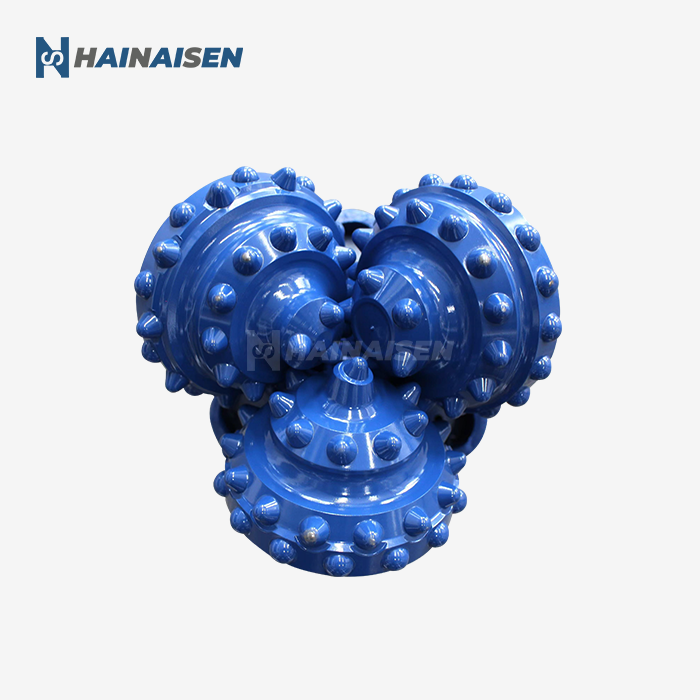 VIEW MORERock Roller Drill Bit
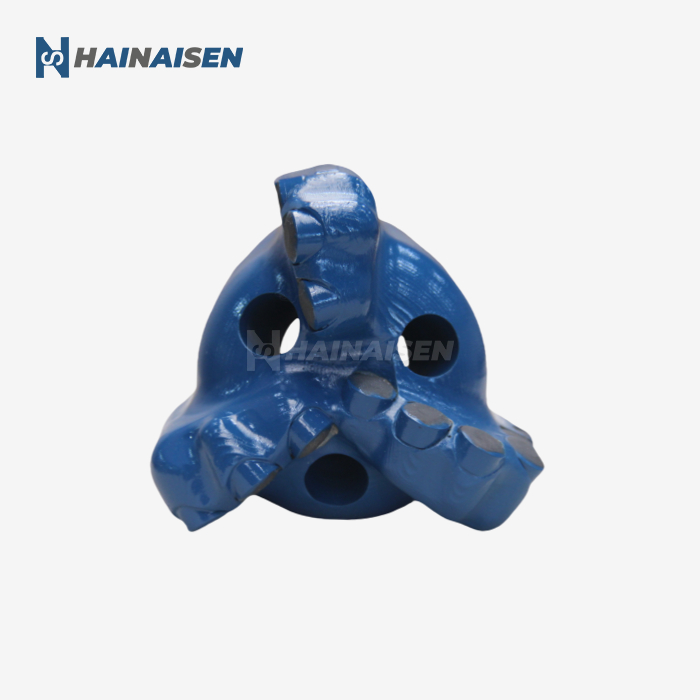 VIEW MORE3 Blade PDC Arc Angle Drill Bit
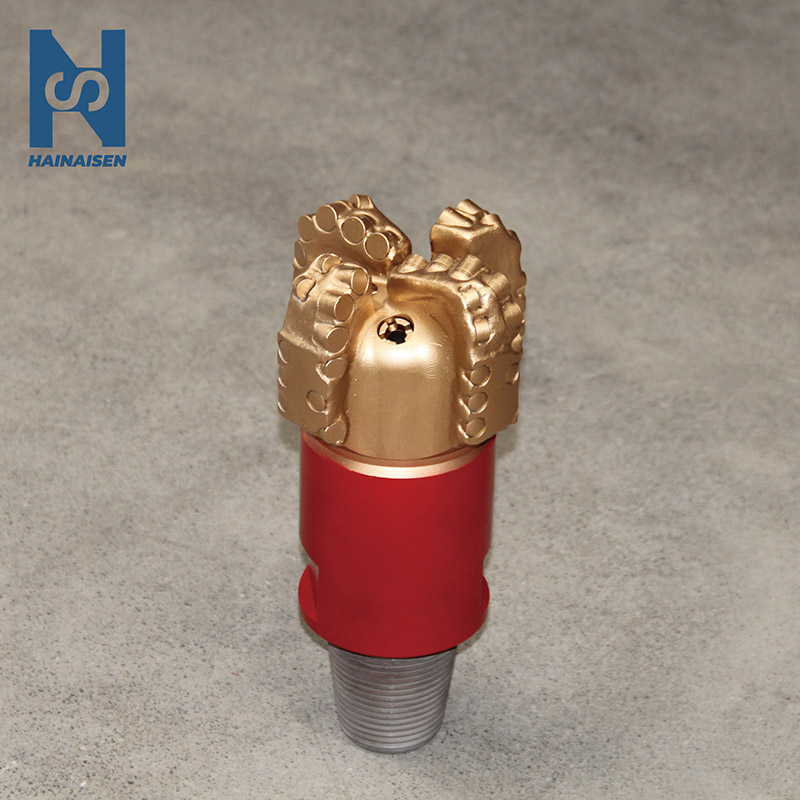 VIEW MOREHigh Quality PDC Drill Bits
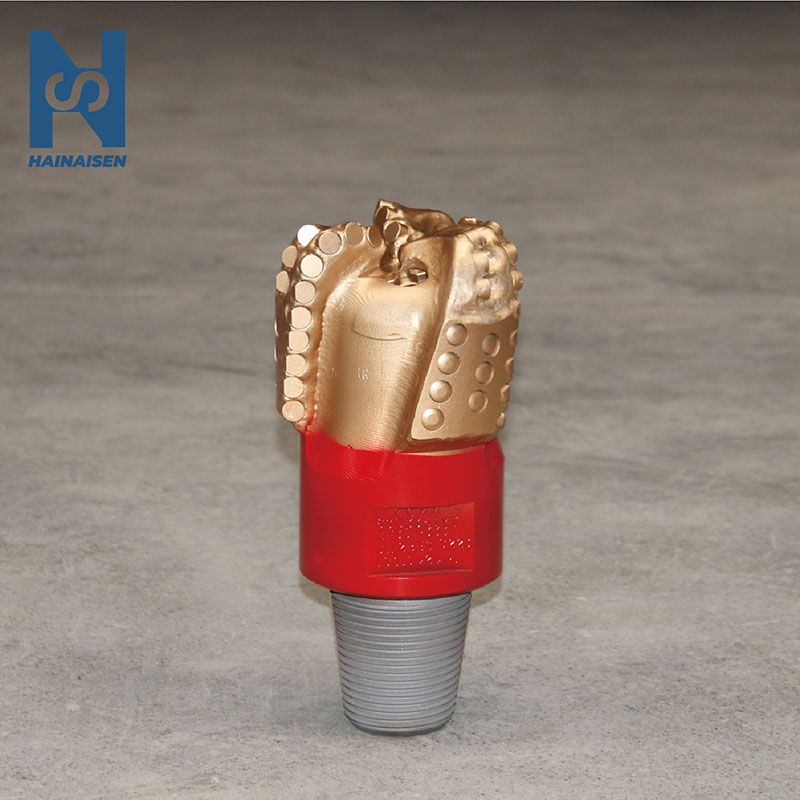 VIEW MOREThree Blade PDC Tricone Drill Bit
 VIEW MOREPetroleum Drilling Equipment PDC
