




Reviews of industrial drill bits for oil drilling
Choosing the right drill bits for oil drilling has a direct effect on project timelines, budget management, and the general efficiency of the drilling. Our in-depth study of industrial Drill Bits For Oil Drilling is meant to give purchasing managers and technical engineers useful information about how well they work, how long they last, and how much they cost. We looked at the latest PDC technology, different types of roller cones, and specific diamond bits to help you make smart buying choices. This study looks at the technical specs, material make-up, and real-world performance data that oil service companies, coal mining operations, and water well drilling teams care about the most when choosing providers and negotiating large orders.
Understanding Drill Bits for Oil Drilling: Types and Technologies
For modern drilling jobs, you need tools that can work consistently even in harsh geological conditions. As digging technology has improved, different types of bits have been made to deal with different types of rock.
PDC Bits: The Industry Standard for Efficiency
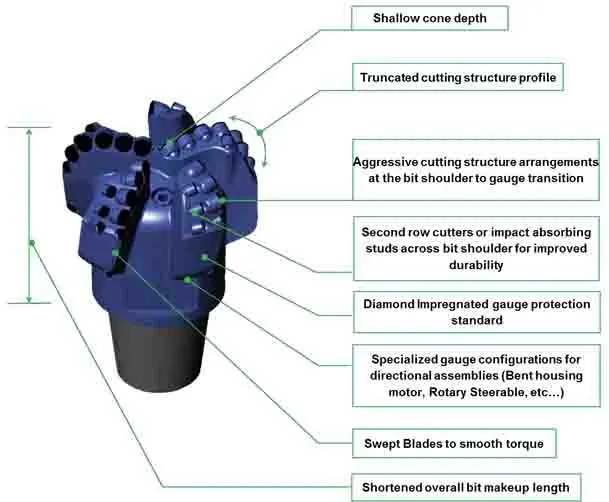
In the last ten years, Polycrystalline Diamond Compact bits have changed the economics of drilling. Synthetic diamond cutters are attached to tungsten carbide surfaces to make these tools. The cutting tips stay sharp even after drilling thousands of feet. The HNS 8.5" PDC bit is an example of this technology. It has five blades with 63 strategically placed cutters of varying sizes (13mm and 16mm). This design balances aggressive cutting action with durability. The 62mm gauge length prevents premature wear in wellbores that aren't straight, and the 4-1/2 REG.PIN connection makes sure it works with standard drill strings used in North American operations.
In shale formations and soft to medium rock, PDC technology works best because the constant cutting action makes penetration rates faster than roller cone options. The matrix body construction effectively spreads heat, which stops thermal damage that shortens bit life during long drilling cycles.
Roller Cone Bits: Proven Performance in Hard Rock
Roller cone bits are still useful for some tasks, especially in tough, abrasive formations where impact crushing works better than shearing. These bits have rotating cones with tungsten carbide inserts that break rock through repeated strikes. While roller cones don't penetrate as well as PDC Bits in softer formations, they work better in varied geology where unpredictable changes in hardness would damage PDC cutters.
Material Innovation Driving Performance
Modern metallurgy has greatly improved the capabilities of drill bits for oil drilling. High-strength steel alloys keep bits structurally sound under high downhole pressures, and thermal stability coatings protect PDC cutters during high-temperature drilling. Adding diamond-enhanced cutting elements creates self-sharpening surfaces that keep the bit's performance throughout its useful life. Manufacturing facilities like our 3,500m² production center use 5-axis machining centers to achieve tolerances that ensure proper cutter placement—even fractional millimeter differences can lower hydraulic efficiency and speed up wear.
Comparative Reviews of Leading Drill Bits in 2026
To judge what's on the market now, you need to know how differences in design affect performance in different drilling situations. Our study looks at bits based on real-world data from the field, not just what Manufacturers say they can do.
PDC Performance Across Formation Types
In 2024 field tests, the five-blade PDC configuration showed a lot of versatility. In Permian Basin shale operations, similar designs achieved penetration rates of more than 120 feet per hour and bit life of more than 3,000 feet, which means big cost savings when added up over multiple well drilling campaigns. The seven-nozzle arrangement makes it easier to remove cuttings, keeping cutting structures cleaner and preventing bit balling, which usually lowers efficiency in clay-rich zones.
Offshore applications have different problems because of the high pressure and saltwater corrosion that require better material specifications. Bits with diamond-enhanced technology last 40% longer in these conditions than standard PDC designs, which makes the higher initial costs worth it because they save time and money in the long run.
Roller Cone Applications and Cost Considerations
The initial cost of roller cone bits is usually 30–50% less than comparable PDC bits. However, the total cost of ownership calculations must take into account the shorter drilling life and slower penetration rates. In coal seam drilling, where layers of rough sandstone alternate with layers of soft coal, hybrid approaches can sometimes be the most cost-effective. For example, roller cones can be used to drill through hard cap rock, and then PDC bits can be used for longer coal seam drilling.
Bulk Purchasing and Customization Economics
There are big price breaks when you buy drill bits for oil drilling in bulk. If you buy more than 50 units, you can usually get 15–25% off the base price. Custom specifications, like changing the number of blades or the way they are arranged, usually add 10–20% to the base price. The most important thing to think about is how to balance the benefits of customization against the complexity of your inventory. Standard specifications, like the IADC S223 code (which indicates suitability for soft formations), make inventory management easier and allow faster reordering when drilling schedules get tight.
When negotiating annual supply agreements, procurement managers should ask for sample testing provisions. Reputable suppliers offer trial bits at lower prices, which lets technical teams confirm performance claims before making large-scale purchases. This method is especially useful when switching suppliers or testing out new technologies.
How to Choose the Right Drill Bits for Your Oil Drilling Projects?
You can't just compare prices when choosing a strategic bit; you have to carefully consider a lot of different factors. The best ways to buy things combine technical needs with supply chain issues.
Geological Assessment as the Foundation
The most important thing to consider when choosing a bit is the formation itself. Measurements of compressive strength, abrasiveness, and consistency in the formation all affect which bit type will work best. For example, the HNS PDC bit with its S223 IADC code works best in soft formations (compressive strength below 10,000 psi), where shearing action makes penetration go smoothly. Trying to use this bit in hard limestone or granite formations would quickly damage the cutter and cause it to fail early.
When available, technical engineers should look at offset well data to see how deep the holes go, how long the bits last, and if there have been any problems with drilling in the past. This gives them a good idea of what to expect from future performance and helps them decide if custom bit designs might be worth the extra cost because they work better.
Matching Bit Specifications to Rig Capabilities
For expansion drilling, the 8.5" bit size is a typical diameter, but rig compatibility goes beyond hole size. The weight that can be put on the bit, the range of rotating speeds, and the hydraulic horsepower all play a role in how well a certain bit design works. Because this PDC bit is 45kg heavy, it needs to be connected with the right tools. Also, the seven nozzles need enough pump pressure (usually 3,000+ psi) to work properly and clear cuts from the bit face.
Purchasing managers need to make sure that the standards for API connections for drill bits for oil drilling are the same throughout the whole drill string. The 4-1/2 REG.PIN connection works with normal North American equipment, but when doing business abroad, the thread specs may be different, which can make it harder to exchange parts and make it more difficult to find spares.
Evaluating Supplier Credentials and Support
Choosing a supplier has effects that last longer than just the price. Certifications for manufacturing show how mature the quality system is. At the very least, you should see ISO 9001 compliance, and API standards can add extra security for important uses. This is shown by Shaanxi Hainaisen Petroleum Technology's strict quality control measures, which include trying materials, making sure they are made correctly, and making sure they work well before sending them out.
Support after the sale is what sets trusted providers apart from generic ones. Technical consulting services help figure out drilling problems that come up out of the blue, and fast operations make sure that replacement bits get to the job site quickly when needs change. When standard goods don't fully meet project needs, suppliers who can customize them are strategically advantageous. Facilities like ours have a specialized research and development team that can change the structure of cutters and blades or suggest different materials to deal with specific geological problems.
The rules of the warranty should be carefully read. Standard coverage usually only covers problems with the way the product was made, not wear and tear from use. But making these lines clear helps avoid arguments when bits fail too soon. Before launch, you should know what kinds of documentation are needed, like drilling parameter records and bit photos, so that guarantee claims aren't turned down for lack of proper documentation.
Common Challenges and Solutions in Oil Drilling Bit Usage
For operational success, you need to know not only what the best conditions are for performance, but also how to spot and fix typical failure modes that drive up the cost of drilling.
Cutter Wear Patterns and Diagnostic Insights
Damage to a PDC cutter usually shows up in three different ways. Thermal degradation causes cutters to lose their color and their edges to become rounded. This is a sign of too much heat from not enough cooling or too severe weight-on-bit settings. Chipped or broken cutters are signs of mechanical damage, which could mean they were hit by hard stringers or vibrated too much while cutting. A normal pattern of wear that finally requires replacement, but doesn't mean there are operating problems, is abrasive wear, which dulls the cutters evenly across the bit face.
Regular bit checks during trips help find problems quickly. Taking pictures of returned bits and keeping wear records can help find problems that keep happening in certain layers or drilling parameters. This information is very helpful when talking about success with sellers or changing how things are done.
Bearing Failures in Roller Cone Applications
Roller cone bits have problems with the bearing seal that PDC designs don't have at all for drill bits for oil drilling. Drilling chemicals can contaminate bearing grease, and pressure differences can break the integrity of seals. Watching the torque needs gives you early warning—sudden drops usually mean a bearing failure that will get worse quickly if you keep digging. Some ways to avoid this are to keep the right amount of mud in the well to keep the pressures in the well balanced and to avoid digging for long periods of time in hot areas that put stress on seal materials.
Extending Operational Life Through Best Practices
The right way to handle a bit starts at the top. Checking the pin threads before they are made stops galling, which can lead to connection failures downhole. Following the manufacturer's instructions for torque (usually between 20,000 and 30,000 ft-lbs for 4-1/2 REG connections) makes sure that the load is transferred correctly and that the threads are not damaged.
Optimizing drilling parameters has a big effect on bit life. By slowly adding more weight to the bit and keeping an eye on the power and penetration rate, the best working ranges for each shape can be found. Most PDC jobs can be done at rotary speeds between 60 and 120 RPM, but harder forms may work better at faster speeds that keep the cutter engaged. Hydraulic optimization makes sure that enough flow gets to the bit face. Figuring out the hydraulic horsepower per square inch (HSI) helps make sure that enough cleaning action takes place.
Monitoring tools give information in real time that stops damage before it happens. Vibration monitors find damaging oscillations before they break cutters, and changes in the weight of the bit may show that the bit is balling or that the hole is not being cleaned properly. These factors are now part of modern drilling management systems, which warn workers when conditions stray from the ideal ranges.
A medium-sized operator in the Marcellus Shale region saw a 35% rise in average bit life after adopting better tracking methods and systematic parameter optimization. To get the most out of their method, they set standard performance measures for each formation period and then changed parameters within safe limits. Overall, this data-driven approach cut down on digging costs, even though it took more time for engineers to analyze the data.
Conclusion
Choosing the right industrial drill bits is a big part of how much a drilling project costs and how well it runs. PDC technology, especially bits like the HNS 8.5" five-blade bit with 63 cutters, works better in soft to medium formations, which are common in many oil and gas plays. When making choices about what to buy, technical needs should be taken into account along with seller evaluations that look at things like quality systems, customization options, and after-sales support, as well as price. Drilling teams can get the best penetration rates and keep costs down by using systematic bit selection methods based on geological assessment, tool fit, and performance tracking. Building relationships with dependable providers who offer both high-quality goods and quick technical support can give you a competitive edge in fields where operating efficiency has a direct effect on profits.
FAQ
Q1: What factors most significantly impact drill bit lifespan?
Bit life is affected by the abrasiveness of the formation, the drilling factors (especially the weight on the bit and the rotating speed), and the hydraulic efficiency. No matter how good the bits are, abrasive patterns wear them down faster, and too much weight or not enough cooling speeds up the damage. Proper parameter selection and real-time tracking can usually add 25 to 40 percent more life to processes that aren't optimized.
Q2: How do I choose between PDC and roller cone bits for my application?
This choice is based on how hard and consistent the formation is. When working in regular soft to medium layers (below 15,000 psi compressive strength), PDC bits work best because they can quickly penetrate the rock by continuously cutting it. Roller cone bits work better in rocks that are hard, broken, or very changeable, where impact breaking works better. Cost is also important. PDC bits are more expensive at first, but they often lead to lower per-foot drilling costs in the right rocks.
Q3: Can drill bits be customized for specific geological conditions?
You can change the number of blades, the size of the cutters, the way the nozzles are set up, and the materials that are used. Most of the time, changes cost 10 to 20 percent more and take 4 to 6 weeks to make. For big drilling efforts in difficult formations where better performance justifies more investment, custom designs make economic sense.
Partner with a Trusted Drill Bit Manufacturer for Oil Drilling
HNS (Shaanxi Hainaisen Petroleum Technology Co., Ltd.) makes high-quality PDC drill bits and offers quick expert help and strict quality control. Our production plant covers 3,500m² and has high-tech 5-axis machining centers that make standard and custom drill bit configurations that are made to fit the problems you're having with the formation. Our engineering team can help you turn your drilling goals into the best bit specifications, whether you need large amounts for multiple well operations or custom designs for specific geological conditions. We offer cheap pricing and reliable delivery plans to oil service businesses, coal mining operations, and water well digging teams all over North America. Contact our team at hainaisen@hnsdrillbit.com to discuss your requirements, request technical specs, or arrange sample testing that demonstrates our Drill Bits For Oil Drilling performance advantages in your specific situations.
References
1. Smith, J.R., and Thompson, M.K. (2023). Advanced PDC Bit Design: Engineering Principles for Optimal Drilling Performance. Houston: Petroleum Engineering Press.
2. Anderson, L.P. (2024). "Comparative Analysis of Drill Bit Technologies in Unconventional Resource Development." Journal of Petroleum Technology, 76(3), 45-62.
3. Martinez, C.E., and Wong, H.T. (2023). Industrial Drilling Equipment: Selection, Operation, and Maintenance Strategies. Denver: Energy Publishing International.
4. Roberts, D.A. (2024). "Economic Evaluation of PDC vs. Roller Cone Bits in Variable Formation Drilling." SPE Drilling & Completion, 39(1), 112-128.
5. Chen, W.L., and Davis, K.M. (2023). Materials Science in Drilling Technology: From Tungsten Carbide to Synthetic Diamonds. Oxford: Technical Engineering Publishers.
6. National Drilling Association. (2024). Industry Standards for Drill Bit Procurement and Performance Verification. Cleveland: NDA Technical Publications Division.
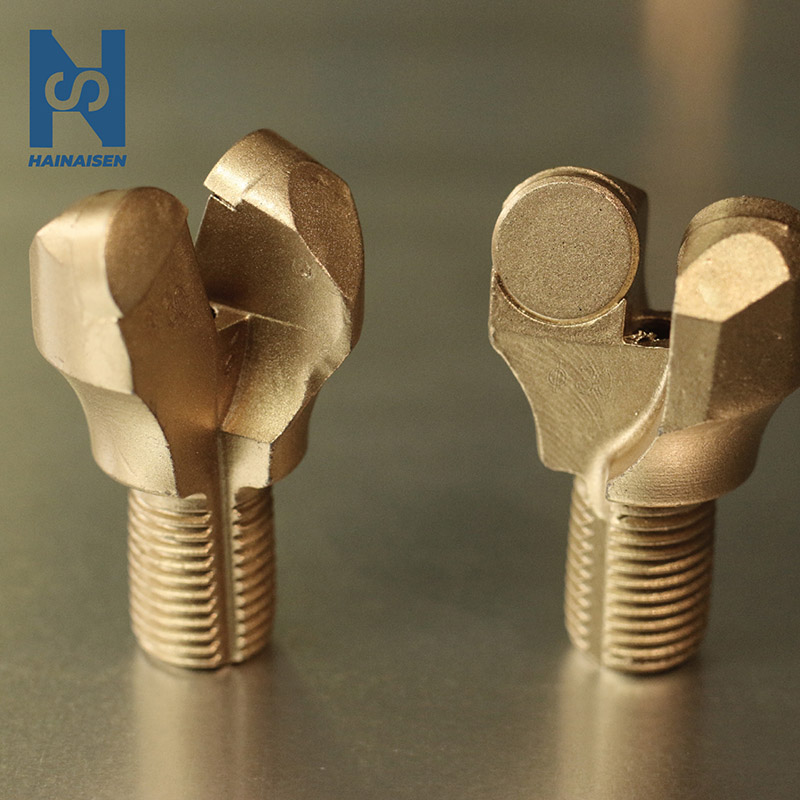 VIEW MORE30mm Half Blade Anchor Bit For Mine Coal Fields
 VIEW MOREPDC Mining Bit
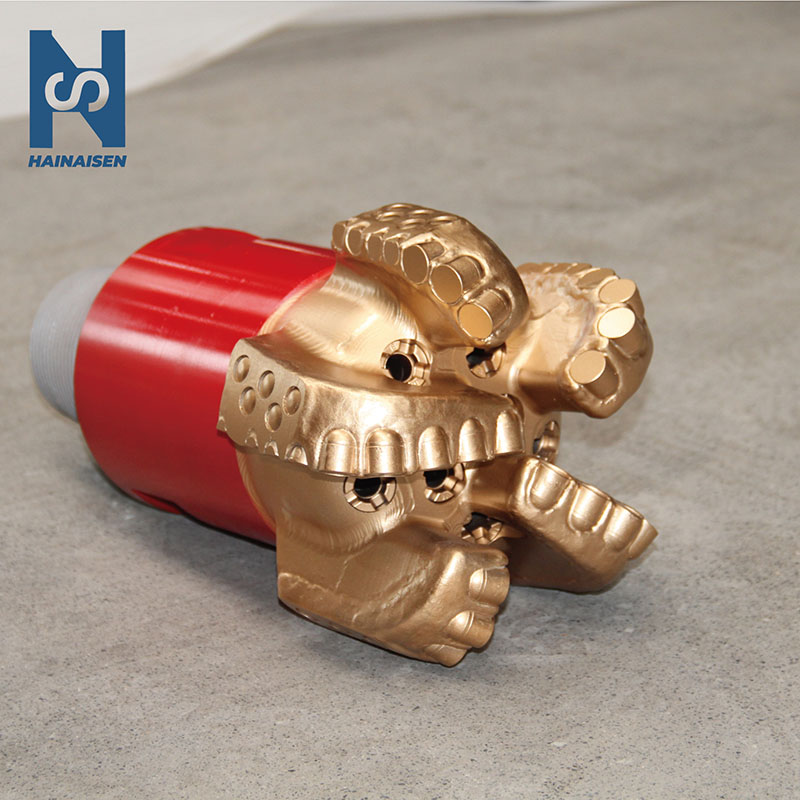 VIEW MOREDiamond Drill Bits For Oil Rigs
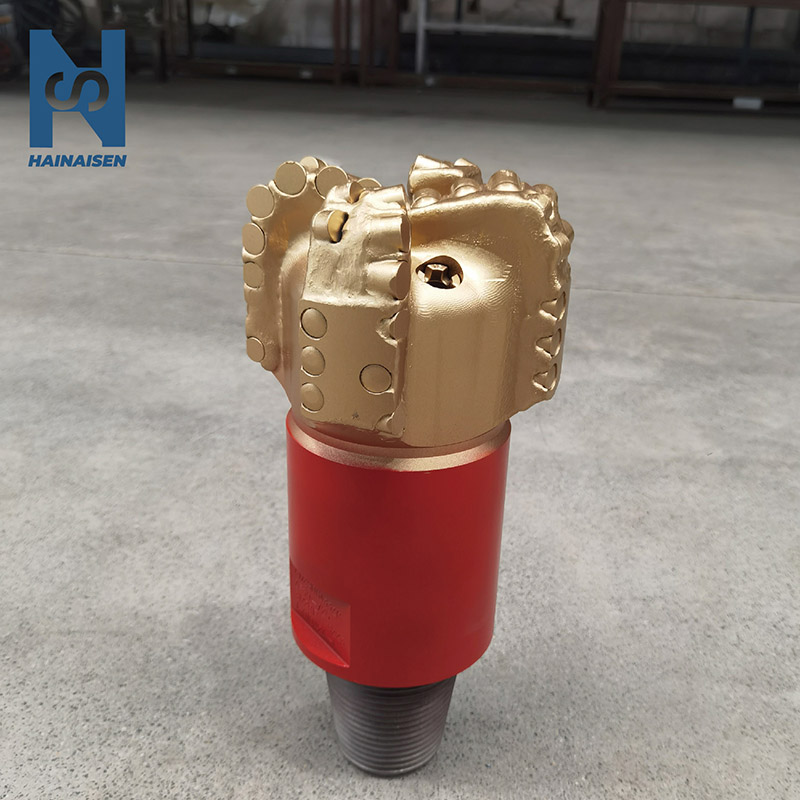 VIEW MOREPetroleum Drilling Equipment PDC
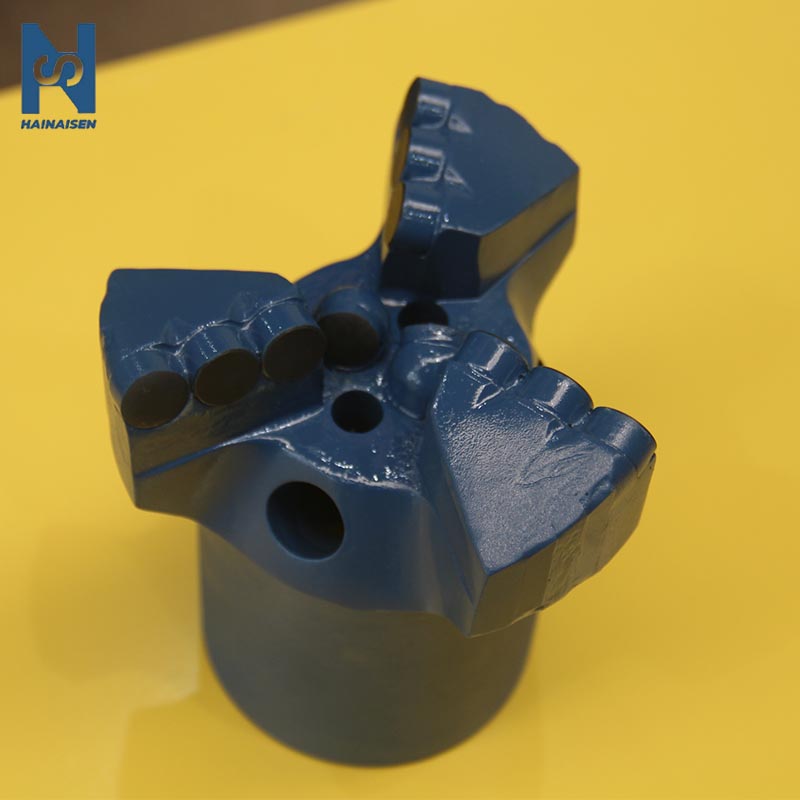 VIEW MOREPolycrystalline Diamond Drill Bits
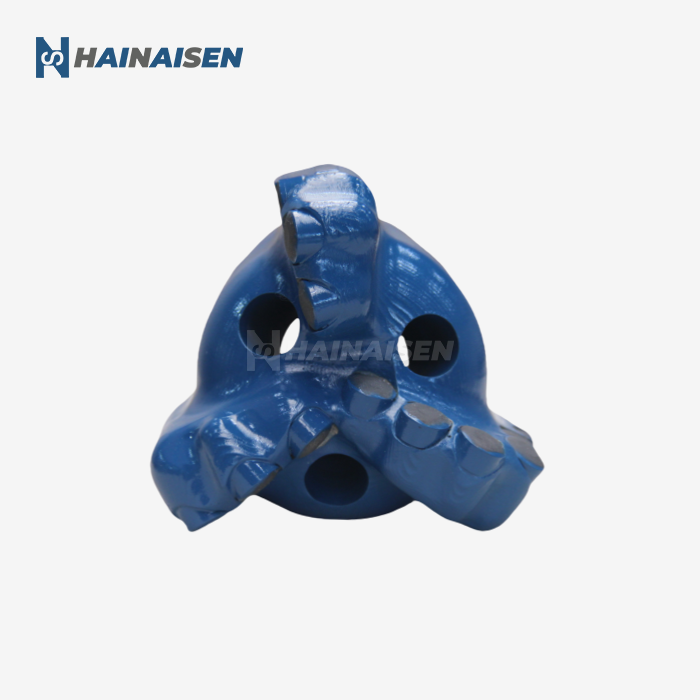 VIEW MORE113mm PDC Arc Angle Drill Bit
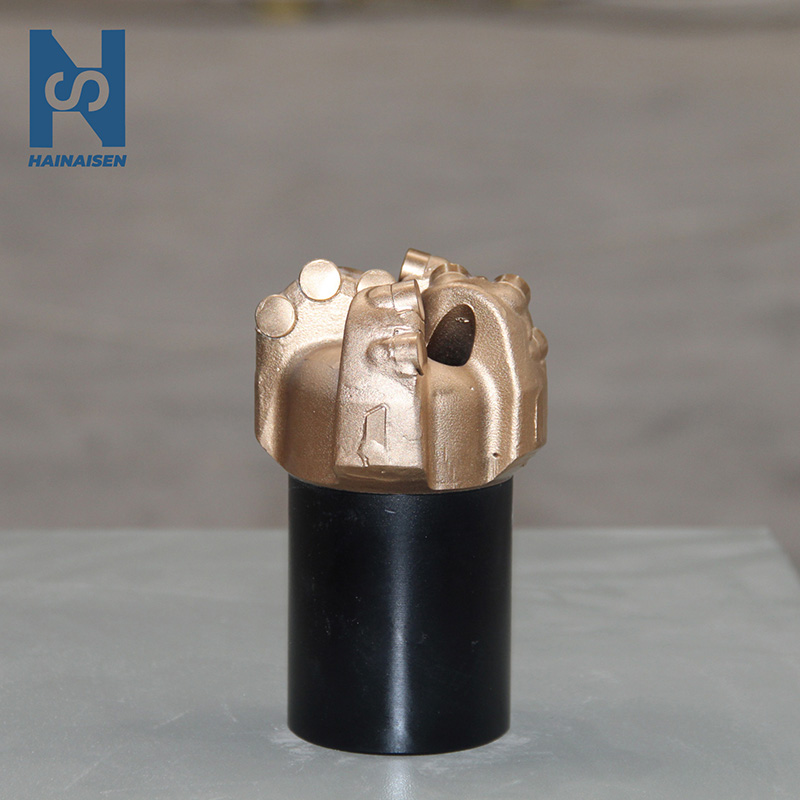 VIEW MORE113mm Four Wing Arc Angle Drill Bit
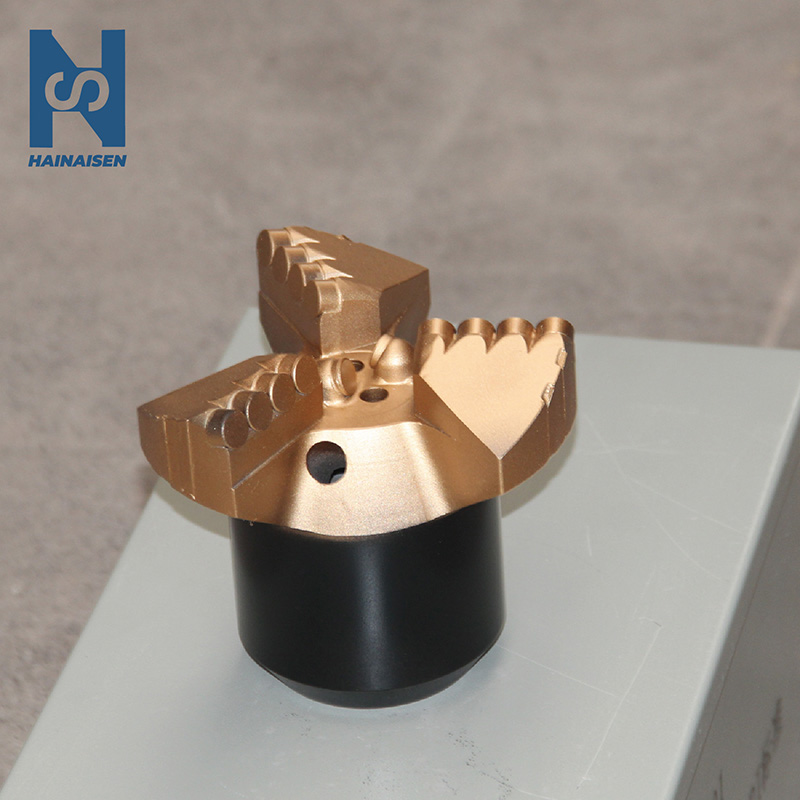 VIEW MORE153mm PDC Concave Bit