




PDC vs. Roller Cone: Which Bit Performs Better in Sandstone?
Picking between PDC (polycrystalline diamond compact) bits and roller cone bits when cutting through rock can have a big effect on how well your project works and how much money you make. According to a lot of field data and comments from oil service companies and mining operations, the 6 Wings PDC Drill Bit always does a better job in sandstone than standard roller cone bits. The six-blade design is better at stability, faster entry rates, and longer service life than roller cone options. This makes it the best choice for medium-hard formations where sandstone is the main rock type. This benefit comes from the fact that diamond cutters continuously slice, which works much better than roller cones' breaking action in rough sandstone settings.
Understanding Drill Bits for Sandstone Applications
Structural Design of Six-Blade PDC Bits
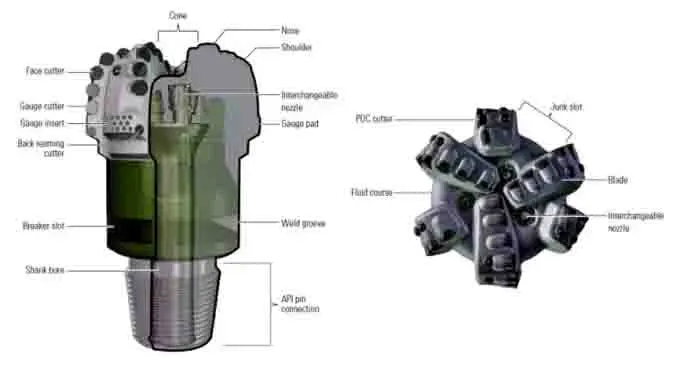
The six-wing PDC bit design is a step forward in engineering that was made especially for drilling in sandstone. Each blade is made from a body made of high-strength steel that is strengthened with tungsten carbide matrix material. This makes a strong base that can handle the huge forces that come from downhole. Polycrystalline diamond cutters are placed carefully across these six wings. This spreads the cutting load out evenly while keeping the rock contact aggressive. This design provides great balance while rotating, reducing the harmful noises that often happen with bits that have fewer blades or an uneven shape.
Material Composition and Cutter Technology
Premium PDC Bits use Manufactured diamond plates that are glued to tungsten carbide bases under very high temperatures and pressures. Because these tools are very hard, almost as hard as a real diamond, they can cut through sandstone grains without breaking them. The steel body is made of alloys that were chosen for their hardness and heat resistance. The tungsten carbide matrix on the blade sides protects against wear and tear even more, where they meet rocks the hardest.
Roller Cone Bit Mechanics and Limitations
Roller cone bits work in a very different way. They use spinning cones with steel or tungsten carbide teeth that crush rock by hitting it over and over again. This method works fine for lighter rocks, but the rough silica in sandstone quickly dulls teeth and wears out bearing systems. Roller cones have a lot of places where they can go wrong because they are so complicated mechanically. For example, sealed bearings have to work in dirty drilling fluid, metal seals wear down when particles hit them, and the cone's spinning needs constant lubrication, which often stops working during long drilling runs.
Sandstone Drilling Challenges
Sandstone patterns create unique problems that set off better bit designs from average ones. Most sandstones are in the medium-hardness range, with a compressive strength between 20 and 170 MPa, based on how well they are bonded and how porous they are. Another difficult quality is abrasiveness. Quartz grains act like grinding media against bit surfaces, speeding up wear on any part that isn't hard enough. Interbedded layers make things even more complicated because pieces often change between sandstone, shale, and sometimes limestone streaks, which means they need to be flexible as well as durable, just like the design of 6 blade PDC drill bits.
Performance Comparison: 6 Wings PDC Drill Bit vs. Roller Cone Bit in Sandstone
Penetration Rate and Drilling Efficiency
Six-blade PDC bits regularly achieve penetration rates 40–60% faster than similar roller cone bits in sandstone rocks when used in the field. The ongoing shearing action of PDC cutters keeps the rock engaged, while the teeth on roller cones only touch the rock sometimes as the cones spin. The 6 Wings PDC Drill Bit is better at turning spinning energy into forward motion. They can work at speeds between 60 and 250 RPM and drilling pressures between 20 and 110 KN. One Wyoming coal mine saw speeds jump from 12 meters per hour with roller cones to 18 meters per hour after moving to six-wing PDC technology. This cut the time it took to finish the project by three weeks.
Wear Resistance and Service Life
The synthetic diamond cuts on PDC bits are very resistant to wear from rough materials in sandstone settings. In medium-hard sandstone, roller cone bits usually need to be replaced every 50 to 80 drilling hours. However, good PDC bits usually last 120 to 200 hours of use before the cuts start to show signs of wear. This longer life means that the bit costs less per meter drilled, and there are fewer expensive trips back and forth to change bits, which is very important when digging deep exploration wells or water wells in rural areas where getting the tools there is expensive.
Maintenance Requirements and Downtime
Roller cone bits need to have their bearing systems, seals, and teeth checked on a regular basis. This usually needs specialized tools and trained people to do it correctly. These upkeep issues aren't present with PDC bits because they are made of simpler parts. Cutters either work or show wear that can be seen by everyone on the drilling crew. Less upkeep means less time spent on tasks that aren't needed, which is a factor that buying managers are increasingly using to judge the total cost of ownership instead of just the purchase price.
Real-World Cost Impact
A medium-sized oil service business that works in sandstone formations in Texas did a full cost study of both technologies on twenty wells. Even though PDC bits cost 35% more to buy, the total cost of digging each well went down by 18% because the bits lasted longer, the drilling rate was faster, and the rig time was shorter. When water well drilling teams are working with limited funds, these savings are even more noticeable because they can serve more clients in the same amount of time, as bits don't need to be replaced as often, and the job is finished faster.
Design Features and Material Advantages of the 6 Wings PDC Drill Bit
Optimized Load Distribution and Cutting Mechanics
The six-wing design strikes an engineering sweet spot that combines a number of performance factors at the same time. Compared to designs with four blades, the extra wings spread the cutting forces across more contact points, which lowers the stress that can break individual cutters. The shape of the blade places the cutters at angles that were carefully determined to get the most slicing done while still providing enough support for the structure behind each cutting element. This design keeps the intensity of the vibrations as low as possible while drilling. This protects not only the bit, but also the whole drill string and equipment on the surface from damaging resonance.
Hydraulic Flow and Debris Management
In sandstone drilling, getting rid of the cuttings effectively is very important because fine silica particles can build up around the cutters and cause bit balling, which greatly lowers penetration rates and speeds up wear. The six-wing design has improved flow paths between the blades that send drilling fluid exactly where it needs to go. These hydraulic features create enough speed to lift cuttings away from the bit face at flow rates between 30 and 40 liters per second. They also have cool PDC cutters, which get very hot when they separate rocks. The junk hole area between the wings gives enough room for debris to be emptied, which stops cuts from going back and forth, which would cause extra grinding.
Premium Material Selection
At Shaanxi Hainaisen Petroleum Technology, we use materials that have been carefully chosen after going through strict testing procedures to make our 6 Wings PDC Drill Bit. The bit body is made from high-grade alloy steel that was chosen for its tensile strength and impact resistance. It can handle the twisting loads and vibrations that come with directed drilling and difficult geological conditions. The latest PDC cutters have diamond tables with controlled grain size and the right amount of cobalt in the carbide base. This makes the cutters very hard while also being stable at high temperatures. The tungsten carbide matrix material that reinforces the blade surfaces has carefully measured binder metals that keep the material hard at high temperatures and stop cracks from spreading when impact loads are applied.
Heat Resistance and Thermal Management
When cutting tough rocks at high penetration rates, the constant shearing action of PDC cutters creates a lot of frictional heat. Inadequate PDC bits usually break because of thermal damage, which happens when they get too hot, and the diamond table delaminates, or the carbide base breaks down. Our production process includes improvements to thermal stability that make cutters strong at temperatures above 750°C, which is much higher than the thermal loads that are normally seen in sandstone drills. This resistance to heat makes bits last longer and lets workers keep drilling aggressively without worrying about the bits breaking down from the heat.
Choosing the Right Drill Bit: Factors B2B Clients Should Consider
Formation Characteristics and Geology
A key part of good buying is matching the bit design to geological conditions. Formations of sandstone are very different from one another. For example, clean, well-sorted sandstones with little cementation drill very differently from silica-cemented types or interbedded sequences that switch between sandstone and shale. The 6 Wings PDC Drill Bit design works best in medium-hardness rocks with a compressive strength of less than 140 MPa. This makes it perfect for the sandstone, shale, and limestone layers that are popular in oil and gas development. Teams that drill water wells in sandstone basins that aren't fully solidified to somewhat solidified find that this setup works best because it doesn't have as many blades as eight-blade designs, which can make the borehole unstable in softer formations.
Operational Parameters and Equipment Compatibility
Technical workers have to make sure that the specs of the bit match up with the drilling plans and the powers of the rig. Quality six-wing PDC bits can work with a rotating speed of 60 to 250 RPM, a weight of 20 to 110 KN on the bit, and a flow rate of 30 to 40 LPS. These specifications are within the range of what most rotary drilling rigs used in oil service and mining can handle. Purchasing managers should make sure that the drilling tools they're looking at can give the right flow rate. If it can't, cuttings won't be removed properly, no matter how good the bit is.
Blade Configuration Trade-Offs
This study is mostly about six-wing types, but knowing about all of them can help buyers make better decisions. Four-blade PDC bits are the most aggressive and can drill through very soft rock the fastest, but they are not stable enough for constant drilling in sandstone. Eight-blade designs are very stable in hard rock, but they may drill more slowly in medium-hard sandstone because each blade has less contact with the rock. The six-wing design is in the middle of the performance range. It is stable and cuts well, with the best entry rate in the medium-hardness range, which is where sandstone is usually found.
Budget Considerations and Total Cost Analysis
When making a buy choice, the total cost of ownership is taken into account, not just the initial purchase price. Large oil service companies with strict approval processes know that the higher cost of quality PDC bits is worth it because they provide better metering, less downtime, and lower total drilling costs. Coal mines that want to save money while keeping quality high find that mid-tier six-wing PDC bits are still more cost-effective than roller cones when looking at cost-per-meter. Water well drilling teams with small profit margins can get good results with quality PDC bits because they drill faster and last longer, which means they can finish more wells each season and make more money.
Supply Chain and Delivery Reliability
When buying things around the world, you have to look at what the suppliers can do beyond just the product specs. For normal six-wing PDC bits, lead times are usually between four and eight weeks. For custom designs, they can take up to twelve weeks. Making connections with makers who keep enough popular sizes in stock to guarantee on-time delivery stops costly project delays. Responding to technical help and after-sales service are what set sellers who really care about their clients' success apart from those who are only interested in making sales, especially when it comes to products like 6 blade PDC drill bits.
Conclusion
When it comes to drilling in sandstone, there are clear performance benefits for PDC technology when compared to roller cone bits. Quality PDC bits are the best choice for drilling in sandstone formations for oil and gas research, coal mining, geological mapping, and building water wells because they penetrate faster, last longer, need less upkeep, and cost less overall. For drilling in medium-hardness sandstone, the six-blade configuration strikes the perfect balance between cutting speed and operating steadiness. This makes it ideal for a wide range of drilling tasks. PDC bits are more expensive to buy at first than roller cone options, but a full cost analysis shows that they are worth it because they reduce drilling time and last longer, benefits that become more important as the size of the project increases.
FAQ
Q1: What specific advantages do six-wing PDC bits offer over roller cone bits in sandstone?
Due to the continuous shearing action of diamond cutters versus the sporadic crushing action of roller cones, 6 Wings PDC Drill Bit units can penetrate sandstone layers 40–60% faster than roller cone options. The synthetic diamond cuts last 120 to 200 hours, while roller cones only last 50 to 80 hours. This is because they are much better at resisting mechanical wear than steel or carbide teeth. When mechanical complexity is lowered, problems like bearing failures and seal degradation that stop roller cone bits from working are eliminated. This cuts down on maintenance needs and unproductive downtime.
Q2: How frequently do PDC bits require maintenance during sandstone drilling operations?
PDC bits don't need as much upkeep as roller cone bits because they are easier and don't have any bearings, seals, or moving parts that need to be checked regularly. When pulling bits for other reasons, drilling teams should do eye checks. They should look at the cutters for damage, wear, or loss, and they should check the bit body for cracks or erosion. Unlike roller cone bits, where you need special tools to check the bearings, the PDC bit state can be checked by a simple eye check that any trained driller can do without any special tools.
Q3: Can six-wing PDC bits be customized for specific sandstone formations and drilling conditions?
Bit manufacturers like Hainaisen offer a wide range of customization choices to make bits work best in different geological situations. The toughness and abrasiveness of the sandstone can be used to change the cutter size, placement density, and diamond grade. Changes to the hydraulic design take into account the flow rates and features of the cuttings that are available. Changes to the blade shape take into account the need for directional drilling or worries about borehole stability in friable formations. This ability to be customized is especially useful for operations that need to drill in difficult or odd sandstone sequences, where standard setups might not give the best results.
Partner with HNS for Superior Sandstone Drilling Solutions
To get the most out of your sandstone drilling, you need to work with a 6 Wings PDC Drill Bit maker that blends cutting-edge technology with quick customer service. Shaanxi Hainaisen Petroleum Technology has more than ten years of experience designing and making PDC bits. They have state-of-the-art production facilities and a focused research and development team to back them up. Purchasing managers and technical engineers want our six-wing PDC drill bits to work well, last a long time, and be cost-effective. Whether you're in charge of large-scale oil service operations, coal mining projects, or water well building programs, HNS can help. We offer custom drilling solutions that are backed by strict quality control and on-time delivery. Visit hnsdrillbit.com or email hainaisen@hnsdrillbit.com to talk about your project needs and find out how our 6 Wings PDC Drill Bit for sale can help you save money on drilling costs and run your business more efficiently.
References
1. Bellin, F., Dourfaye, A., King, W., and Thigpen, M. (2010). "The Current State of PDC Bit Technology." World Oil, 231(9), 41-46.
2. Clegg, J. M. (2003). "Petroleum Engineering Handbook: Drilling Engineering." Society of Petroleum Engineers, Richardson, Texas.
3. Maurer, W. C. (1980). "Advanced Drilling Techniques." Petroleum Publishing Company, Tulsa, Oklahoma.
4. Pessier, R. C., and Fear, M. J. (1992). "Quantifying Common Drilling Problems with Mechanical Specific Energy and a Bit-Specific Coefficient of Sliding Friction." SPE Annual Technical Conference and Exhibition, Washington, D.C.
5. Warren, T. M., and Armagost, W. K. (1988). "Laboratory Drilling Performance of PDC Bits." SPE Drilling Engineering, 3(2), 125-135.
6. Zhang, Z., Huang, Z., and Wang, H. (2019). "Design Optimization and Performance Analysis of Multi-Blade PDC Bits for Sandstone Formations." Journal of Petroleum Science and Engineering, 175, 423-432.
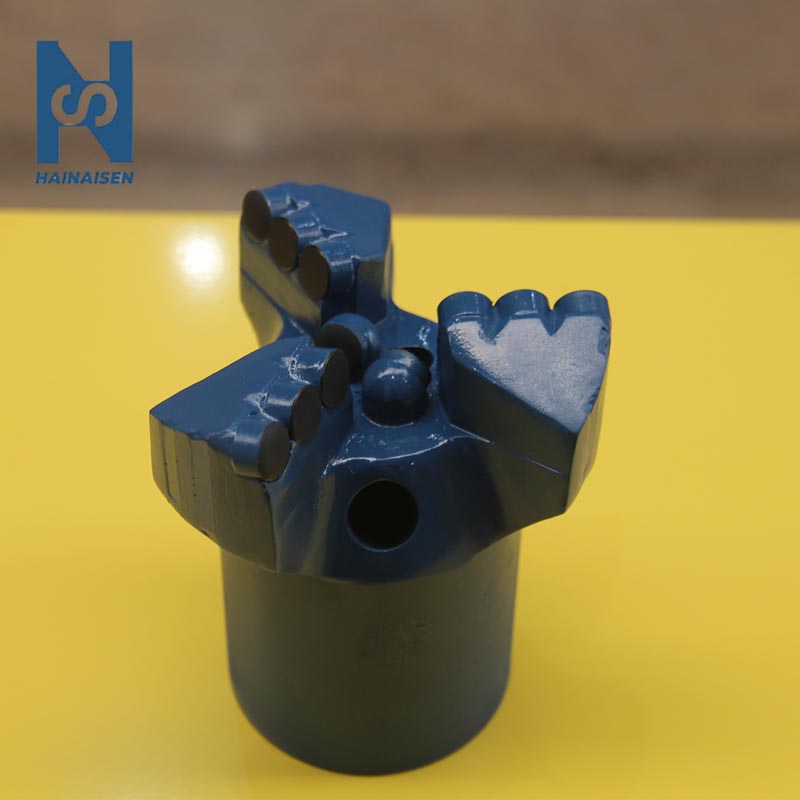 VIEW MORE3 Blades Steel Body PDC Bit
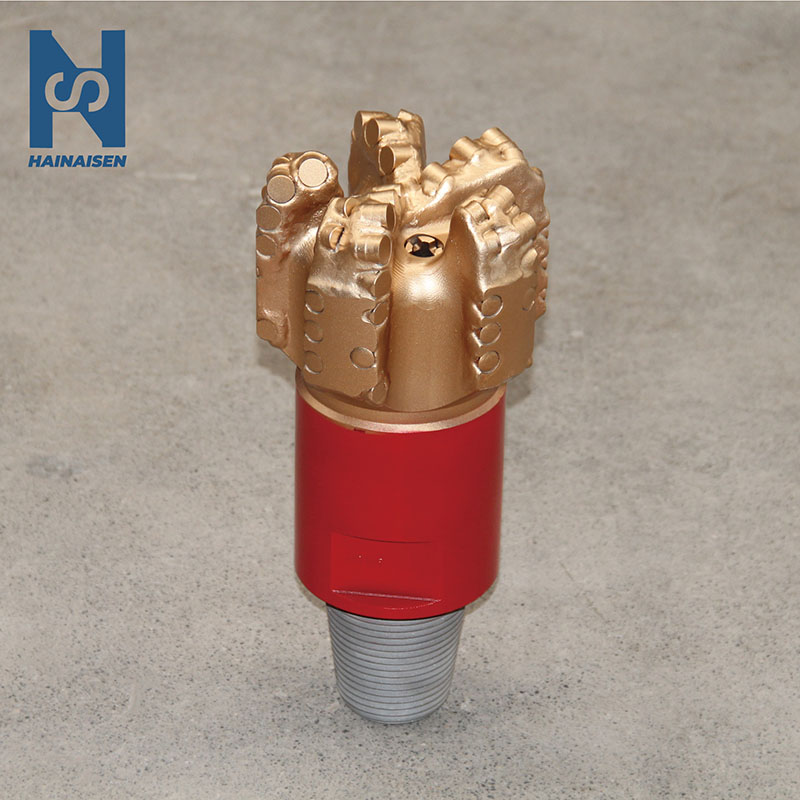 VIEW MORE5 Blade Matrix Body PDC Drill Bits
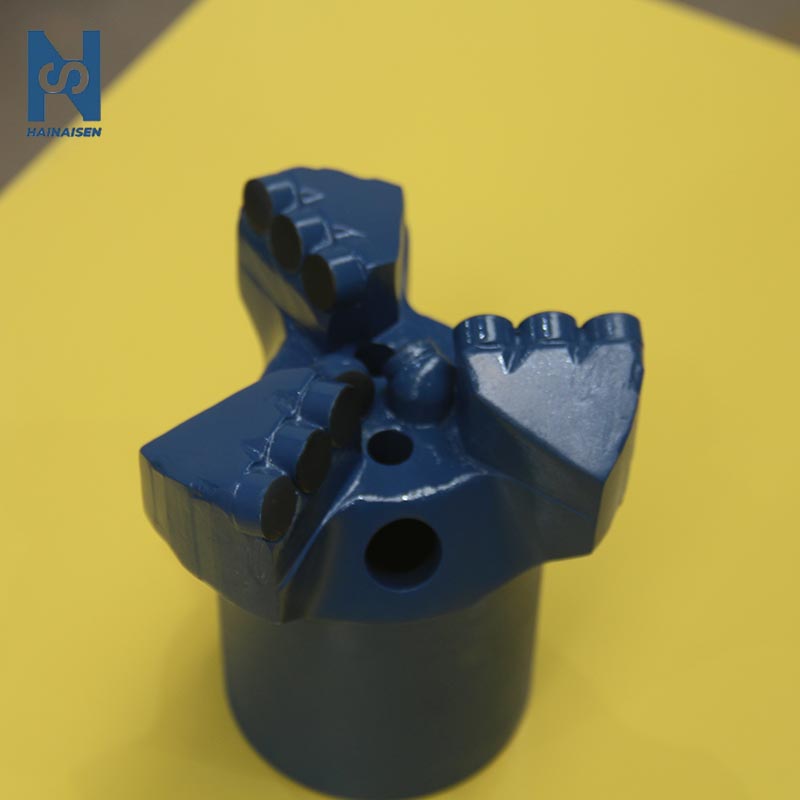 VIEW MOREPolycrystalline Diamond Compact Drill Bits
 VIEW MOREApi Polycrystalline Diamond Drill Bit
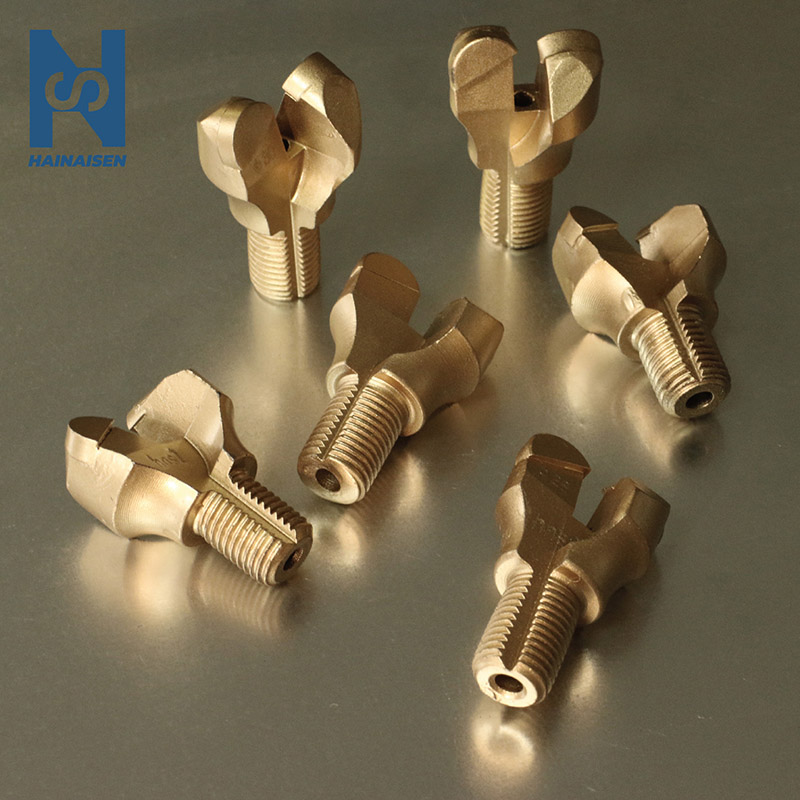 VIEW MORECoal Mining Tools PDC Anchor Drill Bit 28mm
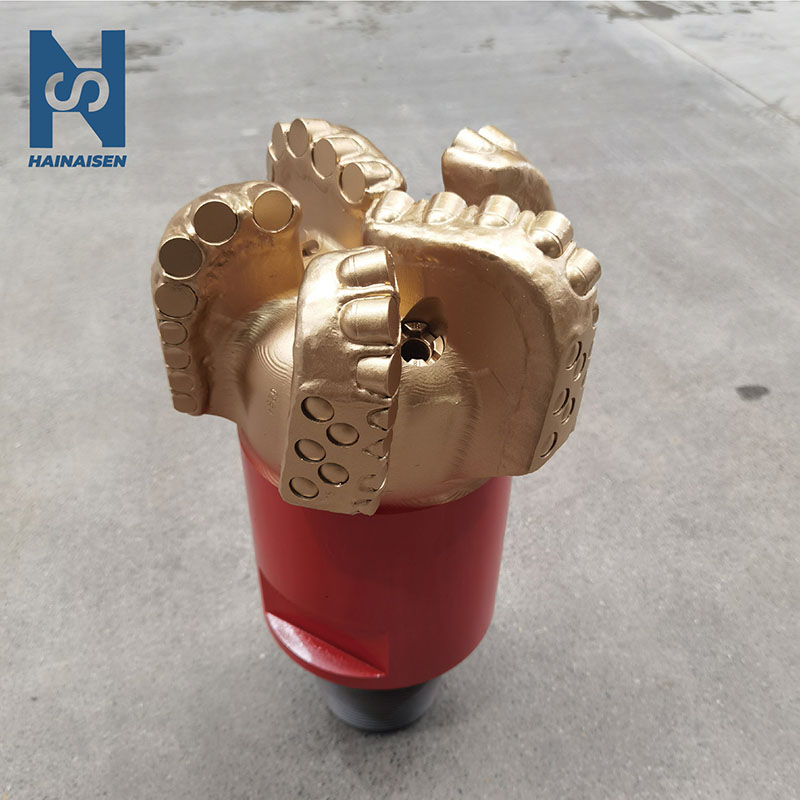 VIEW MOREDrill Bits For Oil Drilling
logo 1_1777360475599.jpg) VIEW MOREDirectional Three Blade PDC Drill Bit
VIEW MOREDirectional Three Blade PDC Drill Bit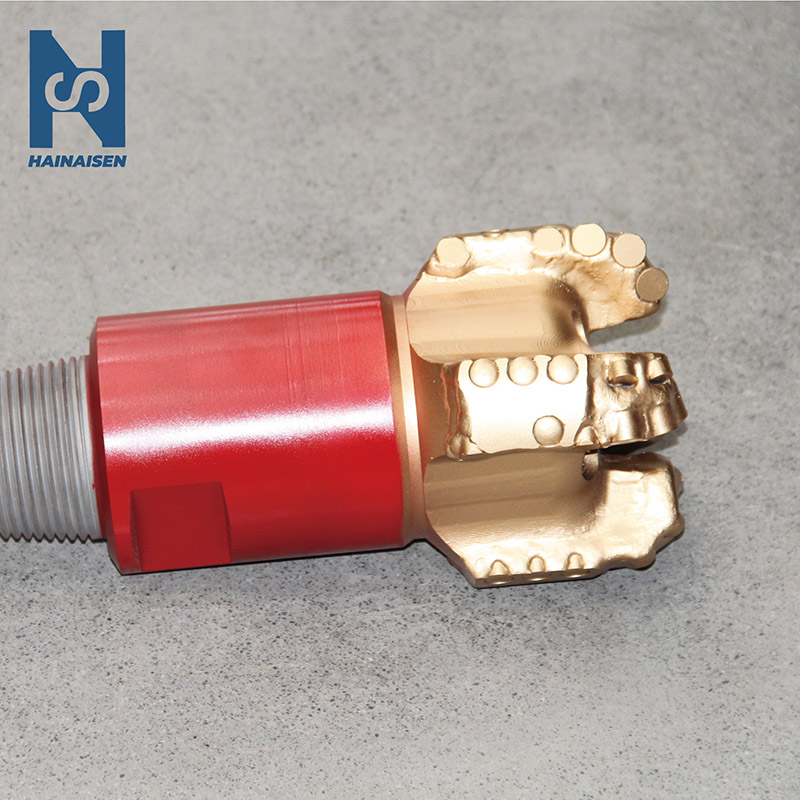 VIEW MOREPetroleum PDC Oil Drill Bit