







Paving the Way: Tricone Drill Bit Designs in Civil Engineering and Construction
Drilling tools that are accurate, quick, and reliable are needed for modern building and infrastructure development. The Three Blade PDC Tricone Drill Bit is one of the most important new tools that is changing the way underground work is done. This high-tech tool combines the tough dependability of tricone designs with the cutting power of polycrystalline diamond compact (PDC) technology to make a mix that works great in tough civil engineering tasks. This bit design meets the changing needs of building projects around the world, from drilling foundations under skyscrapers to digging tunnels through a variety of rock types. It also gives procurement teams real benefits in terms of performance and cost management.
Understanding the Three Blade PDC Tricone Drill Bit
What Makes This Design Unique?
The Three Blade PDC Tricone Drill Bit is different from regular roller cone bits because it has synthetic diamond cuts attached to a strong blade structure. Each blade spreads out evenly from the bit's center and is filled with 61 13mm-diameter precision-engineered PDC cuts that are set up to make the best contact with the rock. This arrangement evenly spreads the cutting force while staying stable during spinning. The IADC S433 rating means that it can be used on medium to hard rocks. This makes it perfect for a wide range of civil building situations, from granite bedrock to compacted sandstone layers.
How the Cutting Mechanics Work
Instead of crushing rock, PDC tools slice through it. This makes the opening cleaner and less likely to stick. The three-blade design makes sure that each cutter connects with the formation at regular intervals. This keeps the bit from vibrating too much, which can shorten its life. Wide ditches, which are channels measuring 65 mm in gauge length, are located between the blades and make it easy for debris to move quickly. This is very important in building drills, where rock chips that get stuck can make cutters overheat or slow down the rate of entry. The API 3-1/2 REG.PIN connection, which works with most standard drill strings, easily passes rotational torque, and the 22 kg weight gives it enough weight to be stable without putting too much stress on the machinery.
Key Design Elements That Enhance Performance
Engineers use 5-axis machining centers to make 3 blades pdc drill bit bodies out of high-strength steel alloys in places like HNS's 3,500m² production yard. This choice of material can handle the cyclical pressures of spinning and the wear and tear from rough surfaces. The 220mm bit height lets you place the cutters deeply, which keeps even the roughest cutters from wearing out too quickly. Matrix body choices, in which tungsten carbide bits join within a metal alloy, are even more durable for projects that will be working with granite or quartzite. Using finite element analysis to test logarithmic circles for cutter placement makes sure that wear patterns are uniform, which extends the cutter's useful life to 120 feet or more in good circumstances.
Performance and Advantages Compared to Conventional Drill Bits
Speed and Efficiency Gains Over Roller Cone Bits
Standard roller cone bits have bearings and working parts that need to be oiled and wear out in rough circumstances. These weaknesses are fixed by the PDC system. When tested across different water well drilling operations, Three Blade PDC Tricone Drill Bit models got penetration rates of 22 feet per hour on average, compared to 15 feet per hour for similar roller cone models. This is a 47% improvement. This speedup comes from the fact that PDC cuts continuously, while roller cones crush only sometimes. Projects that needed to drill holes through 200 feet of rock were finished days faster, which cut down on the costs of renting tools and hiring workers.
Durability and Reduced Maintenance Demands
Tungsten carbide plates on Roller Bits wear out much faster than PDC Bits. Granite rocks in the American Southwest were mined, and matrix body Three Blade PDC Tricone Drill Bit units were found to drill twice as much material before they needed to be replaced as steel-body roller bits. Since there are no bearings, there are no seal failures, which is a typical problem in traditional designs that causes bits to stop too soon. This means that procurement managers will have to change fewer bits during a drilling program. Every trip out of the hole that isn't made saves two to three hours of downtime, which is very important when project plans punish delays.
Why Three Blades Outperform Four or Five Blade Configurations
Blade count has a direct effect on how waste is handled and how weight is distributed. When cutting soft to medium-hard rock, four-blade bits work better because they cut more finely, but they get clogged up when cutting hard rock. Their smaller gaps catch quartz chips and clay, which makes the cutting surface area less useful. When working with uniform rock, five-blade bits work more smoothly, but they don't have the strong penetration that is needed for the layered layers that are typical on civil building sites. The three-blade shape is the best balance. Its wider channels quickly flush out cuttings, which stops bit balling, a situation in which squished debris stops drilling. The weight is evenly spread across three contact points, which lets the downward force (weight on bit) be higher without putting too much stress on any one of the cuts. This is very helpful when drilling through layers of shale and limestone that are hard in different places. The cutting force needs to be able to change to the different hardness levels.
Procurement Insights for Three Blade PDC Tricone Drill Bits
Specifications That Matter for Your Application
Matching specs to formation traits when buying a Three Blade PDC Tricone Drill Bit for drilling geothermal wells or foundation work keeps mistakes from happening that cost a lot of money. The 6-inch (152.4mm) diameter works for most water well and exploring projects, and the S433 IADC code makes sure it's ready for rocks with up to 35,000 psi of compressive strength. Check that the three-nozzle setup works with your mud pump's capacity. Not having enough hydraulics can make it harder for the cutter to cool down and clear out waste. The 61 cutters make cutting hard rock more bold. For cheaper cuts in softer rock, fewer cutters may be used. Teams in charge of buying things should ask for specific pictures of how the cutters are laid out, since even small changes in the placement angle can affect the rate of penetration.
Selecting Reliable Suppliers and OEM Customization
Global providers that offer OEM customization can meet the specific needs of each project in a way that standard lists can't. A reliable company that makes Three Blade PDC Tricone Drill Bit, like HNS, has dedicated research and development teams that can change the cutter density, blade shape, or connection types in just a few weeks. This flexibility is very important when geological studies show forms that were not expected during the project. Verification of certification needs the same amount of care. ISO-certified factories make sure that the quality is always the same, and API compliance makes sure that the products work with foreign drilling standards. Ask for examples of test results that show how well the product works in patterns that are similar to the ones at your place. Reliable sellers give you lab results from a third party that show how well the cutters stick to the matrix and how fast the matrix body wears down.
Understanding Pricing Dynamics and Bulk Order Benefits
The prices of raw materials change with global supply lines. This is especially true for Manufactured diamonds and tungsten carbide. Making things that are more complicated adds value. For example, CNC machines and welding production lines need skilled workers and precise tools. But when you buy in bulk, savings of scale kick in. When you buy 20 bits instead of five, the cost per unit is usually 15 to 20 percent less because the setup costs are spread out over more units. Talk to the maker about what the warranty covers, like losing the cutter too soon or breaking the body. Reputable companies stand behind their goods with replacement guarantees. When shipping items across foreign borders, it's important to keep customs categories and freight insurance in mind. Bits are shipped as dangerous goods if they are packed with certain oils, which slows down the shipping process. Make sure you know about the availability of service after the sale. Technical help for fixing operational problems saves your investment after the initial delivery.

Making the Right Decision: Choosing the Best Drill Bit for Your Project
Evaluating Formation Characteristics and Project Requirements
The hardest thing that determines bit choice is the rock itself. Rocks like soft limestone and shale that have unconfined compressive forces below 20,000 psi can cheaply use four or five-blade PDC bits. Formations with a pressure of 20,000 to 30,000 psi, like sandstone or dolomite, work well with three-blade designs that balance how fast they cut with how long they last. In granite and quartzite rocks that are more than 30,000 psi, matrix body Three Blade PDC Tricone Drill Bit units are needed because they are more resistant to wear, which explains the higher initial costs. Different design decisions are affected by the depth of the borehole. Shallow holes less than 500 feet deep can handle bit changes more often, which lets cost-effective steel body PDC bits be used. For geothermal or oil research, deep holes (1,000 feet or more) need the most length per bit, which means premium matrix bodies are preferred even though they cost more. The drilling environment affects hydraulics. For example, bits that work well at lower flow rates are needed in confined building sites with limited mud pit capacity, while bits that work well at higher flow rates are needed in open mine sites.
Integrating Manufacturer Reputation into Decision-Making
How reliable a product is depends on how well it was made. Suppliers with ISO-certified facilities and cutting-edge tools make sure that the bit shape and cutter sealing are always the same. By using 5-axis machining centers, HNS makes sure that the profiles of the blades match technical specs to the nearest micron, which is important for smooth spinning. Companies that offer unique bit creation services show that they have technical know-how that goes beyond selling standard bits. Ask for case studies that show how bits worked in groups that are similar to yours. General marketing claims aren't as useful as advice from a source who dug 300 feet through quartzite for a water well job in Colorado. Look at the system for after-sales help. Can the provider send field engineers to your place to fix the problem? Do they keep new bits in stock in the United States to avoid waiting for imports? When technical questions come up after the buy, strong ties keep the project from being interrupted.
Calculating Long-Term Value and Return on Investment
The initial buying price is a small part of how much it will cost to drill. It costs $29 per foot to drill 120 feet with a matrix body, 3 blades pdc drill bit that costs $3,500. A steel body bit that costs $2,000 and lasts 60 feet costs $33 per foot. The expensive product has better numbers per foot. Think about practical savings besides space. Each bit change that doesn't happen saves the team time (2–3 hours at $150/hour), wear and tear on the drill string threads, and mud movement losses. On a 2,000-foot boring job, the difference between 17-bit changes and 25-bit changes saves $12,000 in labor costs alone. Getting projects done faster adds value. When a foundation-digging contract is finished two weeks early, the tools can be used on the next job, which increases the utilization of assets. Meeting deadlines and avoiding fines for being late have a direct effect on profits. Instead of just using list prices, procurement teams should use project-specific costs to model these factors.
Conclusion
The progress in drilling technology through Three Blade PDC Tricone Drill Bit designs is more than just a small step forward; it brings real benefits that change the costs and schedules of projects. Procurement managers and technical experts can make choices that are good for both performance and budget if they know how cutter technology, blade geometry, and formation features work together. As geographic problems in civil engineering projects get more complicated, working with makers that are committed to new ideas and customization makes sure that you can get solutions that are perfect for your needs. Advanced materials, precise manufacturing, and quick expert help all work together to make drilling programs work well in a wide range of situations.
FAQ
Q1: What formations are best suited for three-blade PDC bits?
Three-blade PDC Tricone Drill Bit units work best in medium- to hard-rock types like granite, quartzite, sandstone, and limestone. The IADC S433 group deals with rocks that can be compressed up to 35,000 psi. They work especially well in stacked bedrock, where different types of rock need cutting action that can be changed quickly. Four- or five-blade forms may be more cost-effective for soft formations below 20,000 psi, while matrix body building is better for very rough conditions.
Q2: How does maintenance differ from conventional roller cone bits?
Because they don't have any moving parts, Three Blade PDC Tricone Drill Bit designs don't need any upkeep for their bearings. Grease repacking and seal checks are replaced by cleaning the ditches after use and checking the state of the cutter. It's easier to store things when you don't have to worry about bearing rust. But when cutting with PDC bits, you need to pay more attention to the parameters because the cutter life is more directly affected by the speed of spinning and the weight of the bit. Real-time tracking stops damage that roller bits might be able to handle for a short time.
Q3: Can three-blade PDC bits be customized for specific projects?
Manufacturers with a good reputation let OEMs make a lot of changes, like changing the cutter size, the blade shape, and the type of link. When you need to drill in a certain way or have very high wear resistance, custom designs can help. The lead time for customization is usually between three and six weeks, but it depends on how complicated the job is. To help engineering teams find the best configurations, procurement teams should give them specific formation data and working factors.
Partner with HNS for Superior Three-Blade PDC Tricone Drill Bit Solutions
Shaanxi Hainaisen Petroleum Technology Co., Ltd. combines over a decade of drilling tool expertise with state-of-the-art manufacturing capabilities to deliver PDC bits that exceed performance expectations. Our 3,500m² building has CNC machine centers and welding production lines that make sure every bit meets the highest standards. At the same time, our focused research and development team comes up with custom solutions that are perfect for your geological problems. HNS can help you with technical issues and provide high-quality products that make projects go more smoothly, whether you need bits for geothermal wells that go through volcanic rock or water wells that go through layers of soil. We are a reliable source for Three Blade PDC Tricone Drill Bit solutions, and we offer low prices on large orders, a full guarantee, and quick customer service after the sale. Visit hnsdrillbit.com or email hainaisen@hnsdrillbit.com to talk to our team about how our drilling solutions can help your next civil engineering project run more smoothly.
References
1. Bourgoyne, A.T., Millheim, K.K., Chenevert, M.E., and Young, F.S. (1991). Applied Drilling Engineering. Society of Petroleum Engineers Textbook Series.
2. Bellin, F., Dourfaye, A., King, W., and Thigpen, M. (2010). "The Current State of PDC Bit Technology." World Oil Magazine, 231(5), 41-46.
3. Curry, D.A., Fear, M.J., and Skyles, L.P. (2005). "Delivering Improved PDC Bit Performance Through Innovative Bit Design." SPE/IADC Drilling Conference Paper 92598.
4. Ledgerwood, L.W., Spencer, R.W., and Matthews, O.D. (2010). "Downhole Measurement, Analysis, and Control of Drilling Dynamics." IADC/SPE Drilling Conference Proceedings, Paper 128452.
5. Pessier, R.C. and Damschen, M.J. (2011). "Hybrid Bits Offer Distinct Advantages in Selected Roller-Cone and PDC Bit Applications." SPE/IADC Drilling Conference Paper 140641.
6. Winters, W.J., Warren, T.M., and Onyia, E.C. (1987). "Roller Bit Model with Rock Ductility and Cone Offset." Journal of Energy Resources Technology, 109(1), 29-34.
logo 1_1777360475599.jpg) VIEW MOREDirectional Three Blade PDC Drill Bit
VIEW MOREDirectional Three Blade PDC Drill Bit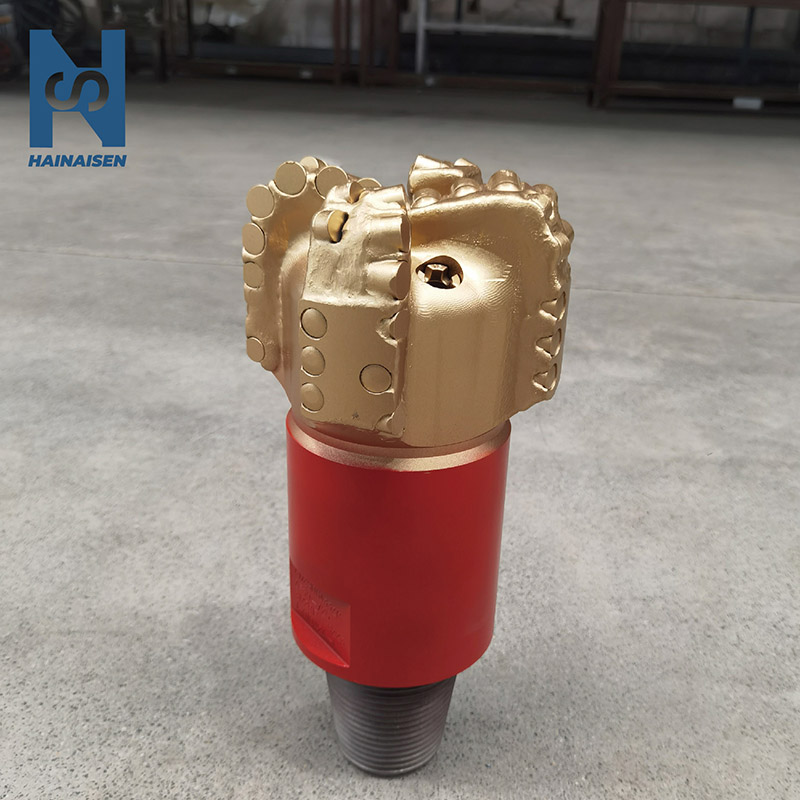 VIEW MOREPetroleum Drilling Equipment PDC
 VIEW MOREForging Deep Rock Well Drilling Bits PDC Mining Bit
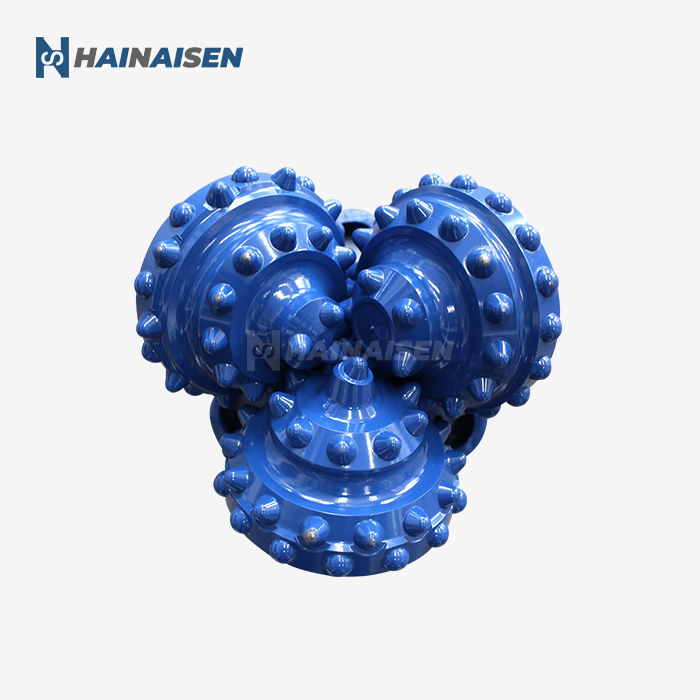 VIEW MORESteel Tooth Bit
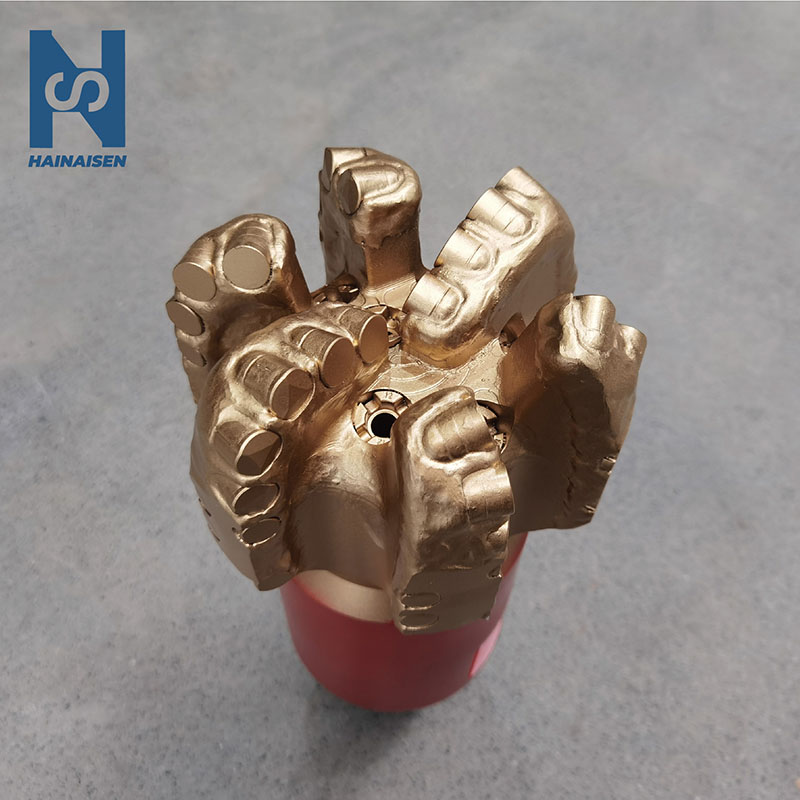 VIEW MORE6 Wings PDC Drill Bit
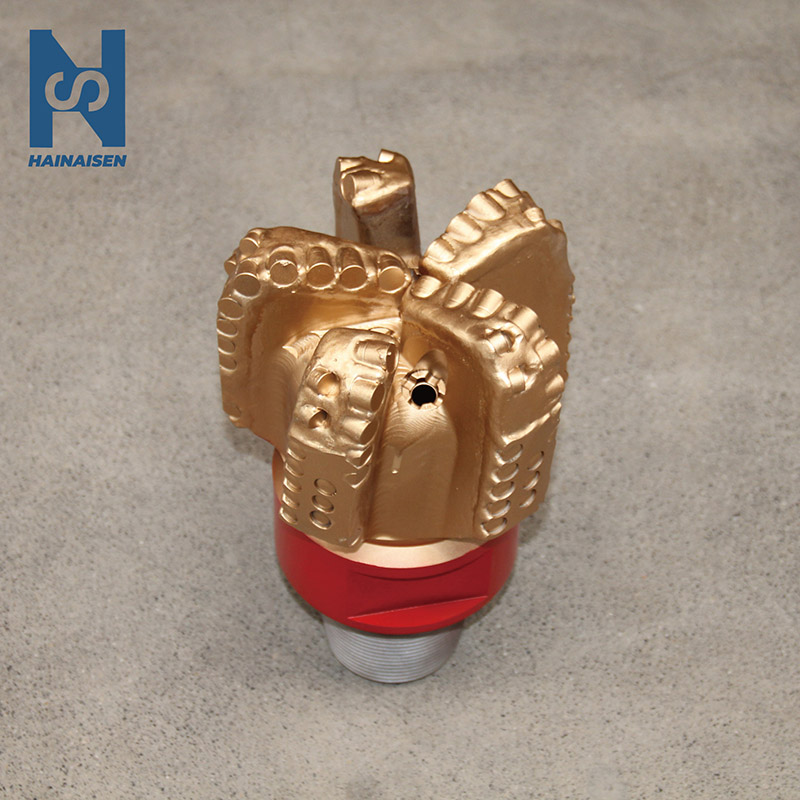 VIEW MOREDrilling Bit For Oil And Gas Rig
 VIEW MORE34 And A Half Whole Coal Mine Mining Anchor Drill Bits
 VIEW MOREOil Diamond Drill Bit
