




5+ Different Types of Drilling Bits in Oil and Gas Industry
To choose the right digging equipment, you must first know which tools work best in different types of rock. For Drill Bits For Oil Drilling, these represent the very latest in any extraction process. They are made to go through difficult underground settings where pressure, temperature, and rock hardness test equipment limits. In the oil and gas industry, different bit shapes are used because each one is made to work with a certain type of rock. Diamond-enhanced cutters on PDC Bits make them better at cutting through hard formations, while roller cone bits are more flexible and can be used on soft to medium formations. Bits that are coated in diamond can cut through very rough rock layers, and mixed designs can adapt to different situations. In high-temperature wells, tungsten carbide insert bits last a very long time. When purchase managers and engineers know these differences, they can make decisions that affect digging speed, operational costs, and project timelines.
Overview of Drill Bits Used in the Oil and Gas Industry
In order to get to gas reserves, drilling operations need special cutting tools that can go through thousands of feet of rock. These Drill Bits For Oil Drilling are attached to the end of drill strings and spin under a lot of force to break up and remove rock from the formation. Several design factors affect performance, including the order of the cutters, the best way to optimize fluid flow, the safety of the gauge, and the composition of the material. Modern bits are made with advanced metallurgy and diamond technology, so they can handle temperatures and pressures of more than 300°F and 20,000 psi, respectively.
Why Drill Bit Selection Matters
Picking the wrong bits can cause early wear, slower entry rates, and more non-productive time. When a buying manager looks at different sources, they need to think about things like the formation's properties, the drilling parameters, and the total cost of ownership. To match tools with geological patterns, engineers look at IADC codes, bit specifications, and field performance data. The right bit cuts down on the number of trips, protects tools, and speeds up the well completion.
Key Performance Indicators
Oil well drilling bits that work well have high rates of penetration (ROP), last longer, and wear in a way that can be predicted. The procurement teams keep track of things like the footage drilled per bit, the cost per foot, and downtime incidents. When suppliers give clear technical specifications and performance guarantees, it helps buyers make better choices. Manufacturers who are known for their quality must have quality approvals and follow API standards.
Types of Drill Bits in the Oil and Gas Industry: Characteristics and Applications
In the drilling business, there are different types of Drill Bits For Oil Drilling that are used for different types of rock and different types of operations. Knowing these differences helps buyers match the skills of the equipment to the needs of the job.
PDC Bits (Polycrystalline Diamond Compact)
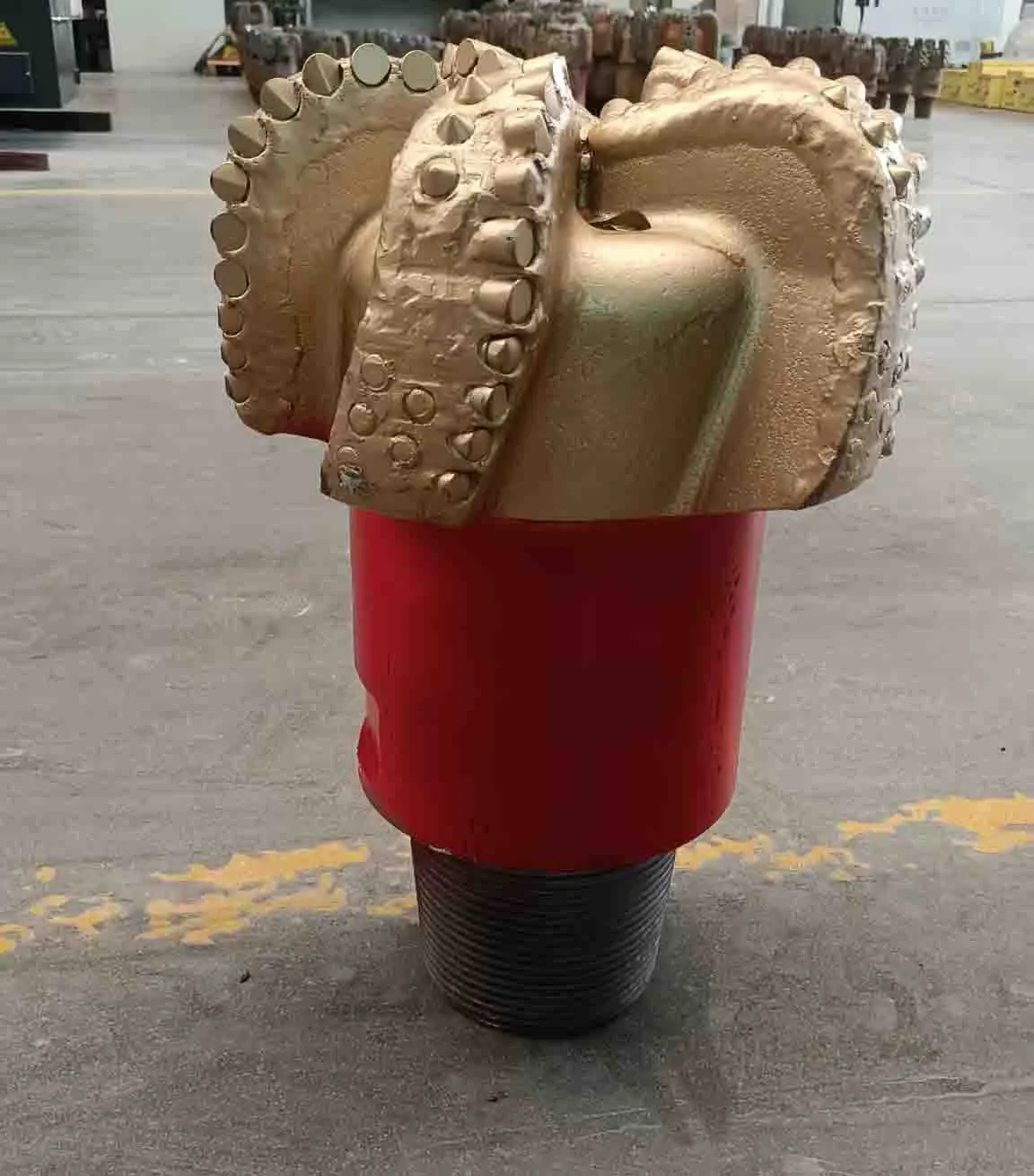
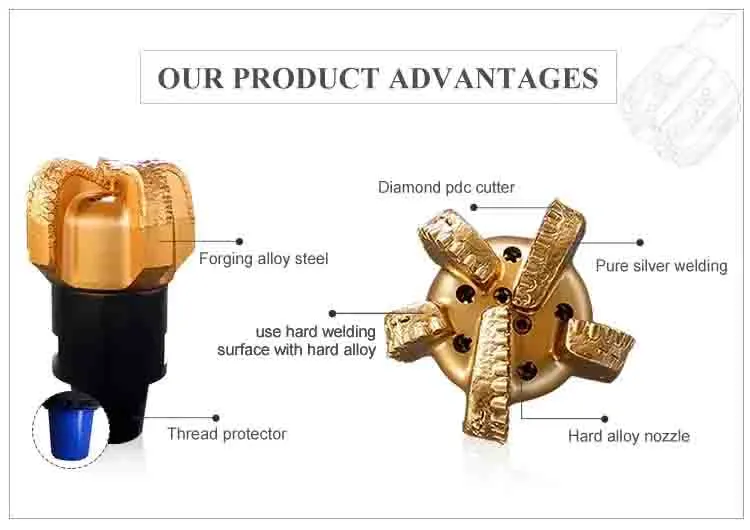
PDC technology changed the way drilling was done by attaching manufactured diamond tools to tungsten carbide bases. These fixed cutter bits shear rock instead of crushing it, which makes it easier to drill through medium to hard layers. We manufacture bits that meet the IADC code S223 specification. They have five blades and 63 PDC cutters in 13mm and 16mm sizes, and they work best in 8.5-inch boreholes. The 45kg weight provides the necessary downforce without putting too much stress on the tools, and the 4-1/2 REG.PIN connection ensures that it works with standard drill strings.
Our PDC designs use modern hydraulics with seven nozzles that optimize fluid flow so that cuttings are removed quickly and bits stay cool. The 62mm gauge length keeps the opening stable over long periods of digging. These bits work great for a wide range of tasks, from recovering shale gas to offshore work where maximizing footage per run reduces expensive rig time.
Roller Cone Bits
Roller cone designs have spinning cones with teeth or tungsten carbide pieces that break up and crush rock layers. Tricone bits, which are the most common type, have three interlocking cones that spread the cutting force over several contact spots. Milled tooth models work well in soft rocks like sandstone and limestone, while tungsten carbide insert (TCI) models are better at cutting through harder rock and last longer.
These bits always work in layers that are hard to predict because the rock features vary significantly. The rolling motion makes a grinding motion that breaks up the material, but in uniform hard rock, the entry rates are usually lower than with PDC options. When making a purchase, things to think about include how reliable the bearing seal is and how fast the teeth wear down, especially for long drilling programs.
Diamond Impregnated Bits
Bits that can drill through very rough rocks are made of metal that has natural or artificial diamonds spread out in it. Performance is based on the number of diamonds, the toughness of the matrix, and the hydraulic system. These bits are good for geological research and making small holes where accuracy is more important than speed.
diamond bits don't vibrate as much as roller cone bits, which protects downhole tools and makes equipment last longer. They are useful for water well drilling teams and coal bed methane projects because they can keep their gauges in place in areas of broken rock. When comparing sources, buyers should look at the quality of the diamonds, how the matrix is made, and the shape of the crown outline.
Tungsten Carbide Insert Bits
With TCI technology, very hard carbide buttons are embedded into bit cones. This makes cutting structures that can work in high-temperature environments and through tough rock. The inserts don't chip and keep cutting efficiency longer than milled teeth, which makes them a cost-effective choice for long boring gaps in tough rock.
When layers of rock are mixed, these bits work especially well because the hard and soft layers would wear down regular teeth very quickly. TCI bits are often used in coal mines because they have the right mix of longevity and penetration speed. When considering choices, procurement teams should check the quality of the inserts, the cone bearing specifications, and the integrity of the seals.
Fixed Cutter Bits
Fixed cutter designs eliminate moving parts because the cutting elements are fixed on blade surfaces. Along with PDC bits, this group also includes thermally stable polycrystalline (TSP) bits for use in extreme temperatures and natural diamond bits for specific tasks. The lack of bearings and seals reduces the number of possible failure points. This is especially helpful in geothermal drilling, where temperatures are higher than the PDC thermal limits.
How stable and well something cuts depends on how many blades it has. Our five-blade design strikes a good balance between strong structure and aggressive cutting. Fewer blades cut faster, but they can make the machine less stable. More blades make it easier to control the direction of the cut, but they slow it down. Based on the hardness of the rock, the desired build rate, and the estimated drilling factors, engineers choose the number of blades to use.
Hybrid and Custom-Designed Bits
Today's drilling problems force bit designers to come up with new ideas, which leads to hybrid tools that have both roller cone and PDC cutting parts. These bits can change positions without requiring trips to swap equipment. Standard products don't work well with certain types of rock, like salt domes, volcanic rock, or broken carbonates, so custom designs are needed.
Shaanxi Hainaisen Petroleum Technology has a dedicated R&D team that works on making unique bit solutions that fit the needs of each project. Our facility covers 3,500m² and has 5-axis machining centers and CNC equipment that can make complex shapes that work best in tough situations. When buyers have to deal with odd drilling conditions, providers who offer technical support and the ability to make things to order are helpful.
How to Select the Right Drill Bit for Your Oil Drilling Project?
To choose the right Drill Bits For Oil Drilling, you need to carefully consider a lot of different factors that affect how well the drill works and how much the job costs.
Formation Analysis
The rock properties dictate the right bit type. Shale and clay are examples of soft rocks that work well with milled tooth roller cones or aggressive PDC designs with larger cutters. Standard PDC bits with balanced cutter sizes work well on medium-hard rocks like limestone and dolomite. Granite and quartzite are examples of hard, rough rocks that need high-end diamond tools or TSP technology.
Geological studies and data from offset wells provide formation profiles that guide equipment selection. When talking to sellers, procurement managers should ask for thorough explanations to get accurate recommendations. Our technical team looks at the properties of the formation to suggest the best cutter configurations and hydraulic designs.
Operational Parameters
The weight on the bit, the rotating speed, and the flow rate must all be in line with the bit specifications. When compared to roller cone designs, PDC bits usually require less weight and higher rotation speeds. Because of rig capabilities, parameter choices are limited, so bits must be compatible with the equipment that is accessible.
To work, the API connection type has to match the requirements of the drill string. Our 4-1/2 REG.PIN connection works with standard oilfield drill pipe, so it can be used in a wide range of situations. To avoid expensive problems, buyers should check connection specifications early in the procurement process.
Economic Considerations
The total cost of ownership extends beyond the initial purchase price. The real project economics depend on how much each bit drills, how much each trip costs, and how efficiently the operations are run. A premium bit that goes three times farther and costs twice as much delivers superior value. Instead of just looking at upfront costs, procurement plans should look at costs over the whole life of an item.
Risk exposure is affected by warranty terms and supplier support. Reputable manufacturers back up the performance of their products with clear warranty terms and technical assistance. Our quality control measures, which include thorough performance testing, precision manufacturing, and strict material testing, ensure consistent reliability that protects buyer investments.
Supplier Reliability
Lead times, delivery consistency, and after-sales support are all very important for project continuity. Large and medium-sized oil service companies need suppliers capable of meeting tight deadlines and providing extensive documentation. Coal mining operations and water well drilling teams put a high value on responsive sellers who offer competitive prices without compromising quality standards.
Shaanxi Hainaisen Petroleum Technology, established in 2013, maintains inventory systems and production capacity that support diverse customer requirements. Modern equipment in our building lets us quickly customize and increase output to meet the needs of urgent projects. When sellers demonstrate that they are operationally mature and technically competent, buyers trust them more.
Trusted Brands and Suppliers of Oil Drilling Drill Bits
Working with reputable manufacturers guarantees access to high-quality Drill Bits For Oil Drilling, expert technical advice, and full support services that are necessary for successful drilling operations.
Importance of Supplier Selection
Suppliers with a good reputation offer approved products that meet international standards, including API specifications and IADC classifications. Quality Certifications demonstrate that a company is dedicated to manufacturing excellence and product consistency. For large-scale purchases, you need providers with a history of delivery reliability and the capacity to meet substantial volume requirements.
Shaanxi Hainaisen Petroleum Technology specializes in the research, development, production, and sales of diamond drill bits, PDC drill bits, and other drilling tools. Our products serve oil and gas extraction, coal mining, geological surveys, and engineering machinery globally. Customization that solves specific customer problems is possible thanks to advanced production tools and dedicated R&D resources.
Value-Added Services
Buyers of complicated equipment can get help from technical consulting services. Beyond selling products, suppliers who give formation analysis, bit recommendation, and performance tracking add significant value. After-sales support, including troubleshooting assistance, warranty fulfillment, and rapid replacement part delivery, minimizes operational disruptions.
When it comes to customer service, our model focuses on building partnerships instead of just doing business. We work closely with procurement managers and technical engineers to fully understand project requirements and provide solutions that improve the performance of the oil well drilling bits. This collaborative approach leads to long-lasting relationships based on mutual success.
Procurement Strategies
Buying in bulk can save money on large projects and ensure consistent equipment availability. Customization options let buyers choose the exact cutter setups, connection types, and dimensional parameters matching precise operational needs. Having organizational flexibility means building relationships with providers who can do both standard and custom manufacturing.
At Shaanxi Hainaisen, quality control includes strict material testing, precision manufacturing techniques, full performance testing, and adherence to international industry standards. These measures ensure every bit leaving our facility meets rigorous specifications that protect our customers' operations and reputations.
Conclusion
The drilling industry relies on diverse Drill Bits For Oil Drilling technologies, each offering distinct advantages for specific geological and operational conditions. PDC bits deliver exceptional performance in hard rock through advanced diamond cutter technology, while roller cone bits provide versatility across varied formations. Diamond impregnated, tungsten carbide, and hybrid designs address specialized challenges ranging from extreme abrasiveness to unpredictable geography. Effective procurement requires understanding formation characteristics, evaluating the total cost of ownership, and partnering with suppliers offering technical expertise and reliable support. Maintenance practices and performance optimization further extend equipment value, reducing operational costs and improving project outcomes. Success depends on selecting appropriate tools backed by manufacturers committed to quality and customer partnership.
FAQ
Q1: What makes PDC bits different from roller cone bits?
PDC bits have set diamond cutters that slice rock, providing faster penetration in hard formations and longer operational life because they don't have moving parts. Roller cone Drill Bits For Oil Drilling have spinning cones with teeth or inserts that crush rock, offering versatility in mixed formations but typically requiring more frequent replacement due to bearing and seal wear.
Q2: How do I determine the correct bit size for my project?
The size of the bit relies on well-designed specifications, casing dimensions, and desired production capacity. Many intermediate hole sections in oil and gas wells can use the 8.5-inch size. Engineers select sizes based on geological requirements, completion plans, and rig capabilities. Consulting with experienced suppliers helps match bit specifications to project parameters.
Q3: What factors affect drill bit lifespan?
Bit life is greatly affected by the hardness of the formation, how abrasive it is, the drilling parameters, and how well the bit is maintained. The bit's weight, rotational speed, and hydraulic flow optimize results. Regular inspection, cleaning, and appropriate storage extend usable life. Quality manufacturing and material selection provide baseline durability that field practices either increase or decrease.
Q4: Can bits be customized for specific formations?
Reputable manufacturers offer customization, including cutter size selection, blade count adjustments, hydraulic design modifications, and specialized materials. Custom bits address unique challenges such as interbedded formations, directional drilling requirements, or extreme downhole conditions. Shaanxi Hainaisen has its own R&D department that helps make tailored solutions for demanding applications.
Partner with HNS for Premium Drill Bits for Oil Drilling Solutions
Shaanxi Hainaisen Petroleum Technology brings over a decade of specialized expertise to your drilling operations. As a trusted Drill Bits For Oil Drilling manufacturer, we deliver precision-engineered PDC bits featuring advanced diamond cutter technology, superior wear resistance, and optimized hydraulic performance. Our 8.5-inch, five-blade design with 63 cutters demonstrates our commitment to maximizing penetration rates while minimizing operational costs. Contact our team at hainaisen@hnsdrillbit.com to discuss your project requirements and discover how our customizable solutions, rigorous quality control, and comprehensive technical support can enhance your drilling efficiency and reduce downtime.
References
1. Baker, R. (2018). A Primer of Oilwell Drilling: A Basic Text of Oil and Gas Drilling. Petroleum Extension Service, University of Texas at Austin.
2. Bellin, F., Dourfaye, A., King, W., & Thigpen, M. (2020). "The Current State of PDC Bit Technology." SPE Drilling & Completion Journal, 35(2), 245-261.
3. International Association of Drilling Contractors. (2019). IADC Drilling Manual: Fixed Cutter Bits and Roller Cone Bits Classification System. Houston: IADC Publications.
4. Lyons, W.C., Plisga, G.J., & Lorenz, M.D. (2015). Standard Handbook of Petroleum and Natural Gas Engineering (3rd ed.). Gulf Professional Publishing.
5. Pessier, R.C., & Fear, M.J. (2017). "Quantifying Common Drilling Problems with Mechanical Specific Energy and Bit-Specific Coefficient of Sliding Friction." SPE Annual Technical Conference Proceedings, Paper SPE-24584-MS.
6. Winters, W.J., Warren, T.M., & Onyia, E.C. (2016). "Roller Bit Model with Rock Ductility and Cone Offset." Journal of Energy Resources Technology, 138(6), 062905.
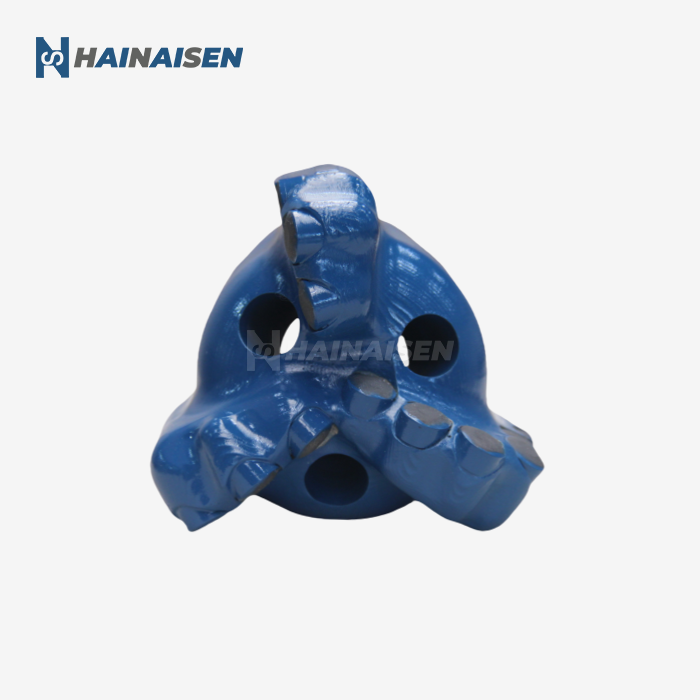 VIEW MORE113mm PDC Arc Angle Drill Bit
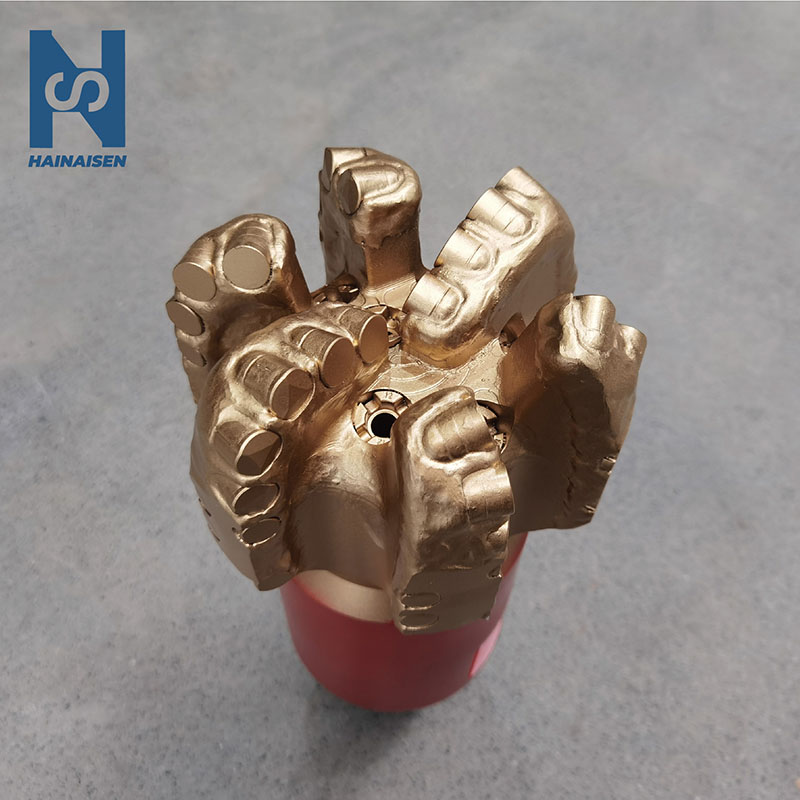 VIEW MORE6 Wings PDC Drill Bit
logo 4_1777360540990.jpg) VIEW MOREDrilling Tool Coal Mining Bit
VIEW MOREDrilling Tool Coal Mining Bit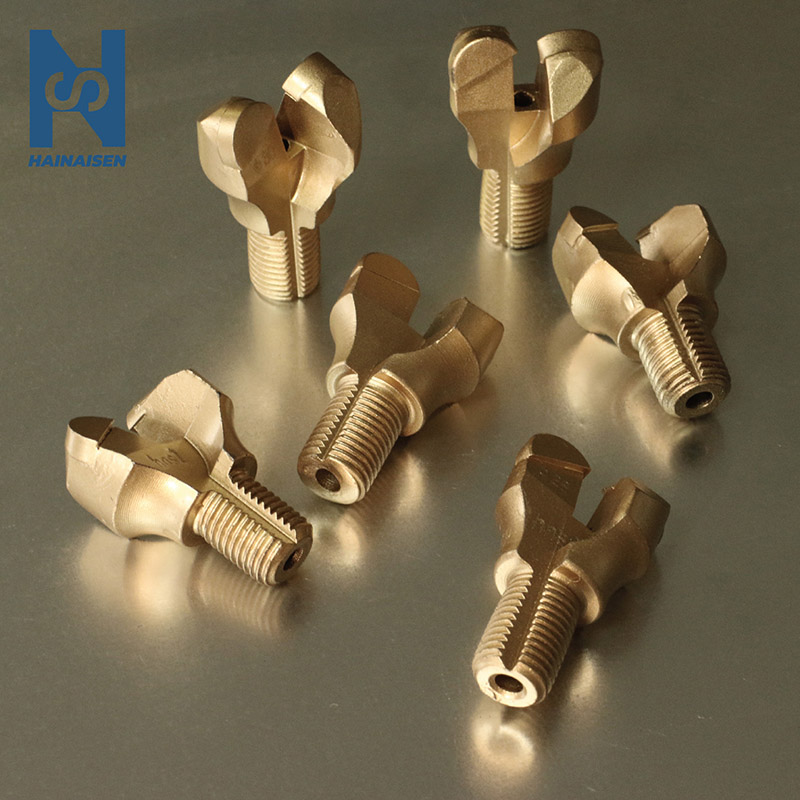 VIEW MORECoal Mining Tools PDC Anchor Drill Bit 28mm
logo 2_1777360600432.jpg) VIEW MORECoal Mine Drilling Drill Bit Directional Three Blade PDC Drill Bit
VIEW MORECoal Mine Drilling Drill Bit Directional Three Blade PDC Drill Bit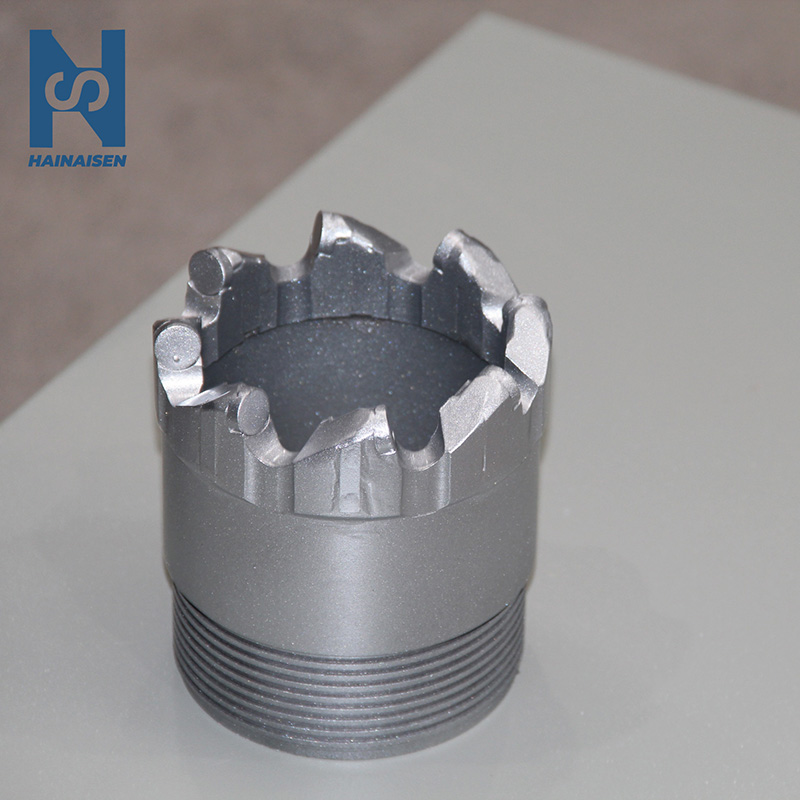 VIEW MOREPDC Core Drill Bit Used For Drilling
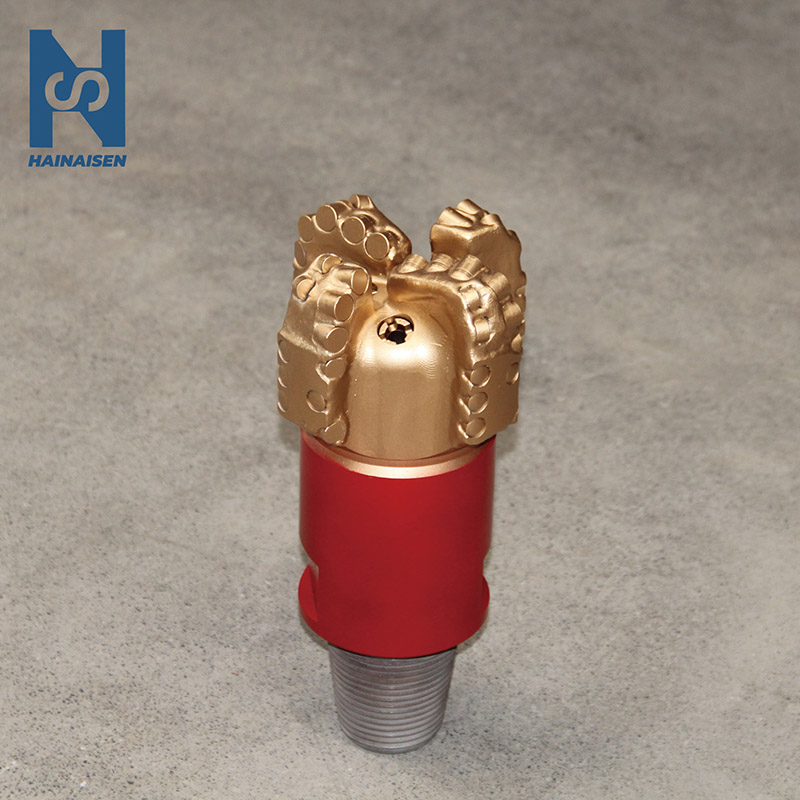 VIEW MOREFour Blade Wing Oil Drilling Tool
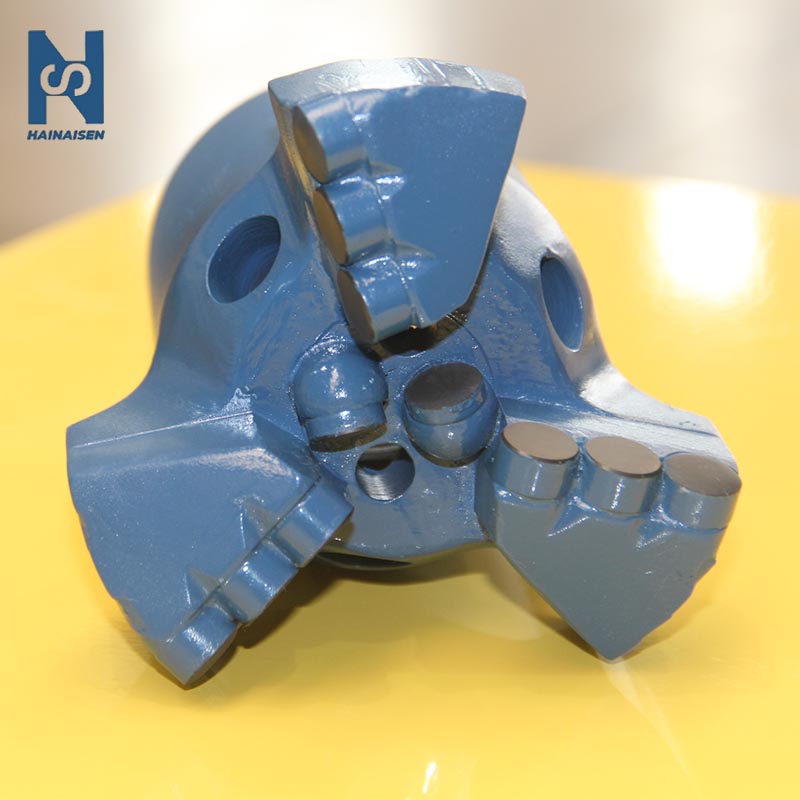 VIEW MOREBest Diamond Drill Bits