







How Mud Chemistry Affects PDC Cutter Life and ROP
The chemistry of the mud has a direct effect on both how long polycrystalline diamond compact cutters last and how well they drill. Chemicals in drilling fluids that are aggressive can speed up cutter wear through erosion and abrasion. On the other hand, cutters with poor thermal properties can't get rid of heat quickly, which can cause them to break early. The rheology of the mud affects the removal of cuttings and the hydraulics of the bit, which in turn affect the rates of penetration. Modern drilling tools, like the 4 Wings Blades PDC Bit, are made to handle these problems. They work consistently even in chemically harsh conditions, where it's important to have well-designed mud systems to get the most out of operations.
Understanding the Impact of Mud Chemistry on PDC Cutter Life
The connection between the type of drilling mud and how long a cutter lasts is not as simple as many drilling professionals think. The mud system doesn't just cool and clean the bit as we drill through different formations; it also interacts with every part of it.
Chemical Erosion and Mechanical Wear Mechanisms
Different chemicals are added to drilling mud to stabilise the hole and control formation pressures. However, some PDC cutter parts can chemically damage the diamond-carbide substrate bond. In water- or oil-based muds, salts, acids, and alkalinities degrade the cutter through small-scale interactions. Without proper mud chemistry, the bit's life is shortened. Chemical erosion and mechanical abrasion from fluid-suspended formation cuttings occur.
Optimised mud systems last 30–40% longer than unbalanced ones, according to field observations. The pH level is crucial because acidic or basic environments break down diamond-holding compounds faster. Temperature changes worsen this problem because thermal cycling damages weak structures.
Thermal Properties and Heat Dissipation Challenges
Drilling heat is a major hazard to PDC cutters. Friction may raise cutting interface temperatures exceeding 700 degrees Celsius when cutters cut rock. Drilling mud cools things down, but its heat conductivity and velocity determine its effectiveness.
Mud systems' poor thermal characteristics prevent heat from escaping, causing cutter hot spots. High heat stress causes small cracks, diamond particles convert into graphite, and the whole thing splits. Water-based muds usually cool better than oil-based ones. Because cutter materials are chemically harsh, chemicals to preserve them without affecting thermal performance must be properly balanced.
Optimizing Mud Formulation for Extended Bit Life
Know the formation's parameters and drilling conditions to produce the greatest mud chemistry. Operators should monitor density, viscosity, alkalinity, and solid content during drilling. Recent mud engineering advances use polymers and surfactants to form protective layers on cutting surfaces. Fluid performance is maintained by these coatings, which reduce chemical interaction.
We've observed that reactive mud management doesn't work as effectively as preventative methods like chemical changes. Regular testing and tiny system tweaks maintain it within acceptable bounds. This prevents wear and tear and premature oil field drill bit retirement.
How Mud Chemistry Influences the Rate of Penetration?
How well the mud system supports the drilling mechanics has a big impact on how fast the bit moves through the rock. Mud chemistry affects more than just moving cuttings away; it also affects how well hydraulics work, how well bits clean, and how much energy is transferred overall.
Rheological Properties and Cuttings Transport
How well rock pieces move up the annulus and away from the bit face is directly related to how thick the mud is and how strong the gel is. Cuttings may settle back onto the bit and make a grinding paste when low-viscosity fluids are used. This slows down the penetration rate. On the other hand, muds that are too thick make hydraulic resistance higher, which means less energy is available for cutting rock.
It is important to get the yield point and plastic viscosity right for each type of formation. When drilling into soft rock types like shale and sandstone, lower viscosity lets the bit spin faster without putting too much torque on it. In harder formations, a slightly higher viscosity keeps the cuttings in suspension while still giving the bit face enough hydraulic impact.
Mud Contamination and Performance Degradation
Formation fluids or additives that don't work well with the drill bit can really mess up the drilling process. When formation water or hydrocarbons get into the mud system, they change the rheological properties in ways that are hard to predict. Formation brines' calcium and magnesium ions can clump together with clay particles in water-based muds, making the fluids thick and hard to handle. This makes bit hydraulics impossible and significantly slows penetration.
Solids contamination is another very important issue. Drill solids that have been ground into colloidal particles make the mud heavier and thicker without making the borehole more stable. These very small particles make a slurry that covers bit surfaces. This makes it harder for the cutter to cut through the rock, which lowers the cutting efficiency. Shale shakers, centrifuges, and hydrocyclones that are good at controlling solids are needed to keep the quality of the mud high and the penetration rates steady.
Synergy Between Mud Systems and Bit Design
Modern 4 Wings Blades PDC Bit work really well with mud systems that are built correctly. Because of the way the blades are shaped, they create specific flow patterns that move mud to important areas, making the cooling and cleaning effects stronger. Operators get twenty to thirty percent higher penetration rates when the chemistry of the mud works with the hydraulics of the bit.
The four-wing design evenly distributes hydraulics across all cutting surfaces, making sure that each cutter gets enough fluid flow no matter how hard the formation is or what drilling parameters are used. This architectural benefit is especially useful in interbedded formations where rock properties change quickly and need to be constantly adjusted, which is something that bit designs that aren't as good can't do.
Design Advantages of 4-Wing Blades PDC Bits in Harsh Mud Conditions
Choosing the right equipment is very important for drilling, especially in places where chemicals are a problem. The 4 Wings Blades PDC Bit configuration has certain engineering benefits that make it better at dealing with performance problems caused by mud.
Superior Stability and Weight Distribution
When you use four blades instead of three or five, the drilling forces are spread out more evenly because the platform is naturally balanced. This shape arrangement lowers bit whirl and lateral vibration, which are common issues in abrasive mud systems where wear patterns become uneven quickly. Balanced force distribution makes cutters last longer by stopping localized overloading that leads to failure too soon.
The benefits of stability also apply to controlling the direction of travel. When drilling horizontal or deviated wells, the 4 Wings Blades PDC Bit stays on track more reliably because the symmetrical placement of the blades resists side forces caused by formation dip or mud flow dynamics. When purchasing managers look at bits for well profiles that aren't simple, they should see these directional advantages as big ways to save money.
Material Selection and Chemical Resistance
At Shaanxi Hainaisen Petroleum Technology, we make our 4 Wings Blades PDC Bit with bodies made of high-quality steel that is both very durable and good at letting heat escape. The steel doesn't rust when exposed to aggressive mud chemicals that are common in high-salinity formations or when using water-based systems that stop corrosion. This choice of material has a longer useful life than matrix body options in many situations.
The PDC cutters have advanced diamond synthesis processes that make them more resistant to wear from both chemical and mechanical attack. Specialized matrix materials between the cutters make the structure more thermally stable, so it stays together even when mud cooling isn't working well during high-ROP intervals. These new materials directly lead to fewer bits being used and lower drilling costs per foot.
Real-World Performance Data
Performance records from oil and gas operations show that using 4 Wings Blades PDC Bit technology in tough mud environments leads to measurable improvements. In a case in West Texas with rough shale and stringers of limestone, operators saw a 42 percent increase in the amount of material drilled per bit compared to previous three-blade designs. Due to the way the formation was formed, the mud system had a high solids loading. However, the four-blade geometry kept cutting effectively over long runs.
In coal bed methane drilling, where sticky formations and reactive clays make mud conditions hard, the same thing happens. 4 Wings Blades PDC Bit have better hydraulics and a more balanced cutting action, which keeps bit balling to a minimum while keeping penetration rates that meet the economics of the project. More and more, the technical engineers who choose the bits base their decisions on how well this configuration works in the real world, not on what they think will work in theory.
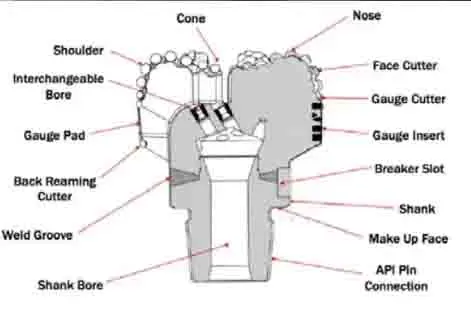
Problem-Solving Strategies: Extending PDC Cutter Life and Improving ROP
To solve problems with mud chemistry, you need to use organized methods that include monitoring, maintenance, and picking the right tools. Operators who use comprehensive strategies always do better than those who only solve problems when they happen.
Continuous Mud Monitoring and Adjustment Protocols
Real-time mud analysis detects chemical imbalances before they damage equipment. In contemporary drilling, mud characteristics should be tested every four to six hours and more often when switching formations. Important characteristics include pH, chloride, alkalinity, viscosity, and solids in varying sizes.
When testing indicates parameters moving beyond permissible ranges, faults are rectified immediately. Adding thinners, pH buffers, or lost circulation products at the first indication of problems is cheaper than replacing old components or unclogging pipes. Operators should create explicit action criteria and let mud engineers make adjustments without higher-up clearance.
Proper Bit Handling and Maintenance Procedures
Many bits fail early due to improper handling, not design flaws. Tripping out of the hole, crews should not drop or knock pieces against casing or wellhead equipment. Small collisions can leave cutters with microscopic cracks that grow over time.
After each run, cleaning the bits removes formation debris and drilling fluid that might disguise damage during inspections. Choose low-pressure water and soft brushes over high-pressure washers, which can damage seals and loosen cutters. Protecting bits in racks prevents accidental damage and prepares them for usage.
Selecting Compatible Equipment for Specific Conditions
The best way to get the most out of a bit is to match its specifications to the conditions you expect when you drill. Formation hardness, abrasiveness, and the type of mud system all affect which bit is best. At HNS, our engineering team works directly with clients to look at their drilling programs and suggest configurations that balance performance goals with cost concerns.
Customization options let you make things exactly how you need them. You can change the cutter's size, density, and placement to get the best results in certain types of materials. The size and placement of hydraulic nozzles can be changed based on the pump's capacity and the flow patterns that are wanted. These customization options make sure that the equipment you buy gives you the most value and isn't just a compromise.
Procurement and Supplier Insights for 4 Wings Blades PDC Bits
Effective procurement of 4 Wings Blades PDC Bits requires more than just seeking the lowest price. Strategic buyers consider the total cost of ownership, including the supplier's technical support and reliability.
Evaluating Supplier Capabilities and Product Quality
Reputable suppliers prioritize quality throughout the manufacturing process. Established companies maintain advanced facilities, such as five-axis machining centers and CNC tools, to ensure products meet exact specifications. Every bit undergoes rigorous testing to verify hydraulic compatibility, stability, and dimensional accuracy.
Quality Certifications, like ISO and API standards, demonstrate a supplier's commitment to delivering high-quality products consistently. Buyers should request factory tours and copies of quality documents during supplier evaluations to ensure compliance with these standards.
Understanding Pricing Structures and Value Propositions
Current market prices for 4 Wings Blades PDC bits are competitive, particularly when considering lifecycle costs over initial purchase prices. Investing in a bit that costs 20% more but offers 50% additional footage is often more economical than frequently replacing cheaper alternatives.
Bulk purchasing agreements can further enhance savings. Buyers planning multiple oil field drill bit drilling operations should negotiate framework agreements with suppliers to secure favorable pricing and priority during high-demand periods. Standard lead times range from two to four weeks, while custom designs may take six to eight weeks, depending on complexity.
After-Sales Support and Technical Consultation
Maintaining communication with suppliers post-delivery is crucial for optimizing bit performance and addressing unforeseen issues. Dedicated engineering teams can assist customers in adapting to varying formation conditions and drilling parameters.
A strong warranty program reflects a supplier’s confidence in their product quality, covering manufacturing defects and early failures due to material issues. Understanding warranty terms and claims processes before purchasing ensures smooth resolutions if problems arise, safeguarding your investment.
Conclusion
Chemical interactions, thermal effects, and hydraulic performance in mud all have a big impact on how long a PDC cutter lasts and how well it drills. By knowing these connections, operators can choose equipment that is made to work in harsh chemical environments and make the best use of fluid systems. Stability, wear resistance, and hydraulic efficiency are all improved with the 4 Wings Blades PDC Bit, especially when mud makes it hard for other designs to work. Bit performance is improved while operational costs are kept low by using systematic monitoring protocols, proper maintenance procedures, and strategic partnerships with suppliers. Combining advanced bit technology with better mud management creates synergies that make drilling much more cost-effective in a wide range of situations, from looking for oil and gas to building water wells.
FAQ
Q1: What specific mud additives cause the most damage to PDC cutters?
Chemicals that are very acidic or basic are the most dangerous to PDC cutter integrity. There are chemicals in some corrosion inhibitors, shale stabilizers, and lost circulation materials that break the bonds between diamonds and carbides. High levels of chloride-based salts speed up chemical erosion, and some oil-based mud emulsifiers leave behind residues that make cooling less effective. Working with mud engineers to choose additives that are compatible with PDC stops damage from happening without affecting the performance of the fluid.
Q2: How can I tell when the chemistry of the mud is making my drilling less effective?
Declining penetration rates despite stable drilling conditions could mean there are problems with the mud. Problems with the mud's chemistry can be seen in things like more torque and drag, bit vibration, or bit wear that lasts less time. Regular testing that shows changes in parameters, especially pH changes, solids buildup, or viscosity increases, lets you know right away if something is wrong. When these signs show up, the mud system should be checked out and adjusted right away to get it working again before any serious damage happens.
Q3: Can high-temperature tasks be done with four-blade PDC bits?
Quality four-blade designs specifically deal with thermal issues by choosing the right materials and making the most of hydraulics. Steel body construction is better at getting rid of heat than matrix alternatives. The shape of the blades creates turbulent flow patterns that help cool the areas where the blades meet the cutter. Bits made by companies like HNS are made of thermally stable materials that stay strong at high temperatures that are common in deep wells or geothermal uses, as long as the mud systems allow enough cooling flow.
Partner with HNS for Superior 4 Wings Blades PDC Bit Solutions
The people at Shaanxi Hainaisen Petroleum Technology have been designing and making PDC bits for more than ten years. Our 4 Wings Blades PDC Bit designs have been shown to work better in drilling environments with a lot of chemicals. This is because they use advanced materials and precise engineering. We offer full customization services that make sure the specs of your bits fit the needs of your formation and the way your mud system works. During your drilling program, our dedicated technical team will help you with applications all the time. Talk to our experts at hainaisen@hnsdrillbit.com about your project needs and find out how working with a dependable 4 Wings Blades PDC Bit Manufacturer can help you get better drilling results while cutting costs overall.
References
1. Bellin, F., & Doiron, H. H. (1985). "PDC Bit Performance for Rotary, Motor, and Turbine Drilling Applications." Journal of Petroleum Technology, Society of Petroleum Engineers.
2. Clayton, R. I., Cheat, S., & Lefort, G. (2005). "New Bit Design, Cutter Technology Extend PDC Applications to Hard Rock Drilling." Oil and Gas Journal, PennWell Corporation.
3. Durrand, C. J., Skeem, M. R., & Crockett, R. B. (1991). "PDC Bit Performance in Various Mud Types and Solids Content." SPE Drilling Engineering, Society of Petroleum Engineers.
4. Pessier, R. C., & Fear, M. J. (1992). "Quantifying Common Drilling Problems with Mechanical Specific Energy and Bit-Specific Coefficient of Sliding Friction." SPE Annual Technical Conference and Exhibition.
5. Sinor, L. A., Powers, J. R., & Warren, T. M. (1998). "The Effect of PDC Cutter Density, Back Rake, Size, and Speed on Performance." IADC/SPE Drilling Conference, International Association of Drilling Contractors.
6. Warren, T. M., & Armagost, W. K. (1988). "Laboratory Drilling Performance of PDC Bits." SPE Drilling Engineering, Society of Petroleum Engineers.
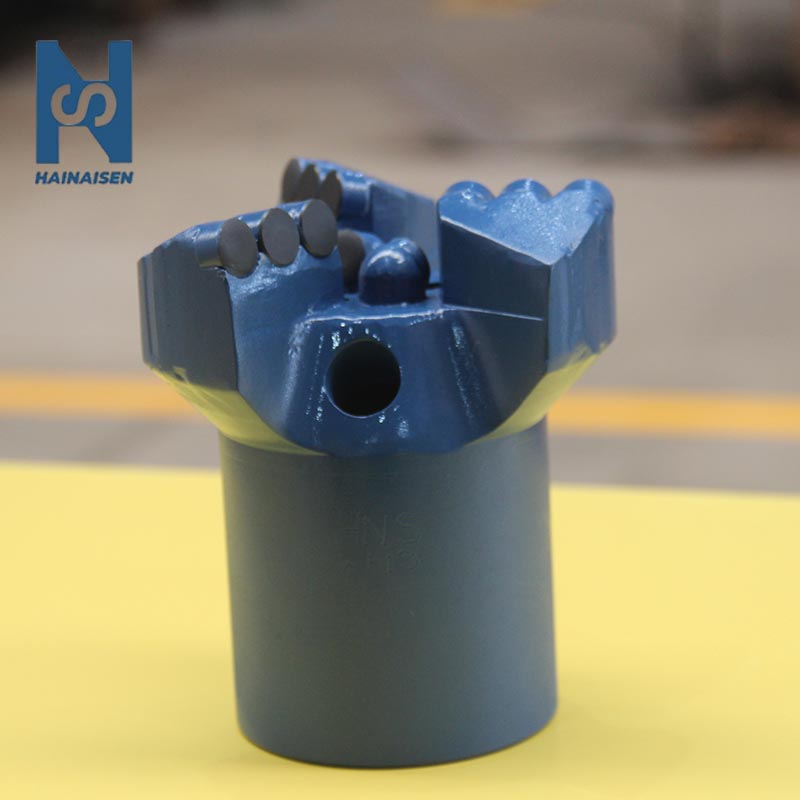 VIEW MORE3 Blades PDC Mining Bits
logo 2_1777360600432.jpg) VIEW MORECoal Mine Drilling Drill Bit Directional Three Blade PDC Drill Bit
VIEW MORECoal Mine Drilling Drill Bit Directional Three Blade PDC Drill Bit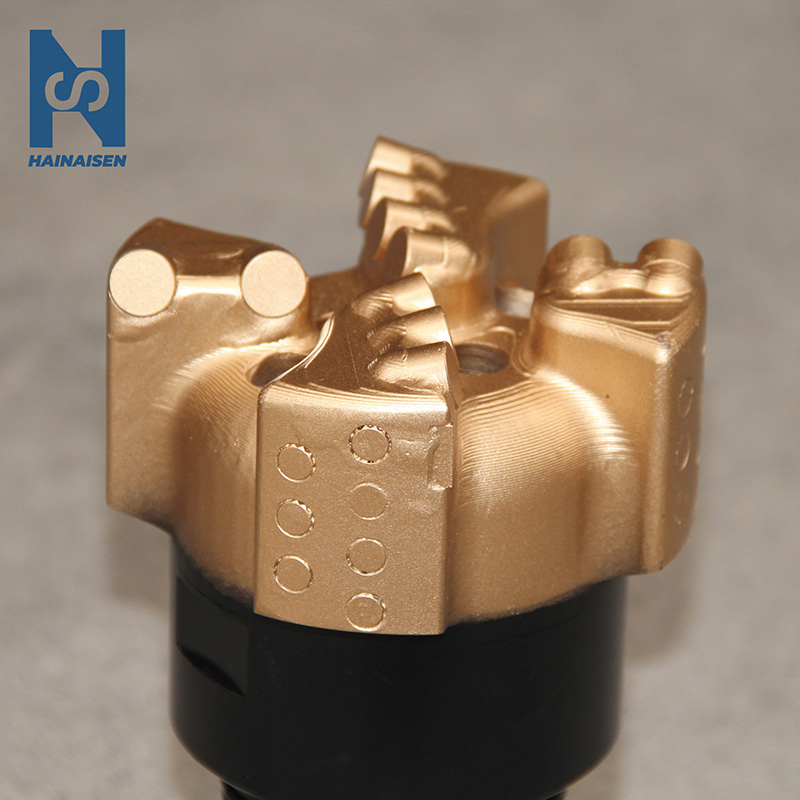 VIEW MOREDirectional Well PDC Drill Bit
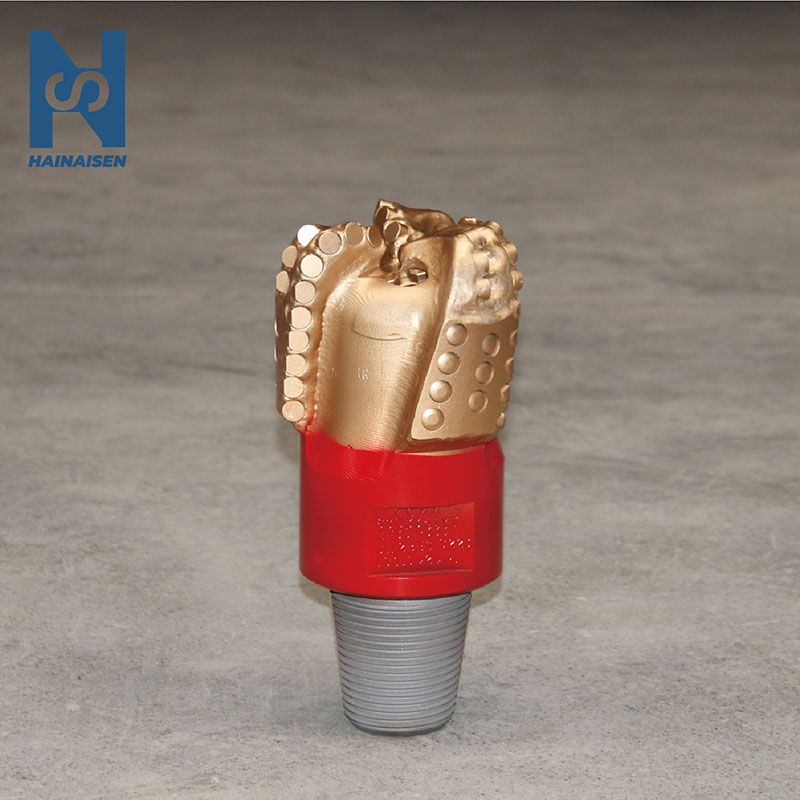 VIEW MOREThree Blade PDC Tricone Drill Bit
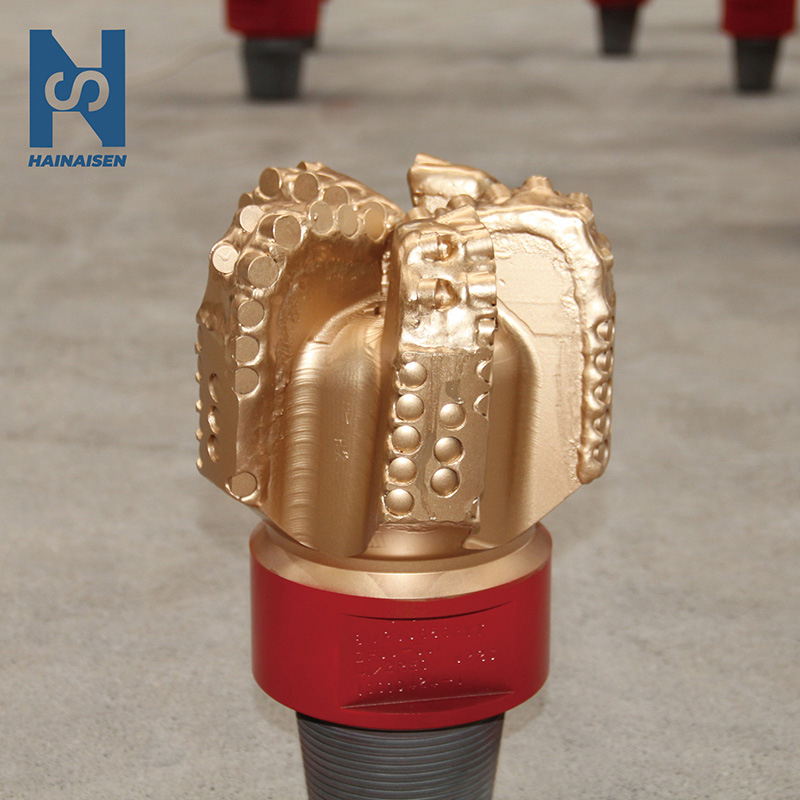 VIEW MORE5 Blades PDC Oil Bit
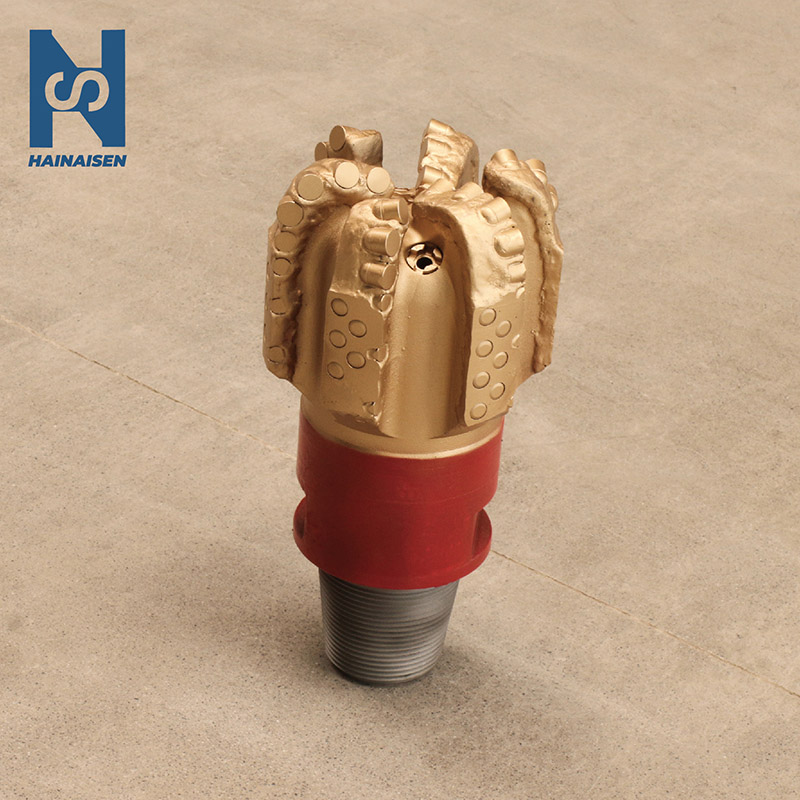 VIEW MORETool 6 Wings Drill Bit PDC
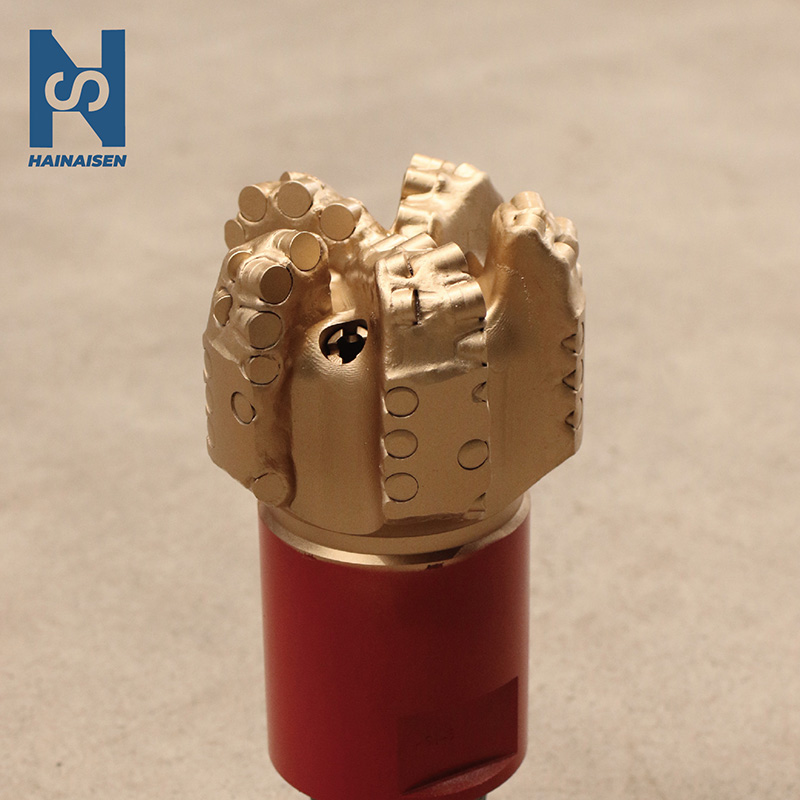 VIEW MOREPDC Petroleum Drill Bit
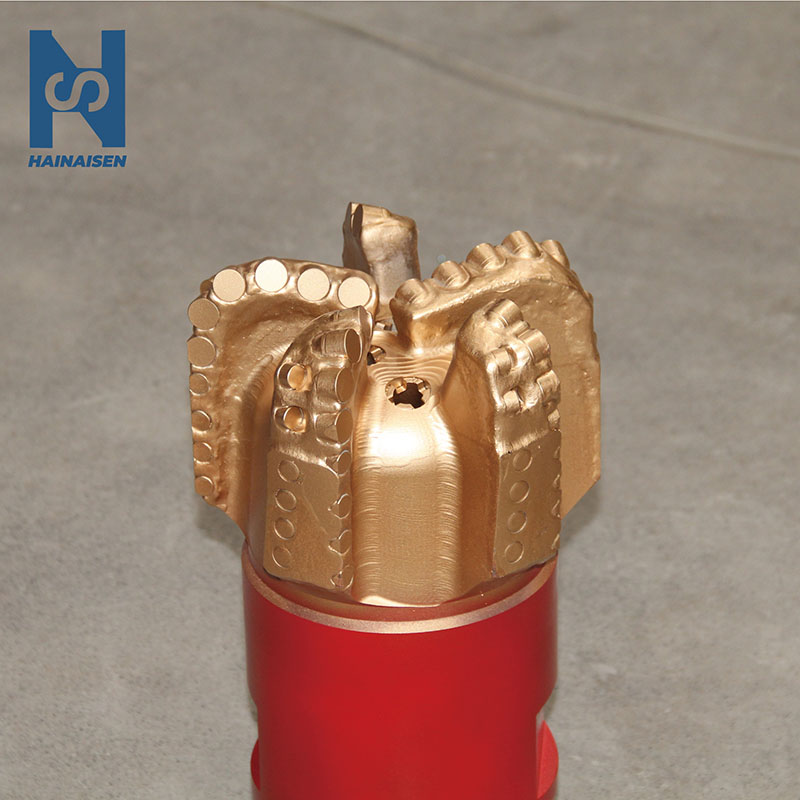 VIEW MORE5 Blades Steel Body High Performance PDC Rock Drill Bits
