




Six Blade Wing Petroleum Drill Bit Structure Explained
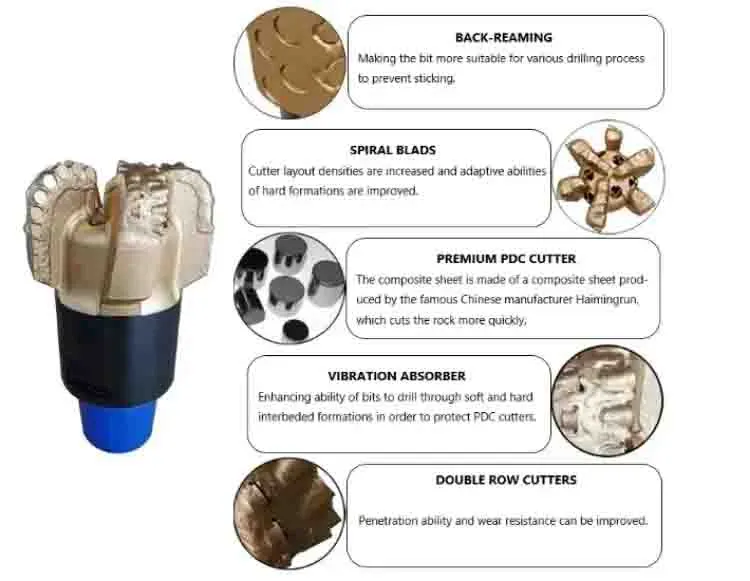
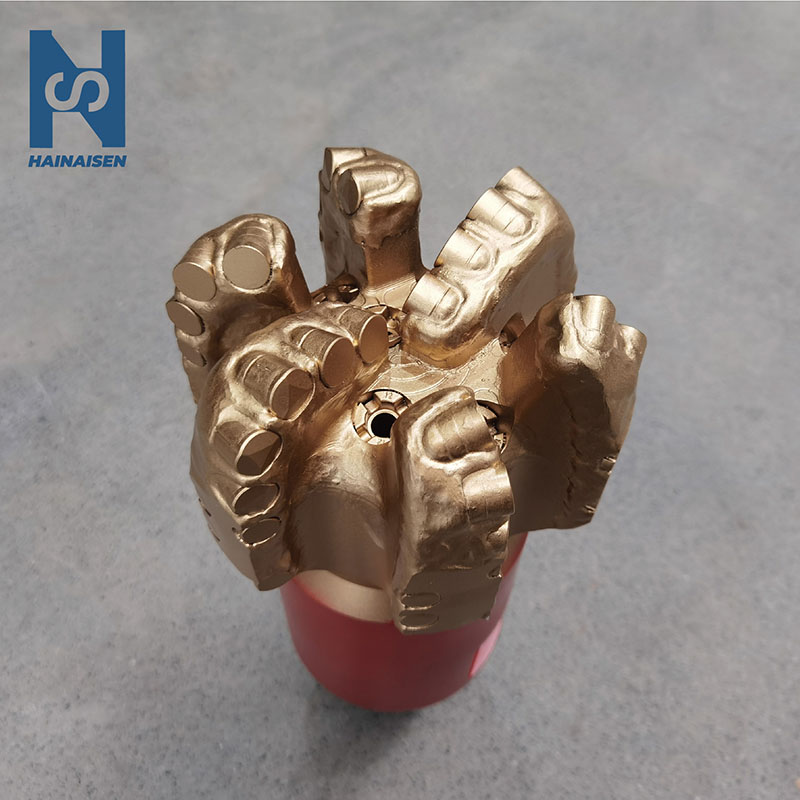
A Six-Blade Wing Petroleum Drill Bit is a high-tech drilling device with six carefully designed blades that are fitted with Polycrystalline Diamond Compact (PDC) cutters. There is a lot more stability, faster penetration rates, and better hole cleaning with this configuration than with other designs. The strategic layout of the blades spreads the cutting forces evenly across the bit face, which lowers vibration and increases contact with the rock. Better hydraulic channels between the blades make it easier to remove cuttings, which stops the bit from balling up and keeps performance consistent in medium-hard rock types like shale, limestone, sandstone, and gypsum.
Understanding the Six-Blade Wing Petroleum Drill Bit
Evolution of Multi-Blade Drilling Technology
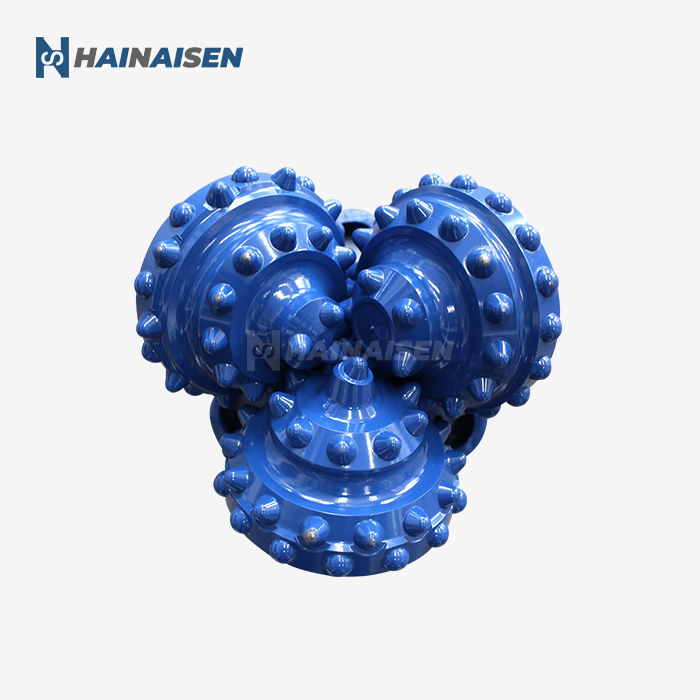
In recent decades, drilling tool technology has advanced significantly, especially in the oil and gas industry. Traditional tri-cone Roller Bits were widely used in early drilling operations; however, PDC technology revolutionized formation cutting by introducing a more efficient shearing mechanism. The development of 6 Blade PDC Drill Bits was driven by engineers seeking to achieve the ideal balance between cutting speed and operational stability. This advanced design addresses the limitations of three- and four-blade configurations by adding more support points, reducing lateral blade movement during rotation, and improving overall drilling performance in challenging formations.
Core Design Elements and Material Composition
Every step of Shaanxi Hainaisen Petroleum Technology's production is engineered. High-strength steel was forged into the bit to endure extreme downhole conditions. Each blade has CNC-machined pockets for 5.5mm tungsten carbide inserts. These inserts are hand-ground for the finest relief angles below the cutting surfaces, allowing chips to exit readily.
PDC cutters are this drilling tool's most essential technology. Using high pressure and temperature, these man-made diamond discs attach to tungsten carbide substrates. Once assembled, the composite material is strong and resistant enough to withstand impact. Thermal coatings on critical surfaces aid heat escape, keeping cutters safe during lengthy drilling sessions.
Blade Configuration and Hydraulic Optimization
The Six Blade Wing Petroleum Drill Bit oil and gas drilling bits configuration aids fluid dynamics research. Larger rubbish spaces between adjacent blades allow drilling mud to transfer formation cuttings away from active cutting zones. The continual flushing maintains the cutting edges sharp and prevents cutter loading during drilling. The blades' aerodynamic form minimises turbulence while cleaning well at 30 to 40 litres per second.
Performance and Advantages of Six-Blade Wing Petroleum Drill Bits
Enhanced Cutting Efficiency and Penetration Rates
The performance of the drilling has a direct effect on the project's costs. When compared to other designs, the Six Blade Wing Petroleum Drill Bit significantly improves the rate of penetration. During field operations, this means that it takes fewer hours to reach target depths, which saves money on rig rental and staff costs. Cutting elements are placed in a way that keeps them engaged with the rock throughout the rotation cycle. Before the previous blade leaves the formation, the next one starts making cuts, so the drilling keeps going without stopping.
The geometry of our blade profile makes the cut depth better with each turn. We find a good balance between bit life and penetration speed by controlling how aggressive the cutter exposure is. This balance is especially useful in heterogeneous formations, where the properties of the rocks change without warning. The structure with six blades handles these changes better than one with fewer blades, keeping torque and weight-on-bit needs stable.
Durability and Operational Lifespan
Longer bit life reduces the frequency of replacements and lowers overall drilling costs. The tungsten carbide matrix surrounding each PDC cutter protects the steel body from abrasive formation contact and provides excellent wear resistance, making it highly suitable for demanding Wing Bit Drilling applications. Our strict manufacturing standards ensure uniform carbide distribution throughout the bit structure, eliminating weak areas that could lead to premature failure and helping maintain stable performance in challenging drilling environments.
Durability has a monetary value that can be seen in real life. In projects to get coal bed methane, operators say they can drill multiple wells with a single bit, getting footage totals that are 30–40% higher than the industry average. This longer service life is because the load is spread evenly across six blades instead of being concentrated on three or four contact points. Less vibration means less wear and tear on both the bit and the equipment downhole, which means less maintenance needs to be done on the whole drilling assembly.
Versatility Across Geological Formations
Formation variability is a problem for drilling operations all over the world. The Six Blade Wing Petroleum Drill Bit design works well with medium-hardness layers that have compressive strengths between 40 and 120 MPa. In shale gas development, the bit keeps working well by putting together layers of carbonate stringers and organic-rich shale. Bit whirl is a common problem in softer formations that can lead to gauge wear and hole quality problems. The multiple cutting points stop this from happening.
When placed correctly, PDC cutters deliver an aggressive cutting action that is good for limestone drilling. The arrangement of the blades stops the bit from bouncing, so it stays in contact even when it hits vugs or fractures. The balanced torque of Six Blade Wing Petroleum Drill Bit designs works well with sandstone formations that have different levels of cementation. Even though gypsum layers are notoriously sticky, bit balling doesn't happen very often because the hydraulic passages are designed to keep cutting surfaces clean.
Procurement Considerations for Six-Blade Wing Petroleum Drill Bits
Evaluating Manufacturer Credentials and Quality Standards
To find a reliable supplier, you need to carefully check out their manufacturing and quality control methods. Shaanxi Hainaisen Petroleum Technology has a building that is 3,500 square meters and is full of high-tech production tools like 5-axis machining centers and CNC machine tools. These features make sure that the accuracy of the measurements meets or beats the API standards for drilling equipment.
Quality assurance is more than just ensuring that every product meets basic standards. Throughout multiple stages of production, our facility follows strict inspection protocols to guarantee the reliability of our 6 Blade PDC Drill Bits. Material Certifications verify that steel alloys and carbide components are genuine and meet the required grades, while non-destructive testing helps identify internal defects before the bits are put into operation. Final dimensional inspections ensure that thread specifications, blade profiles, and overall design tolerances are maintained for consistent drilling performance.
Procurement managers should ask for proof of quality management systems from potential suppliers when they are evaluating them. ISO certifications show that a company is committed to using consistent production standards. References from past customers can give you an idea of how well the product works in real life and how good the customer service is after the sale. When dealing with problems downhole or finding the best drilling parameters for certain formations, having access to technical support is very important.
Pricing Structures and Volume Considerations
Cost analysis for drilling tools needs to look at more than just the price of the tools themselves. The total cost of ownership includes how well the drill works, how long the bits last, and how much maintenance it needs. Even though premium bits cost more up front, they often end up saving you money in the long run because they last longer and penetrate deeper.
When you buy in bulk, you can sometimes get better prices. Bulk purchasing agreements help oil service companies plan campaigns that involve more than one well because they lower the cost of each Six Blade Wing Petroleum Drill Bit and make sure that the specifications are the same throughout the project. We work directly with procurement teams to set prices that fit the budgets and schedules of the projects we're working on. Customization features let us change blade profiles or cutter configurations without charging full custom-bit prices. This gives you the freedom to deal with specific formation problems in your working areas.
Logistics and Supply Chain Management
Costly drilling delays can be avoided by delivering on time. Our production schedule meets urgent needs while still meeting quality standards. Standard configurations usually ship two to three weeks after the order is confirmed. Custom designs take more time from engineers, but we make communication a top priority throughout the whole design and production process, and keep you up to date on how things are going on a regular basis.
For international shipping to go smoothly, the logistics and documentation partners must work together carefully. We keep in touch with freight forwarders who know how to handle oilfield equipment, making sure it is packed correctly and getting it through customs faster. The warranty starts as soon as the bit is delivered, and technical support is available at hainaisen@hnsdrillbit.com for as long as the bit is in use.
Best Practices for Using and Maintaining Six-Blade Wing Petroleum Drill Bits
Optimal Operating Parameters for Maximum Performance
Bit design must match operational factors for optimal performance. Our Six Blade Wing Petroleum Drill Bit performs effectively at 60–250 RPM. For motor assemblies, 100–150 RPM penetrates best, and for rotary tables, 60–90 RPM. The bit should weigh 20–110 kilonewtons, depending on rock hardness. Harder rock requires more weight to engage cutters than softer rock.
Bit performance depends greatly on drilling fluid characteristics. Flow rates between 30 and 40 litres per second help ensure efficient cuttings transportation while keeping PDC cutters properly cooled. Fluid viscosity should be carefully balanced to achieve effective hole cleaning and minimize pressure loss. The use of lubricants or surfactants in the mud system can reduce friction and prevent clay buildup on blade surfaces, improving stability and efficiency in Wing Bit Drilling operations, especially in bit balling-prone shale formations.
Real-time monitoring systems provide important bit performance data. Operators can detect dull cutters or formation qualities by monitoring standpipe pressure, rate of penetration, and torque. Sudden torque increases may indicate balling, which may be cleaned by moving and rotating the bit without weight. The cutter wears out as penetration rates diminish; therefore, replace the bit before it fails.
Preventive Maintenance and Storage Protocols
When handled correctly, Six Blade Wing Petroleum Drill Bit units last longer than what is needed for operations. When bits are taken out of the wellbore, they should be cleaned very well to get rid of drilling mud and formation debris. High-pressure water gets rid of junk in slots and makes cutting surfaces visible for inspection. By looking at it, you can tell if the cutters are chipped or broken, the blade profiles are worn down too much, or the threaded connections are damaged.
Conditions of storage keep bits safe between uses. Clean, dry environments keep steel parts from rusting and protective coatings from wearing off. Cutting structures should not be hit by bits, so they should rest on wooden blocks instead of concrete floors. Thread protectors keep the surfaces of connections clean and safe from damage while they are being moved or handled.
Some operators try a bit of refurbishment to get more value out of tools that are only partly worn. In this process, broken cutters are replaced, worn gauge sections are rebuilt, and blade profiles are fixed by welding and milling. Even though refurbishment increases the economic life of something, it needs special tools and knowledge to keep the measurements correct. Before going through the refurbishment process, you should talk to our technical team to make sure it will be worth it for your needs.
Troubleshooting Common Performance Issues
Identifying and fixing drilling problems quickly cuts down on time spent doing nothing. Bit whirl happens when the bit rotates in an eccentric way instead of on its central axis. Erratic torque and high vibration are often signs of this. Usually, this problem can be fixed by lowering the bit's weight and speeding up the rotary motion. When there is persistent whirl, it means that the formation properties don't work with the Six Blade Wing Petroleum Drill Bit oil and gas drilling bits profile. This means that a new bit with a more aggressive design needs to be used.
A drop in the penetration rate that doesn't match an increase in torque points to wear on the cutter rather than changes in the formation. By comparing current performance to data from offset wells, you can tell the difference between these two situations. Bit balling may be happening when there is a sudden, dramatic drop in ROP and an increase in pump pressure. This is especially likely to happen in reactive shale formations. Moving the bit around without weight while it is rotating usually gets rid of the built-up material.
Too much gauge wear makes holes less accurate and makes it harder to steer in directional wells. This problem happens because the gauge pad isn't protected well enough or because of rough formation contact when there are high side loads. By choosing bits with better gauge trimming or replacing worn bits before the gauge dimension falls below what is required, you can avoid expensive reaming jobs and possible problems with the stability of the wellbore.
Conclusion
The Six Blade Wing Petroleum Drill Bit has been used successfully to solve a wide range of drilling problems in the mining, oil, and water well industries. Procurement professionals and drilling engineers can get the most out of these tools by understanding their structural elements, how they work, and the right way to use them. When you combine better stability, hydraulics that work well, and long-lasting materials, you get measurable improvements in penetration rates and bit life. Using six-blade technology in your drilling operations will only work if you carefully choose your suppliers based on their manufacturing capabilities, quality standards, and technical support.
FAQ
Q1: How do I select the appropriate bit for my specific drilling project?
The choice of bits is based on the characteristics of the formation, the geometry of the well, and the operational goals. Six-blade wing petroleum drill bit configurations work best on medium-hard rock types like shale, limestone, and sandstone, which have compressive strengths between 40 and 120 MPa. Standard blade profiles work best for vertical wells, but directional applications may need to change where the cutters are placed to make them easier to steer. Our technical team looks at data from offset wells and descriptions of formations to come up with the best specifications.
Q2: What efficiency improvements can I expect in challenging shale formations?
The amount of clay, the amount of organic matter, and the cementation all affect the properties of shale in big ways. In medium-hardness shale sequences, our Six Blade Wing Petroleum Drill Bit design usually improves penetration rates by 15 to 25 percent compared to four-blade designs. The improved hydraulic system stops bit balling, so performance stays the same even in areas with reactive clay. The right chemistry in the drilling fluid is still needed to get the most out of these benefits.
Q3: How should I schedule maintenance to maximize bit longevity?
Preventive inspections done after every trip find problems before they get so bad that they break the whole thing. Tracking the total amount of footage drilled gives you a good idea of how often to replace things. Most operators can drill between 800 and 1,200 meters in the right formations before they need to change the Six Blade Wing Petroleum Drill Bit because they are worn out too much. Maintaining the right operational parameters, especially avoiding putting too much weight on the bit, keeps the cutter from breaking down too soon, which shortens its useful life.
Partner with HNS for Premium Drilling Solutions
Engineered drilling tools are made by Shaanxi Hainaisen Petroleum Technology (HNS), which also offers advanced manufacturing and quick technical support. Our network of Six Blade Wing Petroleum Drill Bit suppliers works with oil service companies, mines, and drilling contractors all over the world, including in the United States. Different formation problems can be solved by customization services, and projects of all sizes can be accommodated by competitive pricing structures. Email our engineering team at hainaisen@hnsdrillbit.com to talk about your drilling needs and get full technical specifications.
References
1. Bourgoyne, A.T., Millheim, K.K., Chenevert, M.E., and Young, F.S. (1991). "Applied Drilling Engineering." Society of Petroleum Engineers Textbook Series, Volume 2.
2. Bellin, F., Doiron, H.H., Justus, F., and Fincher, L. (2010). "The Current State of PDC Bit Technology." World Oil Magazine, Volume 231, Issue 5.
3. Centala, P., Shen, Y., and Aliko, K. (2012). "PDC Bit Technology for the 21st Century." Paper presented at the IADC/SPE Drilling Conference and Exhibition, San Diego, California.
4. Ledgerwood, L.W., Hoffmann, O.J., Jain, J.R., and Burgess, D.E. (2013). "Downhole Measurement and Monitoring Lead to Enhanced PDC Bit Performance." SPE Drilling and Completion Journal, Volume 28, Number 2.
5. Rashidi, B., Hareland, G., and Nygaard, R. (2010). "Real-Time Drill Bit Wear Prediction by Combining Rock Energy and Drilling Strength Concepts." Abu Dhabi International Petroleum Exhibition and Conference Proceedings.
6. Warren, T.M. and Armagost, W.K. (1988). "Laboratory Drilling Performance of PDC Bits." SPE Drilling Engineering Journal, Volume 3, Number 2.
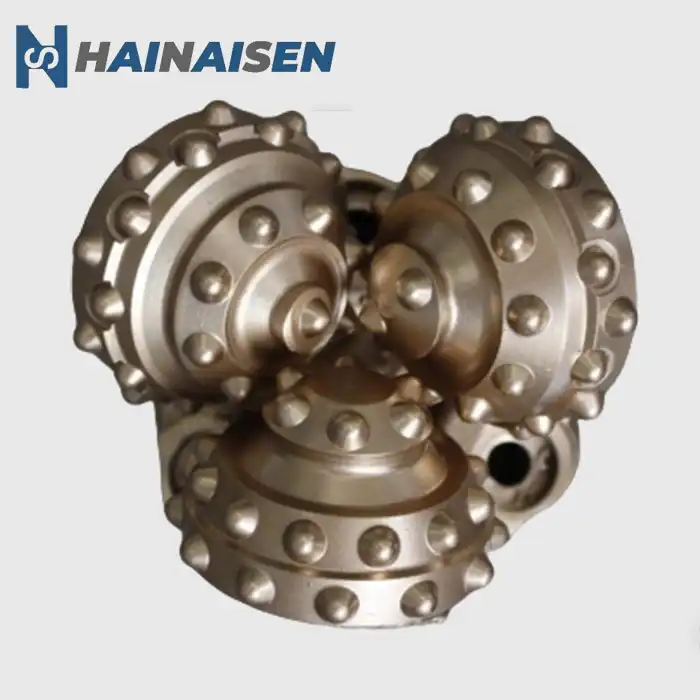 VIEW MORE4 1/2" IADC 537 Tricone Rock Bit
logo 1_1777360475599.jpg) VIEW MOREDirectional Three Blade PDC Drill Bit
VIEW MOREDirectional Three Blade PDC Drill Bit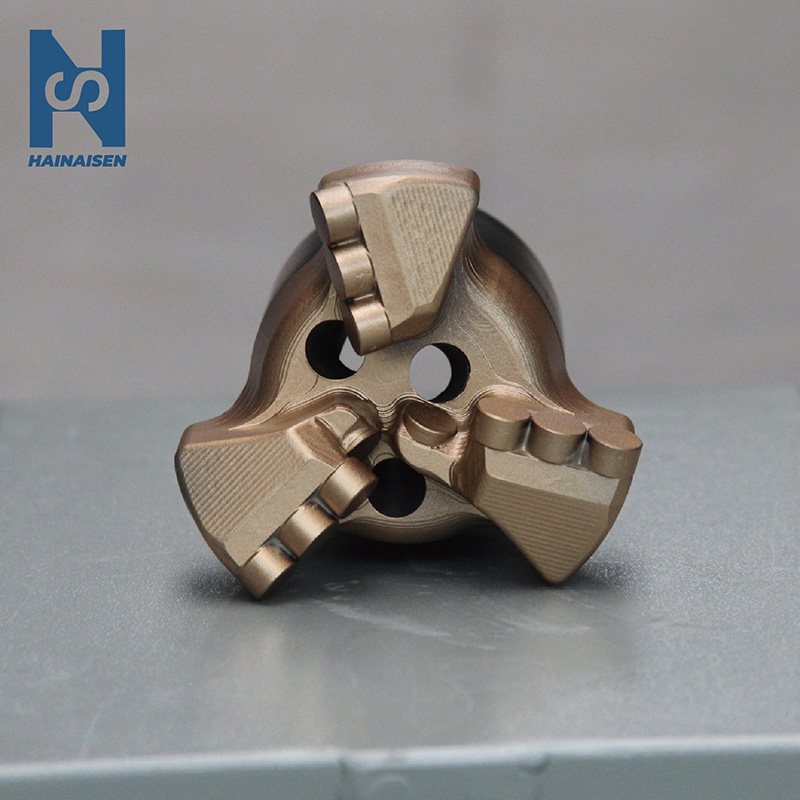 VIEW MORE3 Blades PDC Rock Bit
logo 2_1777360600432.jpg) VIEW MORECoal Mine Drilling Drill Bit Directional Three Blade PDC Drill Bit
VIEW MORECoal Mine Drilling Drill Bit Directional Three Blade PDC Drill Bit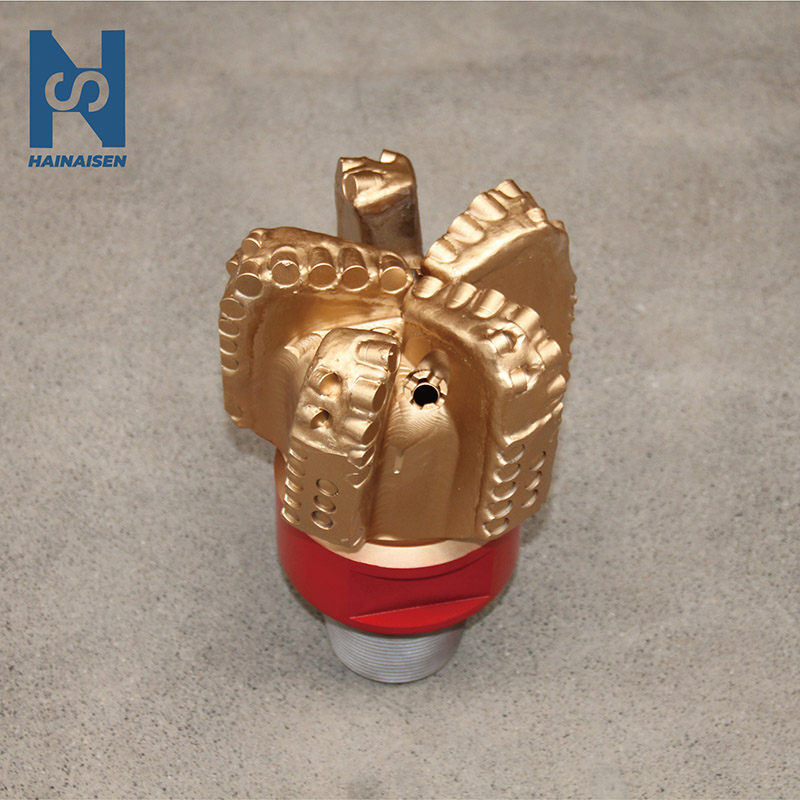 VIEW MOREPDC Rock Drill Bit
 VIEW MORE6 Wings PDC Drill Bit
 VIEW MORESteel Body PDC Drill Bit
 VIEW MORESteel Tooth Bit