



Six Blade Wing Petroleum Drill Bit vs Four Blade Design
Choosing between a six-blade wing petroleum drill bit and a traditional four-blade configuration significantly impacts your drilling operation's efficiency, cost structure, and overall performance. The six-blade design delivers enhanced stability, superior hydraulic flow, and faster penetration rates across diverse geological formations, making it particularly valuable for medium to large-scale oil service companies seeking long-term reliability. Meanwhile, four-blade bits offer proven simplicity and cost advantages that appeal to smaller drilling teams and coal mining operations where budget considerations are paramount. Understanding these differences helps procurement managers and technical engineers make informed decisions that align with their specific operational requirements and formation challenges.
Design Features and Working Principles of Six-Blade Wing vs Four Blade Petroleum Drill Bits
Blade Geometry and Configuration
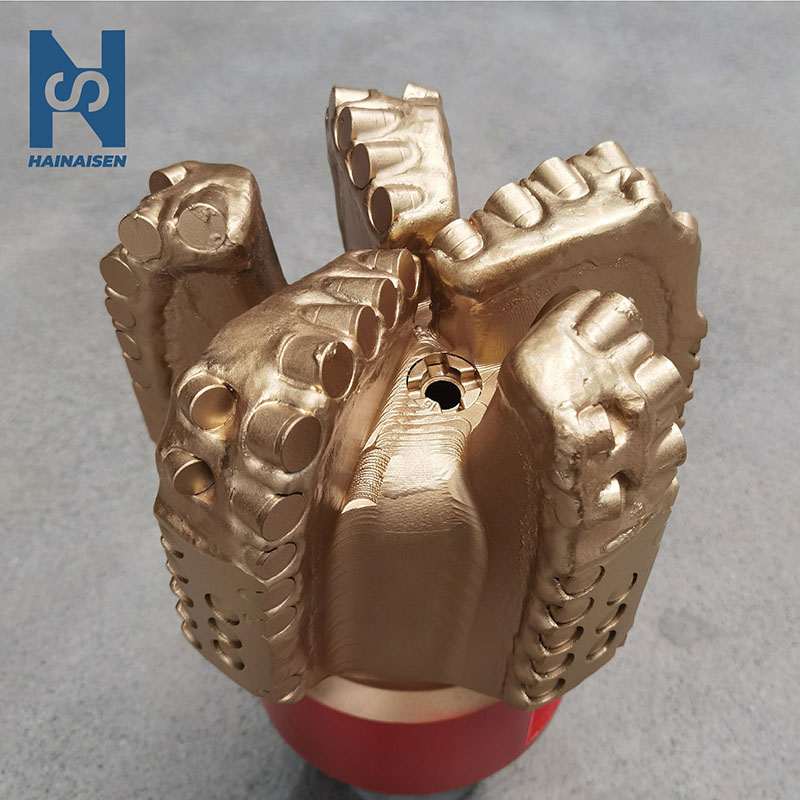
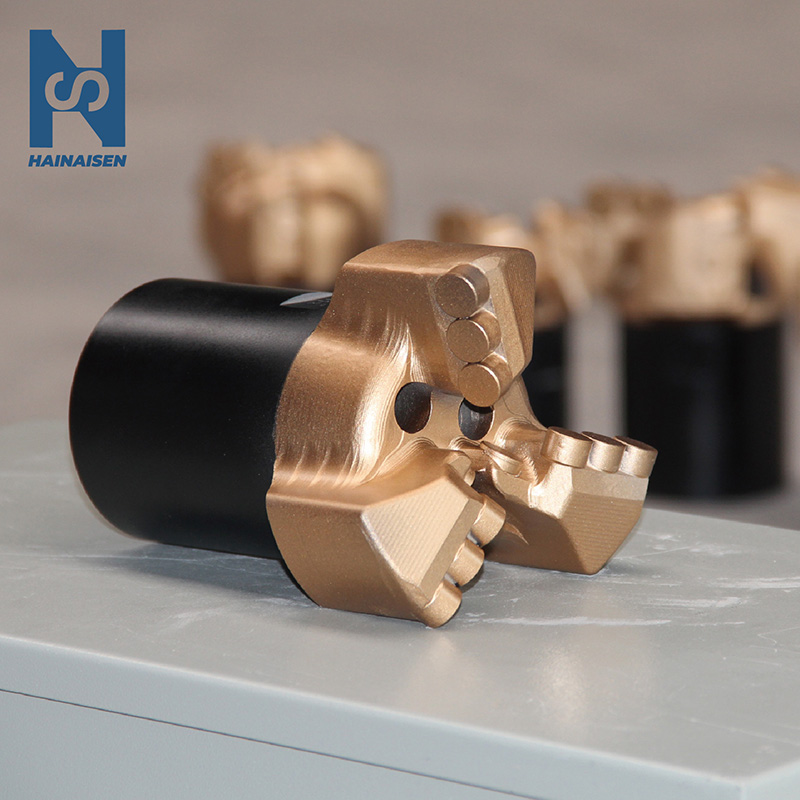
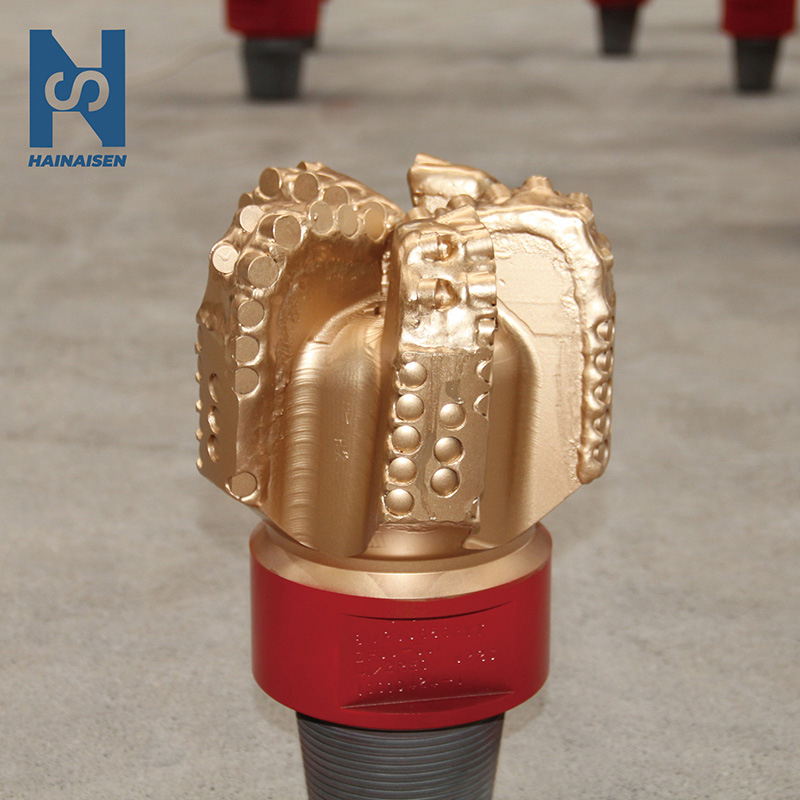
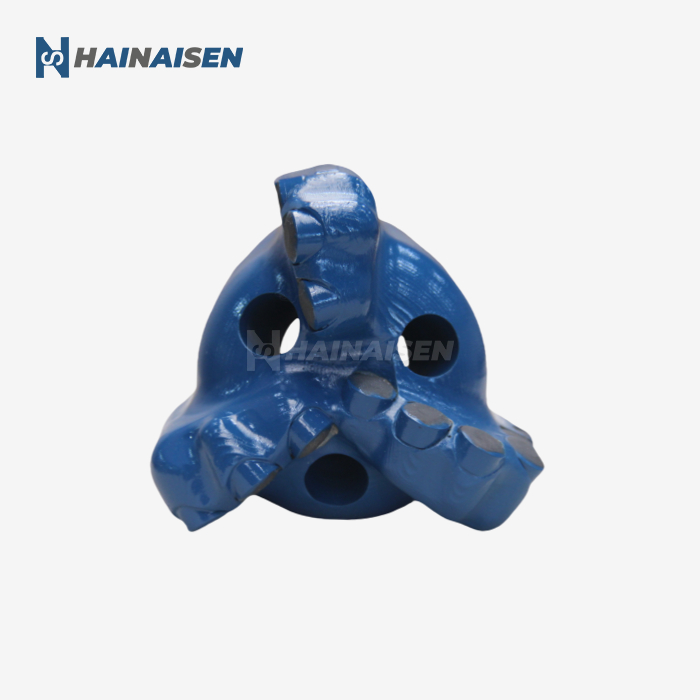
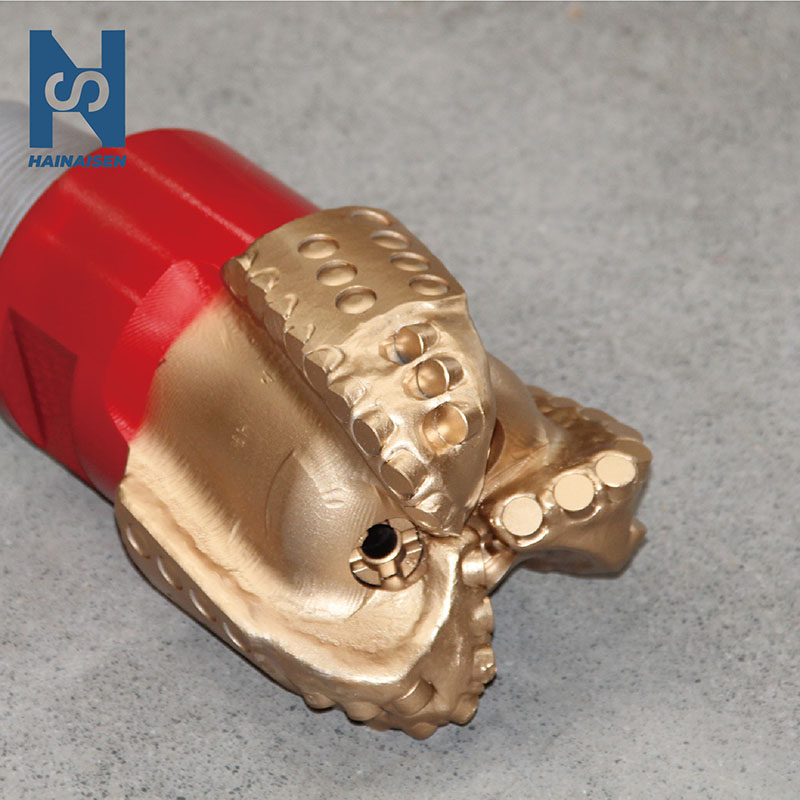
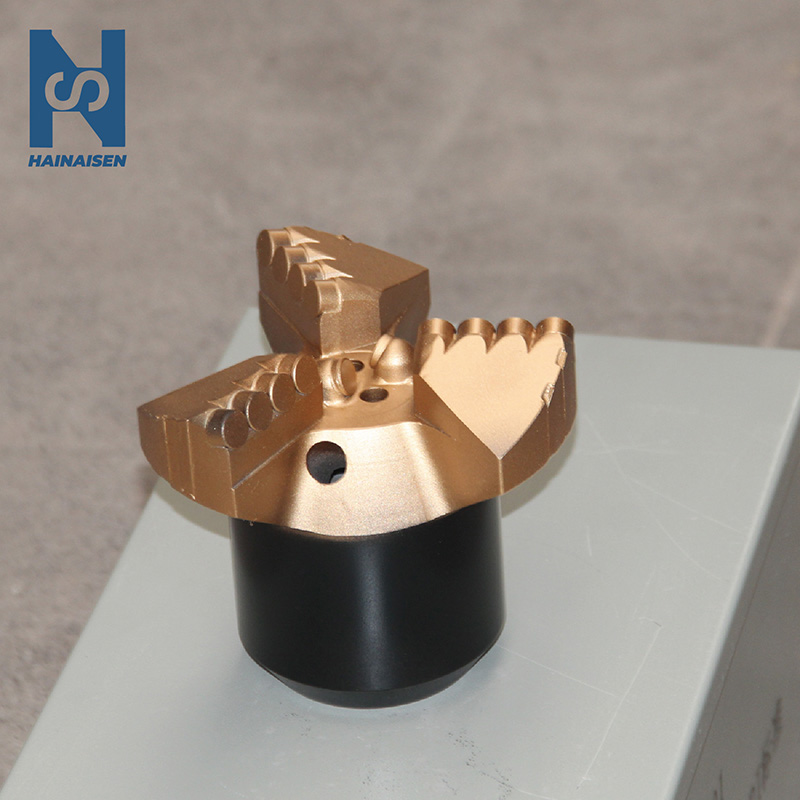
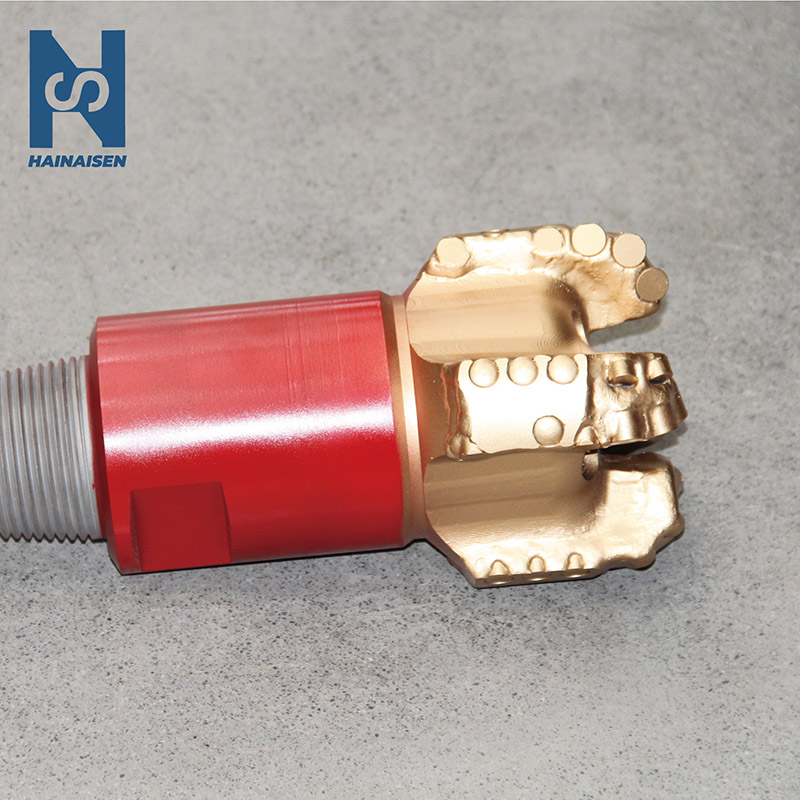
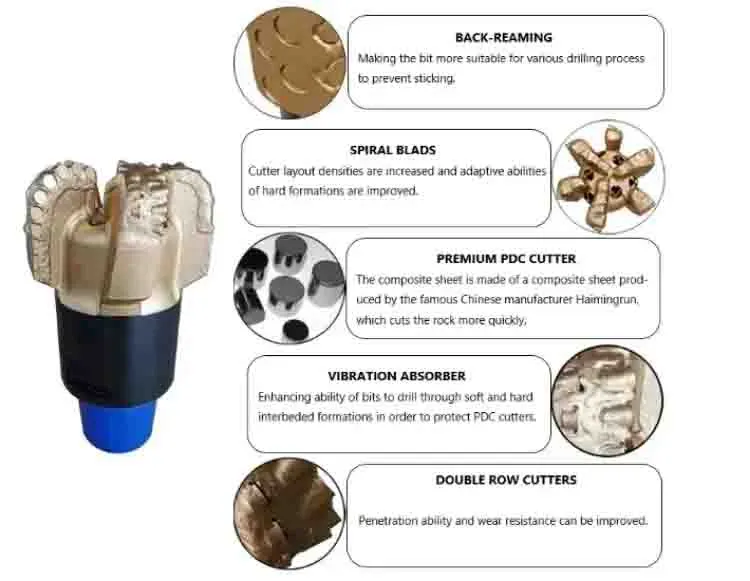
The main difference between these two bit designs is how the blades are arranged and how the cutting area is spread out. A Polycrystalline Diamond Compact (PDC) Six Blade Wing Petroleum Drill Bit spreads cutting forces across more contact points. This lowers the stress on each blade and makes the bit more stable while it's turning. In a six-blade design, each blade is placed in a way that distributes weight evenly and reduces lateral vibration, which is very important when digging horizontal or directional wells. The four-blade design is easier to build, but it focuses the cutting action on fewer areas. This can speed up penetration in softer formations, but could make it harder to keep the machine stable in layers of different types of rock.
"Junk slots" are pathways that let drilled pieces move away from the bit face. They are made by the space between the blades. Most of the time, six-blade bits have smaller junk slots than four-blade bits, but their higher number of flow routes usually leads to better hydraulic performance. This design factor is especially important when drilling through shale, limestone, or sandstone, because cuttings removal that works well keeps the bit from balling and the entry rate steady.
Material Technologies and Cutter Placement
Both types of bits are made of high-tech materials that can survive harsh conditions downhole, but their uses are different depending on how many blades they have. Our six-blade bits at Shaanxi Hainaisen Petroleum Technology Co., Ltd. are made with high-strength steel bodies that are strengthened with tungsten carbide matrices. This gives them great resistance to pressure while they're in use. The PDC cutters, which are synthetic diamond disks that are 5.5 mm thick, are spread out over six blades to make the best contact with the rock and spread out the heat that is created during drilling.
Four-blade bits usually use the same kinds of materials as oil drill bits, but they focus the cutter on fewer areas. This setup can make each cutter more exposed for longer periods of time, which could speed up wear rates in rough formations. But four-blade designs have bigger blade shapes that make deeper cutter pockets and better cutter retention, which some drilling teams like when they are working in rock conditions that are hard to predict. The hand-ground relief angles behind each carbide insert make it easy for cuts to escape. This is something that our production team at HNS carefully designs to make sure that the tool works at its best, no matter how many blades it has.
Operational Mechanics and Rock Engagement
When a drill bit turns at the bottom of a well, its blades cut and grind rock by sliding against each other instead of hitting the rock with force. Six-blade bits contact formation surfaces more often during each turn. This makes the cutting action smoother, which lowers torque fluctuations and increases the life of the equipment. This pattern of constant contact works especially well with medium-hard rocks that don't have compressive strengths above 100 MPa, like gypsum or some types of sandstone.
When you use four-blade bits, each blade is loaded with more material. This can speed up penetration in smooth patterns but may cause early wear when you hit hard stringers or layers that are interbedded. A six-blade bit's rotating speed is usually between 60 and 250 RPM, and its piercing pressure is between 20 and 110 KN. Its flow rate is between 30 and 40 LPS. These factors can be changed depending on the properties of the formation, but the six-blade design usually keeps working well over a wider range of conditions than four-blade options.
Performance Comparison: Efficiency, Longevity, and Application Suitability
Rate of Penetration and Drilling Efficiency
Rate of Penetration (ROP) is a key measure for procurement managers to use when judging bit performance because it has a direct effect on project timelines and running costs. A six-blade wing petroleum drill bit typically has 15–25% faster penetration rates in medium-hardness rocks than four-blade designs. This is mostly because they have a larger cutting surface area and better weight distribution. When owners drill multiple wells in similar geological settings, like in shale gas development and coalbed methane extraction projects, this benefit stands out even more.
The better ROP of six-blade designs is due in large part to how well they use hydraulics. During drilling, hydraulic fluid moves down the drill string, out of ports near the bit face, and up through the annular space, carrying the shavings with it. Six-blade bits work best with this flow pattern because they create balancing pressure zones that keep cuttings from building up. Four-blade designs, on the other hand, may have flow limits in certain areas that make cleaning less effective. Our tests at the HNS facilities in Xi'an have shown that six-blade bits keep their ROP constant as the drilling depth goes up, while four-blade bits often lose their effectiveness after 2,000 meters in the same types of rock.
Durability and Maintenance Requirements
Bit life directly affects how often it needs to be replaced and how much time it takes to run, two factors that have a big effect on the total cost of ownership. In abrasive formations, six-blade bits last 20–30% longer than four-blade designs because they spread cutting forces across more areas. This means that each cutter wears less quickly and lasts longer overall. This longer life is especially helpful for medium- to large-sized oil service companies that do long-reach horizontal drilling, since bit trips waste a lot of time and money.
Based on how they wear, these styles have different maintenance needs. Four-blade bits usually show more expected wear on the main cutting surfaces, which makes it easy to figure out how much damage there is and whether to repair or replace them. Six-blade bits wear out more evenly, which can delay clear signs of failure but leads to fewer catastrophic bit failures in the long run. Our expert support team at Shaanxi Hainaisen suggests inspection times based on the features of the formation and the drilling parameters. In similar conditions, six-blade bits usually need to be checked every 150–200 drilling hours, while four-blade bits only need to be checked every 120–150 hours.
Formation-Specific Applications
To choose the right bit shape, you need to carefully think about the project goals and the natural conditions. When drilling in a specific direction, six-blade bits work best because they keep the wellbore stable and allow for precise control of the drilling path. Because they cut evenly, side forces that can cause deviation are lessened. This makes them perfect for oil and gas research wells that are looking for specific reserve zones. The design also works really well in interbedded rocks with layers of different hardnesses. This is because the evenly distributed cutting load keeps the bit from reacting suddenly, which could damage downhole equipment.
For straight-hole water well drilling in rocks that aren't well-consolidated or are only slightly cemented, four-blade bits are still the best choice. Their strong cutting action and simple design lower the cost of purchase, making them appealing to smaller drilling teams that are working with smaller budgets. When digging for research and ventilation holes in coal mines, which mostly have coal seams, shale, and sometimes sandstone layers with fairly predictable properties, companies often choose four-blade designs.
Best Practices for Optimal Use and Maintenance
Operating Parameter Optimization
To get the best performance from a bit, you need to carefully choose the drilling settings that match the bit's shape to the properties of the formation. The best results for a Six Blade Wing Petroleum Drill Bit are usually seen when the rotor speed is between 80 and 180 RPM, and the weight on bit (WOB) is between 30 and 70 KN in medium-hardness formations. These settings should be changed based on real-time ROP tracking and torque readings. Skilled drillers know that consistent penetration rates show that the bit is properly engaged with the rock.
Four-blade bits usually work best for oil drill bits when they have slightly slower rotating speeds (60–150 RPM) and higher WOB values (40–85 KN), especially when they are cutting through soft materials and can fully use their violent cutting action. For both types of bits in normal wellbore sizes, hydraulic flow rates of 30 to 40 liters per second should keep cuttings moving quickly enough without wearing down the bit. Our technical support team at HNS gives drilling teams advice on how to get the best results from the first wellbore penetration by recommending parameters that are specific to the rock.
Inspection and Troubleshooting Protocols
Regular bit checking finds wear patterns that help with both making instant changes to the way things work and choosing bits for the future. Once crews get a six-blade bit out of the wellbore, they should take pictures of all the blade surfaces and use standard grading methods to keep track of the cutter's state. Even wear on all blades means that the machine is working correctly, while heavy damage to a few blades means that the parameters need to be changed or there are problems with the formation that need to be fixed before running the next bit.
Six-blade bits often break when the cutter delaminates from too much heat, the bit body wears away from abrasive cuts, or the bearings wear out in steerable motor use. Parameter tuning and good hydraulic control can stop a lot of these problems before they happen. Four-blade bits fail in similar ways, but the blades can also break when they are put under too much torque or impact loads in hard, cracked formations. By working together with bit providers, drilling teams can get access to failure analysis experts who can help them keep improving how they do their jobs.
Conclusion
Choosing between petroleum drill bits with six or four blades has a big impact on how well they work, how much they cost, and how well projects turn out in a wide range of situations. For medium to large drilling companies looking for oil, gas, and geothermal resources, a Six Blade Wing Petroleum Drill Bit is worth the extra money because they offer clear benefits in penetration rates, bit longevity, and wellbore stability that make up for its higher starting costs. Four-blade bits are still useful for water well teams that are watching their budgets and coal miners who want to use easier, cheaper tools because they can predict the formations better and the size of the project. To choose the right bit, you need to look at more than just the buying price. You need to think about the formation's properties, your drilling goals, and the total costs over its entire life. Working with seasoned Manufacturers like Shaanxi Hainaisen Petroleum Technology Co., Ltd. gives drilling workers access to tried-and-true bit designs as well as the ability to make changes that make the bits work best for their unique needs.
FAQ
Q1: What are the primary advantages of six-blade bits over four-blade designs?
There is more steadiness, faster penetration, and longer operating life with a Six Blade Wing Petroleum Drill Bit than with four-blade bits. Their spread-out cutting action lowers sound and torque changes, which is especially helpful for drilling in specific directions and tasks that need accurate wellbore placement. Better hydraulic flow and waste removal also lowers the risk of bit balling in rocks that are sticky.
Q2: How do I select the appropriate bit for my formation?
The choice of formation is based on how hard and rough the rock is and what the digging goals are. Six-blade bits work best in medium-hard rock types like shale, limestone, and sandstone, and they're great for tasks that need to be controlled in a certain way. Four-blade bits work well in straight-hole situations where cost is the most important factor and the rock is soft and regular. Talking to technology experts at companies like HNS can help you match the form of a bit to the needs of a specific project.
Q3: What maintenance practices extend bit life?
Bit life can be greatly increased by keeping the right drilling settings, keeping an eye on real-time performance data, and doing full inspections after each run. Using the right hydraulic flow rates keeps the machine from getting too hot, and not using too much weight on the bit keeps the cutter from getting damaged. Making regular changes to the parameters based on changes in the formation and quickly retrieving bits when their performance starts to drop stops major failures that could damage other bits or downhole equipment.
Partner with HNS for Superior Drilling Performance
Shaanxi Hainaisen Petroleum Technology Co., Ltd. combines advanced manufacturing skills with quick expert help to provide drill bits that improve your business's efficiency and lower its overall drilling costs. As a reputable maker of Six Blade Wing Petroleum Drill Bit solutions, we offer unique setups that are made to fit the difficulties of your formation and the needs of your project. Our engineering team works directly with procurement managers and technical engineers to create the best bit setups, whether you need high-performance six-blade designs for tricky directional drilling or low-cost four-blade designs for water wells. Email hainaisen@hnsdrillbit.com to see our full line of products and talk about how our drilling solutions can help your next project succeed.
References
1. Smith, J.R. and Thompson, M.K. (2021). "Comparative Analysis of PDC Bit Blade Configurations in Shale Formations." Journal of Petroleum Drilling Technology, Vol. 43, pp. 127-145.
2. Anderson, P.L. (2020). "Hydraulic Optimization in Multi-Blade Drill Bit Design." International Drilling Engineering Review, Vol. 18, Issue 3, pp. 89-104.
3. Chen, W. and Roberts, D. (2022). "Material Advancements in Polycrystalline Diamond Compact Cutters." Applied Drilling Science Quarterly, Vol. 29, pp. 213-228.
4. Mitchell, B.R. (2019). "Operational Parameters and Bit Performance in Directional Drilling Applications." Petroleum Engineering Handbook, 5th Edition, Society of Petroleum Engineers, pp. 567-592.
5. Garcia, M.A. and Liu, H. (2023). "Economic Analysis of Drill Bit Selection for Water Well Applications." Water Resources Drilling Journal, Vol. 31, pp. 45-62.
6. Williams, T.K. (2021). "Failure Mode Analysis of PDC Bits in Heterogeneous Rock Formations." Drilling Technology Advances, Vol. 15, Issue 2, pp. 178-195.