




How Formation Hardness Testing Influences Your Drill Bit Choice
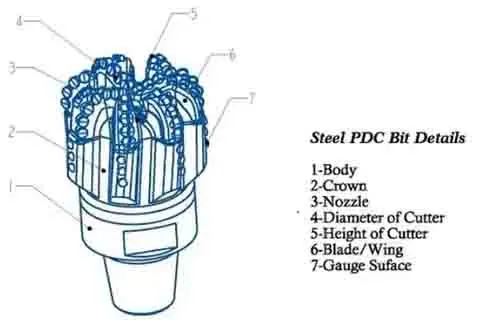
Formation hardness testing is the basis for smart bit selection, which has a direct effect on bit life, penetration rates, and running costs across all drilling projects. By knowing the characteristics of subsurface resistance, buying managers and technical experts can match the specs of tools with what the ground needs. This idea is shown by advanced PDC Bits like the Seven Blade Wing Oil Drilling Drill Bit, which has 86 carefully placed cutters spread across seven blades to balance strong cutting action with wear resistance in different formations. When hardness data is used to make decisions about what to buy, drilling teams spend less time doing nothing and get more out of their investments because their equipment works better.
Understanding Formation Hardness and Its Impact on Drilling Efficiency
Formation hardness is a measure of how hard it is for underground materials to be penetrated mechanically. This has a big impact on how drill bits work during operations. If you correctly evaluate this factor, you can avoid expensive mistakes that happen when tools' capabilities don't match up with geological facts.
What Formation Hardness Really Means
Different types of rocks have different levels of hardness, from soft shale with a compression strength of 1,000 to 3,000 psi to very hard quartzites with a strength of over 30,000 psi. This difference makes things more difficult for cutting tools. Soft formations let bits go through quickly, but cuts can build up around the bit face and cause bit balling. Hard formations, on the other hand, need cutters that can handle a lot of wear and tear without breaking. The compressive strength readings from tests show whether a formation is soft, medium, hard, or extremely hard. Each of these groups needs a different type of bit design.
Testing Methods That Inform Bit Selection
Standard methods for testing include sonic logging, which tracks the speed of sound waves moving through rock samples to find out how hard they are, and impact testing, which uses controlled pressure to find out how much resistance a material has. When rotary drilling tests are done in the real world, they give information about how deep something goes. We've seen that operators who spend money on a full formation study before buying tools lower the number of times they need to replace bits by 30 to 40 percent compared to those who make assumptions based only on area geology reports.
The Direct Link Between Hardness and Drilling Performance
Three important measures are directly affected by matching bit specs to formation hardness for drill bit petroleum: rate of penetration (ROP), bit life expectancy, and maintenance intervals. Bits with seven blades keep 15-20% higher ROP than bits with five blades in medium-hard formations, which is common in many oil and gas basins. This is because the load is spread out better with seven blades. The extra cutting areas lower the stress on each cutter, which means they can be used for longer before they need to be resharpened. This link between hardness data and choosing the right tools is what makes cost-effective drilling projects possible.
Key Design Features of Seven-Blade Wing Drill Bits Influenced by Formation Hardness
Multi-blade PDC bits were created to deal with the wear problems caused by different formation hardness levels. The Seven Blade Wing Oil Drilling Drill Bit design strikes the best mix between being aggressive and lasting a long time.
Why Blade Count Matters in Hard Formations
The seven-blade design spreads the cutting forces over more contact points than other designs, which means that each PDC cutter doesn't have to handle as much stress. Our S433 standard includes 86 13mm cuts that are placed in a way that keeps them cutting efficiently while also protecting the integrity of the gauge. This pattern is especially useful when drilling through interbedded rocks where the hardness changes quickly from one level to the next. The extra blades keep the bit stable as it moves from soft to hard areas, reducing vibrations that speed up wear and make it harder to control the direction of the bit.
Material Selection Driven by Abrasion Resistance
High-quality materials are the building blocks of hardness-resistant bit design. Bodies made of high-strength steel can handle the twisting stress and impact loads that come up in tough situations. PDC cutters are made up of synthetic diamond particles bound to tungsten carbide bases under high temperatures and pressures. This creates cutting surfaces that stay sharp even after being in contact with rough materials for a long time. These bits can work well in geothermal applications where temperatures are higher than 150°C because they are thermally stable thanks to advanced surface processes and unique metal compositions.
Hydraulic Optimization for Cooling and Debris Management
Our seven-blade design has eight nozzle holes that improve fluid dynamics, which is important for controlling heat production and cutting removal in hard rocks. The junk holes between the blades make it easy for rock pieces to leave the cutting zone. This stops the rock fragments from going back and forth, which speeds up abrasive wear. This hydraulic design keeps a cooling fluid in touch with the cutter sides while it's working, which gets rid of the frictional heat that would otherwise weaken the bond between the diamond and the carbide. In very rough rocks, bit life is 25–35% longer when fluids are managed properly than when designs don't have enough hydraulic features.
Gauge Protection for Extended Service Life
The 53mm gauge length in our S433 standard gives a bit more security in the area where it wears down the fastest. When the bit rotates and meets the borehole wall, hard rocks cause a lot of wear in the gauge area. The reinforced gauge design and carefully placed backup cuts keep the hole diameter the same throughout the bit's useful life. This keeps the bit from having to be retired early because of gauge wear that lowers hole quality. This feature is especially helpful for people who are making long holes in consolidated sandstones or limestone rocks, where gauge wear usually limits how well the bit works.
Comparing Drill Bit Options Based on Formation Hardness: Seven Blade Wing vs Alternatives
Figuring out how various bit setups work across a range of formation hardness levels lets you make data-driven purchasing choices that improve drilling costs.
Seven Blade Advantages in Medium to Hard Formations
In rocks with a compressive strength of more than 15,000 psi, Seven Blade Wing Oil Drilling Drill Bit designs work better than both five-blade designs and standard tricone bits, according to tests done in a variety of geological settings. The extra cutting areas keep the penetration rates the same and spread out the wear more widely, which means the machine will last 40 to 60 hours longer in hard sedimentary rocks. This edge in longevity cuts down on the time needed to change bits, which directly improves the economics of the drilling program. Teams that drill water wells in fractured limestone say that moving from five-blade to seven-blade designs speeds up project finish by 30%.
When Alternative Designs Make Sense
Five-blade bits are cheaper in softer rocks below 10,000 psi, where cutting quickly is more important than longevity. Some of these uses are cutting into coal seams and penetrating unconsolidated sediment, where fast entry means bits need to be replaced more often. Tricone bits are still useful in very hard, abrasive rocks above 25,000 psi, where their rolling cone action offers special benefits. However, they are more expensive to maintain and have a slower ROP than current PDC designs. Knowing these limits of performance stops both over-specification, which raises the cost of acquisition, and under-specification, which raises the cost of operations.
Total Cost of Ownership Analysis
Lifecycle costs, not just the buying price, should be taken into account when making choices about what to buy. A seven-blade bit that weighs 24 kg and is 210 mm tall costs 20–35% more than a five-blade bit of the same size and shape, but it lasts 50–70% longer in the right conditions. This means that digging costs will be cheaper per meter, even though the original investment will be higher. Before making big purchases, coal mines that want to save money should do sample tests to see how well the equipment will work in their specific geological conditions. On the other hand, oil service companies should build long-term relationships with suppliers that ensure consistent quality and technical support during long drilling campaigns.
Maintenance and Procurement Considerations When Factoring Formation Hardness
The return on investment from modern drilling equipment is highest when it is maintained strategically and bought with knowledge.
Maintenance Protocols for Extended Bit Life
Regular inspections find early signs of wear before they hurt the performance of the bit. After every trip, a visual inspection shows broken cuts, gauge wear, and body erosion, all of which are signs that the machine is getting close to the end of its useful life. When drilling in hard rocks, workers should keep an eye on the total number of drilling hours compared to the penetration rate to spot trends in performance degradation. When you quit on time, you avoid catastrophic failures that put downhole tools at risk and add to the time you can't work. Cleaning gets rid of formation dust that hides wear patterns and speeds up degradation. Handling cutting structures correctly during tripping operations keeps them from getting damaged by impacts.
Critical Specifications for Procurement Decisions
In addition to bit width, formation hardness data should also be used to guide specific purchase criteria. The 152.4 mm (6-inch) size with a 3-1/2 REG PIN connection meets standard requirements for most drilling tasks. However, the number of cutters, the shape of the tip, and the material grade must all match the properties of the formation. Bits with different cutter exposure and back rake angles that can adapt to different hardness conditions are helpful for operators digging in mixed rocks. Technical engineers should ask for IADC code specs, like our S433 designation, that clearly explain bit design parameters. This will make sure that bits from different providers and drilling sites work the same.
Vendor Selection Criteria Beyond Price
Forming relationships with makers who understand the complexities of formation hardness is beneficial in the long run, going beyond just one transaction. ISO 9001 approval makes sure that the quality of the products is always the same, so the performance of bits bought at different times doesn't change. Technical support teams that are quick to respond help fix speed problems and suggest changes to specifications based on what they see in the field. When bits need to be replaced during busy drilling operations, lead time reliability keeps projects from being held up. Our Xi'an facility has been helping operators around the world since 2013. It has 3,500m² of manufacturing space with modern CNC machining and welding production lines, and it has engineering tools that can make Seven Blade Wing Oil Drilling Drill Bit designs fit the needs of each formation.
Enhancing Drilling Outcomes: Real-World Applications & Future Trends
Formation hardness-driven bit selection improves drilling performance and project costs in a way that can be seen in real-world uses across many industries.
Industry-Specific Success Cases
When oil and gas development projects go into deep carbonate reservoirs, they've seen 25–40% better ROP when they switch from tricone bits to Seven Blade Wing Oil Drilling Drill Bit solutions. The bit life can last up to 110 hours in rocks with a compressive strength of 18,000–22,000 psi. Water well drilling companies in areas with consolidated sandstone say they can finish projects faster and spend less on tools when they use formation assessments to choose the right bit. Advanced PDC materials are thermally stable and don't break down at temperatures close to 200°C, which is when regular cuts stop working too soon. This helps geothermal drilling programs keep working in high-temperature areas.
Emerging Technologies in Formation-Responsive Design
As drill bit technology keeps getting better, real-time formation data is being used more and more in practical choices for drill bit petroleum. Downhole sensors in smart drilling systems measure sound, temperature, and torque. This information is then used to adjust the weight on the bit and the speed of spinning so that they work best with the current formation conditions. Cutting tools with advanced shapes that can change their back rake angles and exposure heights can automatically adjust to different hardness profiles in different types of rock. Discoveries in material science point to the creation of next-generation cuts that will have more diamond and better heat conductivity, which will make them last longer in tough situations.
Aligning Procurement Strategy with Technical Advancement
Pilot testing programs are a part of progressive procurement methods. These try new bit designs in the field in representative formations before they are used on a large scale. This method is based on data and measures changes in performance and checks cost-benefit estimates before spending money on purchases. Working together with makers lets you make changes that solve specific problems at work, like changing the shape of the nozzle to meet specific fluid needs or placing the cutter in a certain way for horizontal cutting. As methods for analyzing formations get better, being able to turn geological data into exact bit specs will become an even more important factor in separating successful drilling programs from those that just choose random equipment.
Conclusion
Formation hardness testing turns picking the right drill bit from a guessing game into a strategic decision that has a direct effect on the cost and efficiency of drilling. The Seven Blade Wing Oil Drilling Drill Bit design is an example of how engineers can deal with different levels of hardness. It provides better stability and wear resistance in medium- to hard formations that are popular in oil and gas, mining, and water well uses. When purchasing managers and technical engineers use formation data to make equipment standards, they cut down on downtime, make bits last longer, and lower the cost of drilling each meter compared to using general methods. As drilling technologies improve and more clever systems with real-time geological feedback are made, one basic rule stays the same: matching the shape of the bit to the properties of the formation improves performance and returns on investment in all types of drilling settings.
FAQ
Q1: How does formation hardness directly affect my drill bit costs?
The hardness of the formation affects both the original costs of acquisition and the long-term costs of running the business. For harder forms, you need bits made of more modern materials and with stronger designs. These bits cost more to buy but last longer. If you don't match the bit's specs to the formation's properties, it will wear out faster, need to be replaced more often, and not penetrate as well, which wastes money and increases rig time costs. Correctly judging the hardness lets you choose the right tools that keep the total cost per meter drilled as low as possible.
Q2: What hardness range suits seven-blade PDC bits best?
Seven Blade Wing Oil Drilling Drill Bit setups work best in medium to hard formations with a compressive strength of 12,000 to 25,000 psi. This includes most sedimentary rocks that are found in coal mining, oil and gas research, and water well digging. The design provides a good mix of cutting aggressiveness and longevity across this range. It works better than five-blade alternatives in tougher conditions while staying effective in transitional zones where formation properties change.
Q3: Can I use formation hardness data from nearby wells?
Regional geology data can be helpful as a starting point, but it shouldn't be used instead of checking at the actual spot if it's possible to do so. The features of a formation change horizontally and vertically, and the hardness changes a lot over short distances because of mining, cementation, and structural factors. When digging multiple wells in an established field, operators can safely use nearby data, while research projects benefit from focused testing that keeps costly mistakes from happening during drilling.
Partner with HNS for Superior Seven-Blade Wing Oil Drilling Drill Bit Solutions
Picking the right drill bit maker is just as important to the success of your job as picking the right tools. Our research team at HNS (Hainaisen Petroleum Technology) has been making PDC drill bits that work best in a wide range of rock hardness profiles for more than ten years. Our 3,500m² plant in Xi'an has high-tech 5-axis machining centers and CNC machines that keep very close limits, which is important for reliable performance. We offer unique Seven Blade Wing Oil Drilling Drill Bit designs that are made to fit your special geological problems. Our quality processes are ISO 9001-certified. Whether you're drilling difficult oil reservoirs or overseeing water well projects that need to stay within budget, our expert support will help you choose the specs that will make your operations run as smoothly as possible. Get in touch with us at hainaisen@hnsdrillbit.com to talk about how our services as a supplier can help your drilling.
References
1. Society of Petroleum Engineers (2022). Drilling Optimization: The Essential Role of Drill Bit Selection in Formation-Specific Applications. SPE Journal of Petroleum Technology, Vol. 74, Issue 8, pp. 45-62.
2. American Petroleum Institute (2021). API Recommended Practice for Polycrystalline Diamond Compact (PDC) Drill Bit Selection and Performance Assessment. API RP 13D, 4th Edition.
3. International Association of Drilling Contractors (2023). Formation Hardness Classification Systems and Their Impact on Drill Bit Design Standards. IADC Technical Report TR-2023-07.
4. Mining Equipment Manufacturers Association (2022). Comparative Performance Analysis of Multi-Blade PDC Drill Bits in Hard Rock Applications. MEMA Industry White Paper Series.
5. National Drilling Association (2021). Best Practices for Water Well Drilling: Formation Assessment and Equipment Selection Guidelines. NDA Technical Manual, 12th Edition.
6. World Petroleum Council (2023). Advanced Materials in Drill Bit Manufacturing: Enhancing Performance Through Formation-Responsive Design. WPC Global Technology Report, pp. 112-145.
 VIEW MORE3 Blades PDC Mining Bits
 VIEW MOREDiamond Coal Mine Picks
 VIEW MORESix Blade Wing Petroleum Drill Bit
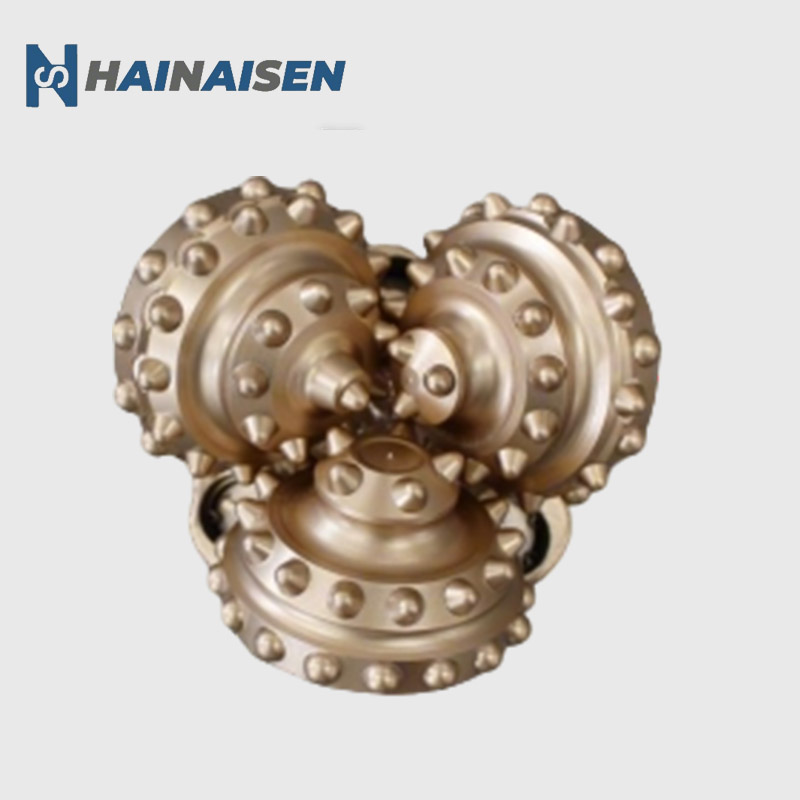 VIEW MORE4 1/2" IADC 637 TCI Tricone Bit
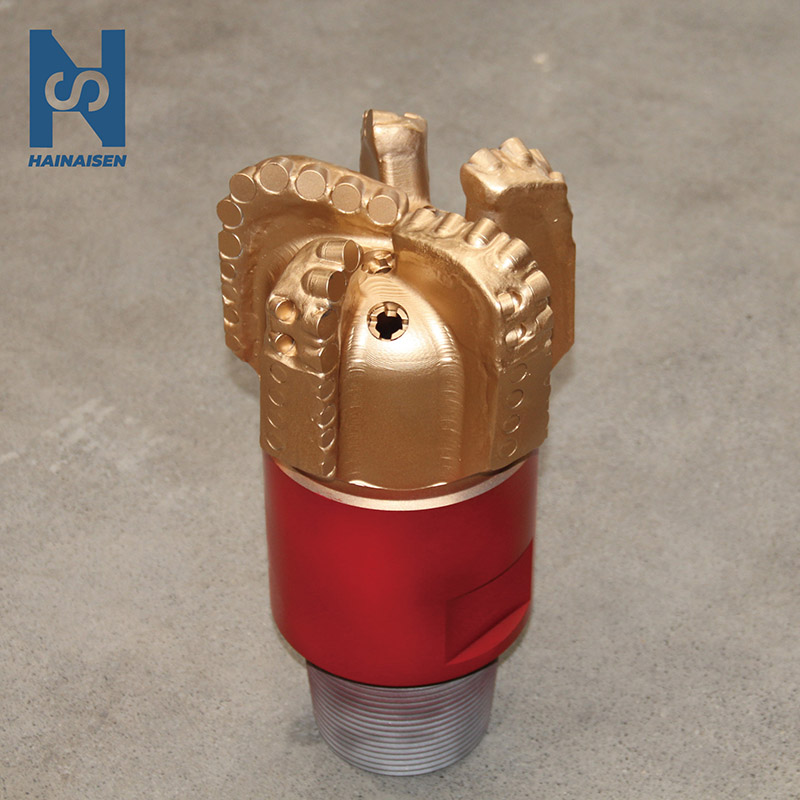 VIEW MOREFive Blades Oil Well Drill Head
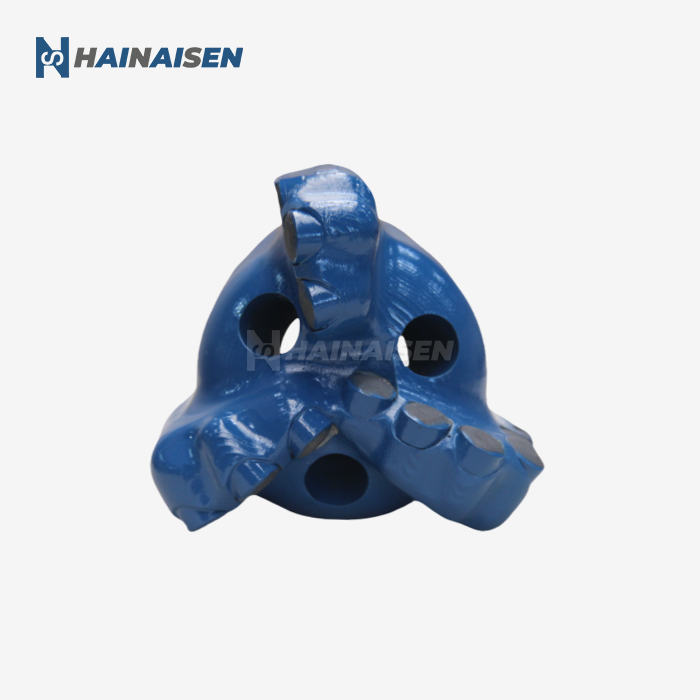 VIEW MORE113mm Three Wings PDC Arc Angle Drill Bit
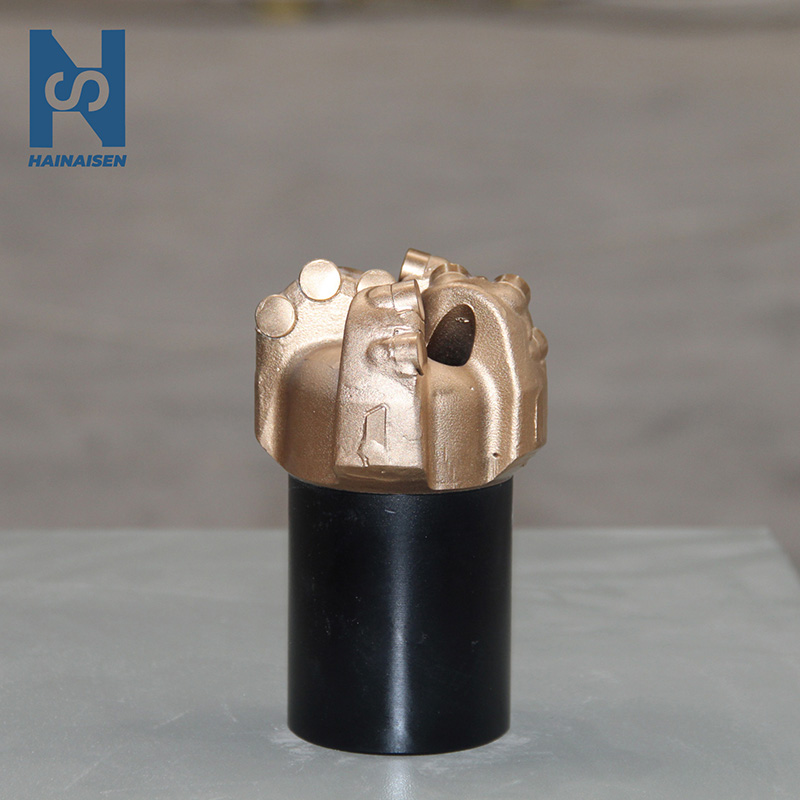 VIEW MORE113mm Four Wing Arc Angle Drill Bit
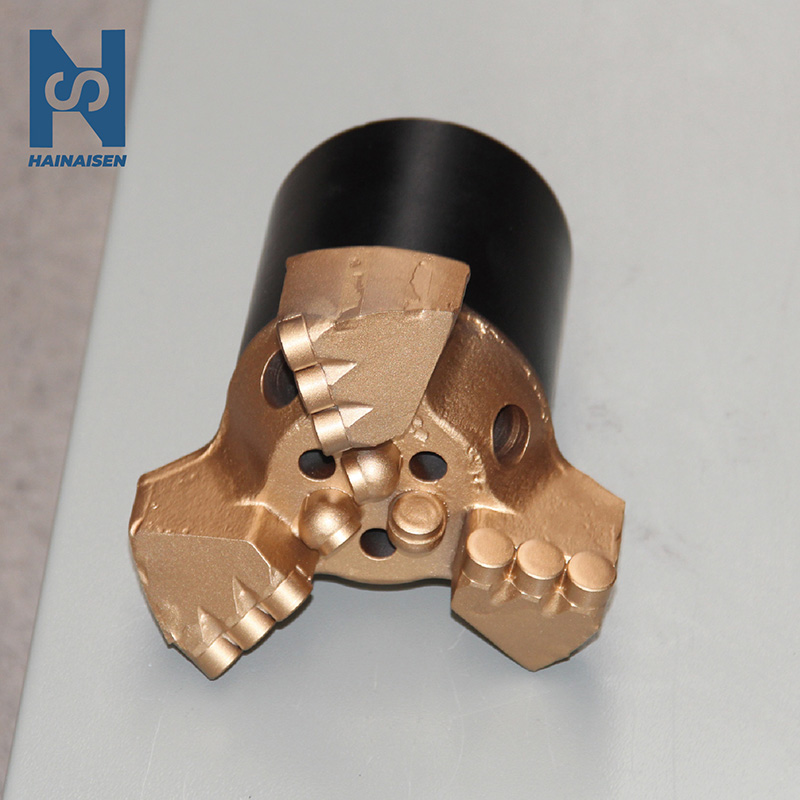 VIEW MOREThree Blade Concave Drill Bit Api For Manganese Coal Mines