




What are the key benefits of using hard alloy roller bits?
Hard Alloy Roller Drill Bits are great for industrial drilling because they are both long-lasting and affordable, and they can be used in a wide range of situations. These special tools have tungsten carbide plates or hardened cutting elements on spinning cones that make them strong enough to work with rough materials while keeping their penetration rates constant. Their solid construction means longer operational lifespans, less frequent replacement, and lower total ownership costs. This makes them essential for mining, oil and gas exploration, and water well drilling projects where dependability directly affects profits.
Introduction
Equipment that can consistently do its job in harsh situations is needed for modern drilling activities. Hard Alloy Roller Drill Bits have become necessary tools for purchasing managers and technical experts who need to find reliable solutions for difficult rock formations. These customized drilling tools use advanced metalworking techniques and tried-and-true mechanical designs to make them last longer and work more efficiently than regular ones.
In this guide, we'll look at the bits' structure features, performance benefits, and usefulness that make them useful for industrial drilling projects. If you're looking for equipment for deep well operations, coal seam research, or foundation drilling, knowing what these tools can do will help you balance your professional needs with your budget. In today's competitive drilling equipment market, we've set up this study to address the specific concerns of people who make buying decisions and are looking at suppliers and reviewing product specs.
Understanding Hard Alloy Roller Drill Bits
Core Design Principles
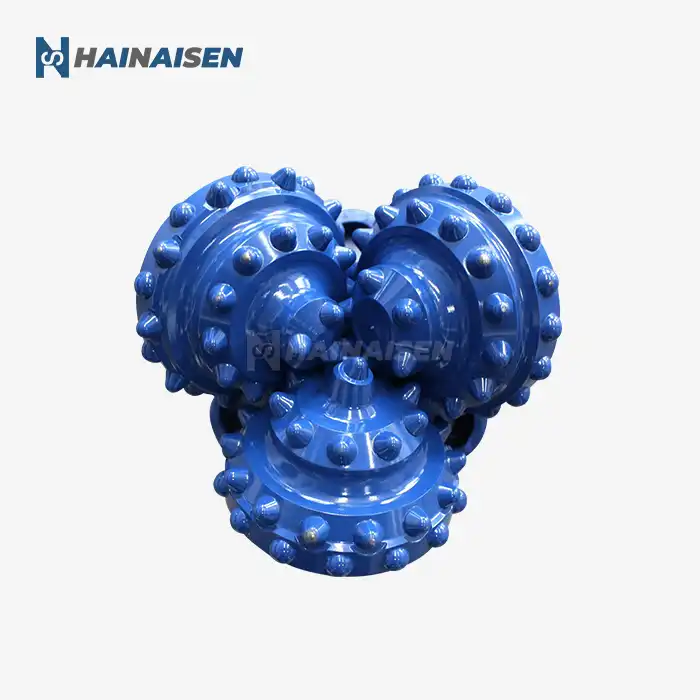
Roller cone bits are an important part of industrial drilling technology. They are identified by their spinning cones that are equipped with cutting structures that break up formation rock by breaking and chipping it at the same time. The name "hard alloy" only refers to the tungsten carbide materials that are built into these Hard Alloy Roller Drill Bits, either as pressed pieces or as hardfacing that is put on cut steel teeth. Because of how they are made, the bits can keep cutting through everything from soft clay to hard rock. This is because the rolling action spreads wear evenly across many contact points instead of putting all the stress on the set edges.
Structural Components and Variants
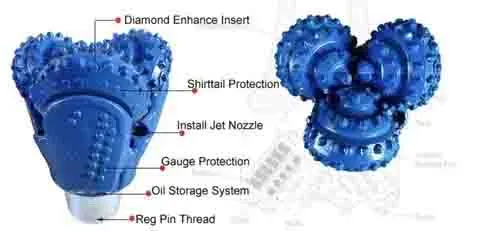
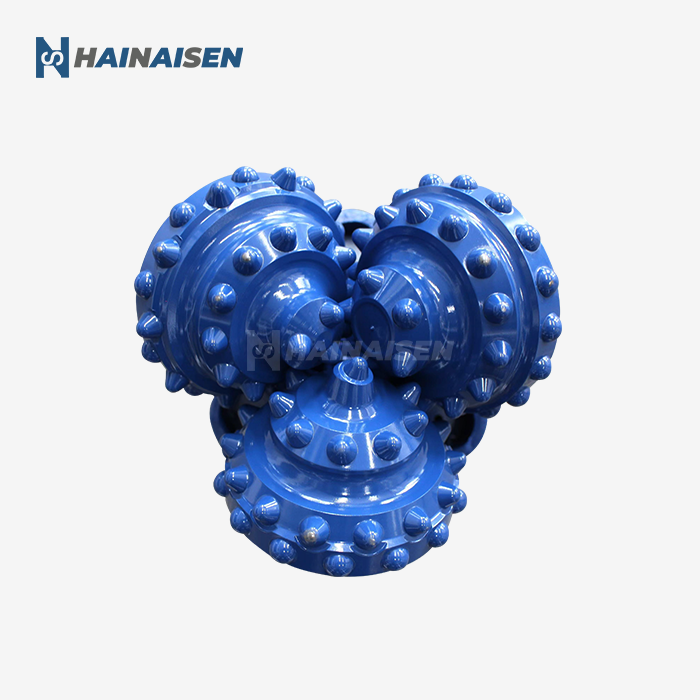
The standard three-cone design strikes a good mix between mechanical stability and cutting efficiency. However, two-cone versions are available for specific uses. Each cone spins on precision bearings that are housed inside the bit body. The drilling fluid doesn't get into the internal parts of the sealed bearing systems. This way of thinking is shown by our 140mm Roller Bit, which has three blades with carefully placed openings that direct hydraulic flow to remove cuttings. Attaching drill strings securely is made possible by the 3-1/2 REG.PIN connection, which can also be changed to fit different rig setups.
Operational Mechanics
The way rocks are broken depends on the properties of the formation and the cutting settings used. In softer rocks, the cutting elements use a shoveling motion to gouge and scrape the rock, making bigger pieces that are easy to clean out of the shaft. For harder forms, you need to chip and crush them. Weight-on-bit (WOB) causes the inserts to go through the rock matrix, making tiny cracks that spread until pieces of the rock break free. Because they can do two things at once, roller bits are useful in a wide range of geographic conditions where fixed-cutter options might not work as well.
Core Benefits of Hard Alloy Roller Drill Bits
Extended Operational Lifespan
The main benefit of Hard Alloy Roller Drill Bits with tungsten carbide is that they last a long time. Because carbide plugs are very hard—nearly 90 on the Rockwell A scale—cutting elements stay the same shape after thousands of turns in rough materials. When drilling through quartzite, granite, and other solid rocks, we've seen operating lifespans 40–60% longer than those of standard steel tooth designs. Because they last longer, they don't need to be replaced as often, which cuts down on the time that is wasted on bit trips and changes.
Superior Drilling Efficiency
Better penetration rates come from cutting structures that are better suited to the formation. Because each cone spins at a slightly different speed compared to the bit body, the rolling cone design naturally creates different contact patterns. This stops repeated loading that can cause the bit to track and work less well. Because of this mechanical edge, workers can keep drilling at high speeds without compromising the integrity of the bit.
Our design theory gives equal weight to hydraulic economy. Our 140mm model has three nozzles that direct pressure fluid right where cuttings build up. This stops the need for regrinding, which wastes energy and speeds up wear. The right size of nozzle balances how well it cleans with the amount of pressure drop that needs to be considered. This makes sure that the most powerful hydraulic horsepower gets to the cutting face and helps remove rocks, instead of being wasted on poor flow lines.
Broad Application Versatility
These cutting tools are amazingly flexible and can be used in a wide range of industries. They are used by oil and gas research teams to drill deep wells through solid rock formations, for operations on offshore platforms where bit reliability affects vessel day rates, and for shale gas extraction projects that need to control entry through layered rock formations. The mining industry benefits from these bits in the same way. They can be used for hard rock mining, mineral sampling, and coal seam exploration.
Lifecycle Cost Optimization
When you calculate the total cost of ownership, you can see that there are benefits that go beyond the buying price. Less frequent replacement reduces the cost of equipment per meter drilled, and less downtime for bit changes makes the job run more smoothly as a whole. We keep our shipping time between 5 and 7 business days, which helps just-in-time inventory tactics keep working capital from getting stuck in spare parts.
Maintenance needs stay simple: cleaning after every run, checking visually for damage to the cutting structure, and storing the machine in a way that keeps the bearing seals clean. These easy steps keep the bit state stable between deployments without the need for special tools or a lot of training for technicians. Because they don't need to be serviced as often and don't cost much to maintain, these bits are especially good for operations where machine reliability directly affects project profits.
Hard Alloy Roller Drill Bits vs Other Drill Bit Types?
Comparison with Milled Tooth Alternatives
Milled tooth bits have lower starting costs and have steel teeth that are machined into the cone body. This makes them appealing to workers who are trying to save money. However, their softer cutting elements make them less useful in rough formations, and they need to be replaced often, which cancels out any savings that were made in the beginning. It is more cost-effective to use Hard Alloy Roller Drill Bits with carbide inserts during long drilling campaigns because they keep cutting efficiently for much longer amounts of time. This difference in performance is most noticeable in level 8–12 strata groups, where rock hardness and abrasiveness make it hard for regular steel teeth to work.
PDC and Diamond Matrix Considerations
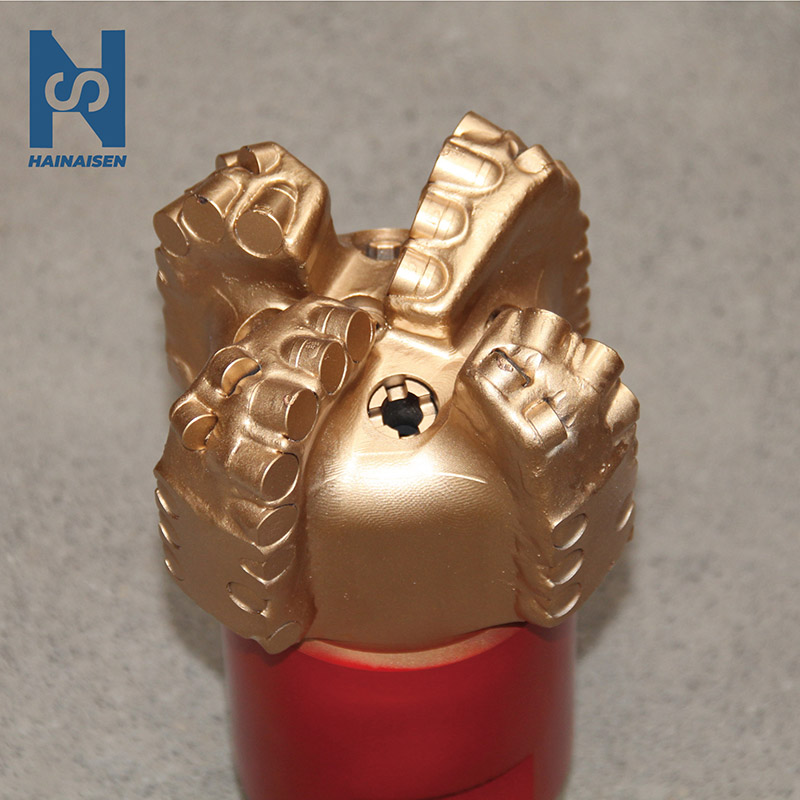
Polycrystalline diamond compact (PDC) bits are an advanced type of fixed-cutter technology that works best in certain geological settings, like continuous shale sections and softer sedimentary sequences, where their cutting action makes for fast entry rates. But these bits are very sensitive to changes in the formation, vibration problems, and impact loading, all of which can seriously damage the diamond cuts. Because they are more expensive and need to be used in specific ways, they are not as good for diverse forms where roller bits' ability to adapt is useful.
Quality and Supplier Evaluation Criteria
When looking at possible suppliers, the first things that are used to screen them are the supplier's brand name, manufacturing Certifications, and recorded quality systems. The modern processing equipment at our plant, such as 5-axis machining centers and CNC machine tools, ensures that the dimensions are exact, which affects the life of the bearings and the integrity of the cutting structure. Tolerances for precision machining affect how evenly the weight is distributed across cutting elements, which has a direct effect on how bits wear and how consistently they work.
Procurement Considerations for Hard Alloy Roller Drill Bits
Matching Specifications to Application Requirements
The basic standard is bit size, and the width is chosen based on the wellbore design and casing program needs. The 140mm Hard Alloy Roller Drill Bit works with most types of holes for water wells, mineral research, and smaller oil and gas activities. Connection type compatibility with current drill string components keeps you from having to buy expensive adapters. Our basic 3-1/2 REG.PIN configuration works with most equipment, but we can make it fit different thread specs upon request.
Strategic Sourcing and Volume Considerations
We need at least 10 pieces to place an order. This is because it helps us make things more efficiently and gives you the chance to save money by buying in bulk. When purchasing managers coordinate the needs of various drilling projects, they can combine orders to save money and build smart relationships with suppliers that give them special treatment when capacity is limited. Buying in bulk also helps with inventory management strategies that keep projects on track by avoiding delays caused by unexpected bit failures that need expensive replacements right away.
Customization and Market Trends
Customization of packaging goes beyond marketing concerns to solve real-world transportation problems. Drilling sites in remote areas need strong protective packaging that can handle rough handling. On the other hand, businesses that already have a warehouse system in place may prefer alternatives that take up less space. We can meet all of these different needs by customizing packing solutions that protect products while also meeting the needs of our customers.
Maintenance and Optimization Tips for Hard Alloy Roller Drill Bits
Routine Care Protocols
How long a Hard Alloy Roller Drill Bit lasts depends a lot on how well it is maintained and how often it is maintained during operating processes. High-pressure water washing gets rid of drilling fluid leftovers and formation pieces stuck between cutting elements as soon as the bit is taken out of the hole. Cleaning the cutting structure lets you see how it's doing and keeps acidic chemicals from hitting metal surfaces while it's being stored. Pay close attention to the areas around the bearing seals because dirt or dust getting in during this time can damage the internal greasing systems that protect the bearing surfaces during later runs.
Wear Pattern Analysis
Systematic review after every drilling run gives useful information about how operations are done and how the formations are formed. Uneven wear patterns across cutting elements are often a sign of poor weight distribution caused by bent drill string parts or choosing the wrong bit for the formation traits that were encountered. One cone that was wearing down faster than its neighbors suggests that a bearing failure caused that cone to drag instead of rotating easily. This means that the bit needs to be taken out of service right away to avoid a catastrophic split downhole.
Operational Parameter Optimization
Choosing the right rotation speed is important because higher turns per minute increase penetration rates by contacting formation rock more often, but they also speed up wear because of more frictional warmth and contact cycles. Clay rocks can handle high spinning speeds because they are soft and don't cause too much stress on individual contacts. This means that as RPM goes up, drilling speed goes up proportionally. Abrasive hard rocks put limits on how fast you can work, and going too fast creates heat that breaks down carbide inserts faster than the small increases in penetration gain warrant.
The theory behind the weight-on-bit program is the same. Cutting elements can't penetrate rock surfaces when they don't have enough weight, which leads to surface grinding that dulls inserts without making drilling progress. Too much weight can put too much stress on different cutting parts, which can lead to insert cracks or bearing failures from forces that are too high for the design. The best operating range is where the cutting elements go deep enough to crush the rock but not so deep that they cause too much damage to the structure. This range is usually found through test drilling, which gradually raises the parameters until the penetration rate improvements stop or bit damage indicators show up.
Conclusion
Industrial drilling tasks like oil and gas research, mining, geothermal development, water well building, and infrastructure projects can all benefit from Hard Alloy Roller Drill Bits that work better. Their tungsten carbide cutting elements can handle rough surfaces and keep working well for thousands of hours, which cuts down on the number of times they need to be replaced and the time they have to be idle. Because rolling cone designs are mechanically simple, they can handle changes in formation and operating factors that would be hard for fixed-cutter alternatives. This makes them flexible tools that can be used in a wide range of geologies. Strategic buying methods, such as matching specifications, reducing quantities, and building partnerships with suppliers, lower total ownership costs and make sure that equipment is always available to meet project deadlines.
FAQ
Q1: What is the typical lifespan of hard alloy roller drill bits?
Service life of the Hard Alloy Roller Drill Bit varies considerably based on formation abrasiveness, drilling parameters, and maintenance practices. Water well applications in soft sedimentary layers might achieve 300-500 meters per bit, while hard rock mining conditions could see 150-250 meters before cutting structure wear necessitates replacement. Oil and gas operations drilling through mixed lithology usually plan for 200-400 meters, though exceptional circumstances at both extremes occur regularly.
Q2: Can these bits effectively drill both metal and rock?
Roller cone bits primarily serve rock drilling applications across the hardness spectrum. Metal drilling demands entirely different tool geometries and cutting mechanisms optimized for material properties fundamentally unlike geological formations. Attempting to drill metal with rock bits would rapidly destroy cutting elements while producing unsatisfactory results.
Q3: How should buyers evaluate potential suppliers?
Quality certifications and manufacturing capabilities provide objective starting points—documented quality management systems and modern production equipment indicate organizational commitment to consistent output. Sample testing under actual operational conditions validates performance claims, while reference checks with existing customers reveal supplier responsiveness and support quality. Commercial term flexibility regarding payment, delivery, and customization demonstrates customer-orientation that predicts partnership viability beyond initial transactions.
Partner with HNS for Reliable Hard Alloy Roller Drill Bit Solutions
The Shaanxi Hainaisen Petroleum Technology company has been making drilling equipment for more than ten years and has a modern 3,500m² building with advanced 5-axis machining centers and precise CNC equipment. Our focused engineering team creates custom Hard Alloy Roller Drill Bit configurations that are exactly right for your geological challenges. Strict quality control procedures make sure that every source gives you the performance you need for your operations. We've helped drilling projects all over the world by providing quick expert advice and adaptable payment terms that meet a wide range of purchasing needs.
Email our team at hainaisen@hnsdrillbit.com to talk about the details of your project and get personalized advice from our application engineers. Our delivery plan of 5–7 business days keeps your inventory available, and our flexible packaging and connection choices make sure that they work well with your current equipment. If you're looking for drilling solutions for offshore platforms, rural mine sites, or water well operations, we're dedicated to giving you options that lower your total ownership costs and make your operations more reliable.
References
1. Mitchell, R.F. & Miska, S.Z. (2011). Fundamentals of Drilling Engineering. Society of Petroleum Engineers, Richardson, Texas.
2. Bourgoyne, A.T., Millheim, K.K., Chenevert, M.E., & Young, F.S. (1991). Applied Drilling Engineering. Society of Petroleum Engineers, Richardson, Texas.
3. Lyons, W.C., Plisga, G.J., & Lorenz, M.D. (2015). Standard Handbook of Petroleum and Natural Gas Engineering. Gulf Professional Publishing, Houston, Texas.
4. Bellin, F.E. & Doiron, H.H. (1988). "Drill Bit Performance Analysis." Journal of Petroleum Technology, 40(10), pp. 1217-1222.
5. Pessier, R.C. & Fear, M.J. (1992). "Quantifying Common Drilling Problems with Mechanical Specific Energy." SPE Drilling Engineering, 7(4), pp. 274-280.
6. Dupriest, F.E. & Koederitz, W.L. (2005). "Maximizing Drill Rates with Real-Time Surveillance of Mechanical Specific Energy." SPE/IADC Drilling Conference Proceedings, Amsterdam, Netherlands.
 VIEW MOREHard Alloy Roller Drill Bit
 VIEW MOREFour Blade Wing High Performance Petroleum Drill Bit
 VIEW MORE5 1/2 Inch IADC 537 Tricone Rock Bit for Medium-Hard Formations
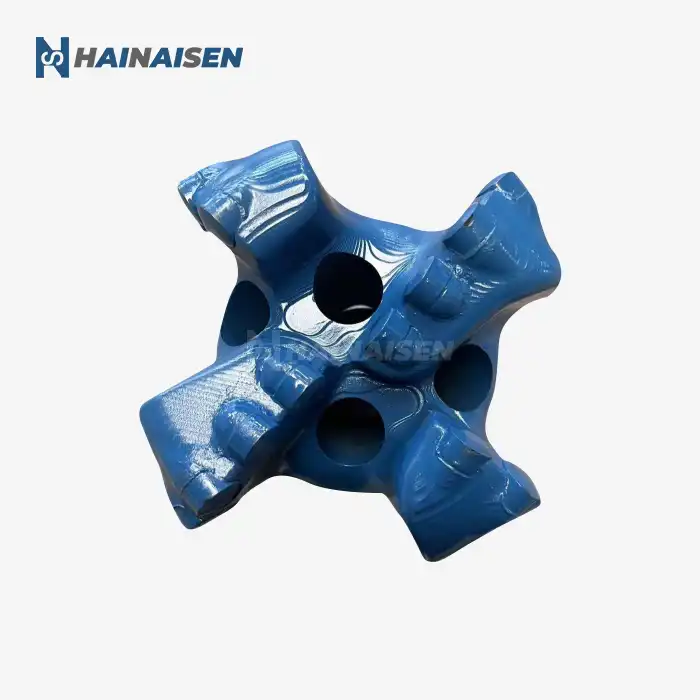 VIEW MOREFour Blade PDC Drill Bit
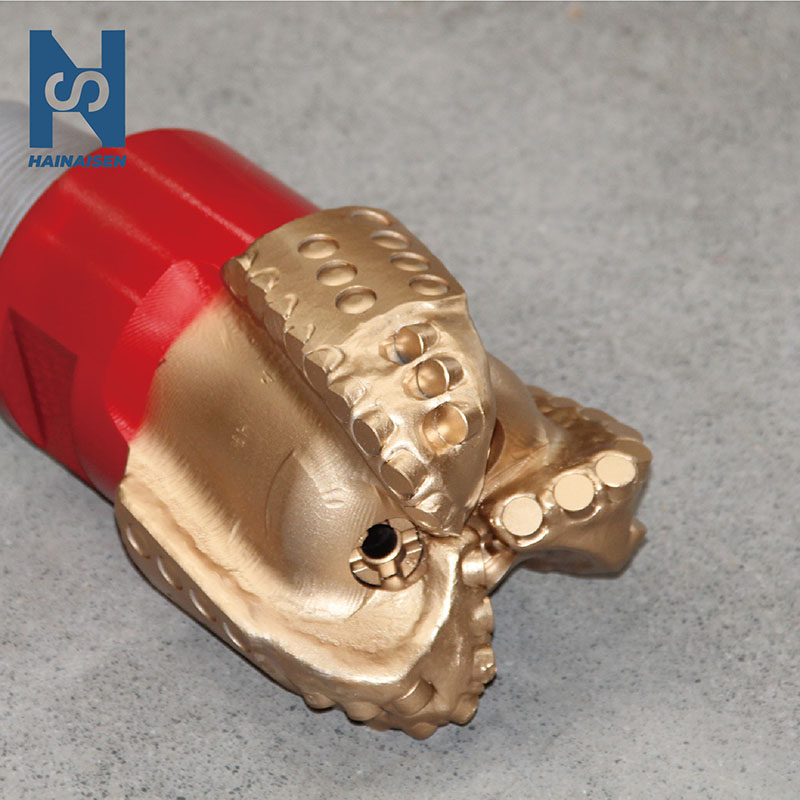 VIEW MOREThree Blade Oil Drill Bit
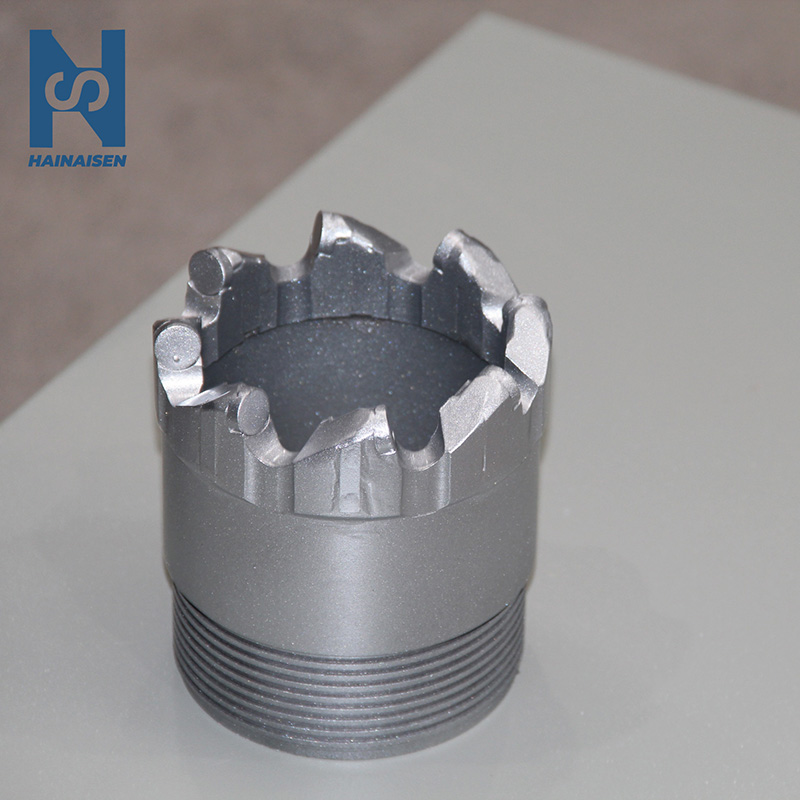 VIEW MOREPDC Core Drill Bit Used For Drilling
logo 2_1777361643767.jpg) VIEW MORE94mm Four Wing Arc Angle Drill Bit
VIEW MORE94mm Four Wing Arc Angle Drill Bit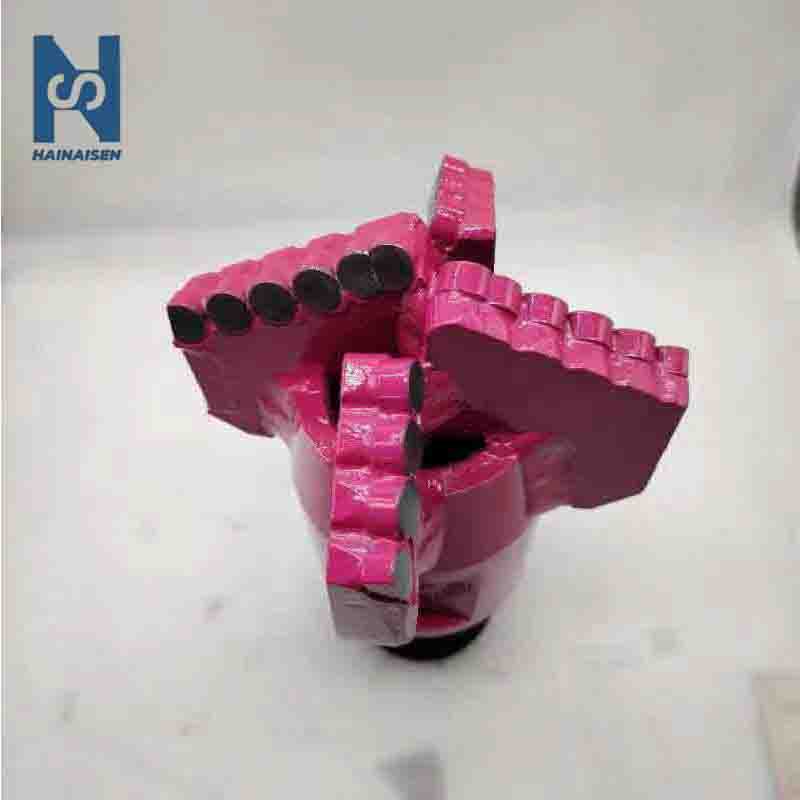 VIEW MOREAlloy Scraper Drill Bit For Water Well