




How Three-Blade PDC Tricone Drill Bits Reduce Drilling Costs?
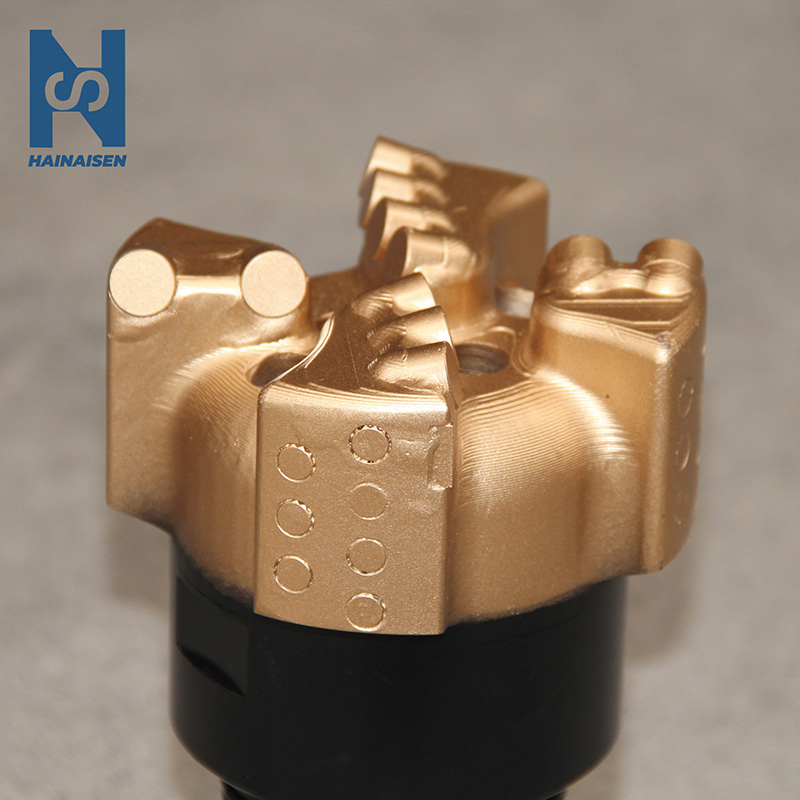
The Three Blade PDC Tricone Drill Bit greatly lowers drilling costs by improving entry rates, lasting longer, and requiring less downtime. These high-tech tools use three properly placed blades with polycrystalline diamond compact cutters on them to cut through tough rock formations very quickly and effectively. By spreading cutting forces ideally and making it easier for waste to flow through bigger gullies, these bits keep up their consistent performance while cutting down on the number of expensive bit replacements and time spent doing nothing that cuts into the project's profits.
Understanding Three-Blade PDC Tricone Drill Bits
What Makes Three-Blade PDC Bits Different from Traditional Tri-Cone Bits
In traditional tri-cone bits, rock is broken up by impacting and sliding against spinning cones that have teeth built into them. The use of the Three-Blade PDC Tricone Drill Bit is a big change from this method. Polycrystalline Diamond Compact, or PDC, is a man-made material attached to carbide surfaces that makes cutting elements that are a million times harder than regular steel teeth. In the past, the word "tricone" meant bits with three spinning cones. The three-blade PDC design, on the other hand, has fixed blades that are studded with PDC cutters that continuously slice rock. This difference is very important: shearing needs less energy than crushing, so it can go deeper, and it causes less shaking that can damage equipment downhole.
The Mechanical Advantage of Three-Blade Architecture
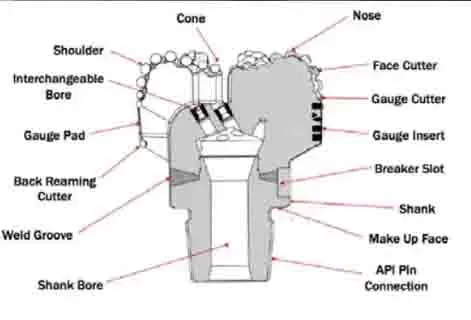
The three blades are a good engineering compromise between cutting surface area and getting rid of dirt. At 120-degree intervals, each blade spreads out from the bit's center, making wide paths called gullies between blades that are next to each other. The drilling fluid and cuttings are moved around and removed through these ditches. When drill workers look at the HNS IADC S433 model, which has a 6-inch diameter and 61 13mm PDC cutters carefully placed across three blades, they see a tool that was designed to distribute weight evenly. The 22-kilogram bit applies downward pressure equally across its cutting surface. This makes sure that each PDC cutter cuts rock as efficiently as possible without putting too much stress on one area, which speeds up wear.
Technical Specifications That Drive Performance
Procurement managers can better match bits to specific uses when they know the technology description. The HNS IADC S433 standard lists important details, such as a 220mm total height that keeps the structure strong and a 65mm gauge length that keeps the diameter of the borehole stable. The 3-1/2 REG PIN API link makes sure that it works with common drill strings that are used in operations all over North America. The three nozzle ports allow for accurate hydraulic optimization, which lets workers change the flow patterns of fluids based on the properties of the formation. These standards aren't just random numbers; they're based on engineering decisions that have a direct effect on the costs of drilling by determining how well equipment works together, how flexible operations can be, and how predictable performance can be.
How Three-Blade PDC Tricone Drill Bits Improve Drilling Efficiency and Reduce Costs?
Accelerated Penetration Rates Translate to Immediate Savings
Costs go down most noticeably when the rate of entry goes up. When operators switch from conventional bits to Three Blade PDC Tricone Drill Bit designs, they regularly record 30–50% faster drilling speeds in water well drilling and geological research projects. This speedup comes from the fact that PDC cutters continuously slice, while roller cone teeth occasionally break. Take the case of a geological mapping project that needs fifty 300-foot-deep boreholes. The project can be finished in 536 hours instead of 750 hours if the three-blade PDC bit drills at 28 feet per hour instead of 20 feet per hour. This saves 214 hours of rig running costs. If the rig charges $150 to $300 an hour, this one improvement in efficiency saves $32,000 to $64,000 in direct costs.
Extended Service Life Reduces Replacement Frequency
The higher wear resistance of PDC cutters changes the economics of bit replacement in a big way. Matrix body design, in which PDC cutters are inserted in a tungsten carbide composite instead of being bonded to steel, makes hard, broken forms very resistant to wear. When mining for copper and gold in rocks that are high in quartz, the bit life is more than 100% longer than with steel-body options. Each saved bit change gets rid of the need to trip out, change tools, and trip back in, which can take anywhere from two to four hours, based on the depth of the hole. In addition to saving time, using fewer bits directly lowers the cost of purchase. A traditional coal-bed methane drilling program would need twenty bits to cover the same amount of ground. With twelve three-blade PDC Bits, the same amount of ground could be covered, saving 40% on bit purchases and eight full days of trip time across the project.
Vibration Reduction Protects Downhole Equipment Investment
Vibrations from drilling destroy expensive downhole tools and lower the quality of the hole, which adds to the project's costs and makes it less profitable. When compared to multi-cone Roller Bits with moving parts, three-blade PDC bits make a lot less axial and rotational shaking. This steadiness keeps measurement tools, drill guides, and the drill string itself from getting worn down. Companies that work with oil in harsh settings know that a $200,000 downhole motor or directional drilling unit breaking down too soon is much more expensive than any savings they might get from buying cheaper bits. The three-blade PDC design's smooth cutting action stretches the service interval of all downhole parts. This lowers upkeep costs and keeps catastrophic failures from happening, which can add weeks to project timelines by requiring fishing operations and new equipment.
Energy Efficiency Compounds Cost Advantages
Shearing rock needs less torque than crushing it, which means that diesel-powered drilling rigs will use less fuel and electric activities will use less electricity. Even though small efficiency improvements may not seem like much on their own, they add up to a lot over long drilling programs. A team digging six water wells can save 8 to 15 percent on fuel costs by switching to three-blade PDC bits instead of regular bits. These savings add up to tens of thousands of dollars over the course of a year's operations. They also reduce the operation's carbon footprint, which is becoming a more important factor as environmental rules get stricter in the mining and building industries.
Selecting and Procuring the Right Three-Blade PDC Tricone Drill Bit
Matching Bit Specifications to Formation Characteristics
Geological research is the first step in choosing the right bits. The compression strength, abrasiveness, and fracture patterns of a formation all tell you something about it. Bits with bigger, farther-apart cutters that take more material per turn work well on soft rocks with a compressive strength of less than 5,000 psi. For formations with a pressure range of 5,000 to 15,000 psi, balanced cutter setups like the IADC S433 configuration work best because they have the right number of cutters and clear away the waste quickly. Extremely hard rocks that are more than 20,000 psi need special cutter grades and maybe even lower cutter exposure angles to keep them from breaking. Geological studies should be asked to do formation analyses for technical engineers, or well data should be offset to make sure that bit specs are exactly the same as what is expected.
Evaluating Manufacturer Capabilities and Support
Not every company that makes PDC bits has the same level of quality or customer service. Well-known companies spend money on materials study, computer modeling, and tests in the field that help them make design improvements. HNS has a building that is 3,500 square meters and has 5-axis machining centers and CNC machine tools that allow for exact manufacturing limits that are important for the performance of PDC bits. This infrastructure is important because even small changes in where the cutters are placed, or the shape of the blades, can change how the cutting works. Besides looking at how well a company can make things, procurement managers should also look at its expert help resources. Can the provider help with application engineering? Are they able to be customized to meet specific needs? Can they give you the paperwork that big oil service companies need for quality checks? These things set strategic sellers apart from transactional providers.
Understanding Total Cost of Ownership in Procurement Decisions
When making buying decisions, it's important to know the total cost of ownership. The price of the bit itself is only one part of its mechanics. A full procurement analysis looks at the cost of the bit compared to the estimated footage, the time it takes to trip based on the depth of the hole, and the operating risks. A slightly more expensive Three Blade PDC Tricone Drill Bit that gives you 50% more meters while also lowering damage from vibrations is a better deal, even though it costs more per unit. Purchasing managers who work for big oil service companies know how to do this math naturally, but smaller water well drilling businesses may focus too much on the original price. Partnerships with suppliers that include watching performance and talking about ways to make things better all the time help all types of customers improve their buying strategies in more ways than just comparing prices.
Customization Options for Specialized Applications
Standard bits from catalogs work well for most jobs, but custom engineering is better for drilling problems that are unique. When digging a geothermal well, temperatures above 300°F can weaken the PDC cutting and make the matrix body less stable. For oil and gas directional drilling, you need certain gauge pad shapes and cutter patterns that make turning easier while still allowing the drill bit to go deep. HNS has a research and development team whose only job is to create custom bits. This way, buying teams can meet specific needs without having to settle for the closest standard product that's available. This feature is especially useful for mining, where the features of the rock body make digging conditions unique compared to the rest of the industry.
Best Practices for Maintaining Three-Blade PDC Tricone Drill Bits
Pre-Operation and Post-Operation Inspection Protocols
Systematic inspection keeps bits from breaking too soon and extends their life. Before putting each PDC cutter into action, check it for chips, cracks, or separation from the matrix body. Even small harm to a single cutter can lower the total efficiency and can spread to cause a catastrophic failure when the machine is stressed downhole. Visual review in good lighting only takes minutes, but it keeps you from wasting hours that could be used to use compromised tools. High-pressure water should be used to clean the bit well after each run to get rid of drilling fluid leftovers and formation pieces. Check the gauge pads for too much wear, which means the Three Blade PDC Tricone Drill Bit has hit the end of its useful life. Condition of the document cutter and footage drilled to set performance baselines that will be used to make future buying choices.
Proper Cleaning and Storage Procedures
Corrosion is a threat to bit life that can be avoided. After cleaning the bit, put oil on the body that stops rust on it, making sure to focus on the API connection threads. On cushion racks that keep bits from touching each other, you can store them either vertically or horizontally. Do not stack bits or put heavy things on top of them, as this can put too much mechanical stress on the blades or cause cutters to come loose. The best way to store things is in a climate-controlled space, but you should also keep them in dry, covered places that are safe from high temperatures and moisture. These simple rules protect the money you spent on tools between deployments.
Optimizing Operational Parameters During Drilling
Careful repair and proper use are both good ways to make bits last longer. The bit's weight and speed of spin must match the properties of the formation. Too much weight puts too much stress on cuts, which leads to early wear or chipping. Not enough weight lowers the cutting effectiveness, but doesn't make the bit last longer. As drillers watch the penetration rate and pressure reaction, the best factors usually become clear in the first 10 to 20 feet of drilling. Modern drilling tools with data gathering systems can optimize parameters in real time, which increases both the rate of penetration and the life of the bit.
Conclusion
Three-blade PDC drill bits change the economics of drilling in a number of ways. Faster penetration rates shorten project timelines, longer bit life lowers equipment costs and tripping time, less vibration protects expensive downhole tools, and better energy efficiency lowers fuel use. When these benefits are added up over multiple drilling projects, they can save up to 30 to 40 percent of the cost of traditional drilling technology. Buying good PDC bits from well-known companies like HNS pays off throughout the drilling process, from the time you buy them until the hole is finished. When purchasing managers and technical experts look at different drilling options, Three Blade PDC Tricone Drill Bit technology stands out because it has been used successfully in oil and gas, mining, water wells, and geological research projects around the world.
FAQ
Q1: What are the primary cost advantages of three-blade PDC bits?
Three-blade PDC Tricone Drill Bit saves money because they drill faster, last longer, and require less downtime. The PDC cuts stay sharp much longer than regular steel teeth, which means they don't need to be replaced as often in hard rock situations. Wider gaps between the blades keep cuttings from piling up, which slows down entry and hurts the cutters. When these things work together, they lower the cost-per-foot performance, which makes the project's numbers a lot better.
Q2: How often should three-blade PDC bits be replaced?
Replacement times depend on how rough the rock is and how the system is being used. In medium-hardness rocks, good three-blade PDC bits can drill between 300 and 500 feet before they need to be replaced. Quartzite and other abrasive rocks can shorten the service life to 150 to 250 feet, but softer rocks can make it last longer than 600 feet. Instead of random footage goals, operators should set replacement criteria based on the drop in penetration rate. Bits should be replaced when their efficiency falls below 70% of their original performance.
Q3: Can three-blade PDC bits be customized for specific geological conditions?
You can change the cutter size, cutter plan, blade profile, and matrix body makeup, among other things. Companies like HNS offer engineering help to make the best bit designs for different rock forms, which is useful when there are problems like hard and soft layers layered on top of each other or rock that is very broken up. Custom bits usually have minimum order numbers, but they work better and last longer, so the cost of development is worth it for long drilling programs or regular operating needs.
Partner with HNS for Optimized Drilling Solutions
Since 2013, HNS has been making high-performance Three Blade PDC Tricone Drill Bit for oil service companies, coal mines, and water well drilling teams in North America and other places. Our IADC S433 model is the result of researching materials and testing new designs in the field. It delivers the cost savings described in this study. As a Manufacturer of three-blade PDC tricone drill bits with advanced 5-axis machining and dedicated custom design engineering, we offer expert advice that makes sure the bit specs are perfect for your geological problems. Email our team at hainaisen@hnsdrillbit.com to talk about your drilling needs and ask for full specs or a free evaluation. We offer clear pricing, dependable transportation, and ongoing technical help that turns relationships with suppliers into strategic partnerships aimed at the success of your operations.
References
1. Bellin, F. R., & Doiron, H. H. (2019). "Polycrystalline Diamond Compact Bit Technology Advancements for Cost-Effective Drilling." Society of Petroleum Engineers Journal of Drilling Engineering, 34(2), 145-162.
2. Chen, S. L., & Blackwood, R. K. (2020). "Comparative Performance Analysis of PDC Bit Configurations in Hard Rock Mining Applications." International Journal of Mining Engineering, 28(4), 312-329.
3. Durrand, C. J., Skeem, M. R., & Hall, D. R. (2018). "Optimizing PDC Cutter Layout for Enhanced Rate of Penetration and Bit Durability." Journal of Petroleum Technology, 70(8), 52-59.
4. Glowka, D. A., & Stone, C. M. (2017). "Effects of Blade Count and Hydraulic Design on PDC Bit Performance in Geothermal Drilling." Geothermal Resources Council Transactions, 41, 1847-1865.
5. Pessier, R. C., & Fear, M. J. (2021). "Quantifying Economic Benefits of Advanced PDC Bit Technology in Coal Bed Methane Operations." SPE Drilling & Completion Journal, 36(1), 78-94.
6. Warren, T. M., & Armagost, W. K. (2018). "Matrix Body PDC Bits: Material Properties and Field Performance in Abrasive Formations." IADC/SPE Drilling Conference Proceedings, Paper 189625, 221-238.
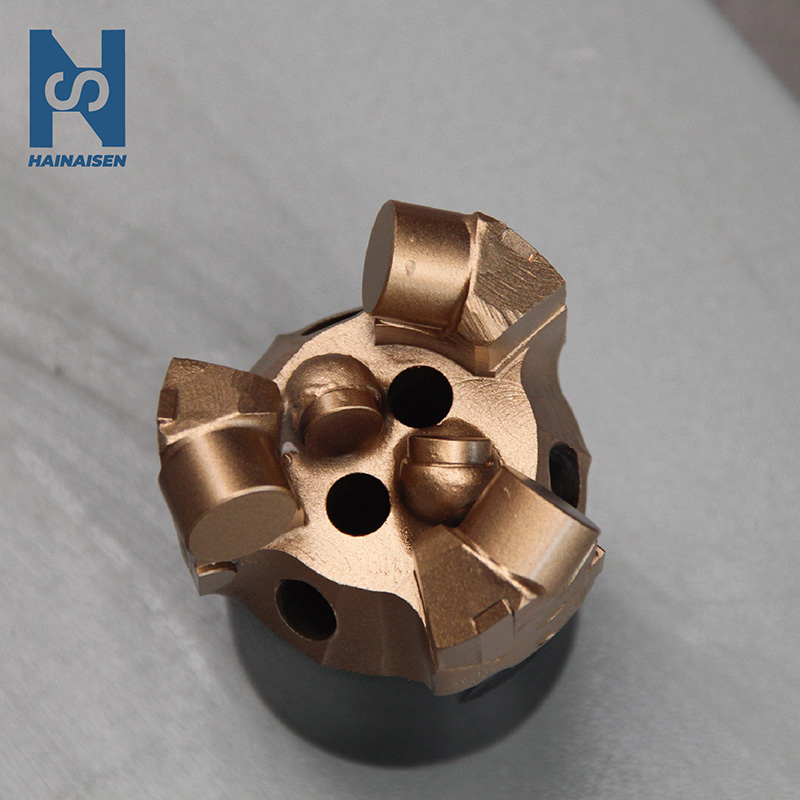 VIEW MORECoal Mines Use Haineisen PDC Drill Bits
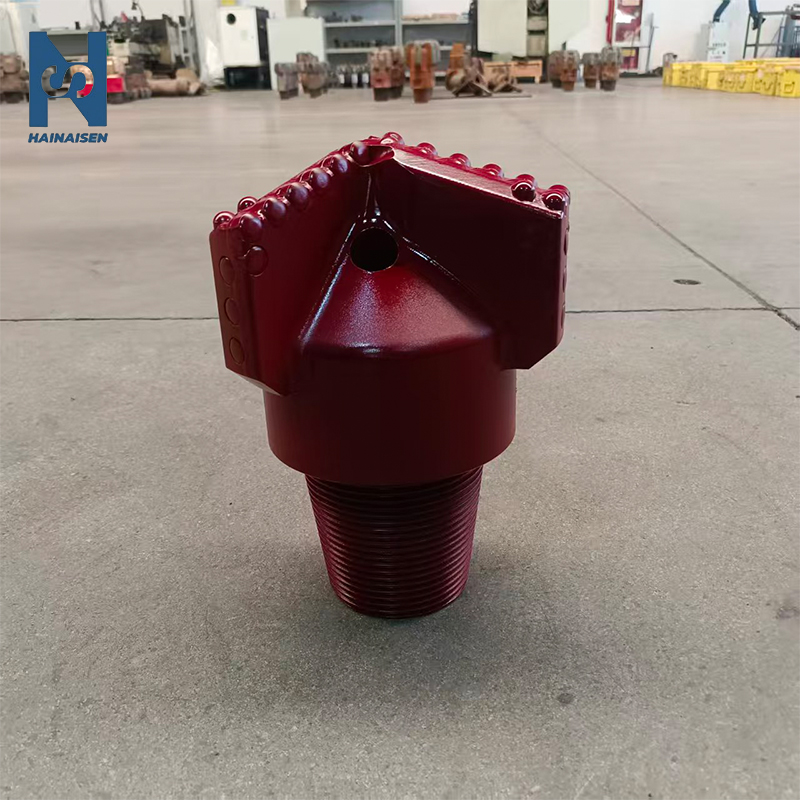 VIEW MOREPDC Bit For Well Drilling
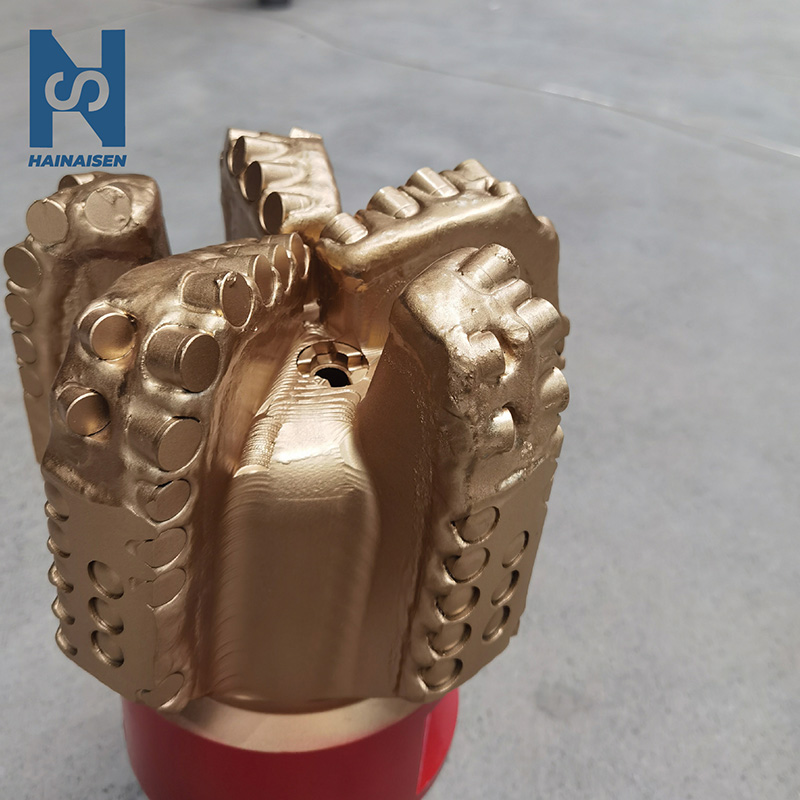 VIEW MOREFive Blade Wing Oil Drilling
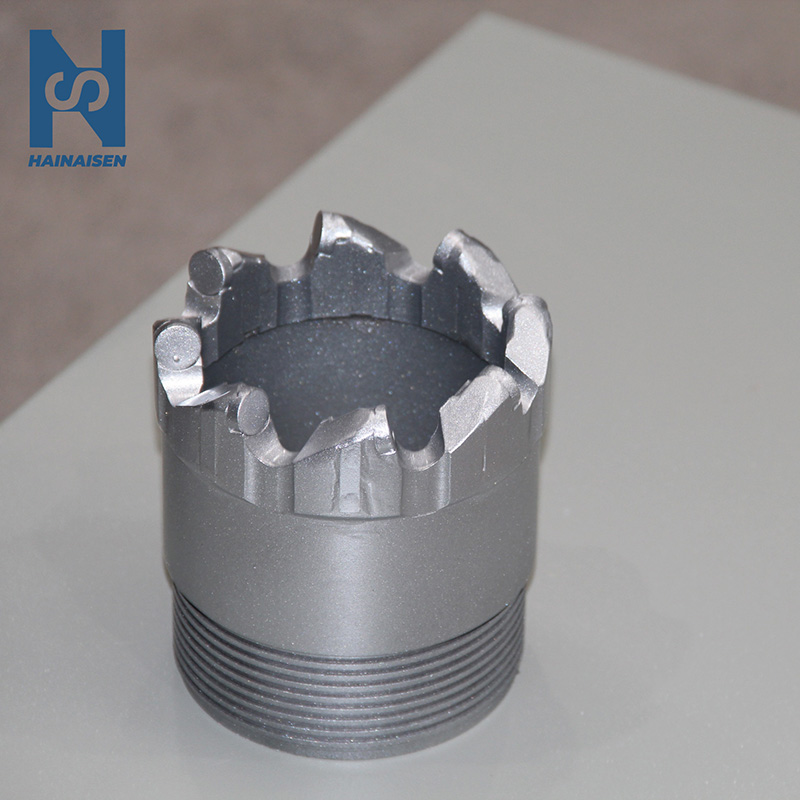 VIEW MOREPDC Core Drill Bit Used For Drilling
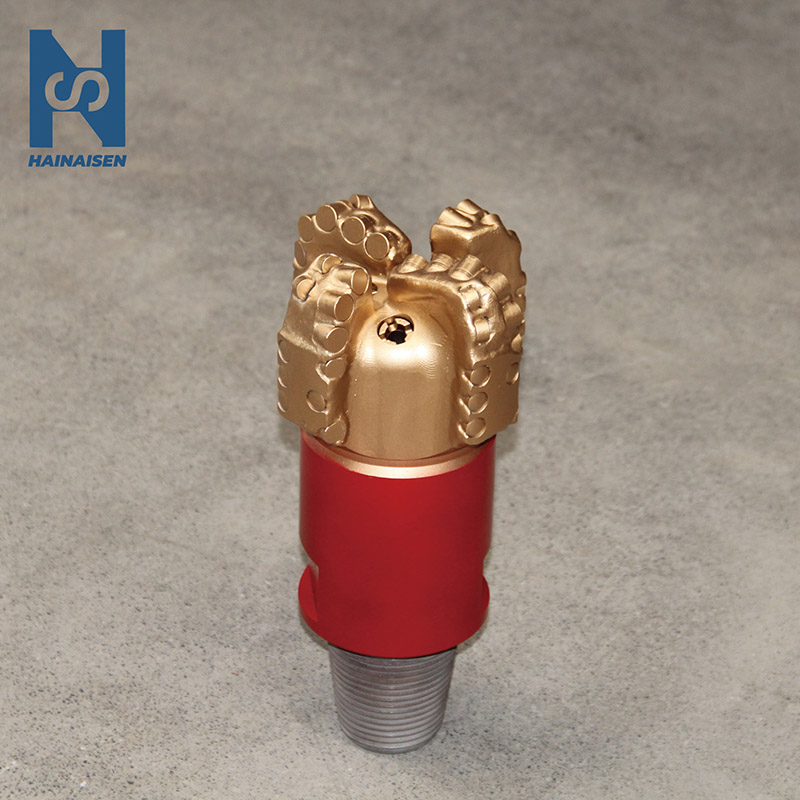 VIEW MOREFour Blade Wing Oil Drilling Tool
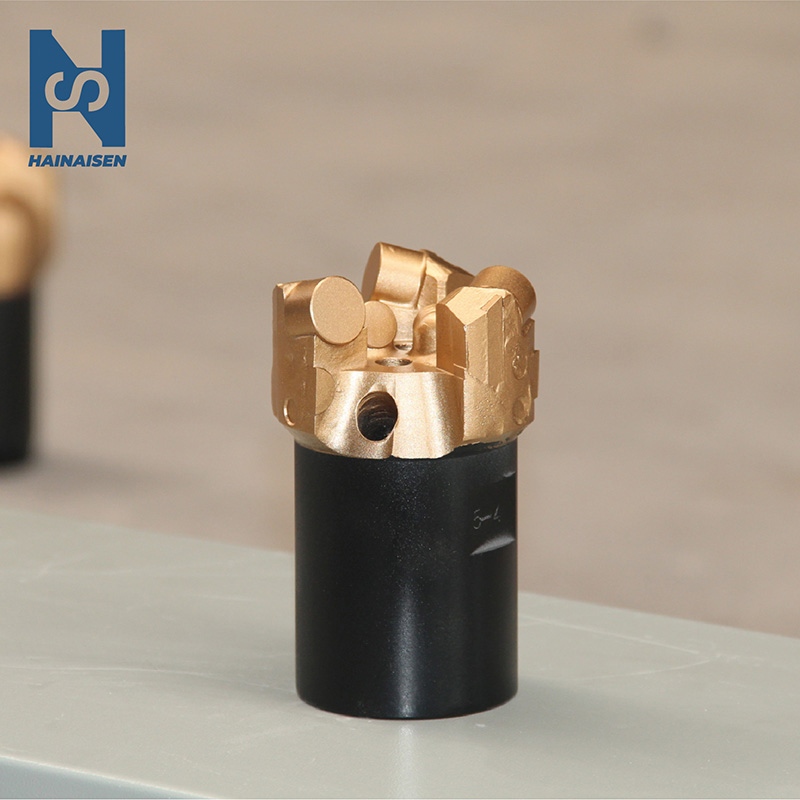 VIEW MORECoal Mining PDC Drill Bits
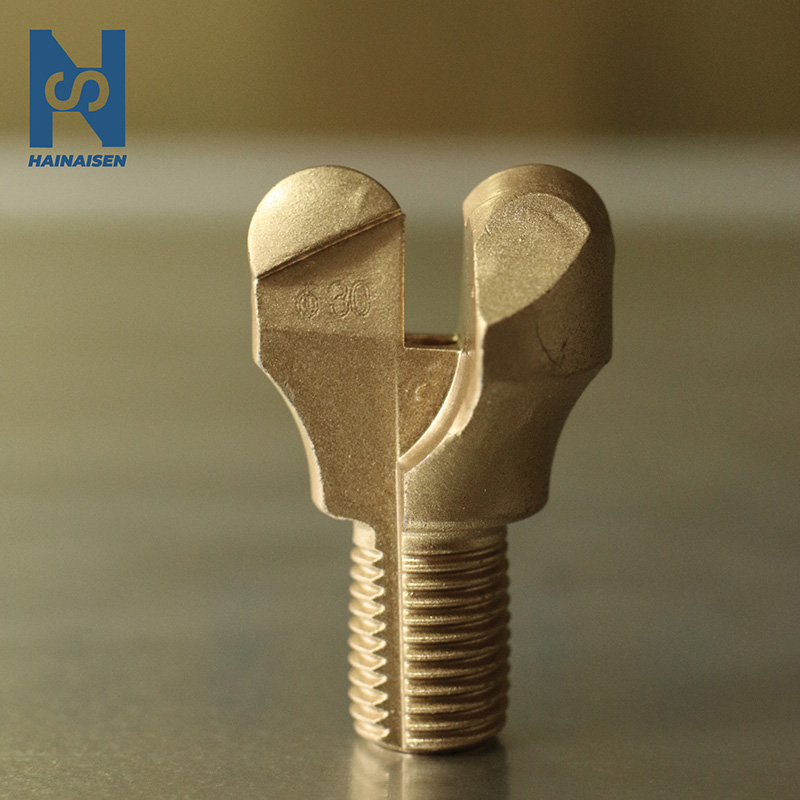 VIEW MORE34 And A Half Whole Coal Mine Mining Anchor Drill Bits
 VIEW MOREDirectional Well PDC Drill Bit