







Standard Operating Procedures (SOP) for Running PDC Bits
To get the most out of polycrystalline diamond compact (PDC) bits, you need to strictly follow tried-and-true methods that protect both your tool investment and the results of your drilling. The 4 Wings Blades PDC Bit is the best design for cutting aggressively and staying stable in one direction. It works best on medium-hardness rocks like shale, limestone, and sandstone. Standard operating procedures have a direct effect on penetration rates, bit life, and the general economics of a project. They must be followed correctly from the pre-operation check to the upkeep after the run. Procurement managers and technical experts can get the most out of their investments and keep operations running smoothly in oil and gas, coal mining, and water well drilling by understanding these practices.
Understanding 4-Wing Blades PDC Bits and Their Operational Principles
The Four-Blade Design Philosophy
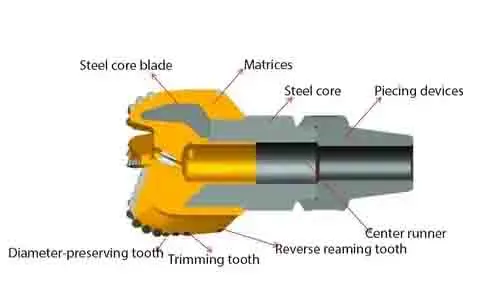
Four-blade design balances forceful rock breaking with drilling dynamics control. The 4 Wings Blades PDC Bit architecture is better for diverse geologies than three-blade designs, which focus on speed but may compromise stability, or five-blade designs, which survive longer but use more power inefficiently. Each blade includes synthetic diamond disc PDC cutters that slice rock instead of crushing it. This allows deeper blades than roller cone bits.
The blade's perfectly designed height, breadth, and spiral angles let cuts escape while allowing you to manage the cut. Digging intermediate rocks causes vibration and bit spin, but this design lowers these. The steel body design resists impacts and transfers heat, extending cutter life in hot downhole circumstances while lowering purchasing cost compared to matrix body options.
Material Technology and Performance Factors
Five-axis machining centers and CNC precision tools are used in advanced manufacturing processes at places like our 3,500-square-meter production center to make sure that the standard is always the same. The body of the bit is made of high-grade steel that was chosen to last under shock loads. Specialized matrix materials improve temperature stability during long drilling runs. Premium polycrystalline diamond compact cutters have better wear resistance and keep their sharp cutting edges even when they're in rough areas.
To get the best performance for PDC oil and gas, you need to know how operating factors affect bit design. The weight on the bit, its rotational speed, and the hydraulic flow rates must all match the properties of the rock and the bit's specs. Working within the suggested ranges—usually between 60 and 250 RPM for spinning speed and 10 to 100 KN for cutting pressure—keeps the cutter from breaking too soon and keeps rock removal working well. The right amount of hydraulic flow, between 25 and 36 liters per second, keeps the cutter cool and the pieces moving. This stops the bit from balling up and breaking down due to heat.
Step-by-Step Standard Operating Procedures (SOP) for Running PDC Drill Bits
Pre-Operation Inspection and Preparation
A comprehensive review before release minimizes costly and time-consuming issues. First, inspect the bit for shipping damage. Make sure all PDC cuts are securely connected and chip-free. Comparison of gauge safety parts and blade profiles to original standards. Make sure the bit size, IADC code, and design aspects match your drilling program and material behaviour.
Make sure that the gap drilling settings fit the bit's design restrictions. Make sure that the rig's top drive, mud pumps, and circulation system have enough power, rotational speed, and fluid flow. Clean link threads and apply Manufacturer-recommended thread adhesive. After the run, take images and write down bit state data to construct a research baseline.
Handling and Installation Best Practices
Handling precision-engineered parts the right way keeps them from getting damaged, which would lower their performance. Lift the bit with the right tools, and never drop it or hit it against something hard. When bits aren't being used right away, they should be kept in safe cases to keep cutters from getting damaged or contaminated.
During installation, follow these essential steps to ensure reliable performance:
Thread Connection Protocol: Thoroughly clean the box and pin connections, getting rid of any dirt or old thread compound. Spread the high-quality thread solution out evenly so that it doesn't get on the cutting areas. Set up connections using torque tools that have been calibrated and are set to the manufacturer's recommended values, which are usually based on the bit width and the type of connection.
Mud System Verification: Make sure that the qualities of the drilling fluid meet the requirements for the planned activities. The right mud weight, density, and solids amount have a direct effect on how well and how long the bit lasts. Poor cutting removal and lower entry rates are caused by hydraulics that aren't up to par.
Break-In Procedure: Gradually raise the parameters during the first cutting to make sure the cuts are properly seated and to set up even wear patterns. Start with less weight on the bit and a slower rotational speed. Over the first few meters of entry, slowly raise these values until they reach the goal levels.
These installation methods lay the groundwork for good drilling performance. They protect your machine investment and make operations run more smoothly using the 4 Wings Blades PDC Bit.
Operational Parameter Optimization
Maintaining the appropriate drilling settings throughout the bit run boosts productivity and tool life. Keep an eye on the bit's weight and adjust based on formation reaction and entrance pace. Too much weight breaks the cutter early and adds force, while too little weight reduces drilling efficiency. Most four-blade designs should rotate at 60–250 RPM. This combines bit stability and penetration.
Hydraulic optimization helps remove cuttings and manage temperature. Keep flow rates between 25 and 36 litres per second, depending on hole size and rock type. Signs of hydraulic issues include a slower entry rate, greater power, and high surface drilling parameters, which indicate the bit is balling or the hole isn't cleaned properly.
When circumstances change, real-time tracking helps you adapt immediately. Monitor drilling force, drag, and vibration. Quick changes are sometimes triggered by bit damage, formation transitions, or setting mismatches that necessitate immediate correction. Standardizing performance indicators for typical operations helps identify issues quickly.
Post-Operation Care and Maintenance
The right steps to take after a run keep the bit condition so that it can be reconditioned if needed, and give useful performance information. Start recovery by practicing controlled tripping that keeps things from getting damaged by contact. As soon as you get to the surface, flush the bit with clean water to get rid of formation waste and drilling fluid leftover before the materials harden.
Do a thorough check and write down any damage, wear patterns, and the state of the cutter. Take pictures of all the blade faces and gauge areas, and then measure the leftover cutter height and gauge size. Compare what you saw with the paperwork you had before the run to figure out how much wear there is and where performance problems are. This information will be used to choose bits and improve parameters in the future.
Using the right chemicals and brushes, clean bits well, getting rid of all drilling fluid and formation materials. If metal areas are to be stored for a long time, apply a rust inhibitor. Keep bits that have been viewed in containers that will keep them safe. Keep records of the runs and the state rating. When you buy quality bits from a reputable seller, you can often get them refurbished through programs that get them working again at a lower cost than buying new bits.
Comparing PDC Bits: Making the Right Choice for Your Drilling Needs
Performance Across Formation Types
To choose the right PDC bit setup, you have to match the design features to the geological conditions and the operating goals. The 4 Wings Blades PDC Bit design works best in shale, limestone, sandstone, and gypsum, which are all soft to medium-hard rocks with low to middling compression strength. These forms are helped by the aggressive cutting structure, which allows for high penetration rates while the blade design keeps the direction stable.
Three-blade designs are better in very soft, uniform forms where maximum aggression and rate of penetration are more important than longevity. The fewer blades cut down on the power needed, but they might not be as stable in areas with different or intermediate materials. Designs with five or six blades last longer and cut more smoothly in harder, more abrasive rock, but they require more power and may not be able to penetrate as deeply.
Tricone Roller Bits can still be used in very hard or highly fractured rocks where PDC cuts would be damaged by too much pressure. Four-blade PDC Bits, on the other hand, work better and cost less for most oil and gas, coal bed methane, water well, and mining jobs that target bedrock.
Cost, Durability, and Return on Investment
When making choices about what to buy, people have to weigh the initial cost of the item against its operating performance and service life. When used in the right situations, steel body 4 Wings Blades PDC Bit options usually make more sense financially than matrix body options because they require less up-front investment. The steel construction makes it possible to fix and recondition, which extends the economic life by several maintenance rounds.
When judging durability, you should look at the total cutting distance, not just the number of hours worked. Quality bits from well-known sources usually give you 30–50% more footage than lower-quality options. This makes up for the higher starting costs by cutting down on bit trips and making drilling more efficient. Instead of just looking at the buying price, figure out the total cost per meter dug.
A study of return on investment looks at things like direct bit prices, tripping time, rig day rates, and how well the digging went. Total well costs are cut by a large amount when a special bit that costs 20% more but delivers 40% more footage and higher entry rates is used. When you work with certified providers for a long time, you can get professional help, application engineering, and performance guarantees that add even more value.
Customization and Supplier Considerations
Modern production techniques allow for a lot of customization to meet the needs of any purpose. Reliable providers have engineering teams that know how to make bits that work best in difficult rocks and other unusual drilling conditions. You can change the size and placement of the cutters, the shape of the blades, the hydraulic design, and add special safety features for the gauges.
When looking at providers, give more weight to those that can show they have complete quality control systems and advanced manufacturing skills. Facilities with five-axis machining centers, automatic welding systems, and strict inspection processes always make goods that can be trusted. Professional manufacturing practices are shown by Certifications that meet international standards and a desire to provide detailed quality paperwork.
Think about where the seller is located, how long the lead times are, and how they can help you after the sale. Sellers in the same country or area often offer faster shipping and better technical support than sellers in other countries. Suppliers that have been around for a long time and have application files with information on thousands of drilling projects can help you find the right 4 Wings Blades PDC Bit design for your geological needs.
Troubleshooting and Maintenance: Avoiding Common Problems with PDC Bits
Identifying and Addressing Cutter Wear Patterns
Analysis of cutter wear gives important information about how well operations work and how to make the parameters work best. When there is normal wear, the cutter faces thin out evenly, which means that the bit is heavy enough and the rotating speed is right. If some cuts are wearing out faster than others, it could mean that there are parameter mismatches or differences in the hardness of the formation that need to be fixed for the 4 Wings Blades PDC Bit.
Most of the time, cutters get chipped or broken because they are hit too hard by heavy bits in hard or interbedded patterns. Often, this problem can be fixed by lowering the cutting pressure and slightly speeding up the turn. If you see coloring or cutter debonding from heat damage, it means that the hydraulic cooling isn't working well, which means that you need to increase the flow rates or change the properties of the mud.
Preventing Bit Balling and Hydraulic Issues
Bit balling occurs when formation materials accumulate between blades. This considerably delays penetration and increases force. Clay-rich strata and shales are more likely to have this issue. Use the correct inhibitors to improve mud performance, maintain hydraulic flow rates high, and use 4 Wings Blades PDC Bit design characteristics, such as sharp blades and larger junk slot regions, to prevent this.
Bit balling must stop immediately to prevent harm and restore order. Lowering the bit's weight and increasing the spinning speed typically removes trapped material. More dispersants or detergents in the drilling fluid can remedy the problem. If you continue experiencing ball troubles, try alternative bits with a better cutting structure.
Managing Vibration and Stability Challenges
Too much vibration hurts bits, bottom hole kits, and other drilling tools, and it also makes entry less effective. Axial shaking makes the bit bounce, which creates impact pressure that breaks the cuts. Stick-slip motion is caused by torsional shaking, which causes huge changes in torque. Bit whirl is caused by lateral shaking, which speeds up gauge wear and leads to problems with hole quality.
Getting rid of vibrations starts with choosing the right parameters for PDC oil and gas. Resonant frequencies are excited as little as possible when you work within the appropriate weight on bit and rotating speed ranges for the 4 Wings Blades PDC Bit. The design of the bottom hole assembly has a big effect on how it vibrates. Where the stabilizers are placed, how the collar weight is distributed, and how shock absorbers are built in all affect how the drilling works. Modern software for drilling optimization helps find the parameter combos that keep drilling efficiency high while reducing shaking.
Conclusion
Strict PDC bit standard operating procedures affect drilling performance, durability, and work cost. From oil and gas exploration to water well construction, the 4 Wings Blades PDC Bit is versatile. Working stability and cutting efficiency are well balanced. Successful operations need careful planning, parameter optimization during drilling, and post-run analysis. Strategic procurement that prioritizes source quality, expert skill, and collaboration helps firms maximize drilling results while minimizing costs. Bit life, entrance rates, and well expenses improve for companies that employ these proven strategies.
FAQ
Q1: What makes four-blade PDC bits superior to other configurations?
4 Wings Blades PDC Bit designs strike the best mix between cutting power and steadiness in all directions. While keeping better control than three-blade designs, this setup gives you higher entry rates than five- or six-blade options. Less torque is needed than with multi-blade bits, which reduces machine stress and increases drilling performance in soft to medium-hard rock.
Q2: How do I determine optimal operating parameters for my formation?
The bit manufacturer's suggestions for parameter improvement are based on design details and expected formation qualities. Watch the drilling processes in real time, such as the bit's weight, rotational speed, and force reaction. Gradually change the settings while watching how the sound and penetration rate change. Set a baseline for success in known patterns, and then make small changes carefully when you come across transitions for the 4 Wings Blades PDC Bit.
Q3: Can damaged PDC bits be repaired economically?
Steel body bits can be easily and cheaply fixed when the damage to the cutter stays in one place, and the body's structure is kept. It is possible to replace worn-out cuts and rebuild gauge parts for a lot less money than it would cost to buy new bits. Most of the time, matrix body bits can't be fixed. Post-run inspections and paperwork help figure out if repair is possible and if it will be worth the money.
Partner with HNS for Superior Drilling Solutions
Shaanxi Hainaisen Petroleum Technology has a track record of success thanks to its advanced engineering and strict quality control. Our four-wing PDC bit designs make drilling more efficient in oil and gas, mining, and water wells. We offer full technical help from experienced application engineers to back this up. Our modern production plant has a lot of customization options that let us make solutions that fit difficult rock formations and unique drilling needs. HNS has the knowledge and high-quality products that procurement managers and technical engineers need, whether they need dependable 4 Wings Blades PDC Bit source relationships or custom-built solutions. You can email our team at hainaisen@hnsdrillbit.com to talk about your specific drilling problems and find out how our solutions can help you achieve real performance gains.
References
1. Baker, R. (2018). Drilling Engineering Handbook: Principles and Practice. Petroleum Engineering Publications.
2. Mitchell, B. & Miska, S. (2017). Fundamentals of Drilling Engineering. Society of Petroleum Engineers Textbook Series.
3. Bellin, F. & others (2016). "PDC Bit Technology Advances for Improved Performance in Challenging Formations." Journal of Petroleum Technology, 68(4), 45-52.
4. Drilling Research Institute (2019). Best Practices for PDC Bit Selection and Operation. Technical Report Series DR-334.
5. Chen, X. & Warren, T. (2020). "Comparative Analysis of PDC Bit Blade Configurations in Sedimentary Formations." SPE Drilling & Completion, 35(2), 178-191.
6. International Association of Drilling Contractors (2021). Standard Operating Procedures for Fixed Cutter Drill Bits. IADC Technical Manual Series.
 VIEW MOREPDC Petroleum Drill Bit
 VIEW MORE4 Blade PDC Bit
 VIEW MOREHard Alloy Scraper Drill Bit
 VIEW MOREForging Deep Rock Well Drilling Bits PDC Mining Bit
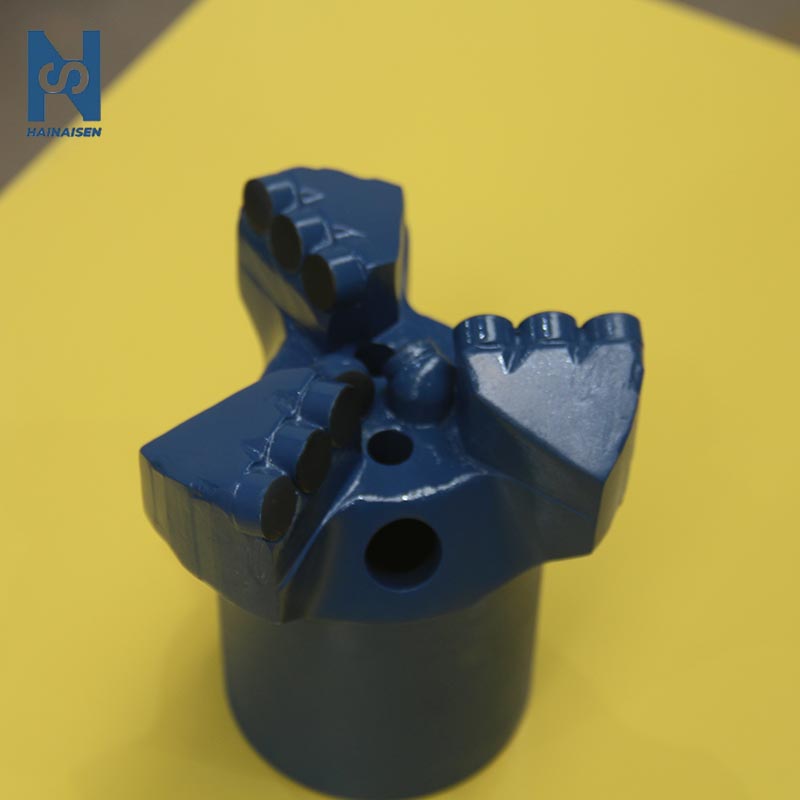 VIEW MOREPolycrystalline Diamond Compact Drill Bits
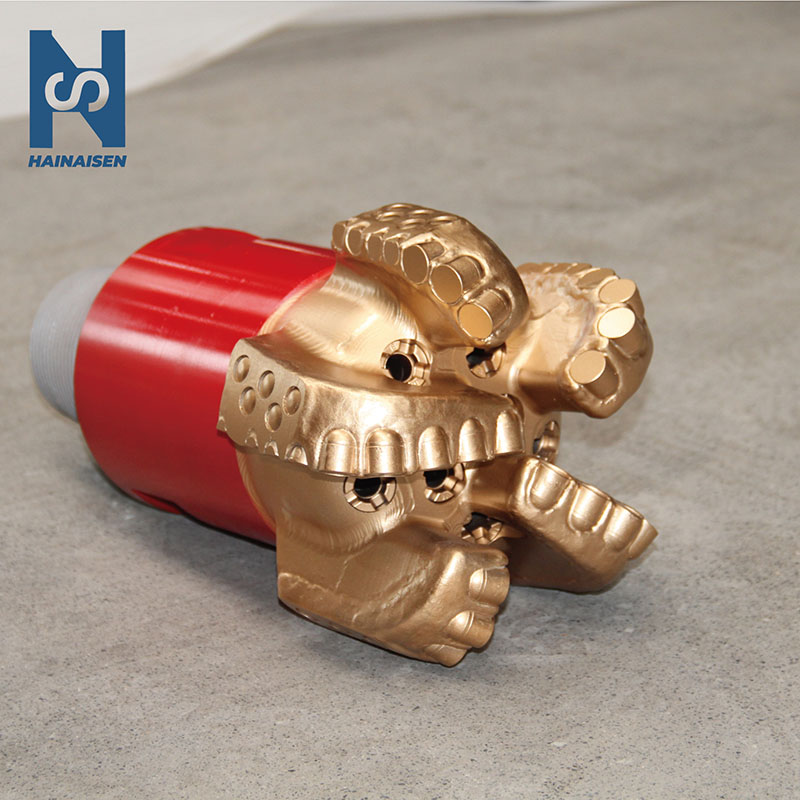 VIEW MOREDiamond Drill Bits For Oil Rigs
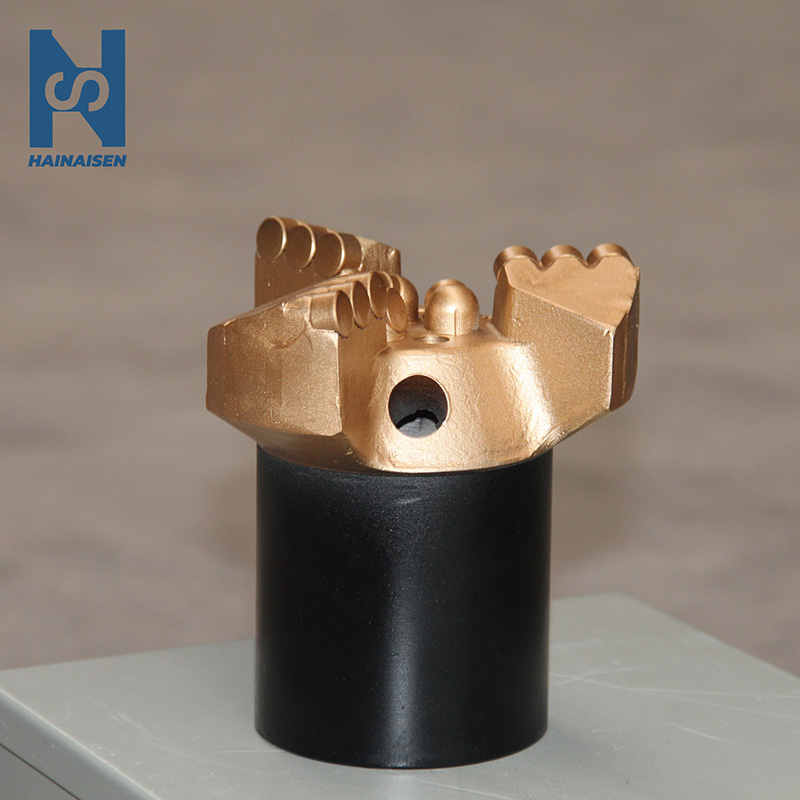 VIEW MORE113mm 3 Blades Steel Body PDC Bit
logo 1_1777361785830.jpg) VIEW MORE94mm PDC Flat Top Sintered Drill Bit
VIEW MORE94mm PDC Flat Top Sintered Drill Bit
