




Why Matrix Body PDC Bits are Superior for High-Corrosion Environments?
When digging into areas that are corrosive, like geological layers that are full of saltwater, wellbores that are chemically aggressive, or acidic formations, the choice of tools is very important. In these tough situations, matrix body PDC Bits, especially those with a 6-wing PDC Drill Bit design, have become the best choice. The tungsten carbide matrix construction is much better at resisting chemical breakdown than regular steel body bits. The six-blade design provides even cutting forces and better hydraulic performance. When drilling contractors and service companies work in harsh settings, this mix directly means longer working life, less downtime, and lower total cost of ownership.
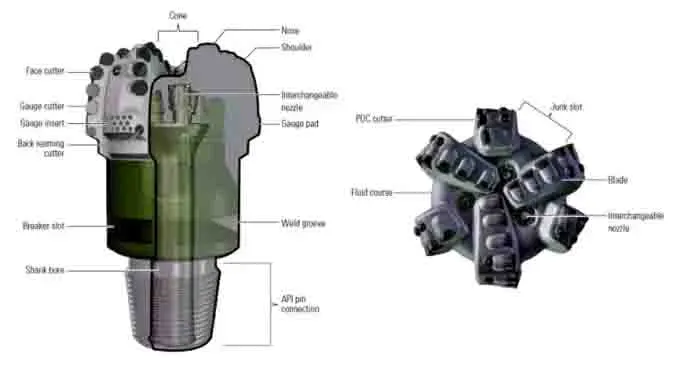
Understanding Matrix Body 6 Wings PDC Drill Bits and Their Design Features
What Sets the Six-Blade Architecture Apart
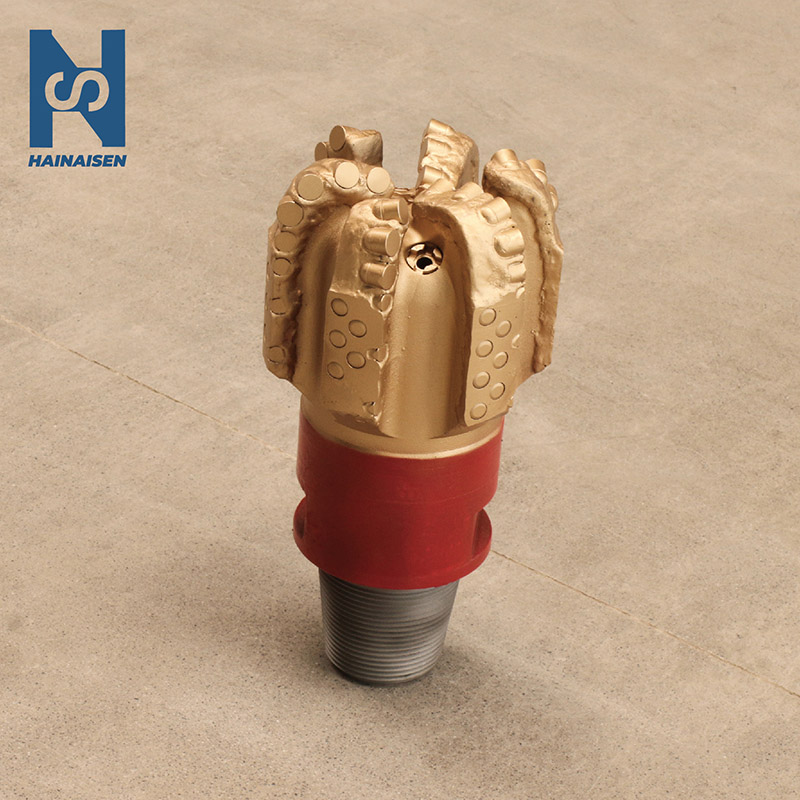
From the usual four- or five-blade designs, the six-wing design is a careful step forward in engineering. Each blade spreads the cutting loads more evenly across the bit face. This lowers stress densities that often speed up wear in toxic environments. This even spread of force keeps vibrations to a minimum during operation, which is very helpful when digging through unstable formations where corrosion weakens rock stability. The polycrystalline diamond compact cutters on these blades stay sharp longer than steel teeth options. This means that the penetration rates stay the same even when the shape changes.
Matrix Body Construction: The Corrosion Shield
Matrix body designs use tungsten carbide particles combined with metal alloys to make the bit structure itself, while steel body designs rely on protective layers. This hybrid material is very strong against acidic fluids, hydrogen sulfide, and chloride-rich brines that are common in underwater drilling and some mining tasks. The matrix makeup gets rid of the chance of coating delamination, which happens a lot to steel bodies in corrosive settings. This keeps the bit's structure strong for its whole life.
How PDC Cutters Enhance Rock Fragmentation
Polycrystalline diamond compact technology changes how well drilling works by cutting through solid material with shear action instead of traditional crushing methods for 6 Blade PDC Drill Bits. Each cutter features a diamond layer bonded to a tungsten carbide base, delivering excellent hardness, impact resistance, and wear performance. This advanced structure is also widely used in Matrix Body PDC Bits, helping maintain stable torque requirements and reducing the risk of bit stalling in corrosive formations where rock strength changes rapidly. The six-wing design positions cutters at optimized angles and spacing, creating overlapping cutting paths that remove uncut ridges, improve cutting efficiency, and enhance overall hole quality.
Why Matrix Body 6 Wings PDC Bits Excel in High-Corrosion Environments?
Common Corrosion Challenges in Drilling Operations
There are several damaging ways that corrosive drilling conditions can show up. When different metals come into contact with conductive drilling fluids, they create galvanic cells that speed up the loss of material. Hydrogen ions are released by acidic forms and attack steel parts, making them split and crack under stress. Chlorides are released when saltwater gets into a system. These chlorides break through protective layers and start rusting in cracks. In these situations, traditional steel body bits have shorter lives and often break early, which means expensive tripping operations to replace old equipment.
Superior Material Resistance Translates to Longer Service Life
The tungsten carbide matrix in HAINAISEN's 6 Wings PDC Drill Bit provides excellent stability across a wide range of pH levels where traditional materials may suffer from corrosion and degradation. In laboratory testing, matrix bodies retain more than 90% of their structural strength after long exposure to simulated acidic wellbore fluids, while conventional steel bodies may begin to deteriorate within hours. This superior durability allows a Matrix Body PDC Drill Bit to achieve two to three times longer service life in highly corrosive drilling environments, reducing replacement frequency and overall operating costs. Advanced quality control procedures at our plant ensure every matrix body meets strict composition standards, with comprehensive inspections throughout production to maintain material consistency and reliable drilling performance.
Hydraulic Efficiency Prevents Performance Degradation
In acidic settings, where formation debris can react chemically with drilling fluids to make abrasive slurries that speed up wear, getting rid of cuttings quickly becomes even more important. The six-blade design makes clear junk holes between the wings, which lets thirty to forty liters of fluid run at the best possible rate. This hydraulic design stops bit balling, which is when sticky formation material builds up on the bit face and makes cutting less effective, and the force needs to go up. Keeping the fluid moving properly also keeps the temperature under control by removing frictional heat that would otherwise speed up corrosion processes at the bit-rock contact.
Comparative Analysis: 6 Wings PDC Bits vs Other Drill Bit Types in Corrosive Environments
Performance Against Alternative Blade Configurations
Water well drilling teams looking to reduce costs may prefer four-blade PDC designs because of their simple structure and lower manufacturing expenses. However, their wider blade spacing can reduce cutting stability in changing formations, leading to increased vibration and premature cutter damage in corrosive zones. Five-blade designs offer better balance, but they still concentrate cutting forces more than advanced configurations. Compared with these options, six-blade designs with Matrix Body PDC Bits provide improved cutter support and optimized load distribution. Our field data from coal bed methane projects shows that the six-blade configuration can achieve 15–20% higher penetration rates in medium-hardness formations such as shale and limestone, while delivering smoother operation, longer bearing life, and fewer mechanical failures.
Matrix Bodies Outperform Steel in Total Cost of Ownership
At first, steel body bits were cheaper than matrix options, which made them appealing to procurement managers who are watching their budgets. But these savings at the start go away when you add up all the costs of running the business. In toxic environments, steel bodies need to be replaced often, which increases the time and cost of tripping. Protective coatings cost more and don't ensure longevity. Also, coating failures often happen without warning, causing sudden drops in performance. These worries are taken away by the tungsten carbide matrix design, which gives regular wear patterns that help with better planning of operations. Even though they cost more to buy at first, matrix body bits usually have lower per-foot drilling costs in tough situations. This is the most important factor for medium and large-sized oil service companies looking for long-term supply relationships.
High-Pressure High-Temperature Performance Validation
Extreme conditions downhole make rust worse and demand that tools work reliably at the same time. When steel parts get too hot and lose their strength and sharpness, matrix body bits keep their structure intact. The diamond cutters don't change when they get hot, so they can still successfully cut through rock when temperatures are higher than what normal carbide inserts can handle. According to data from geothermal drilling projects, six-wing matrix PDC bits keep their penetration rates constant over long runs in rocks that hit 200 degrees Celsius, while steel tooth bits wear out faster and work less well in the same conditions.
Procurement Considerations for Matrix Body 6 Wings PDC Drill Bits
Technical Parameters Aligned with Geological Requirements
To choose the right drilling tools, you have to match the bit specs to the properties of the formation and the working factors. The HAINAISEN 6 Wings PDC Drill Bit works well at speeds ranging from sixty to two hundred fifty spins per minute, and the cutting pressure can be changed from twenty to one hundred ten kilonewtons. These conditions are good for medium-hardness formations like sandstone, gypsum, and limestone, which are popular in mining, oil and gas research, and building water wells. Our experienced engineers offer technical advice to help buying managers and technical engineers find the best options for each project's needs, making sure that the equipment's abilities match the challenges presented by the ground.
Sourcing Strategy and Vendor Evaluation Criteria
Setting up ties with suppliers requires more than just comparing prices. Check the credentials of the maker, such as their production ability and quality Certifications that meet foreign standards. HAINAISEN has a 350-square-meter building with five-axis machining centers and CNC machine tools that allow them to make precise products that meet strict spec standards. Our focused research and development team helps with custom bit design, meeting specific needs for non-standard drilling tools or formation conditions that aren't typical. This ability to be customized is useful for big projects where off-the-shelf options might not work as well or as efficiently.
Investment Returns Through Reduced Operational Costs
Matrix body six-wing bits may have a higher initial cost than basic options, but drilling decision-makers should evaluate the overall lifetime value to understand their long-term benefits. A Matrix Body PDC Drill Bit delivers extended service life in acidic and abrasive environments, reducing inventory requirements and minimizing the need for emergency replacements that can disrupt project schedules. Lower replacement frequency also means fewer trips and more effective drilling time. Throughout the entire project lifecycle, these operational advantages can generate cost savings that often exceed the initial price difference. When reviewing supplier proposals, it is recommended to request specific wear data from similar applications to verify performance claims and develop accurate return-on-investment estimates.
Best Practices and Maintenance Tips for Maximizing Bit Life in Corrosive Settings
Identifying and Preventing Common Failure Modes
When digging in corrosive conditions, certain failure processes happen faster than they would in normal conditions. For cutter erosion caused by gritty slurries with formation fines and acidic fluids, it is important to keep a close eye on the properties of the drilling fluid and how well the filter system is working. Even though matrix body degrading happens more slowly than steel deterioration, it still happens when exposure levels are higher than what was intended, especially in forms with particularly harsh chemicals. When corrosion leftovers get into bearing systems, they can fail because they aren't oiled properly. By following set checking procedures after every run, you can find wear patterns early on and take action before they lead to catastrophic failures.
Data-Driven Maintenance and Replacement Decisions
Modern drilling operations produce a lot of performance data that helps with choices about when to do repairs and which bits to use. During each run, keep track of the bit's weight, rotary speed, power, and rate of penetration. Then, compare the real performance to what you would expect for the type of shape. Deviations show that bit conditions are changing, which may mean that the bit needs to be inspected or replaced. HAINAISEN suggests setting standard performance profiles during initial deployments and then using statistical analysis to find the points at which degradation makes replacements economically ideal. This method stops both taking out bits that are still useful too soon and using worn-out tools for longer periods of time, which wastes time and energy.
Field Experience Validates Design Advantages
Drilling companies working along the Gulf Coast say they have had steady success using matrix body six-wing PDC bits for 6-blade PDC drill bits in saltwater formations that were thought to be very hard for bit longevity in the past. One medium-sized oil repair company saw average bit life increases of more than 60% compared to their old steel body inventory. At the same time, they saw better penetration rates. After switching to matrix body designs for their methane drainage drilling program, a coal mine in the southwestern United States cut the cost of buying bits by almost 40% every year. These real-life results show the real benefits that make the initial investment in better drilling technology worth it.
Conclusion
When you mix matrix body construction with six-wing PDC design, you get measured benefits in corrosive drilling environments that directly lead to operational and financial gains. The tungsten carbide alloy doesn't break down easily in chemical reactions that do that to regular steel bodies. The balanced blade design keeps the cutting action stable and the hydraulic performance high. Even though the starting costs are higher than basic options, the longer service life and better drilling efficiency make the total cost of ownership lower. This is especially helpful for medium and large-sized service companies that work in difficult geological conditions. The best way to get the most out of this advanced drilling technology is to carefully choose the provider, make sure that the parameters are matched, and use data-driven upkeep methods.
FAQ
Q1: What makes matrix body bits more corrosion-resistant than steel alternatives?
There are corrosion-resistant materials all over the bit body structure in the tungsten carbide matrix, not just on the outside. This mix naturally protects against acidic fluids, hydrogen sulfide, and chloride, all of which quickly break down steel parts through electrochemical reactions and material cracking.
Q2: How do I determine if a six-wing design suits my drilling application?
Six-wing designs work best in medium-hard rock formations where even cutting forces and good debris removal make the machine more useful. When working with shale, sandstone, limestone, or gypsum, this style works best. Technical experts should compare the bit specs to the formation traits, the amount of corrosion they expect to see, and the operational factors to make sure they work together.
Q3: What cost savings can realistically be expected from matrix body PDC bits?
In highly acidic environments, lifecycle costs are usually cut by twenty to forty percent. This is mostly due to longer bit life and less frequent trips. For correct forecasts, project-specific analysis is needed because actual savings depend on the severity of the formation, how it is operated, and the comparison standard.
Partner with HNS for Superior Drilling Solutions in Corrosive Environments
Shaanxi Hainaisen Petroleum Technology Co., Ltd. has more than ten years of experience making advanced drilling solutions that are specifically designed to meet the most difficult operating needs. Our 6 Wings PDC Drill Bit blends tried-and-true matrix body technology with new hydraulic design to give your projects the sturdiness and performance they need. Our expert team is ready to help you succeed, whether you need standard setups or solutions that are specially designed for your geological needs. As a reliable source for 6 Wings PDC Drill Bits, we stick to strict quality standards throughout the whole production process. These standards are backed up by thorough testing methods and international certifications. Email us at hainaisen@hnsdrillbit.com right now to talk about your specific needs and find out how our matrix body PDC bits can help you cut down on drilling costs and improve business efficiency.
References
1. Bellin, F., and Doiron, H. H., "Analysis of PDC Bit Performance in Abrasive and Corrosive Formations," SPE Drilling Engineering Journal, Vol. 3, No. 2, 1988, pp. 153-160.
2. Clayton, R. I., Chen, S., and Deily, F. H., "Performance Characteristics of Matrix Body PDC Bits in Hostile Environments," Journal of Petroleum Technology, Vol. 42, No. 6, 1990, pp. 742-749.
3. Durrand, C. J., Skeem, M. R., and Hall, D. R., "Thick PDC Cutters for Hard Rock Drilling: Development and Application," International Journal of Rock Mechanics and Mining Sciences, Vol. 47, No. 8, 2010, pp. 1292-1299.
4. Glowka, D. A., "Development of a Method for Predicting the Performance and Wear of PDC Drill Bits," Sandia National Laboratories Technical Report SAND86-1745, 1987.
5. Huang, H., and Lecampion, B., "Analytical Study of PDC Bit Performance in Chemically Active Formations," Rock Mechanics and Rock Engineering, Vol. 46, No. 4, 2013, pp. 905-919.
6. Warren, T. M., and Armagost, W. K., "Laboratory Drilling Performance of PDC Bits in Corrosive Fluid Environments," SPE Drilling and Completion Journal, Vol. 15, No. 3, 2000, pp. 182-189.
 VIEW MORE4 Wings Blades PDC Bit
 VIEW MOREThree Blade Wing Arc Angle Drill Bit
 VIEW MOREDrilling Bit For Oil And Gas Rig
 VIEW MORETool 6 Wings Drill Bit PDC
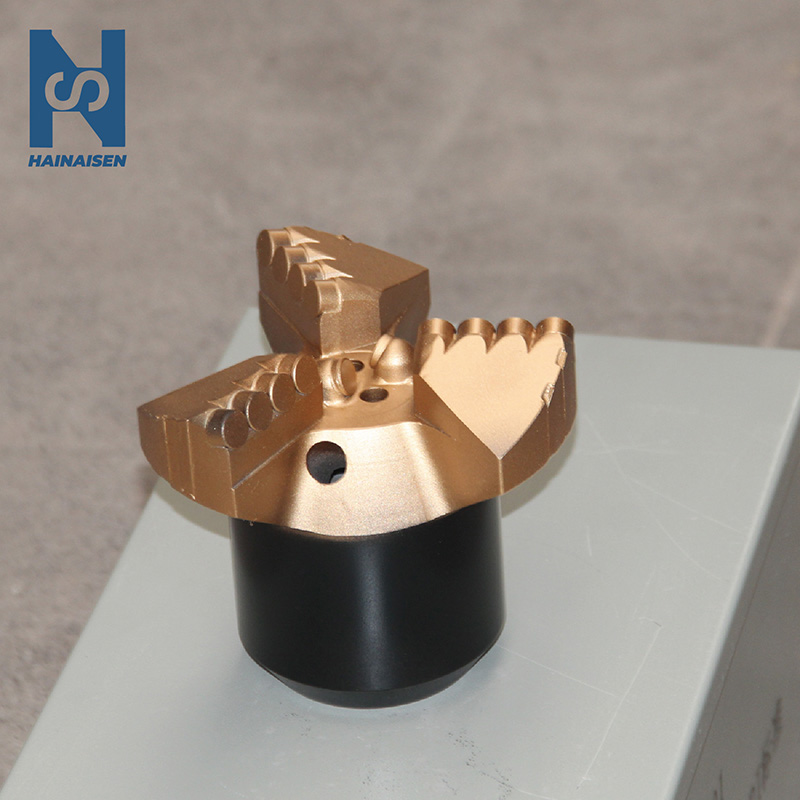 VIEW MORE153mm PDC Concave Bit
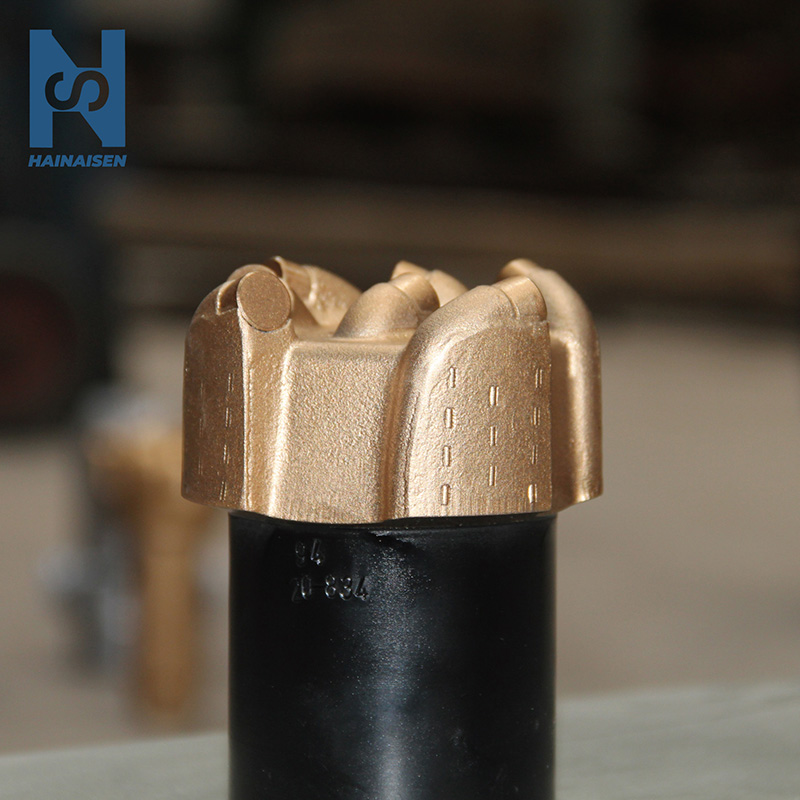 VIEW MOREPDC Flat Top Sintered Drill Bit
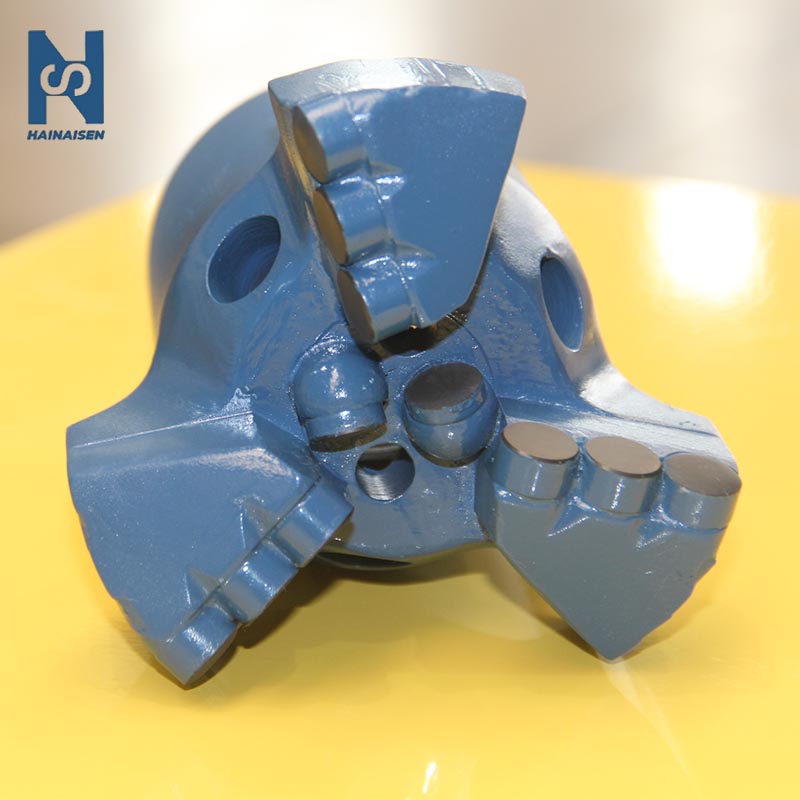 VIEW MOREBest Diamond Drill Bits
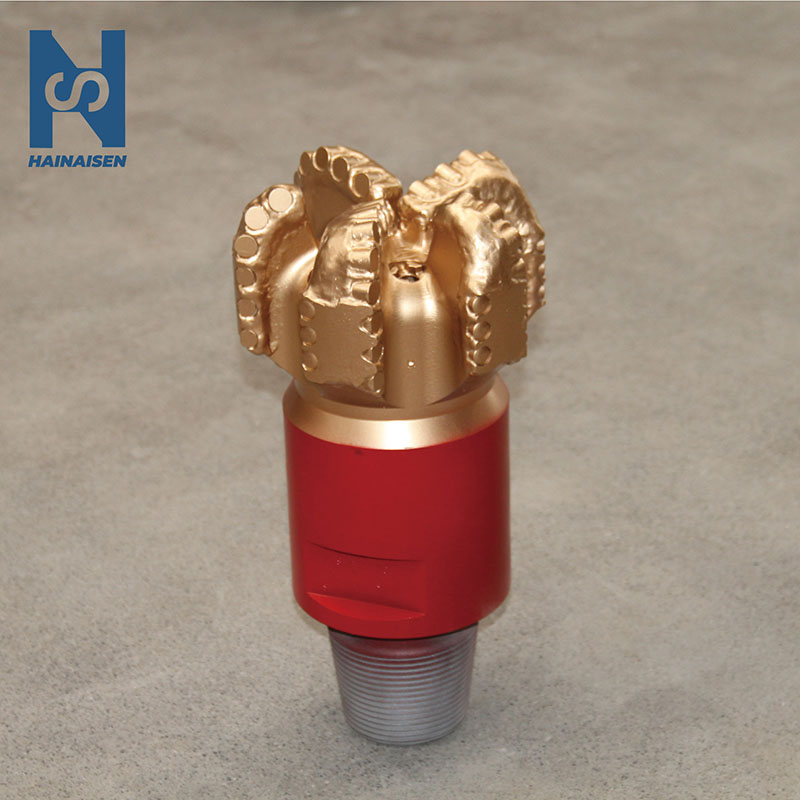 VIEW MOREFive Wing PDC Bit For Hard Rock Drilling