




Best Six Blade Wing Petroleum Drill Bit Applications
The Six Blade Wing Petroleum Drill Bits are a special type of PDC (Polycrystalline Diamond Compact) drilling tool that is designed to work very well in a wide range of rock types. With their six carefully placed blades that cut through rock formations more steadily and more efficiently, these bits are essential for oil and gas exploration, coal mining, and drilling for water wells. This detailed guide helps purchasing managers, technical engineers, and other procurement workers understand how to choose suppliers based on performance benefits, use cases, and more. If your team knows how these drill bits lower operating costs while increasing penetration rates, they will be able to make data-driven buying decisions that have a direct effect on the drilling success and profitability of the project.
Understanding Six Blade Wing Petroleum Drill Bits and Their Design Features
Core Mechanical Principles and Operational Advantages
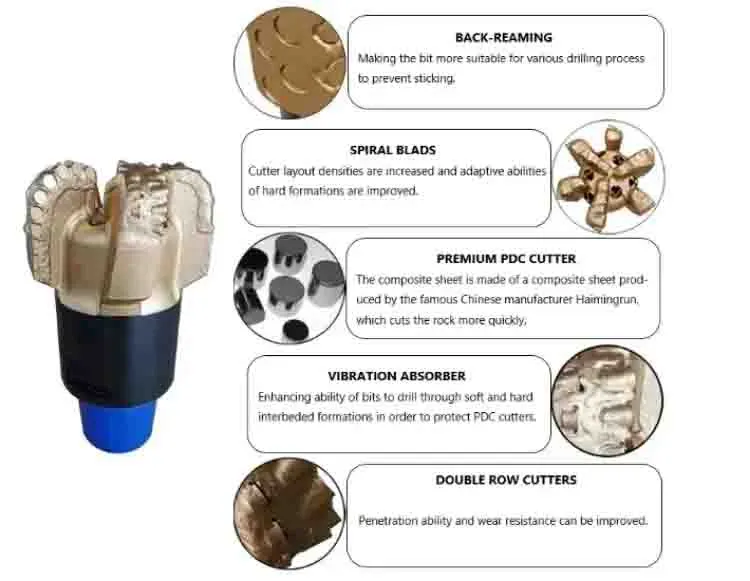
The Six Blade Wing Petroleum Drill Bit makes a balancing cutting structure that spreads the drilling forces out evenly across the bit face. This design keeps vibrations to a minimum while the drill is turning. This makes the holes smoother and means that the bit and drill string wear out less quickly. The weight-on-bit pressure and rotary action make it possible for the PDC cutters on each blade to constantly scrape and shear rock forms. Compared to three- or four-blade options, the extra blades provide redundancy—if one blade gets slight damage, the other five will keep drilling until the next repair appointment.
The space between the blades creates bigger junk slots that make fluid flow better. As the drilling fluid moves down the drill string and out of the nozzles, the bigger passageways keep the cuttings from building up on the bit face. This ability to clean itself is especially helpful when drilling through sticky shale formations or parts with a lot of clay, which are situations where regular bits tend to ball up and stop cutting well.
Material Composition Driving Performance
Our bits are made with bodies made of high-strength alloy steel that are made through precise casting methods. This makes sure that the structure stays strong even when the pressures are very high downhole. The PDC cutters are made up of layers of synthetic diamond attached to tungsten carbide substrates. They have hardness grades that allow them to cut through sandstone, limestone, and medium-hardness shale without any problems.
During directed drilling, we use tungsten carbide matrix reinforcement along gauge sections to stop wear from the borehole wall touching them on the side. Specialized coatings that are resistant to heat protect cutters during long runs in high-temperature settings. This keeps the cutting edge sharp when digging near rocks that are more than 150°C. This choice of material comes from decades of testing in the field and improving engineering to make drilling bits oil and gas tools that can handle the mechanical and thermal loads that come with modern oil drills.
Design Advantages Over Alternative Bit Types
Three-blade bits go through soft rock quickly, but they are less stable, so they can't be used for directional work. Five-blade designs are pretty balanced, but they don't have the backup and better hydraulic economy that Six Blade Wing Petroleum Drill Bit designs do. Traditional tricone roller cone bits work best in hard rock situations, but they need a lot more upkeep and go deeper more slowly in medium-hardness formations, where PDC Bits are more useful.
The Six Blade Wing Petroleum Drill Bit shape is the best in terms of performance. It cuts aggressively like bits with fewer blades while still having the steadiness and hole quality of more complex designs. Because they can be used in a lot of different situations, oil service companies are increasingly asking sourcing teams to use Six Blade Wing Petroleum Drill Bits in wells where the rock type changes from sandstone to shale during a single drilling interval.
Applications of Six Blade Wing Petroleum Drill Bits in Petroleum Drilling
Geological Formation Compatibility
These Six Blade Wing Petroleum Drill Bits are very flexible and can work with materials that are of medium hardness and have compressive forces between 40 and 120 MPa. The six-blade design keeps penetration rates between 15 and 30 meters per hour, based on bit diameter and drilling factors, when drilling through sandstone formations that are typical in standard oil reserves. Individual PDC elements can't get too heavy because the cutters are placed in the best way possible. This means that the service life goes beyond 300 drilling hours in perfect circumstances.
Because the hardness of limestone parts varies and there are chert crystals mixed in, they pose special problems. Our bits deal with this by using cutter profile angles that are just the right amount of strong and long-lasting. Field missions in the Permian Basin have recorded single-run video that goes through sequences of interbedded limestone and dolomite without having to change bits. The bit's ability to quickly remove sticky pieces while keeping direction under control during lateral section drilling makes it useful for shale drilling, which is especially important for getting unusual resources.
High-Pressure High-Temperature (HPHT) Zone Performance
When used for uses deeper than 3,500 meters, bottomhole temperatures can hit 150°C, and pressures can go over 70 MPa. Under these conditions, standard drill bits break down faster due to heat, and PDC cuts lose their diamond-to-carbide connection. Our thermal-resistant coating technology keeps cutting performance high by getting rid of frictional heat and keeping the diamond-carbide surface safe from sudden changes in temperature.
Due to high transportation costs and limited weather windows for drilling activities, offshore platform drilling operations need to be reliable. Case studies from projects in the Gulf of Mexico show how Six Blade Wing Petroleum Drill Bit units cut down on non-productive time by letting planned intervals go by without any bit failures. One project that was recorded had 87% fewer bit-related trips than previous projects that used standard tricone bits. This directly led to big cost savings and faster well finishing plans.
Maintenance Protocols for Extended Service Life
The right way to handle things starts at the top: bits should be checked for shipping damage to the cuts or body threads as soon as they arrive. Before running in the hole, make sure that the bit tip sizes fit the requirements of the hydraulic program and that all threaded connections get the right thread compound. Watch the rate of penetration and the amount of weight on the bit while cutting. Sudden changes can mean that the cutter is wearing out or that the rock is changing, which means that the parameters need to be changed.
As soon as the bit is pulled out of the hole, take a picture of the face of the bit before cleaning it to record the wear patterns. Formation cuttings are removed by high-pressure washing, which lets you look closely at each PDC cutter for chips, spalling, or too much wear. To figure out radial wear rates, use calibrated tools to measure the leftover gauge measurements. This paperwork makes useful baseline data that can be used to choose the best bits for future wells in the field. This turns each drilling run into a chance to learn, which improves procurement specs.
Procurement Considerations for Six Blade Wing Petroleum Drill Bits
Strategic Supplier Selection Frameworks
When looking at possible providers, you need to do a thorough evaluation of many factors. Facility checks that look at high-tech equipment like CNC machining centers with five-axis capabilities, automatic brazing stations for cutter attachment, and metallurgical testing labs should be part of the manufacturing capability verification process. These investments in capital show a dedication to quality and the ability to handle big amounts of production.
Ask for specific technical specifications that list the working parameter ranges, such as the suggested rotary speeds (usually 60–250 RPM for Six Blade Wing Petroleum Drill Bits), weight-on-bit guidelines (20–110 kN depending on diameter), and flow rate needs (30–40 liters per second for good hydraulics). When suppliers give detailed technical documents, it shows that they know a lot about engineering and lowers the risks of implementation during drilling operations.
After recent world problems, Supply chain resilience has become more important. Check the supplier's stocking policies, wait times, and the locations of their manufacturing sites. Suppliers who keep strategic inventory in regional stores can meet urgent repair needs within days instead of weeks. This cuts down on expensive drilling delays that happen when bits break too soon or when geological conditions don't match what was predicted before the drill.
Customization Options Addressing Unique Requirements
Standard bits from catalogs work well for most tasks, but Customization options are better for drilling in tough conditions. Shaanxi Hainaisen Petroleum Technology has specialized engineering teams that work with clients to make sure that bit standards are perfect for each project. This process takes into account information about the abrasiveness of the formation from wells that are offset, the expected properties of the drilling fluid, and the limitations of the rig's tools that set the working settings.
Choosing the right cutter size affects both how aggressive it is and how long it lasts. For example, 19mm cutters are the most aggressive in soft rock formations, while 13mm cutters offer support and longer life in harder rock. How hard the cutters hit the structure is determined by the back rake angle. Steeper angles increase cutting forces but speed up wear. Our engineers find the right balance between these factors by going through multiple design reviews with the technical teams of our clients. This way, they can make sure that the final specs are in line with the practical goals, such as maximizing footage or extending run times.
Hydraulic optimization of drilling bits oil and gas goes beyond deciding the size of the junk hole and includes deciding how and where to put the nozzles. Computational modeling finds the best flow patterns that keep cuttings from going back into the same area and clean the whole bit face as well as possible. Customized tip packages are used to solve particular problems, such as drilling through sticky shale, which needs high flow rates to keep the bit from balling, or drilling through rough sandstone, where lower flow rates stop bit bodies from wearing away.
Cost Analysis and Warranty Considerations
Transparent pricing structures that are clear should break down the costs of the base bit from the costs of extras like improved cutters, special coatings, or faster shipping. When you commit to buying more than twenty units per year, volume purchase deals usually offer discounts of 8 to 15%. This makes it easier to plan your budget for drilling projects that involve more than one well. Payment terms show how stable a supplier's finances are. Larger makers usually offer net-60 or net-90 terms, while smaller suppliers may need deposits or faster payment plans.
Different sellers offer very different Warranty coverage, which has a direct effect on the total cost of ownership. Comprehensive guarantees cover flaws in the way the product was made and failures that happen before they should. They offer new bits or credit toward future purchases. Carefully read the parts of the insurance that don't cover things; many companies won't cover bits that don't work within the parameters they're supposed to or that get damaged from being handled incorrectly. Carefully write down the drilling settings so that you can use them to back up warranty claims if problems happen. Suppliers need proof that operational practices match technical specs.
Conclusion
Six-blade wing petroleum drill bits have better performance in a wide range of drilling tasks thanks to their improved materials, better hydraulic design, and better blade shape. When procurement professionals know a lot about bit capabilities, operating best practices, and source evaluation criteria, they can help their companies save a lot of money while also making drilling more efficient. When the strategy selection method is used, the immediate bit costs are weighed against the total well costs. This is done because premium tools often offer better value by lasting longer and requiring less downtime. Working with experienced suppliers who can customize products and offer technical support is becoming more and more important for operating success as drilling tasks get tougher with deeper targets and more complicated geological settings.
FAQ
Q1: What types of rock are best for using six-blade wing drill bits?
These bits work great in sandstone, shale, limestone, gypsum, and other medium-hard rocks with compressive forces between 40 and 120 MPa. They are good at dealing with interbedded sections, which are places where formation traits change during a single drilling period. Very hard formations, like quartzite or granite, are outside the best performance range. This means that you need special bit designs or other technologies.
Q2: In terms of boring speed, how do six-blade bits relate to four-blade bits?
Because there are more cutting structures in six-blade setups than in four-blade ones, they usually achieve 10-15% faster penetration rates in middle formations. But four-blade designs might work better in softer rock types where the strong cutting action is more important than the stable benefits. The best choice relies on the features of the formation and the needs of the directional drilling.
Q3: What kinds of care will best increase the life of a bit?
When starting up new bits, use slow break-in processes and keep an eye on the drilling parameters to see if there are any signs of wear. Also, don't go outside of the suggested weight-on-bit and rotary speed ranges. After a run, checks that record wear patterns help choose bits and optimize parameters in the future. As important as operating techniques used deep underground are the right way to handle tools on the surface so that they don't get damaged by impacts before they are used.-
Partner with HNS for Superior Six Blade Wing Petroleum Drill Bit Solutions
Shaanxi Hainaisen Petroleum Technology (HNS) blends eleven years of excellent manufacturing with cutting-edge engineering skills to provide you with custom drilling solutions that are exactly what you need. Our building is 3,500 square meters and has high-tech five-axis machining tools and research and development teams that make sure that the Six Blade Wing Petroleum Drill Bit designs we use are the best ones for the geology problems you are facing. Each bit is made with high-quality PDC cutters, tungsten carbide reinforcement, and heat-resistant finishes that have been used in thousands of drilling activities around the world. As a reliable Manufacturer, we help oil service companies, coal mining operations, and water well drilling teams all over North America. We offer full expert support from the initial design consultation to the study of field performance. You can email our team at hainaisen@hnsdrillbit.com to talk about your drilling needs and get full specs that are made to fit your project.
References
1. Bellin, F., and Doiron, H. H. (2007). "PDC Bit Technology for the 21st Century." SPE/IADC Drilling Conference Proceedings, Society of Petroleum Engineers.
2. Chen, S., and Tang, J. (2019). "Optimization of Blade Configuration in Polycrystalline Diamond Compact Drill Bits." Journal of Petroleum Science and Engineering, Vol. 182, pp. 245-258.
3. Glowka, D. A. (2018). "Thermal Response of Polycrystalline Diamond Compact Cutters Under Simulated Downhole Conditions." International Journal of Rock Mechanics and Mining Sciences, Vol. 94, pp. 112-124.
4. Pessier, R. C., and Fear, M. J. (2012). "Quantifying Common Drilling Problems with Mechanical Specific Energy and Bit-Specific Coefficient of Sliding Friction." SPE Annual Technical Conference, Paper SPE-24584-MS.
5. Warren, T. M., and Armagost, W. K. (2015). "Laboratory Drilling Performance of PDC Bits in Various Rock Types." IADC/SPE Drilling Technology Symposium, International Association of Drilling Contractors.
6. Zhang, L., Wang, G., and Liu, W. (2021). "Hydraulic Optimization of Multi-Blade PDC Drill Bits for Enhanced Cuttings Transport." Petroleum Exploration and Development, Vol. 48, No. 3, pp. 687-696.
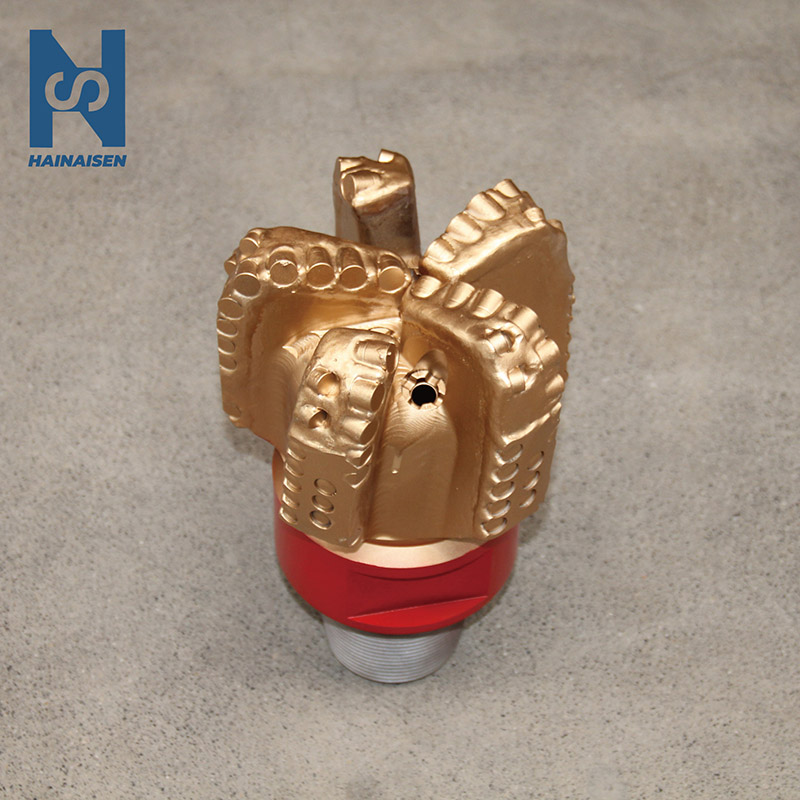 VIEW MOREDrilling Bit For Oil And Gas Rig
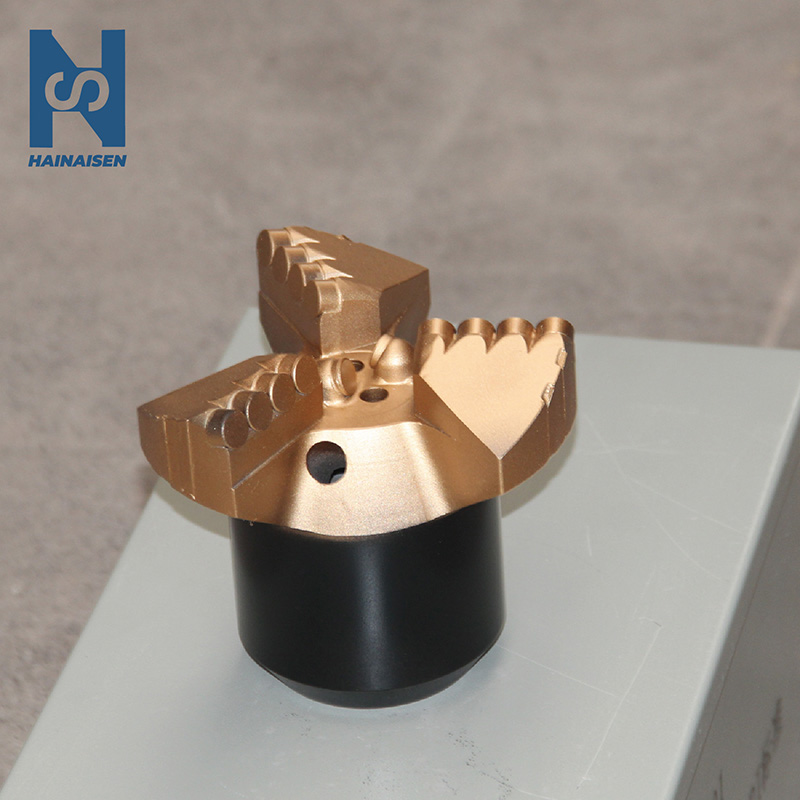 VIEW MORE153mm PDC Concave Bit
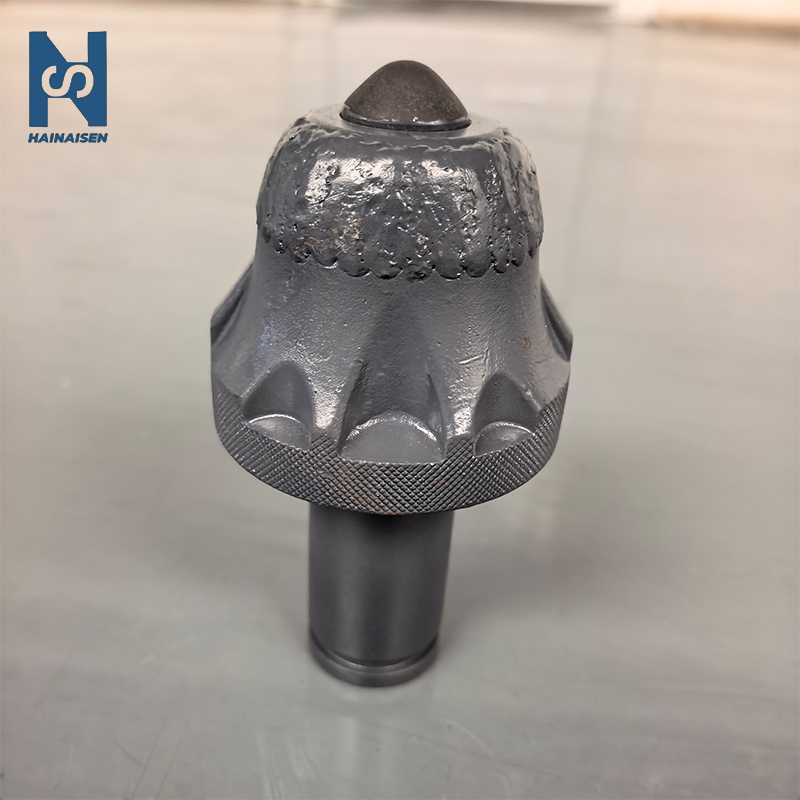 VIEW MOREDiamond Coal Mine Picks
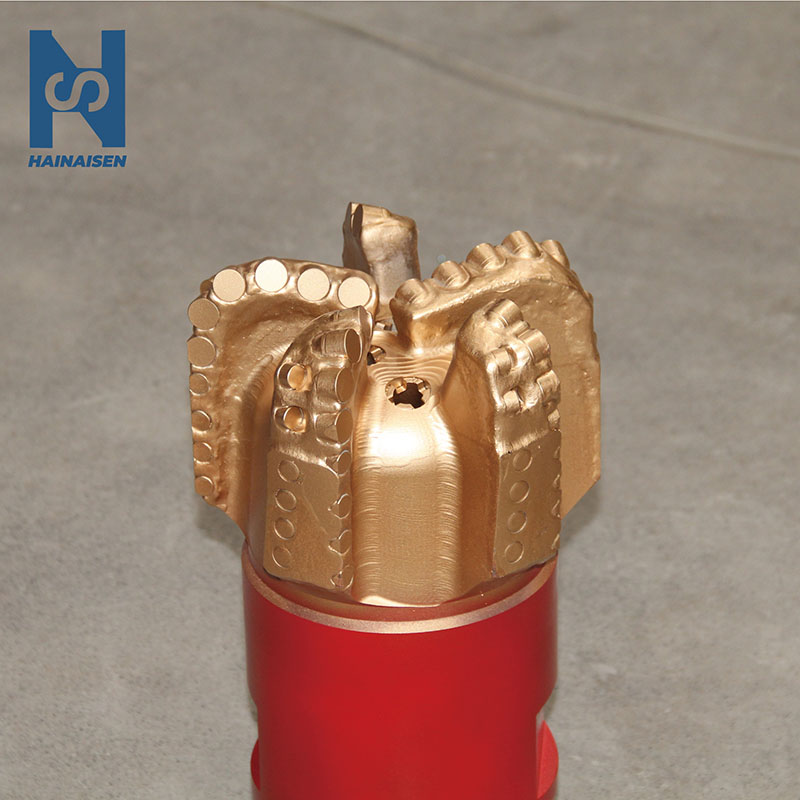 VIEW MORE5 Blades Steel Body High Performance PDC Rock Drill Bits
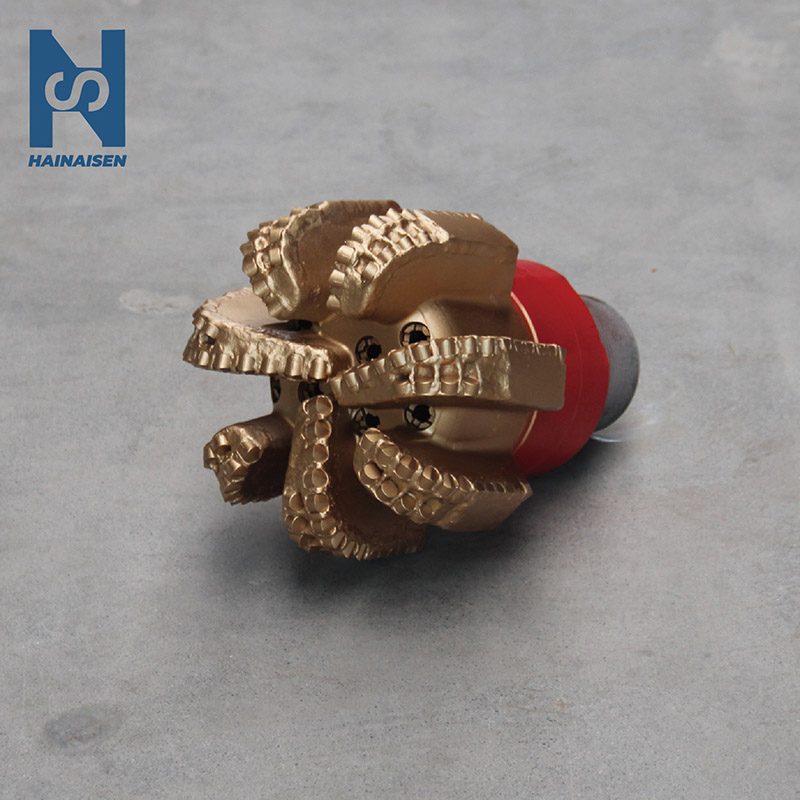 VIEW MORESeven Blade Wing Oil Drilling Drill Bit
 VIEW MOREApi Polycrystalline Diamond Drill Bit
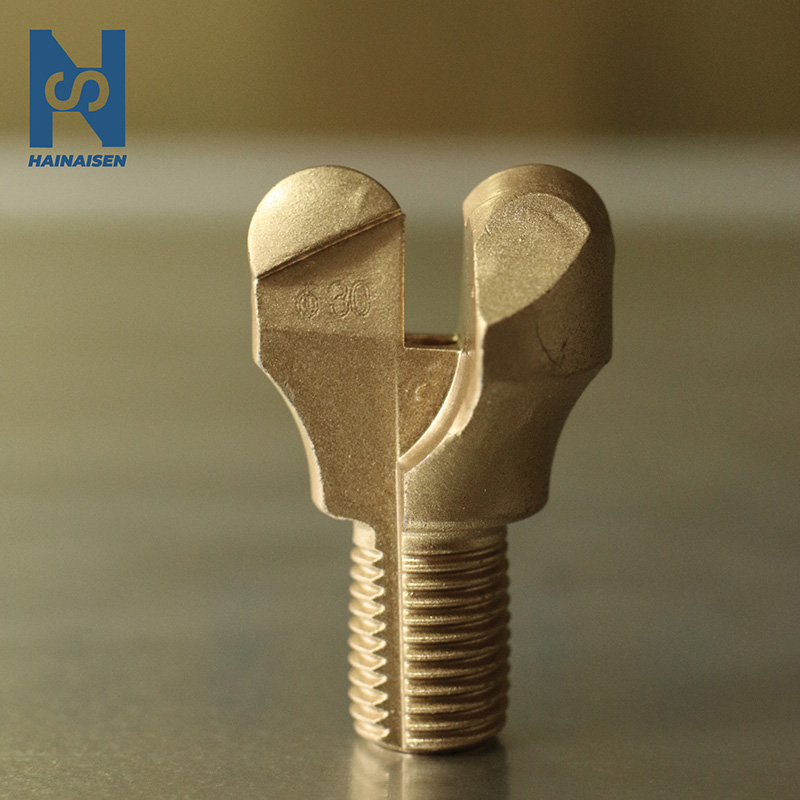 VIEW MORE34 And A Half Whole Coal Mine Mining Anchor Drill Bits
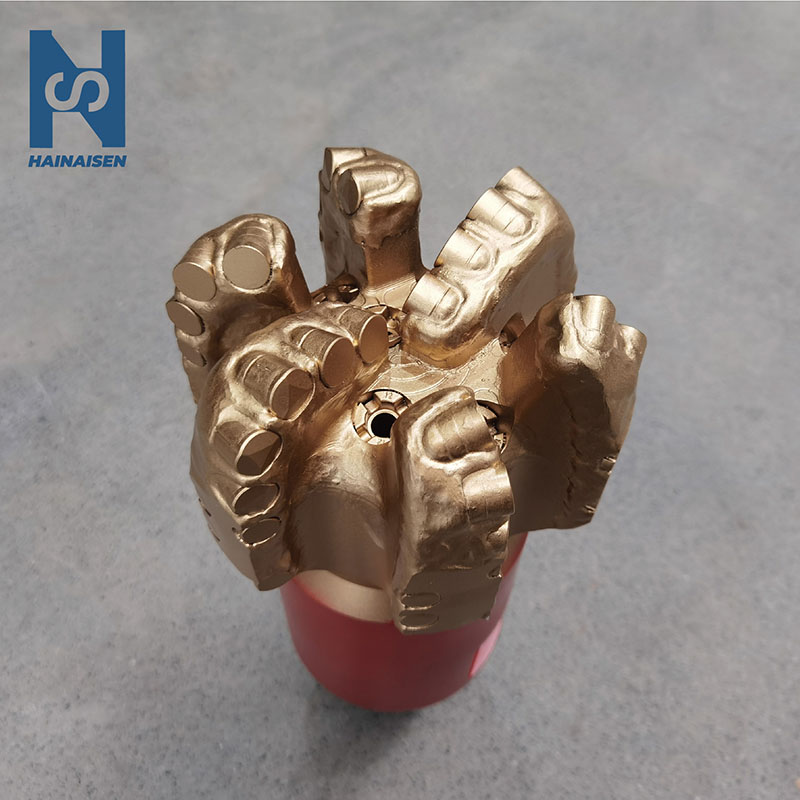 VIEW MORE6 Wings PDC Drill Bit