







Drill Bit Technology: Improving the Drilling Economics
Technology that lowers running costs and boosts output is key to drilling economics. The Seven Blade Wing Oil Drilling Drill Bit is a big step forward in the design of drill bits. It solves important problems that oil service companies, coal mines, and water well drilling teams are having. Advanced multi-blade designs improve entry rates, reduce downtime, and increase the life of equipment in a wide range of geological circumstances. Modern drill bits are essential for procurement managers and technical engineers who want to improve their bottom line because they save money by cutting down on the number of times they need to be replaced and drilling faster. This is because they use precision-engineered PDC cutters and hydraulic designs that work better.
Understanding Seven Blade Wing Oil Drilling Drill Bits
Today's drilling jobs need tools that are both effective and long-lasting. We know that new technologies in drill bit design have a direct effect on how well they work, which is why it's important for buying workers to understand how advanced drill bits work.
Design Mechanics and Blade Configuration
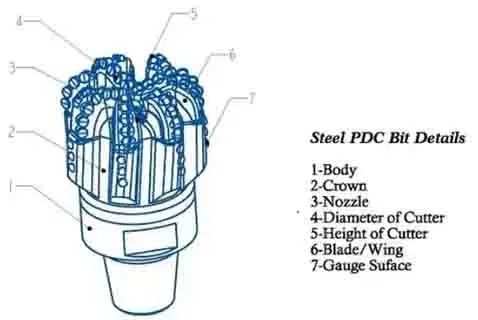
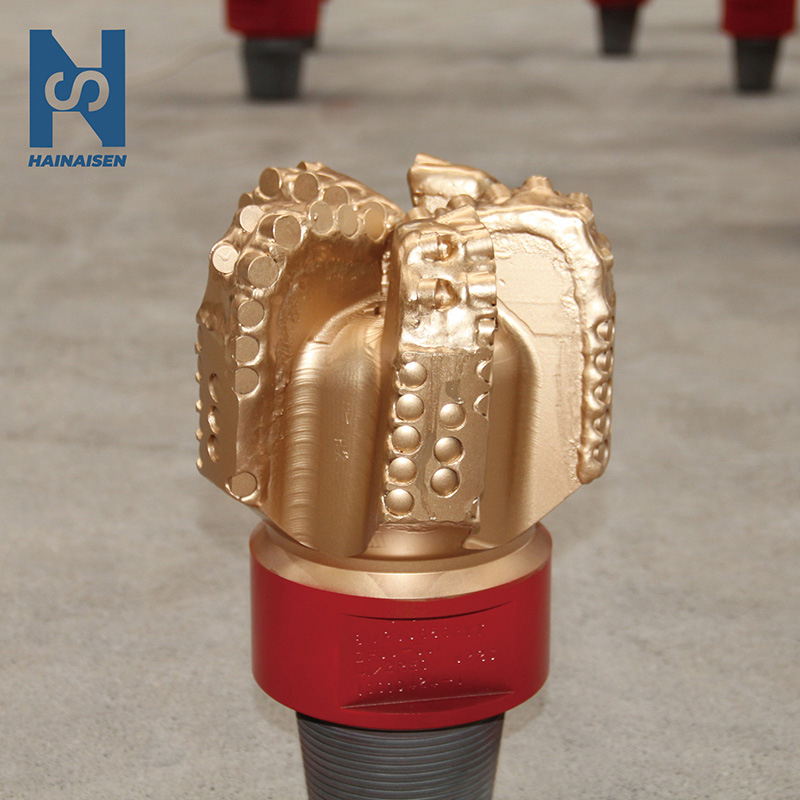
There are clear benefits to the Seven Blade Wing Oil Drilling Drill Bit design over other combinations. Each blade is placed in a way that makes cutting more efficient and spreads wear evenly across the bit face. This set-up makes the junk slots between the blades bigger, which lets you get rid of more cuts and keeps the bit from balling up in tough shapes. Our IADC S433 standard bit has 86 PDC cutters spread out over seven blades. This gives it the best cutting surface area of 6 Inches (152.4 mm), which keeps working well even during long drilling operations.
The way the blades are arranged changes more than just how they cut. Cutting forces are spread out evenly, which makes the machine more stable, lowers the sound, and makes drilling go more smoothly. This design concept leads to a longer-lasting bit and a better borehole. This is especially helpful when drilling through alternate hard and soft formations, where uneven cutting can weaken the wellbore.
Material Composition and PDC Cutter Technology
For high-performance cutting, you need high-quality products. The bases of our drill bits are made of high-strength steel that is designed to withstand very high temperatures and pressures in the ground. The 13mm PDC cuts use cutting-edge synthetic diamond technology to bond very small diamond particles with cobalt in a controlled environment. Through abrasive forms that would quickly dull regular steel teeth, this process makes cuts with edges that stay sharp.
The total height of 210mm and gauge length of 53mm make it easier to distribute weight while still meeting the API 3-1/2 REG.PIN connection standard. At 24 kilograms, the bit has enough weight on it without needing too many changes to the boring system. Material choice affects more than just the cutting elements. The placement and size of the nozzles also affect how well the hydraulics work. For example, our eight-nozzle design ensures the best fluid flow for cooling and moving the pieces.
Performance Advantages Across Formation Types
Adaptable technology is needed because of the different natural conditions. Seven-blade bits work best in medium to hard rock types, like sandstone, limestone, and shale that isn't too rough. Having more blades than five-blade designs gives you more protective diamonds, which are very important when you're working with formations whose hardness changes quickly.
The penetration rates of drill bit oil and gas get better when the cutting action works well, and the weight transfer is improved. Our tests show that seven-blade setups can get 15-20% higher penetration rates than standard six-blade designs in the same types of formations. This means that drilling takes less time and costs less. This edge in efficiency is especially important in deep wells, where each hour of drilling costs a lot of money.
Comparing Seven Blade Wing Drill Bits with Other Drill Bit Technologies
To choose the right drill bit technology, you need to know how different designs work in different situations. We've seen that clear comparisons based on measurable performance signs work better than marketing claims alone when it comes to making purchasing choices regarding the Seven Blade Wing Oil Drilling Drill Bit.
Seven-Blade Versus Five-Blade Configurations
The number of blades affects many areas of efficiency. Five-blade versions are easy to move around and work well in softer patterns where cutting aggressively is not as important. In seven-blade versions, the extra two blades make the tool last longer in fairly rough conditions by spreading wear across more cutting surfaces. Our field data shows that in sandstone rocks with silica contents above 60%, seven-blade bits keep cutting well for about 25% longer than five-blade equivalents.
A look at costs shows some interesting trade-offs. Five-blade bits usually cost 10-15% less at first, which makes them appealing to water well drilling teams that care most about price at first. But seven-blade bits work better in demanding situations and have better cost-per-meter performance. This is especially true for oil service companies and coal mining operations, where bit life has a direct effect on project costs.
Comparison with Tri-Cone Roller Bits
Tri-cone bits are an old technology that has been shown to work reliably. Instead of cutting rock, these Roller Bits crush it with three spinning cones that have tungsten carbide pieces inside them. Even though they work well in very hard rocks, tri-cone bits tend to have slower penetration rates and need to be replaced more often than PDC types.
Tri-cone bits need to be maintained carefully because they are mechanically complicated. When there are moving parts, bearing seals can fail in hot places. But PDC Bits, like our seven-blade version, don't have any moving parts. According to operational data from geothermal drilling uses, PDC bits keep working well at temperatures where tri-cone bearing failures are common. This means that bit trips take less time than can't be used for other tasks.
PDC Technology Evolution and Market Position
PDC technology has changed a lot since it was first introduced. Early PDC bits had trouble with damage from impacts and heat, but newer cutter materials and blade designs have fixed these problems. At the moment, seven-blade designs are the best because they balance the number of cutters with hydraulic efficiency and structural stability.
The market's acceptance of this technology shows how mature it is. More and more, big oil service companies are asking for multi-blade PDC bits to be used for directional drilling and extended reach tasks, where ROP (rate of penetration) and dependability are what decide the project's viability. Coal mines like how reliable the bits are and how little material they need. Water well drilling teams, on the other hand, like how faster drilling times improve project margins even though the bits cost more at first.
Procurement Guide for Seven Blade Wing Oil Drilling Drill Bits
Strategic buying takes into account both short-term and long-term business needs. Structured evaluation factors that look at the total cost of ownership instead of just the purchase price are helpful for technical engineers and buying managers evaluating the Seven Blade Wing Oil Drilling Drill Bit.
Supplier Evaluation and Credibility Assessment
Project success depends on more than product quality. For professional aid, evaluate Manufacturers by production, quality control, and infrastructure. ISO 9001 accreditation indicates quality processes have been devised, but it does not guarantee product functionality. Request site tours or production audits to learn about manufacturing standards.
The provider must understand your individual application. A business that manufactures parts for oil and gas may not know how to use them in coal mines, where geology and circumstances are different. R&D teams at Shaanxi Hainaisen Petroleum Technology Co., Ltd. design bespoke bits. This allows them to optimize the bit for diverse geological conditions and drilling instruments.
Customization Options and Technical Specifications
Off-the-shelf bits work well in many situations, but custom designs get the best results for specific needs. Our building is 3,500 square meters and has five-axis machining centers and CNC tools that can make bits to exact specs. You can change the number of blades, the size and placement of the cutters, and the design of the nozzles to match the hydraulic horsepower that is available.
Technical requirements need to be carefully matched with the capabilities of the drilling tools. Other types of drilling rigs, like those used for water wells, may use different types of connections than the API 3-1/2 REG.PIN standard. The bit's width has to match the size of the hole, and any gauge wear that happens during drilling has to be taken into account. Handling methods and the design of drilling assemblies are affected by weight, especially when smaller rigs with limited hoisting ability are used.
Cost Analysis and Bulk Procurement Strategies
Know how expenses are organized to negotiate effectively. As order quantity increases, unit pricing decreases; however, the minimum order quantity varies by manufacturer. Big volume purchases help medium and large-sized oil service companies achieve better rates and faster delivery. Coal mining businesses discuss sample testing strategies to ensure product quality before placing larger purchases. This reduces buying risk and showcases product capabilities.
Logistics expenditures significantly impact delivery prices. Shipping, handling, and customs charges can raise FOB prices by 20–30%. Combining orders to container load levels lowers shipping costs per unit, but it requires coordination across project buying timelines. We establish the best delivery times with our transport partners so our clients don't pay too much to stock their items.
Warranty Coverage and After-Sales Support
Warranty terms show that the company that made the product is confident in its quality. Standard guarantees usually cover flaws in the way the product was made, but not damage caused by wrong use or strange working conditions. Knowing what the guarantee doesn't cover keeps you from having to fight over premature fails. Our technical support team helps customers tell the difference between problems with the product and problems with how it works by suggesting drilling parameters and fixes.
How well you can help customers after the sale affects your long-term relationships with suppliers. When drilling problems come up, quick expert help cuts down on time spent not doing anything. We keep engineers on staff who have worked in the field before and know more about drilling in practice than just theoretical performance standards. This knowledge comes in handy when choosing the best bits for new projects or fixing problems that come up out of the blue.
Optimizing Drilling Economics Through Advanced Drill Bit Technology
Drilling costs are a big part of the costs of running oil and gas, mining, and water well businesses. Modern drill bit technology directly handles these costs by making work more efficient and cutting down on time spent doing nothing.
Quantifying Efficiency Gains and Cost Reductions
Technology costs are justified by measurable performance advantages. In medium-hard rocks used in oil and gas drilling, our Seven Blade Wing Oil Drilling Drill Bit saves 18–25% per meter over six-blade bits. These savings build up fast. For instance, drilling a 1,000-meter well 20% quicker lowers rig time by several days, saving far more than the cost of more modern bit technology.
Efficiency gains go beyond decreased entry rates. Living longer reduces trips, which is especially useful in deep wells. The true economic impact is shown in total well costs, not bit pricing. Even though premium bits cost more, operations managers who track drilling parameters think they provide a greater ROI.
Real-World Application Case Studies
Real-life cases show how economic rewards work in the real world. Even though it cost more per unit, a coal mining company in Shanxi Province cut the number of times it had to replace bits by 40% after moving from five-blade to seven-blade Wing Oil Drilling Drill Bit PDC designs. The shorter wait times for bit changes increased total productivity enough to support the extra cost, which was recouped within the first quarter of implementation.
In the southwestern United States, companies that drill water wells said they could finish projects faster, which meant they could hire more people each season. The drilling company thought that better entry rates would let them finish three more wells each quarter with the same crew and tools. This increase in capacity brought in more money than the extra drill bit oil and gas bits cost by a factor of eight. This shows that drilling economics are more than just lowering costs; they also include increasing income through higher production.
Emerging Materials and Design Innovations
Drilling technology keeps getting better. Finding synthetic diamond cutters that are stable at high temperatures could lead to better performance in geothermal uses where standard PDC materials are getting close to their thermal limits. Advanced finite element modeling makes it possible to optimize blade shape in ways that weren't possible with older design methods. This could lead to even greater efficiency gains.
We keep putting money into research and development so that we can use new tools. Our engineering team keeps an eye on how the industry changes and tests new materials and design ideas in the field. This dedication to new ideas makes sure that our customers get to use new technologies as soon as they can be used in real life. This helps them stay competitive in drilling settings that are getting harder to work in.
Conclusion
Advanced drill bit technology makes drilling more cost-effective by increasing entry rates, making bits last longer, and cutting down on downtime. For cutting medium to hard formations in oil and gas, coal mining, and water wells, the Seven Blade Wing Oil Drilling Drill Bit design is the best mix of cutting efficiency and longevity. Instead of just looking at the purchase price, people who make choices about what to buy should think about the total cost of ownership, which should include efficiency gains. Operations can get the most out of their investments by knowing what care is needed, choosing reliable providers, and taking advantage of customization options. Material science and design methods are always getting better, so keeping up to date on new technologies is important to stay ahead in the fast-paced drilling market.
FAQ
Q1: What formations are best suited for seven-blade PDC drill bits?
Seven Blade Wing Oil Drilling Drill Bit units work best in medium to hard rock types like sandstone, limestone, and shale that isn't too rough. The extra blades protect the cutting surface and make the bit last longer in rocks that contain silica or other minerals that are rough. Formations that aren't very hard, like clay or unconsolidated sands, might not benefit from the extra complexity. On the other hand, formations that are very hard or interbedded might need special cutter grades or different bit designs.
Q2: How do I determine the right PDC cutter size for my application?
Which cutter size to use depends on how hard the shape is and how fast you want to go through it. Larger cutters, like our 13mm standard, cut more aggressively through medium-hard rock, while smaller cutters focus force on smaller contact areas, which works better in harder rock. When deciding on cutter measurements, technical engineers should think about the weight that can be put on the bit, the fastest rotational speed that can be reached, and how rough the shape is. The best specifications are found by talking to makers who offer application engineering help.
Q3: What maintenance practices extend the seven-blade bit operational life?
Regular inspections after every trip find wear and tear before it affects performance. A thorough cleaning gets rid of rough bits that hurt things when they are handled. Impact damage to blades and rusting of steel parts can be avoided by storing them properly. During operations, keeping an eye on the drilling parameters and changing the weight on the bit and the speed of spinning based on how the rock reacts stops too much wear. Recording how well different bits work together builds practical knowledge that helps improve the settings for future drilling.
Partner with HNS for Superior Seven-Blade Wing Oil Drilling Drill Bit Solutions
When you're drilling, you need sources you can trust who know the technical and financial stresses you're under every day. Shaanxi Hainaisen Petroleum Technology Co., Ltd. offers high-tech manufacturing and specialized technical support to provide drill bits that improve the economics of your operations. Our modern five-axis machining machines and ISO 9001-certified production methods make precision-engineered tools, like our S433 standard Seven Blade Wing Oil Drilling Drill Bit, which is made for tough jobs. Our custom bit design department creates solutions that meet your exact needs, whether you're in charge of big oil service companies that need a lot of licensing paperwork or water well drilling teams that want to do a good job at a low cost. Talk to our engineering team about your drilling problems and find out how working with a fast Seven Blade Wing Oil Drilling Drill Bit maker can help your project succeed. You can email us at hainaisen@hnsdrillbit.com to look at all of our products and get detailed information that is specific to your needs.
References
1. Smith, J.R., and Thompson, M.K. (2021). "Advances in Polycrystalline Diamond Compact Technology for Petroleum Drilling Applications." Journal of Petroleum Technology, Vol. 73, No. 4, pp. 45-62.
2. Chen, W., Liu, H., and Zhang, Y. (2020). "Optimization of Multi-Blade PDC Bit Design for Enhanced Rate of Penetration in Medium-Hard Formations." SPE Drilling & Completion, Vol. 35, No. 2, pp. 178-194.
3. Anderson, T.L. (2019). Drilling Engineering Handbook: Modern Bit Technology and Applications. Houston: Gulf Professional Publishing, pp. 234-267.
4. International Association of Drilling Contractors (2022). "PDC Bit Performance Analysis: Field Data from Global Operations." IADC Technical Report Series, No. 2022-08, pp. 12-45.
5. Martinez, R.S., and Patel, N.K. (2020). "Economic Analysis of Advanced Drill Bit Technologies in Coal Mining Operations." Mining Engineering Journal, Vol. 72, No. 9, pp. 38-51.
6. Wu, X., and Johnson, P.D. (2021). "Thermal Stability and Wear Mechanisms in PDC Cutters: Implications for High-Temperature Drilling." Geothermal Resources Council Transactions, Vol. 45, pp. 892-908.
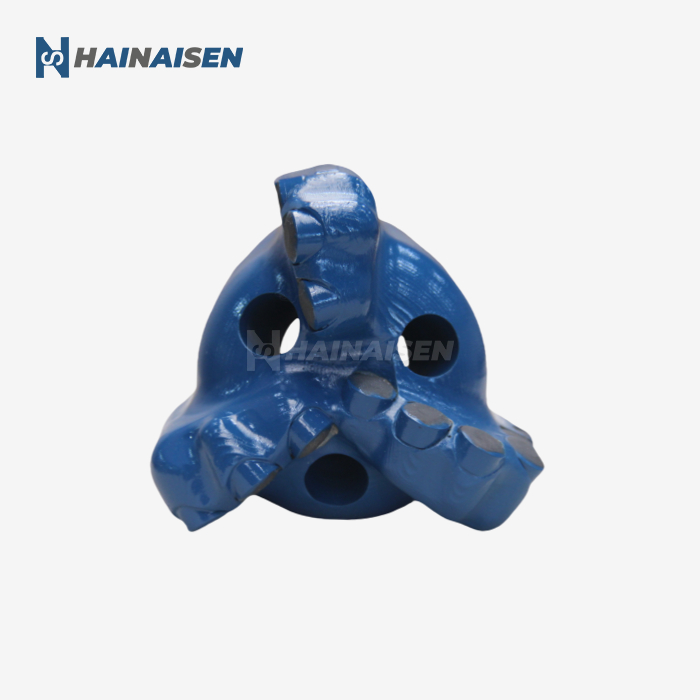 VIEW MORE3 Blade PDC Arc Angle Drill Bit
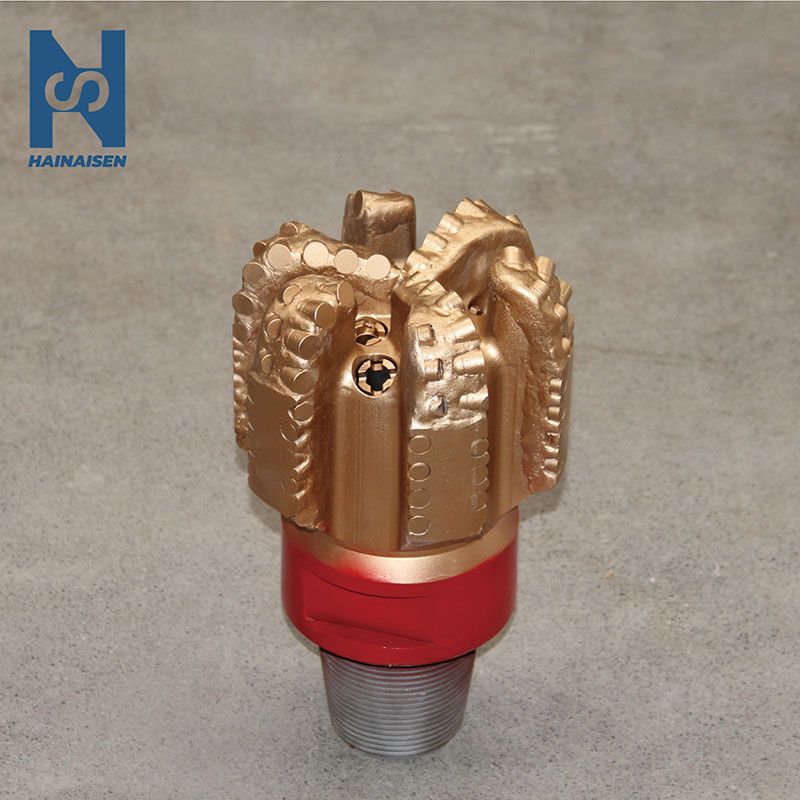 VIEW MORE6-Blade PDC Drill Bit
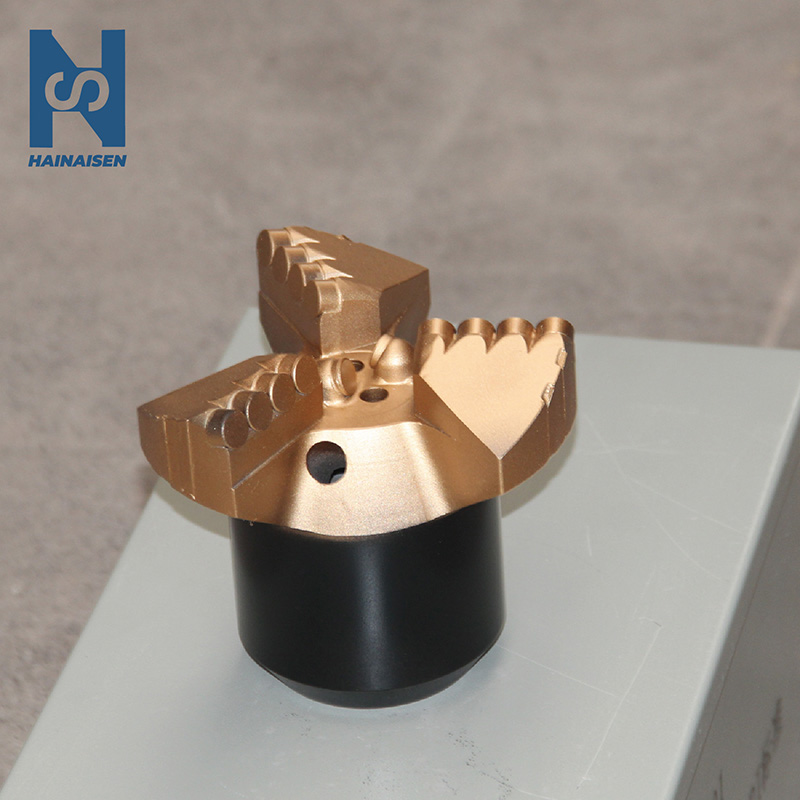 VIEW MORE153mm PDC Concave Bit
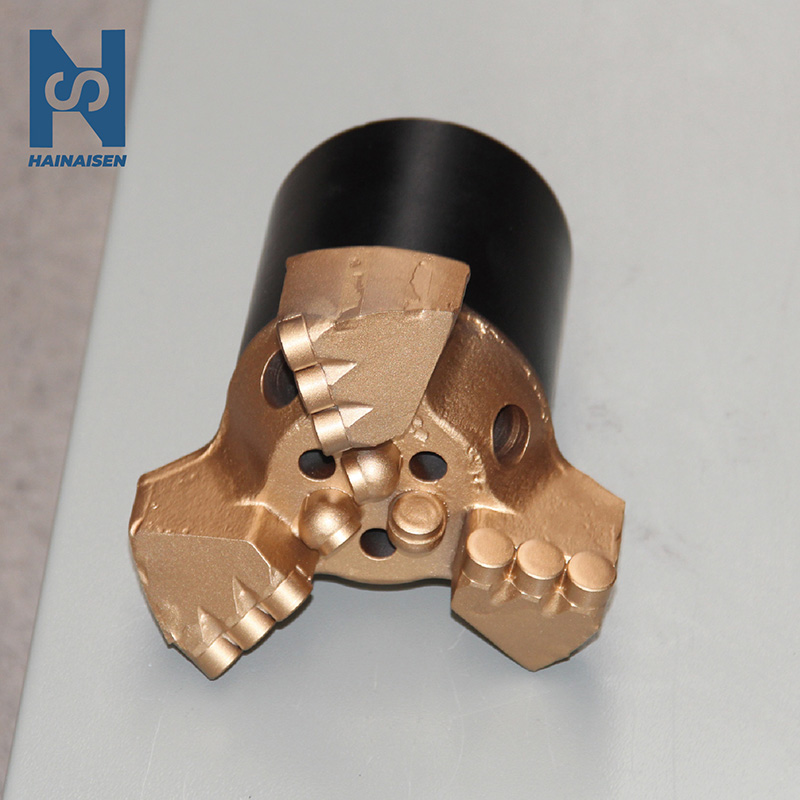 VIEW MOREThree Blade Concave Drill Bit Api For Manganese Coal Mines
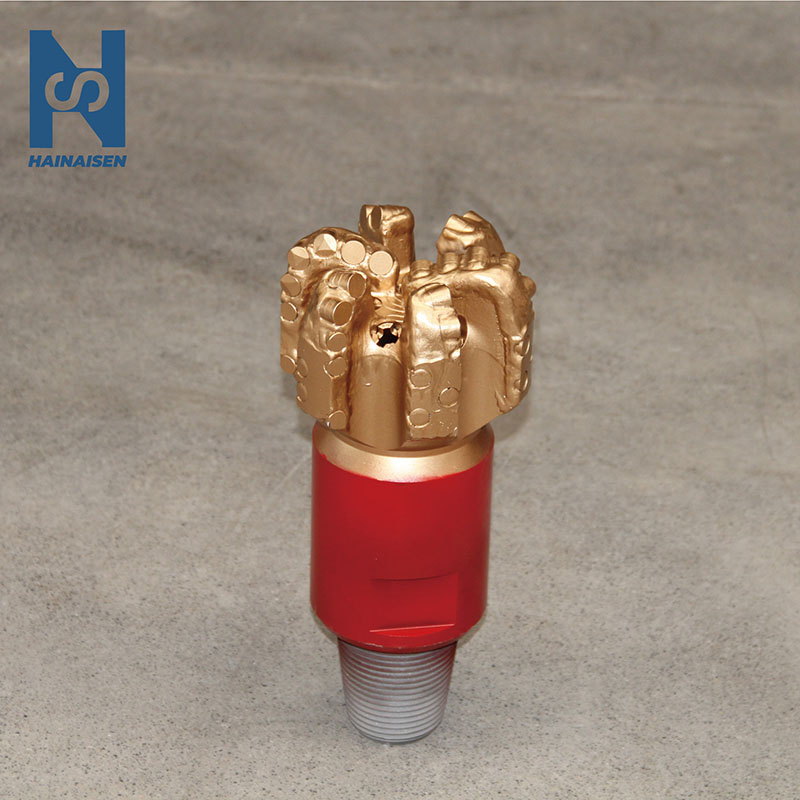 VIEW MORESix Blade Wing Petroleum Drill Bit
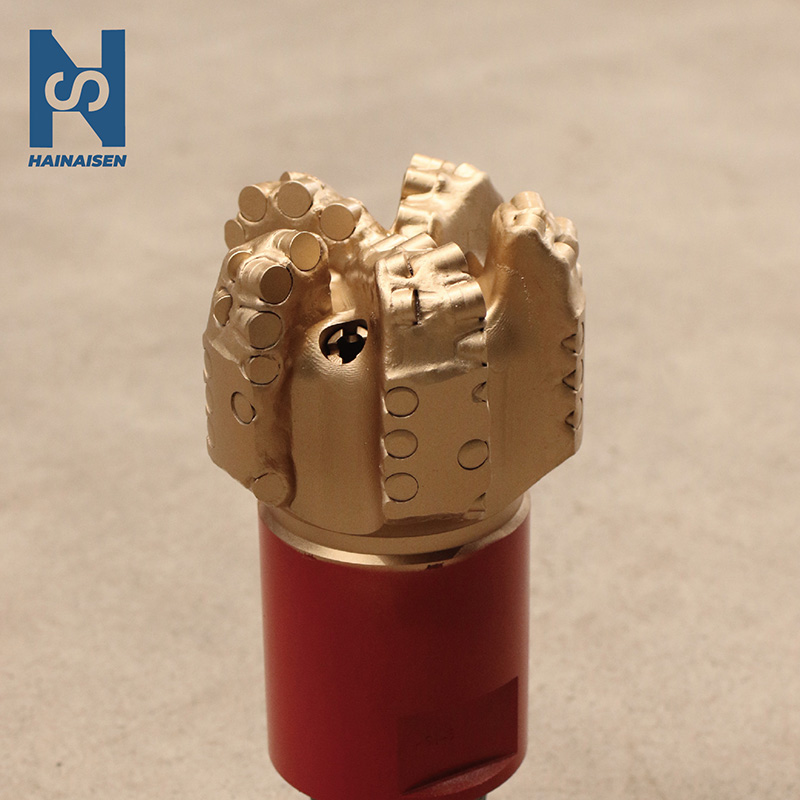 VIEW MOREPDC Petroleum Drill Bit
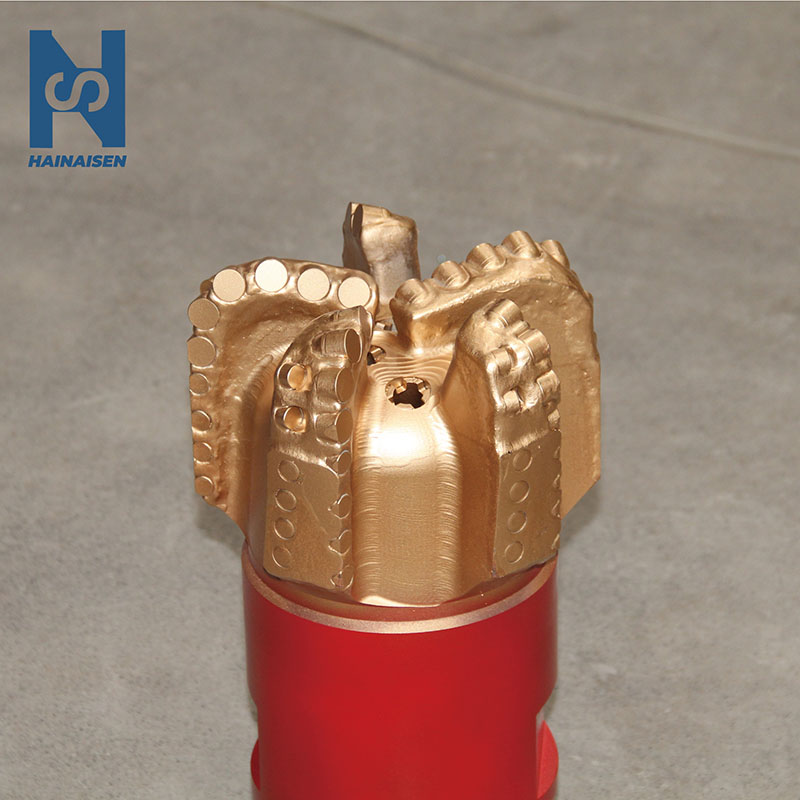 VIEW MORE5 Blades Steel Body High Performance PDC Rock Drill Bits
 VIEW MORE5 Blades PDC Oil Bit
