




Three-Blade PDC Tricone Drill Bit for Soft and Medium Rock
The Three-Blade PDC Tricone Drill Bit is a reliable choice for drilling in soft to medium rock types because it strikes a good mix between cutting speed and tool life. This special drill bit has three blades and polycrystalline diamond compact (PDC) cuts built into them. It works very well in a wide range of geological conditions, from coal seams to sandstone layers. This guide will help procurement managers and technical engineers find the most cost-effective drilling tools by showing them how the right bit choice affects bit entry rates, equipment wear, and project budgets as a whole.
Understanding the Three-Blade PDC Tricone Drill Bit
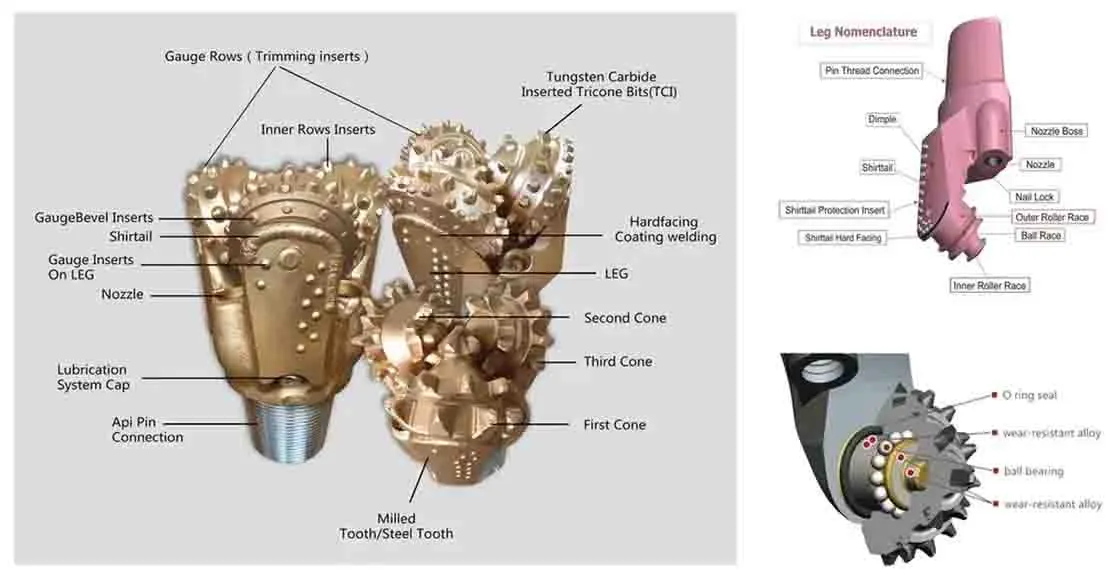
Core Components and Structure
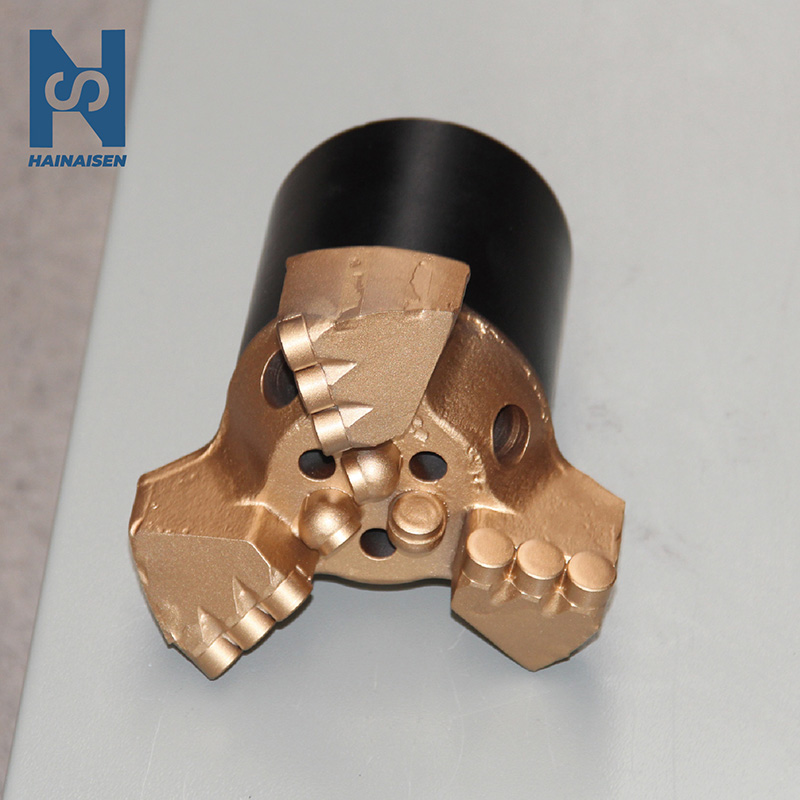
The strong design of the Three-Blade PDC Tricone Drill Bit is based on three main cutting elements that stretch from a central hub. Each blade has several PDC cutters, which are made up of synthetic diamond disks attached to tungsten carbide substrates. These are harder and more resistant to wear than regular steel teeth. Our IADC S433 model has a diameter of 6 Inches (152.4 mm) and 61 13mm PDC cutters that are placed in optimal locations to cover a large cutting area across its 220mm height.
The bit body is made of high-strength steel alloys, which can handle the high spinning forces and axial pressure that come up during drilling. Three carefully designed nozzles help the drilling fluid flow perfectly, clearing the bit face of rock chips and keeping the PDC cuts cool. The 3-1/2 REG. PIN API connection makes sure that normal drill strings work, which makes it easier to add to the current fleets of equipment.
Operational Mechanics in Soft and Medium Rock
The shearing action of PDC Drill Bits is different from the breaking action of standard roller cone bits. Each PDC cutter scrapes across the rock surface as the bit turns, making long chips instead of broken pieces. For example, shale, limestone, sandstone, and coal beds all have compressive forces below 150 MPa, so this cutting method works very well with them.
The three-blade design has clear benefits for clearing away waste. Different designs with gaps between the blades make it easier for rock chips to run up than designs with four or more blades. Cuttings can't be re-ground under the bit because of this better clearance. This would speed up cutter wear and lower penetration rates. The 65mm gauge length keeps the width of the borehole stable, which stops undergauge holes that make installing the lining harder.
Spreading the weight across three blades makes sure that each cutter is evenly loaded, which stops the uneven wear patterns that shorten the life of bits. This balance keeps the bit's entry rates steady over its service life when working in medium-density rocks like dolomite or medium-hard sandstone. This cuts down on the number of expensive bit trips.
Benefits and Performance of Three-Blade PDC Tricone Drill Bits in Soft and Medium Rock
Superior Penetration Rates Across Target Formations
When drilling in sedimentary basins, drilling teams always say that Three-Blade PDC Tricone Drill Bits have 30–50% better penetration rates than standard milled-tooth tricone designs. When digging for coal bed methane, the formations change between coal seams and shale that is mixed in. PDC cuts keep moving forward steadily because they don't have the irregular impact forces that slow down roller cone bits.
The bit's ability to keep the shaft stable while drilling quickly makes it especially useful for digging water wells in unconsolidated sandstone formations. Our IADC S433 model's 22 kg weight is just right for cutting without needing too much weight on the bit, which could cause lighter forms to break apart. For geothermal well projects that aim for moderate-temperature pools in volcanic ash or weathered granite, longer bit runs that cut down on idle time make drilling more cost-effective.
Durability and Wear Resistance in Abrasive Environments
PDC cuts are very resistant to wear in rough, soft rock that has silica or quartz bits in it. When mining companies drill through coal layers with sandstone stringers that come and go, the bits last a lot longer than steel-tooth options. The synthetic diamond layer on each cutter keeps its cutting edge after thousands of turns, but steel teeth get dull in the same conditions in just hours.
We use advanced metallurgical methods to connect PDC cutters to a quality steel body during the production process. This keeps the cutters from coming loose during use. Quality control methods check the accuracy of each cutter's attachment. This addresses worries from medium and large-sized oil service companies that need a written quality guarantee. The design of the matrix body makes it thermally stable, letting the heat that is generated during high-RPM drilling, which is common in oil and gas research, escape.
Cost-Effectiveness Through Extended Service Life
When purchasing managers look at the total cost of ownership, they find that Three-Blade PDC Tricone Drill Bits save a lot of money, even though they cost more to buy at first. A coal mining business that was drilling exploration holes said that moving to PDC Bits cut their cost-per-foot by 40% because they didn't have to change bits as often, which meant that the rig was down for less time. In underground mining, the whole drill string has to be pulled out for each bit change. This can take anywhere from two to four hours, based on how deep the hole is.
Teams that drill water wells with various rigs, like longer bit life, cut down on inventory needs and make operations easier. Teams take fewer PDC bits to remote drilling sites instead of dozens of new bits. This saves money on transportation and storage space on-site. Because PDC cutters have known wear patterns, it's easier to plan when to change bits, which keeps processes from being stopped by sudden failures.
How to Choose the Right Three-Blade PDC Tricone Drill Bit for Your Project
Matching Bit Specifications to Formation Characteristics
Formation fit is the most important choosing factor for successful digging. The IADC S433 rating means that it can be used for soft to medium formations, especially those with compressive forces between 20 and 100 MPa. Geological studies that tell you about the hardness, abrasiveness, and layers of your target rocks help you choose the right bits.
When drilling through mostly soft layers like clay-rich shale or weakly consolidated sandstone, aggressive cutter shapes help get the rock through faster. In operations where there are sometimes harder stringers in softer matrices, bits need to have additional gauge protection to keep the edge of the bit from wearing out too quickly. Our 6-inch model's 61-cutter layout gives it even coverage for mixed-lithology drilling, which is popular in geological exploration projects.
Technical experts should compare the expected drilling parameters to the design specs of the bit. Three-Blade PDC Tricone Drill Bits work best with rotational speeds between 60 and 120 RPM in soft to medium rock. The weight that needs to be on the bit is usually between 2,000 and 8,000 pounds, but this depends on the strength of the rock formation. The three tip ports can handle hydraulic programs that send 50 to 200 gallons of drilling fluid per minute, which is necessary to get rid of the cuttings effectively.
Evaluating Supplier Credentials and Product Quality
When medium and big oil service companies do audits of their suppliers, they should check the suppliers' manufacturing skills, quality Certifications, and technical support infrastructure. Manufacturers that have modern machine centers with CNC equipment and research teams that work only on research can consistently make high-quality products and make custom solutions for unique uses.
Shaanxi Hainaisen Petroleum Technology Co., Ltd. has a production plant that is 3,500 square meters and has 5-axis machining centers and automated welding lines. These machines make sure that important bit components are made precisely. Our focused research and development team works with clients to create unique cutter plans and blade shapes that solve specific drilling problems. This feature is useful for coal mining companies that need to make small changes to standard designs to fit their specific natural conditions.
Different types of customers have very different price concerns. Teams that drill water wells and put cost first find price models that are competitive and meet the quality standards they need for their jobs. Volume pricing on large orders is good for coal mining companies that want to save money without losing performance during sample testing. Companies that work with oil and want to be reliable over the long term can get access to high-end product lines that come with detailed technical paperwork and longer guarantees.
Customization and Bulk Purchasing Advantages
Through bulk procurement deals, drilling companies that are in charge of multiple projects at the same time can save a lot of money. When you order 50 to 100 units, economies of scale lower the cost per unit by 15 to 25 percent compared to buying in small amounts. Volume agreements also let makers set aside production capacity, which makes sure that deliveries happen on time and avoids equipment shortages during busy drilling seasons.
Customization choices let you meet special operational needs that may not be met by regular catalog goods. Changes to the size of the nozzles improve hydraulic efficiency for the pump capacities that are accessible. Different API connections can be used to work with drill string setups that aren't common. Particular types of tool grades work better in rock layers that aren't normally very rough or hard. Getting makers involved early in the planning stages of a project gives them enough time to make and try custom bits.
Trusted Suppliers and Where to Buy Three-Blade PDC Tricone Drill Bits
Identifying Reputable Manufacturers
Buying drilling tools from well-known companies makes sure that the product is real and of high quality. Companies that have been in business for ten years or more are stable and have a lot of experience designing and making bits. Shaanxi Hainaisen Petroleum Technology Co., Ltd. was established in 2013 in Xi'an. Its main business is researching, developing, and making diamond drill bits for use in coal mining, oil and gas exploration, and geology exploration in North America and around the world.
Verification of a supplier's ability to make things gives customers faith in their reliability. Facilities with high-tech cutting tools, like 5-axis CNC centers and automatic production lines, make precise parts with tight tolerances that are needed for balanced bit performance. Manufacturers with dedicated engineering teams can help you choose the right product by giving you expert advice and can also make special solutions to solve specific drilling problems.
The quality paperwork needs of each type of customer are different. Large oil service companies usually need ISO licenses, records that show where materials came from, and reports on how they were measured. Coal mining companies may be willing to deal with less paperwork, but they still need providers to have strict quality control procedures in place. Clear conversation about quality standards builds trust and makes it easier to keep doing business with someone for a long time.
Streamlined Procurement Process
Depending on the number of purchases of a Three-Blade PDC Tricone Drill Bit and how quickly they need to be made, both B2B purchasing sites and direct manufacturer involvement can be helpful. Online industrial markets let you quickly compare what different sellers have to offer, which is good for smaller water well drilling teams that want to buy things when they can. Companies that need modification, expert help, or bulk price models can benefit from having direct relationships with manufacturers.
For bulk order logistics to work, production plans, quality checks, and foreign shipping must all be coordinated. Established sellers keep in touch with freight forwarders who know how to move oilfield equipment. This makes sure that the packing and paperwork are correct for customs clearance. Delivery times are usually between 4 and 8 weeks, but they can be longer or shorter based on the complexity of the order and the level of customization needed. For urgent projects, faster production is possible at an extra cost.
Conclusion
When choosing the right Three-Blade PDC Tricone Drill Bit for soft and medium rock uses, you have to balance technical performance needs with budget limits and supplier dependability issues. The three-blade design has been shown to improve entry rate, operating efficiency, and cost-effectiveness in a wide range of drilling situations, from looking for oil and gas to developing water wells. The best way to get the most out of your drilling equipment investment is to understand how the formation works, check out the skills of your suppliers, and follow the right repair procedures. When purchasing managers carefully look at both the product specs and the qualifications of the maker, they set their companies up for successful projects and long-term relationships with suppliers.
FAQ
Q1: How do I determine if a three-blade PDC bit suits my specific rock formation?
Geological studies are the first step in figuring out what kind of rock it is, how strong it is, and how rough it is. Three-blade PDC bits work best in rocks that don't have compression forces above 100 MPa, like shale, limestone, sandstone, coal, and igneous rocks that have been worn. Specialized PDC grades may be needed for rocks that are very rough and contain a lot of quartz. Talking to technical experts at companies like HNS who make formations can give you advice based on their years of experience with different uses.
Q2: What factors most significantly affect drilling speed with PDC bits?
The main factors that affect drilling speed are the weight on the bit, the rotational speed, the hydraulic horsepower, and the qualities of the rock. The best settings depend on the type of rock. Softer rocks need less weight and higher RPMs, while medium-hard rocks need more weight and slower spinning. Cutting removal is less effective when there isn't enough fluid movement, which slows penetration, no matter what the mechanical factors are. For parameter optimization to work correctly, changes need to be made over and over during the initial digging stages.
Q3: Can I customize bit specifications for specialized applications?
Manufacturers that offer custom design services can change common bits to fit specific needs. Customizations that are often done include different API connections, changed nozzle setups, special PDC cutter grades, and changed blade shapes. When compared to catalog goods, custom orders usually have lower minimum quantities and longer wait times. Including engineering teams early in the planning stages of a project makes sure that there is enough time for design, development, and production.
Partner with HNS for Your Three-Blade PDC Tricone Drill Bit Requirements
To solve your drilling problems, you should first talk to a Three-Blade PDC Tricone Drill Bit provider who knows what you need for your business. HNS has over ten years of experience making specialized products and uses cutting-edge production facilities to make drill bits that meet the strict requirements of oil service companies, coal mining operations, and geological research firms. Our 3,500-square-meter building has high-tech 5-axis machine centers and automatic welding systems that make sure the quality of every unit we make is the same.
Our expert team can help you with any question you have about your project, whether you need standard IADC S433 setups that can be used right away or custom-engineered solutions that deal with difficult geological conditions. Email hainaisen@hnsdrillbit.com to get a full catalog of products, technical details, or a quote for your particular project. Drilling companies that manage multiple rigs can save a lot of money by buying in bulk, and our responsive customer service team will make sure that your equipment comes when projects need it.
References
1. Bellin, F., & Doiron, H. H. (1990). "Polycrystalline Diamond Compact Bit Technology for Soft to Medium Rock Formations." Journal of Petroleum Technology, 42(6), 688-693.
2. Clayton, R., Chen, S., & Lefort, G. (2005). "PDC Bit Performance Optimization in Sedimentary Formations: Field Studies and Laboratory Analysis." SPE Drilling & Completion, 20(3), 214-221.
3. Glowka, D. A. (1989). "Development of a Method for Predicting the Performance and Wear of PDC Drill Bits." Sandia National Laboratories Technical Report, SAND89-0306.
4. Hareland, G., & Rampersad, P. R. (1994). "Drag Bit Model Including Wear." Latin American and Caribbean Petroleum Engineering Conference Proceedings, Society of Petroleum Engineers.
5. Mason, J. S., & Judzis, A. (1996). "Bit Balling Mechanisms and Solutions for PDC Bits in Soft to Medium Formations." IADC/SPE Drilling Conference Proceedings, Paper 35083.
6. Warren, T. M. (1987). "Penetration Rate Performance of Roller Cone Bits." SPE Drilling Engineering, 2(1), 9-18.
 VIEW MOREThree Blade Concave Drill Bit Api For Manganese Coal Mines
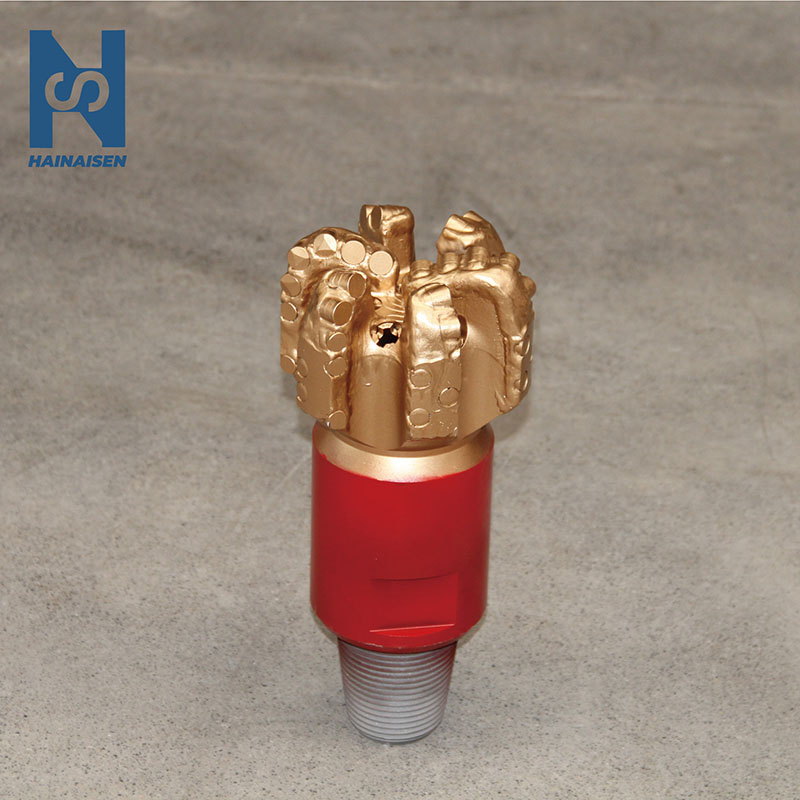 VIEW MORESix Blade Wing Petroleum Drill Bit
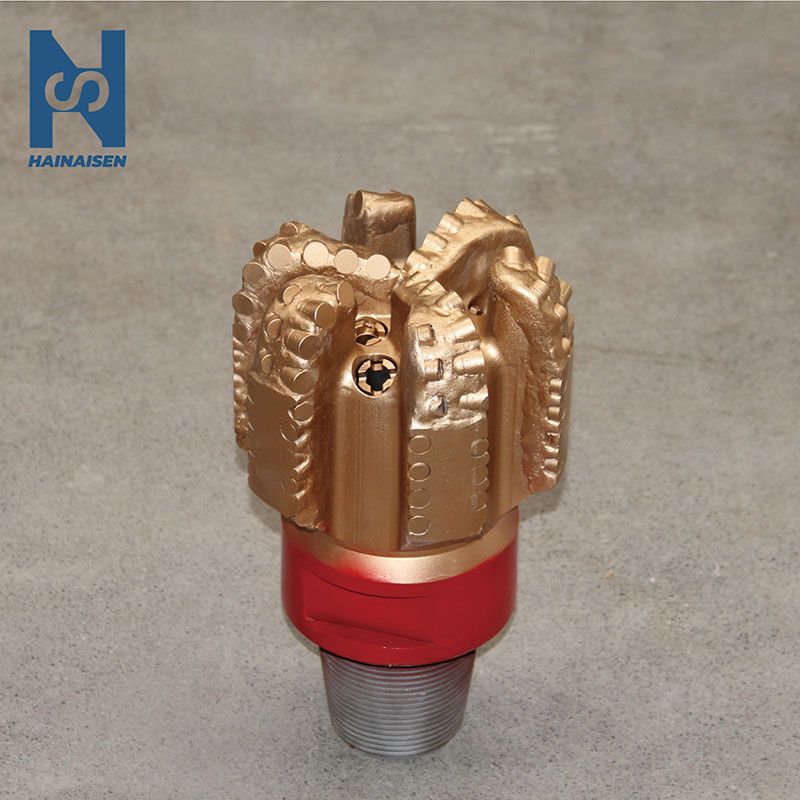 VIEW MORE6-Blade PDC Drill Bit
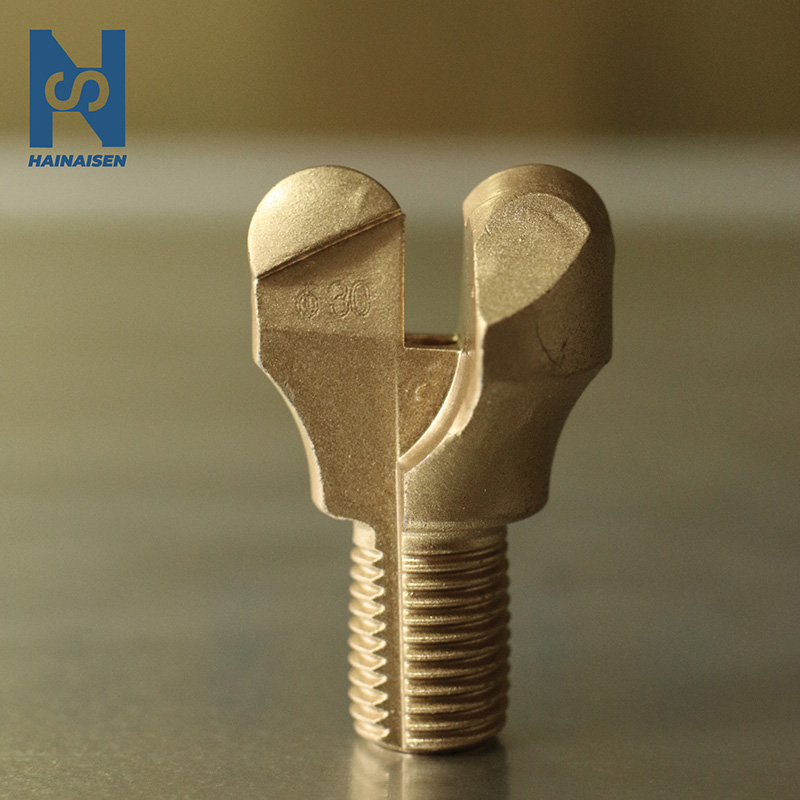 VIEW MORE34 And A Half Whole Coal Mine Mining Anchor Drill Bits
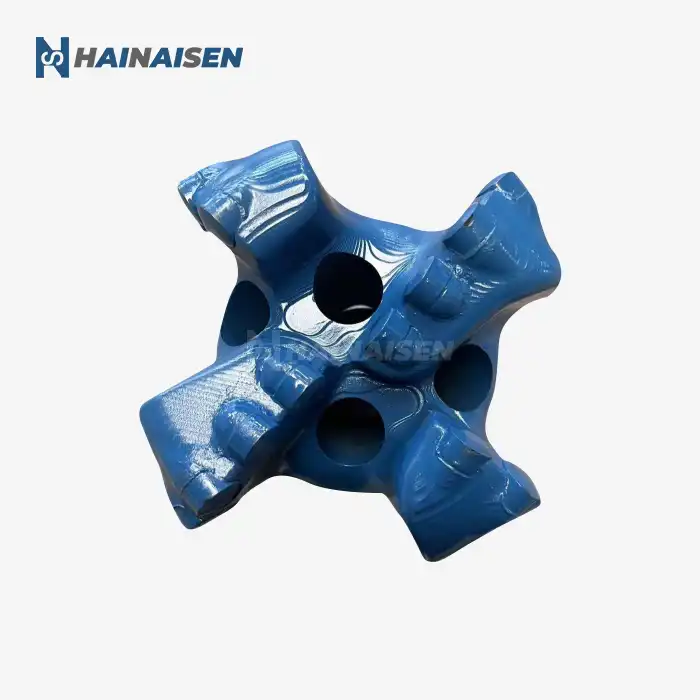 VIEW MOREFour Blade PDC Drill Bit
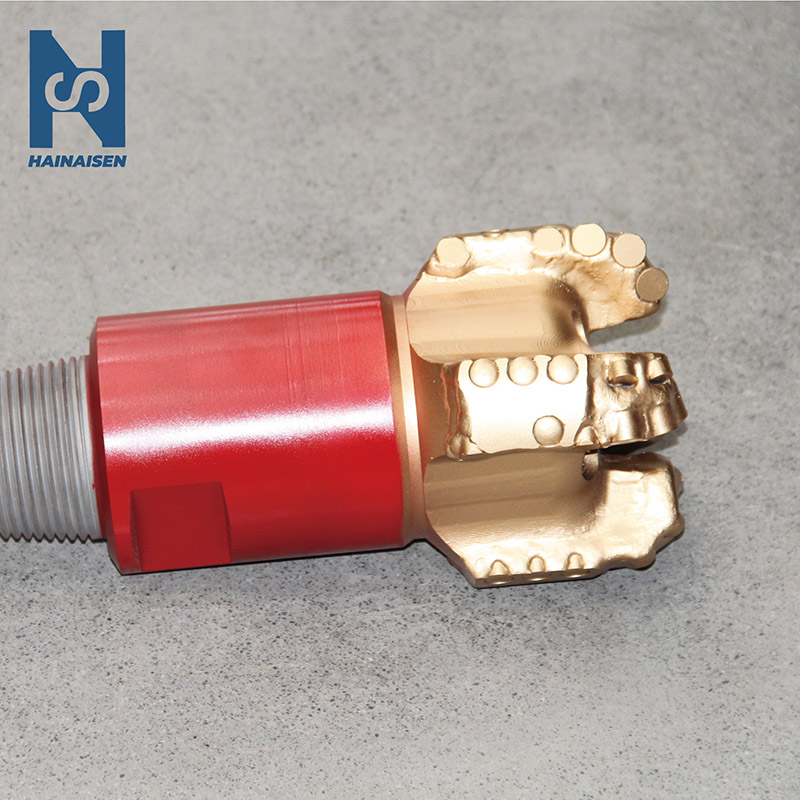 VIEW MOREPetroleum PDC Oil Drill Bit
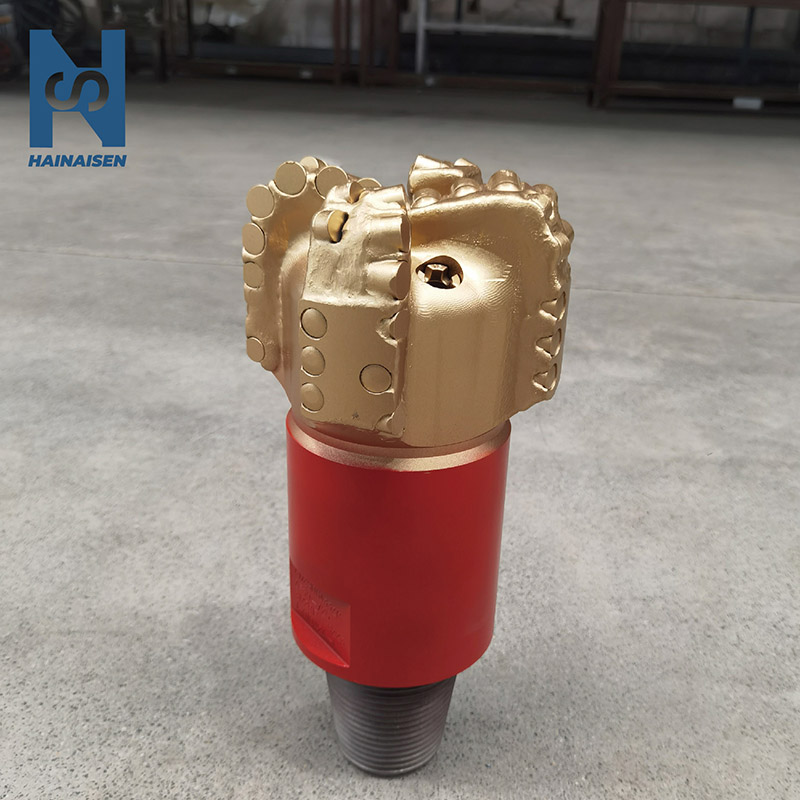 VIEW MOREPetroleum Drilling Equipment PDC
 VIEW MOREThree Blade Wing Arc Angle Drill Bit