







What are the maintenance requirements for roller cone bits?
When you take care of roller cone bits the right way, they last longer, work more reliably, and cost less to run in all drilling situations. To get the most out of a Hard Alloy Roller Drill Bit's service life in a variety of geological settings, you need to pay close attention to its bearing stability, insert state, and seal performance. Effective care plans include checking and cleaning tungsten carbide inserts on a regular basis, lubricating them properly, and replacing old ones when they get damaged. Proper repair not only makes bits last longer, but it also keeps drilling as efficiently as possible in mining, oil and gas research, and water well projects.
Understanding Hard Alloy Roller Cone Bits and Their Maintenance Needs
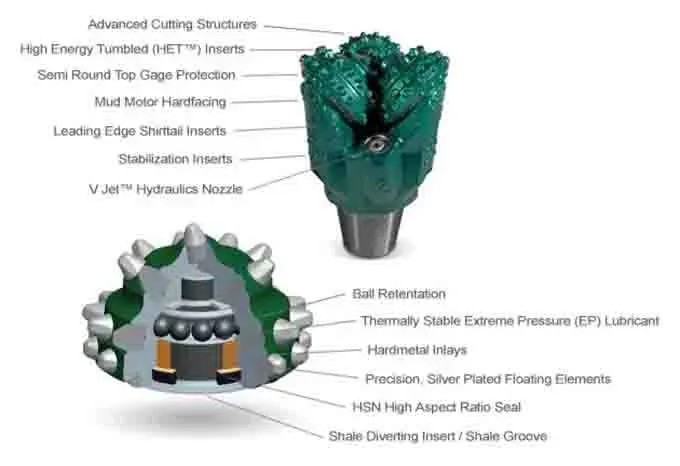
Learn about Hard Alloy Roller Drill Bits and how to keep them in good shape. These bits are a big step forward in drilling technology. They are made to work in tough underground conditions where regular steel bits don't work well. These special tools have tungsten carbide inserts that are pressed into spinning cones. This gives them great wear resistance and the ability to crush hard, abrasive rock forms.
Material Composition and Design Features
These bits are made with high-quality tungsten carbide inserts placed on three spinning cones in a planned way. Each cone works on its own, making a dynamic action that breaks rocks by combining devices for crushing, chipping, and cutting. High-strength steel bodies make structures last longer and are less likely to break when they are hit. New covering materials keep drilling fluid and gritty particles from getting into important bearing assemblies. Because of this advanced engineering, the bits can work well in all types of rock, from soft clays to very hard granite rocks, across layer levels 1 through 12.
Modern Roller Bits usually have interchangeable connection types, like 3-1/2 REG.PIN, so they can work with a range of drilling tools and work conditions. The 140 mm diameter design with three blades and three nozzles maximises hydraulic efficiency, making sure that the cuttings are removed effectively and heat is removed during operation. These bits are the perfect mix of sturdiness and ease of handling, weighing in at about 16 kg net.
Unique Maintenance Challenges
Hard Alloy Roller Drill Bits are harder to maintain than PDC Bits or simple milled-tooth designs because their mechanical systems are more complicated. The spinning cone sections depend on fine bearings that can still get worn out by environmental contaminants and the friction of the movement. During drilling rounds, changes in temperature cause thermal expansion and contraction, which could weaken the seal and let gritty slurry get into bearing surfaces.
Even though the tungsten carbide inserts are very hard, they can break or come loose if they are hit with too much force or the wrong weight-on-bit factors. By finding these problems early on through regular inspection, catastrophic failures during important drilling operations can be avoided. Knowing about these built-in weaknesses helps support teams come up with strategic plans that keep bits working well and keep them from retiring too soon.
Systematic Maintenance Practices for Hard Alloy Roller Cone Bits
When you set up an organised repair program, Hard Alloy Roller Drill Bit longevity goes from being a matter of chance to something that can be planned for and managed during drilling operations. Professional teams know that regular maintenance, like checking, cleaning, lubricating, and fixing things, leads to lower costs and faster project completion times.
Initial Inspection Protocols
At the start of every repair cycle, the bit's outside surfaces, cones, and cutting structures are carefully looked over. Technical experts look for damage that is easy to see, like cracked inserts, old bearings, or seals that have been broken. Microcracks and early signs of wear that might not be visible to the naked eye can be seen with a magnifying glass.
Ultrasonic screening and other advanced non-destructive testing methods give more information about the state of internal bearings and the strength of structures. These methods find flaws or worn-out materials below the surface before they cause problems with how things work. Recording the results of inspections creates a baseline of conditions that can be used for trend analysis, which predicts future repair needs and guides practical changes.
Cleaning and Preparation Procedures
Drilling mud, rock chips, and chemical leftovers that speed up rust and wear can be removed by cleaning properly. Solvents that are specially made to work with tungsten carbide and steel can get rid of tough layers without hurting alloys or seal compounds. High-pressure washing systems can get to places like cone joints and bearing surfaces that aren't easily accessible, making sure that all dirt is removed.
After cleaning, workers carefully look for signs of contamination in the bearing areas and seal surfaces. Even very small bits stuck in bearing systems speed up wear during later drilling operations. Using compressed air to dry things keeps them from holding on to water, which could cause rust to form or chemical reactions with drilling fluids.
Bearing Lubrication Standards
Lubricating the bearings is probably the most important repair job for roller cone bits. Because the bearing system allows the cone to rotate smoothly even under high loads and temperatures, it is very important to choose the right oil and use it correctly. Grease that can withstand high temperatures and has the right viscosity grade keeps protected layers between metal surfaces, which lowers friction and heat production.
When it comes to quantity and distribution patterns, application methods follow what the maker says. If you use too much grease, it can break the hydraulic lock or seal. If you use too little grease, metal will touch metal, and the joint will wear out quickly. Pressure balance is very important for sealed bearing systems because it keeps the grease inside while letting the seal expand without breaking.
Repair and Refurbishment Techniques
When evaluation shows old or broken inserts, precision repair methods get the cutting ability back to normal without having to replace the whole bit. Using suitable alloy materials and re-welding methods, insert profiles are rebuilt to meet the original requirements. When replacing seriously damaged inserts, it's important to follow the OEM's instructions for insert shape, protrusion height, and placement patterns to keep the cutting action balanced.
When replacing a bearing, it's important to pay close attention to how clean it is and how much force you use. The new seals need to be able to handle the expected temperature and chemical makeup of the drilling fluid. Quality control checks make sure that repaired bits work as well as new ones, which is why the money spent on upkeep is better than buying new ones.
Optimising Operational Parameters to Reduce Maintenance Needs
There is a direct link between operational factors and drilling ability and bit life. How fast parts wear out and how often they need to be serviced are directly related to the weight on the bit, the spinning speed, and the fluid flow rates of the Hard Alloy Roller Drill Bit.
Balancing Weight-on-Bit and Rotational Speed
For the best entry rates, the weight that is applied and the speed of the spin must be carefully calibrated based on the properties of the formation. When paired with higher rotational speeds and a reasonable amount of weight, gouging and scraping work well in soft rock types like clay and shale. The cutting teeth contact the formation at angles that allow chips to be made continuously without putting too much stress on the inserts or bearings.
For tungsten carbide inserts to successfully crush and break up harder rock types like granite and quartzite, the bit needs to have more weight on it. But the spinning speed needs to be slowed down to give the cracks enough time to spread and the volume to be crushed. Too much speed in hard rock blunts teeth quickly as inserts hit the formation before earlier impacts fully form fracture networks.
Formation-Specific Maintenance Scheduling
The features of rock creation have a big impact on planning repair intervals. As a result of steady grinding contact, abrasive sandstones and fractured quartzites speed up insert wear, so they need to be inspected after shorter drilling lengths. On the other hand, homogeneous limestone or soft shale layers let you go longer without having to stop for upkeep.
For planning upkeep, geological studies and drilling logs are very useful for making predictions. Scheduling preventative maintenance before reaching the harder layers during the shift from soft to hard formations stops problems that might happen in the middle of the section. This planned time makes sure that bits enter difficult periods in the best possible shape, which maximises performance and minimises risk.
Comparing Maintenance of Hard Alloy Roller Cone Bits to Other Bit Types
When procurement managers and technical engineers know how much maintenance different bit technologies need, they can make better selection choices for their Hard Alloy Roller Drill Bit needs that balance the costs of the original purchase with the costs over the product's lifetime.
Hard Alloy Versus Milled Tooth Bits
Milled tooth bits have cutting teeth that are machined straight from the steel cone body. The wear sides of these bits are sometimes covered in tungsten carbide hard-facing. Even though these bits are easier to put together, the teeth wear out faster in rough materials because the steel teeth aren't as hard as pressed carbide inserts. It's necessary to resharpen or replace teeth after only a short time of use, and maintenance gaps are happening more often.
When used in the same situations, Hard Alloy Roller Drill Bits with tungsten carbide inserts keep cutting effectively for a much longer time. The inserts keep their sharp cutting edges over longer digging distances, which cuts down on the number of maintenance trips and costs associated with repairs. The starting costs are higher, but the longer service life and lower upkeep costs usually lead to lower cost-per-meter drilling economics.
Comparison with PDC Bits
Polycrystalline diamond compact bits have diamond cutters that are attached to tungsten carbide surfaces. In the right formations, these give the bits great resistance to wear. Because PDC bits don't have any moving parts, they don't need any upkeep for their bearings. Impact damage can happen, though, in hard, interbedded rocks where quick changes in hardness cause cutter fractures.
Because they cut more dynamically and absorb mechanical noise better, roller cone bits can handle changes in the formation and shaking better. They need a lot of care, but because they can drill through unpredictable rock, they are often the best choice, even though they need upkeep. The choice depends on how predictable the formation is and how important practical goals are when it comes to penetration rate vs. maintenance complexity.
Choosing the Right Hard Alloy Roller Cone Bit and Supplier to Minimise Maintenance Costs
The bits you choose and the suppliers you work with have a big effect on the costs and dependability of long-term servicing for every Hard Alloy Roller Drill Bit. Quality differences between makers show up in bearing life, seal performance, and insert retention. All of these things have a direct effect on how often upkeep needs to be done and how much it costs to fix up.
Supplier Credentials and Quality Assurance
Manufacturers with a good reputation keep a close eye on quality throughout the whole production process. The makeup of tungsten carbide and the metallurgy of the steel body meet the requirements for hardness, toughness, and wear resistance. Using modern CNC tools and 5-axis machining centres for precise machining ensures that the cone geometry is correct and that the inserts are placed correctly.
Before being sent out, each bit is put through a lot of performance tests to make sure it meets the design requirements for bearing pressure, seal integrity, and cutting structure balance. Suppliers who keep their ISO licenses and industry-specific quality standards show that they are dedicated to always making the best products. These increases in quality directly lead to less upkeep being needed in the field and longer service intervals.
After-Sales Support and Technical Services
In addition to making, suppliers can also offer professional help, training, and refurbishment services. Having access to expert field techs who can help with troubleshooting and recommending parameters improves bit performance while reducing damage caused by misuse. Detailed operating instructions for different types of formations help drilling teams find the best options for the rocks they are working with.
When spare parts are easy to get, worn-out parts can be changed quickly without having to wait for orders for a long time. Faster turnaround times for refurbishment services and emergency substitute needs are made possible by suppliers who keep regional supplies and flexible transportation networks. These parts of the service are especially useful for drilling sites that are far away and have trouble with transportation, which makes supply chain delays more expensive.
Bulk Purchasing and Customisation Advantages
When you buy in bulk, you can often get better prices and make sure that the product is always available. Most projects can be completed with a minimum order quantity of 10 pieces, which also lets buyers get better prices and a faster production schedule. Delivery times of 5 to 7 work days help with planning projects and keeping track of supplies.
Customisation choices, such as different types of connections, nozzle setups, and cutting structure designs, let buyers choose bits that are perfectly matched to their needs. Customised solutions get rid of the performance problems that come with generic goods. They also lower the need for upkeep by making sure that the formations work well together. Flexible payment terms, such as T/T and L/C, can be used for a variety of business purchases and foreign transactions.
Conclusion
Drilling speed, operational costs, and project success across a wide range of uses are all directly impacted by the upkeep of roller cone bits. When paired with regular inspection, cleaning, lubrication, and repair procedures, Hard Alloy Roller Drill Bit designs that use tungsten carbide inserts work very well in tough settings. By adjusting operational factors based on the properties of the formation, bit life can be increased while servicing needs are decreased. Understanding the pros and cons of cut tooth and PDC alternatives helps you choose the right technology for each drilling situation. When you work with providers who care about quality, you can get better goods, professional help, and support services that lower the cost of upkeep over the product's life and increase its reliability.
FAQ
Q1: How often should roller cone bits be inspected during drilling operations?
How often you inspect depends on how rough the rock is and the drilling settings. For rough formations, inspections need to be done every 20 to 30 digging hours, but every 40 to 60 hours for softer formations. When penetration rates drop quickly or torque changes occur, which could mean that a bearing or insert is damaged, they need to be inspected right away.
Q2: Can worn tungsten carbide inserts be replaced rather than replacing the entire bit?
Yes, replacing each part is a cost-effective way to fix up a tool if the bit body and joints can still be used. Specialised re-welding methods bring insert shapes back to OEM standards. This method makes bits last longer for a lot less money than buying new ones. It works especially well for expensive oil and gas large-diameter bits.
Q3: What causes premature bearing failure in roller cone bits?
Most bearing failures are caused by not enough lubrication, damaged seals that let drilling fluid get in, too much weight on the bit, or running the machine for too long between service times. Proper maintenance plans that take these things into account greatly increase the life of the bearings and the general sturdiness of the bit in tough drilling circumstances.
Partner with HNS for Superior Hard Alloy Roller Drill Bit Solutions
Shaanxi Hainaisen Petroleum Technology Co., Ltd. offers advanced manufacturing skills and full expert support to provide roller cone bits that reduce your upkeep costs while improving drilling performance. Our 3,500m² factory has 5-axis machining centres and CNC production lines that make bits that meet the highest quality standards for drilling water wells, oil and gas research, and mining. As a reliable Hard Alloy Roller Drill Bit maker, we offer designs that can be changed, fast shipping (5-7 business days), and focused engineering support to help you get the most out of your drilling. Get in touch with our team at hainaisen@hnsdrillbit.com to talk about your unique needs and find out how our technical solutions can help you save money on upkeep costs and run your business more efficiently.
References
1. Smith, J.R., "Advanced Drilling Technologies: Roller Cone Bit Design and Maintenance," Journal of Petroleum Engineering, Vol. 47, 2022, pp. 234-256.
2. Anderson, K.L., and Chen, M., "Comparative Analysis of Drill Bit Maintenance Requirements in Hard Rock Applications," International Mining Technology Review, Vol. 33, 2021, pp. 112-134.
3. Williams, D.P., "Optimizing Operational Parameters for Roller Cone Bit Performance," SPE Drilling and Completion Journal, Vol. 38, 2023, pp. 89-108.
4 Thompson, R.A., "Tungsten Carbide Insert Technology in Modern Drilling Operations," Materials Science and Engineering Quarterly, Vol. 29, 2022, pp. 67-85.
5. Martinez, C.F., "Bearing Systems and Lubrication Strategies for Rotary Drilling Equipment," Mechanical Engineering in Mining and Petroleum, Vol. 41, 2021, pp. 178-195.
6. Reynolds, S.H., and Jackson, P.T., "Cost-Benefit Analysis of Drill Bit Maintenance Versus Replacement Strategies," Journal of Energy Resource Management, Vol. 25, 2023, pp. 143-162.
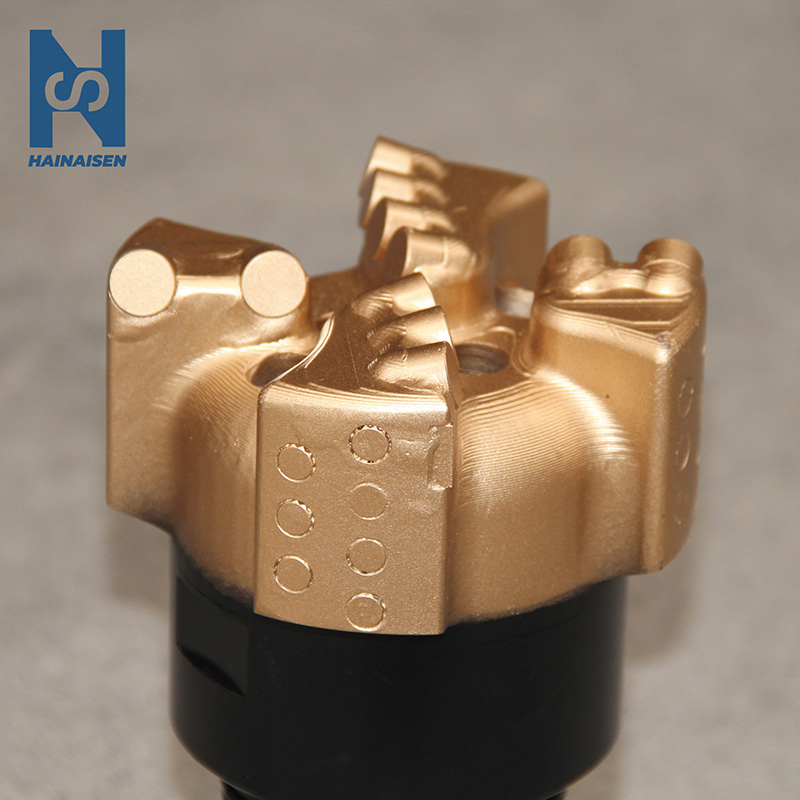 VIEW MOREDirectional Well PDC Drill Bit
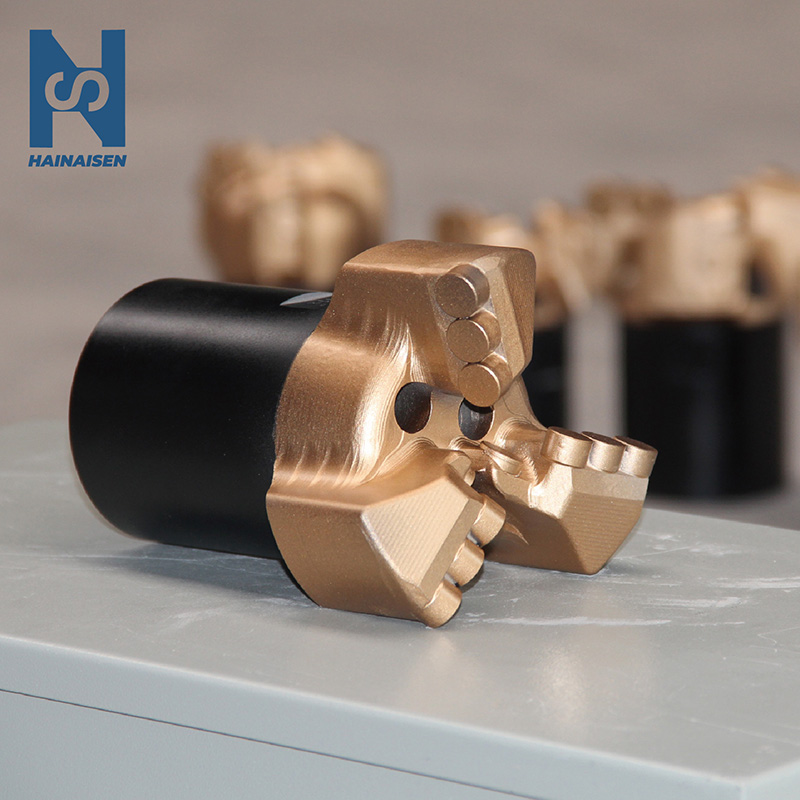 VIEW MORESteel Body PDC Drill Bit
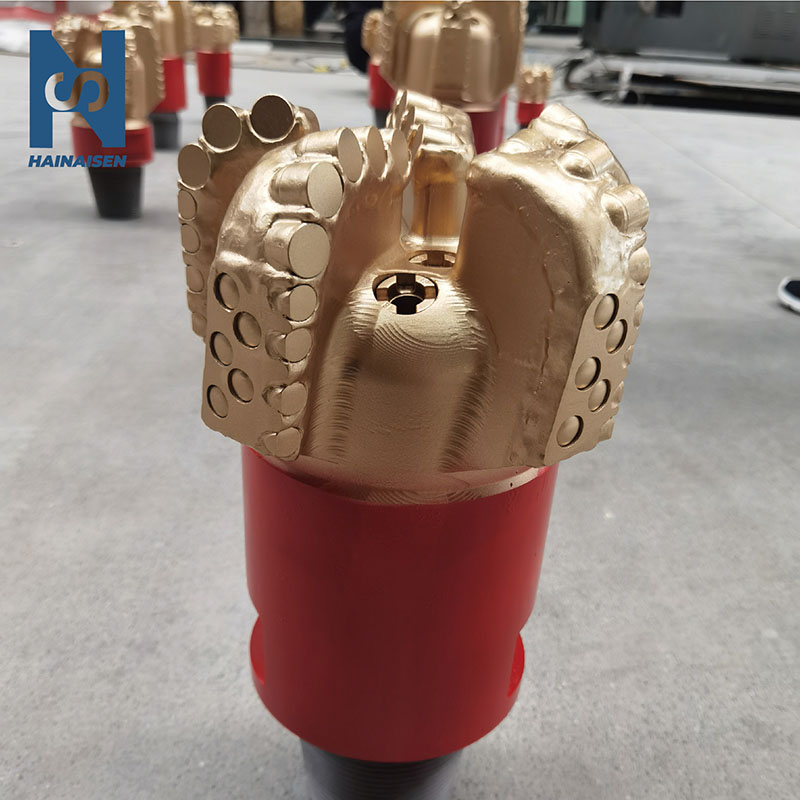 VIEW MOREFive Blade Oil Drill Bit
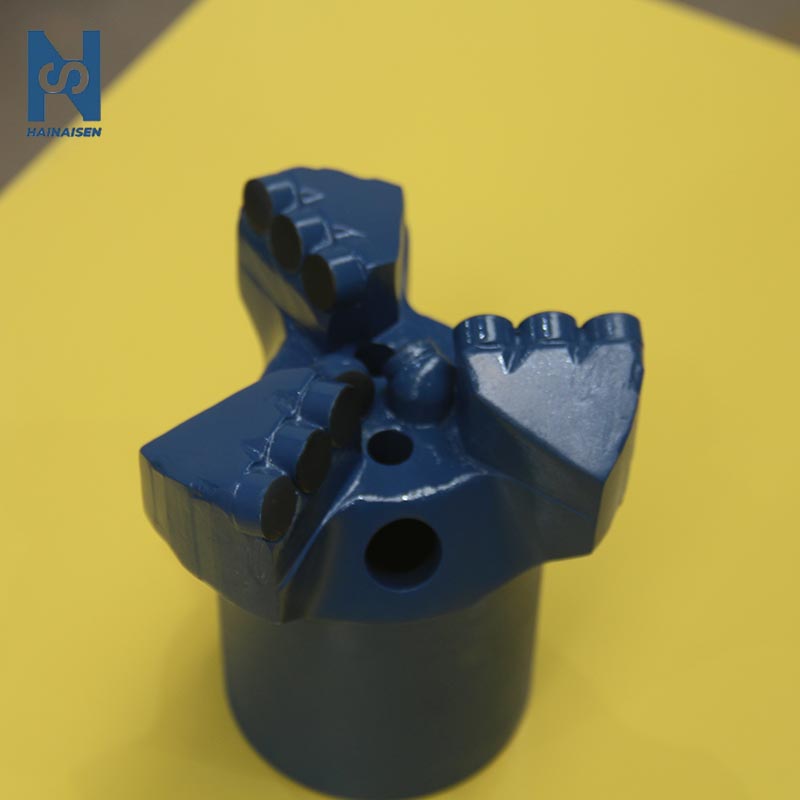 VIEW MOREPolycrystalline Diamond Compact Drill Bits
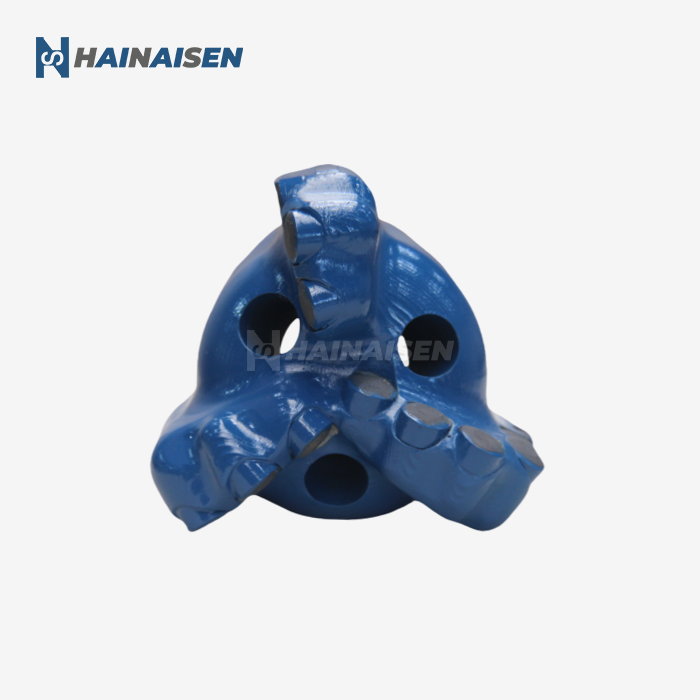 VIEW MORE113mm Three Wing Arc Angle Drill Bit
logo 1_1777360475599.jpg) VIEW MOREDirectional Three Blade PDC Drill Bit
VIEW MOREDirectional Three Blade PDC Drill Bit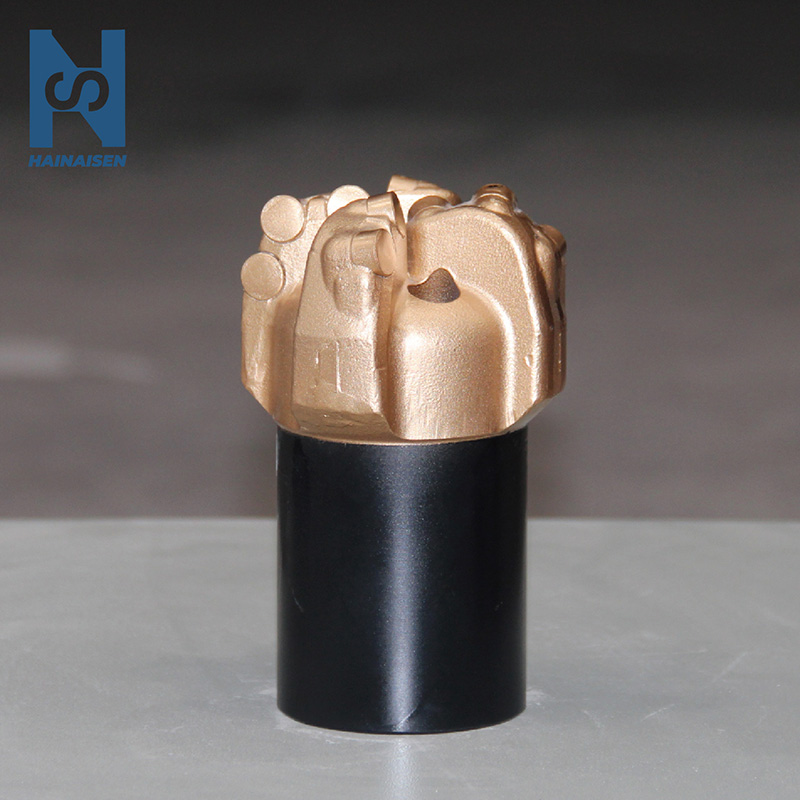 VIEW MOREFour Blade PDC Rock Drill Bit
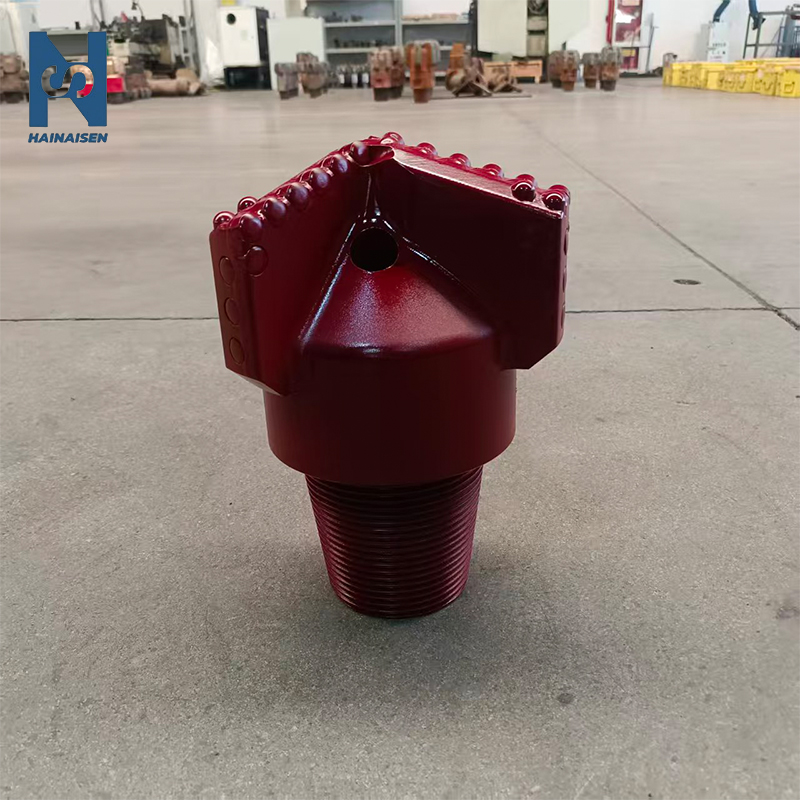 VIEW MOREPDC Bit For Well Drilling
