




How Tricone Drill Bits Work and Their Drilling Mechanisms
Tricone drill bits are an important part of modern drilling technology because they combine a strong mechanical design with cutting-edge materials that can get through tough rock formations. There are many different types of drill bits, but the Three Blade PDC Tricone Drill Bit has proven to be the most useful for a wide range of tasks, from digging for oil and gas to drilling water wells. Polycrystalline diamond compact (PDC) cutters are mounted on three carefully placed blades on these bits. This creates the best mix between cutting efficiency and debris removal. The three blades spread the weight evenly across the cutting area, which lets the tool keep its direction while allowing regular penetration rates. When procurement managers and technical experts know how these bits work mechanically and operationally, they can make better decisions that affect project timelines, costs, and the overall success of the digging.
Understanding the Basics of Three Blade PDC Tricone Drill Bits
Core Structural Components and Geometry
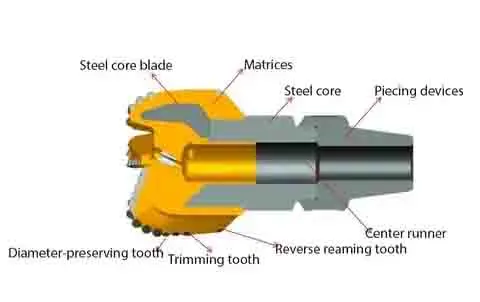
The structure of a high-performance PDC bit is what makes it work. A Three Blade PDC Tricone Drill Bit has three metal fins, or blades, that radiate out from the center at 120-degree angles. Each blade has several PDC cutters that are set up in a certain way that makes them best at cutting through rock. The empty spaces between these blades, called gullies or junk slots, are very important because they let drilled-out material flow away from the cutting face and toward the top. 3 blades pdc drill bit designs have wider gullies than four-blade designs, which makes them less likely to get clogged, especially when cutting through rocks that produce fine particles or sticky clay materials.
PDC Cutter Technology and Placement
Polycrystalline diamond compact cutters are man-made materials that are made by fusing diamond particles at very high temperatures and pressures. These cutters are very hard—only real diamond is harder—and they don't break down when used for long drilling jobs because they are thermally stable. For example, our S433 model has 61 PDC cutters, and each one is 13mm in diameter. The number and size of cutters directly affect how well they cut and how long they last. Engineers put these cutters at exact angles and lengths along each blade to make sure that the bit engages the rock perfectly as it turns. The front cutters break up the rock, and the following cutters finish the slicing action. This makes a smooth cutting motion that reduces vibrations and increases energy transfer.
Material Selection and Manufacturing Excellence
For the bit body itself, you need materials that are strong but also easy to machine. High-strength steel bodies are strong and last a long time. They also allow for precise machining on high-tech machines like 5-axis machining centers. We use CNC machines and welding production lines at our 3,500m² plant in Xi'an to keep all of the measurements very close to each other, from the 152.4mm (6-inch) bit size to the 65mm gauge length. The API connection (3-1/2 REG.PIN) meets industry standards, so it works with drill strings all over the world. The whole system weighs 22 kilograms, which shows that it is made of thick, strong materials that are needed for tough jobs. High-quality materials were used throughout the building to ensure maximum wear resistance. This is especially important when drilling through rough rocks like quartzite or sandstone.
Bearing Systems and Rotational Mechanics
Under the cutting surface, sealed bearing units make it possible for the machine to spin smoothly even when it is under a lot of rotational load. During directional drilling, these bearings have to be able to handle both the downward force (bit weight) and the side forces that are created. Using tungsten carbide inserts and improved seal systems in modern bearing designs keeps drilling fluids clean while keeping the lubricants in. Our S433 model has three nozzles that release hydraulic fluid through carefully placed jets. This cools the PDC cutters and clears the cutting face of any debris. Choosing the right size and placement of the nozzle has a big effect on how well it cools and removes cuts, which in turn affects the rate of entry and the life of the bit.
Detailed Analysis of the Drilling Process and Performance
Penetration Mechanics and Cutting Action
When a Three Blade PDC tricone drill bit hits rock, it cuts by slicing instead of breaking, which is how roller cone bits usually work. Each PDC cutter cuts small layers off the formation face as the bit turns under weight. The cutting load is spread out evenly across the three blades, which stops the uneven wear patterns that can happen with some multi-blade designs. Shearing makes less heat than breaking, which means that cutters are less stressed by heat and last longer. Different factors affect penetration rates, such as the hardness of the rock, the weight that is being applied, the speed of spinning, and the hydraulic parameters. When the conditions are just right, penetration rates of more than 20 feet per hour can be reached in medium-hardness rocks.
Debris Management and Hydraulic Efficiency
Cutting removal that works well is what sets high-performance bits apart from average ones. The large depressions between the three blades make it easy for rock chips to move toward the annulus, which is the area between the bit and the wall of the hole. When drilling fluid comes in through the three nozzles, it forms rough flow patterns that push the pieces away from the cutters. This keeps the cutting edges from having to be re-ground, which would dull them. Bit balling happens when there isn't enough hydraulic flow. This is when pieces build up on the bit face, blocking the cutters from reaching new rock. This lowers the rate of entry and makes the cutter wear out much faster. Keeping an eye on flow rates and changing the sizes of the nozzles keeps the hydraulic conditions at their best during the drilling process.
Operational Lifespan and Performance Optimization
Operators can get the most out of their investments by understanding the things that affect bit's life. Quartz or silica sand-containing abrasive formations speed up cutter wear by creating tiny chips along the cutting edges. Operators can make bits last longer by slowing them down and adding weight to them as directed by the maker. Regularly looking at returned bits gives useful information. For example, looking at wear patterns shows if the drilling settings were right or if they need to be changed for the next run. Three Blade PDC Tricone Drill Bit units that are well taken care of have been shown to reach 120 feet or more in difficult geology, which is more than twice as much as badly chosen options. Monitoring the temperature during drilling operations helps avoid thermal damage; too much heat means that there isn't enough cooling or that the working parameters aren't right.
Directional Control and Borehole Quality
In addition to being able to penetrate, Three Blade PDC Tricone Drill Bit units are more stable in terms of direction than some other types. The uniform design of the blades reduces side forces that cause things to go off track from what was planned. This is especially helpful when drilling in a specific direction, where keeping the angles correct is important for hitting the goal areas. On our S433 model, the gauge section—the cylinder-shaped part that keeps the opening diameter the same—extends 65mm, giving the bit more surface area that keeps it stable while it turns. When bits are properly fixed, they make smooth, gauge boreholes that make installing the casing easier and finishing the well less complicated.
Comparing Three Blade PDC Tricone Drill Bits with Other Drill Bit Types
Three-Blade Versus Four-Blade PDC Configurations
There is a discussion between three-blade and four-blade PDC Bits because of the trade-offs that are needed for different applications. Four-blade versions have more cutters in the same width, which could make them more violent in soft rock. But the extra blade makes the gullies smaller, which slows the flow of cuts and makes them more likely to ball up in sticky or clay-rich soils. Three Blade designs give up some cutter density but get much better hydraulics in return. When drilling through quartz-rich rock in deep mines, Three Blade bits always work better than four-blade bits because they keep the cutting faces cleaner and don't get clogged gullies, which can lower efficiency. When procurement teams look at these options, they should base their choices on the type of formation: Three Blade designs are best for rough, debris-producing formations, while four-blade bits are best for softer, more regular rock.
PDC Versus Conventional Roller Cone Tricone Bits
Roller cone tricone bits are usually made up of three spinning cones that have tungsten carbide inserts or milled steel teeth on them. These bits don't cut rock; they crush it by pressing on it. While roller cone bits work well in granite and other very hard rock formations, they have a number of problems. For example, their moving parts need sealed bearings that don't work in harsh or high-temperature conditions. They also have slower penetration rates than PDC bits, and the crushing action causes more vibration, which speeds up drill string fatigue. PDC bits don't have any moving parts, so they are easier to maintain and last longer. Even though they cost more to buy at first, PDC bits have a cheaper cost-per-foot-drilled because they take less time to change bits and can be used for longer periods of time.
Matrix Body Versus Steel Body PDC Bits
What kind of material is used for the bit body has a big effect on how well it works in some situations. The steel body of PDC bits makes them easy to make and fix, which makes them a good choice for general use. Matrix body bits, which are made up of tungsten carbide particles linked together in a metal matrix, are better at stopping erosion in very rough formations. Matrix body bits can last up to 50% longer than steel bits when cutting through rocks that contain hard minerals like quartzite. In demanding situations, the higher original cost is worth it because the longer reliability makes it worth it. Our engineering team looks at the formation data provided by customers to suggest the best body material. This way, we can make sure that buying choices are based on working facts and not just on lowering upfront costs.
Selection and Procurement Guide for B2B Clients
Formation Analysis and Compatibility Assessment
A careful study of the formation is the first step in choosing the right bits. Which bit design works best depends on the type of rock, how hard it is, how sharp it is, and how likely it is to make cuts that stick together. For soft to medium formations (compressive strength below 20,000 psi), bold PDC designs with tightly packed cutters work best. On the other hand, harder formations need more stable cutter placement and stronger support structures. Geological studies and offset well data are very important for matching bit specifications to what is expected to happen. For selection choices, technical engineers should ask for core samples or formation details from previous drilling in the area.
Critical Specifications and Performance Parameters
In addition to the bit's diameter, buying managers should look closely at a number of other important specifications. The IADC classification system offers consistent coding. Our S433 name shows specific design features that are known throughout the drilling business. The cutting capacity is directly related to the size and number of cutters. Bigger cutters can cut deeper, but they may be more likely to be damaged by impacts in broken formations. How stable and directed the borehole is depends on the length of the gauge. Longer gauge parts make the borehole more stable, but they may need more force. API connection specifications must match drill string parts to make sure power is transferred correctly and to avoid connection problems that stop work.
Supplier Evaluation and Quality Assurance
It turns out that picking the right provider is just as important as picking the right 3 blades pdc drill bit shape. Custom design is something that established makers with their own R&D teams can't do as well as generic providers. Shaanxi Hainaisen Petroleum Technology Co., Ltd. has its own engineering staff that can change the layout of cutters, the hydraulic features, and the shape of the bodies to meet the specific needs of each customer. Bits are guaranteed to meet requirements by quality Certifications, the ability to track materials, and documents of the manufacturing process. Asking for test bits to be sent out into the field before placing a large order lowers the risk, especially when switching to new sources or designs that haven't been tried yet.
Procurement Strategies for Cost Optimization
Drilling activities that need the same number of bits over and over again can save a lot of money by getting them in bulk. A framework that deals with good price terms and guaranteed delivery dates can help keep projects from running into supply problems during important stages. But procurement teams have to weigh the cost savings against the cost of keeping inventory and the risk of technology becoming obsolete—as material science improves, older designs may not work as well as newer ones. Setting up vendor-managed inventory plans lets suppliers handle storage while still ensuring just-in-time access. For smaller businesses, making buying deals with other businesses in the same area can help them get better prices without having to commit to too much product.
Conclusion
The physics behind how Three Blade PDC Tricone Drill Bit units work shows complex engineering that turns spinning energy into effective rock penetration. The Three Blade design has clear benefits in clearing waste, distributing weight, and maintaining steadiness during operation, which is especially useful in tough geological conditions. When buying these bits, you have to weigh technical specifications against formation features, working factors, and the total cost of ownership. Even though new materials and digital integration are making drilling technology better, the basic ideas of good cutting action, efficient hydraulics, and strong construction are still very important to bit performance. When companies take the time to learn about these mechanics, they can make smart choices about buying that have a direct effect on the success of projects and the profitability of operations.
FAQ
Q1: What factors have the most important impact on the Three Blade PDC Tricone Drill Bit's durability?
How long a bit lasts is mostly determined by how rough the rock is, how it is operated, and how well the hydraulics work. When you drill through rough rocks that contain quartz or silica, the cutter wears out faster. Premature failure can be avoided by keeping the bit's weight and rotating speed within the limits set by the maker. Enough hydraulic flow keeps cutters cool and gets rid of cuttings quickly, so debris that is ground up again doesn't speed up wear.
Q2: How can I tell if a three-blade or four-blade design is best for my needs?
Three-blade designs work best in formations that make a lot of cuttings or have sticky materials because they can get rid of more trash more quickly. When cutting soft, uniform materials, four-blade bits are better because they have a higher cutter density. To help you choose, think about how likely it is that your formation will produce waste and how sticky the drilled pieces are.
Q3: What kinds of care increase the life of a bit?
Before using PDC cutters, check them for damage that was there before. After each run, use high-pressure water to clean out the gullies and get rid of any trash that got stuck. Keep bits in dry places with coats that protect them from rust. Always keep an eye on the drilling settings and change the weight and speed based on comments from the formation.
Partner with HNS for Superior Three Blade PDC Tricone Drill Bit Solutions
Shaanxi Hainaisen Petroleum Technology Co., Ltd. (HNS) is ready to help you with your drilling projects by providing high-quality Three Blade PDC Tricone Drill Bit options that are made to strict standards. As a well-known Three Blade PDC Tricone Drill Bit supplier, we offer both advanced manufacturing skills and committed technical support that is suited to your unique geological challenges. No matter if you're drilling for oil and gas, coal bed methane, geothermal energy, water wells, or geological research, our engineering team uses the data from your formation analysis to suggest the best bit setups for the job. We have a production plant that is 3,500m² and has 5-axis machining centers and a department that designs custom bits. We can meet all of your operating needs with solutions that balance performance and cost-effectiveness. Email our technology experts at hainaisen@hnsdrillbit.com to talk about the details of your project, get more information, or set up field trials.
References
1. Bourgoyne, A.T., Millheim, K.K., Chenevert, M.E., & Young, F.S. (1991). Applied Drilling Engineering. Society of Petroleum Engineers.
2. Bellin, F., Dourfaye, A., King, W., & Thigpen, M. (2010). "The Current State of PDC Bit Technology." World Oil, 231(9), 41-46.
3. Clegg, J.M. (1988). "PDC Bit Performance for Rotary, Mud Motor, and Turbine Drilling Applications." Journal of Petroleum Technology, 40(7), 889-896.
4. Mitchell, R.F., & Miska, S.Z. (2011). Fundamentals of Drilling Engineering. Society of Petroleum Engineers.
5. Pessier, R.C., & Fear, M.J. (1992). "Quantifying Common Drilling Problems with Mechanical Specific Energy and a Bit-Specific Coefficient of Sliding Friction." SPE Annual Technical Conference and Exhibition, SPE-24584-MS.
6. Warren, T.M. (1987). "Drilling Model for Soft-Formation Bits." Journal of Petroleum Technology, 39(8), 963-970.
 VIEW MOREForging Deep Rock Well Drilling Bits PDC Mining Bit
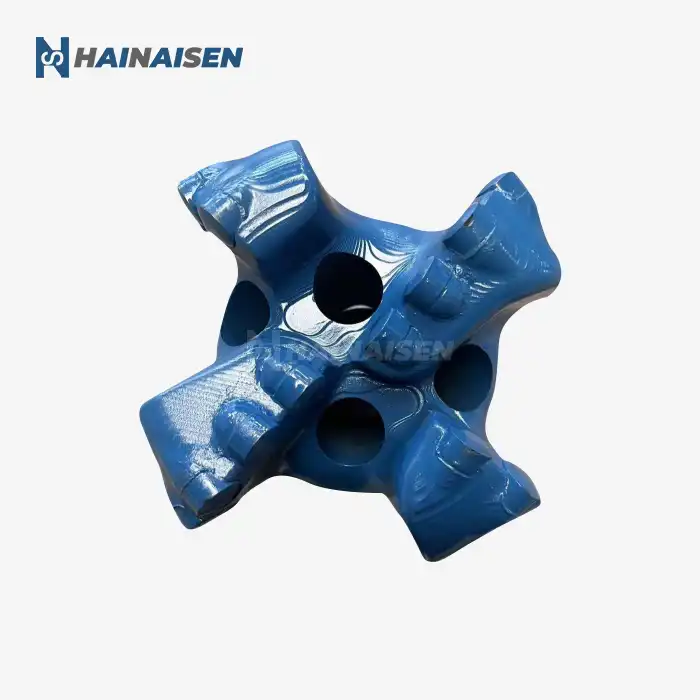 VIEW MORESteel Body PDC Bit 4 Blades
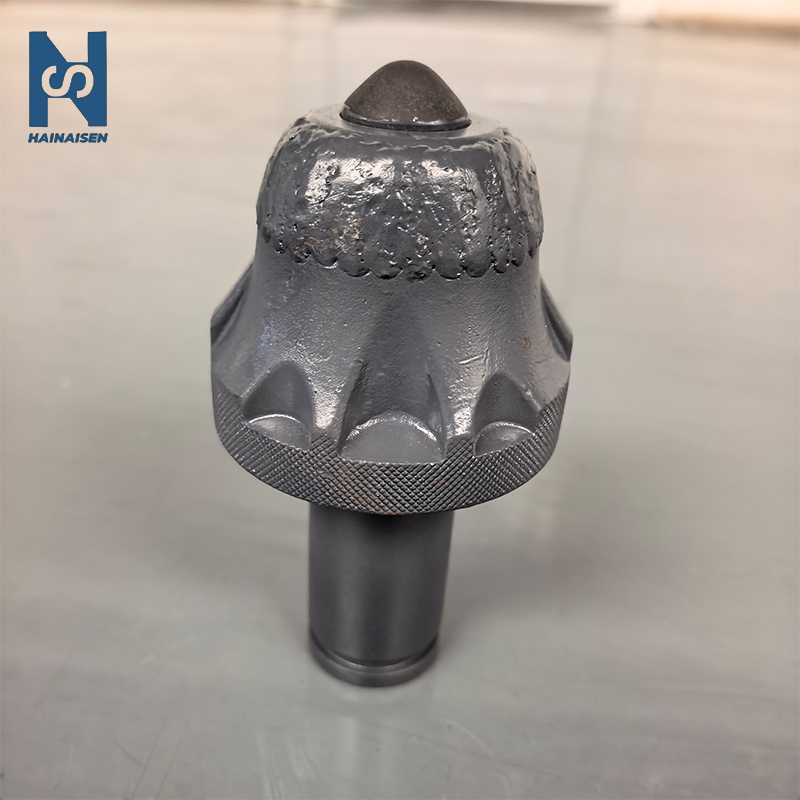 VIEW MOREDiamond Coal Mine Picks
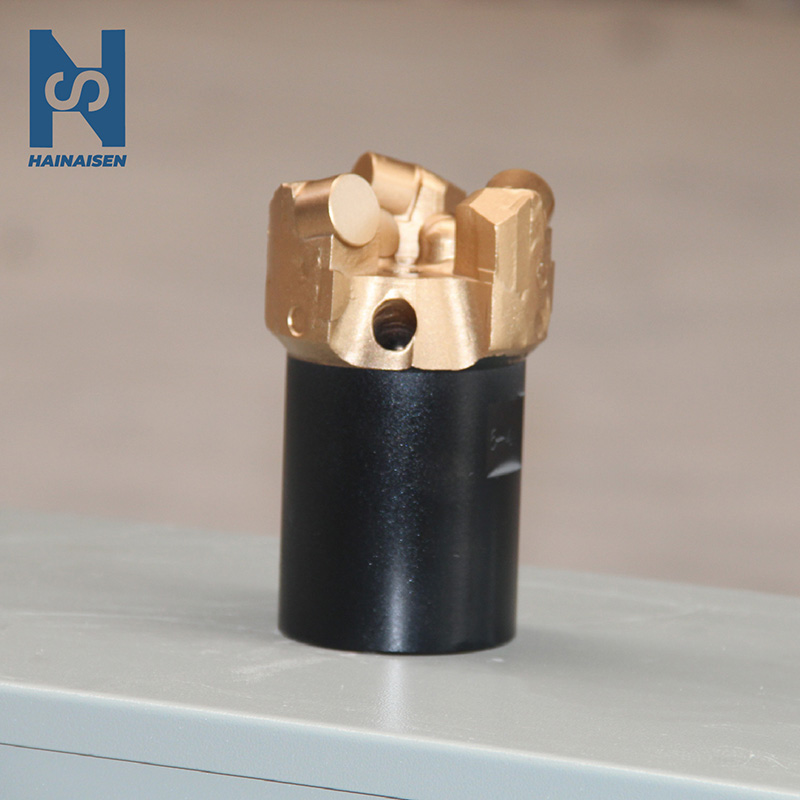 VIEW MORECoal Mining Use Diamond Drill Bit
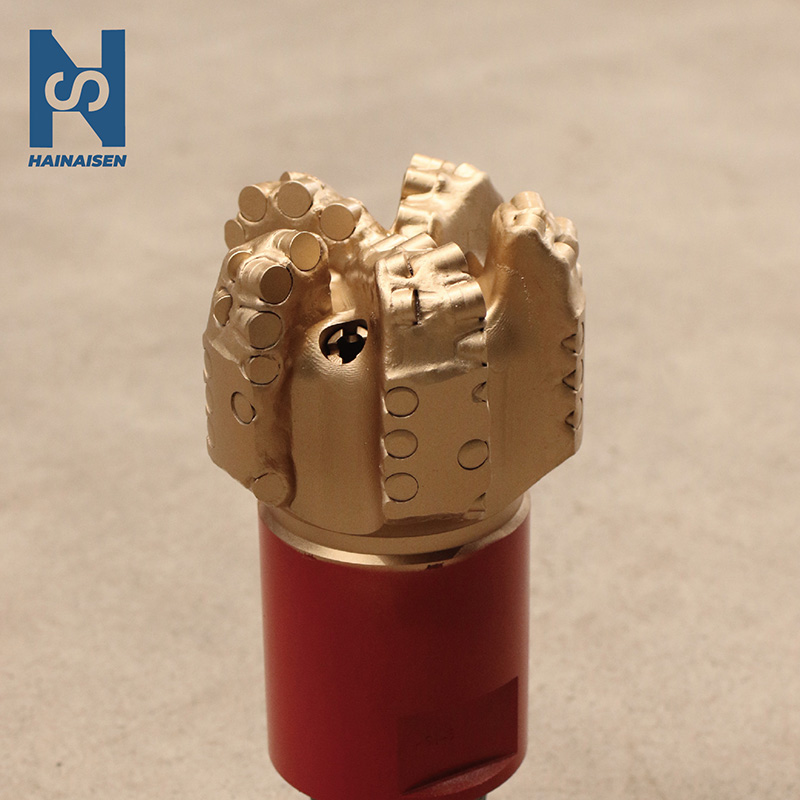 VIEW MOREPDC Petroleum Drill Bit
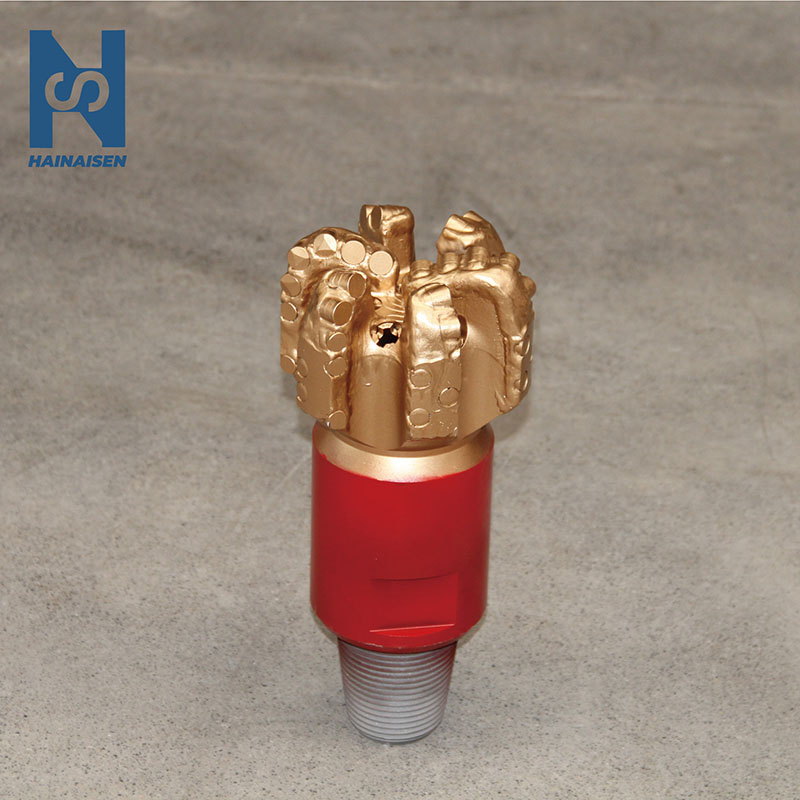 VIEW MORESix Blade Wing Petroleum Drill Bit
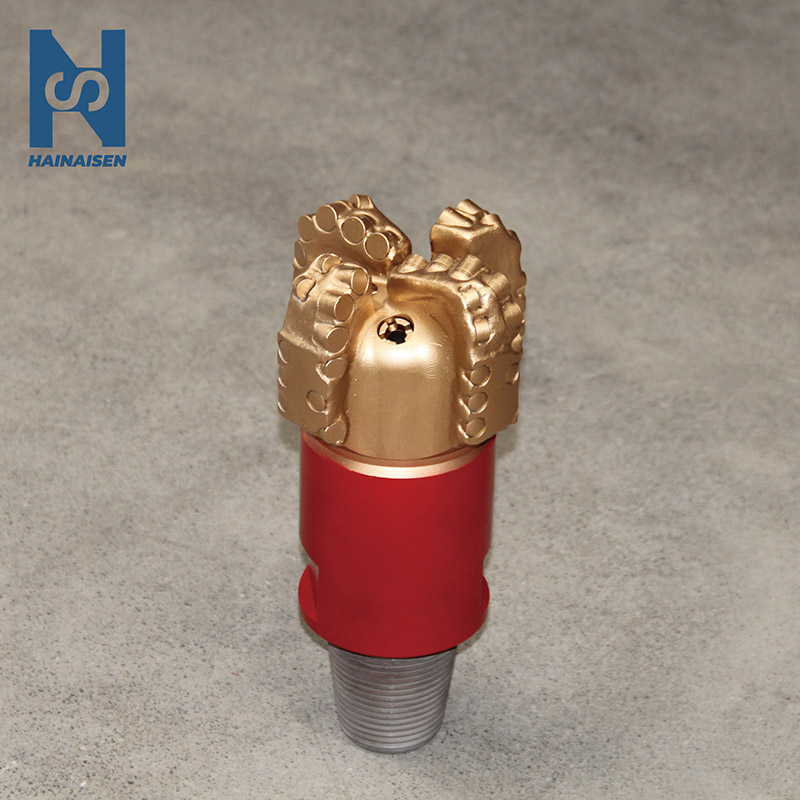 VIEW MOREHigh Quality PDC Drill Bits
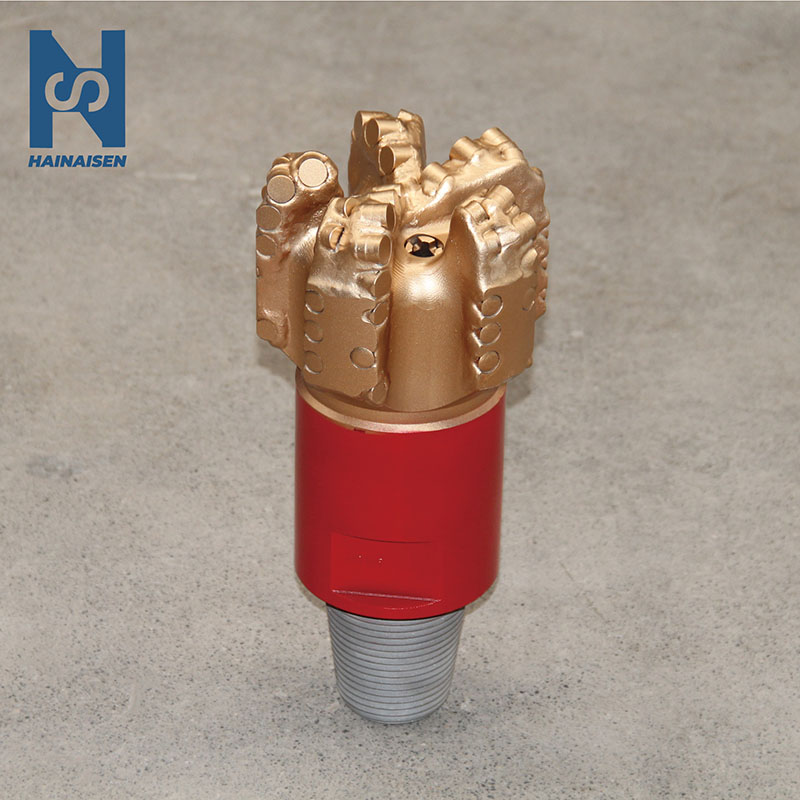 VIEW MORE5 Blade Matrix Body PDC Drill Bits