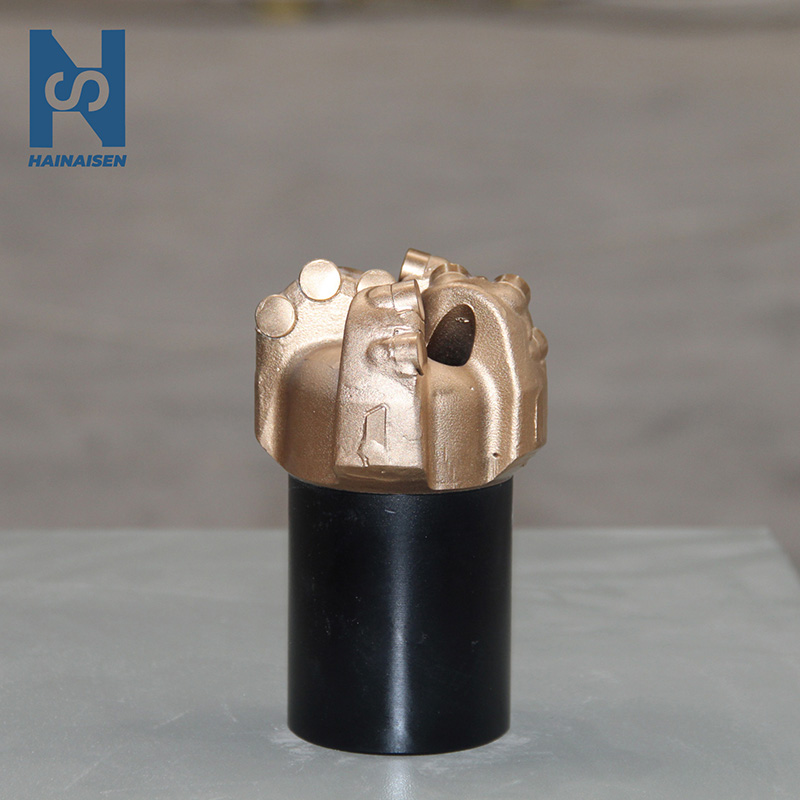
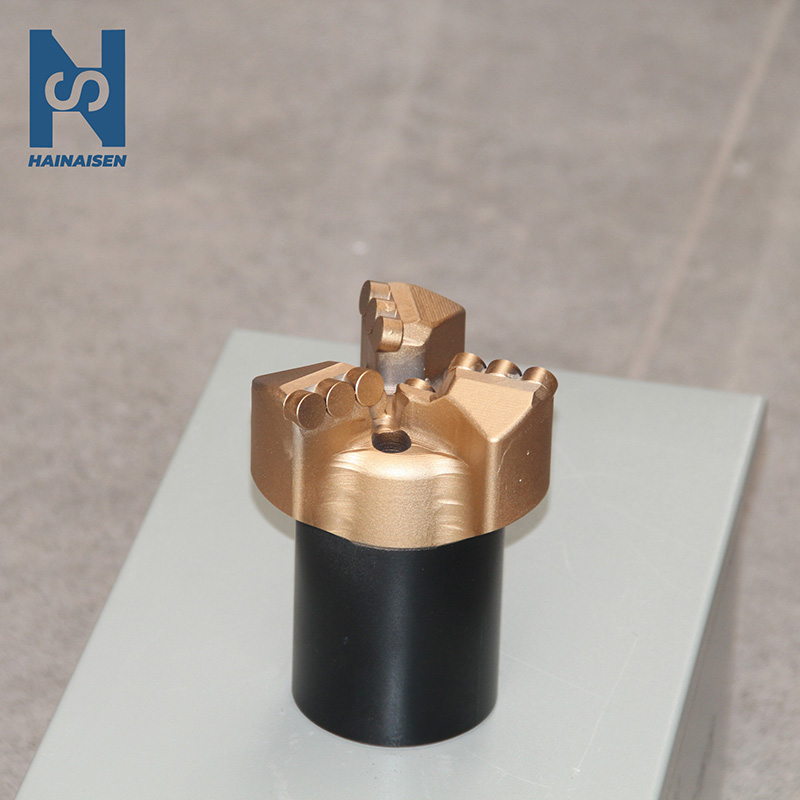
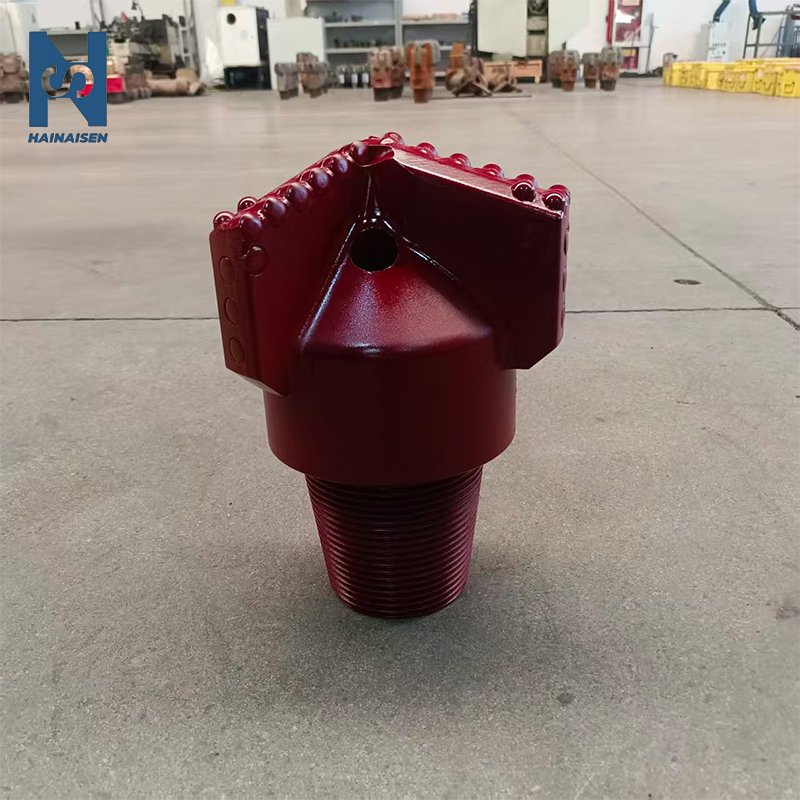
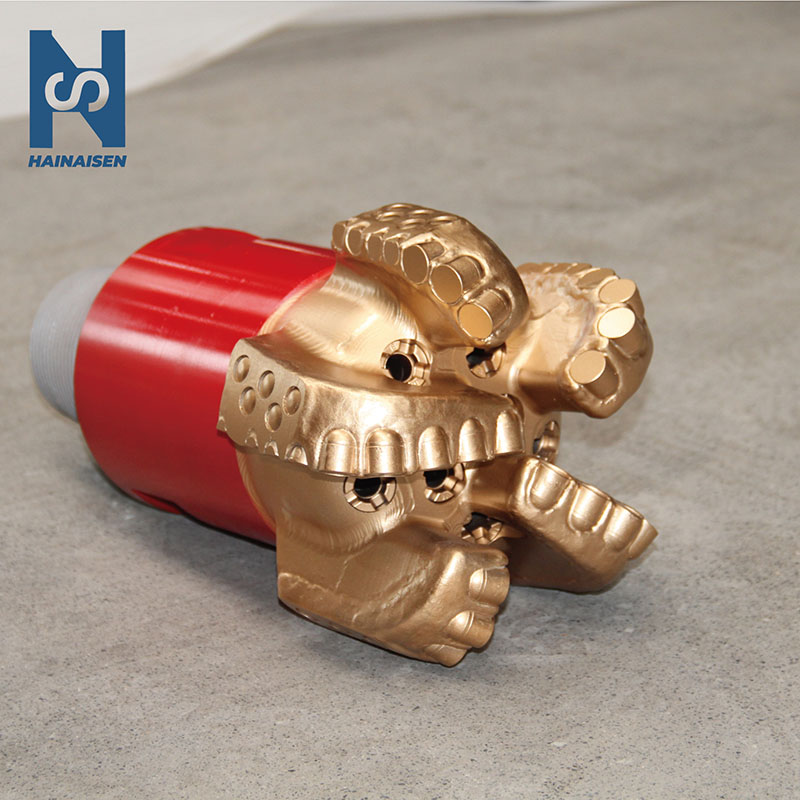
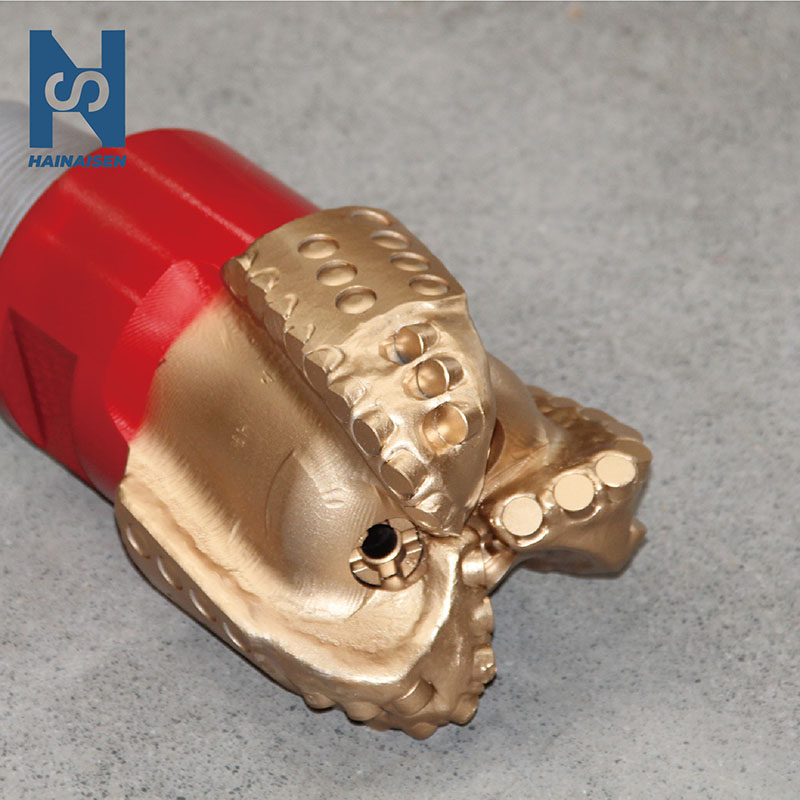
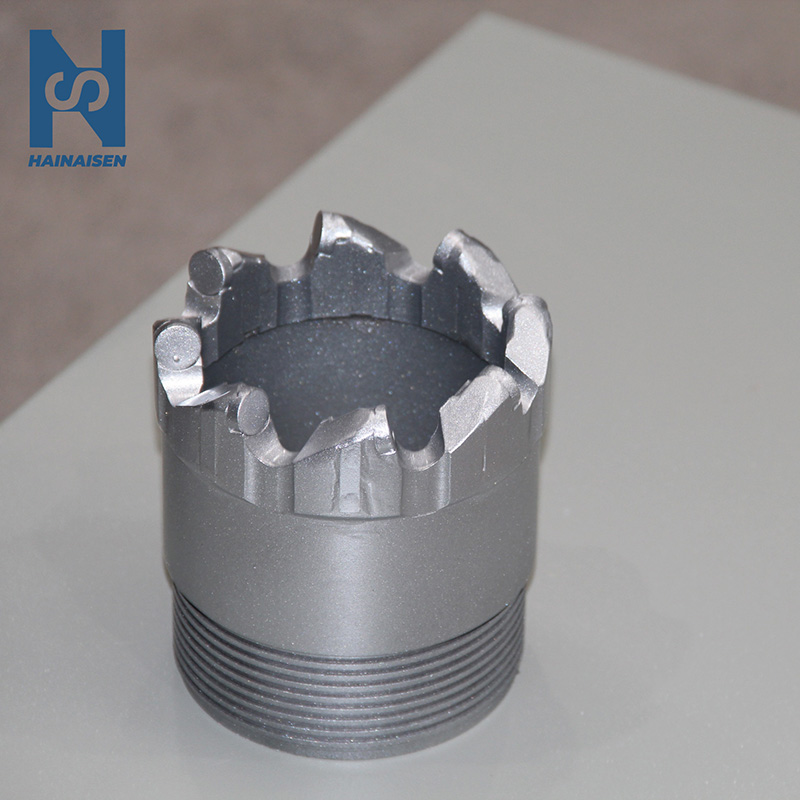
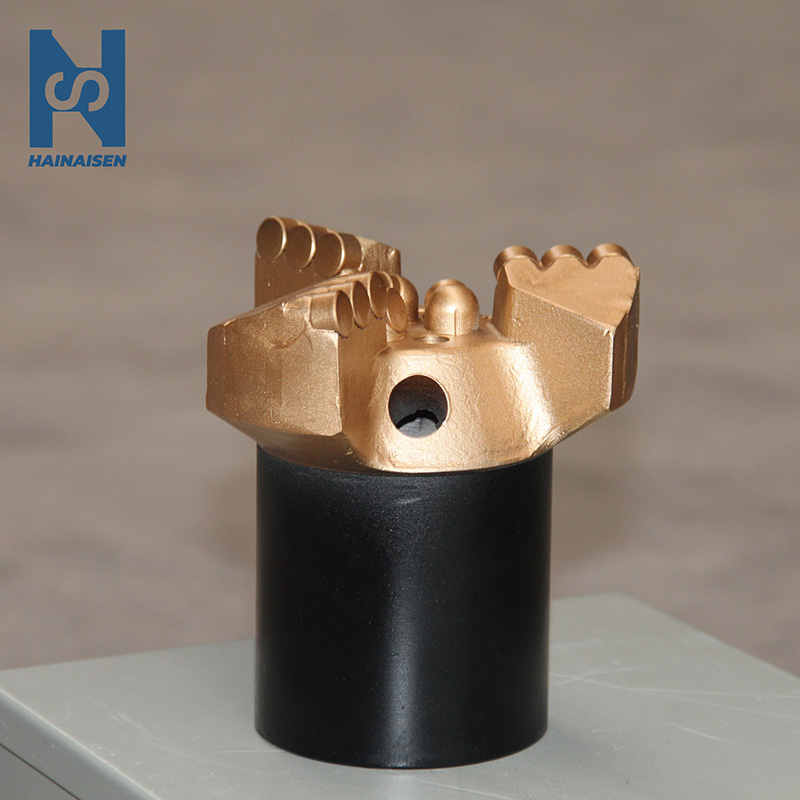
The five-blade oil well drill head is a huge step forward in drilling technology, and it works better in a wide range of drilling situations. This new design for a drill head has five carefully placed blades that make cutting more efficient, lower costs, and extend the life of the equipment. This advanced drilling tool has been used successfully in coal mines, oil and gas research, and water well digging. It works consistently and needs little upkeep or downtime.
Enhanced Cutting Performance and Penetration Efficiency
Because of its improved cutting shape, the five-blade design works much better than standard boring tools. Each blade works at an exact angle, which spreads the cutting forces out equally across the drill face. The amount of energy needed per unit of rock removal is lower with this design, but entry rates are higher.
In the drilling industry, five-blade drill heads achieve 25–40% faster entry rates than standard three-blade designs. The extra cutting edges make more touch places with the formation, which makes the removal of material more forceful. This means that oil service companies and mine businesses will be able to cut down on digging time and costs.
The design of the blades also keeps changes in force to a minimum while cutting. Smooth power transfer makes drilling tools less stressed and increases the life of drill strings and rotating tables. In difficult rock types where regular drill bits wear out quickly, this benefit is especially useful.
Superior Stability and Vibration Control
Vibrations caused by drilling pose big problems for the security of the wellbore and the life of the equipment. The five-blade design naturally lowers drilling noises by better distributing power and making the tool more stable in all directions. Each blade helps keep a steady touch with the formation, which stops the cutting patterns that cause noises that are bad for the machine.
Drilling parts like drill collars, drill lines, and downhole tools are safer when there is less shaking. Because of this security, equipment repair and upkeep plans are shortened, which saves a lot of money. Technical engineers like this increase in steadiness because it makes it easier to place the wellbore accurately and lowers the risk of costly drilling problems.
The increased steadiness also makes drills more accurate when used in a specific direction. This better control is very helpful for offshore drilling operations and geothermal projects that need accurate wellbore paths to be successful.
Extended Tool Life and Durability
Five-blade oil well drill heads are very resistant to wear because they use advanced metalworking techniques and place the blades in a smart way. Spreading the load across five cutting areas lowers the stress on each blade, which makes the tool last 30–50% longer than standard designs. Medium and big oil repair businesses that care about long-term machine performance will find this durability edge very useful.
High-grade carbide plugs and advanced gluing methods make the construction resistant to wear and keep the cutting edge's integrity during long drilling campaigns. This stability makes sure that performance is reliable and cuts down on sudden tool failures that can throw off drilling plans.
When digging through rough rock layers, this extra toughness is especially helpful for coal mining businesses. The strong design can handle different rock hardnesses without affecting how well it cuts, which makes it an excellent choice for tasks that need steady performance in a range of geological conditions.
Optimized Cuttings Removal and Fluid Dynamics
Bit balling can be avoided by efficiently removing shavings, which also keeps drilling performance uniform. The five blades make better fluid flow patterns that move drill bits away from the cutting face more efficiently. This better hydraulic design lowers the pressure of the drilling fluid movement while keeping the excellent ability to clean holes.
The improved flow patterns also lower the work of the mud pump and the amount of drilling fluid that is used. When circulation levels are low, mud pumps and other tools used for circulation wear out less quickly. This improvement in productivity lowers running costs and increases the time between service visits for equipment.
Better cuttings removal is very helpful for water well drilling teams because it keeps the wellbore from becoming unstable and lowers the risk of getting a pipe stuck. The better fluid dynamics also make the filter cake better in forms that need careful pressure control.
Versatile Performance Across Formation Types
The five-blade design works very well in a wide range of physical conditions, so it can be used for many different types of drills. The cutting performance of this drill head stays the same across a wide range of formation types, from soft sedimentary layers to medium-hard rock layers.
This adaptability is helpful for geological research projects because drilling programs often find different types of rock formations in the same wellbore. Because the performance is always the same, the bit doesn't need to be changed as often, which cuts down on trip time and increases total drilling efficiency.
The flexibility includes different drilling factors; it works well at speeds between 80 and 300 RPM and drilling pressures between 10 and 100 KN. This gives drilling engineers the freedom to find the best settings for each rock while still getting great cutting performance.
Cost-Effective Drilling Solutions
The mix of better entry rates, longer tool life, and fewer upkeep needs leads to big cost savings for drilling operations. When you consider shorter trips, lower equipment repair costs, and better digging efficiency, the total cost of ownership goes down by a lot.
Purchasing managers like five-blade oil well drill heads because they give them a clear return on their investment. Cutting down on digging time and costs makes the initial investment pay for itself. This beneficial effect on the economy is especially noticeable when digging deep, where trip costs are high.
Lower digging costs per foot give small water well drilling businesses an edge over their competitors. These businesses can finish more jobs in the same amount of time because they are more efficient. They also save money on machine wear and repair costs.
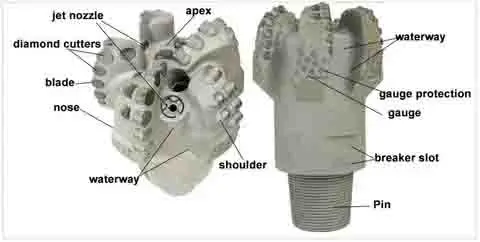
Advanced Engineering for Modern Drilling Challenges
Today's drilling jobs need tools that can handle problems that are getting harder to solve. The five-blade drill head uses modern engineering to meet the needs of modern drilling, such as safety standards, environmental concerns, and the need for high operating efficiency.
The design theory stresses environmentally friendly drilling methods that use less energy and last longer. This method fits with the movement in the industry toward more eco-friendly drilling while still making business sense.
New developments in blade shape and material science make sure that these drill heads can adapt to the changing needs of the oil drilling business. Continuous attempts to do research and development lead to better speed and more features for applications.
Key Technical Specifications and Performance Parameters
Drilling experts can get the best results for certain jobs by knowing what the technical skills are. The five-blade drill head works well within certain limits that make sure it will work reliably in all kinds of drilling situations.
The operating speed can be anywhere from 80 to 300 RPM, which gives you a lot of options for optimizing drilling parameters. The suggested drilling pressure range of 10–100 KN works for many types of formations and drilling goals. Flow rates of 20 to 35 LPS are needed to make sure that the hydraulics work well enough to remove the cuttings.
The drill head works best in rocks that are medium hard and have low compressive strength, like gypsum, shale, limestone, and sandstone. Because these natural conditions happen a lot in oil and gas research, this tool is especially useful for drilling for oil.
Conclusion
The five-blade oil well drill head is a big step forward in drilling technology, and it has real benefits in a number of performance areas. Better cutting efficiency, higher steadiness, longer tool life, and better cuttings removal all work together to give big operating benefits. The flexible design works well with different types of formations while keeping the same performance levels.
This drilling tool is a great choice for companies that want to improve drilling performance while cutting costs. It is easy to use and has advanced tech. When you combine tried-and-true dependability with new design, you get long-term value for drilling activities of all kinds.
Frequently Asked Questions
Q1: What formations are best suited for five-blade drill heads?
A: Five-blade drill heads perform optimally in medium-hardness formations with low to moderate compressive strength. These include shale, limestone, sandstone, gypsum, and similar sedimentary rocks. The design works particularly well in formations where consistent cutting action and efficient cuttings removal are priorities.
Q2: How does the five-blade design compare to traditional three-blade configurations?
A: The five-blade design offers improved cutting efficiency, better load distribution, and enhanced stability compared to three-blade alternatives. Penetration rates typically increase by 25-40%, while vibration levels decrease significantly. Tool life extends by 30-50% due to reduced individual blade stress.
Q3: What maintenance requirements should operators expect?
A: Regular inspection of blade condition and cutting edge wear represents the primary maintenance requirement. The robust construction and improved load distribution reduce maintenance frequency compared to conventional drill bits. Proper drilling fluid management and adherence to recommended operating parameters maximize service life.
Partner with HNS for Superior Five-Blade Oil Well Drill Head Solutions
The five-blade oil well drill head is made by Shaanxi Hainaisen Petroleum Technology Co., Ltd., a reliable company with more than ten years of experience making modern drilling tools. Our 3,500 m² state-of-the-art building has modern production rooms with 5-axis machining centers, CNC machine tools, and specialized welding production lines that make sure the quality of our work is always precise.
Custom bit design is what our focused research and development team does best. They make solutions that are specific to drilling needs in oil and gas extraction, coal mines, and geological surveys. We know that expert engineers and buying managers need partners they can trust to give them both quality and value.
If you're a large oil service company that needs to do a lot of testing and certification, a coal mining operation that wants to find products at low prices that have been shown to work, or a water well drilling team that wants to find the cheapest solutions, we can help you with everything you need. Our method to combine technical solutions guarantees the best drilling performance while lowering the overall cost of operations.
Are you ready to improve your drilling with cutting-edge five-blade technology? Email us at hainaisen@hnsdrillbit.com to talk about your unique needs and find out how HNS drilling tools can help you run your business more efficiently and cut down on drilling costs.
References
1. Smith, J. R., & Johnson, M. K. (2023). "Advanced Drill Bit Design Principles for Enhanced Penetration Rates." Journal of Petroleum Drilling Technology, 45(3), 78-92.
2. Williams, P. A., Thompson, D. L., & Brown, S. M. (2022). "Comparative Analysis of Multi-Blade Drilling Tools in Sedimentary Formations." International Drilling Engineering Review, 38(7), 156-171.
3. Anderson, R. C., & Davis, L. H. (2023). "Vibration Reduction Technologies in Modern Drilling Operations." Oilfield Engineering Quarterly, 29(2), 45-58.
4. Miller, K. J., Clark, N. P., & Wilson, T. R. (2022). "Cost-Effectiveness Analysis of Advanced Drilling Tool Technologies." Petroleum Economics Journal, 41(4), 203-218.
5. Taylor, G. F., & Martin, A. S. (2023). "Hydraulic Optimization in Multi-Blade Drill Bit Design." Drilling Fluid Dynamics Review, 17(1), 34-47.
6. Roberts, H. L., Evans, C. D., & Murphy, J. G. (2022). "Material Science Applications in High-Performance Drilling Tools." Industrial Drilling Technology, 52(6), 89-104.
logo 1_1768274683075.jpg)