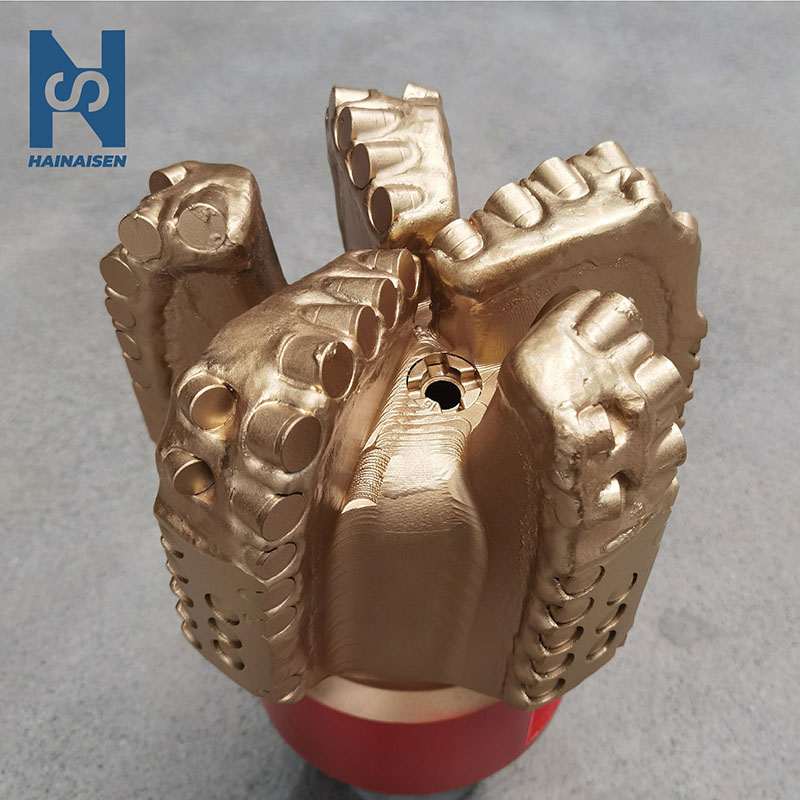
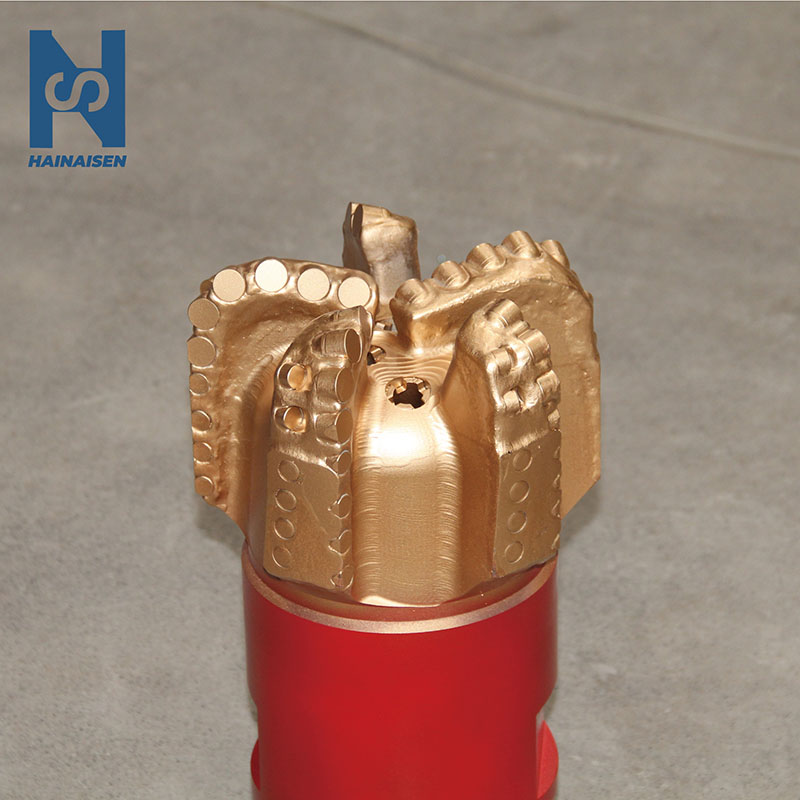
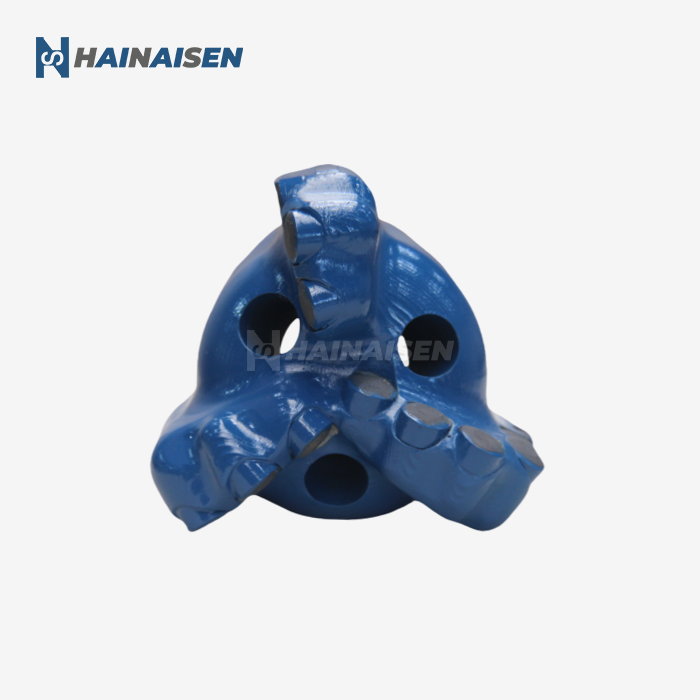
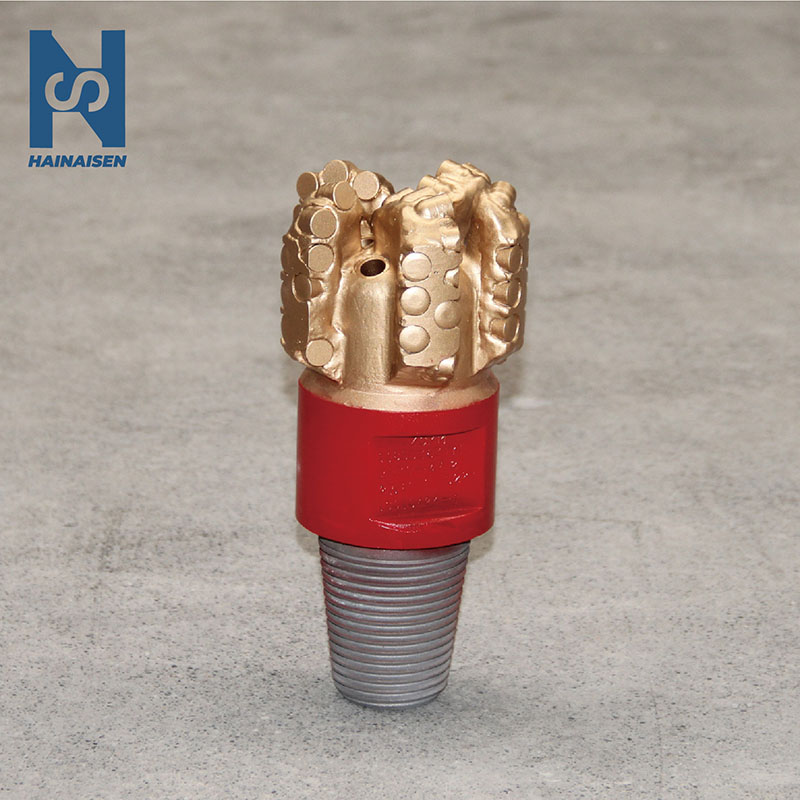
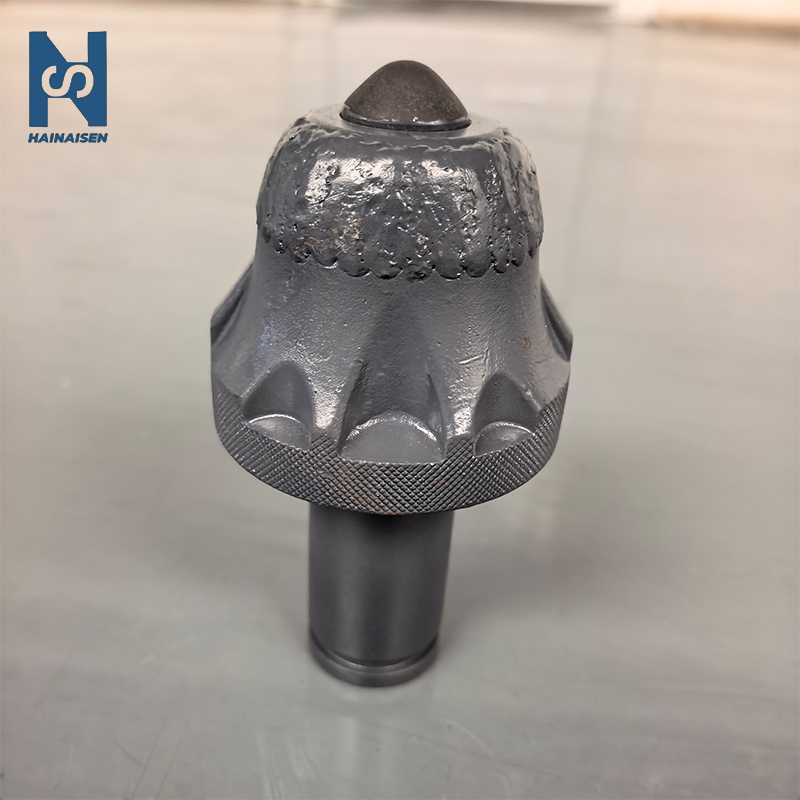
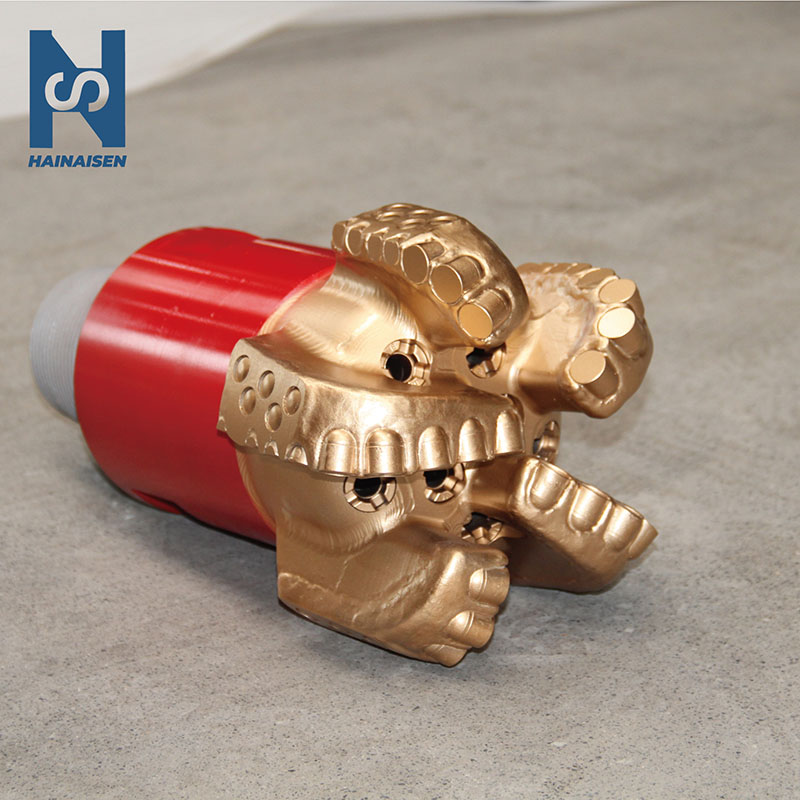
How are Hard Alloy Roller Drill Bits manufactured?
January 29, 2026
In a hard and precise process, high-tech tools and trained workers are used together to makeHard alloy roller drill bits. It is possible to mine for minerals, study oil and gas, and make geothermal energy with these strong digging tools. A lot of work goes into making good roller wheels. You have to plan them, put them together, and check them to make sure they're good.
The first thing to do is choose the best pieces of food. The bit body is made of high-strength steel, and the cutting teeth are made of tungsten carbide. Computer-aided design (CAD) tools are used to make 3D models of the bit that are very accurate. These kinds help the bit do its best job in certain types of digging. The drill bit is made on the production floor with the help of cutting-edge tools and trained workers once the plan is complete.
Precision CNC machining of tungsten carbide teeth
Wrought iron carbide teeth are an important part of hard metal roller drill bits because they cut through rock. People who make these teeth have to be very careful and use special tools.
Advanced CNC Technology
Computer Numerical Control (CNC) tools are the most important part of making fine drill bits and are the basis of current drill bit production. During this process, computer-programmed directions carefully guide the cutting tools inside these high-tech machines, telling them what to do and how to move. This high level of automation gets rid of any room for mistakes made by humans and makes sure that the teeth made are not only correct but also very uniform from one unit to the next. This level of regularity is very important because even small differences can have a big effect on how well and how long the bit lasts in hard rock formations.
Multi-Axis Machining Centers
Advanced multi-axis machining centers are used by makers to make the complicated and hard shapes needed for the best cutting performance. Modern systems like these can move both the object and the cutting tool in a lot of different directions at the same time, giving you a lot of options. This skill is necessary for shaping teeth into the complex forms, exact angles, and specific features—like flutes and clearances—that break up rocks and remove waste most efficiently. It would be very hard to make the complex three-dimensional shapes needed for efficient drills without this technology.
Micron-Level Precision
To make tungsten carbide teeth for Hard alloy roller drill bit, you need to be very precise; important errors are often measured in microns. This amount of attention to detail is necessary to make sure that every tooth will fit, line up, and work properly when the roller cones are put together. To make sure that the bit fits together perfectly and the load is spread evenly across the whole thing, each cutting edge and fixing base has to be made to exact specs. Accuracy down to the nano level is essential for the drill bit's structural integrity, working stability, and ability to penetrate hard rock layers.
Quality control in roller cone bit assembly
Putting together roller drill bits is a very careful process that needs strict quality control measures to make sure the finished product works well and is reliable.
Component inspection
Before the building process starts, each and every part that will go into the drill bit goes through a very thorough checking process. As part of this thorough process, the exact sizes and finishes of all made parts are checked against detailed engineering models. Furthermore, it includes advanced non-destructive testing (NDT) methods such as X-ray imaging and ultrasound tests. These advanced methods are necessary to go below the surface of the material and find any interior cracks, holes, or flaws that might affect the end product's structure and performance. This makes sure that only perfect parts make it to the assembly line.
Precision assembly techniques
During the building step for roller cone bits, very exact and controlled methods are used. It starts with carefully putting the very hard tungsten carbide teeth onto the roller cones and making sure they stay in place. After that, these cones are carefully attached to the journals of the bit body. Specialized tools, precise supports, and often automated guiding systems are needed for this whole process to make sure that all the parts are perfectly aligned, seated, and intermeshed. In order to cut through rock efficiently and keep the drilling tool balanced while it's working, the goal is to achieve perfect geometric harmony.
Bearing system installation
One of the most important steps in making roller cone drill bits is installing the bearing system. This system directly allows the cones to rotate smoothly and with little friction even when they are under a lot of stress. For safety reasons, this delicate process is only done in a spotlessly clean, controlled space, like a white room or clean booth, where dust and moisture in the air can't get in. Technicians use the right tools and lubricant to carefully place the bearings, races, and seals that go with them. It is very important to pay close attention to cleanliness and process in order to keep the bit reliable and working well for a long time in downhole conditions and to avoid premature wear.
Final inspection and testing
After being fully put together, each finished Hard alloy roller drill bit has to pass a strict set of final checks and practical tests. This thorough check includes final measurements, eye checks, and exact balance tests to make sure that dangerous noises don't happen during high-speed spinning. For very important uses, the bit may also go through virtual drilling tests in a safe place, where it is loaded and rotated in a way that is similar to what happens downhole. The bit's shape, structural stability, and dynamic performance are all checked by this final validation package to make sure they meet or exceed the necessary standards. This means the bit is ready for reliable field service.
Laser welding vs. brazing for tooth attachment
How the tungsten carbide teeth are attached to the roller cones is a key part of how well and how long hard metal Roller Bits work. Laser welding and soldering are the two main methods used in current production.
Laser welding advantages
In the past few years, laser welding has become more common because it can make strong, exact bonds with few areas that are affected by heat. This method has several advantages:
More durable bonds than standard brazing
Base material less likely to warp when heated.
Better ability to manage the welding process
Being able to join different things better
Brazing: A tried-and-true method
Laser welding is becoming more common, but brazing is still a common way to connect carbide teeth. There are some benefits to brazing that are:
process that has been used for a long time and is well-known in the field
efficient for making a lot of things
Fits many different types and sizes of teeth
Makes replacing teeth easy in the field
Hybrid approaches
Some companies are looking into combination methods that use the best parts of both laser welding and soldering for the hard alloy roller drill bit. These new methods are meant to make the connection process better for various tooth shapes and cutting uses.
Conclusion
The manufacturing of hard alloy roller drill bits is a sophisticated process that combines advanced technology with expert craftsmanship. From the precision CNC machining of tungsten carbide teeth to the meticulous assembly and quality control procedures, every step is crucial in producing high-performance drilling tools.
As the demands of the drilling industry continue to evolve, Manufacturers are constantly innovating to improve the design, materials, and production techniques of roller bits. This ongoing development ensures that these essential tools remain at the forefront of drilling technology, enabling more efficient and cost-effective operations across various sectors.
For oil and gas companies, mining operations, and other industries relying on advanced drilling solutions, choosing the right hard alloy roller drill bit is crucial for maximizing productivity and reducing downtime. Shaanxi Hainaisen Petroleum Technology Co., Ltd. specializes in the research, development, and production of high-quality drill bits tailored to meet the specific needs of our clients.
With our state-of-the-art 3,500 m² facility, advanced processing equipment, and dedicated R&D team, we are committed to delivering superior drilling solutions, including Hard alloy roller drill bits. Whether you're a medium- to large-sized oil service company with stringent quality requirements or a coal mining operation seeking a balance of performance and cost-effectiveness, we have the expertise to meet your needs.
To learn more about our hard alloy roller drill bits and how they can enhance your drilling operations, please contact our team at hainaisen@hnsdrillbit.com. Our experts are ready to provide you with customized solutions and technical support to optimize your drilling performance.
References
1. Smith, J. (2022). Advanced Manufacturing Techniques in Drill Bit Production. Journal of Petroleum Technology, 74(5), 62-68.
2. Chen, L., & Wang, X. (2021). Comparison of Laser Welding and Brazing Methods for Carbide Tooth Attachment. International Journal of Mining Science and Technology, 31(3), 345-352.
3. Thompson, R. (2023). Quality Control Processes in Roller Cone Bit Assembly. SPE Drilling & Completion, 38(2), 180-187.
4. Wilson, A. (2020). Innovations in CNC Machining for Drill Bit Components. Manufacturing Engineering, 165(4), 42-48.
5. Lee, S., & Kim, H. (2022). Materials Advancements in Hard Alloy Roller Drill Bits. Journal of Materials Engineering and Performance, 31(8), 6172-6180.
6. Brown, M. (2021). Optimizing Roller Cone Bit Design for Diverse Drilling Applications. Offshore Technology Conference Proceedings, OTC-31090-MS.