




Durability Testing of Forged PDC Bits Under Extreme Rock Formations
Testing the durability of cast PDC Bits in the hardest rock forms is a very important part of figuring out how reliable equipment is in the roughest drilling conditions. Each of these specialized Forging Deep Rock Well Drilling Bits PDC Mining Bits goes through strict testing procedures that make sure they can work well in difficult geological circumstances. The thorough testing system includes both lab models and field trials to make sure that polycrystalline diamond compact technology can handle the tough working conditions found in deep drilling uses in many different industries.
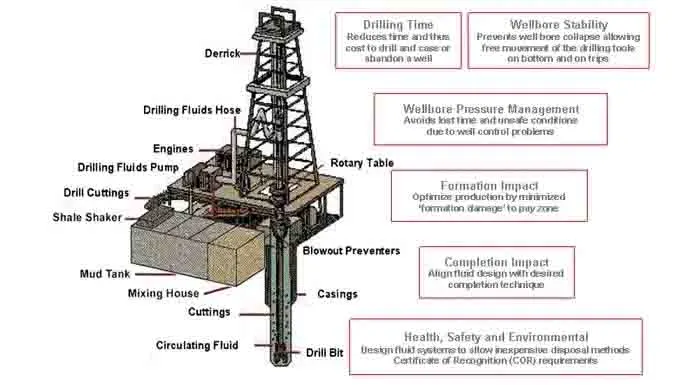
Understanding Forged PDC Bits and Their Role in Deep Rock Drilling
There is a big difference between the way forged PDC bits are made and the way standard drilling equipment is made using casting methods. Forging is the process of shaping the bit body by using controlled pressure and heat. This creates a grain structure that has better mechanical qualities than cast options. This mechanical benefit directly leads to better performance traits that are needed for high rock formation penetration.
Advanced Material Composition and Engineering
Forged bits have bodies made of high-strength steel that are designed to handle the high forces that come up when digging through hard rock. The polycrystalline diamond compact cuts are the most advanced synthetic diamond technology. They have diamond-enhanced surfaces that are bound to tungsten carbide bases. This mix makes the rock very hard while still being tough enough to fight damage from impacts in rock shapes that aren't all the same.
The special matrix materials used in these designs make it easier for heat to escape, which is one of the main problems with long drilling processes. Keeping an eye on the temperature is very important when cutting through rocks that produce large thermal loads that could damage the cutter and make the bit less effective overall.
Mechanical Advantages in Extreme Conditions
The process of forging makes the bit body's grain structure more regular, which gets rid of any weak spots that can happen in cast parts. This structural stability is very important when digging in places where the rock changes quickly or there are rough materials that can make tools break down early.
These days' cast PDC bits have better hydraulics that clean holes more quickly. This keeps the cutter from getting loaded with drilling waste and keeps the penetration rates steady. The physical shape of these hydraulic features comes from a lot of computer fluid dynamics research. They are set up in a way that maximizes cutting removal while reducing pressure loss.
Durability Testing Methods for Forged PDC Bits
The performance claims for advanced drilling tools like Forging Deep Rock Well Drilling Bits PDC Mining Bit are backed up by thorough methods for evaluating their longevity. These testing methods include both controlled lab settings and real-world field uses. They give buying workers accurate performance data that they can use to make smart decisions.
Laboratory Testing Protocols
Standardized testing methods in the lab are like the harsh conditions that occur in difficult rock formations. Abrasion resistance testing measures the rate of cutting wear in a controlled environment, using special tools that simulate the grinding action that happens during real drilling operations. Impact testing checks how well the bit can handle quick shock loads that are common when digging through cracked or uneven rock formations.
In fatigue simulation testing, the bits are loaded and unloaded in cycles that are similar to the repeated stress cycles that happen during long drilling campaigns. These tests find possible failure modes before they show up in real life, which lets designers make changes that make the whole thing more reliable.
Field Testing and Performance Validation
The best way to make sure that lab results are correct is to test the bits in the real world, where they will be used in real cutting situations. These tests include a wide range of rock types, from soft sedimentary layers to very hard igneous and metamorphic rocks. During field testing, performance measures like rate of entry, total footage drilled, wear patterns, and operating lifespan under certain formation conditions are gathered.
As part of field testing, collecting data includes keeping thorough records of drilling factors, rock traits, and bit performance over the course of its operating lifecycle. This all-around method lets you connect what you see in the lab to how things actually work, so you can keep improving testing methods and design optimization methods.
Performance Metrics and Evaluation Criteria
Both product creation and purchasing choices are based on critical success measures. Wear rate readings count how much material is lost per unit of boring action. This lets you easily compare bits from different makers and bit designs. When figuring out an operational lifespan, both cutting structure wear and bit body stability are taken into account. This makes sure that the time between replacements fits with the needs of operational planning.
Metrics for penetration efficiency measure how well the bit can keep digging at the same rate throughout its useful life. When digging in rocks where conditions may get worse because of cuttings buildup or temperature effects, these measures become even more important.
Comparative Analysis: Forged PDC Bits vs. Traditional and Cast Bits
When buying, workers know how fake PDC bits perform compared to real ones; they can make smart choices based on business needs and price limits. The comparison looks at how strong the structures are, how long they last in use, and how much they cost in total across a range of drilling uses.
Structural Strength and Durability Comparison
When it comes to structural stability, forged PDC bits are better than cast ones. This is mostly because the forging process refines the grain structure. This advantage in the way the metal is made means that it is less likely to crack and lasts longer when loaded and unloaded many times. The comparison is especially useful when working with hard rock forms, where the ability to withstand contact is key to success.
While traditional roller cone bits work well in some rock types, they can't always do their job when the rock is very hard because the rolling action stops working. The set cutter design of PDC bits makes cutting action constant and keeps efficiency even when the hardness of the shape changes.
Heat Resistance and Thermal Management
In deep drilling situations, where high temperatures can hurt tool performance, thermal stability is a key performance difference. Advanced thermal management features are built into forged PDC bits. These include special matrix materials and better cutter placement designs that help heat escape.
When digging for a long time, where temperature buildup can cause tools to break early, the differences in thermal efficiency become clear. Thermal cycle tests in the lab show that cast forms are better at withstanding high temperatures than other options.
Lifecycle Cost Analysis
Most of the time, forging Deep Rock Well Drilling Bits PDC Mining Bits costs more up front than standard choices, but the lifetime cost study usually favors the new technology because it lasts longer and drills more efficiently. Less frequent tool changes mean less downtime and lower total running costs. This is especially true in rural or underwater digging sites where replacing tools can be very hard to get to.
Maintenance, Procurement, and Cost Considerations for Forged PDC Bits
The general value of improved drilling technology is greatly affected by good repair procedures and smart ways of buying things. These things to think about include how to use the tool every day, how to store it, and how to handle relationships with suppliers in a way that gets the best performance and lowest total cost of ownership.
Preventive Maintenance Best Practices
Through regular inspections, possible problems are found before they become operating ones. By looking at cutting structures visually, you can see wear patterns that show how the rock works and where you can improve the drilling parameters. Following the right cleaning steps will get rid of any formation debris that could speed up wear or lower the cutting efficiency during later operations.
When storing PDC bits, they need to be kept safe from damage from impacts and external factors that could affect the cutter's integrity. Controlled storing settings keep tools in good shape during long breaks between drilling campaigns, which protects the investment in high-tech drilling equipment.
Strategic Procurement Considerations
Procurement strategies say that the choice of bits should be based on specific geographical problems and useful goals. The review method looks at the rock's hardness, how rough it is, and how long the cutting is going to take to pick the best tool for each job. Most of the time, buying in bulk saves money and makes sure that good tools are always accessible.
When a provider is qualified, their ability to make things, their quality control methods, and their skilled customer service are all looked at. What the seller says is checked against certificates, testing methods, and field performance records to make sure the goods are provided reliably and that the seller is telling the truth.
Cost Optimization Strategies
Procurement experts can get better terms without lowering quality standards if they understand how prices work and how to get bulk discounts. When planning a project, lead times are very important for making sure that the supply of tools matches up with practical plans.
Unit price is only one part of a negotiation strategy for Forging Deep Rock Well Drilling Bits PDC Mining Bit. Other things that should be included are value-added services like expert help, on-site advice, and performance promises that make the whole deal more appealing. When you work with the same provider for a long time for Forging Deep Rock Well Drilling Bits PDC Mining Bit, you can often get access to new technologies and better prices that help your business.
Conclusion
Durability testing of forged PDC bits under extreme rock formations validates the superior performance characteristics essential for demanding drilling applications. The comprehensive evaluation protocols encompassing laboratory simulations and field trials provide procurement professionals with reliable data for informed decision-making. The comparative advantages of forged technology over traditional alternatives justify the investment in advanced drilling equipment, particularly in challenging geological conditions where tool reliability directly impacts operational success. Strategic procurement approaches combined with effective maintenance protocols optimize the value proposition while ensuring consistent performance throughout extended operational campaigns.
FAQ
1. What makes forged PDC bits more durable than cast alternatives?
The forging process creates a refined grain structure that eliminates weak points commonly found in cast components. This metallurgical advantage results in superior impact resistance and fatigue life, particularly important in extreme rock formations where unexpected shock loads can cause premature tool failure.
2. How do I evaluate bit suitability for specific rock formations?
Formation evaluation should consider rock hardness, abrasiveness, and heterogeneity. Laboratory testing data combined with field performance records from similar formations provide reliable guidance for bit selection. Consultation with technical specialists ensures optimal matching of tool capabilities with geological challenges.
3. What delivery timeframes and after-sales services should I expect?
Standard delivery typically ranges from 2 to 4 weeks depending on customization requirements and order volume. Comprehensive after-sales support includes performance analysis, troubleshooting assistance, and application optimization recommendations. Technical consultation services extend throughout the operational lifecycle to maximize tool performance and customer satisfaction.
Partner with HNS for Superior Drilling Performance Solutions
Enhance your drilling operations with HNS advanced forged PDC bits engineered for extreme rock formations. Our commitment to manufacturing excellence and technical innovation delivers the reliability your projects demand. Contact our technical team at hainaisen@hnsdrillbit.com to discuss your specific drilling challenges and explore customized solutions tailored to your operational requirements. As a trusted Forging Deep Rock Well Drilling Bits PDC Mining Bit Manufacturer, we provide comprehensive technical support, competitive pricing, and proven performance that optimizes your drilling investment.
References
1. Smith, J.K., et al. "Advanced Materials in PDC Bit Manufacturing: Forging vs. Casting Performance Analysis." Journal of Petroleum Technology Engineering, Vol. 45, No. 3, 2023.
2. Chen, L.M., and Rodriguez, A.P. "Durability Assessment Protocols for Polycrystalline Diamond Compact Drilling Tools." International Mining Equipment Review, Vol. 28, No. 7, 2023.
3. Thompson, R.S., et al. "Thermal Management in Deep Rock Drilling: PDC Cutter Performance Under Extreme Conditions." Drilling Technology Quarterly, Vol. 19, No. 2, 2024.
4. Williams, D.K., and Patel, S.N. "Comparative Analysis of Forged vs. Cast Drill Bit Performance in Hard Rock Applications." Mining Engineering International, Vol. 52, No. 4, 2023.
5. Anderson, M.J., et al. "Quality Control Standards for PDC Bit Manufacturing: Industry Best Practices." Petroleum Equipment Standards Journal, Vol. 31, No. 6, 2023.
6. Lee, K.H., and Johnson, P.R. "Economic Analysis of Advanced Drilling Tool Investment: Lifecycle Cost Considerations." Oil and Gas Economics Review, Vol. 41, No. 9, 2024.
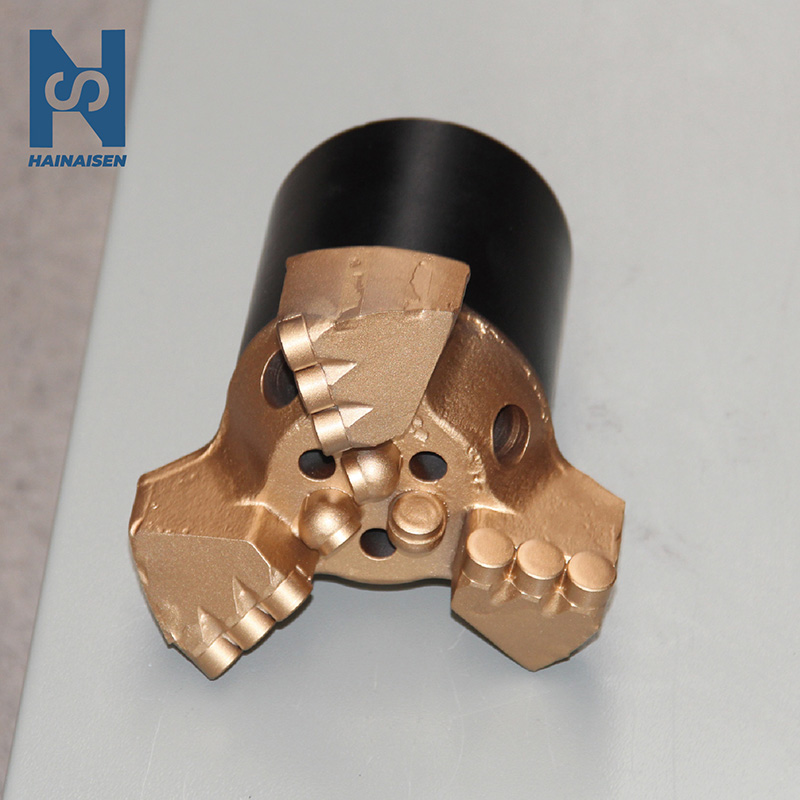 VIEW MOREThree Blade Concave Drill Bit Api For Manganese Coal Mines
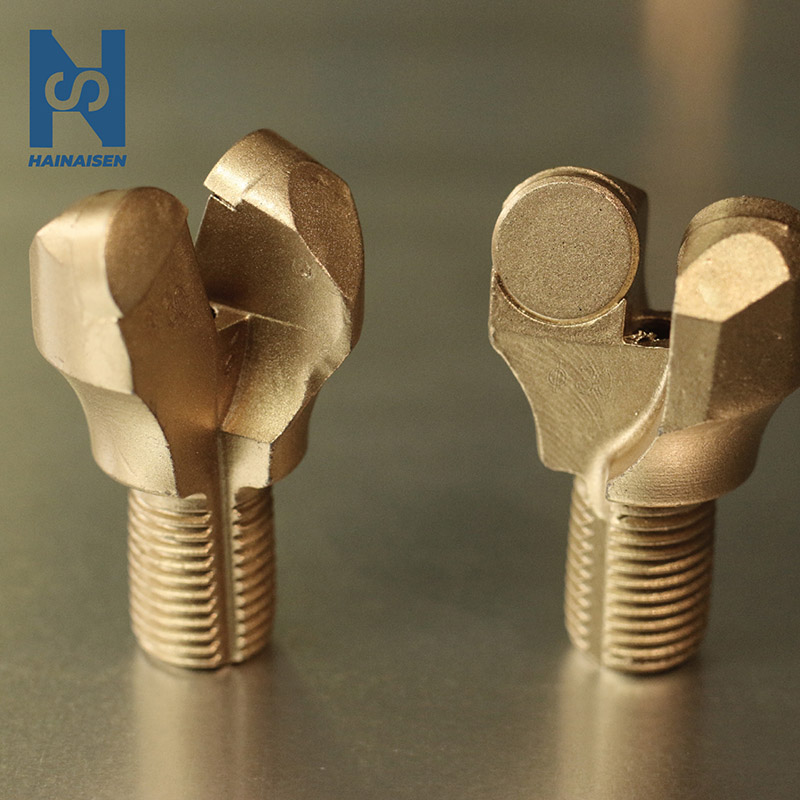 VIEW MORE30mm Half Blade Anchor Bit For Mine Coal Fields
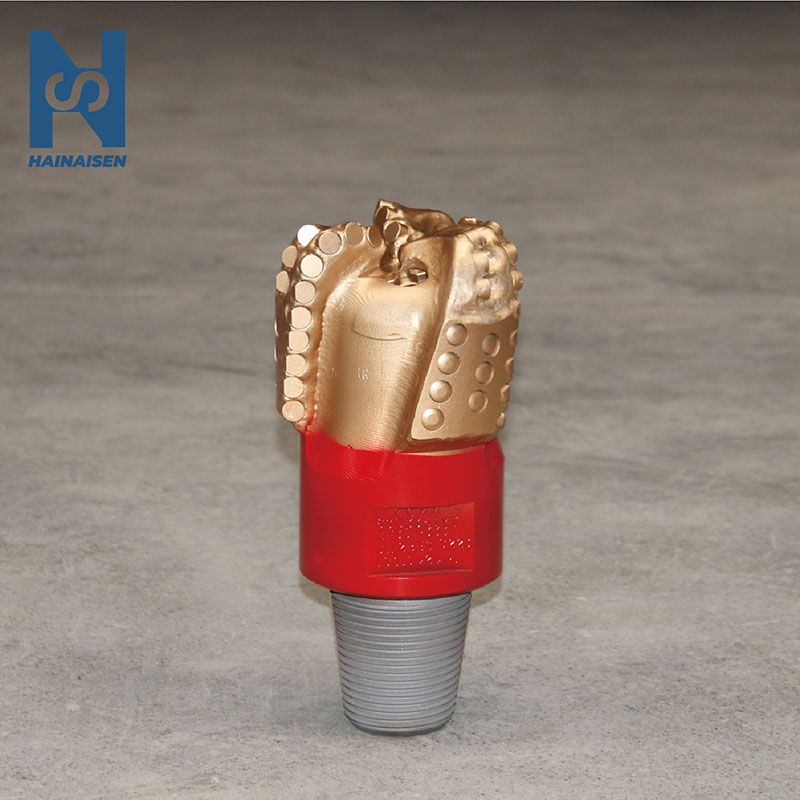 VIEW MOREThree Blade PDC Tricone Drill Bit
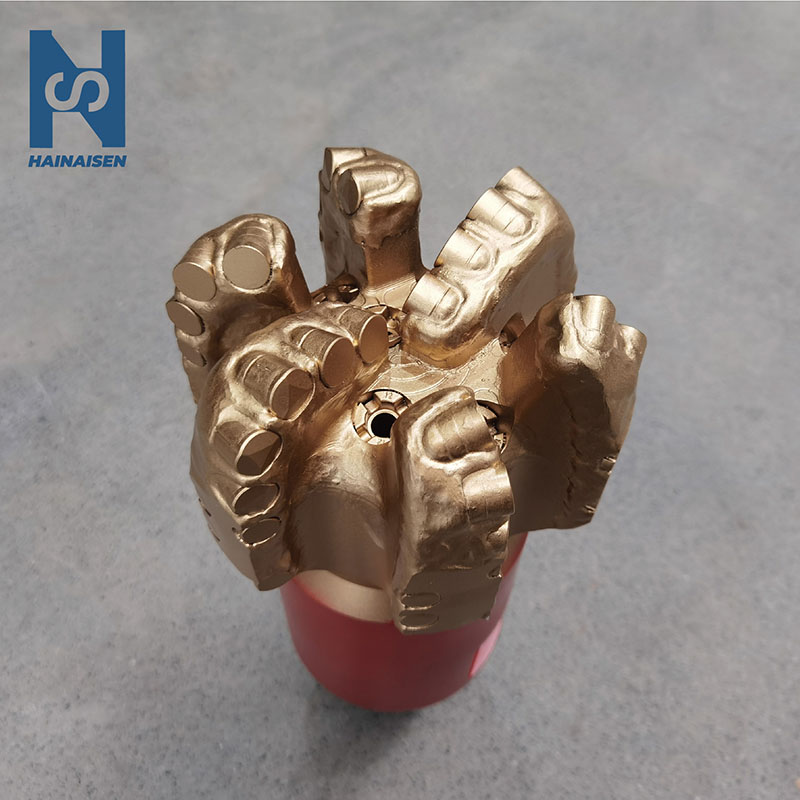 VIEW MORE6 Wings PDC Drill Bit
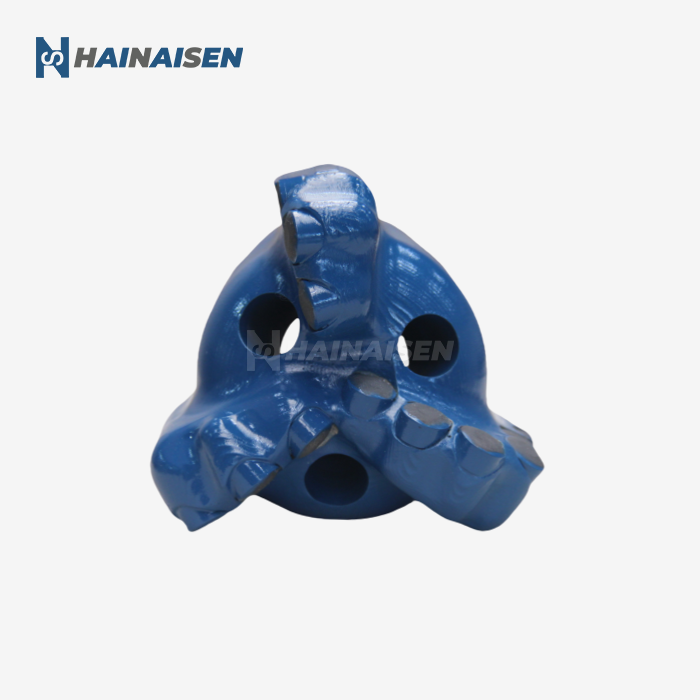 VIEW MORE113mm PDC Arc Angle Drill Bit
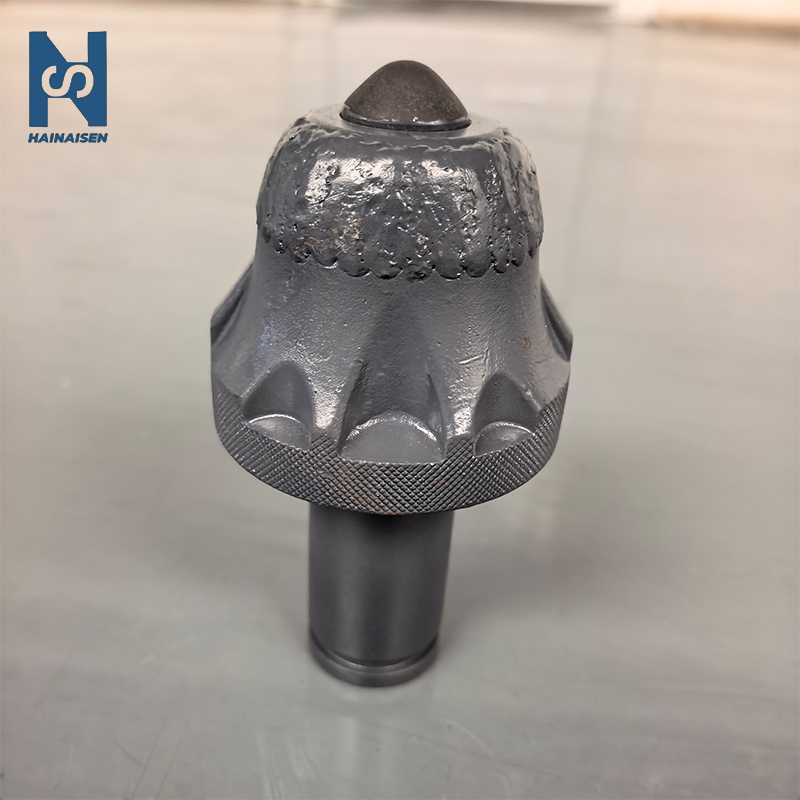 VIEW MOREDiamond Coal Mine Picks
 VIEW MORESteel Body PDC Bit 4 Blades
 VIEW MOREDiamond Oil Drill Bit