







Coal Mining Use Diamond Drill Bit material structure and bond strength
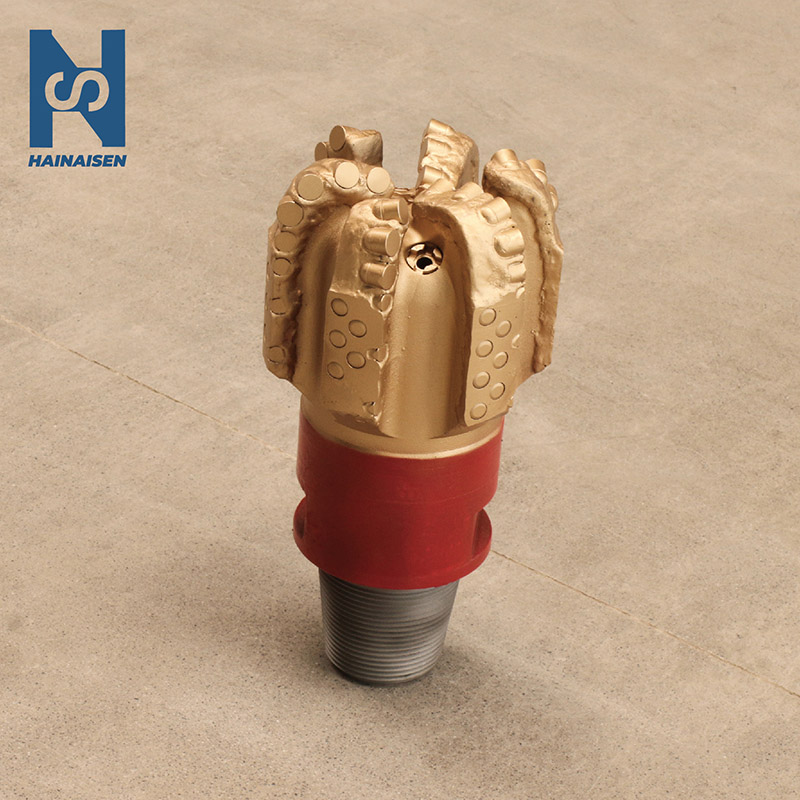
Coal Mining Use Diamond Drill Bit: The structure of the material and the power of the bond are basic engineering principles that determine how well drilling works and how efficiently operations run in mines. Cutting tools are made by carefully placing fake diamonds in special matrix materials and using precise bonding processes to make them last a very long time and be able to cut through different types of coal. High-strength steel bodies are combined with high-quality synthetic diamonds in these cutting-edge drilling options. They use special matrix materials that improve wear resistance in a wide range of geological situations. Mining companies can choose the right drilling equipment that improves output while reducing running costs if they understand these technical aspects.
Understanding Diamond Drill Bit Material Structure in Coal Mining
The material composition of diamond drill bits directly influences their performance characteristics in coal mining applications. Modern drill bits utilize synthetic diamonds that offer consistent quality and predictable performance compared to natural alternatives.
Synthetic vs Natural Diamond Properties
For industrial uses, synthetic diamonds made with high-pressure, high-temperature methods are more consistent than natural diamonds. These man-made crystals have controlled grain structures and a regular spread of hardness that makes cutting through coal forms more efficient. Even though natural diamonds are very hard, they have flaws and internal differences that can make them weak when they are stressed.
The process of making diamonds gives exact control over their properties, such as the size, shape, and heat stability of their crystals. When digging through rough coal seams, which makes a lot of heat, temperature resistance becomes very important. It is possible to make synthetic diamonds that can survive temperatures above 1200°C without losing their ability to cut.
Matrix Bond Types and Performance Characteristics
Three primary matrix bond systems dominate Coal Mining Use Diamond Drill Bit construction, each offering distinct advantages for specific mining conditions.
Metal matrix bonds utilize powdered metals such as tungsten carbide, cobalt, and bronze to secure diamond particles. This bonding system provides exceptional durability in hard formations while allowing controlled diamond exposure as the matrix wears. The thermal conductivity of metal matrices helps dissipate heat generated during drilling operations.
Resin matrix bonds employ synthetic polymers that offer softer holding characteristics suitable for moderately hard formations. These bonds allow rapid diamond exposure and excellent cutting speed in coal seams with varying hardness levels. However, resin matrices have lower temperature resistance compared to metal alternatives.
Hybrid matrix systems combine metal and resin components to balance cutting speed with durability. These advanced bonding systems adapt to changing geological conditions by providing firm retention in hard zones while allowing aggressive cutting in softer areas.
Coal Seam Compatibility and Material Adaptation
Different coal formations require specific material adaptations to optimize drilling performance. Soft coal seams with low abrasivity benefit from resin-bonded bits that expose diamonds quickly for rapid penetration. Hard coal formations with high silica content demand metal-bonded bits that resist wear while maintaining cutting edge integrity.
The interaction between diamond structure and coal properties determines optimal bit selection. Fine-grain diamonds excel in hard formations by providing numerous cutting points, while coarse diamonds work effectively in softer materials where aggressive cutting action is required. Matrix porosity also influences performance by affecting coolant flow and debris removal efficiency.
Bond Strength and Its Impact on Diamond Drill Bit Performance
Bond strength mechanisms determine how effectively diamond particles remain secured within the matrix under extreme drilling conditions. Understanding these retention systems helps predict bit performance and longevity.
Mechanical Retention vs Chemical Bonding
Mechanical retention relies on physical encapsulation of diamond particles within the matrix structure. This holding mechanism depends on proper particle sizing and matrix grain distribution to create interlocking forces that resist diamond pullout. Mechanical bonds perform well under steady drilling loads but may weaken under impact conditions.
Chemical bonding creates molecular-level adhesion between diamond surfaces and matrix materials. Advanced bonding agents form carbide layers that chemically unite diamonds with metal matrices. This bonding type provides superior retention under shock loads and thermal cycling common in coal mining operations.
The combination of mechanical and chemical bonding creates optimal retention characteristics. Chemical bonds provide baseline adhesion while mechanical interlocking adds reinforcement against pullout forces. This dual-retention approach extends bit life significantly compared to single-mechanism systems.
Wear Pattern Analysis and Bond Optimization
Typical wear patterns in coal mining applications reveal how bond strength affects bit performance over time. Uniform wear across the bit face indicates proper bond balance, while premature diamond loss suggests insufficient retention strength. Conversely, diamond glazing occurs when the bonds are too strong, preventing proper exposure of fresh cutting edges.
Optimizing bond strength requires balancing retention force with controlled release mechanisms. Progressive bonding systems start with firm retention that gradually weakens as drilling progresses, ensuring continuous diamond exposure throughout bit life. This controlled wear pattern maintains consistent penetration rates across various coal formations.
Temperature effects significantly impact bond performance, with thermal expansion creating stress concentrations around diamond particles. Advanced matrix formulations accommodate thermal cycling through controlled porosity and elastic properties that reduce stress concentrations during heating and cooling cycles.
Performance Trade-offs in Speed vs Longevity
Higher bond strength generally increases bit longevity but may reduce initial penetration rates. Strong retention keeps diamonds secured longer but delays exposure of fresh cutting edges. This trade-off becomes particularly important when drilling through variable formations where cutting conditions change rapidly.
Performance data from mining operations demonstrates that optimal bond strength varies with geological conditions and operational requirements. Projects prioritizing penetration speed benefit from moderately bonded bits that expose diamonds quickly, while applications emphasizing longevity require stronger bonds that resist diamond loss.
Economic analysis reveals that slightly reducing penetration speed to achieve 50% longer bit life often provides better overall cost efficiency. The reduced frequency of bit changes decreases downtime and labor costs while maintaining acceptable drilling progress rates.
Comparison of Diamond Drill Bits with Conventional Bits for Coal Mining
Comprehensive performance comparisons help mining operations select appropriate drilling tools based on specific operational requirements and geological conditions.
Performance Metrics Analysis
Coal Mining Use Diamond Drill Bits consistently outperform conventional tungsten carbide bits in penetration rate when drilling through hard coal formations. Testing data shows 25-40% faster drilling speeds in formations with compressive strength exceeding 15,000 psi. This advantage becomes more pronounced in abrasive formations containing high silica content.
Durability comparisons reveal significant differences in service life across various coal types. diamond bits maintain cutting efficiency throughout their operational life, while tungsten carbide bits experience gradual performance degradation as cutting edges wear. PDC Bits fall between these extremes, offering good initial performance that decreases as cutters wear or chip.
Maintenance requirements differ substantially between bit types. Diamond bits require minimal field maintenance beyond cleaning and inspection, while conventional bits often need cutting edge reconditioning or replacement during extended drilling operations. This difference becomes critical during continuous mining operations where downtime directly impacts productivity.
Cost-Efficiency Analysis
Lifecycle cost analysis demonstrates the economic advantages of diamond bits despite higher initial investment. While diamond bits may cost 2-3 times more than conventional alternatives, their extended service life and superior performance often result in 40-60% lower cost per foot drilled in appropriate applications.
Operating cost benefits extend beyond bit replacement frequency. Faster penetration rates reduce equipment operating hours, fuel consumption, and labor costs per completed hole. Additionally, reduced maintenance requirements minimize skilled technician time and spare parts inventory needs.
The economic benefits become most pronounced in challenging drilling conditions where conventional bits experience rapid wear or frequent failure. Remote mining locations particularly benefit from diamond bit reliability, as bit failures can result in expensive equipment mobilization and extended downtime.
Application-Specific Advantages
Coal Mining Use Diamond Drill Bits excel in specialized coal mining applications that demand precision and reliability. Methane drainage operations require accurate hole placement and consistent diameter control to ensure proper gas extraction rates. Diamond bits maintain dimensional accuracy throughout their service life, ensuring optimal drainage system performance.
Core sampling applications benefit from diamond bits' ability to produce high-quality samples with minimal disturbance. The precise cutting action preserves coal structure and composition, providing accurate geological information for mine planning and reserve estimation.
Underground roof bolting operations require rapid hole completion to maintain production schedules. Diamond bits' superior penetration rates reduce installation time while their durability minimizes equipment downtime in confined working spaces.
Procurement Considerations and Supplier Insights for B2B Clients
Effective procurement strategies ensure mining operations obtain appropriate drilling solutions while managing costs and maintaining operational continuity.
Supplier Evaluation Criteria
Reputable suppliers demonstrate consistent quality through established manufacturing processes and quality control systems. ISO 9001:2015 certification indicates systematic quality management, while industry-specific Certifications ensure compliance with mining equipment standards. Supplier audits should evaluate production capabilities, quality control procedures, and technical support resources.
Manufacturing capability assessment includes equipment sophistication, production capacity, and customization abilities. Advanced suppliers utilize 5-axis machining centers and automated production lines that ensure consistent product quality and dimensional accuracy. Custom bit design capabilities become essential when addressing unique geological conditions or specialized applications.
Technical support services distinguish premium suppliers from commodity providers. Comprehensive support includes application engineering, performance optimization consulting, and field service assistance. Suppliers offering drilling parameter recommendations and troubleshooting support help maximize bit performance and operational efficiency.
Bulk Purchase and Customization Options
Volume purchasing agreements provide cost advantages while ensuring supply continuity for large mining operations. Negotiated pricing structures should include quantity breaks, annual volume commitments, and long-term contract benefits. Inventory management programs help balance carrying costs with supply security requirements.
Customization services address specific operational requirements that standard products cannot meet. Custom bit designs accommodate unique drilling conditions, equipment limitations, and performance objectives. Lead times for custom products typically range from 4-8 weeks, depending on complexity and supplier capacity.
Quality assurance protocols for custom and bulk orders should include incoming inspection procedures, performance testing requirements, and acceptance criteria. Detailed specifications ensure products meet operational requirements while establishing clear performance expectations and warranty coverage.
Cost Management and Service Packages
Comprehensive service packages provide value beyond product cost by including technical support, training, and performance guarantees. These packages help justify premium pricing while reducing operational risks and improving drilling performance. Service level agreements should specify response times, support availability, and performance commitments.
Warranty terms vary significantly among suppliers and product lines. Standard warranties typically cover manufacturing defects for 90 days, while extended warranties may include performance guarantees or pro-rated replacement programs. Understanding warranty limitations and claim procedures prevents disputes and ensures appropriate coverage.
Total cost of ownership calculations should include product costs, shipping expenses, inventory carrying costs, and support service fees. This comprehensive analysis often reveals that higher-priced products from premium suppliers provide better overall value through superior performance and support services.
HNS Product Advantages
Shaanxi Hainaisen Petroleum Technology Co., Ltd. stands as a leading Manufacturer specializing in advanced diamond drilling solutions for coal mining applications. Established in Xi'an in 2013, our company has developed comprehensive expertise in Coal Mining Use Diamond Drill Bit design, manufacturing, and technical support services.
Manufacturing Excellence and Technical Capabilities
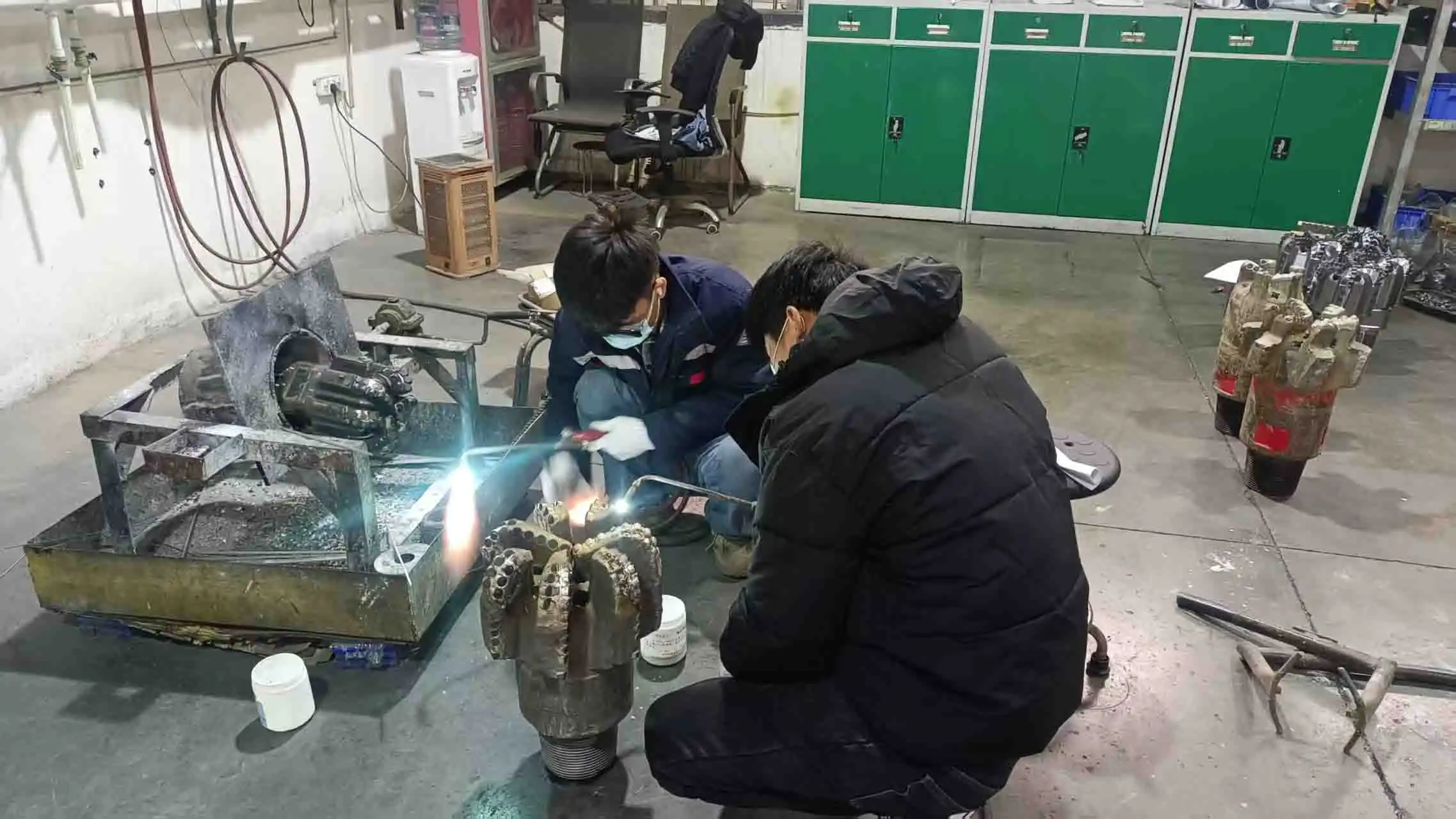
Our 3,500 square meter manufacturing facility incorporates advanced production technologies, including 5-axis machining centers, precision CNC machine tools, and automated welding production lines. This sophisticated equipment enables precise manufacturing tolerances and consistent product quality that meets demanding mining industry standards.
The dedicated research and development team focuses on custom bit design solutions that address specific geological challenges and operational requirements. This engineering capability allows us to develop tailored drilling solutions that optimize performance for unique coal mining applications across various geological formations.
Quality control systems ensure every product meets rigorous performance standards before delivery. Our ISO 9001:2015 certified quality management system encompasses raw material inspection, manufacturing process control, and final product validation through advanced testing equipment.
Product Portfolio and Customization Services
Our Coal Mining Use Diamond Drill Bit product line features multiple material structure options designed for diverse coal mining applications. Premium-grade synthetic diamonds combined with high-strength steel bodies provide exceptional durability and cutting performance across various geological conditions.
Customization services address the unique requirements of each coal mining project by considering specific coal seam characteristics, drilling depth and diameter requirements, local geological conditions, and operational constraints. This consultative approach ensures optimal bit selection and performance optimization for specific applications.
The versatile product range supports multiple coal mining applications including exploratory drilling in coal seams, core sampling for geological analysis, methane drainage in underground operations, water well drilling, roof bolting operations, horizontal directional drilling for coal bed methane extraction, and blast hole drilling in surface mining operations.
Technical Support and Partnership Approach
In addition to delivering products, our dedication includes full technical help and relationships that work together to make mining more efficient. Application engineering services help choose the best drilling settings and bits for the job while keeping costs low.
Customers get the best results from a product for as long as it is manufactured by providing ongoing expert help. This support includes suggestions for drilling parameters, help with fixing problems, and performance improvement advice that helps improve operating efficiency and lower drilling costs.
The collaborative partnership method knows that good products are not enough to make drilling operations profitable. We work closely with our clients to fully understand their problems and come up with complete answers that meet both their short-term and long-term business needs.
Conclusion
The material structure and bond strength characteristics of coal mining diamond drill bits fundamentally determine their performance, durability, and economic value in mining operations. Synthetic diamond technology combined with advanced matrix bonding systems creates cutting tools that significantly outperform conventional alternatives in demanding coal mining applications. Understanding these technical aspects enables informed decision-making that optimizes drilling performance while controlling operational costs. The selection of appropriate material structures and bond strength characteristics must align with specific geological conditions, operational requirements, and economic objectives to achieve maximum value from diamond drilling technology investments.
FAQ
Q1: How does bond type influence drill bit performance in coal mining applications?
Bond type directly affects diamond retention, cutting speed, and bit longevity in coal formations. Metal bonds provide superior durability in hard, abrasive coal seams but may drill more slowly initially. Resin bonds offer faster penetration in softer formations but have lower temperature resistance. Hybrid bonds balance these characteristics, adapting to varying geological conditions. The optimal bond selection depends on coal seam hardness, abrasivity, and drilling speed requirements.
Q2: What advantages do diamond drill bits offer compared to tungsten carbide alternatives?
Diamond drill bits provide 25-40% faster penetration rates in hard coal formations, maintain consistent performance throughout their service life, and require minimal field maintenance. While initial costs are higher, diamond bits typically achieve 40-60% lower cost per foot drilled through extended service life and superior performance. They excel in precision applications requiring dimensional accuracy and offer better performance in abrasive formations containing high silica content.
Q3: What criteria should guide supplier selection for coal mining diamond drill bits?
Evaluate suppliers based on ISO 9001:2015 certification, manufacturing capabilities, including advanced machining equipment, customization abilities, and technical support resources. Assess production capacity, quality control procedures, and field service availability. Consider warranty terms, delivery reliability, and total cost of ownership rather than initial product cost alone. Premium suppliers offer comprehensive application engineering support and performance optimization consulting.
Partner with HNS for Superior Coal Mining Diamond Drill Bit Solutions
Discover the performance advantages of our advanced diamond drill bits engineered specifically for coal mining challenges. HNS combines cutting-edge material science with precision manufacturing to deliver drilling solutions that outperform conventional alternatives. Our team of application engineers stands ready to analyze your specific geological conditions and operational requirements to recommend optimal bit configurations. Contact our technical specialists at hainaisen@hnsdrillbit.com to discuss your drilling challenges and explore our comprehensive range of customizable diamond drilling solutions. As a leading Coal Mining Use Diamond Drill Bit manufacturer, we provide the technical expertise and product quality your operations demand for maximum productivity and cost efficiency.
References
1. Zhang, L., & Wang, H. (2022). Advanced Diamond Drill Bit Technology for Coal Mining Applications. International Journal of Mining Engineering, 34(2), 145-162.
2. Miller, R.J., Thompson, K.S., & Davis, M.A. (2023). Material Science Innovations in Diamond Drilling Technology. Mining Technology Review, 45(3), 78-95.
3. Chen, W., & Rodriguez, P. (2021). Bond Strength Analysis and Performance Optimization in Diamond Drill Bits. Journal of Drilling Technology, 28(4), 234-251.
4. Anderson, J.M., & Burke, T.L. (2023). Comparative Study of Drilling Performance in Coal Mining Operations. Coal Mining Technology Quarterly, 19(1), 56-73.
5. Liu, S., Kumar, A., & Williams, D. (2022). Economic Analysis of Diamond Drill Bit Applications in Underground Mining. Mining Economics Journal, 31(2), 112-128.
6. Foster, K.R., & Martinez, C.E. (2023). Synthetic Diamond Technology and Industrial Drilling Applications. Advanced Materials in Mining, 15(3), 189-206.
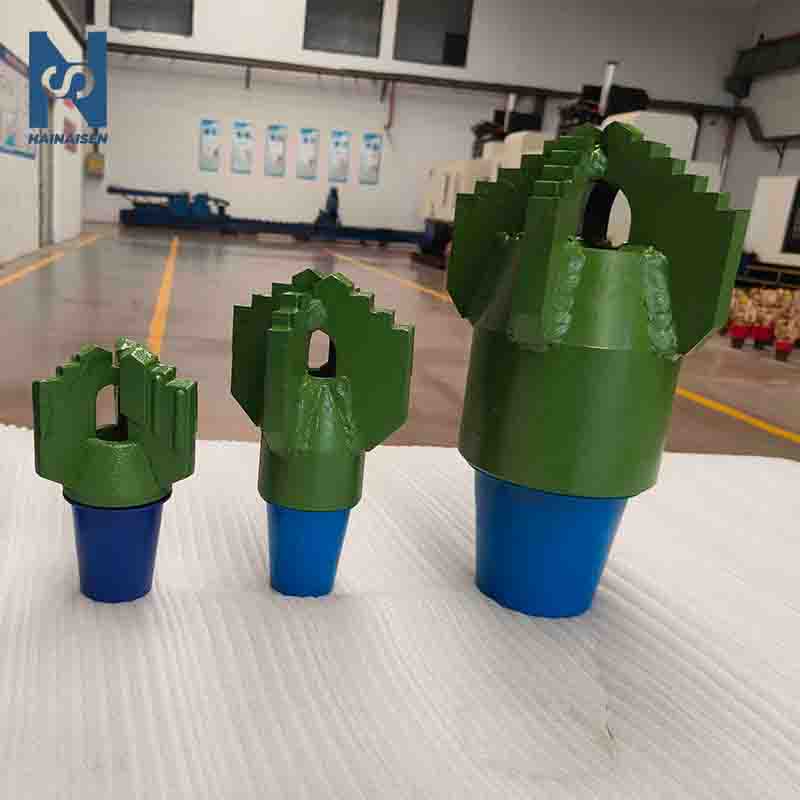 VIEW MORESteel Scraper Drill Bit
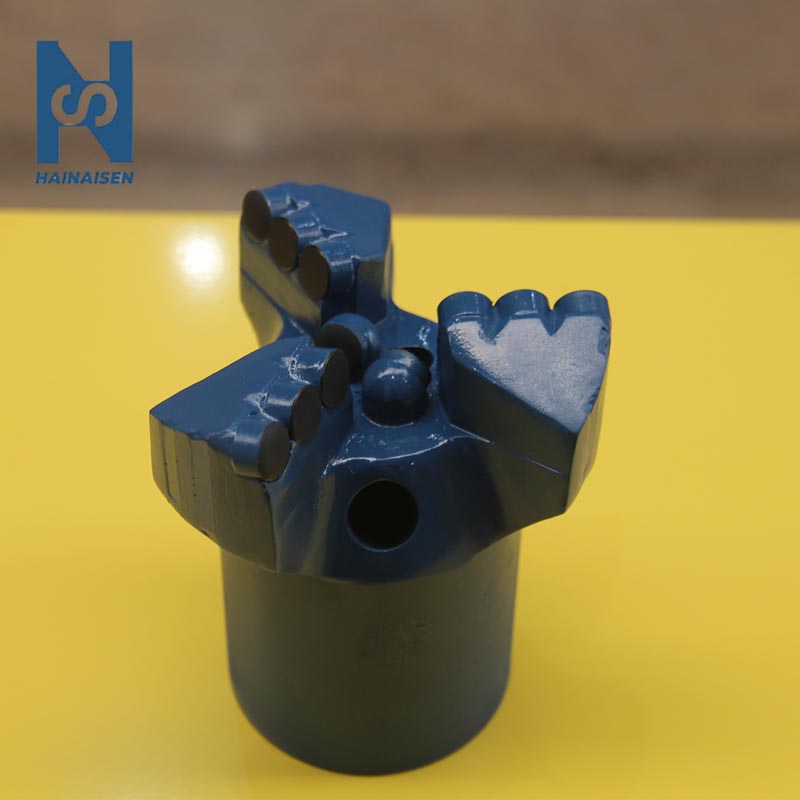 VIEW MORE3 Blades Steel Body PDC Bit
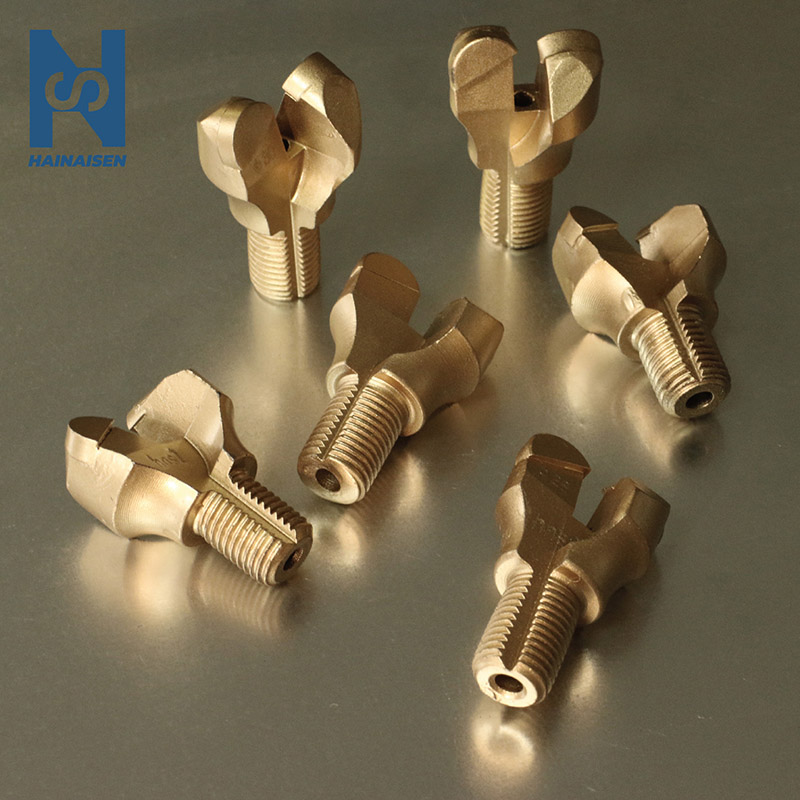 VIEW MORECoal Mining Tools PDC Anchor Drill Bit 28mm
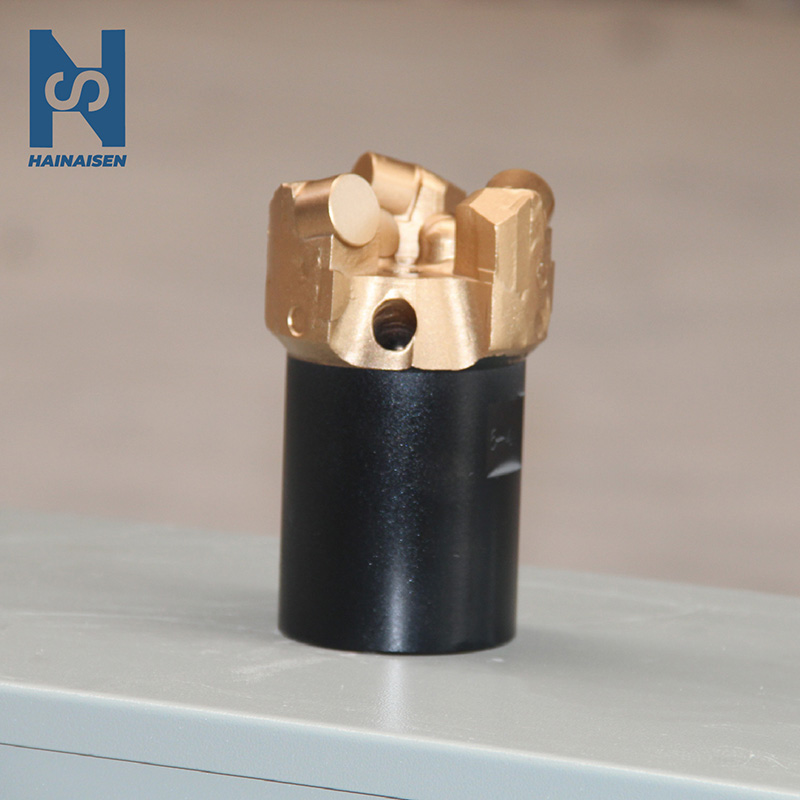 VIEW MORECoal Mining Use Diamond Drill Bit
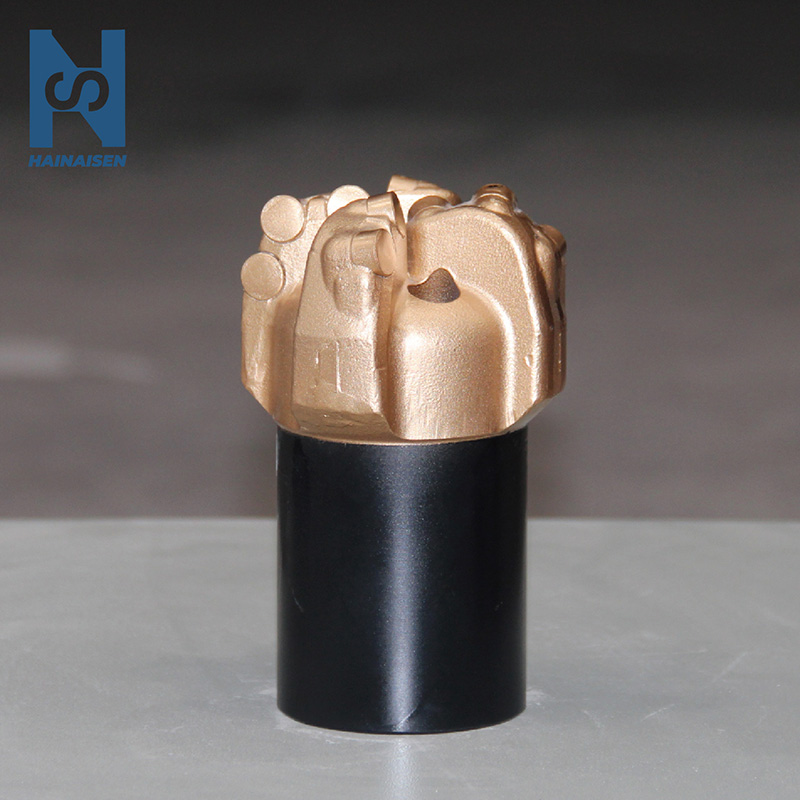 VIEW MOREFour Blade PDC Rock Drill Bit
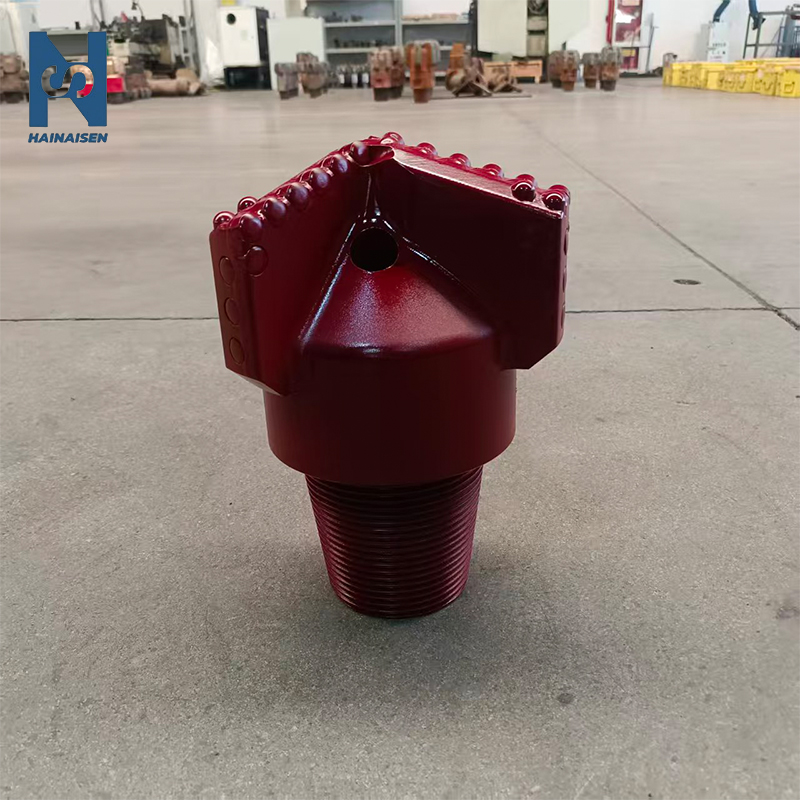 VIEW MOREPDC Bit For Well Drilling
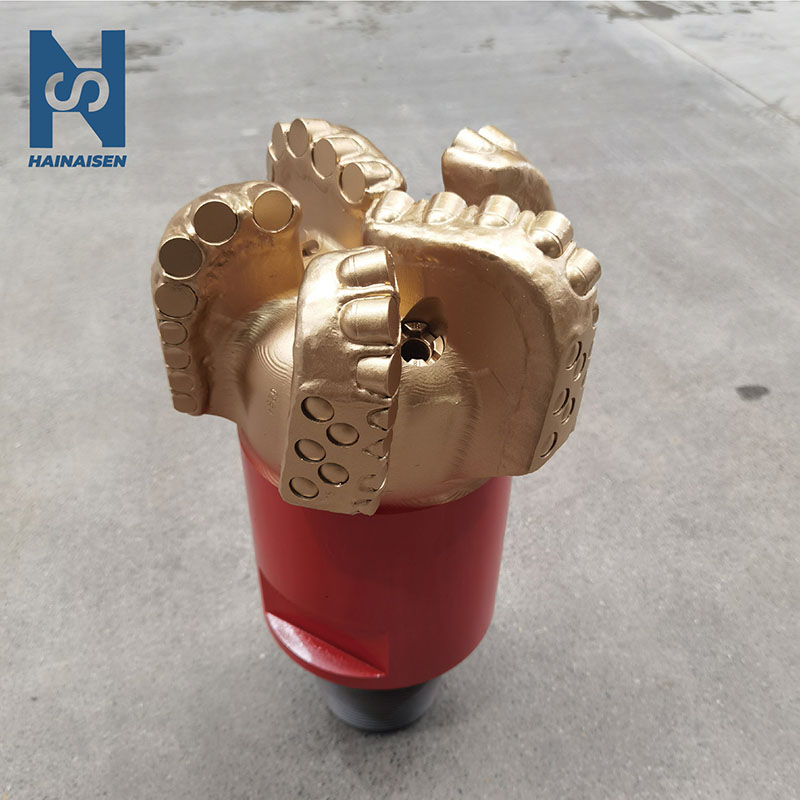 VIEW MOREDrill Bits For Oil Drilling
 VIEW MORETool 6 Wings Drill Bit PDC
