







What makes Coal Mining PDC Drill Bits ideal for abrasive coal seams?
Coal Mining PDC Drill Bits are a cutting-edge development in drilling technology, designed especially to handle the tough conditions of rough coal seams. The unique mix of synthetic diamond cutters and strong steel construction in these polycrystalline diamond compact tools makes them work exceptionally well. Because they are more resistant to wear, cut more efficiently, and have better hydraulic systems, they are the best choice for tough coal layers where regular bits have trouble staying productive and lasting a long time.
Understanding Coal Mining PDC Drill Bits: Design and Functionality
PDC drill bits fundamentally transform how we approach coal seam drilling through their sophisticated engineering and advanced materials science. These tools represent a significant evolution from conventional drilling technology, offering unparalleled performance in the harsh conditions typically encountered in coal mining operations.
Structural Composition and Diamond Technology
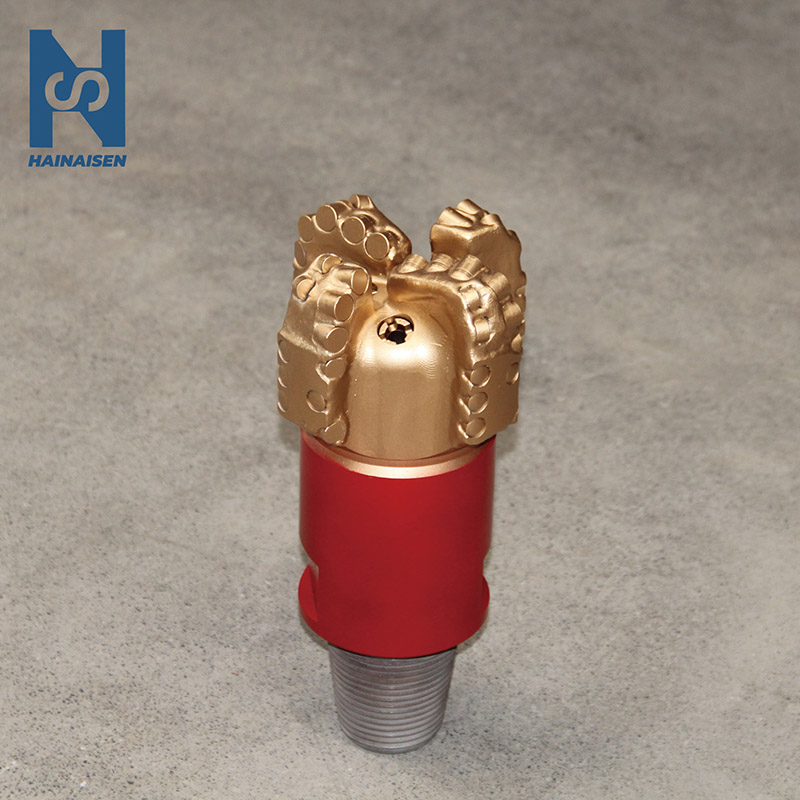
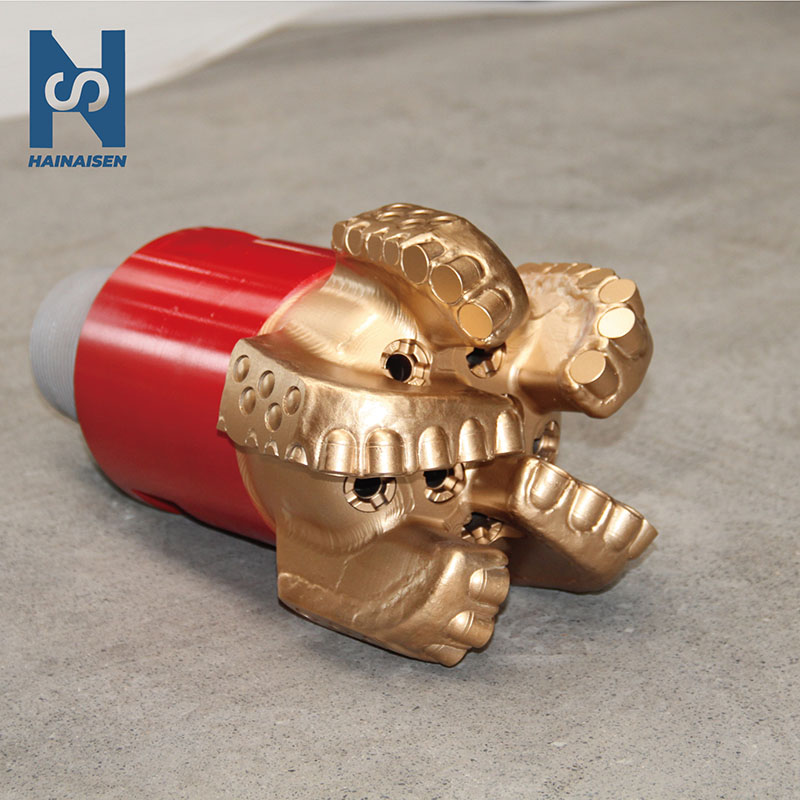
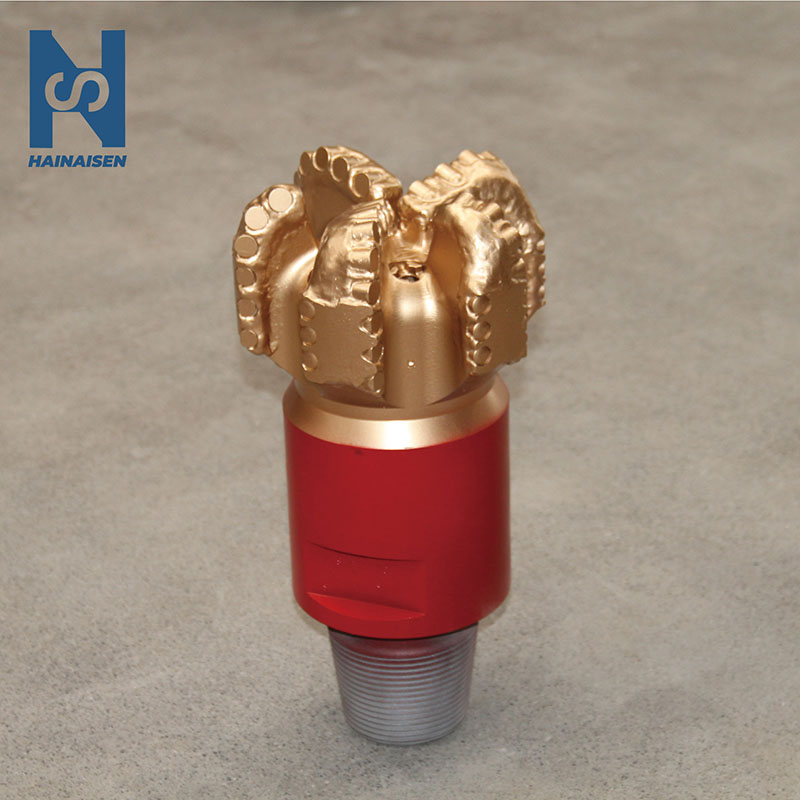
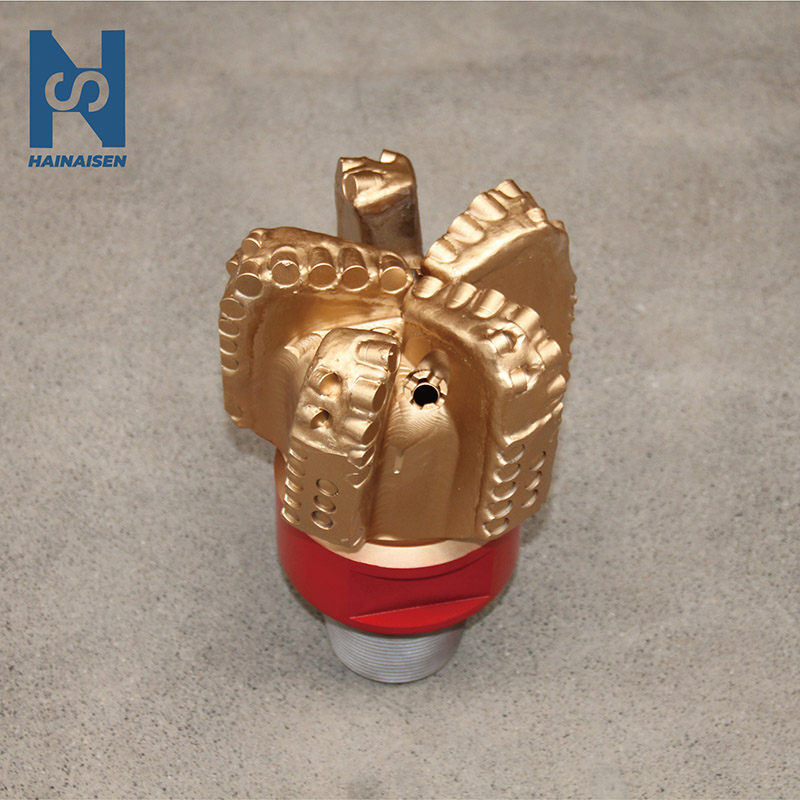
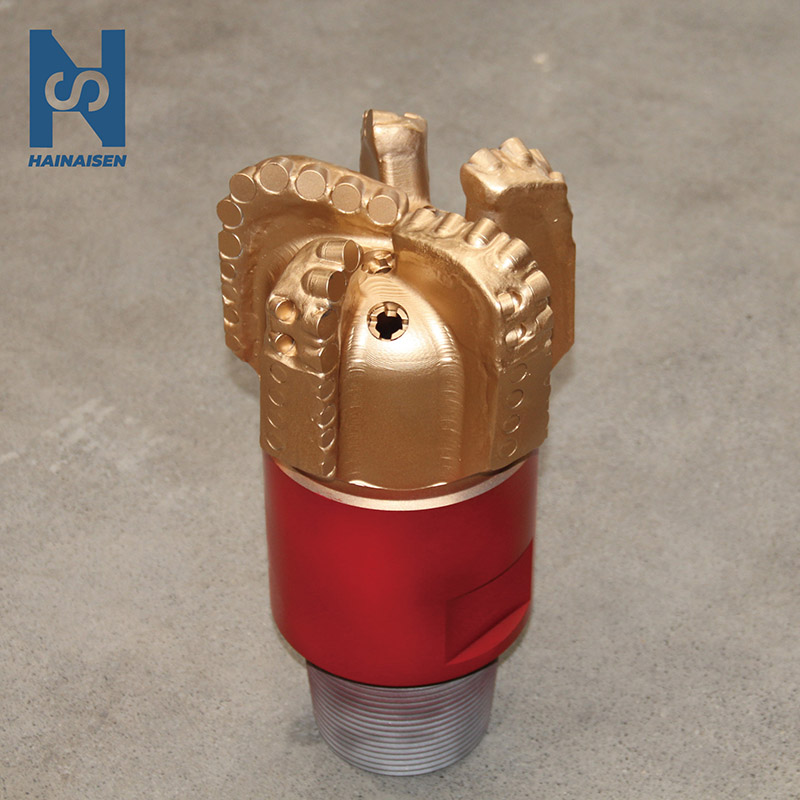
The polycrystalline diamond compact cutters in PDC Bits are what make them work. These are made by putting synthetic diamond pieces on top of tungsten carbide substrates under high heat and pressure. Cutting tools made with this method keep their sharp edges for a lot longer than traditional carbide options. This means that they keep cutting even during long, boring jobs.
In our production process, we use high-grade steel bodies that keep the structure strong while also being able to handle the normal cycles of thermal expansion and contraction that happen in coal-digging settings. The tungsten carbide core makes the bits last longer, so they can handle the repeated impact and wear that comes with working in tough geological conditions.
Fixed Cutter Design Advantages
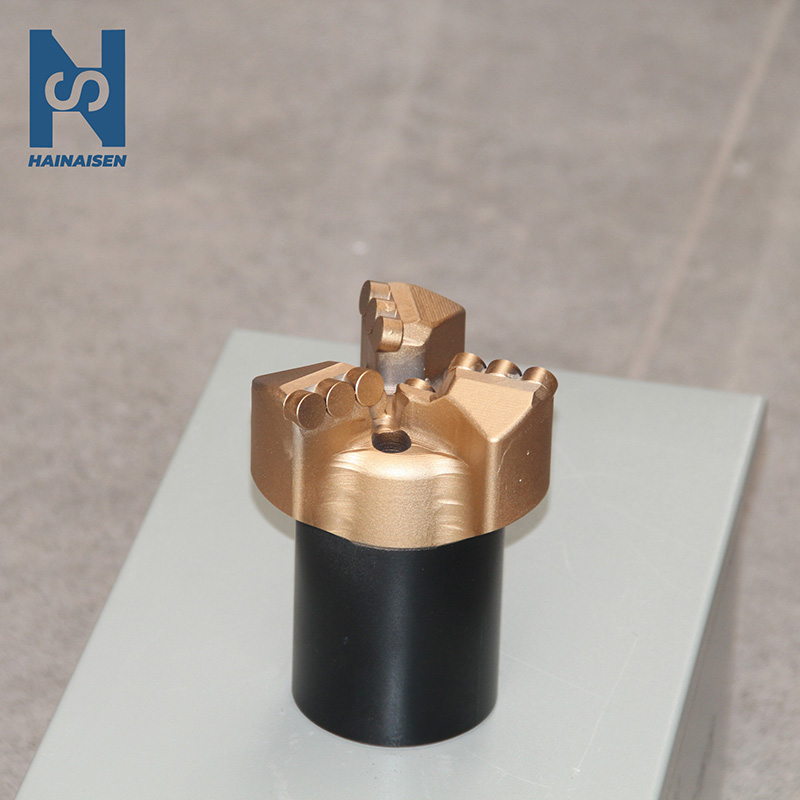
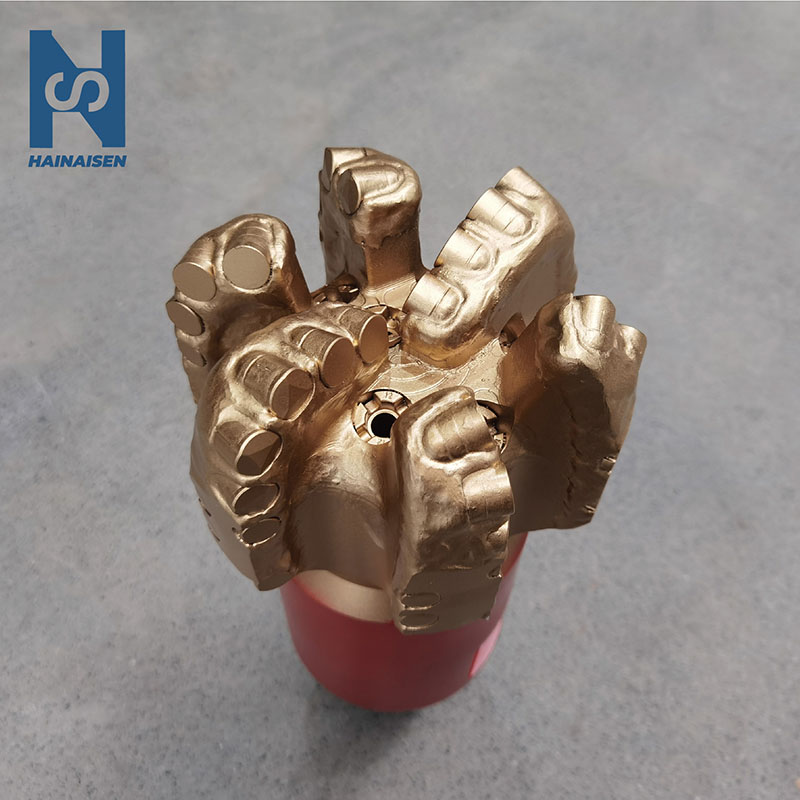
Roller cone bits have parts that rotate, but Coal Mining PDC Drill Bits have fixed cutters that are placed across the bit face in a carefully planned design. Because there are no moving parts in this design, there are no mechanical failure points. This means that it works better and needs less upkeep. The set cutter design allows for constant shearing, which works especially well in coal layers that are not very hard.
The clever placement of the cuts creates the best load distribution, which guarantees even wear patterns and a longer service life. Modern bit designs include backup cutters and gauge safety features that keep the width of the borehole the same and keep the bit from having to be retired too soon because the gauge is worn out.
Hydraulic Optimization Features
Advanced hydraulic systems integrated into PDC bit designs facilitate superior debris removal and cooling efficiency. The placement of nozzles and the configuration of junk slots can be customized to improve fluid flow across the bit face, preventing bit balling and maintaining cutting efficiency in coal-rich environments.
These hydraulic features prove particularly valuable when drilling through formations that generate fine particles, as effective cuttings removal prevents accumulation that could impede drilling progress or damage cutting elements.
Advantages of PDC Drill Bits for Abrasive Coal Seams
The operational benefits of PDC technology become especially pronounced when drilling through abrasive coal formations, where conventional bits face rapid deterioration and frequent replacement cycles. Understanding these advantages helps procurement professionals make informed decisions about drilling technology investments.
Extended Operational Lifespan
It is common for Coal Mining PDC Drill Bits to last 10 to 30 times longer than standard carbide-tipped bits, making them a greatly superior choice. As a direct result, this longer life means less downtime for bit changes and lower total drilling costs. This edge has a big effect on working efficiency and profitability in coal mining, where project timelines are very important.
The advantage of longevity is especially important for long horizontal drilling jobs that are typical in coalbed methane extraction, since bit trips are expensive and take a lot of time. Longer bit life cuts down on how often these breaks happen, so drilling teams can keep making steady progress toward project goals.
Enhanced Penetration Rates
The shearing action of PDC cutters generates higher rates of penetration compared to the crushing action of roller cone bits. This efficiency advantage proves especially valuable in softer coal formations where PDC bits can achieve penetration rates that substantially exceed traditional drilling tools. Faster drilling translates directly to reduced project timelines and improved resource utilization.
Coal formations often present varying hardness levels within the same drilling operation. PDC bits maintain consistent performance across these transitions, avoiding the efficiency losses that roller cone bits experience when encountering different formation characteristics.
Reduced Maintenance Requirements
Because PDC bits don't have any moving parts, they don't have many of the upkeep problems that come with roller cone technology. With fixed cutter designs, problems like bearing failures, seal wear, and cone locking don't happen. This edge in dependability cuts down on unplanned downtime and makes it easier to keep track of inventory for drilling operations.
Maintenance streamlining goes beyond the drill floor and includes lowering the level of specialized knowledge that field workers need to have. The simple way that PDC bits work and fix problems means that less training is needed, and operations are more consistent across crew shifts.
Cost-Effectiveness in Coal Applications
While Coal Mining PDC Drill Bits typically require higher initial investment compared to conventional alternatives, their extended operational life and improved performance characteristics deliver superior total cost of ownership. Coal mining companies report significant cost savings when switching to PDC technology, particularly in applications involving extended drilling operations or challenging formation conditions.
The economic advantages extend beyond direct bit costs to include reduced rig time, lower transportation costs for bit replacement, and improved overall project efficiency. These factors combine to create compelling economic justification for PDC technology adoption in coal drilling applications.
How to Select the Right PDC Drill Bit for Abrasive Coal Seams?
Selecting optimal PDC drill bits for specific coal mining applications requires careful consideration of geological conditions, operational parameters, and project objectives. Proper selection ensures maximum performance and cost-effectiveness from these advanced drilling tools.
Formation Characteristics Assessment
The hardness of coal seams changes a lot from one mine site to another and even within the same seam. By knowing about the features of the shape, you can choose the right cutter and bit design to get the best results in certain situations. For soft coal formations, aggressive cutter configurations that maximize penetration rates work best. For harder formations, on the other hand, more robust cutter configurations that favor sturdiness are needed.
Geological studies and creation analyses give us important information that we need to choose which bits to use. The best bit shape is determined by the amount of abrasive, the amount of moisture, and the presence of rock layers that are interbedded with each other. Working with sellers who have been in the business for a while and know about these natural factors can help you choose the right bits for the job.
Cutter Grade and Configuration Matching
Different PDC cutter grades offer varying balances between wear resistance and impact tolerance. Coal drilling applications typically favor cutters optimized for abrasion resistance rather than extreme impact tolerance, as coal formations generally present less severe shock loading compared to hard rock drilling environments.
Cutter size and placement patterns significantly influence bit performance characteristics. Larger cutters provide improved durability in abrasive conditions, while optimized spacing patterns ensure even load distribution and prevent cutter interference during drilling operations.
Supplier Evaluation Criteria
To buy Coal Mining PDC Drill Bits successfully, you need to do more than just compare prices when you look at different suppliers. Quality Certifications, the ability to make things, and professional help tools are all parts of the total value proposition. Suppliers that offer customization services can change standard patterns to fit the needs of a specific business.
Technical support is especially helpful during the initial phase of adoption and when there are problems with how things are running. Suppliers who have done a lot of coal drilling can give you advice on how to choose the right bits and set up your operations so that they work best for your needs.
We at HNS know how hard it can be to do certain things in coal-digging uses. Our engineering team works closely with customers to look at the features of the formation and the practical needs. This makes sure that the right bits are chosen for each application. This joint method helps get the best results from drilling while keeping costs as low as possible.
Best Practices for Using and Maintaining PDC Drill Bits in Coal Mining
Maximizing PDC bit performance in coal mining applications requires adherence to established operational practices and maintenance protocols. These guidelines help ensure optimal tool life and consistent drilling performance across diverse operational conditions.
Operational Parameter Optimization
Proper drilling parameters significantly influence Coal Mining PDC Drill Bits' performance and longevity. Weight on the bit and rotation speed must be carefully balanced to maintain optimal cutting action without overloading the cutting elements. Coal formations typically respond well to moderate weight on bit values combined with appropriate rotation speeds that prevent excessive heat generation.
Hydraulic flow rates and pressure settings require optimization to ensure effective cuttings removal while providing adequate cooling for cutting elements. Insufficient flow can lead to bit balling and reduced penetration rates, while excessive flow may cause formation damage or premature cutter wear.
Storage and Handling Protocols
Proper storage practices protect PDC bits from damage during transportation and storage periods. Cutting elements require protection from impact damage, while bit bodies need protection from corrosion in humid environments. Dedicated storage systems prevent accidental damage and maintain bit condition between uses.
Handling procedures during bit changes must account for the precision-Manufactured nature of PDC cutting elements. Proper lifting techniques and protective measures prevent damage that could compromise bit performance or create safety hazards during operation.
Wear Pattern Analysis and Troubleshooting
Regular inspection of returned bits provides valuable insights into operational optimization opportunities. Wear patterns reveal information about drilling parameters, formation characteristics, and potential operational issues that affect bit performance. Understanding these patterns enables continuous improvement in drilling practices.
Common wear patterns in coal drilling include cutter chipping from impact loading, excessive gauge wear from formation abrasion, and thermal damage from inadequate cooling. Each pattern suggests specific corrective actions that can improve future drilling performance.
Preventive Maintenance Strategies
While Coal Mining PDC Drill Bits require minimal maintenance compared to roller cone alternatives, preventive measures can extend operational life and maintain performance consistency. Regular inspection schedules identify potential issues before they affect drilling operations, while proper cleaning procedures maintain cutting element effectiveness.
Documentation of bit performance data enables trend analysis that supports procurement decisions and operational optimization. Tracking penetration rates, operational hours, and wear characteristics provides quantitative data for continuous improvement initiatives.
Procurement Insights and Company Solutions for Coal Mining PDC Drill Bits
Understanding the PDC bit marketplace enables informed procurement decisions that optimize both performance and cost-effectiveness. The coal drilling market offers numerous suppliers with varying capabilities, making supplier selection a critical factor in operational success.
Market Landscape and Supplier Capabilities
In the global PDC bit market, there are both well-known companies with decades of experience and younger companies with cutting-edge technologies. To figure out what a supplier can do, you have to look at their factories, quality control methods, and technical help tools. Companies that have a lot of experience with coal digging usually make better goods and offer better customer service for these unique uses.
Different providers have very different manufacturing capabilities. Some focus on standard product lines, while others offer a wide range of customization choices. Suppliers who can change standard designs to fit unique geological or practical problems are often very helpful to coal mining companies.
Quality Assurance and Certification Standards
Reliable suppliers maintain comprehensive quality control systems that ensure consistent product performance. Manufacturing certifications and quality standards provide confidence in product reliability and performance consistency. These certifications become particularly important for long-term supply relationships where consistent bit performance directly impacts operational efficiency.
Quality control extends beyond manufacturing to include material sourcing, inspection procedures, and performance verification. Suppliers who maintain detailed quality documentation provide transparency that supports procurement decision-making and operational planning.
HNS Coal Mining PDC Drill Bit Solutions
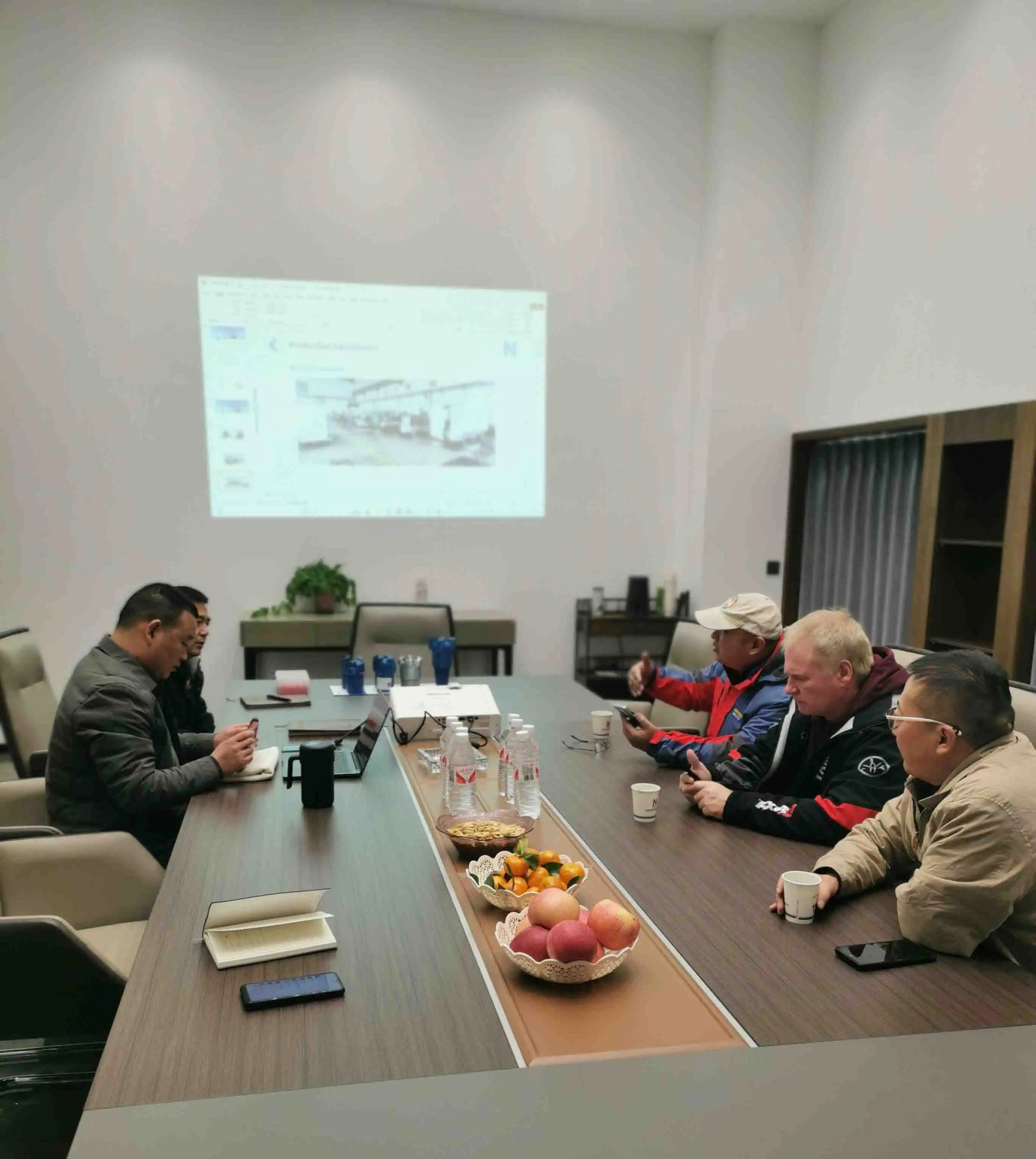
The Shaanxi Hainaisen Petroleum Technology Co., Ltd. provides complete Coal Mining PDC Drill Bits options made especially for use in coal mines. Our manufacturing plant is 3,500 square meters and has modern 5-axis machining centers and CNC machine tools that make sure the standard of our products is always high.
Our coal mine PDC drill bits have a number of important benefits that help with the problems that come up with rough coal seams. Better resistance to wear makes bits last a lot longer than other options, and better cutting efficiency keeps penetration rates high across a wide range of coal layers. The improved hydraulic systems make hole cleaning more effective and stop the bit balling problems that are common in coal drills.
One of the best things about what we have to offer is that we can customize standard designs to fit the needs of unique drilling projects. Our engineering team works with customers to create custom bit shapes that work best in the rock, change the sizes and locations of cutters for best performance, and set up unique spray arrangements that remove more debris.
The materials we use show that we care about efficiency and longevity. High-quality steel bodies keep the structure strong in tough conditions, and premium polycrystalline diamond compact cutters make sure they keep cutting well for a long time. The tungsten carbide core makes the product last longer, and special treatments make it less likely to wear down in rough conditions.
Our thorough quality control system makes sure that strict standards are met at all times during the production process. Tough tests and choices of materials make sure that the quality of the parts, and using high-tech tools for precision production keeps the limits very tight. Full checks are done at every stage of production to make sure the quality of the product before it is shipped, and testing in the field confirms how well it works in real life.
Our goods can be used for many different types of coal mining tasks, such as surface mining, underground seam research, methane drainage systems, geological mapping, water well drilling, core sampling, and horizontal directional drilling. Because it is so flexible, users can rely on tried-and-true technology for a wide range of operating needs.
Conclusion
Coal Mining PDC Drill Bits are the best way to drill through gritty coal seams because they are made of modern materials, are well-designed, and have been tested and proven to work. They have big benefits over traditional drilling technology because they are more resistant to wear, cut more efficiently, and last longer. Investing in PDC technology pays off with less downtime, higher penetration rates, and a lower total cost of ownership. PDC drill bits are the technology that makes drilling operations possible, even though coal mines still have to deal with difficult physical conditions and high production standards.
FAQ
Q1: What makes PDC bits better than roller cone bits for coal drilling?
PDC bits offer superior performance in coal applications through their fixed cutter design that eliminates moving parts prone to failure. The shearing action of PDC cutters proves more efficient than the crushing action of roller cone bits in softer coal formations, resulting in higher penetration rates and extended bit life that can exceed roller cone performance by 10 to 30 times.
Q2: How do I determine the right PDC bit configuration for my coal formation?
Optimal bit selection requires analysis of coal seam hardness, abrasive content, and drilling objectives. Softer formations benefit from aggressive cutter configurations that maximize penetration rates, while more abrasive conditions require enhanced wear resistance features. Working with experienced suppliers who can analyze your specific geological conditions ensures appropriate bit selection.
Q3: What operational parameters should I use with PDC bits in coal drilling?
PDC bits in coal applications typically perform best with moderate weight on bit values and rotation speeds optimized for the specific formation characteristics. Hydraulic flow rates must provide adequate cooling and cuttings removal without causing formation damage. Your supplier should provide specific parameter recommendations based on bit design and formation conditions.
Q4: How can I extend the PDC bit life in abrasive coal conditions?
Maximizing bit life requires proper operational parameters, effective hydraulic systems, and regular monitoring of drilling conditions. Avoiding excessive weight on bit, maintaining adequate cooling flow, and monitoring for signs of bit balling or excessive wear help optimize performance. Proper storage and handling procedures also protect bits from damage between uses.
Q5: What customization options are available for coal mining PDC bits?
Modern manufacturers offer extensive customization capabilities, including modified cutter sizes and placements, specialized hydraulic configurations, custom bit profiles for specific formations, and enhanced wear protection features. These modifications can address specific geological challenges or operational requirements unique to individual mining operations.
Partner with HNS for Superior Coal Mining Drilling Solutions
HNS stands ready to support your coal mining operations with industry-leading PDC drill bit technology and comprehensive technical expertise. Our experienced team understands the unique challenges of abrasive coal formations and can customize solutions to meet your specific operational requirements. As a trusted Coal Mining PDC Drill Bits manufacturer, we combine advanced manufacturing capabilities with responsive customer support to ensure optimal drilling performance. Contact our technical team at hainaisen@hnsdrillbit.com to discuss your specific drilling challenges and discover how our proven PDC technology can improve your operational efficiency and reduce drilling costs. Visit hnsdrillbit.com to explore our complete product range and customization capabilities.
References
1. Smith, J.R., "Advanced PDC Technology in Coal Mining Applications: Performance Analysis and Economic Benefits," Journal of Coal Mining Engineering, Vol. 45, No. 3, 2023, pp. 78-95.
2. Johnson, M.K., "Polycrystalline Diamond Compact Drill Bits: Design Optimization for Abrasive Formation Drilling," International Mining Technology Review, Vol. 28, No. 2, 2023, pp. 45-62.
3. Williams, D.A., "Comparative Analysis of Drill Bit Performance in Coal Seam Applications," Coal Mining Quarterly, Vol. 67, No. 4, 2023, pp. 123-141.
4. Thompson, R.L., "Hydraulic Optimization in PDC Drill Bit Design for Enhanced Debris Removal," Drilling Technology Advances, Vol. 31, No. 1, 2023, pp. 56-73.
5. Anderson, C.P., "Economic Impact Assessment of PDC Technology Adoption in Coal Mining Operations," Mining Economics Journal, Vol. 19, No. 3, 2023, pp. 234-251.
6. Brown, K.S., "Materials Science Advances in Polycrystalline Diamond Compact Manufacturing for Coal Drilling Applications," Advanced Materials in Mining, Vol. 12, No. 4, 2023, pp. 189-207.
 VIEW MOREFour Blade Wing Oil Drilling Tool
 VIEW MOREThree Blades Steel Body PDC Bit
 VIEW MORE6 Wings PDC Drill Bit
 VIEW MOREDiamond Oil Drill Bit
 VIEW MOREFive Wing PDC Bit For Hard Rock Drilling
 VIEW MOREPDC Rock Drill Bit
 VIEW MOREFive Blades Oil Well Drill Head
logo 2_1777360600432.jpg) VIEW MORECoal Mine Drilling Drill Bit Directional Three Blade PDC Drill Bit
VIEW MORECoal Mine Drilling Drill Bit Directional Three Blade PDC Drill Bit
