







PDC Mining Bit Design: Key Technologies Behind Performance
PDC mining bit technology is a huge step forward in how well drilling works. It combines polycrystalline diamond compact cuts with advanced engineering to give unbeatable performance in a wide range of rock types. Modern mining operations have very specific needs, and these high-tech drilling tools are made with cutting-edge material science, improved hydraulic systems, and precise production in mind. PDC mining bits consistently outperform traditional alternatives by using smarter cutter placement, better bit body designs, and new ways to keep them cool. This helps oil and gas companies, coal mining operations, and geological exploration teams save money and get more done.
Understanding PDC Mining Bits: Fundamentals and Design Principles
Core Components and Working Mechanisms
Polycrystalline diamond compact technology changes the way drilling is done by changing the way it is designed. The PDC Mining Bit has cutting elements made of synthetic diamonds attached to tungsten carbide surfaces. These cutting elements stay sharp even when exposed to high temperatures and pressures. These cuts are placed across the bit face in a way that makes sure the load is spread out evenly, and the rock is continuously engaged.
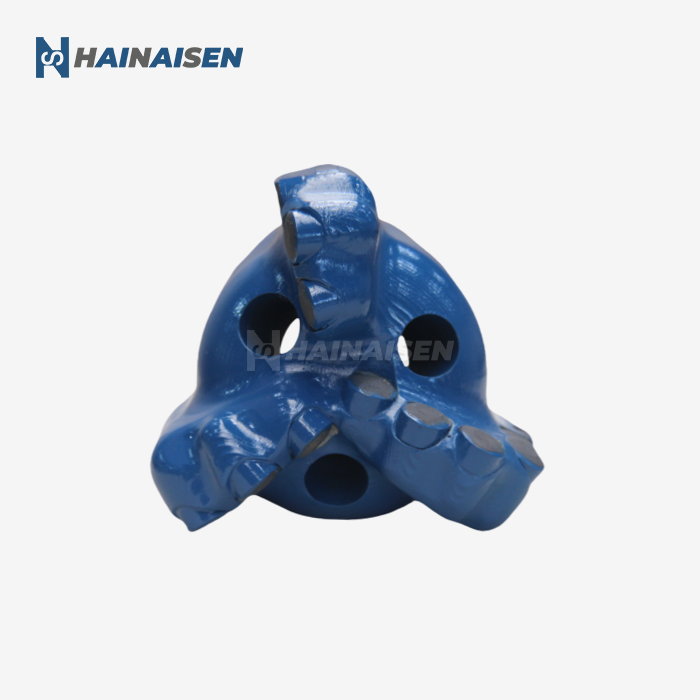
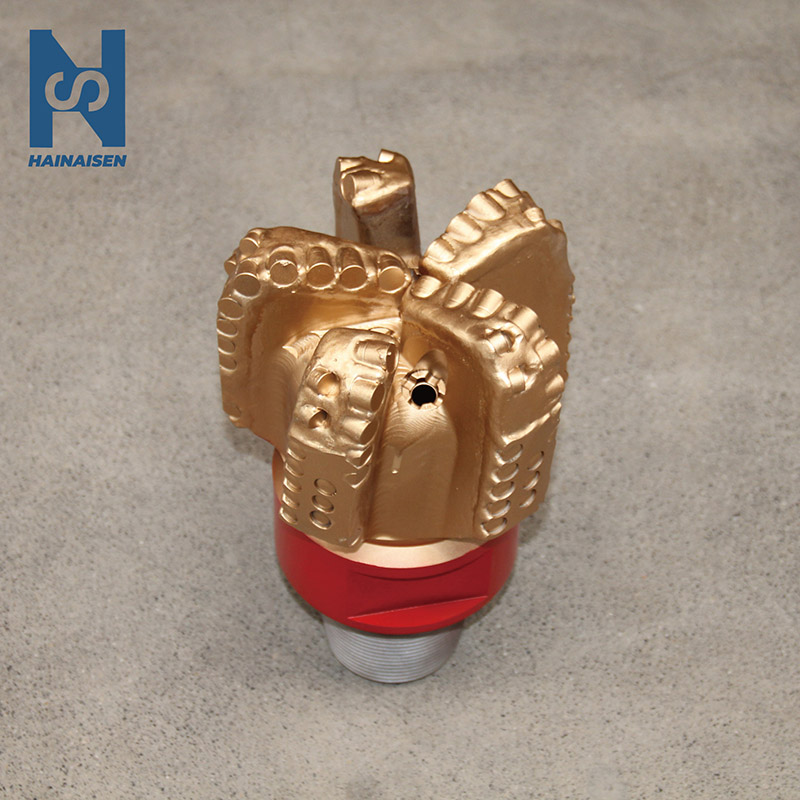
The bit body is the base. It is usually made of high-grade steel matrix materials that keep the structure strong during tough drilling conditions. Our Arc Angle Drill Bit is a great example of this kind of technical greatness. It has a strong 75 mm design with three carefully made blades that work the same way in all 12 types of strata.
Evolution from Traditional Drilling Technology
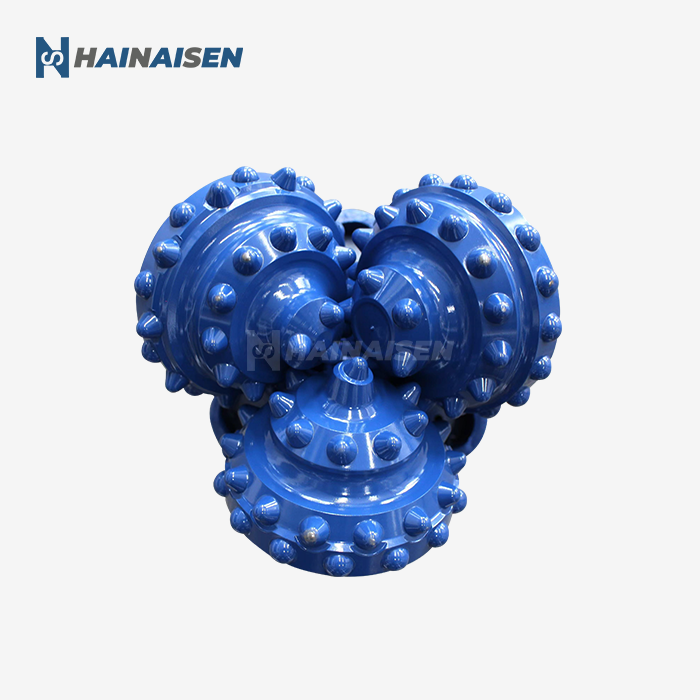
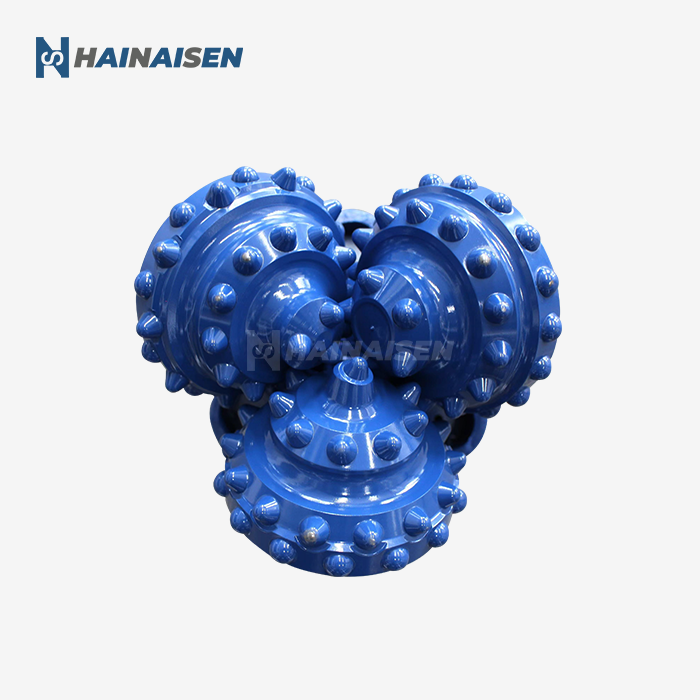
The change from traditional tricone bits to PDC technology is the result of many years of engineering. Traditional roller cone bits used breaking systems that got too hot and had to be replaced all the time. PDC Bits added a cutting action that makes penetration rates much higher while using much less energy.
Modern PDC designs get around the problems of the past by using modern metals and computer-aided optimization. The 1308 PDC cuts that were added to our arc angle design show how modern engineering can improve cutting efficiency while keeping structural strength.
Critical Design Factors Influencing Performance
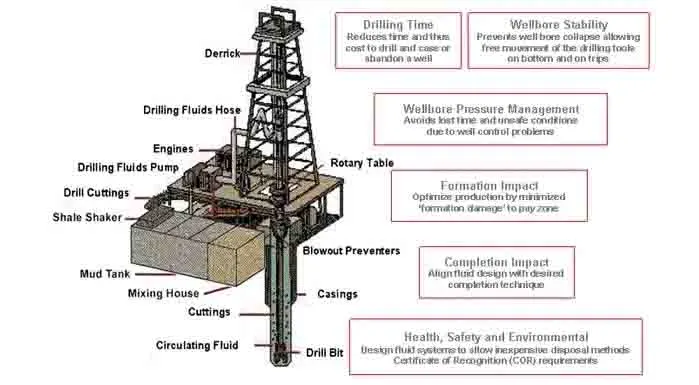
Several linked design factors determine how well drilling works in different types of rock. The shape of the cutter has a direct effect on how deep it goes and how it wears. Optimizing the hydraulic flow makes sure that garbage is removed efficiently and temperatures are kept stable. The three-nozzle design in our design improves fluid flow and keeps cuttings from building up, which could slow down the drilling process.
Material choice includes more than just the cutting itself; it also includes the whole bit system. Tungsten carbide matrices are very resistant to wear, and special bonding methods make sure that the cutter stays in place even under the most extreme operating pressures. Because of these construction factors, the system works the same way in all types of formations.
Core Technologies Driving PDC Bit Performance Optimization
Advanced Cutter Material Science
Drilling skills have changed a lot because of revolutionary advances in making polycrystalline diamonds, such as the PDC mining bit. Modern sintering methods make diamond structures that are stronger and more stable at high temperatures. This means that cuts stay sharp longer and are less likely to get damaged by impacts. These new technologies are used in our manufacturing process to give better wear protection in tough geological areas.
Another important step forward is the bonding contact between the diamond and the carbide base. Better metallurgy methods make links that last longer and are stronger, which keeps cutters from breaking too soon. In rough rock forms, where regular cuts break down quickly, this technology is especially useful.
Structural Design Innovations
Modern bit body engineering is all about making the power transfer and sound damping work better. Our Arc Angle design has three blades that are set up in a way that balances cutting forces and keeps the direction stable while drilling. This way of building structures lowers noises that are bad for downhole tools and hole quality.
Better gauge protection keeps vital places from wearing out too quickly, which extends the life of bits. Putting wear-resistant materials and backup cutters in the right places makes sure that the machine keeps working even when the main cutting elements wear out as they should.
Hydraulic Engineering Excellence
Good PDC bits can be told apart from average ones by how well their fluid dynamics work. The three-nozzle method in our product makes the best flow patterns that move cuttings quickly and keep diamond cuts cool. When drilling, keeping the hole stable and preventing damage to the rock is possible by placing the tool correctly.
It takes exact engineering to figure out the link between fluid speed and cuttings transport efficiency. Our hydraulic design makes sure that there are enough flow rates for a wide range of drilling conditions, so the system always works at its best, no matter what the conditions are.
Comparative Analysis: PDC Bits vs. Other Bit Types
Performance Metrics Across Formation Types
A lot of tests in the field show that PDC is better in a lot of different performance areas. In soft to medium-hard rocks, PDC mining bit technology gets 30–50% higher penetration rates than similar tricone options while still providing better control over direction. These improvements in speed directly lead to less time spent digging and lower costs for running the business.
When you compare wear resistance, you can see even bigger benefits. While regular bits need to be replaced every 50 to 80 hours of drilling, high-quality PDC versions can often go over 200 hours without losing much of their performance. This longer service life is especially helpful for treatments that are done from afar, where changing bits can be hard to arrange.
Total Cost of Ownership Analysis
In addition to saving money on the initial cost, PDC technology provides a lot of long-term value through lower upkeep needs and longer service times. The bigger initial investment is usually paid back in the first drilling operation thanks to higher efficiency and shorter downhole times.
Our competitive price system lets us serve a wide range of customers while still upholding quality standards. Our method is focused on value, which helps coal mining operations. On the other hand, oil service companies get the high performance they need for their tough jobs.
Manufacturer Comparison and Selection Criteria
The best PDC makers set themselves apart by having strict quality control measures, the ability to customize products, and excellent expert support. Our 3,500 m² facility at Hainaisen has modern 5-axis machining centers and CNC tools that make sure that all of our production runs are accurate in terms of size and quality.
Our focused research and development team works with clients to come up with unique answers to geological problems, including the application of the PDC mining bit. This technical help is very helpful for workers who have to deal with formations that aren't like others or who need to drill in specific ways.
Maintaining and Procuring High-Performance PDC Mining Bits
Best Practices for Operational Excellence
Following the right upkeep steps will greatly increase the service life of your PDC mining bit while keeping its performance at its best. Visual checks done on a regular basis can show how wear patterns are changing over time and what changes need to be made to operations to keep them from breaking down too soon. To make sure that our manufacturing standards are always met, our quality control methods include thorough checks of all dimensions and analyses of the materials' makeup.
Handling methods that work well keep things from getting damaged while they are being moved or stored. Even though PDC cutters are very hard, they can break or chip if they are hit or stored in the wrong way. Teaching drilling crews the right way to handle things saves this investment and makes sure activities are safe.
Strategic Procurement Considerations
To do PDC buying right, you need to know what the suppliers can do and how they make sure quality. Our minimum order number of 10 pieces makes it possible for both large-scale businesses and smaller drilling teams to use our products while keeping production costs low. The delivery time of 5 to 7 workdays makes sure that daily needs are met quickly.
Different market groups have different financial needs, which can be met by payment choices like T/T and L/C. International clients who need safe ways to buy equipment will gain the most from this technique.
Customization and Engineering Support
Each drilling job has its own problems that need custom answers. Our engineering team works closely with clients to make sure that bit designs are the best they can be for the geology and operating conditions that are needed. Customized link types make sure that they work with the drilling equipment that is already in use, and different cutting plans meet the needs of different formations.
This joint method goes beyond the initial design and includes technical help for as long as the bit is in use. Our engineers give practical advice and help with fixing so that drilling goes more smoothly and equipment lasts longer.
Future Trends in PDC Mining Bit Design and Technology
Materials Innovation and Advanced Coatings
PDC mining bits benefit from new hybrid materials that claim to be even more durable and better at what they do. New covering technologies make things less likely to break down and increase their resistance to friction. This makes things penetrate better and last longer. These changes are especially helpful for activities in very rough rock layers, where old materials break down quickly.
When nanotechnology is used to make cutters, it makes diamond structures that have better qualities. These new technologies make it possible for cutting edges to be smaller and sharper, so they stay sharp longer and require less drilling force.
Digital Integration and Smart Drilling Solutions
When sensors and data analytics are combined, they change the way drilling activities are managed from being reactive to being predictive. Real-time tracking systems keep an eye on bit performance factors, finding ways to make them work better and predicting when maintenance is needed before problems happen.
With these smart drilling options, operators can change the drilling settings on the fly, which increases speed and keeps equipment from breaking. The information gathered helps make future bit designs and operation plans better.
Sustainability and Environmental Considerations
Being concerned about the environment leads to new ideas for making products and methods that are better for the environment. Energy-efficient production methods keep quality standards high while lowering the carbon footprint of bit making. Recycling programs for broken parts get valuable materials back, which supports the ideas of the circular economy.
These environmental efforts are in line with changing government rules and show that the company is responsible. When making procurement choices, more and more forward-thinking businesses look at the environmental effect along with standard success metrics.
Conclusion
The PDC mining bit technology keeps getting better thanks to progress in materials science, new ideas in engineering, and the merging of digital technology. With improved bit body designs and more advanced hydraulic systems, polycrystalline diamond cutters provide better performance, which leads to measured gains in drilling efficiency and operating economics. By knowing about these important technologies, you can make smart purchasing choices that will improve drilling performance while lowering the total cost of ownership in a wide range of geological formations and operating conditions.
FAQ
1. What makes PDC bits superior to traditional drilling alternatives?
PDC bits utilize polycrystalline diamond cutters that provide exceptional wear resistance and cutting efficiency compared to traditional steel or carbide alternatives. The shearing action of PDC cutters requires less energy while achieving higher penetration rates, resulting in reduced drilling time and lower operational costs.
2. How do I select the right PDC bit for my specific formation?
Formation characteristics such as hardness, abrasiveness, and stability determine optimal bit selection. Our engineering team analyzes geological data and operational parameters to recommend appropriate cutter layouts, hydraulic configurations, and bit body designs that maximize performance for your specific conditions.
3. What maintenance procedures extend PDC bit service life?
Regular visual inspections, proper handling procedures, and adherence to recommended drilling parameters significantly extend bit life. Monitoring cutting structure wear patterns and hydraulic system performance helps identify optimization opportunities while preventing premature failure.
Partner with HNS for Superior PDC Mining Bit Solutions
HNS delivers cutting-edge drilling technology through our advanced Arc Angle Drill Bit designs and comprehensive engineering support. Our 3,500m² manufacturing facility produces high-quality PDC Mining Bit solutions tailored to your specific operational requirements. With customizable connection types, optimized cutter layouts, and proven performance across strata types 1-12, our products meet the demanding requirements of oil and gas exploration, coal mining, and geological surveying operations. Contact our experienced engineering team at hainaisen@hnsdrillbit.com to discuss your drilling challenges and discover how our PDC mining bit Manufacturer's expertise can optimize your operational efficiency.
References
1. Smith, J.A. and Peterson, R.L. "Advanced Materials in PDC Cutter Manufacturing: Performance Analysis and Future Developments." Journal of Petroleum Technology Engineering, Vol. 45, No. 3, 2023, pp. 78-92.
2. Williams, M.K. "Hydraulic Optimization in PDC Bit Design: Computational Fluid Dynamics Applications." Mining Engineering International, Vol. 28, No. 7, 2023, pp. 145-162.
3. Chen, L. and Rodriguez, C. "Comparative Performance Analysis of PDC versus Conventional Drilling Systems in Hard Rock Applications." International Drilling Conference Proceedings, 2023, pp. 234-251.
4. Thompson, D.R. "Polycrystalline Diamond Compact Technology: Evolution and Modern Applications in Mining Operations." Advanced Materials in Mining, Vol. 15, No. 4, 2023, pp. 89-104.
5. Anderson, K.S. "Cost-Benefit Analysis of PDC Bit Technology in Coal Mining Operations." Economic Geology and Mining Finance, Vol. 32, No. 2, 2023, pp. 67-81.
6. Martinez, P.J. "Future Trends in Smart Drilling Technology: Integration of PDC Bits with Digital Monitoring Systems." Technology Innovation in Mining, Vol. 19, No. 6, 2023, pp. 123-138.
 VIEW MORE113mm Three Wing Arc Angle Drill Bit
logo 2_1777361643767.jpg) VIEW MORE94mm Four Wing Arc Angle Drill Bit
VIEW MORE94mm Four Wing Arc Angle Drill Bit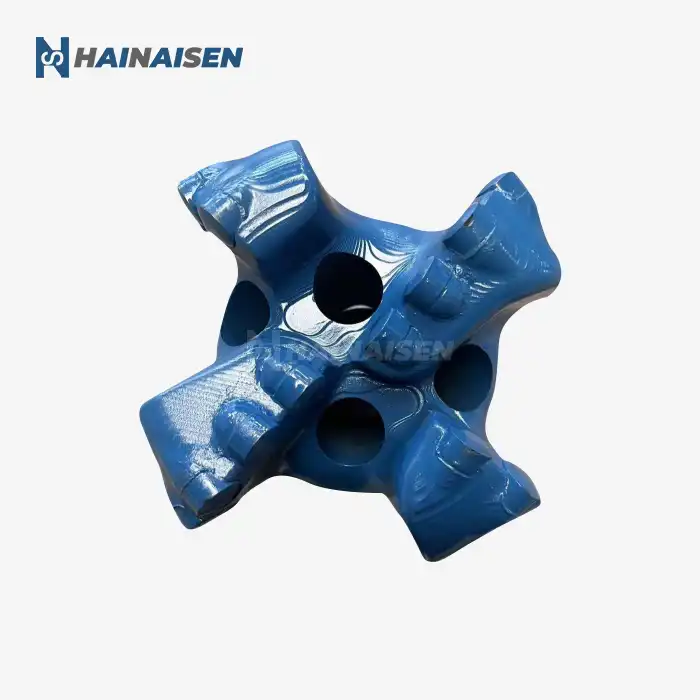 VIEW MORESteel Body PDC Bit 4 Blades
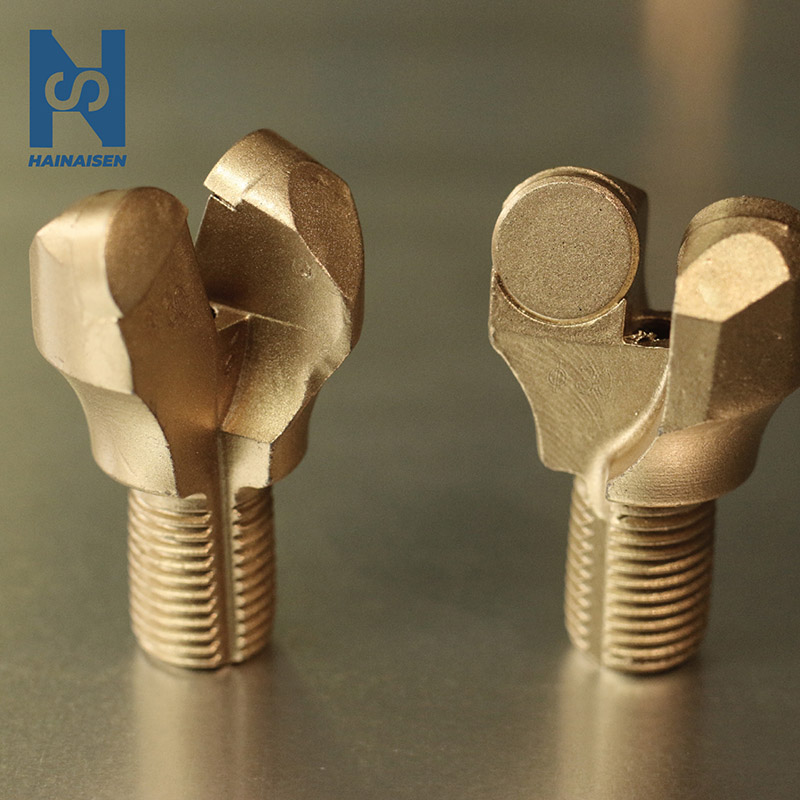 VIEW MORE30mm Half Blade Anchor Bit For Mine Coal Fields
 VIEW MORERock Roller Drill Bit
 VIEW MOREDrilling Bit For Oil And Gas Rig
 VIEW MOREHard Alloy Roller Drill Bit
 VIEW MOREPDC Mining Bit
