Why Use a Steel Scraper Drill Bit for Soft Formations?
Choosing the right tool is very important when digging through loose sands, clay layers, or worn rock formations. Failing to do so can cause expensive delays that ruin the project. Steel scraper drill bits are designed to work well in soft rock situations where other boring tools often fail or don't do as well. The strong steel construction and optimal cutting shape of these specialized bits make them effective at removing material while avoiding clogging and premature wear. Because of how well they are designed, oil service companies, water well drilling teams, and mining businesses that want to do soft formation drilling choose them over other options.
Understanding Steel Scraper Drill Bits and Their Features
Fundamental Design and Construction Materials
Important materials for design and building
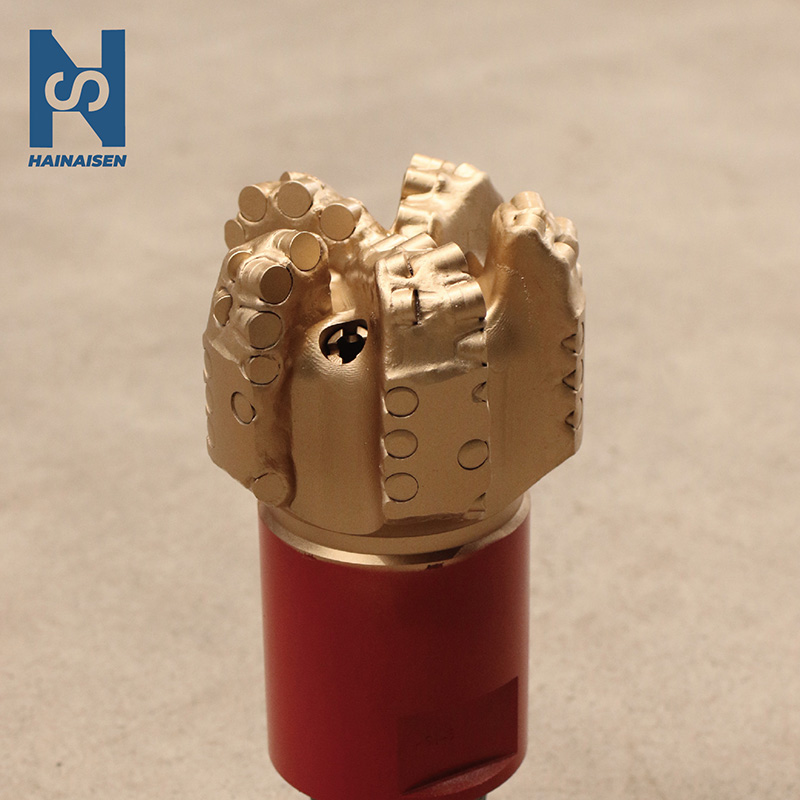
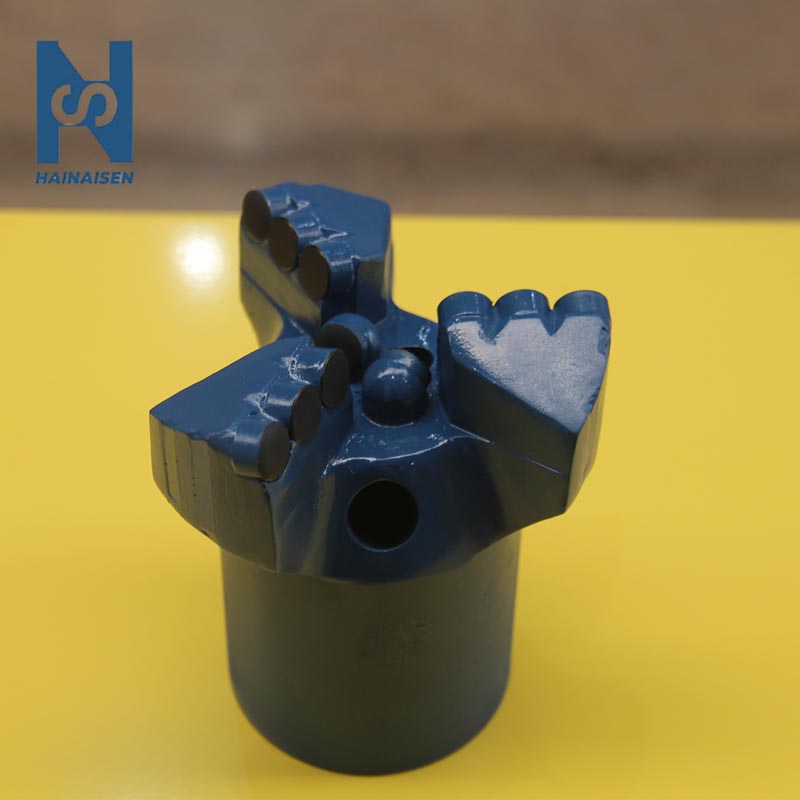
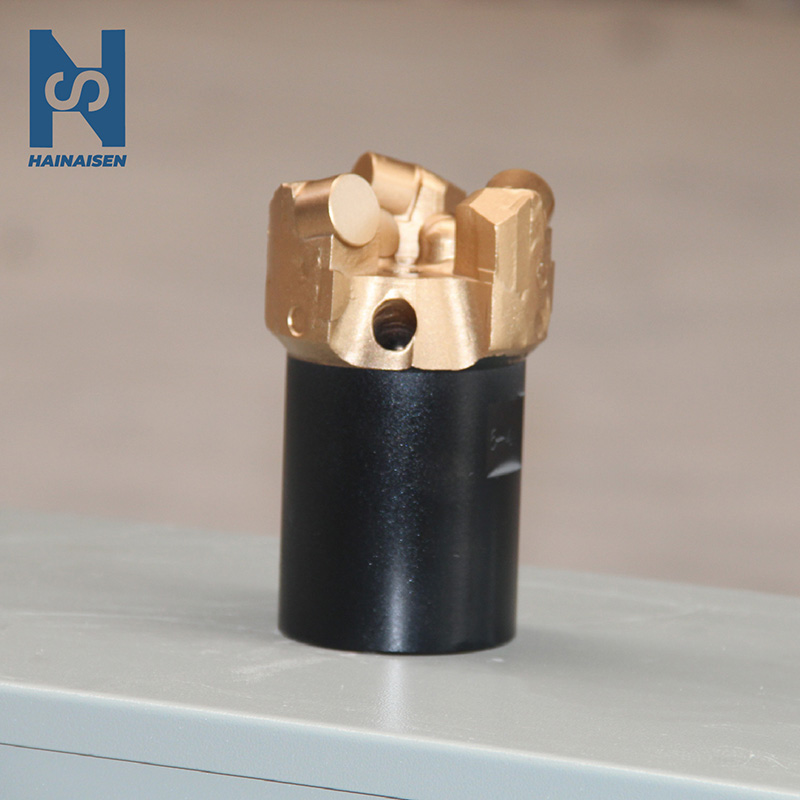
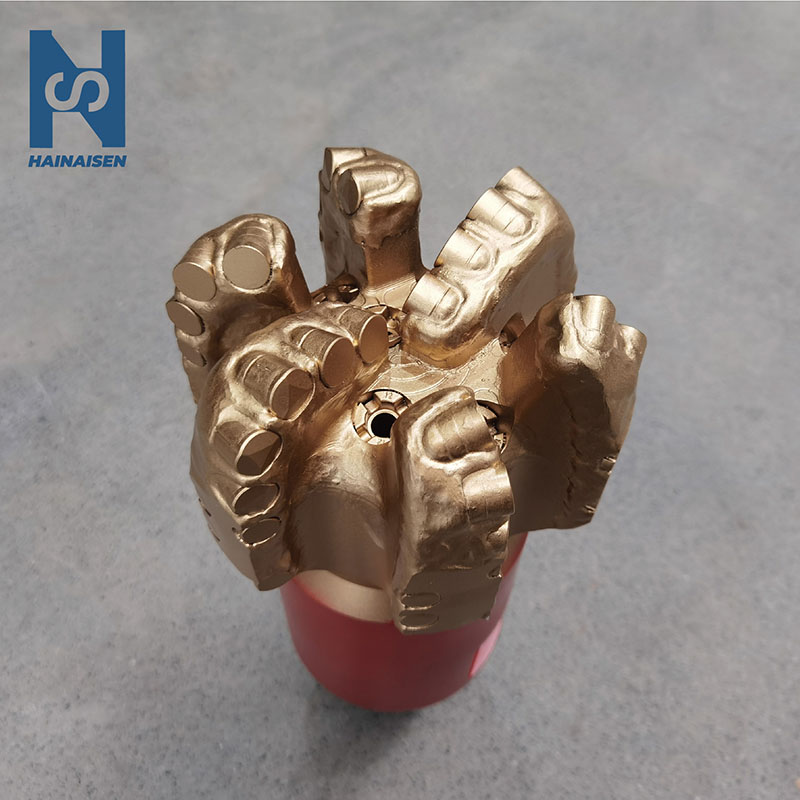
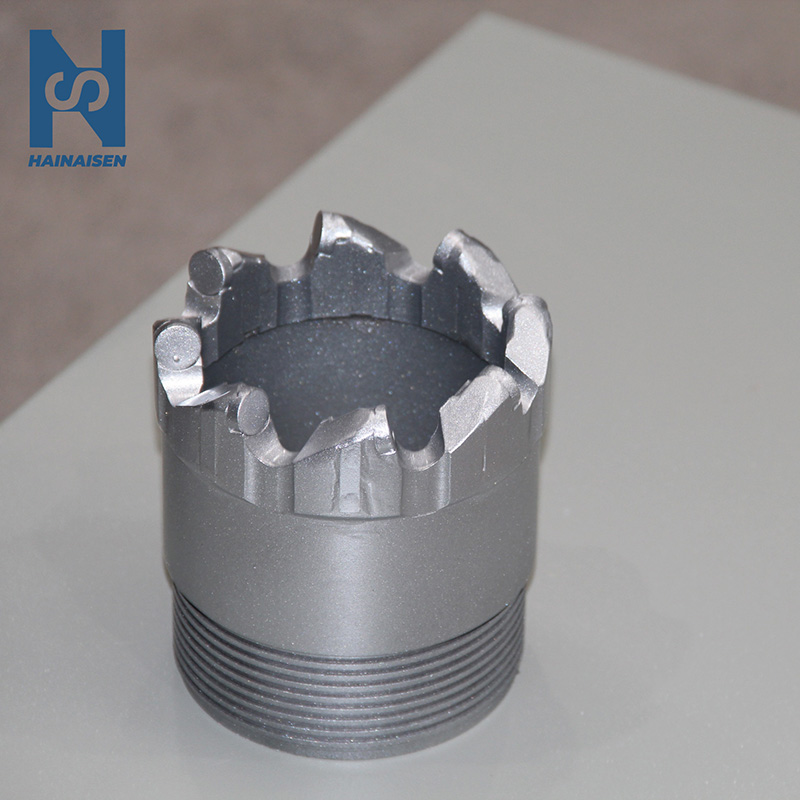
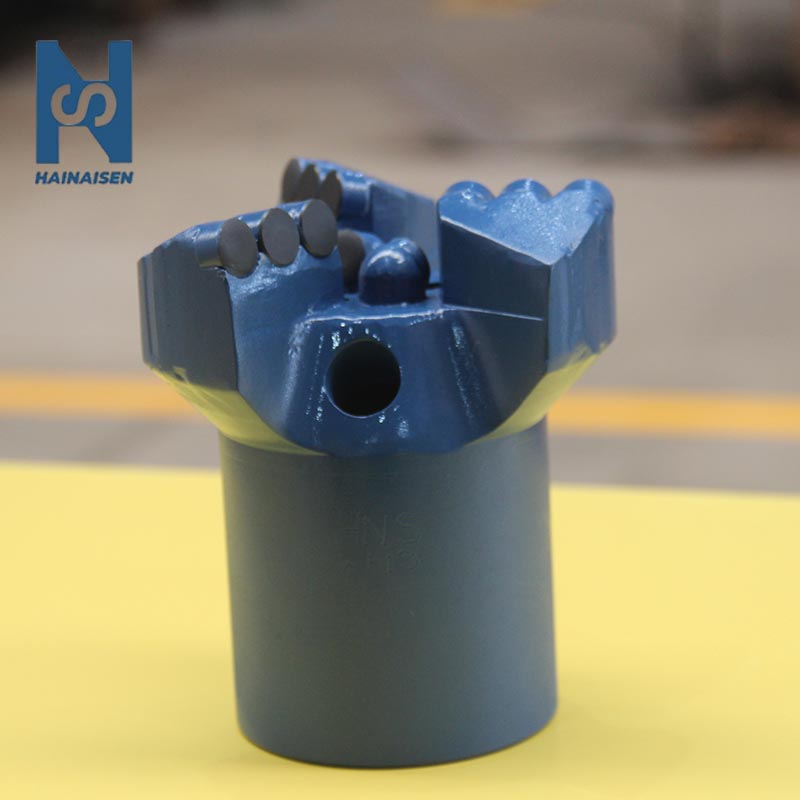
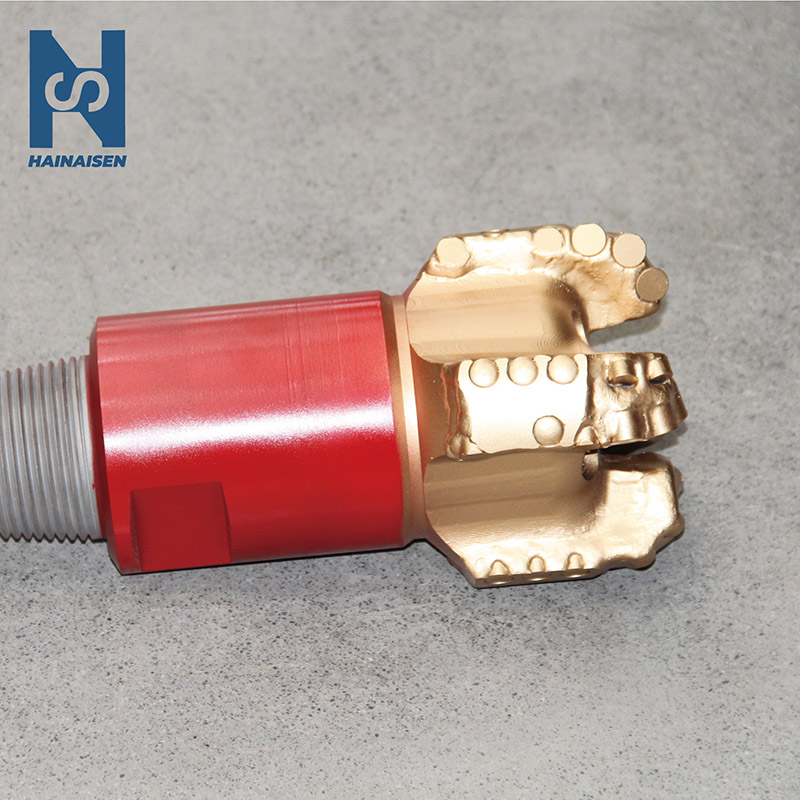
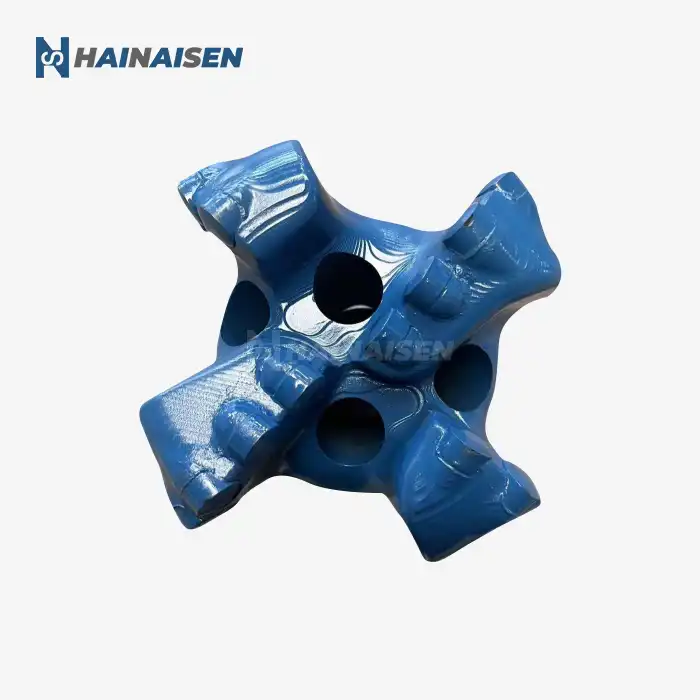
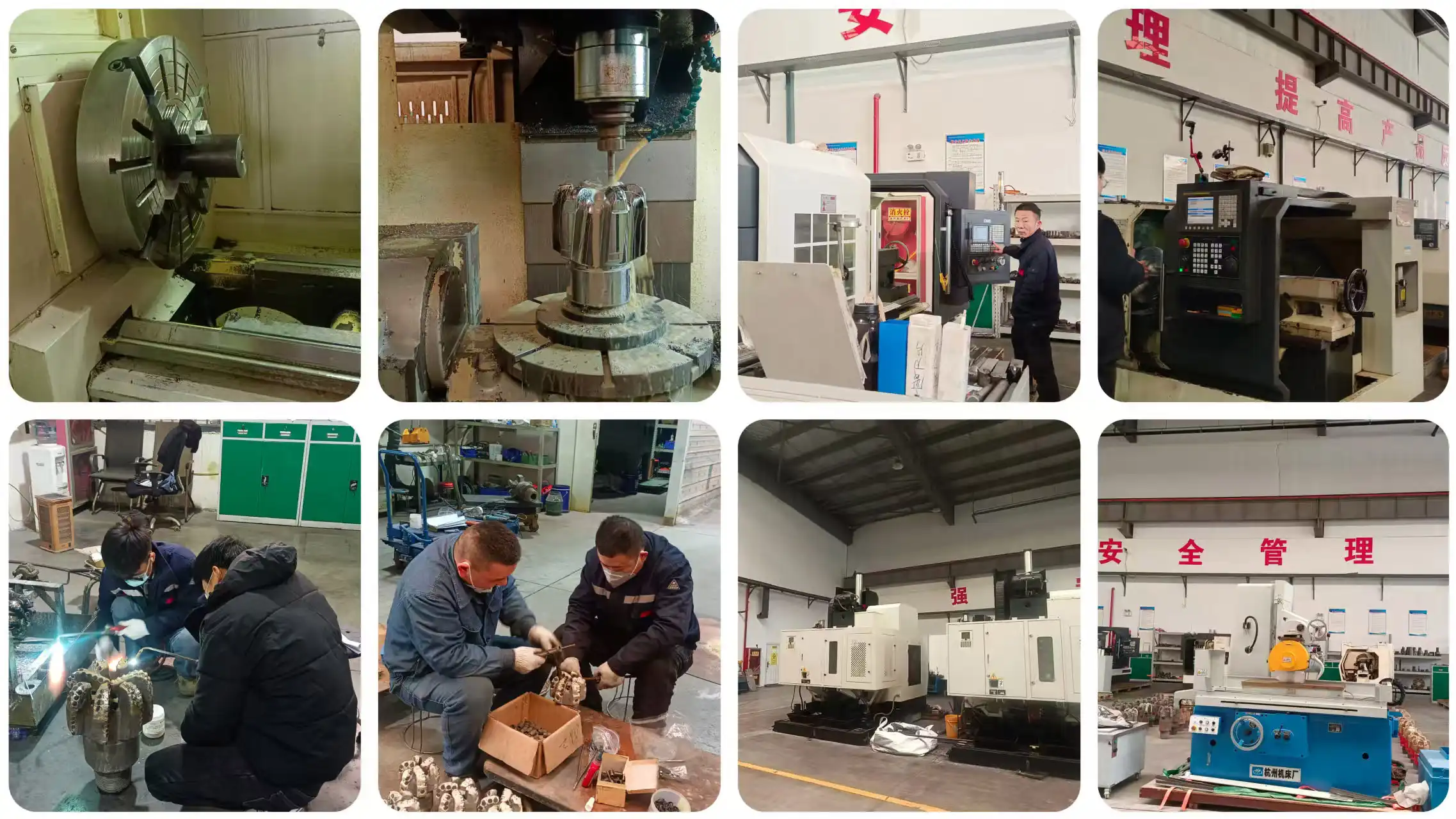
There is a special group of drilling tools called steel scraper drill bits that are made to go through soft formations. Unlike most bits, which work by breaking or grinding, these tools use a scraping device that takes material quickly and effectively through controlled cutting edges. High-quality steel metals were carefully chosen for their strength, toughness, and resistance to wear, all of which are important for drilling conditions that are tough.
Steel scraper drill bits have blades with cutting surfaces that are placed in a way that keeps the edges sharp and prevents warping under operating stress. These tools are made from premium-grade steel metals, which are the right mix of longevity and efficiency. Advanced CNC cutting techniques are used in the manufacturing process to make sure that exact parts are made and that quality standards are met across all bit sizes.
Key Performance Characteristics
Contemporary steel scraper bits are very resistant to wear, which means they last a lot longer than traditional ones. The improved cutting structure makes it easier to drill through soft rock formations while keeping the structure stable. Balanced design principles make the structure more stable, which lowers vibrations and improves the quality of the holes while they are being drilled.
The fact that these tools can be used for different types of digging shows how versatile they are. Different sizes can be used for different drill types and operations, and special finishes can be added to improve performance even more in certain geographic situations. For general cleaning jobs, flat blades are common. So are convex or curved designs for rounded surfaces and multi-edged designs that let the blade spin for continuous use.
Durability Factors and Maintenance Benefits
Quality steel scraper bits are built to last, which means they reduce downtime and upkeep costs in a measured way. The better qualities of the material stop the wear patterns that happen a lot with carbide or diamond options in soft formation settings. Professionals in procurement know that these tools are cost-effective options that keep performance standards high while reducing the number of times they need to be replaced.
Quality control methods during production make sure that every bit meets strict performance requirements. Before goods are used in drilling operations, they are put through a series of thorough tests that make sure the material is solid, the shape is correct, and the sizes are correct overall. Steel scraper bits are valued tools in many businesses because they are reliable. These quality assurance steps help make them so.
Why Do Steel Scraper Drill Bits Outperform Alternatives in Soft Formations?
Technical Performance Advantages
When drilling in soft rock, you have to deal with special problems that show you how limited regular drilling tools are. When cutting through rough, soft materials, carbide bits tend to wear out quickly, while diamond bits have problems with loading and jamming that make them less effective. These issues can be fixed by steel scraper drill bits, which have a better scraping action that keeps the rate of material removal steady without lowering performance like other bit types do.
The way steel bits work is by scraping, which works especially well with loose materials where grinding would only make things worse. Steel scraper bits keep cutting efficiently longer than other options, as shown by tests done in the lab. This leads to better entry rates and shorter drilling times. Field performance data constantly shows that bits are replaced less often and that systems are up and running for longer amounts of time between repair periods.
Economic Benefits and Cost Analysis
A cost-effectiveness study shows that using steel scraper bits in the right situations can save you a lot of money. The lower original investment costs compared to diamond options, along with the longer operating life, make the total cost of ownership estimates more positive. This economic edge is especially helpful for water well drilling teams, since price is a big factor in their tool choices in this market area.
Large and medium-sized oil repair companies know that good steel scraper bits are worth the money in the long run. Even though the initial approval periods may be long, relationships that work well lead to large purchases that take advantage of group price benefits. Coal mining companies like how steel bits meet their needs for both deep and surface drills because they offer a good mix between high performance and low prices.
Operational Safety and Efficiency
Steel scraper bits are better than other options in soft formation uses because they are safer. The expected cutting action lowers the risk of quick tool failure, which can put people and equipment in danger. When workers see trends of consistent performance, they can create regular processes that make general drilling safety better.
Less frequent tool changes and better hole quality lead to higher operational efficiency. The scraping action makes the hole walls cleaner while causing less damage to the formation. This is especially important for water wells, where the productivity of the aquifer depends on the integrity of the shaft. These performance benefits lead to measured increases in work that support choices about what tools to buy.
Selection Criteria for Procurement – Choosing the Right Steel Scraper Drill Bit
Formation Assessment and Technical Specifications
To choose the right bit, you need to carefully look at the target formation's properties, the drilling depth needs, and the weather. Soft formations are made up of a wide range of materials, from loose sands to worn bedrock. Each type of soft formation has its own problems that must be solved in a way that depends on the best bit specs. Technical engineers and purchasing managers must work together to make sure that the bit shape and material qualities meet the needs of the drilling.
Steel scraper drill bits come with a variety of choices that can be changed to fit different work requirements. You can change where the cutter is placed to get the best cutting action for different types of formations. You can also change the makeup of the material to get better results in tough conditions. Because of these customizing options, buying teams can choose tools that are perfect for their needs.
Brand Comparison and Supplier Evaluation
Some well-known brands of steel blade bits are Bosch, DeWalt, Makita, Hilti, Irwin, and Stanley. Each has its own set of features. Reviewing a company means checking out their guarantee policies, whether they offer service after the sale, and the kind of skilled help they offer to make sure the supply chain works well. When tools have to work the same way for a long time, these things become even more important.
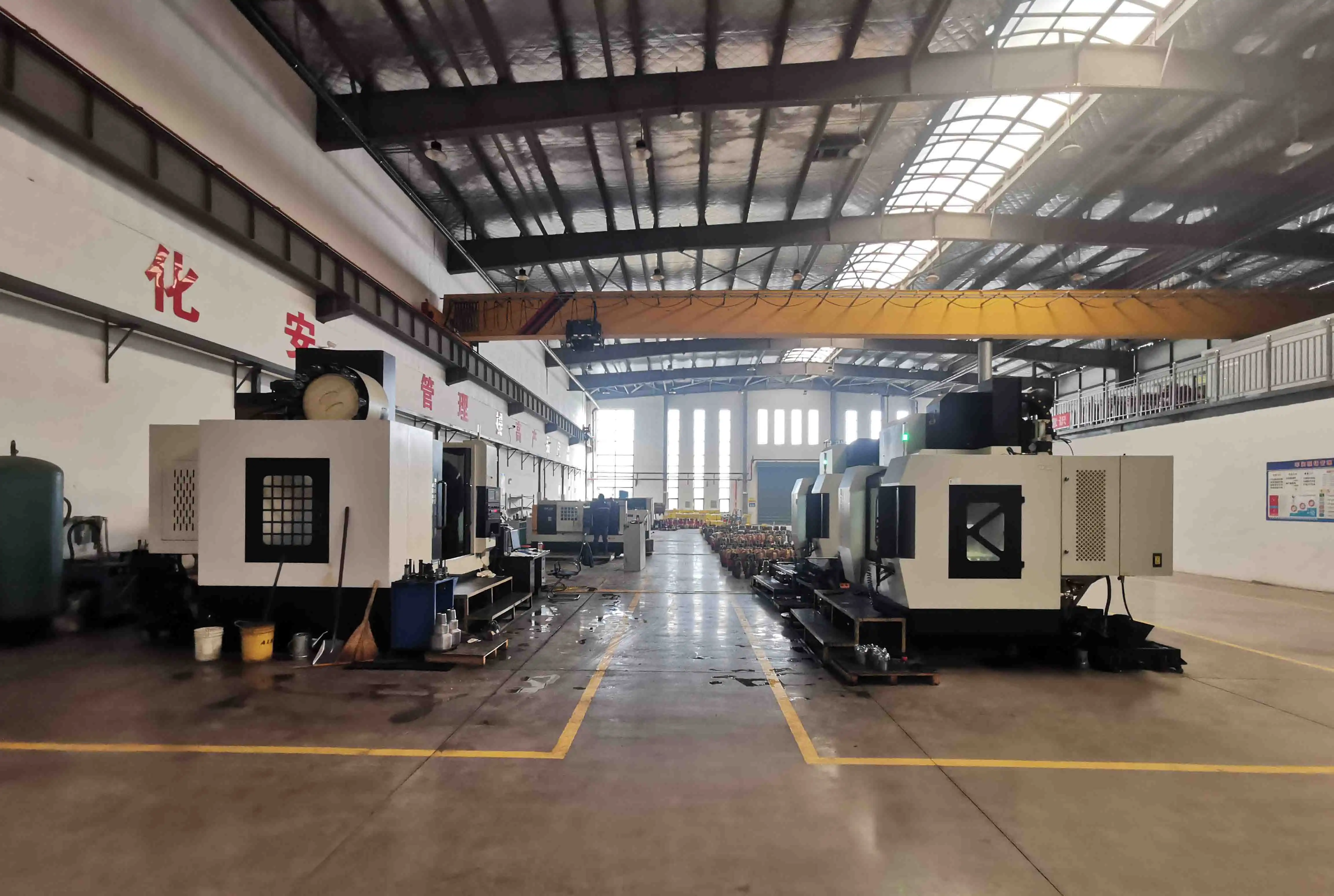
HNS stands out because it lets you customize a lot of things and has strict quality control measures in place. Research and development (R&D) is a part of our company that works closely with clients to make solutions that are specific to their business and location. 5-axis machining centers and CNC machine tools are examples of advanced manufacturing tools that are used to make sure that exact parts are made that meet the high standards of oil and mining companies.
Pricing Strategies and Procurement Optimization
Different types of customers can get the best deals on costs thanks to wholesale prices and bulk purchase agreements. Standard setups are priced competitively for water well digging teams, while custom solution options can help bigger operations run more efficiently. Procurement professionals can find the best deals on things by knowing these price changes.
In the supply chain, you need to think about shipping times, getting help handling your stores, and how quickly you can get backups in case of an emergency. Reliable sellers of the steel scraper drill bit provide a wide range of support services that keep drilling activities going without interruptions. Most of the time, these service features are just as useful as the drilling tools' technical performance.
Best Practices for Using and Maintaining Steel Scraper Drill Bits
Operational Procedures and Performance Optimization
Proper operational techniques maximize the performance potential of steel scraper drill bits while ensuring safe working conditions. Optimal drilling parameters vary based on formation characteristics but generally involve controlled feed rates that maintain consistent cutting action without overloading the bit structure. Understanding these parameters enables operators to achieve maximum penetration rates while preserving tool integrity.
Safety protocols must address the unique characteristics of steel scraper bit operation. Regular inspection procedures should monitor cutting-edge conditions and identify early signs of excessive wear or damage. These proactive measures prevent sudden tool failure and maintain safe working conditions throughout drilling operations.
Maintenance and Tool Life Extension
Effective maintenance practices significantly extend tool lifespan and reduce the total cost of ownership. Cleaning procedures remove accumulated formation materials that can interfere with cutting action, while proper storage prevents corrosion and edge damage between uses. Sharpening techniques can restore cutting-edge geometry when performed correctly, though replacement remains necessary when wear exceeds acceptable limits.
Early identification of tool wear patterns enables proactive replacement scheduling that prevents unexpected failures during critical operations. Visual inspection techniques can reveal cutting-edge degradation, while performance monitoring identifies declining efficiency that signals approaching tool replacement needs. These maintenance practices ensure consistent performance and minimize operational disruptions.
Quality Control and Performance Monitoring
Implementing systematic quality control measures ensures consistent tool performance across drilling operations. Documentation of bit performance, including drilling time, formation characteristics, and wear patterns, provides valuable data for future procurement decisions. This information enables continuous improvement of tool selection and operational procedures.
At HNS, our quality control process includes strict material inspection, advanced CNC machining for precise production, comprehensive assembly checks, and final inspection before shipping. These measures ensure every steel scraper drill bit meets our performance standards and customer expectations for reliability and durability.
Conclusion
Steel scraper drill bits provide superior performance in soft formation drilling through their specialized design and robust construction. The combination of efficient material removal, extended tool life, and cost-effective operation makes these tools essential for oil service companies, mining operations, and water well drilling teams. Understanding proper selection criteria, operational techniques, and maintenance practices enables procurement professionals to maximize the value these tools provide while ensuring safe and efficient drilling operations.
FAQ
1. What formations are best suited for steel scraper drill bits?
Steel scraper drill bits excel in unconsolidated sediments, clay layers, weathered rock formations, and soft shale sequences. These formations benefit from the scraping action that efficiently removes material without the clogging issues common with other bit types.
2. How do steel scraper bits compare to carbide alternatives in cost?
Steel scraper bits typically offer lower initial costs and extended operational life in soft formations, resulting in superior total cost of ownership compared to carbide alternatives that wear rapidly in these conditions.
3. Can steel scraper drill bits be customized for specific applications?
HNS offers comprehensive customization services, including modified bit design, adjusted cutter placement, and optimized material composition to meet specific geological conditions and operational requirements.
4. What maintenance is required for optimal performance?
Regular cleaning to remove formation materials, proper storage to prevent corrosion, periodic sharpening when appropriate, and systematic inspection for wear patterns ensure optimal performance and extended tool life.
Partner with HNS for Premium Steel Scraper Drill Bit Solutions
HNS stands ready to support your drilling operations with premium steel scraper drill bits engineered for superior performance in soft formations. Our 3,500m² manufacturing facility combines advanced production capabilities with rigorous quality control to deliver tools that meet the demanding requirements of oil service companies, mining operations, and water well drilling teams. As a trusted steel scraper drill bit supplier, we offer customized solutions, competitive pricing, and comprehensive technical support to ensure your project success. Contact our team at hainaisen@hnsdrillbit.com.
References
1. Smith, J.R. and Thompson, K.L. "Performance Analysis of Steel Scraper Bits in Unconsolidated Formations." Journal of Drilling Technology, Vol. 45, 2023, pp. 78-92.
2. Wilson, M.A. "Cost-Benefit Analysis of Drilling Tool Selection in Soft Formation Applications." Petroleum Engineering Quarterly, Issue 3, 2023, pp. 145-162.
3. Chen, L. and Rodriguez, P. "Material Science Advances in Steel Alloy Drill Bit Manufacturing." International Conference on Drilling Technology Proceedings, 2023, pp. 234-251.
4. Johnson, R.D. "Operational Safety Considerations for Scraper Bit Applications in Water Well Drilling." Water Well Journal, Vol. 77, No. 8, 2023, pp. 28-35.
5. Anderson, K.M. "Maintenance Protocols for Extended Tool Life in Soft Formation Drilling." Mining Equipment Review, Vol. 89, 2023, pp. 67-74.
6. Taylor, S.J. and Brown, A.C. "Formation Assessment Techniques for Optimal Drill Bit Selection." Geological Drilling Handbook, 4th Edition, 2023, Chapter 12, pp. 298-315.