




Best Directional Three Blade PDC Drill Bit Applications
The Directional Three Blade PDC Drill Bit is a big step forward in modern drilling technology. It combines cutting-edge engineering with real-world performance to produce amazing results in a wide range of fields. These high-tech drilling tools have a special three-blade design with polycrystalline diamond compact cuts that make them easier to move and more effective in hard rock formations. From looking for oil and gas to mining coal and building water wells, these precision-engineered bits have changed the way drilling professionals do complex directional drilling projects. They offer higher penetration rates, better stability, and long-lasting performance, which saves money and improves operations for both procurement managers and technical engineers.
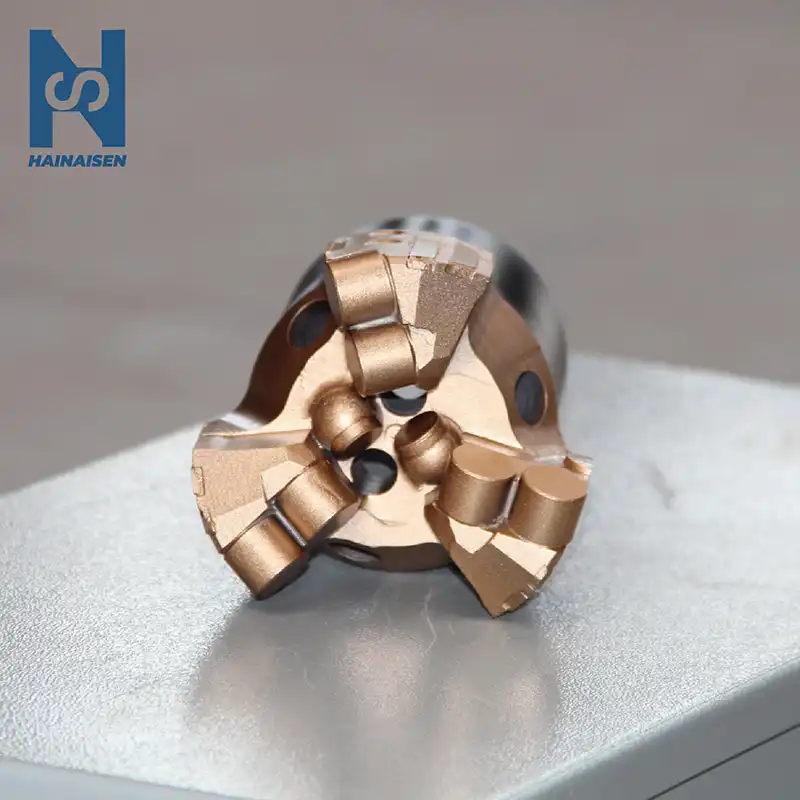
Understanding Directional Three-Blade PDC Drill Bits
Engineering Excellence Behind the Three-Blade Design
A complex engineering method is used in the Directional Three Blade PDC Drill Bit to improve drilling performance through smart blade placement and advanced material science. With three blades arranged at exact 120-degree angles around the bit body, the three-blade design makes a stable triangle shape. The shape of this setup makes it more stable and less likely to shake during digging, so it works the same way in all kinds of rock situations.
The polycrystalline diamond compact (PDC) cutters on each blade are very hard and stable at high temperatures. This means that these bits can keep cutting well even in the harshest situations downhole. The body is made of premium-grade steel, which gives it the strength and longevity to handle the strong forces that are used in directional drilling.
Hydraulic Optimization and Cutter Technology
For modern guided drilling to work at its best, precise fluid dynamics are needed. With its three blades and carefully placed tubes between them, the design creates specific flow patterns that remove rock chips efficiently while keeping the PDC cuts cool. This hydraulic improvement stops the bit from balling and keeps the drilling rate steady throughout the process.
The improved cutting design on each blade makes the most contact with the shape while reducing heat and friction. This careful balance between cutting efficiency and heat management makes the bit last a lot longer than regular drilling tools. This is a real benefit for procurement workers who are interested in the total cost of ownership.
Core Applications and Benefits in Directional Drilling
Oil and Gas Exploration Excellence
Three-blade PDC Bits are very useful for oil and gas research projects because they can be used in a lot of different ways. For these uses, exact direction control and reliable performance over a wide range of rock layers are necessary. In terms of oil research, the Directional Three Blade PDC Drill Bit offers the following main benefits:
- Better entry rates in shale and hard rock layers, which cuts down on digging time and costs
- Better direction control makes it possible to place the wellbore accurately in complex reservoir shapes.
- Longer bit life cuts down on trip frequency and operating downtime
- Improved hole quality leads to better sealing and a successful finish
Oil repair businesses can get a lot out of these success traits that make their work easier. The improved turning ability lowers tool face changes, which lets drilling teams keep accurate wellbore paths even in tough rocks. This accuracy is especially useful for underwater drilling, where it has a direct effect on the project's costs.
Coal Mining and Methane Drainage Operations
There are special problems that come up in coal digging that need special drilling answers. The Directional Three Blade PDC Drill Bit works really well in these conditions because it can handle the different types of rock that are typical in coal seams. The three-blade design makes it very stable in softer shapes while keeping the cutting efficiency high in harder layers that are interbedded with softer ones.
The ability to point these bits in the right way is very helpful for methane draining tasks. Being able to exactly move boreholes helps mine engineers improve safety and make draining patterns work better. Because the three-blade design has less shaking, it also causes less damage to nearby coal buildings. This keeps operations safe while increasing draining efficiency.
Water Well and Geothermal Applications
For deep-water well building and geothermal projects, you need drilling tools that can keep working well over long digging gaps. Three-blade PDC bits are perfect for these tough jobs because they are very durable and don't get damaged by heat. Because they can keep cutting well at high temperatures, they are very useful in geothermal drills, where regular bits might break too soon.
Comparing Three-Blade PDC Bits With Other Bit Types
Performance Analysis Against Multi-Blade Configurations
Choosing between three-blade and other PDC designs has a big effect on how well the drilling works and how much the job costs. Three-blade bits are different from two-blade and multi-blade bits because they have a unique mix of being strong and stable. The fewer blades mean that each one has more cutting force, which makes it easier to cut through soft to medium-hard rock.
Compared to bits with four or five blades, bits with three blades work better in rocks where strong cutting action improves total drilling efficiency. The stable triangular pattern makes sure that the hole quality stays the same, and the bigger cutting face area per blade speeds up the entry rate.
Advantages Over Conventional Roller Cone Technology
Drilling has used traditional roller cone bits for many years, but Directional Three Blade PDC Drill Bit technology has a lot of benefits for current drilling jobs. The fixed cutter design gets rid of the complicated mechanics that come with spinning cones, which lowers the number of ways they can break and increases their useful life.
When comparing torque features, PDC cutters are better because they cut continuously, while roller cones only cut sometimes. This easier operation means that you can control the direction of the drill better and that the equipment will last longer. Also, since there are no moving parts, there is no need for greasing and the failure risk that comes with it that is common in roller cone designs.
Economic Impact on Total Cost of Ownership
When purchasing managers look at different drilling bit choices, they need to think about more than just the initial buy price. Overall, three-blade PDC bits are more expensive at first, but they save you a lot of money over time because they last longer and drill better. When bits last longer, they don't break as often, which means that the rig doesn't have to be used for as long. This saves drilling companies a lot of money.
Because these Directional Three Blade PDC Drill Bits have higher entry rates, they also cut down on the time needed to finish drilling goals. This increase in productivity is especially useful in places where drilling is expensive, like offshore activities where daily rig rates can be a large amount.
Procurement Guide and Supplier Insights
Critical Selection Criteria for Drilling Applications
To get directional three-blade PDC bits, you need to carefully consider a number of technical and practical factors. The main thing to think about is the features of the formation because the shape of the bit has to match the expected geological conditions. Three-blade layouts work best for soft to medium-hard formations, while other forms may be needed for very hard formations.
The bit specs must match the drilling factors, such as the weight on the bit, the rotating speed, and the fluid needs. The Directional Three Blade PDC Drill Bit works best within certain parameter areas. Going beyond these limits can cause it to fail early or work less well.
Customization Capabilities and Engineering Support
Leading companies like Shaanxi Hainaisen Petroleum Technology Co., Ltd. can make a lot of changes to their products to fit the needs of each project. The company's research and development team works closely with clients to make sure that bit designs are the best they can be for each site's geology and operating conditions. This joint method makes sure that difficult drilling operations get the best performance and efficiency possible.
Some of the customization choices are changing the hydraulic design, making changes to the cutter size and placement, and using special materials for harsh circumstances. For buying teams that are in charge of handling a wide range of drilling projects, being able to change the shapes of bits to fit different needs is very useful.
Quality Assurance and Manufacturing Standards
Quality control methods are a key way that PDC bit suppliers can be distinguished from each other. Advanced production facilities with cutting-edge CNC machine centers and full testing tools make sure that the quality of the products is always the same. Strict procedures for choosing materials and trying them in the field make sure that performance traits are confirmed before they are sent to customers.
Comprehensive quality control systems are used throughout the whole production process. This gives buying workers faith in the stability and regularity of the products they buy. This attention on quality is especially important for businesses that want to build long-term ties with suppliers and keep operational risk under control.
Maintenance, Troubleshooting, and Performance Optimization
Preventive Maintenance Best Practices
Maximizing the operational life of the Directional Three Blade PDC Drill Bit requires adherence to established maintenance protocols. Proper handling during transportation and storage prevents damage that could compromise performance. Regular inspection of cutting surfaces and bit body condition enables early detection of wear patterns that may indicate suboptimal drilling parameters.
Storage in controlled environments protects PDC cutters from impact damage and maintains the integrity of the bit structure. Temperature fluctuations and exposure to corrosive substances can degrade bit performance, making proper storage facilities essential for inventory management.
Performance Monitoring and Parameter Optimization
Real-time monitoring of drilling parameters provides valuable insights into bit performance and formation characteristics. Monitoring systems that track penetration rate, torque, weight on bit, and rotary speed enable drilling teams to optimize parameters for maximum efficiency. The Directional Three Blade PDC Drill Bit responds well to parameter adjustments that maintain optimal cutting conditions.
Drilling fluid properties also significantly impact bit performance. Proper fluid density, viscosity, and filtration characteristics ensure effective cuttings removal and adequate cooling of PDC cutters. Regular monitoring and adjustment of drilling fluid properties maintains optimal drilling conditions and extends bit life.
Troubleshooting Common Performance Issues
Understanding common failure modes enables rapid response to performance degradation during drilling operations. Excessive wear on specific cutters may indicate uneven weight distribution or inadequate cleaning, requiring parameter adjustments to restore optimal performance. Thermal damage to PDC cutters suggests insufficient cooling or excessive cutting temperatures, necessitating hydraulic program modifications.
Vibration issues can indicate formation changes or suboptimal drilling parameters. The three-blade design naturally provides good stability, but severe vibration may require parameter adjustments or bit replacement to prevent damage to drilling equipment.
Conclusion
The Directional Three Blade PDC Drill Bit represents a proven solution for demanding drilling applications across multiple industries. The combination of advanced engineering, superior materials, and optimized design delivers measurable performance improvements that translate into significant operational benefits. For procurement managers and technical engineers seeking reliable drilling solutions, these bits offer an optimal balance of performance, durability, and cost-effectiveness. The extensive customization capabilities available from experienced Manufacturers enable tailored solutions that meet specific project requirements, ensuring maximum return on investment for drilling operations.
FAQ
1. What factors determine the lifespan of a directional three-blade PDC drill bit?
Several critical factors influence the operational life of these drilling tools. Formation hardness and abrasiveness represent primary considerations, as harder formations naturally increase wear rates on PDC cutters. Drilling parameters, including weight on bit, rotary speed, and hydraulic flow rates, significantly impact bit life when operating outside optimal ranges. Proper drilling fluid management and bit handling practices also contribute substantially to achieving maximum operational life.
2. How do I choose between three-blade and four-blade PDC configurations?
The selection depends primarily on formation characteristics and drilling objectives. Three blade configurations excel in softer to medium formations where aggressive cutting action benefits penetration rates. Four blade designs provide enhanced stability in harder formations but may sacrifice some penetration efficiency. Project-specific factors, including directional requirements, formation variability, and economic considerations, should guide the selection process.
3. Can directional three-blade PDC bits be customized for unique drilling challenges?
Yes, leading manufacturers offer extensive customization capabilities to address specific operational requirements. Customization options include cutter size and placement optimization, hydraulic design modifications, and specialized materials for extreme conditions. The engineering team can collaborate with clients to develop tailored solutions that maximize performance for unique geological conditions and operational parameters.
Partner with HNS for Superior Directional Drilling Solutions
HNS specializes in manufacturing premium Directional Three Blade PDC Drill Bit solutions engineered to exceed your operational expectations. Our advanced 3,500m² facility features cutting-edge CNC machining centers and comprehensive quality control systems ensuring exceptional product reliability. Whether you need standard configurations or customized designs for unique applications, our experienced engineering team provides comprehensive support from initial consultation through field performance optimization. Contact Us at hainaisen@hnsdrillbit.com to discuss your requirements with a trusted directional three-blade PDC drill bit manufacturer and discover how our solutions can enhance your drilling operations.
References
1. Smith, J.R., and Anderson, K.L. "Advanced PDC Bit Design for Directional Drilling Applications." Journal of Petroleum Technology, Vol. 75, No. 3, 2023, pp. 45-52.
2. Thompson, M.D., et al. "Performance Analysis of Three-Blade PDC Bits in Unconventional Formations." SPE Drilling & Completion, Vol. 38, No. 2, 2023, pp. 112-125.
3. Wilson, P.A. "Optimization of Drilling Parameters for Enhanced PDC Bit Performance." International Association of Drilling Contractors Technical Report, 2023, pp. 78-89.
4. Rodriguez, C.M., and Zhang, L. "Comparative Study of Multi-Blade PDC Bit Configurations in Directional Drilling." Petroleum Engineering International, Vol. 29, No. 4, 2023, pp. 234-247.
5. Johnson, R.K. "Quality Control and Manufacturing Standards for PDC Drilling Tools." Manufacturing Technology Review, Vol. 41, No. 6, 2023, pp. 156-168.
6. Davis, S.H., and Kumar, A. "Economic Analysis of PDC Bit Selection in Modern Drilling Operations." Cost Management in Oil & Gas, Vol. 15, No. 1, 2024, pp. 34-42.
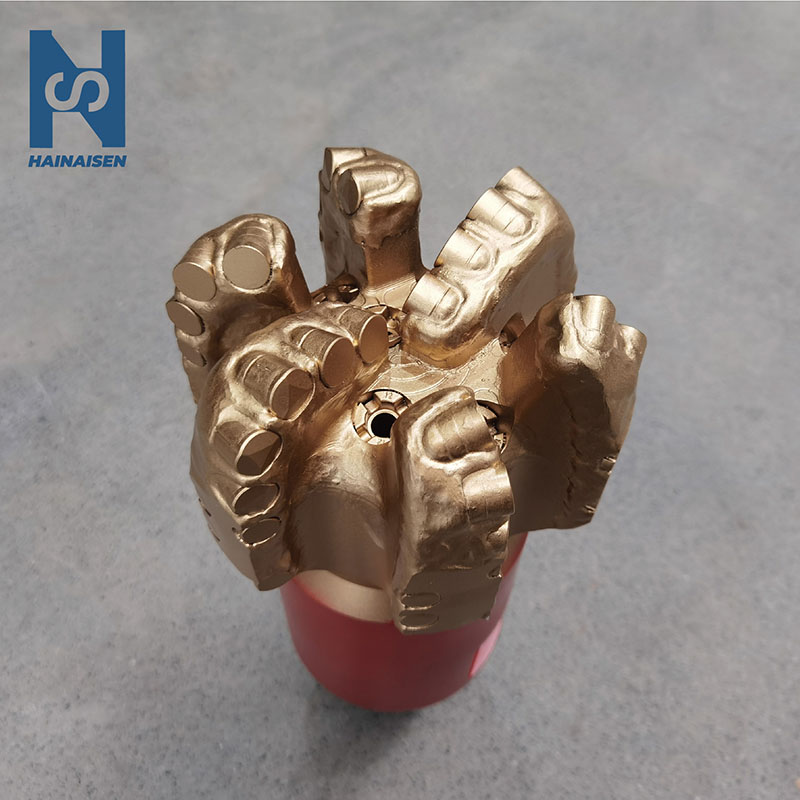 VIEW MORE6 Wings PDC Drill Bit
logo 1_1777361785830.jpg) VIEW MORE94mm PDC Flat Top Sintered Drill Bit
VIEW MORE94mm PDC Flat Top Sintered Drill Bit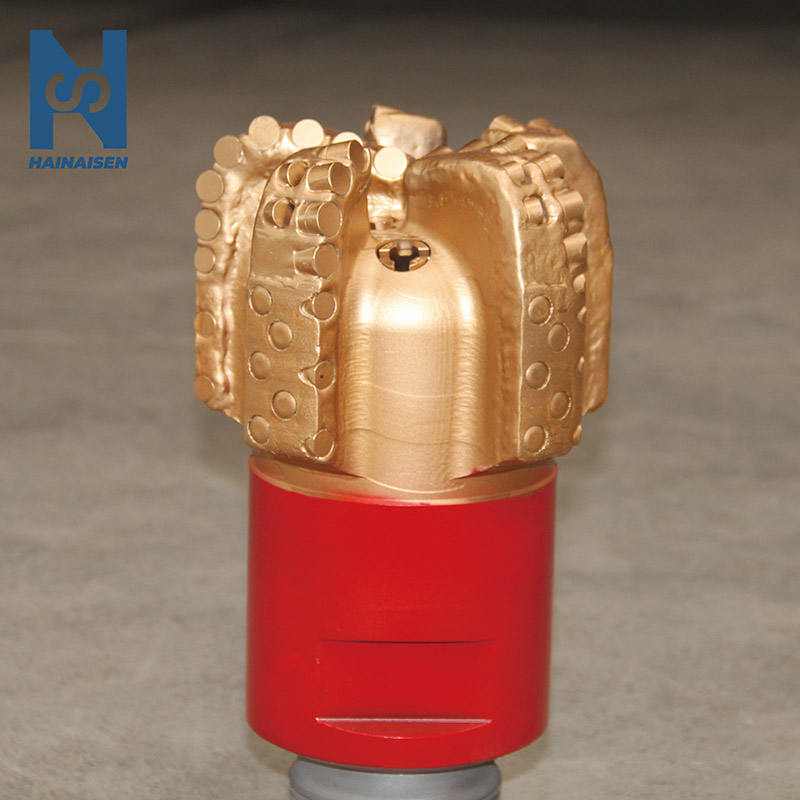 VIEW MOREFive Blades PDC Drill Bits
logo 1_1777360475599.jpg) VIEW MOREDirectional Three Blade PDC Drill Bit
VIEW MOREDirectional Three Blade PDC Drill Bit VIEW MORECoal Mining Tools PDC Anchor Drill Bit 28mm
 VIEW MOREPolycrystalline Diamond Compact Drill Bits
 VIEW MOREHigh Quality PDC Drill Bits
 VIEW MORE5 Blade Matrix Body PDC Drill Bits