




How does oil drilling work: Process, Offshore Drilling & More
In order to get oil from deep below the Earth's surface, oil drilling is one of the most complicated industries in the world. It uses complex machines and careful planning. Drilling operations today are very different from those of the past. They use advanced technologies like Five Blade Wing Oil Drilling systems to make cuts more efficient and keep the operations stable. In order to successfully drill through different rock types and set up useful wells, these processes need specialized tools, skilled workers, and new designs for drill bits.
Understanding the Oil Drilling Process
Fundamental Components of Oil Drilling Operations
Drilling for oil is a planned way to get to deep oil sources using carefully thought-out methods of extraction. The first step is geological studies, which look for possible hydrocarbon deposits. Next, the spot is prepared, and drilling rigs are set up. These huge buildings hold the tools needed to drill through rock layers. They have spinning tables, draw works, and circulation systems that keep drilling fluids moving during the process.
The drilling system is made up of several parts that all work together to get the best entry rates. The drill string goes from the surface tools to the drill bit. It transfers spinning force and lets drilling fluid flow through it. Bit technologies are getting better and better, and five-blade wing designs are becoming more popular because they cut better than standard three-blade designs.
Step-by-Step Drilling Stages and Procedures
The drilling process is organized in a way that makes it as efficient as possible while still following safety rules. Before putting the rig in place, site preparation includes clearing the ground, building entry roads, and setting up safety equipment. As soon as the drilling rig is set up and ready to go, the spudding process starts by making the first hole with special starter bits made for surface layers.
As digging goes deeper, workers have to deal with more problems, such as changes in the formation, changes in the fluid pressure, and the need to maintain the equipment. The circulation system pushes drilling mud down through the drill string. It comes out of the drill bit through valves and then goes back up to the top with rock chips in it. This constant flow keeps the opening stable, cools the cutting edges, and gives important information about what's happening below the surface.
Installing casing strings at set levels is part of well finishing. This keeps the structure strong and stops the formation from collapsing. These steel lines are glued in place, making a stable way to get oil and gas while separating different layers of rock. The whole process can take weeks or months, based on how deep you want to go and how complicated the rock is.
Offshore Drilling Differences and Environmental Challenges
Offshore drilling projects are different from onshore projects in that they have different scientific and organizational difficulties. Marine drilling sites have to deal with bad weather, waves, and the corrosive effects of saltwater on their tools. These structures, whether they are stable or mobile, need special positioning systems to keep the drilling angles accurate even when the ocean moves and currents flow.
When it comes to the climate, offshore drilling is especially strict. To protect aquatic species and keep the oceans clean, a lot of safety steps must be taken. Blowout preventers and other safety gear are put through a lot of tests to make sure they will work properly in an emergency. Five-blade wing oil drilling systems and other advanced drill bit technologies help make operations safer by cutting down on drilling time and the chance of equipment failure in harsh sea settings.
In-Depth Look at Five-Blade Wing Oil Drilling Technology
Evolution from Traditional Drill Bit Designs
A big step forward in cutting tool technology is the creation of five-blade wing drill bits, which solve problems that were seen with traditional three- and four-blade designs. Traditional designs often had problems with stability and uneven cutting patterns. This was especially true in diverse rock forms where bits could move or wear out too quickly because of different levels of hardness. Careful study of cutting physics and fluid flow patterns led to a big step forward in engineering.
The main goal of research and development was to find the best blade shape and placement of the cutters so that the cutting forces were evenly distributed across the bit face. The five-blade design turned out to be the best one because it offers more stability while still letting cuttings escape through carefully placed junk holes. To show that this design change made things better in a variety of drilling settings, it needed advanced computer modeling and a lot of testing in the field.
Technical Principles and Performance Enhancements
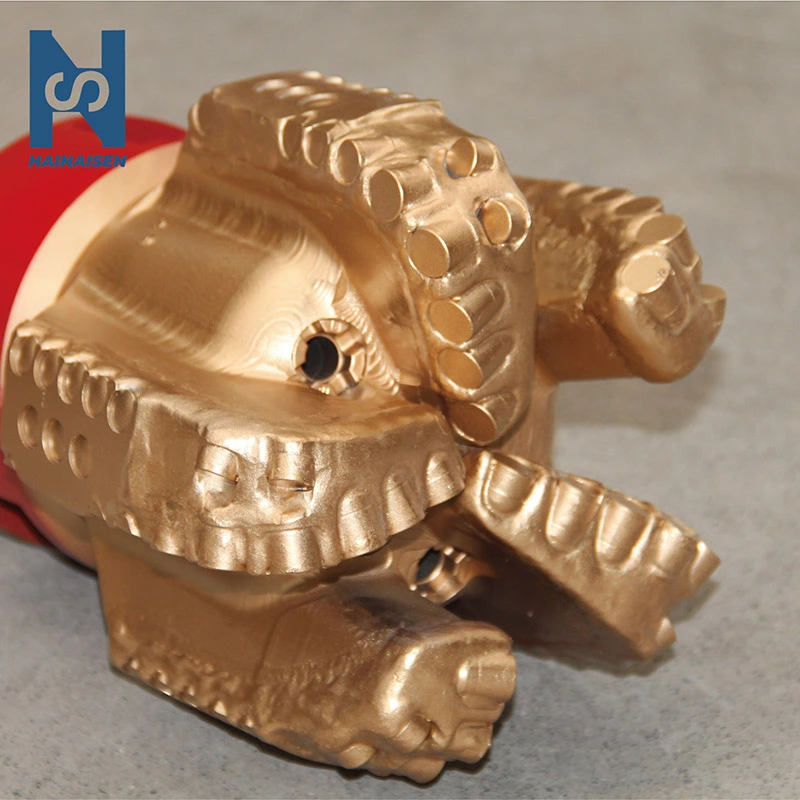
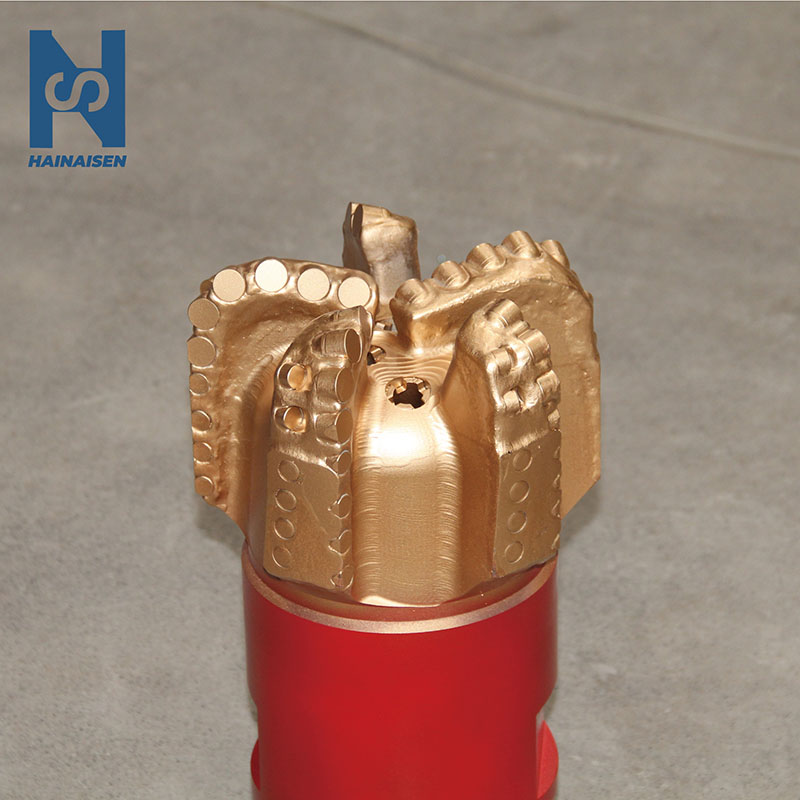
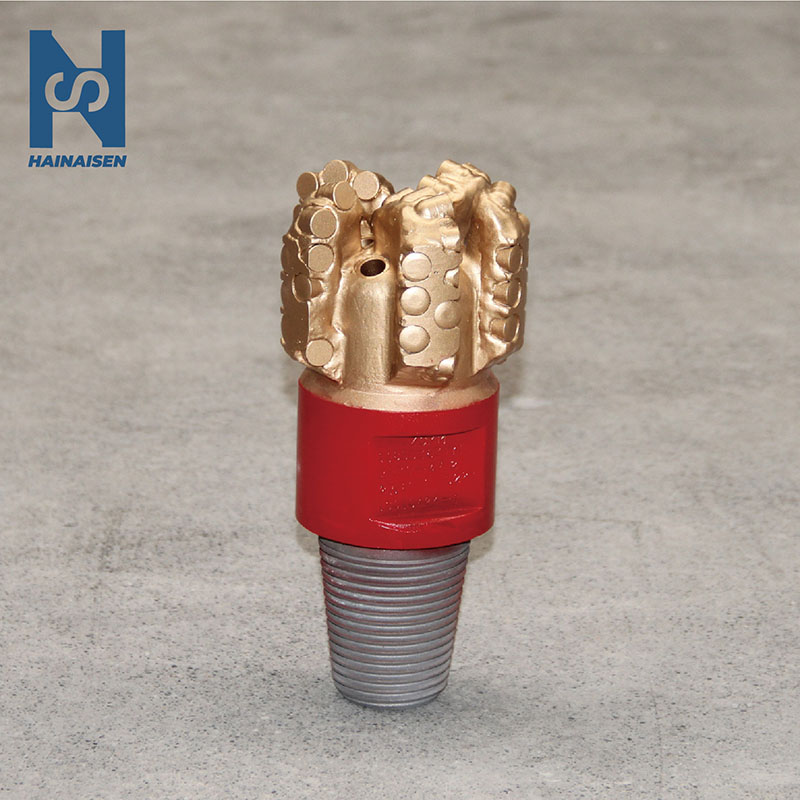
Five Blade Wing Oil Drilling technology works by spreading out cutting forces and making the best use of hydraulics. The design of the blades makes the pressure more even across the bit face, which lowers shaking and makes it easier to control the direction of the drill bit while it's being used. Each blade has Polycrystalline Diamond Compact (PDC) cuts that are set in a way that makes them stay sharp longer than other options.
The better cutting shape makes it possible for deeper penetration rates while lowering the power needs. This means that less energy is used and drilling equipment lasts longer. Modern models, like the HNS S123, have seven nozzles that work together to clean hydraulically better. This makes sure that drill bits are removed effectively from the cutting area. This better handling of debris keeps the cutter from getting too loaded and keeps it cutting at its best, even during long boring runs.
Real-World Applications and Adaptability
Modern five-blade wing bits are very useful for a wide range of drilling jobs, from wells in shallow water to research projects far offshore. The technology works especially well in medium-hard forms, where regular bits have trouble staying stable and getting through. Less shaking is good for coal bed methane extraction because it keeps the rock from getting damaged and speeds up gas recovery.
In geothermal energy projects, which are also very important, five-blade designs are more durable and last longer, which saves money by extending bit life. Because the cutting action stays the same, heat-rotating stress on the cutting elements is lessened, so they can keep working well in hot places. Offshore drilling uses these high-tech bits to cut down on rig time, which lowers costs and protects the environment in sensitive marine settings.
Comparing Five-Blade Wing Oil Drilling with Conventional Technologies
Performance Metrics and Operational Efficiency
Comparative research shows that the latter performs much better. In the same type of rock, penetration rates usually go up by 15 to 25 percent, while power needs usually go down because cutting tools are more efficient. These changes directly lead to less time spent drilling and lower costs for workers and operators.
Better stability means straighter boreholes with better gauge quality, which means fewer reaming operations and the delays that come with them. Getting rid of vibrations helps all the tools in the drilling system last longer, from those used deep underground to those on the surface. Field data constantly shows longer bit runs between trips. This means that bits don't have to be changed as often, which saves time and makes digging more efficient overall.
Thoughts on Return on Investment
When figuring out the return on investment (ROI) for five-blade wing technology, you have to take into account more than just the initial buy price. Better entry rates and longer bit life save money because they cut down on rig time, which is the biggest cost factor in drilling operations. When managing multiple drilling jobs at the same time, these efficiencies help medium and large oil service companies the most.
Less upkeep is needed, and things break down less often, which makes project schedules more reliable and helps contractors keep their timeline promises more often. Quality-focused operators see the value offer, even though it comes with higher starting costs. They see the investment as necessary to stay ahead of the competition in tough drilling environments.
Maintenance procedures and ways to fix problems
Understanding how five-blade wing bits work and how they wear down is important for keeping them in good shape. Regularly checking PDC cutters helps find the best time to change them, which keeps them from breaking down in a way that damages the whole bit body. The multiple-blade design lets the machine keep running even if one of the cuts gets damaged, which gives operators more options in remote areas.
Troubleshooting methods focus on finding early warning signs of performance loss in oil field drill bits, such as changes in the rate of entry, changes in torque, or strange patterns of sound. Managing drilling fluids correctly is important for getting the most out of the bit. Flow rates and mud qualities need to be changed to get the cuttings to where they need to go and to cool them down as quickly as possible. These care steps make sure that the bit works the same way for as long as it's supposed to.
Procurement Guide for Five-Blade Wing Oil Drilling Equipment
Important details about equipment and requirements for compatibility
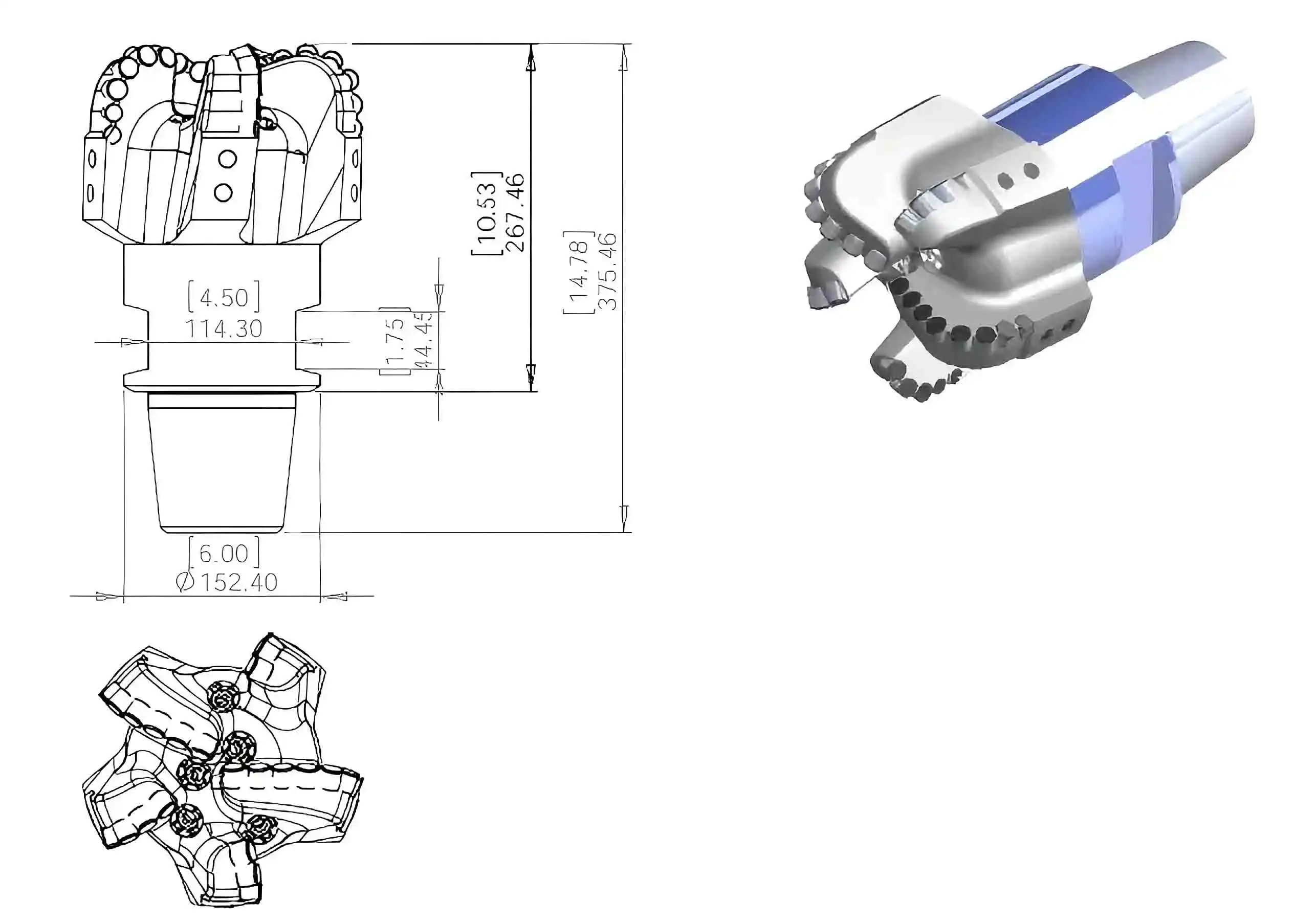
Choosing five-blade PDC Bits requires close attention to technical specs for system compatibility. IADC codes like S123 define design features and applications. Bit sizes typically range from 8.5 to 17.5 inches, depending on wellbore geometry. Connection standards such as the 6-5/8 REG. PIN API thread ensures secure attachment and effective power transmission. Optimal bit weight ranges from 65 to 150 kg, based on drilling conditions. Cutter configuration—often 109 cutters in 13mm and 16mm sizes—must match formation characteristics. A 90mm gauge length improves borehole quality and stabilizes drilling in difficult conditions.
Choosing a supplier and ensuring quality
Finding reliable suppliers means evaluating their production capabilities and quality control processes. Companies like Shaanxi Hainaisen operate 3,500 m² facilities with CNC and 5-axis machines, ensuring precision manufacturing. Comprehensive testing under simulated conditions validates bit performance. Certification requirements may vary, especially for overseas projects needing stricter documentation. Strong after-sales support and warranty coverage are essential, particularly in remote locations where downtime is costly.
Strategies for negotiating and making purchases more efficiently
Effective negotiation depends on understanding market pricing and supplier cost structures. Volume commitments can lead to major savings for large-scale projects. A total cost of ownership approach should include performance, technical support, and spare parts availability. Framework agreements help streamline procurement for recurring needs. Customizing bit designs for specific formations can justify higher prices through better performance. Evaluating a supplier’s long-term stability is key to ensuring support over multi-year drilling programs.
Future Trends and Innovations in Oil Drilling Technology
The use of computers and smart drilling systems
Real-time data collection and automatic decision-making systems made possible by digital technologies are changing the way oil is done. Smart drilling platforms have sensors all over the drilling system, so they can always keep an eye on how the bit is working, how the rock is behaving, and the drilling parameters. These systems let you make predictive repair plans that find the best times to replace bits and keep equipment from breaking down.
Artificial intelligence programs look at drilling data and tell Five Blade Wing Oil Drilling systems what the best working conditions for oil field drill bits are. Machine learning models that are based on past drilling data can predict how bits will behave in similar geological conditions. This lets operators make changes to their drilling plans ahead of time. When surface systems and downhole tools are connected, watching and controlling them from afar is possible, which makes operations run more smoothly.
Rules for the environment and eco-friendly actions
Environmental laws that are always changing push people to come up with new, more environmentally friendly ways to drill and make tools. To help reach environmental goals, new bit technologies cut down on digging time and damage to the surface by increasing entry rates. Five-blade wing designs are more efficient, which means they use less energy and produce fewer fumes during drilling operations.
More and more, regulatory compliance requirements focus on reducing trash and having as little of an effect on the earth as possible. Five-Blade Wing Oil Drilling technology helps reach these goals by making it easier to handle cuttings and using less drilling fluid. The longer bit life features cut down on waste while improving practical sustainability measures that are needed for public and government approval.
New Ideas in Next-Generation Design
Five-blade wing technology is still being improved through research and development, with new ideas in material science and better designs for cutting elements. The latest PDC cuts use advanced diamond manufacturing methods that make the diamonds harder and more stable at high temperatures. These changes make the bits last longer while keeping their cutting efficiency in drilling conditions that are getting harder.
Computational fluid dynamics modeling lets you make hydraulic designs that move cuttings more efficiently and cool the bit better. Adding real-time feedback systems lets the drilling settings be changed on the fly to keep up with changing physical conditions and maintain peak performance. These technological improvements put five-blade wing systems at the cutting edge of drilling innovation, giving users who are willing to think ahead a competitive edge.
Conclusion
As technology improves and new equipment is made, oil-digging activities continue to change. Five-blade wing oil drilling technology is a big step forward in how efficiently drilling works. It offers better performance qualities that help workers in a wide range of situations. Knowing everything about drilling processes, from basic ideas to cutting-edge bit technologies, helps people make smart purchasing decisions that improve the results of their projects. As environmental laws and practical needs continue to push innovation, new drilling technologies like five-blade wing systems set managers up for success in markets that are getting more and more competitive. Adding smart systems and environmentally friendly methods will make these advanced drilling options even more valuable.
FAQ
1. What benefits do five-blade wing drill bits have over standard ways of doing things in terms of efficiency?
Five Blade Wing Oil Drilling technology makes drilling much more efficient by making the cutting mechanism better and the machine more stable. When compared to three-blade options, the five-blade design spreads cutting forces more widely, which lowers sound and allows for higher penetration rates. Field tests show that the drilling speed is 15–25% faster, while the power needs are lower and the equipment wears out less quickly.
2. Can five-blade wing bits be used in different types of drilling?
These high-tech drill bits are very useful for a wide range of tasks, such as drilling water wells, exploring the ocean, building on land, working with geothermal energy, and more. Because they are more stable, they work especially well in difficult patterns where regular bits have trouble controlling the direction of the bit. Strong design can take both medium and hard forms while still performing at the same level.
3. What do you need to do to keep your five-blade wing drill bits in good shape?
Regularly checking PDC cuts and keeping an eye on performance signs like penetration rate and torque trends are important parts of proper maintenance. The multiple-blade design provides working redundancy, so the machine can keep running even if one of the cutters gets damaged. Managing drilling fluids in the best way possible ensures proper cooling and removal of cuttings, which increases bit life and performance stability.
Partner with HNS for Advanced Five-Blade Wing Oil Drilling Solutions.
HNS stands as a trusted Five Blade Wing Oil Drilling Manufacturer, delivering innovative drilling solutions backed by more than ten years of experience in the field. Our improved S123 model has better engineering, 109 PDC cutters, a seven-nozzle design, and has been used successfully in tough drilling conditions in the past. In comparison to other designs, the unique five-blade structure offers better penetration rates, less shaking, and longer operating life.
Our engineering team is here to help procurement professionals find trusted Five Blade Wing Oil Drilling sources. They can get full technical support and solutions that are made just for them. Our modern factory uses advanced CNC cutting and strict quality control methods to make sure that all of our products are always of the highest quality. Get in touch with hainaisen@hnsdrillbit.com to talk about your unique drilling needs and find out how our cutting-edge bit technologies can help your project succeed.
References
1. American Institute of Petroleum. API Publishing Services, 2023. "Drilling Equipment Standards and Specifications for Oil and Gas Operations."
2. Association of Drilling Contractors from Around the World. IADC Technical Publications, 2024. "Modern Drilling Technology and Equipment Performance Analysis."
3. Oil and Gas Engineers Society. "Advanced Drill Bit Design and Performance Optimization in Challenging Formations." Proceedings of the SPE Technical Conference, 2023.
4. Administration for Energy Information. The U.S. Department of Energy published an article in 2024 called "Oil and Gas Drilling Technology Trends and Market Analysis."
5. International Journal of Petroleum Engineering. Volume 45 of the Technical Research Journal, 2023, has an article called "Comparative Study of Multi-Blade Drilling Systems in Offshore Operations."
6. World Oil Magazine. Tech Equipment Review (2024) wrote an article called "Innovation in PDC Drill Bit Technology: Performance and Cost Analysis."
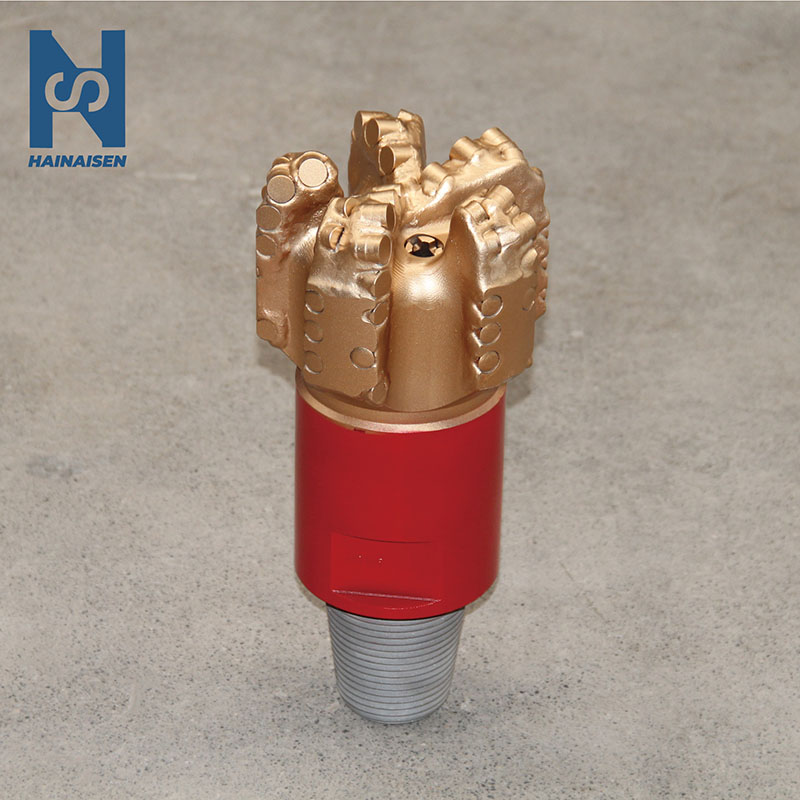 VIEW MORE5 Blade Matrix Body PDC Drill Bits
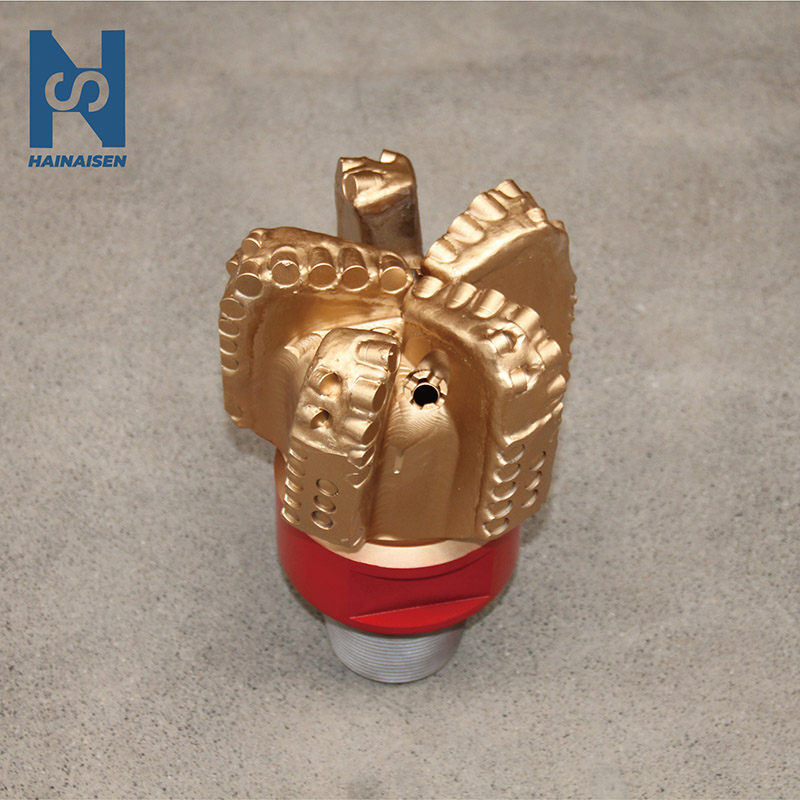 VIEW MOREPDC Rock Drill Bit
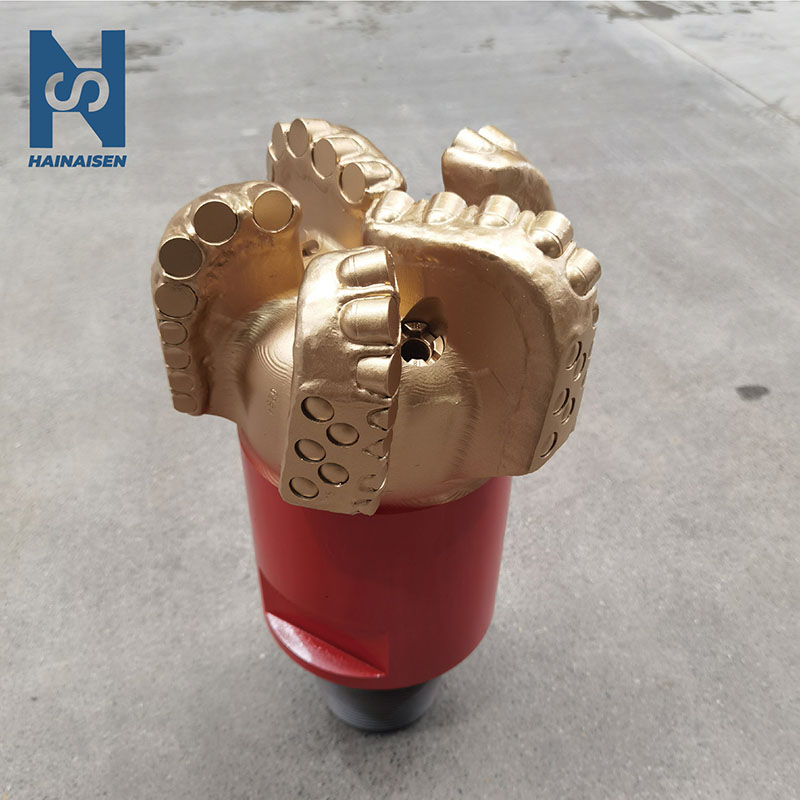 VIEW MOREDrill Bits For Oil Drilling
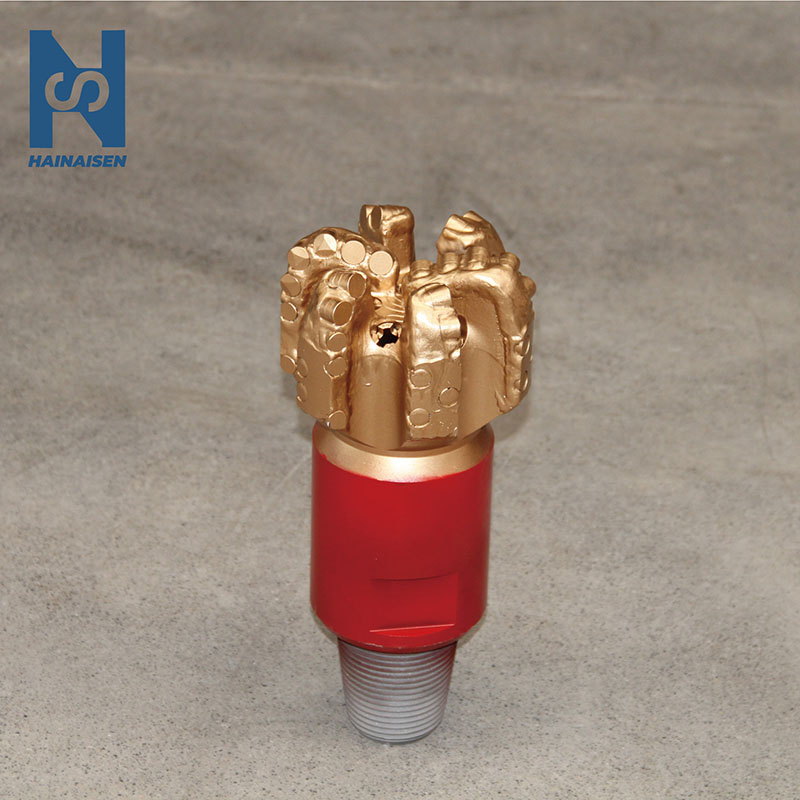 VIEW MORESix Blade Wing Petroleum Drill Bit
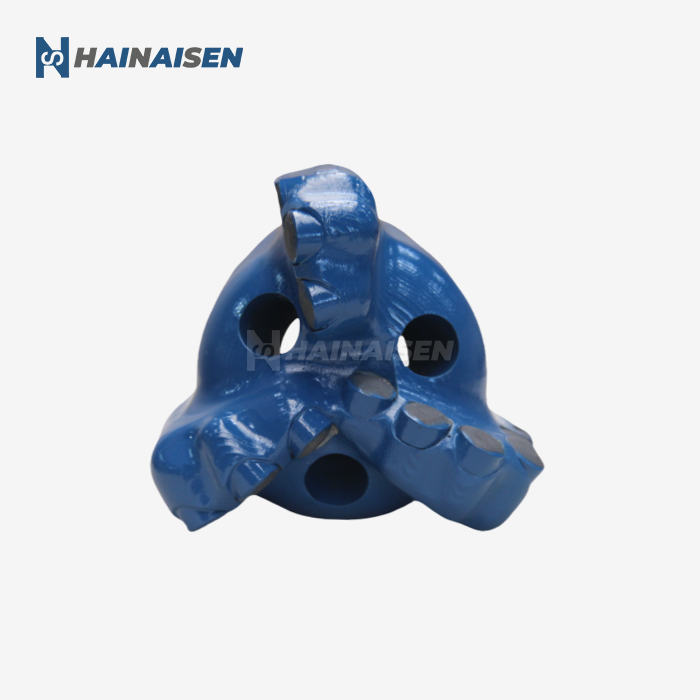 VIEW MORE113mm Three Wings PDC Arc Angle Drill Bit
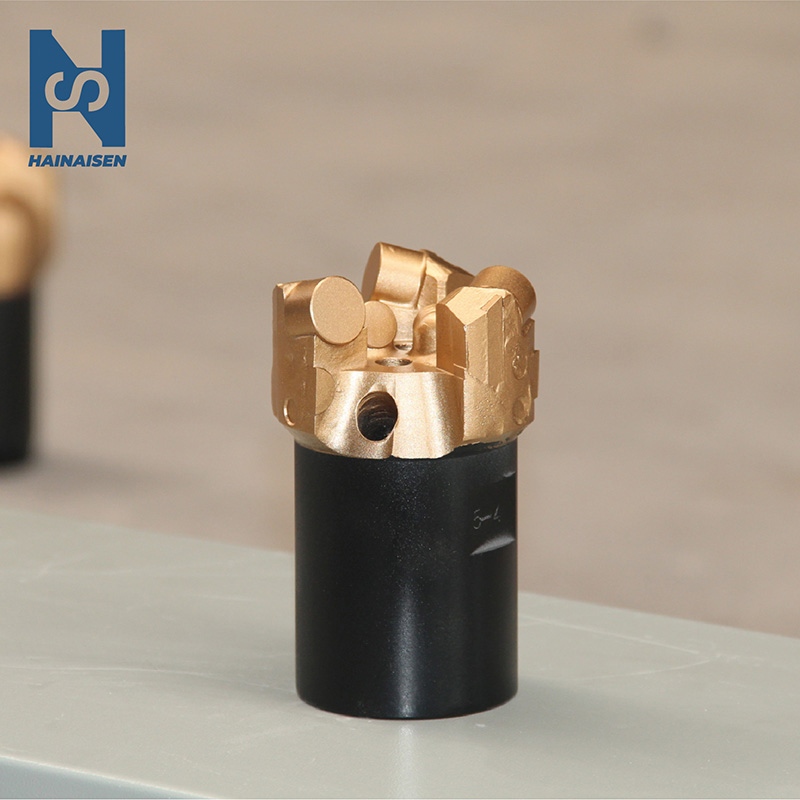 VIEW MORECoal Mining PDC Drill Bits
 VIEW MORE5 Blades Steel Body High Performance PDC Rock Drill Bits
 VIEW MOREHigh Performance 5 Cutter PDC Bit