




Fixed Cutter vs Roller Cone Bits: What Are the Differences Between Them?Formation?
Knowing the basic differences between fixed cutter and roller cone bits is important for operational success when choosing drilling tools for commercial use. In contrast to roller cone bits, which use spinning cones with teeth or inserts to crush and fracture rock, fixed cutter bits use stable cutting elements that shear through structures. The Hard Alloy Roller Drill Bit is one of the most durable and well-performing roller cone bits. It works well in tough geological conditions and is an important tool for oil and gas exploration, mining, and construction projects that need to reliably drill through different types of rock.
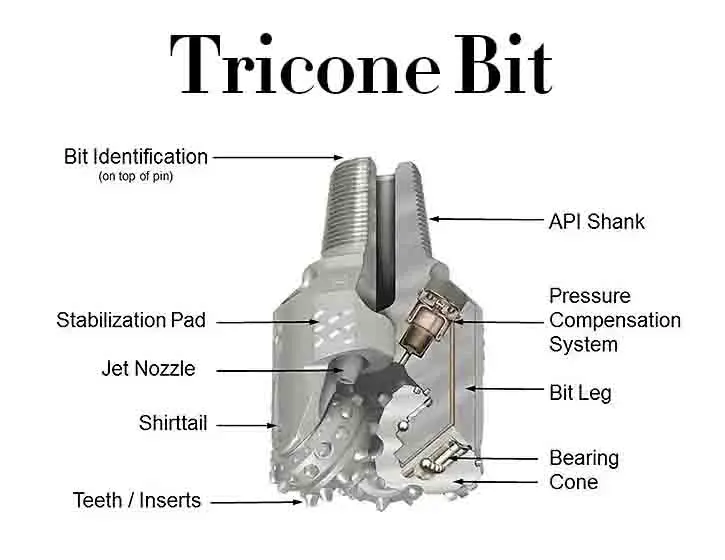
Understanding Fixed Cutter and Roller Cone Bits: Definitions and Core Differences
Structural Design and Cutting Mechanisms
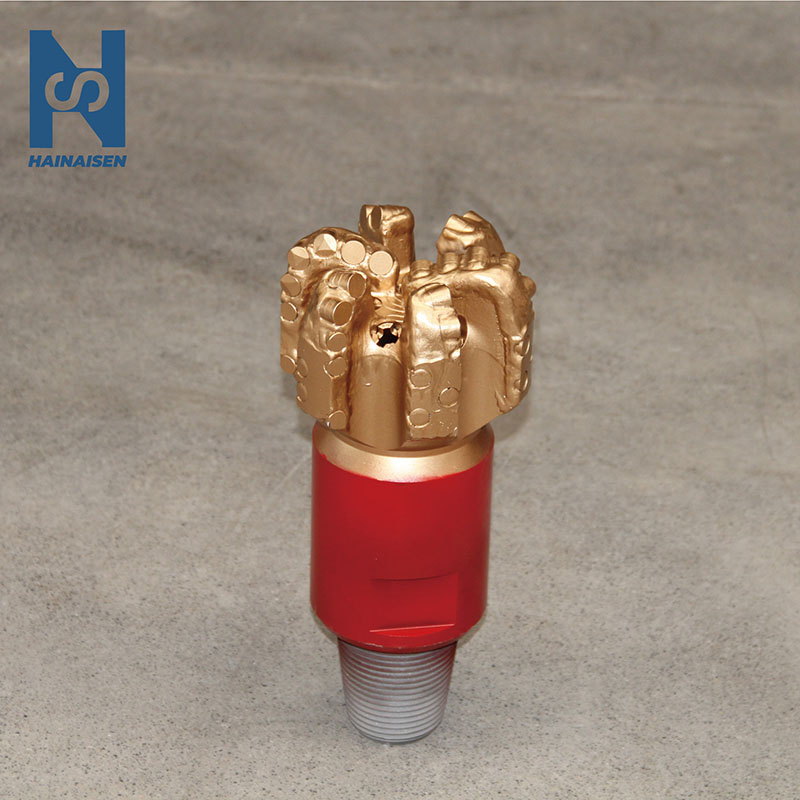
Fixed cutter bits have cutting elements that don't move. These are usually made of polycrystalline diamond compact (PDC) or natural diamond and are attached to the bit face. As the bit turns, these cutting elements stay still in relation to the bit body and cut through rock by splitting it. The cutting structure has several blades with cutters placed in a way that makes it easy to cut through shapes.
To understand roller cone vs fixed cutter bit performance, Roller cone bits work in a very different way. They have many spinning cones that are equipped with cutting teeth or tungsten carbide inserts. These cones turn on their own as the bit turns, which breaks up rock shapes by crushing and cutting them. In rough conditions, the rolling action spreads wear across more than one cutting area, which increases the tool's useful life.
Material Compositions and Engineering
The different material engineering needs of these bit types show in how they are made. Fixed cutter bits are made of very hard materials, such as synthetic diamonds attached to tungsten carbide surfaces. These materials are very hard, but they need to be handled carefully so they don't get damaged by impact. The bit body is usually made of a steel matrix or tungsten carbide, and it's there to hold the cutting elements while they spin at high speeds.
The cone structure of roller cone bits is made of high-strength steel, and the cutting parts can be anything from polished steel teeth to pressed-in tungsten carbide inserts. Advanced closing systems keep drilling fluid from getting into the bearings inside, and special oils keep the cone rotating smoothly even when conditions are very rough downhole.
Deep Dive into Hard Alloy Roller Drill Bits: Composition, Functionality, and Benefits
Advanced Alloy Composition and Performance Enhancement
With its quality tungsten carbide inserts and strengthened steel construction, Hard Alloy Roller Drill Bit technology is a big step forward in roller cone design. These bits have three spinning cones with tungsten carbide inserts that are put in a way that keeps the cutting efficiency high in a wide range of formation hardnesses, from soft clays to very hard granite.
The tungsten carbide pieces are made with great care so that they are as hard and resistant to pressure as possible. Each insert's shape is designed to work with a certain type of rock formation. For example, chisel-shaped elements work best with softer rocks, while hemispherical buttons work best with harder formations for maximum breaking force. The steel cone bodies are heated in a special way to make them last longer while still keeping the flexibility they need for bearing function.
Industrial Applications and Versatility
Modern hard metal Roller Bits work very well in many different types of industries and are very good at adapting to different work needs, an important consideration in roller cone vs fixed cutter evaluations. In oil and gas research, these bits are used to get through layers of hard rock like shale and limestone that are too deep for regular drilling tools. The 140 mm diameter and three-blade design strikes the best mix between cutting speed and structural stability.
Mining operations benefit from the breaking action that breaks up coal seams and rock layers that contain minerals. The tungsten carbide pieces stay sharp longer than steel teeth, which means that bits don't need to be replaced as often, and there is less downtime for operations. Teams that drill water wells like how cost-effective hard metal bits are. These bits work reliably and are priced affordably, making them good for smaller jobs.
Fixed Cutter vs. Roller Cone Bits: Performance and Application Comparison
Formation Compatibility and Drilling Efficiency
Choosing between fixed cutter bits and roller cone bits mostly relies on the type of rock and the cutting goals. In soft to medium-hard layers, fixed cutting bits have better penetration rates because their shearing action removes rock debris more effectively. However, they become weak in very rough or interbedded rock types that can do terrible damage to diamond cutting elements.
Rolling cone bits, especially those made of hard alloys, are very useful for a wide range of toughness levels. The crushing process works well in broken forms where set cutter bits might act in strange ways. Different technologies have different weight-on-bit needs. Roller cones usually need higher loads to get their cutting teeth to go deep into rock surfaces.
Economic Considerations and Procurement Strategies
The initial buy price is only one part of a cost study. Other parts include operational efficiency and bit life estimates. Fixed cutter bits are more expensive, but they can drill very quickly in certain rock types, which could cut down on total drilling time and costs. But early failure in mismatched forms can mean expensive bit replacements and delays in operations.
The economics of Hard Alloy Roller Drill Bit choices are fair because they have low starting costs and last a long time, and roller cone bits are a key example of this type of tool. The 16 kg weight and sturdy construction make it last a long time, which makes the investment worthwhile, especially for operations that involve drilling through unstable rock conditions. Minimum order amounts of 10 pieces allow for volume price benefits while keeping supplies flexible for a wide range of project needs.
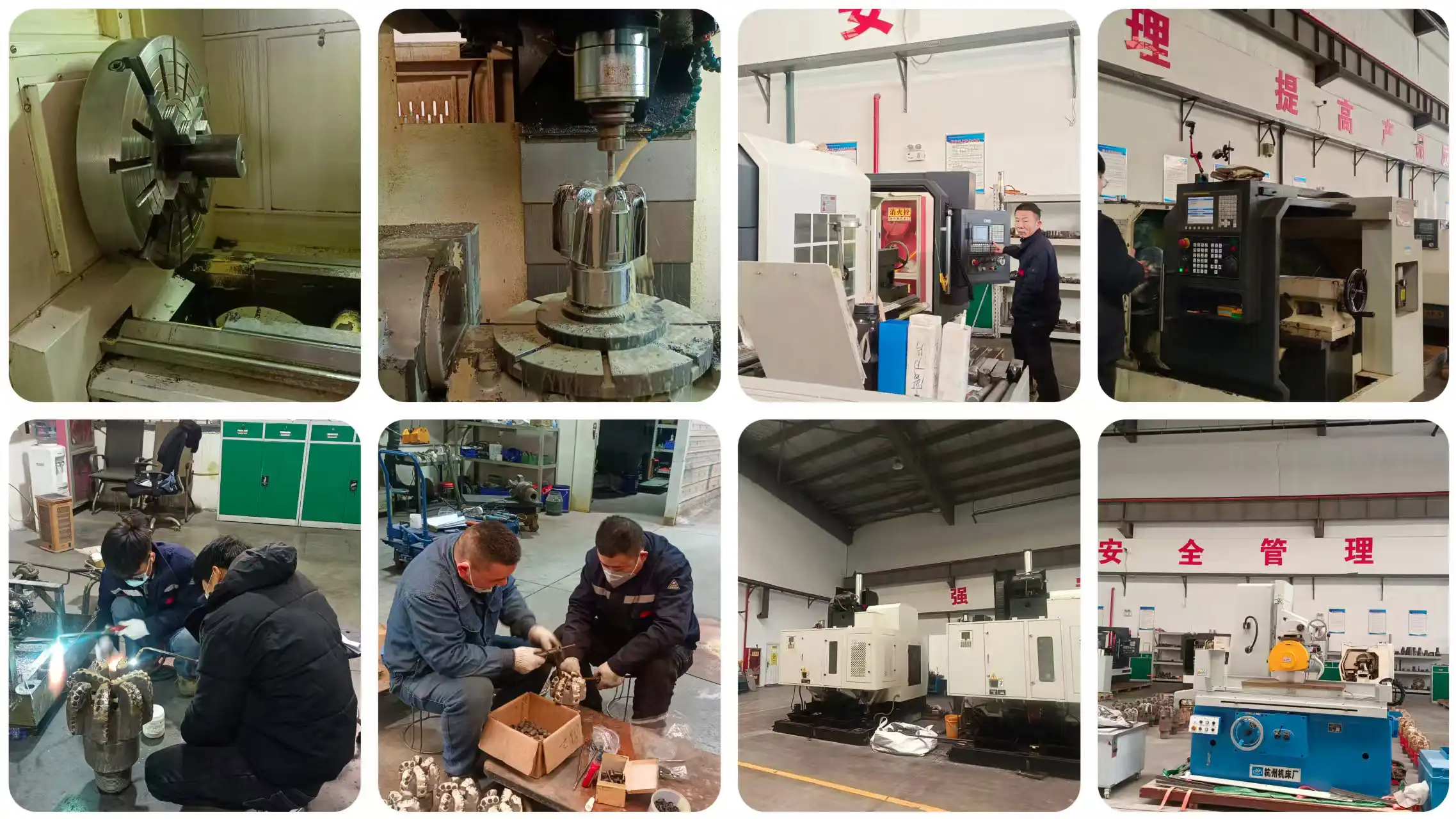
Maintenance, Sharpening, and Maximizing the Lifespan of Hard Alloy Roller Drill Bits
Preventive Maintenance Protocols
For bits to work at their best, they need to be maintained in a way that takes into account both technical and operational factors. When tungsten carbide plugs are checked regularly, wear patterns show up that indicate where cutting parameters can be improved. Checking the state of cone bearings stops catastrophic breakdowns that could damage costly downhole equipment.
Cleaning methods get rid of drill bits and other formation debris that have built up over time and can speed up the rate of wear. High-pressure cleaning methods get rid of tough dirt and grime without hurting delicate bearing seals. Proper keeping in controlled settings stops rust and keeps the lubrication on bearings in good shape between uses.
Sharpening Techniques and Equipment Requirements
Professional sharpening services return the shape of the cutting insert to the Manufacturer's standards. This makes the bit last a lot longer than just one use. Specialized grinding tools get rid of worn carbide surfaces while keeping exact insert angles that are needed for the best formation contact. Quality control methods make sure that the dimensions are correct and that the insert retention force meets the requirements.
When polishing is cheaper than replacing is figured out by economic analysis, and this cost judgment also applies to roller cone vs fixed cutter. Bits with 40–60% insert wear usually need to be fixed by a professional, while bits that are badly harmed may need to be replaced to maintain drilling efficiency standards. Recording the past of sharpening makes it possible to plan upkeep ahead of time and make the best use of supplies.
Making Informed Decisions: How to Choose between Fixed Cutter and Roller Cone Bits for Your Project?
Formation Assessment and Technology Matching
Geological assessment is the basis for choosing the right bit, which requires a thorough look at different types of rocks, their varying hardness, and their gritty properties. Testing examples of formations in a lab gives numbers about their compressive strength and wear qualities that help choose the right technology. Well data can tell you a lot about how bits have worked in the past in similar geological settings.
Hard Alloy Roller Drill Bit technology, a type of roller cone bit, works especially well in heterogeneous layers, where rock values change a lot from one vertical interval to the next. The crushing action adjusts itself instantly to changes in hardness, so the entry rates stay the same without having to change any parameters. The three-nozzle hydraulic system removes enough cuttings while keeping the hole cleaning efficiency high.
Supplier Evaluation and Quality Assurance
For procurement to go well, they need to work together with manufacturers who can show they have good quality control methods and expert help. Before a product is shipped, Shaanxi Hainaisen Petroleum Technology Co., Ltd. makes sure it meets strict testing standards that include checking the quality of the materials, making sure the machines are working correctly, and making sure the product works as expected. The shipping period of 5–7 business days meets the needs of project schedules and makes sure that products are available.
Customization options allow for particular operating needs, such as different types of connections and unique insert configurations. The 3-1/2 REG.The PIN connection standard makes sure that it works with current drilling equipment and keeps the efficiency of the power transfer. Level 1–12 strata usage gives you the freedom to drill in a wide range of settings, from soft sedimentary rocks to very hard crystalline formations.
Conclusion
When deciding between fixed cutter and roller cone bits, the type of formation, practical goals, and cost are the main things that matter. Fixed cutter technology works best in uniformly soft to medium rocks, where high entry rates make the higher cost worth it. Hard Alloy Roller Drill Bit options are very flexible and last a long time in a wide range of geological conditions. This makes them perfect for tasks that need to work reliably in settings that are hard to predict. By knowing about these changes in technology, you can make smart decisions about what to buy that will improve drilling efficiency and keep running costs low.
FAQ
1. When should I choose roller cone bits over fixed cutter bits?
Roller cone bits are preferable for hard, abrasive, or highly fractured formations where the crushing action provides better rock removal than shearing. They also excel in applications with unpredictable geology where versatility is more important than maximum entry rate.
2. What advantages do tungsten carbide inserts provide in roller cone bits?
Tungsten carbide inserts offer exceptional hardness and wear resistance compared to steel teeth, maintaining cutting efficiency longer in abrasive conditions. This extends bit life and reduces replacement frequency, improving overall drilling economics.
3. How do I determine the optimal maintenance schedule for hard alloy roller bits?
Set how often you will check based on the number of hours you spent digging and how rough the formation is. Watch the patterns of insert wear, the state of the bearings, and the characteristics of the hydraulic flow to find out what repair needs to be done before the performance starts to go down.
Partner with HNS for Superior Hard Alloy Roller Drill Bit Solutions
Shaanxi Hainaisen Petroleum Technology Co., Ltd. offers Hard Alloy Roller Drill Bit options that go above and beyond what the industry requires. They do this by combining advanced manufacturing skills with full expert support. Our 3,500m² building has modern machining centers and precise welding production lines that make sure the standard of every product is the same. Our skilled engineering team can help you find the best solutions for your needs, whether you need standard configurations or custom designs for difficult drilling conditions. Email our technical experts at hainaisen@hnsdrillbit.com to talk about your unique needs and find out why HNS is the Hard Alloy Roller Drill Bit provider of choice for the world's largest drilling companies.
References
1. Mitchell, B. J. (2016). Advanced Drilling Engineering: Principles and Practices. Gulf Professional Publishing.
2. Rahman, M. K., & Chakraborty, S. (2020). "Comparative Analysis of Drill Bit Technologies in Unconventional Formations." Journal of Petroleum Engineering, 45(3), 234-251.
3. Thompson, A. R., et al. (2019). "Tungsten Carbide Insert Performance in Roller Cone Drill Bits: A Field Study." International Drilling Contractor, 78(4), 45-62.
4. Wilson, D. P. (2018). Rock Drilling Technology: Materials and Applications. Academic Press.
5. Zhang, L., & Anderson, K. M. (2021). "Formation-Specific Drill Bit Selection Criteria for Enhanced Drilling Efficiency." SPE Drilling and Completion, 36(2), 178-195.
6. Johnson, R. T. (2017). "Maintenance Strategies for Optimizing Drill Bit Performance in Challenging Geological Conditions." World Oil Magazine, 238(8), 67-74.
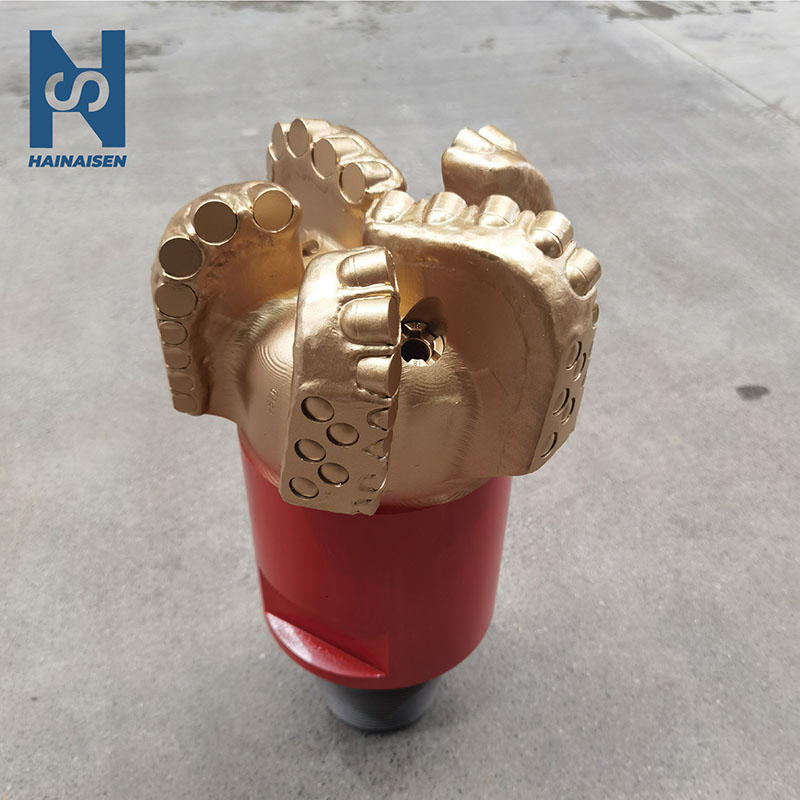 VIEW MOREFive Blade PDC Drill Bit
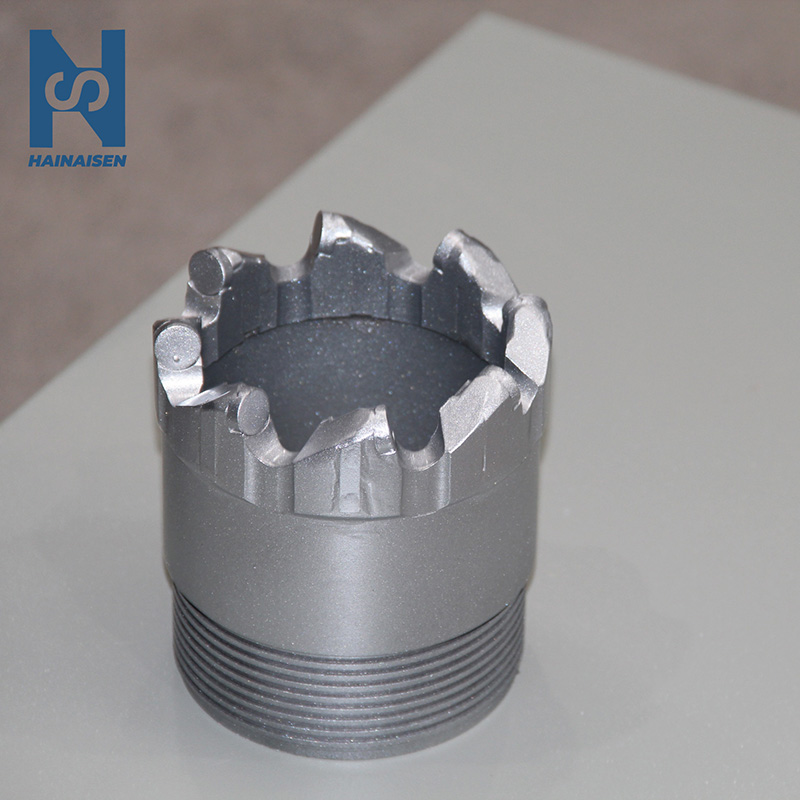 VIEW MOREPDC Core Drill Bit Used For Drilling
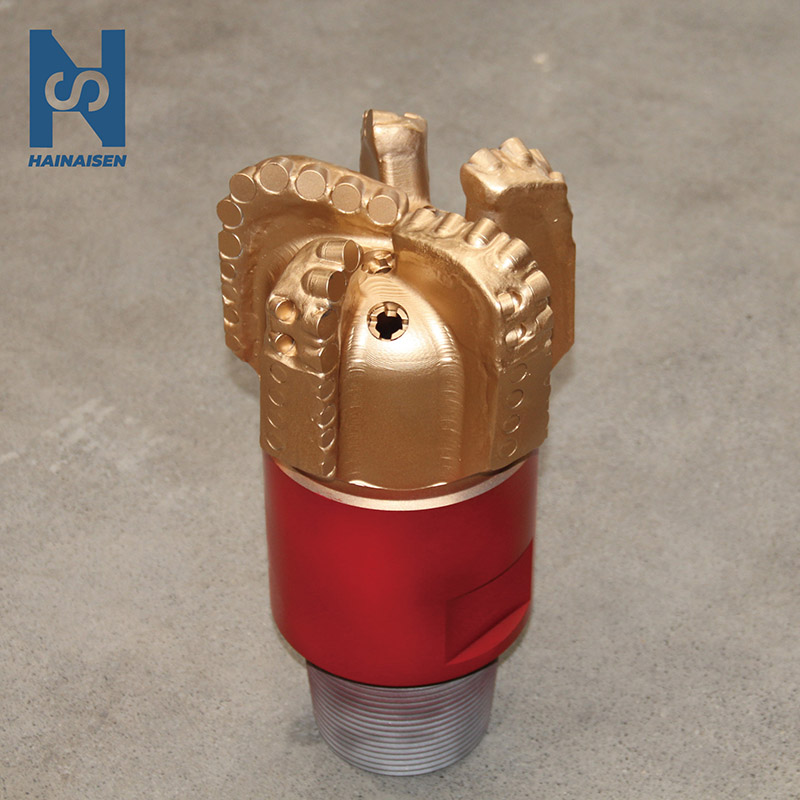 VIEW MOREFive Blades Oil Well Drill Head
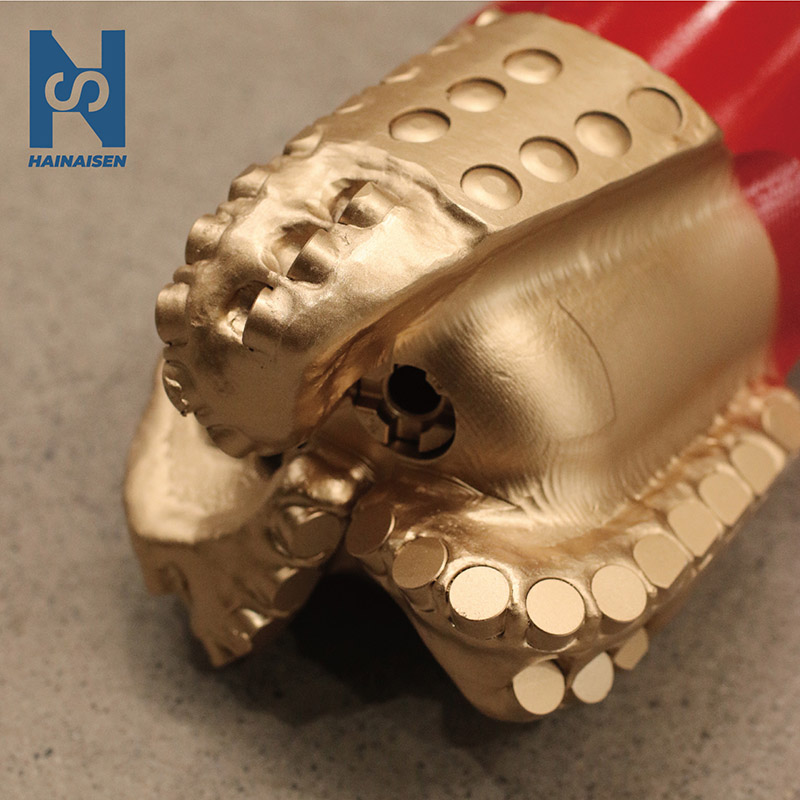 VIEW MOREThree Blades Rock Drill Bit
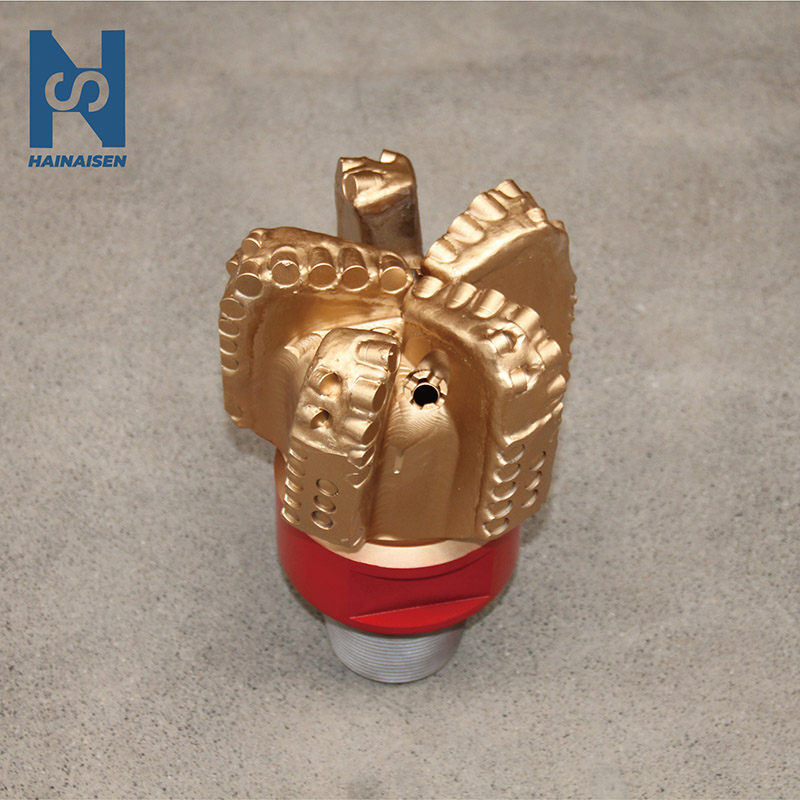 VIEW MOREPDC Rock Drill Bit
logo 1_1768204983068.jpg) VIEW MOREPDC Core Drill Bit With 8 Blades For Hole Drilling Used In Mining
VIEW MOREPDC Core Drill Bit With 8 Blades For Hole Drilling Used In Mining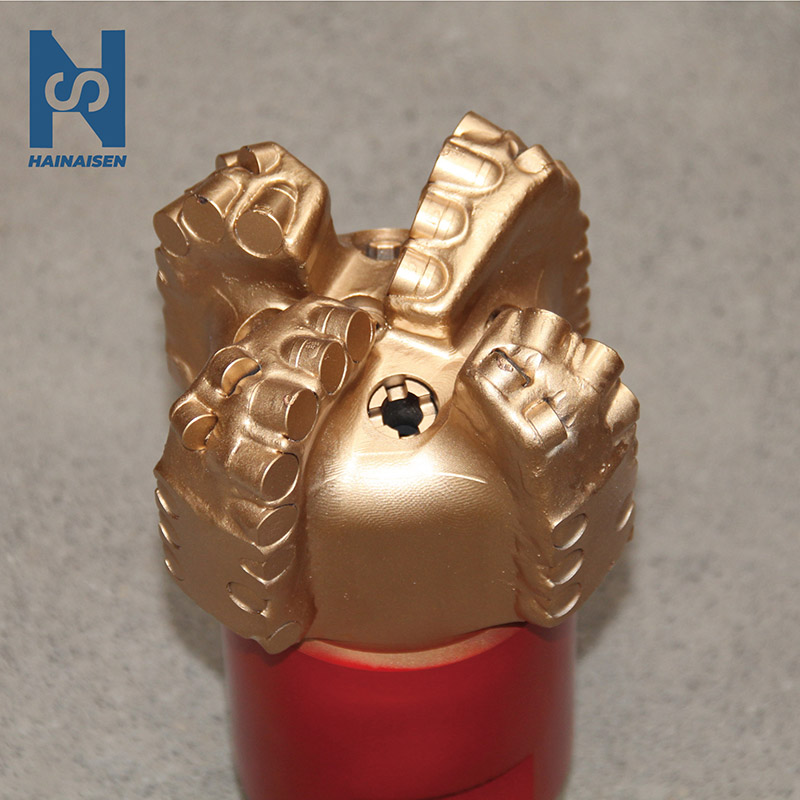 VIEW MOREFour Blade Wing High Performance Petroleum Drill Bit
 VIEW MORESix Blade Wing Petroleum Drill Bit