







Exploring the benefits of PDC Bits in hard rock drilling
When it comes to hard rock drilling, the drilling tools you choose can make or break how well your operations run. PDC Rock Drill Bit technology has changed the drilling business by making it possible to drill more deeply into difficult rock formations. These high-tech bits have polycrystalline diamond compact cuts that are very strong and last a long time. This makes them essential for oil and gas research, mining, and building projects. Purchasing managers and technical experts can make decisions that improve drilling performance and lower running costs by learning about the benefits and uses of PDC Bits.
Understanding PDC Rock Drill Bits and Their Role in Hard Rock Drilling
What Are PDC Rock Drill Bits?
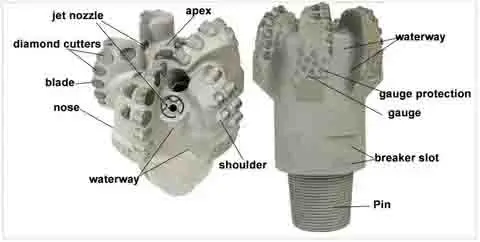
Combining high-grade steel bodies with fake diamond cutters to make tools that can handle the hardest rock types, PDC bits are a big step forward in drilling technology. Sintering diamond particles under high pressure and heat is what the polycrystalline diamond compact technology does. This makes cuts that stay sharp longer than other materials.
The basic structure of PDC bits is made up of a few important parts that work together to make them better at digging. The steel body keeps the structure strong and holds the PDC cutters, which are placed in a way that makes them as efficient as possible when cutting. A tungsten carbide matrix makes it more resistant to wear, which is especially important when cutting through rough rock forms that are common in hard rock settings.
Cutting Mechanisms in Hard Rock Conditions
Roller cone bits break rock when they hit it, but PDC Rock Drill Bit technology uses cutting to cut through rock formations. This cutting device works really well for drilling through hard rock because it makes less vibration and keeps the power needs constant. Because the diamond cutters stay sharp during long cutting processes, the performance traits are easier to predict.
The breaking action also makes smaller rock pieces that are easier to get out of the hole. This makes drilling more efficient and lowers the risk of having trouble cleaning the hole. This benefit is especially clear when drilling in a specific direction, where moving cuttings quickly is important to keep the drilling going.
Real-World Applications Across Industries
PDC bits work great in a wide range of drilling situations and businesses. They are good at both offshore and onshore drilling, which helps oil and gas research activities, especially when they have to drill through shale or hard formations. The bits are very good at both horizontal and directional drilling, where it's important to keep the route accurate while cutting through rocks of different hardnesses.
PDC technology is used in coal mining, mineral research, and geothermal drilling projects by mining and mineral extraction companies. Because they work the same way every time, PDC bits are useful for keeping production plans and reducing machine downtime. Contractors who drill water wells like the technology because it helps them build deep water wells and look for aquifers, both of which require steady performance in geological situations they don't know much about.
The Key Benefits of Using PDC Rock Drill Bits for Hard Rock Drilling
Enhanced Durability and Wear Resistance
PDC bits are very durable because they are made of high-tech materials and are designed with engineering in mind. Diamond cutters have cutting edges that stay sharp for a lot longer than carbide or steel cutters. This means that the bits last longer, even in very rough forms. This durability immediately leads to fewer bit replacements and lower total costs for drilling.
It is especially important for bits to be resistant to wear in hard rock formations, where they quickly lose their ability to cut. The tungsten carbide core found in high-quality PDC bits protects against wear even more while keeping the bit's structure strong, which is important for tough drilling conditions.
Improved Drilling Efficiency and Cost Savings
With PDC Rock Drill Bit technology, drilling efficiency goes up in a number of ways that can be measured. It takes less time to reach goal depths when penetration rates are faster, which has a direct effect on project timelines and running costs. The steady cutting action keeps the drills going without the performance drop that usually happens with worn standard bits.
Cost savings go beyond less time spent drilling; they also include less upkeep and less wear and tear on tools. The smooth operation of PDC bits makes drilling tools less stressed, which makes motors, pumps, and other important parts last longer. The expected performance traits also help with planning and allocating resources for drilling projects.
Design Versatility for Varied Applications
Because PDC bit designs are so flexible, they can be made to work best in different drilling situations and rock types. As engineers can choose bits with different cutter shapes, blade geometries, and gauge safety choices, they can find bits that work best for the drilling problems they face. Companies that work in a variety of natural settings find this modification feature useful.
Companies like HNS make designs that are specifically made for drilling needs and the amount of hardness. Knowing about these differences in design helps buyers choose the best bit configuration for their needs, which improves performance while keeping prices low.
How to Choose the Right PDC Rock Drill Bit for Your Hard Rock Drilling Needs?
Assessing Drilling Parameters and Conditions
To choose the best PDC bit, you need to carefully consider the drilling factors, such as the type of rock, the hardness of the formation, and the goal depth. Knowing the geological outline helps figure out the right cutter size, blade design, and gauge safety needs. Formation abrasiveness levels affect the choice of material and the estimate of the predicted bit life.
Things to think about when drilling include the needed hole size, the expected qualities of the drilling fluid, and practical limits like the bit's weight and its rotary speed. These factors have a direct effect on how well bits work and must be carefully matched to the Manufacturer's requirements.
Technical Factors and Design Considerations
The shape of the cutter is very important to how well the PDC bit works. Different cutter forms and sizes work best for different types of rock and drilling situations. When the rock is soft, bigger cutters tend to last longer, but when the rock is hard, smaller blades stay stable. How well cutters cut and clean holes is affected by how they are arranged and how densely they are packed across the bit face.
Material quality isn't just important for PDC cuts; it's also important for the bit body structure and matrix materials. High-grade steel bodies give them the power they need for tough jobs, and new matrix formulations make them more resistant to wear and better at keeping their temperature stable. These technological factors have a direct effect on how well bits work and how much they cost to run.
Manufacturer Evaluation and Procurement Considerations
When looking at PDC bit suppliers, you should think about how they make their products, how they check for quality, and how they offer expert help. When choosing bits and using them, it's helpful to have a lot of testing data, application instructions, and field support from well-known makers. It's important to be able to customize for specific uses or to solve difficult cutting problems.
Procurement considerations include pricing structures for different order sizes, how long it will take to send, and whether there is after-sales help available. PDC Rock Drill Bit providers who offer expert advice and application engineering support go above and beyond the product itself by helping to improve drilling performance and solve operational problems.
Best Practices to Maximize the Lifespan and Performance of PDC Rock Drill Bits
Maintenance Protocols and Inspection Routines
Systematic maintenance routines make PDC bits last longer and keep working at their best throughout their operating cycle. Regular checks should focus on the state of the cutter, the wear on the gauge, and the general soundness of the bit. Keeping track of wear trends helps find possible problems with operations and find the best drilling settings for future use.
When you handle and store PDC bits the right way, they don't get damaged while being moved or between drilling activities. Keeping the cutting structure clean and protecting it from damage from impacts stops it from wearing out too quickly and losing its effectiveness.
Optimizing Drilling Parameters
To get the best penetration rates and bit life, drilling parameter tuning includes finding the right balance between bit weight, rotary speed, and fluid flow. Too much weight on the bit can damage PDC cuts, and not enough weight makes cutting less effective. To find the best mix, you need to know both what the bit can do and how the structure works.
The factors that control fluid flow affect how well holes are cleaned and how well heat is managed, both of which are very important for the PDC Rock Drill Bit to work. The right flow rates get rid of cuttings efficiently while cooling the structure of the cutting so that it doesn't get damaged by heat.
Troubleshooting Common Issues
Common wear patterns can help you find the best drilling parameters and make your operations run more smoothly. Too much side force during drilling or not enough cover for the gauge can cause it to wear out too quickly. If the cutter chips or breaks, it means that the bit settings are too heavy or that the cutting conditions are not stable enough to handle the impact load.
By knowing these types of failure, you can make changes ahead of time that will increase the life of your bit and make it work better in drilling. Working with experienced providers gives you access to program knowledge and helps with fixing problems, which is useful for making operations run more smoothly.
Comparative Analysis: PDC Rock Drill Bits vs. Other Drill Bit Technologies
Performance Comparison with Traditional Technologies
When it comes to hard rock uses, PDC bits always do better than roller cone bits because they keep their cutting edges sharp for longer. Roller cone bits work by crushing, which takes a lot of weight on the bit and causes a lot of vibration. PDC technology, on the other hand, makes cutting smooth while putting less mechanical stress on drilling tools.
While diamond-impregnated bits work very well in very hard rock, they aren't as flexible or cost-effective for most hard rock uses as PDC technology. The fact that PDC bits can be fixed and reused is another cost-saving benefit over throwaway options.
Efficiency and Cost-Effectiveness Analysis
The higher efficiency of PDC Rock Drill Bit technology leads to cost savings that can be seen in a number of practical measures. It takes less time to drill when the entry rate is higher, and it costs less to make trips when the bit lasts longer. Less power means less energy use and less wear on the equipment.
To properly compare technologies, total cost analysis must take into account the cost of the bits at the start, how well they work, and how long they last. PDC bits usually have better total cost performance, even though they cost more at first. This is especially true in situations where long drilling gaps are needed or where the rock is hard.
Emerging Trends and Future Innovations
PDC bits are becoming more useful and capable as technology keeps improving their design. Newer cutter materials and shapes work better in some types of rock, and bit bodies with improved designs last longer and let more fluid run through them. New ideas in manufacturing cut costs while keeping quality standards high.
In the future, a lot of work will be done on smart bit technology that includes sensors for tracking performance in real time, new materials for use in harsh environments, and designs that are better because of computer models and data analysis from the field. With these new ideas, drilling will continue to be more efficient and cost-effective.
Conclusion
PDC rock drill bits are the best drilling technology for hard rock use because they offer unmatched performance benefits that directly improve operations. PDC technology is the best for tough drilling conditions in many industries because it uses improved materials and optimized designs and has been tested and shown to work in the field. By reading this guide and understanding its benefits, selection criteria, and best practices, procurement professionals can make smart choices that improve drilling performance while keeping costs low. Drilling problems in the future will be easier to solve with PDC technology that keeps getting better and cheaper.
FAQ
1. What makes PDC bits suitable for hard rock drilling applications?
The polycrystalline diamond compact blades in PDC bits make them great for drilling through hard rock because they keep their sharp cutting edges longer than other materials. Because they cut by splitting, they produce less energy and work consistently in rough rock formations, making them perfect for tough geological conditions.
2. How do drilling parameters affect PDC bit lifespan?
The drilling factors have a big effect on the bit's life because they change the heat conditions and how loaded the cutter is. The right bit weight, rotating speed, and fluid flow rates will allow for maximum penetration while avoiding early wear. Too many parameters can damage tools, and not enough parameters can make drills less effective.
3. Can PDC bits be customized for specific drilling conditions?
Yes, trustworthy companies do let you change things like the size and order of the cutters, the shape of the blades, and the safety features that protect the gauge. These changes improve performance for certain types of rock, drilling environments, and operating needs, making the results better than with normal setups.
Partner with HNS for Superior PDC Rock Drill Bit Solutions
HNS is ready to help you with your hard rock drilling projects by providing you with top-of-the-line PDC technology that is designed to work perfectly and reliably. Our building covers 3,500m² and has high-tech production tools like 5-axis machine centers and research and development teams that make custom solutions for tough tasks. Get in touch with our technical experts at hainaisen@hnsdrillbit.com to talk about your needs and find out why top companies trust HNS to make their trusted PDC Rock Drill Bit manufacturer for critical drilling projects.
References
1. Smith, J.R., "Advanced Drilling Technologies in Hard Rock Formations," International Journal of Drilling Engineering, Vol. 45, 2023.
2. Johnson, M.K. and Williams, P.T., "Polycrystalline Diamond Compact Bit Performance Analysis," Drilling Technology Review, Issue 3, 2023.
3. Anderson, L.C., "Cost-Benefit Analysis of PDC Drilling Systems," Petroleum Engineering Quarterly, Vol. 78, 2023.
4. Thompson, D.A., "Material Science Advances in PDC Cutter Technology," Industrial Diamond Review, Vol. 12, 2023.
5. Roberts, K.M., "Optimization Strategies for Hard Rock Drilling Operations," Mining Technology International, Issue 7, 2023.
6. Davis, R.J., "Comparative Study of Drill Bit Technologies in Challenging Formations," Drilling Equipment Analysis, Vol. 34, 2023.
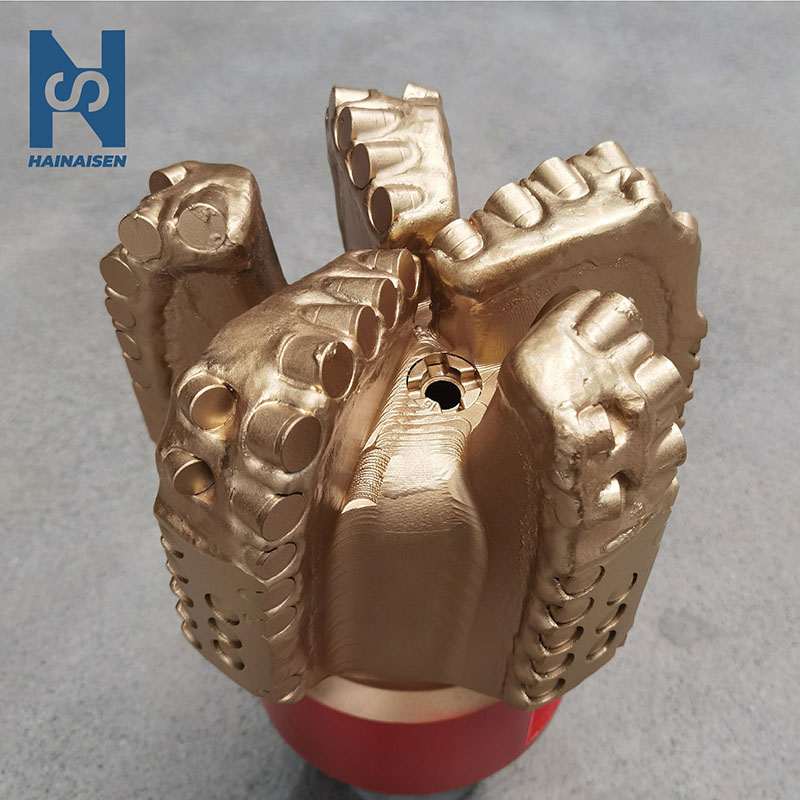 VIEW MOREPDC Diamond Bit
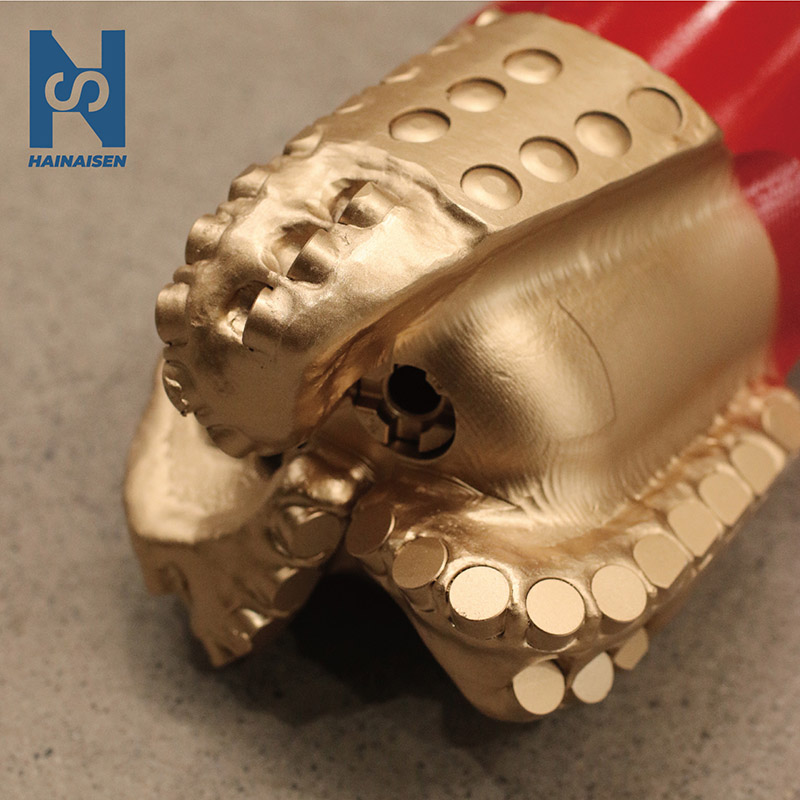 VIEW MOREThree Blades Rock Drill Bit
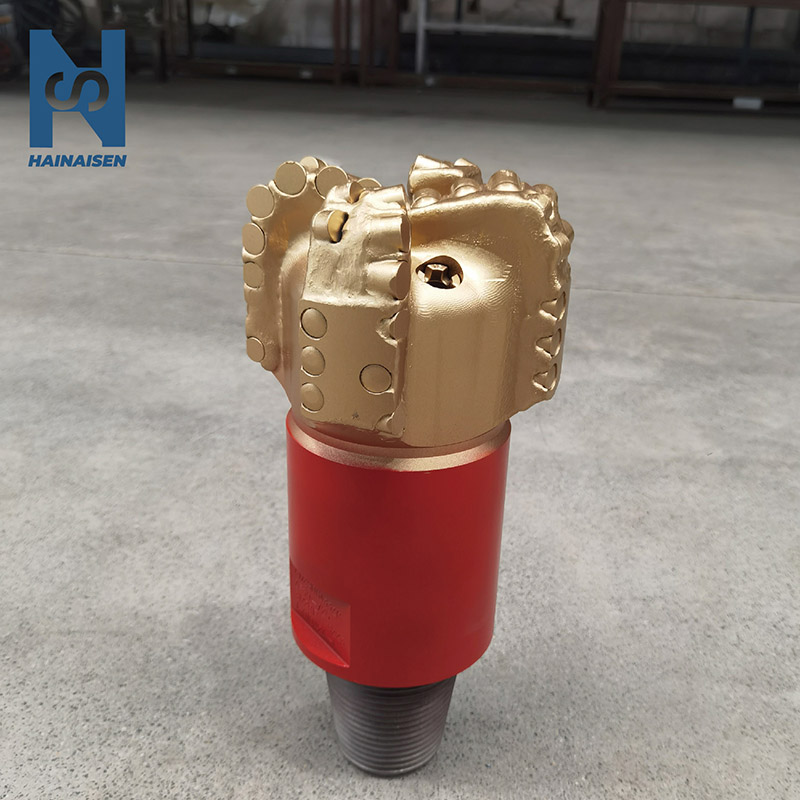 VIEW MOREPetroleum Drilling Equipment PDC
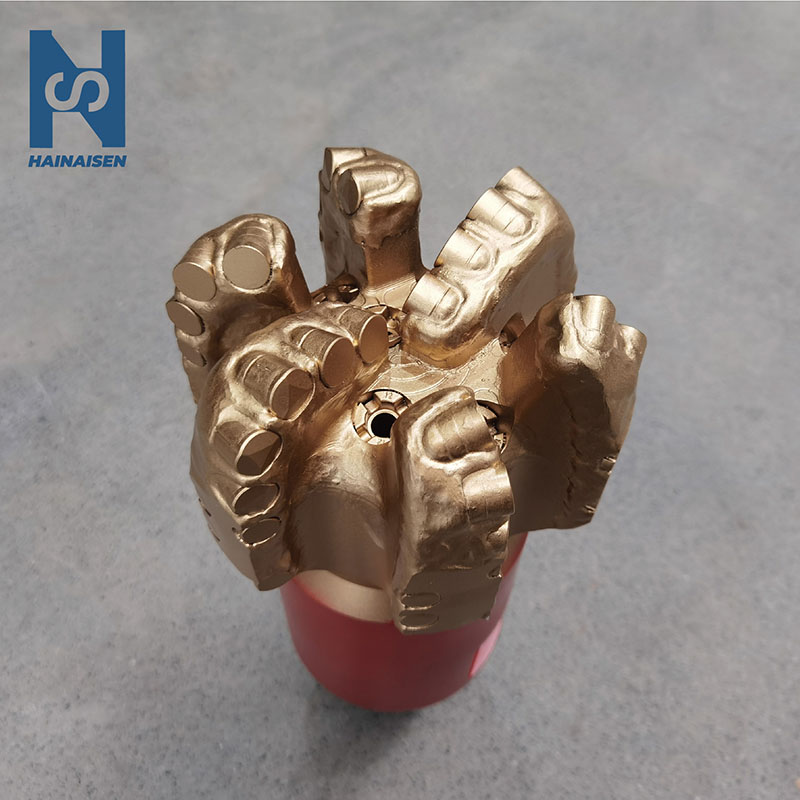 VIEW MORE6 Wings PDC Drill Bit
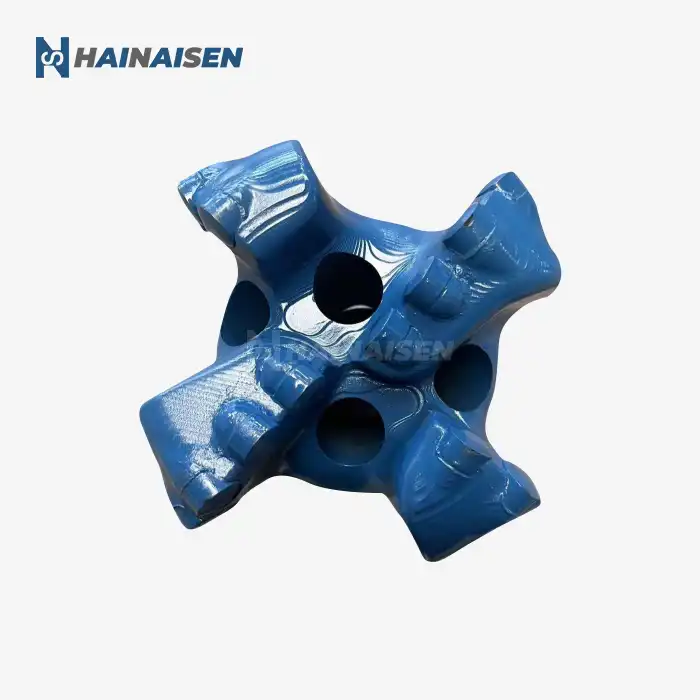 VIEW MOREFour Blade PDC Drill Bit
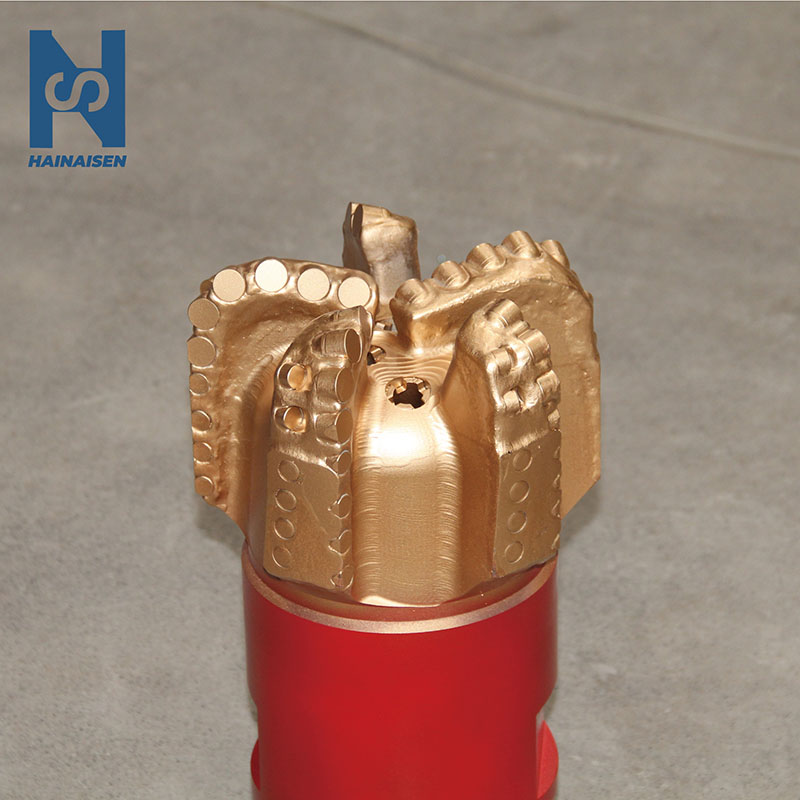 VIEW MORE5 Blades Steel Body High Performance PDC Rock Drill Bits
logo 2_1777360600432.jpg) VIEW MORECoal Mine Drilling Drill Bit Directional Three Blade PDC Drill Bit
VIEW MORECoal Mine Drilling Drill Bit Directional Three Blade PDC Drill Bit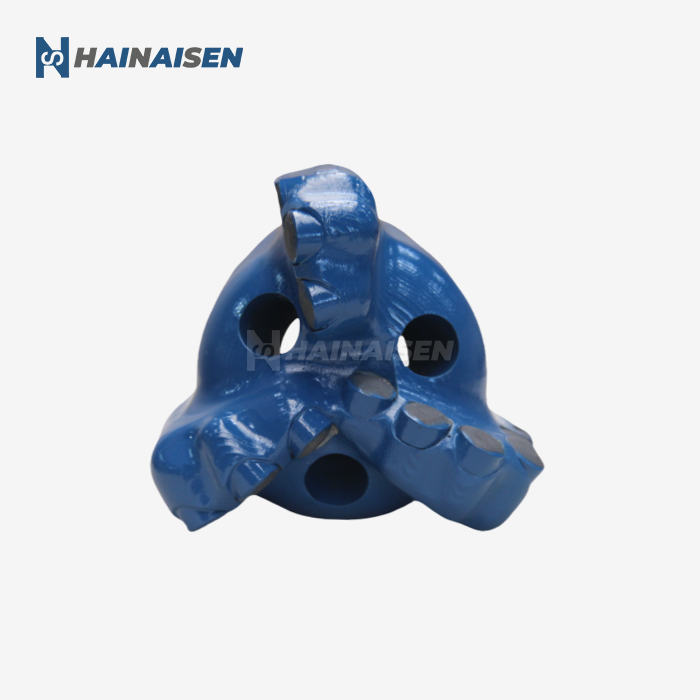 VIEW MORE113mm Three Wings PDC Arc Angle Drill Bit
